Acequias, Irrigation Ditches. 04-29-2026
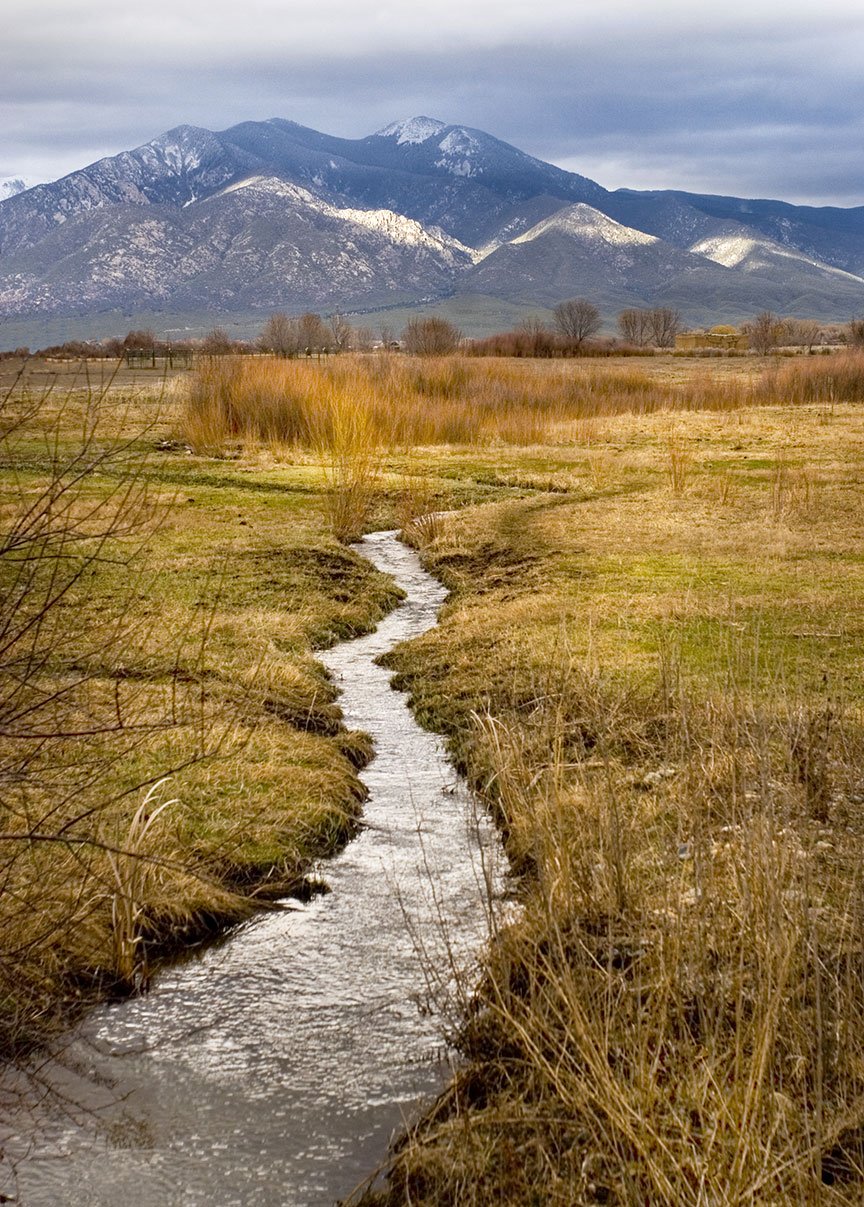
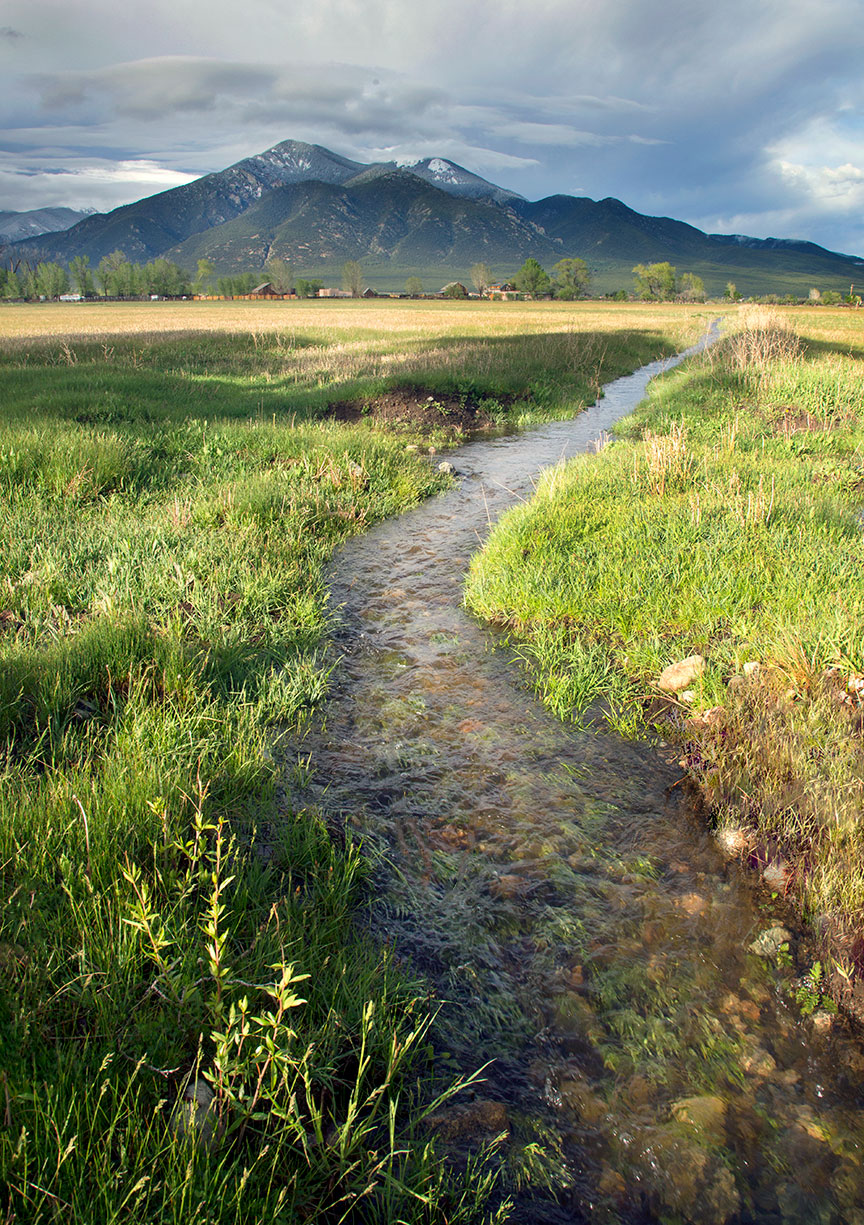
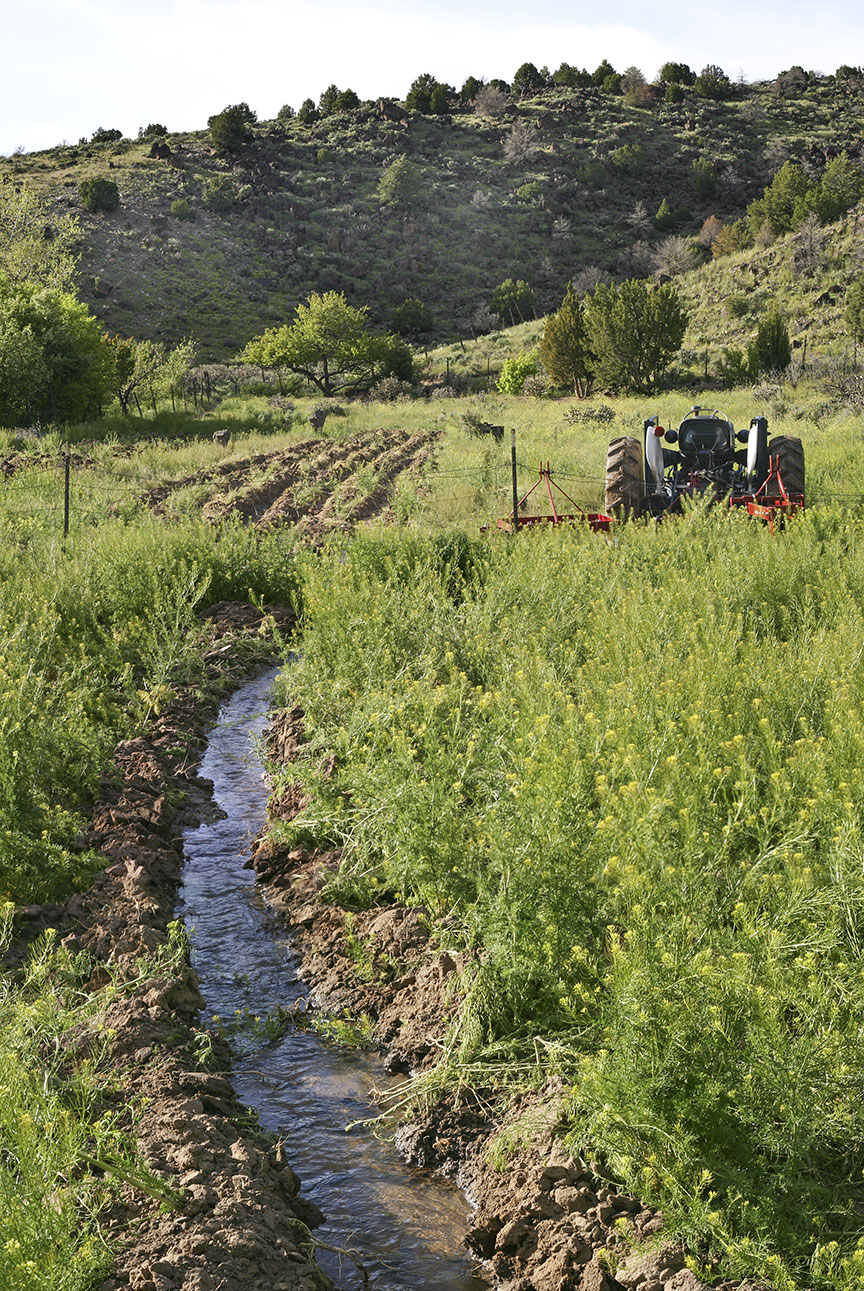
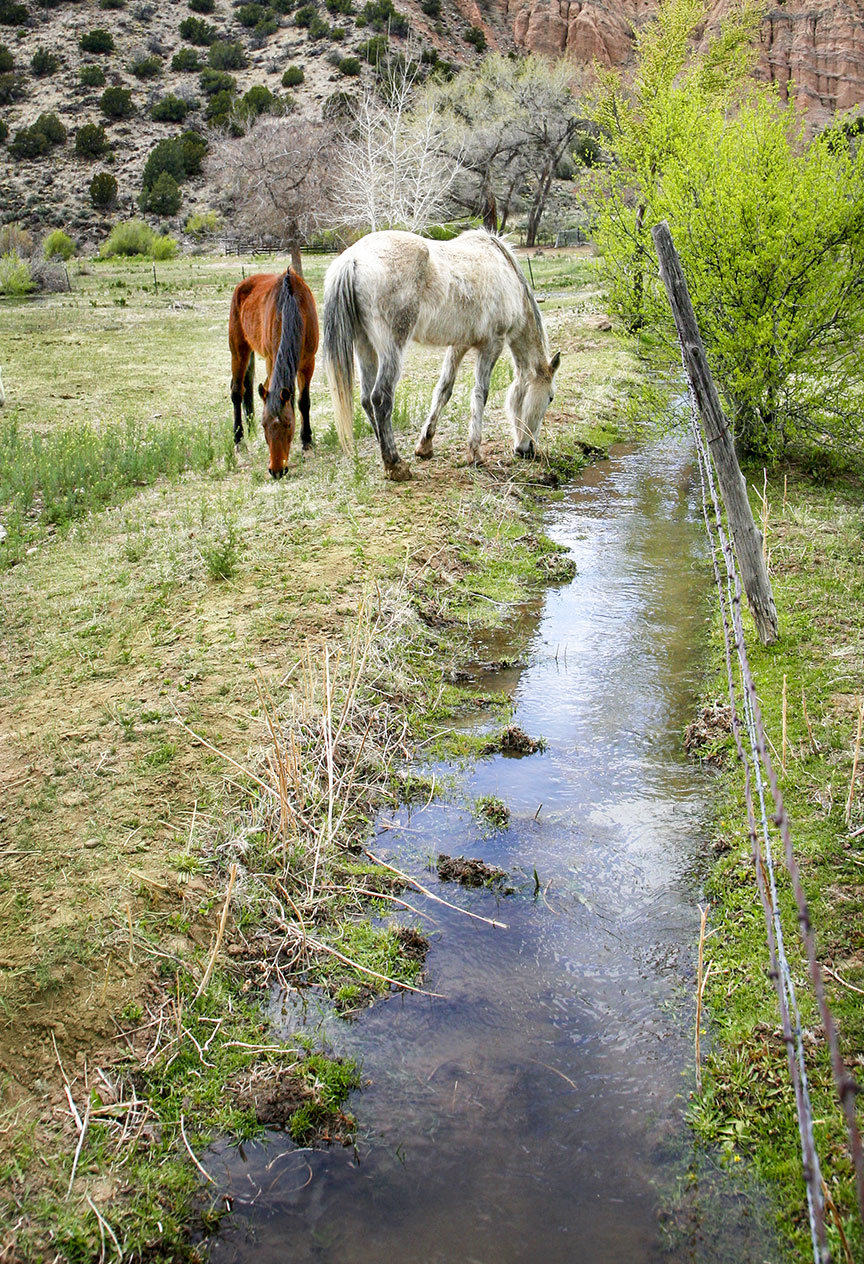
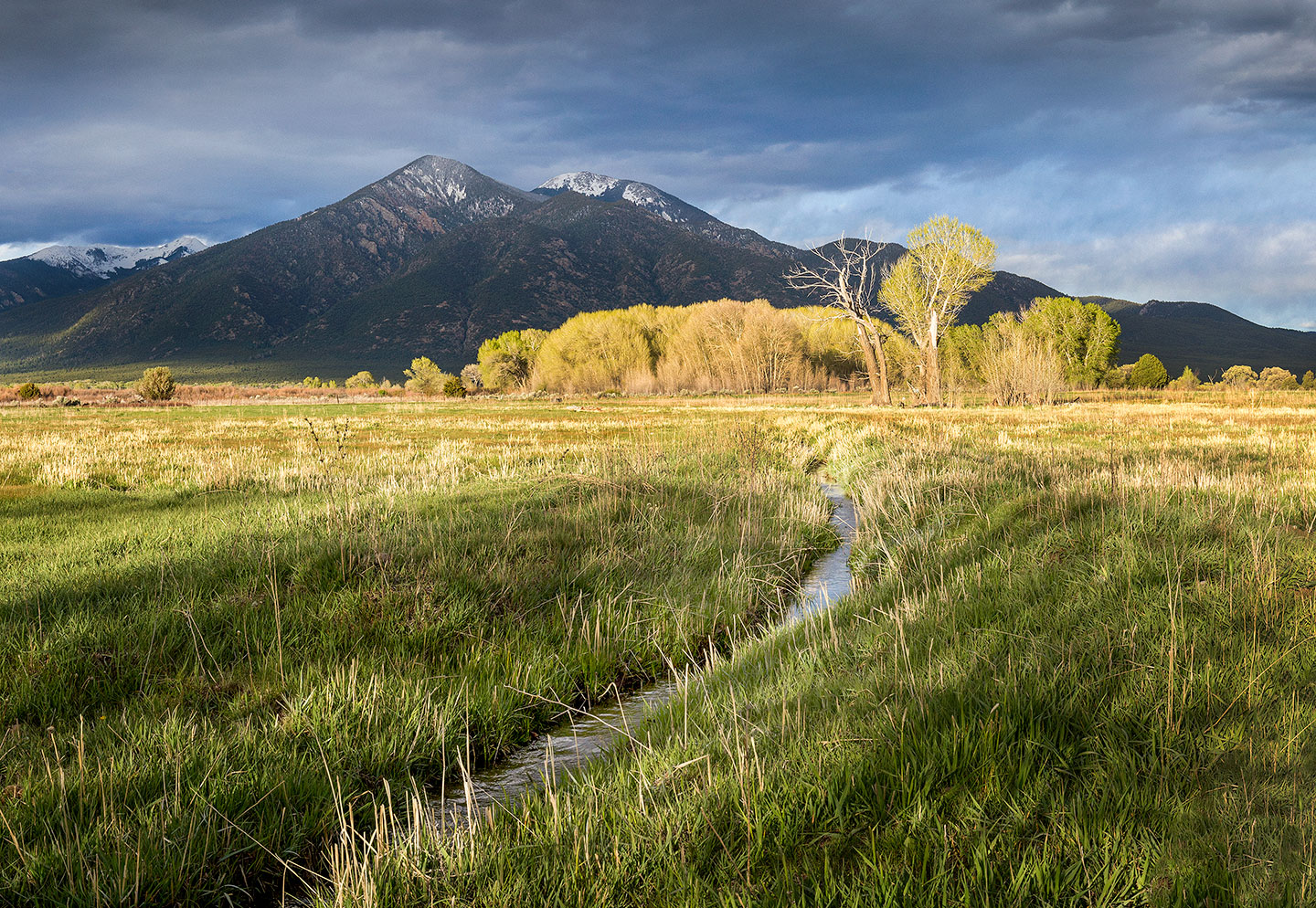
Hello from New Mexico. This week, images of some of the acequias, water irrigation ditches, the lifeblood of agriculture in this area.
I hope everyone had a good week. I endeavor to remain positive.
I’m posting some of my favorite photos of the Taos area acequias this week. There is a wealth of information online if you would like to read more.
•
•
•
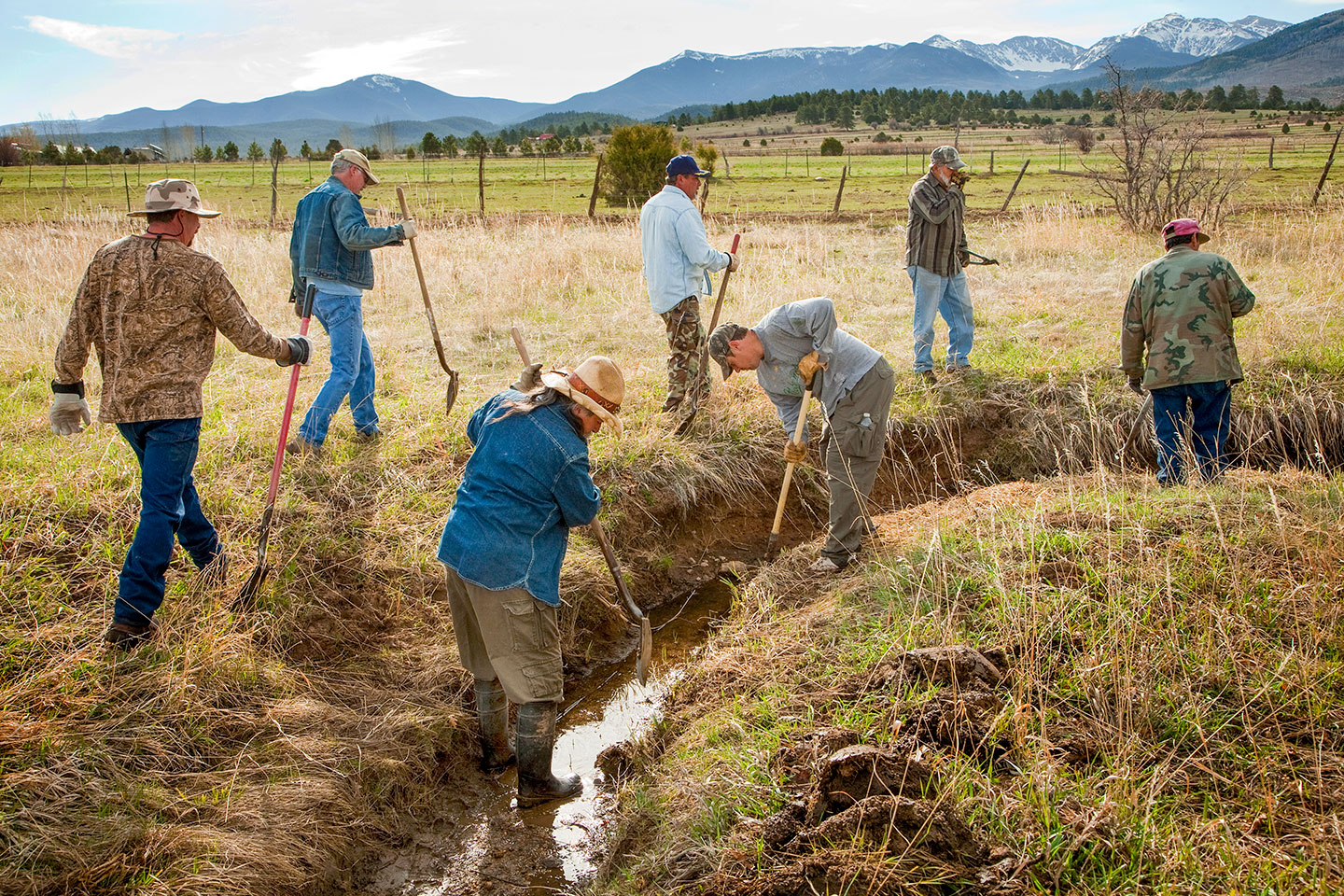
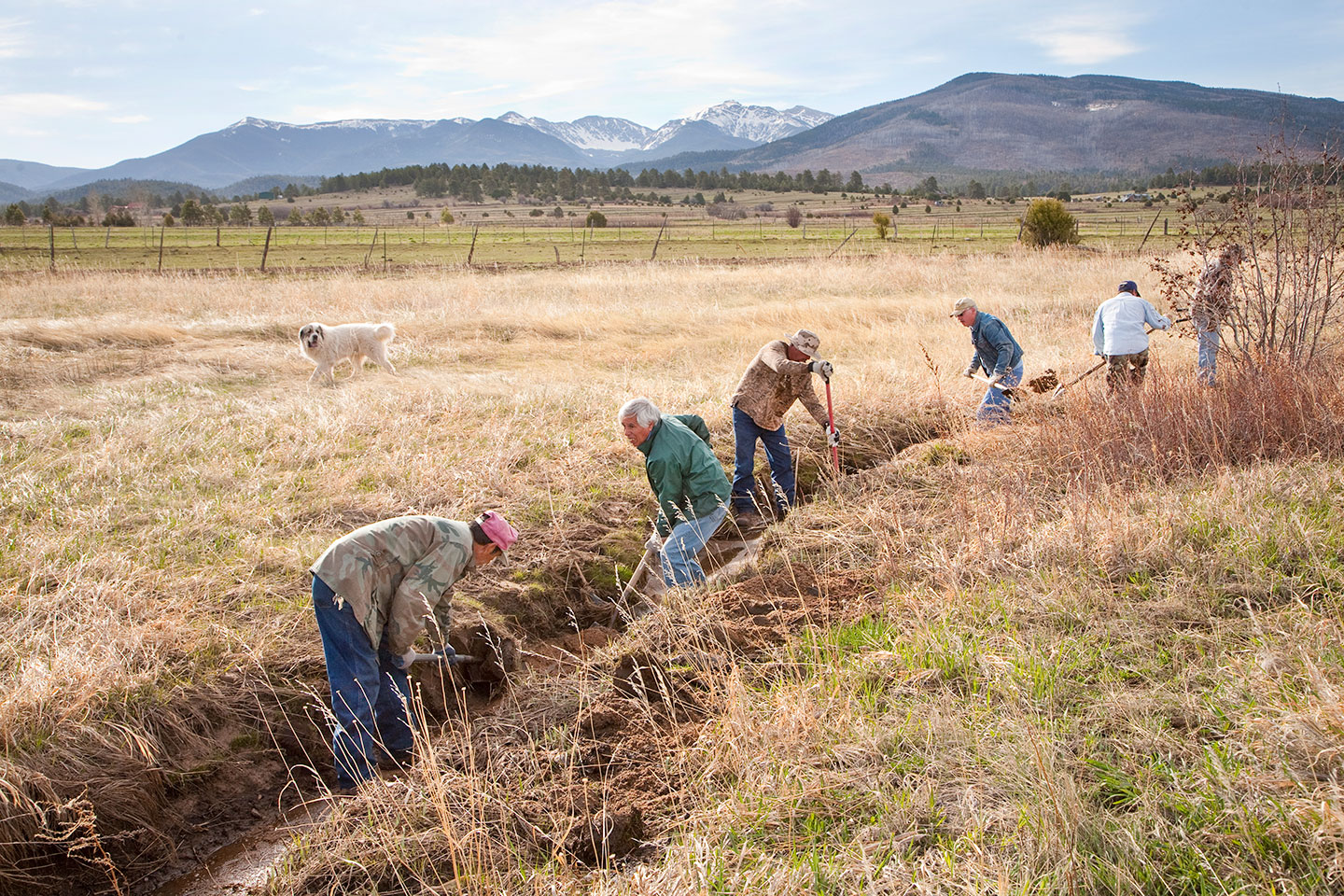
Acequias are community-operated watercourses used for irrigation. They are managed collectively by local farmers and landowners, emphasizing cooperation and shared responsibility. The governance of acequias is typically overseen by a “mayordomo,” an elected official responsible for the maintenance and operation of the irrigation system.
•
Acequias are designed to be sustainable, using gravity to transport water from rivers or streams to agricultural fields. They are adaptable to various landscapes, including arid and semi-arid regions, making them crucial for agriculture in areas with limited rainfall.
•
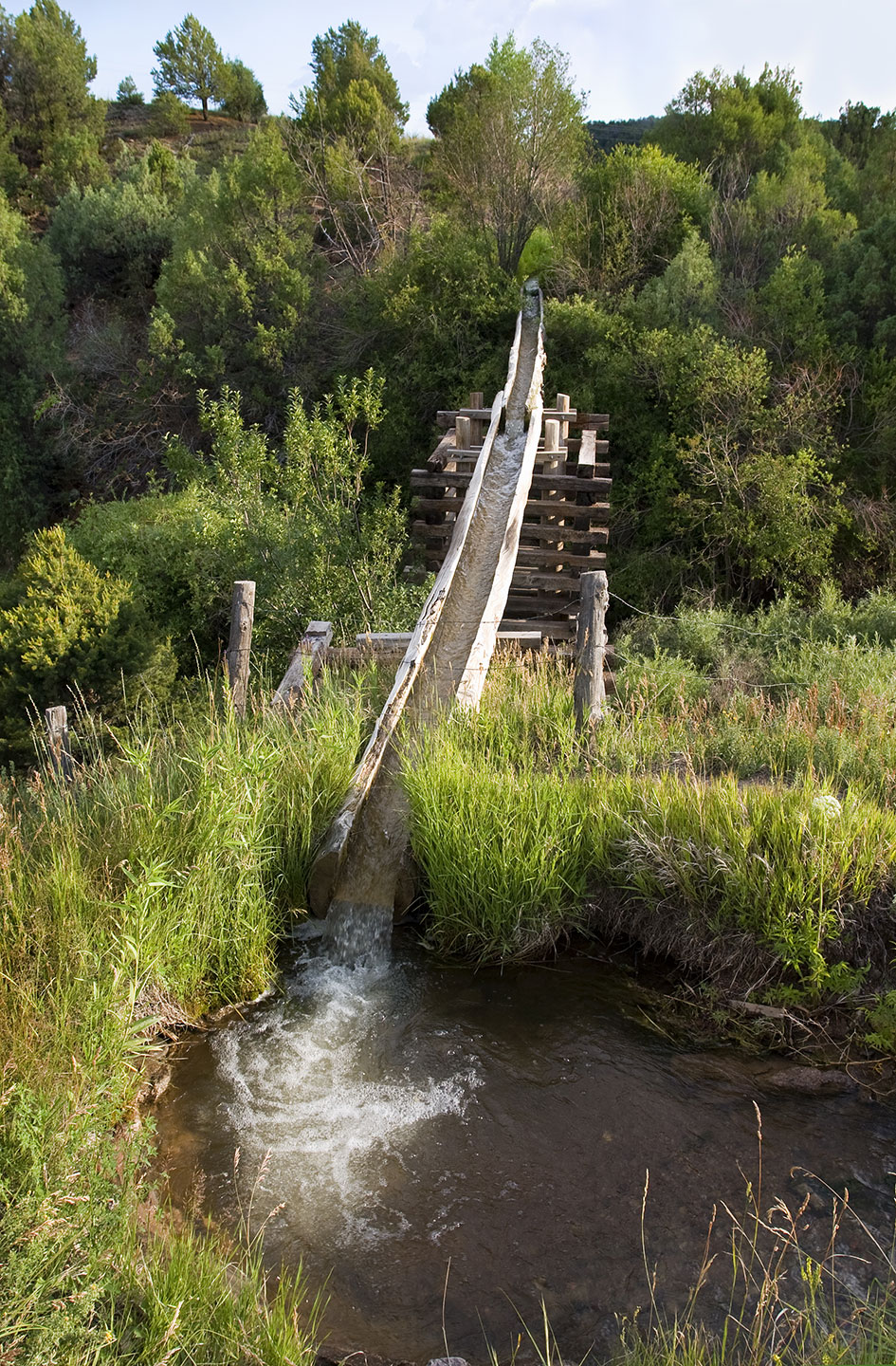
‘A distinctive feature of the acequias is the survival of a “canoa,” a hand-hewn hollow log that serves as a flume to transport water across ditches and depressions.”

•
Acequia culture is deeply rooted in the traditions and history of the communities that maintain them. They are often associated with indigenous and Hispanic cultures in the American Southwest, particularly in New Mexico and Colorado. These systems have been in continuous use for centuries, representing a living link to the past and a testament to the ingenuity of early settlers and indigenous peoples.
•
Acequias are often governed by specific water rights and legal frameworks that have been developed over time. These rights are crucial for resolving disputes and ensuring equitable water distribution. The social structure surrounding acequias fosters a strong sense of community and mutual aid, as water is a shared and vital resource.
•
Today, acequia communities face challenges such as urbanization, climate change, and water scarcity. Efforts are being made to preserve these systems through legal protections, cultural initiatives, and sustainable practices. Organizations and local governments work to maintain the integrity of acequias, recognizing their importance for cultural heritage, agriculture, and environmental sustainability.
•
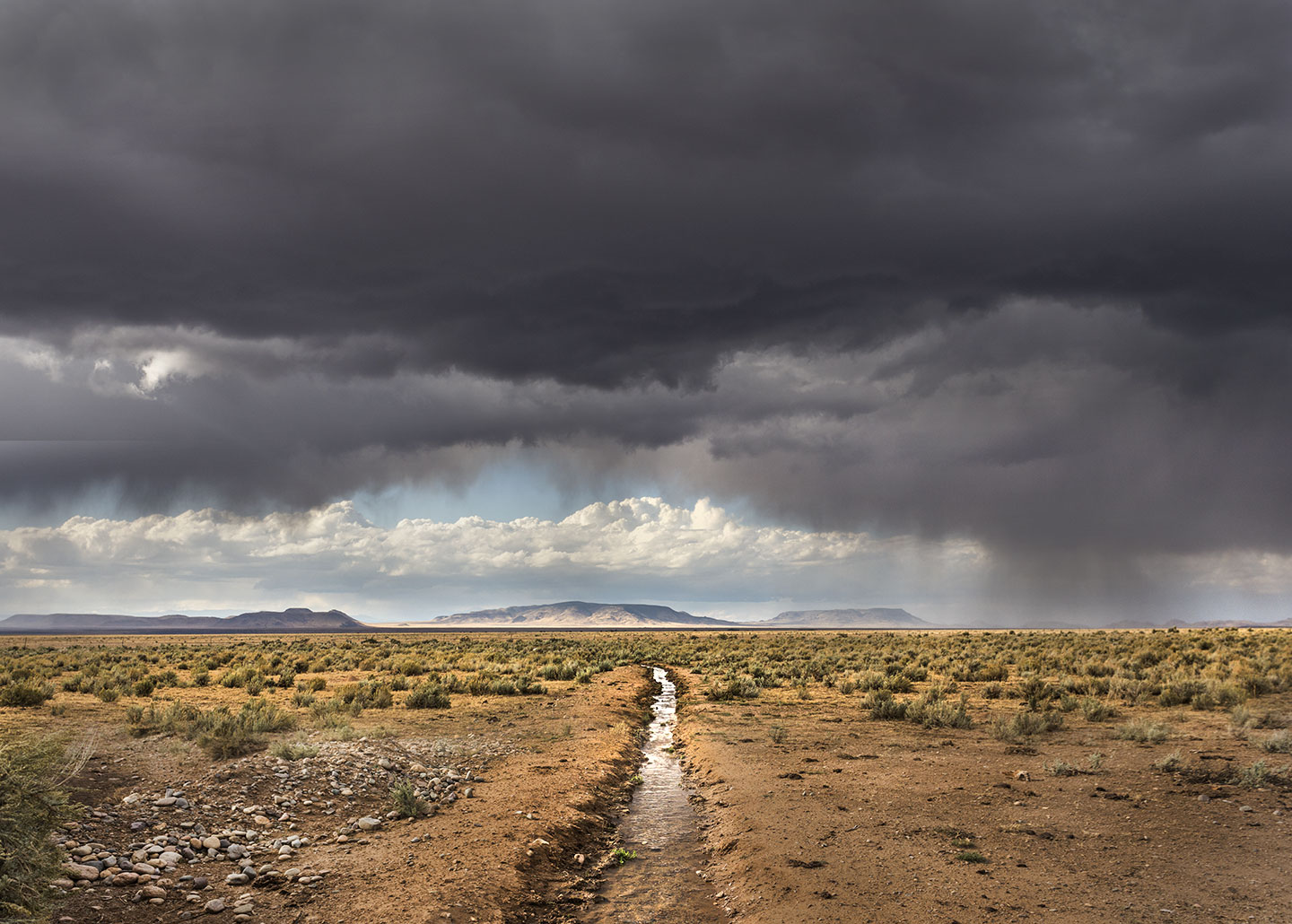
And a tranquil scene along the Rio Hondo, and a view of one of the lateral ditches running through one of my favorite locations.

•
•
In summary, acequia culture is a unique blend of historical irrigation practices, community cooperation, and cultural heritage. It continues to play a vital role in the agricultural and social life of many communities in the American Southwest, embodying principles of sustainability and shared stewardship of natural resources.
As always, thanks for looking. Have a great week. Enjoy the spring weather. G