Fine Art Images from the American Southwest

Month: March 2026

Days Before Spring. 03-18-2026

Greetings from San Cristobal, NM. This week, some images taken in the days before spring.

Spring appears ready to make its grand entrance this week, and I couldn’t be happier. Spring brings the promise of warmer days that fill me with anticipation, as I look forward to many hikes and walks with the dogs and seeing the landscape transform into a lush, vibrant green, moisture permitting.

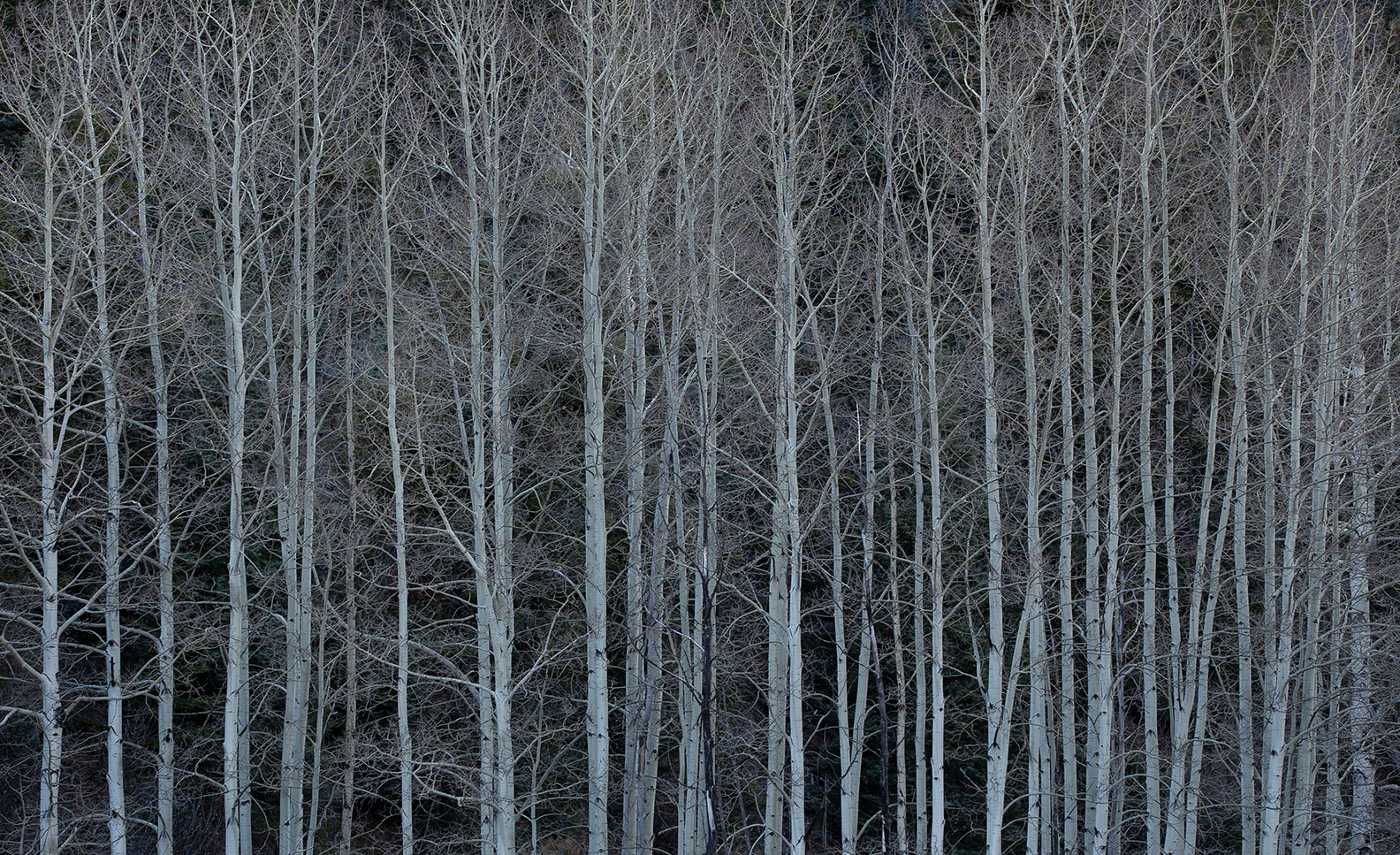
Aspen Trees.

Aspen trees, known for their striking white bark and vibrant foliage, are a prominent feature of many North American landscapes, particularly in the Rocky Mountains and other high-altitude regions. These deciduous trees are part of the Populus genus and are renowned for their ability to form large clonal colonies, where all the trees are interconnected through a shared root system. This unique growth pattern allows aspens to regenerate quickly after disturbances such as fires, making them a vital component of forest ecosystems. In the fall, aspen leaves turn a brilliant shade of yellow, creating breathtaking displays of color that attract nature enthusiasts and photographers alike. Beyond their aesthetic appeal, aspens play a crucial ecological role by providing habitat and food for a variety of wildlife, including deer, elk, and numerous bird species. Their presence also contributes to soil stabilization and water retention in their native habitats, underscoring their importance in maintaining ecological balance.

Bare aspen trees, Spring on Bobcat Pass, NM
Bare aspen trees, spring on Bobcat Pass, NM.

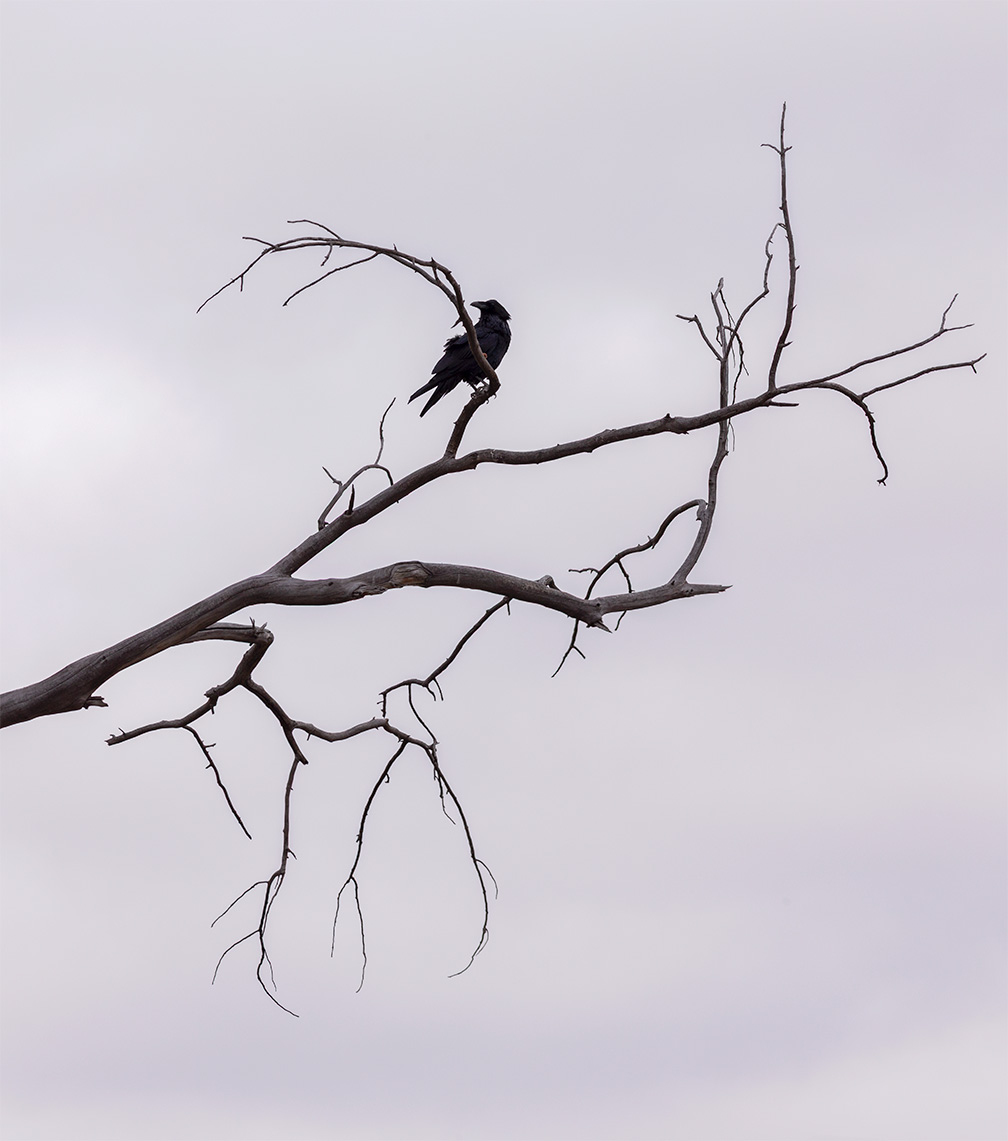
American Crow in an old cottonwood tree.

The American Crow (Corvus brachyrhynchos) is a highly adaptable and intelligent bird found throughout North America. Recognizable by its all-black plumage, stout bill, and distinctive cawing call, the American Crow is a familiar sight in a variety of habitats, including forests, fields, urban areas, and coastal regions. Known for their remarkable problem-solving abilities and complex social structures, crows often live in family groups and exhibit behaviors such as cooperative breeding and communal roosting. These birds are omnivorous, with a diet that includes insects, seeds, fruits, small animals, and carrion, as well as human food scraps, which contributes to their success in diverse environments. American Crows are also known for their tool use and ability to recognize individual human faces, highlighting their cognitive prowess. Despite being common and widespread, they play an important ecological role by controlling pest populations and cleaning up carrion, making them a vital component of their ecosystems.

Crow in a bare tree
American Crow in a bare/dead cottonwood tree.

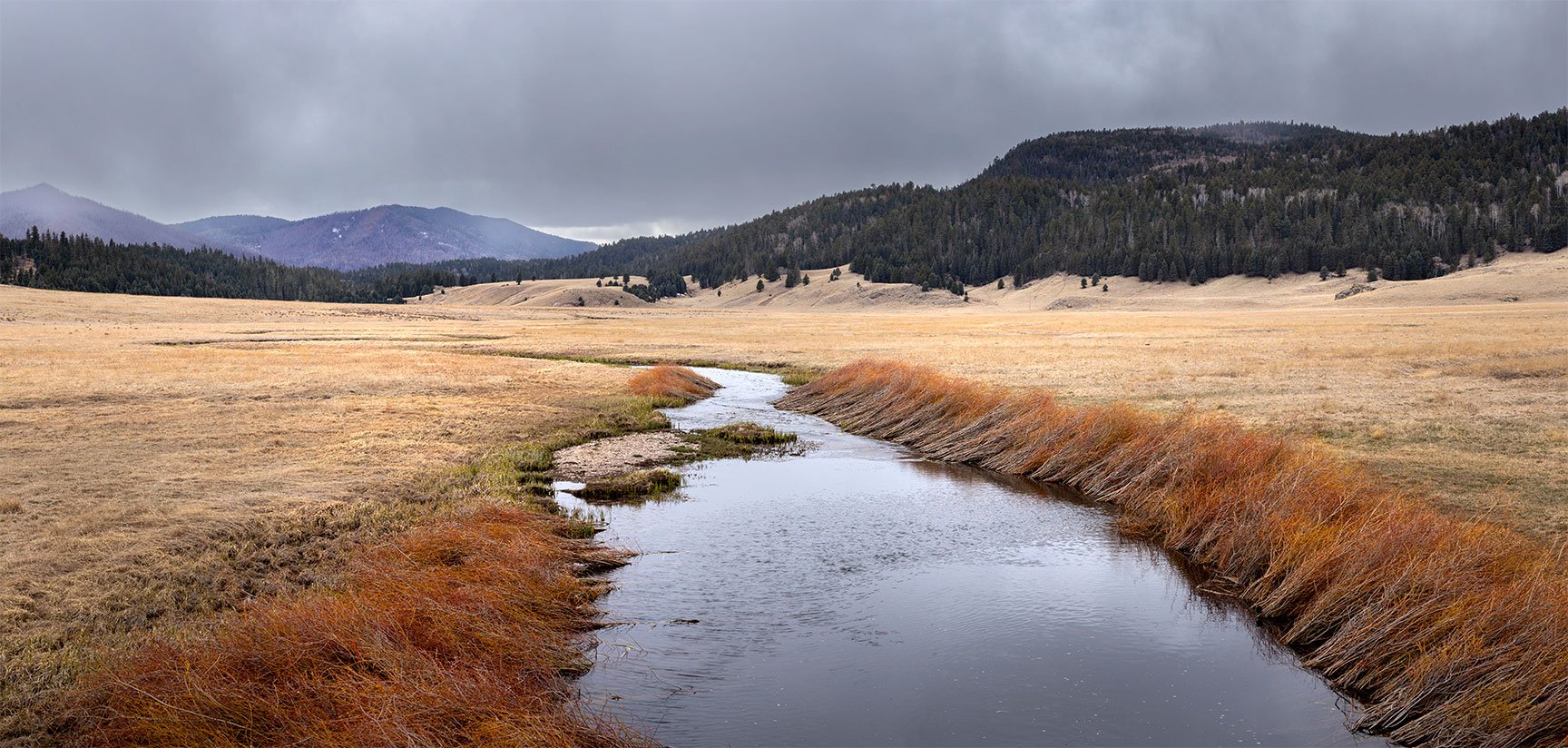
Valles Caldera.

The Valles Caldera, located in the Jemez Mountains of northern New Mexico, is a breathtaking geological feature formed approximately 1.25 million years ago following a massive volcanic eruption. This 13.7-mile-wide caldera is one of the best-preserved examples of its kind in the world, offering a unique glimpse into the Earth’s volcanic past. The landscape is characterized by vast grasslands, lush forests, and diverse wildlife, making it a haven for outdoor enthusiasts and nature lovers. The area is now protected as the Valles Caldera National Preserve, providing opportunities for hiking, fishing, and wildlife viewing. Its rich geothermal activity and stunning vistas also make it a popular site for scientific research and photography. The caldera’s unique ecosystem and cultural significance, with evidence of human habitation dating back thousands of years, add to its allure as a natural and historical treasure.

Spring in the Valle Caldera, NM.
Before Spring in the Valle Caldera, NM.

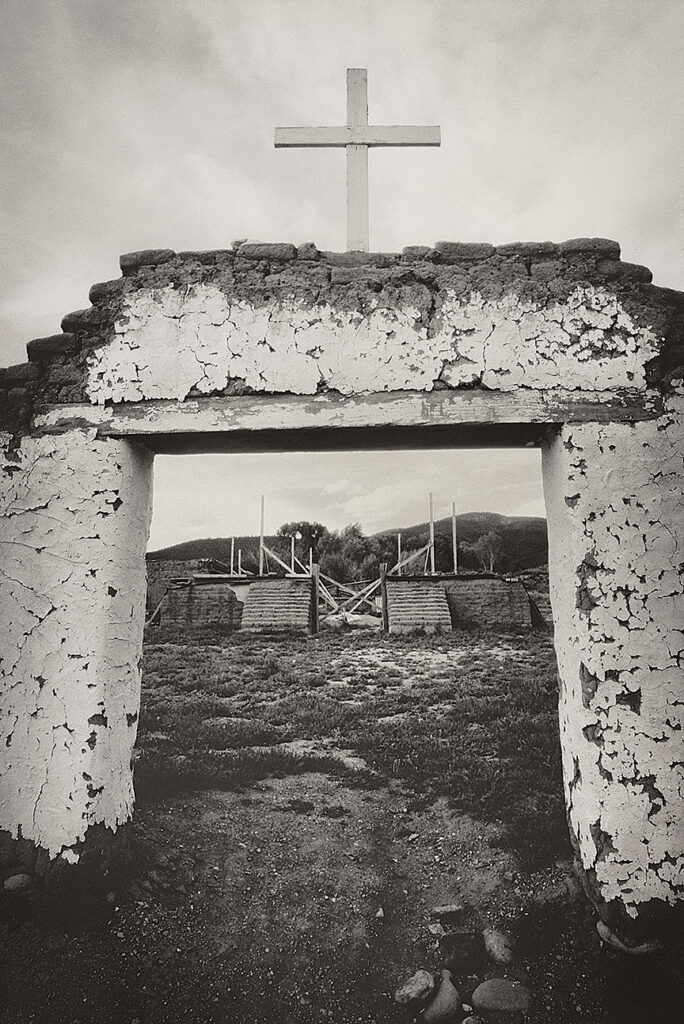
Picuris Pueblo.

Picuris Pueblo is a small, historic Native American community located in northern New Mexico, nestled in the scenic Sangre de Cristo Mountains. As one of the Eight Northern Pueblos, Picuris has a rich cultural heritage that dates back over a thousand years. The pueblo is known for its traditional adobe architecture, which reflects the community’s deep connection to its ancestral roots. Picuris Pueblo is renowned for its vibrant cultural traditions, including pottery, weaving, and ceremonial dances, which are integral to the community’s identity and are celebrated during various feast days and events. The pueblo’s location offers stunning natural beauty, with opportunities for outdoor activities such as hiking and birdwatching. Despite its small size, Picuris Pueblo plays a significant role in preserving the cultural and historical legacy of the Pueblo peoples in the American Southwest.

Picuris Pueblo, San Lorenzo Church during reconstruction.

Restoration, Church, Picuris Pueblo
Restoration, Picuris Pueblo Church, NM.

As always, thanks for looking and visiting. Have a great week, and I’ll see you on the other side of the Spring Equinox. G

Penitente Morada, Abiquiu. 03-11-26

Greetings from San Cristobal, NM. This week, some favorite images from the Penitente Morada in Abiquiu, New Mexico.

The penitents of Northern New Mexico, particularly in areas like Abiquiú, are part of a religious brotherhood known as Los Hermanos Penitentes. This lay Catholic fraternity has deep roots in the region, tracing back to the early Spanish settlers who brought their faith and traditions to the remote and rugged landscapes of New Mexico. The Penitentes emerged in the 19th century as a response to the isolation and lack of clergy in the area, providing spiritual guidance and community cohesion through their devout practices.

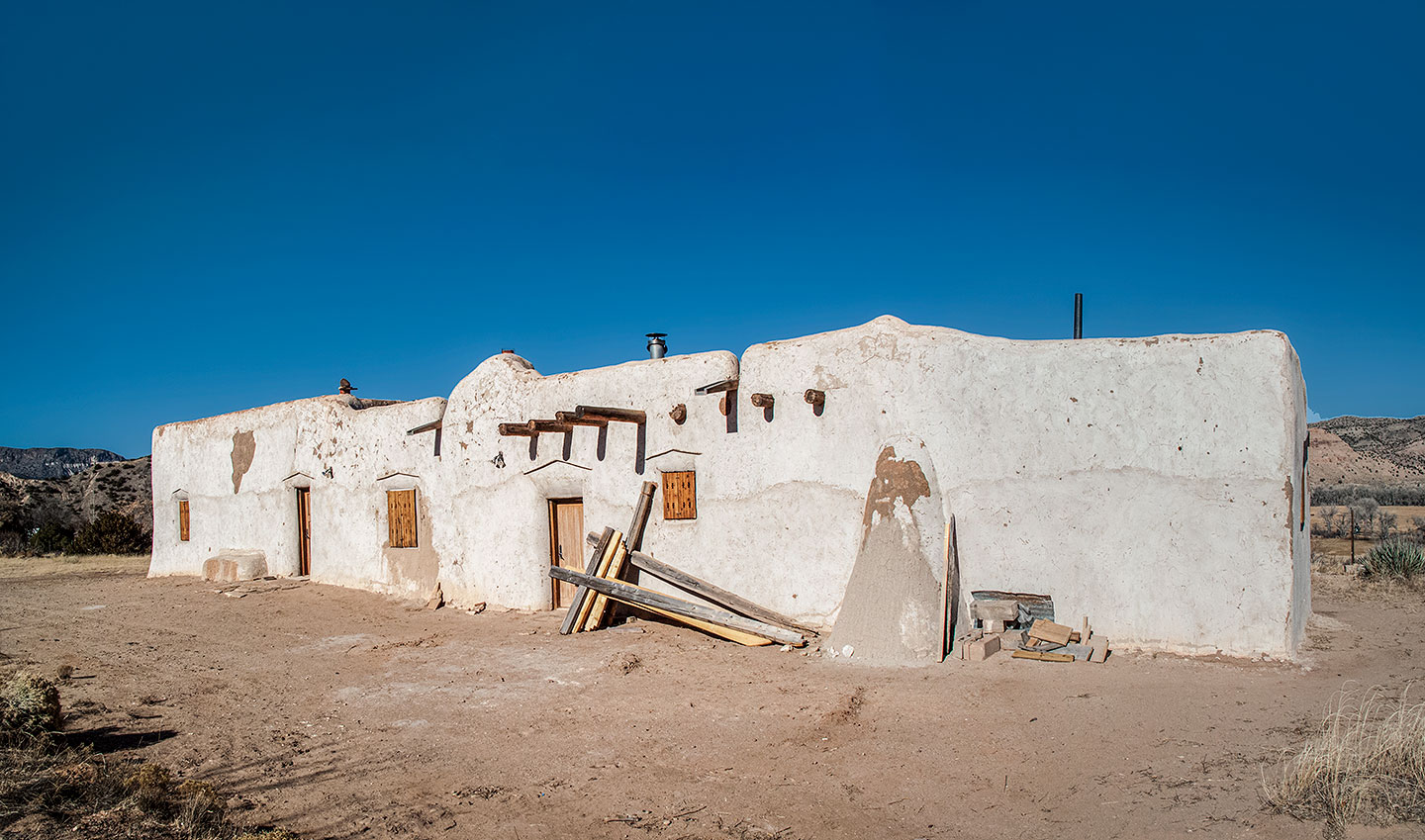
Morada, Abiquiu
Penitente Morada, Abiquiu, NM.

In Abiquiú, a small village known for its stunning landscapes and rich cultural history, the Penitentes have played a significant role in maintaining religious and cultural traditions. The brotherhood is known for its emphasis on penance, prayer, and acts of charity. Their practices are particularly visible during Lent and Holy Week, when they engage in rituals that include processions, reenactments of the Passion of Christ, and acts of self-flagellation. These rituals are deeply symbolic, reflecting themes of sacrifice, redemption, and communal solidarity.

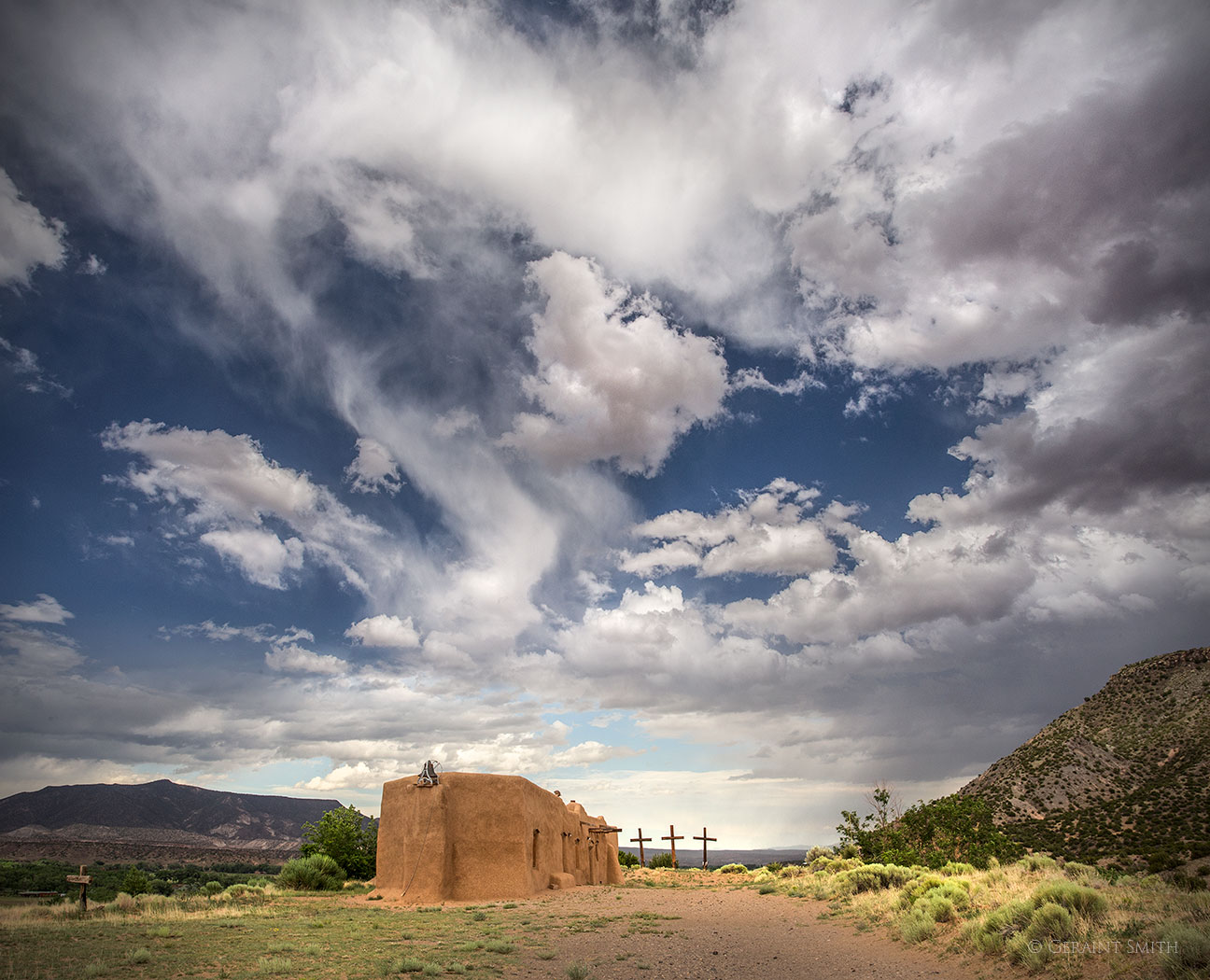
Penitente Morada, Abiquiu
Penitente Morada, and three crosses.

The Penitentes have historically been a subject of intrigue and misunderstanding, often shrouded in secrecy due to their private nature and the intense personal devotion of their practices. However, they are also respected for their commitment to preserving cultural heritage and providing social support within their communities. In Abiquiú, the brotherhood has contributed to the village’s identity, blending indigenous, Spanish, and Catholic influences into a unique cultural tapestry.

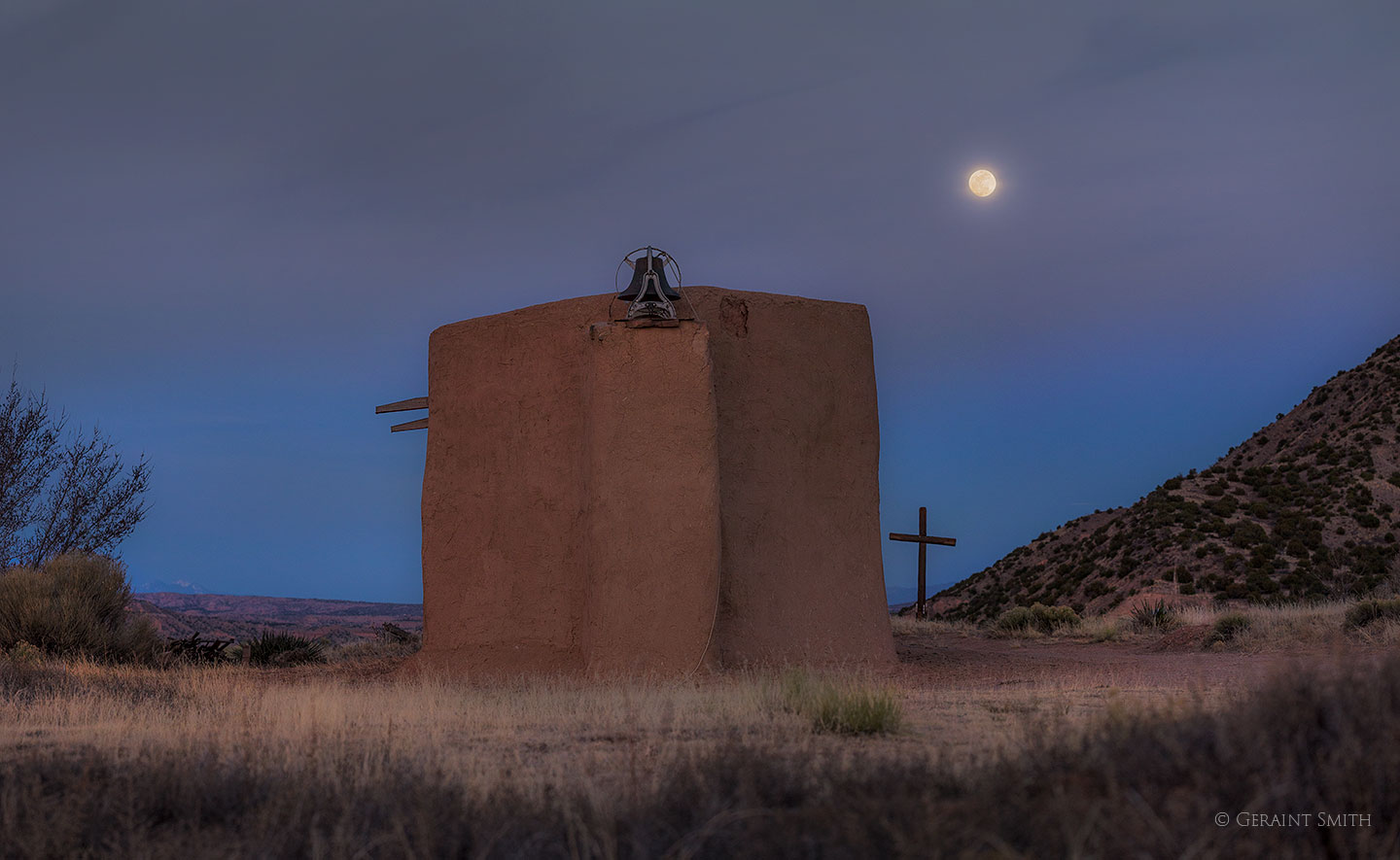
Moonrise Penitente Morada, Abiquiu
Moonrise, Penitente Morada, and one cross.

Today, the Penitentes continue to be a vital part of Northern New Mexico’s spiritual landscape. While their numbers have dwindled, and some of their practices have evolved over time, they remain a testament to the enduring power of faith and community in the face of change and adversity. Their presence in Abiquiú and the surrounding areas serves as a reminder of the region’s rich history and the resilience of its people.

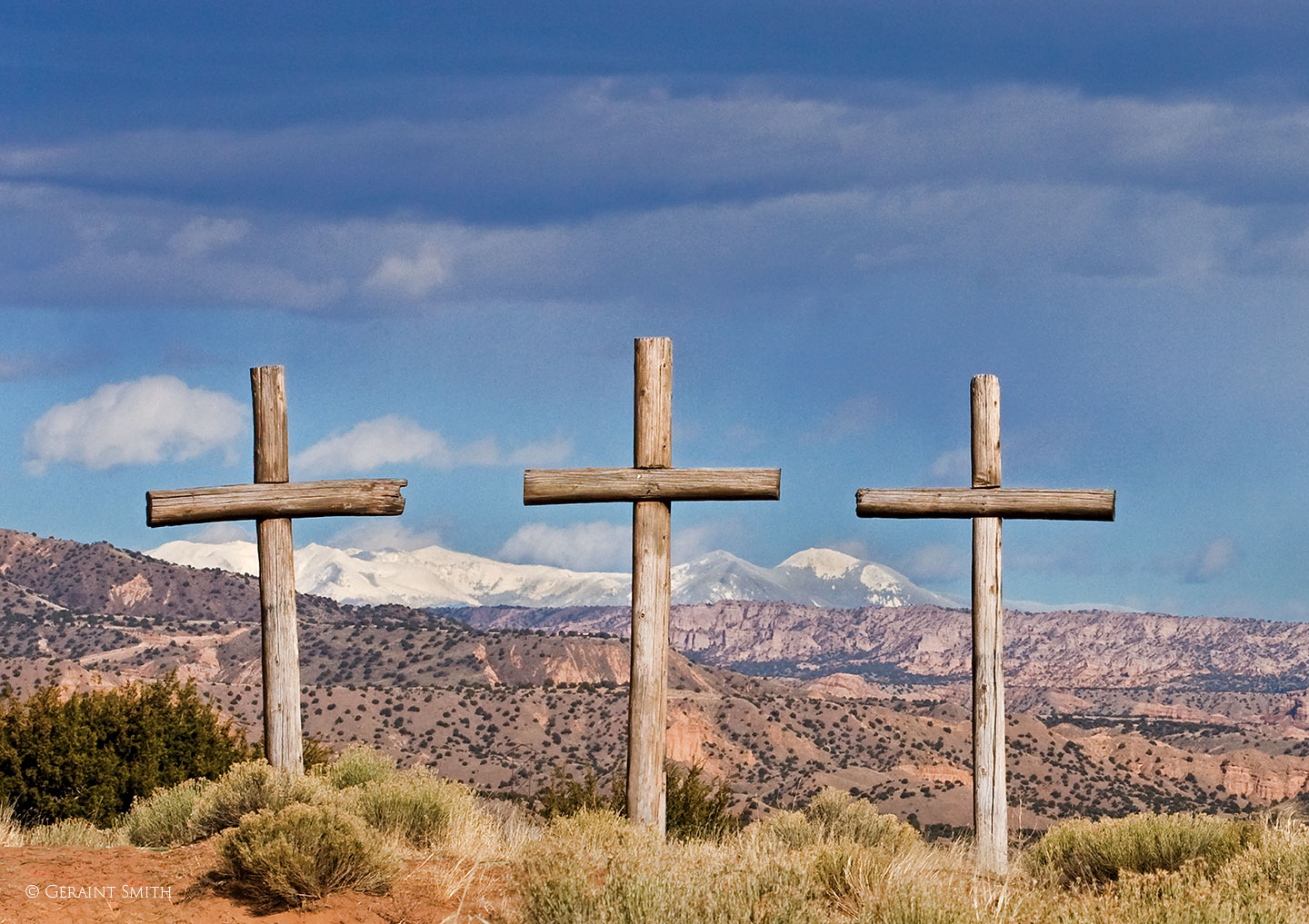
Three crosses, Abiquiu
Three crosses with a view of the Taos Mountains.

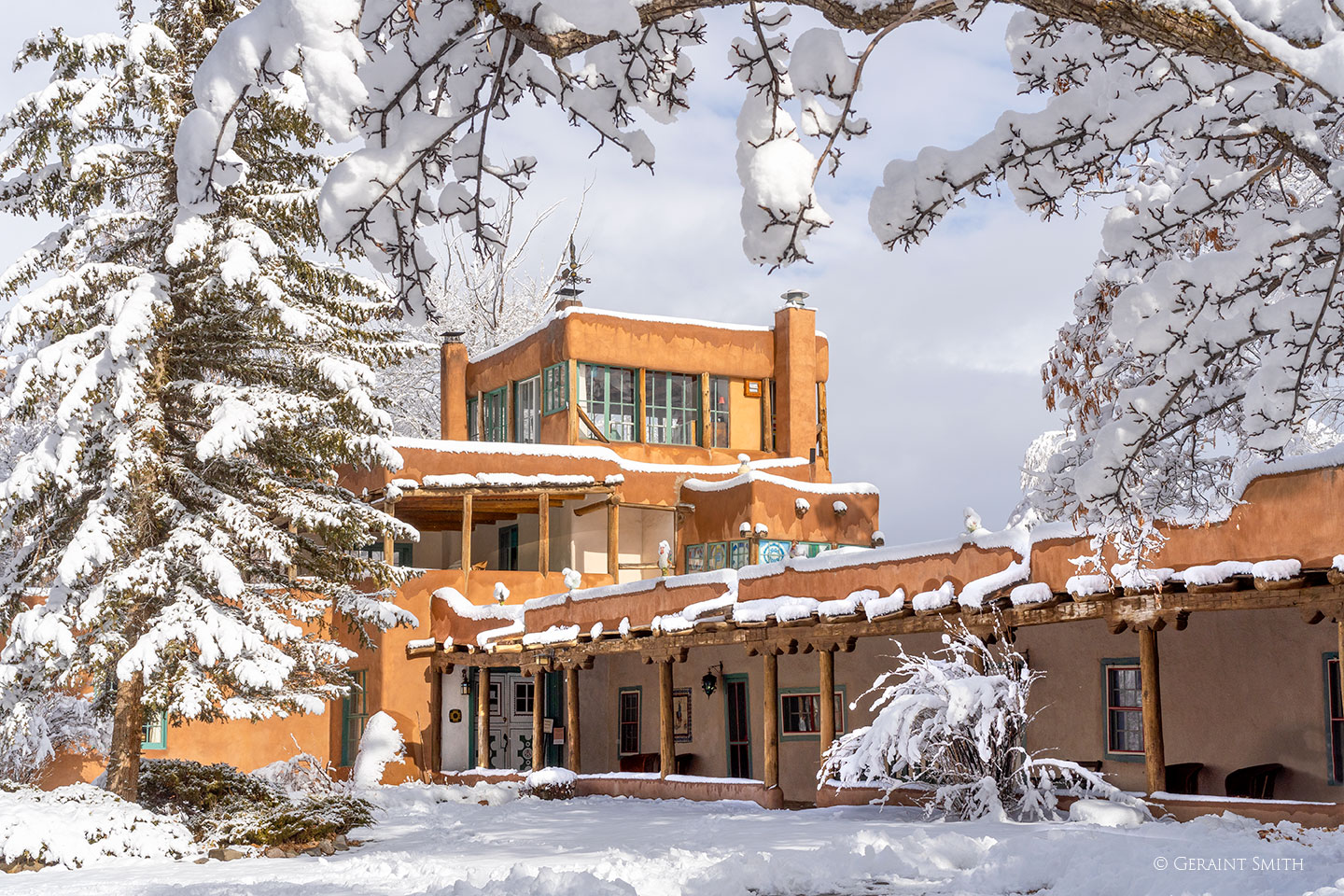
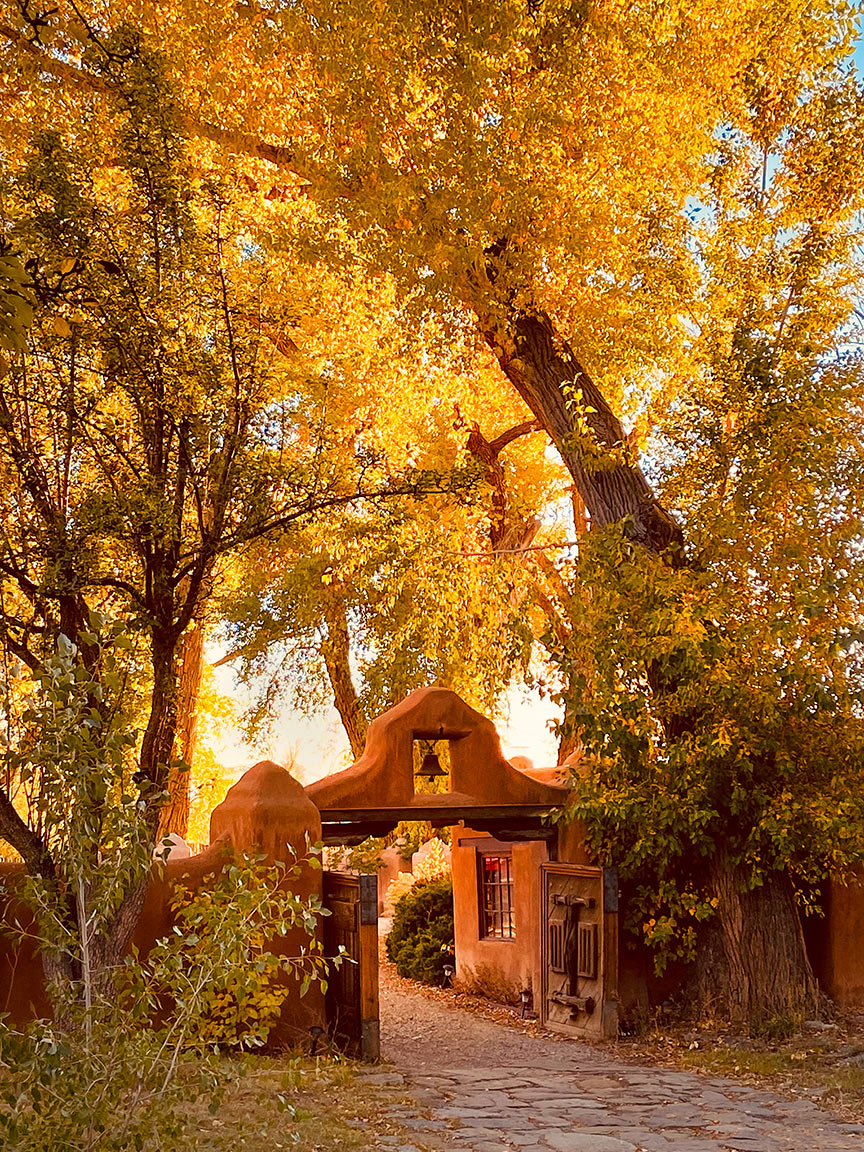
You can now find my greeting cards at the Mabel Dodge Luhan House. The cards feature images of the house, its architecture, and the surrounding landscapes.

Mabel Dodge Luhan
Mabel Dodge Luhan House, Taos.
Mabel Dodge Luhan House gateway fall.
Mabel Dodge Luhan House gateway.

As always, thanks for visiting and looking. I apologize for the comment page not working correctly. I appreciate the heads-up and taking the time to let me know. Have a great week. G
Abiquiu, Arroyo Blanco, Ghost Ranch. 03-04-2026

Hello from New Mexico. This week, a day trip to Arroyo Blanco, Abiquiu, Ghost Ranch, and beyond.

On the last day of February, my good friend and fellow photographer, David Marks, met up at the visitors center in Abiquiu, parked the car, and headed out. First stop was to get some lunch at Bode’s General Store and a picnic along the Rio Chama just a short distance away.

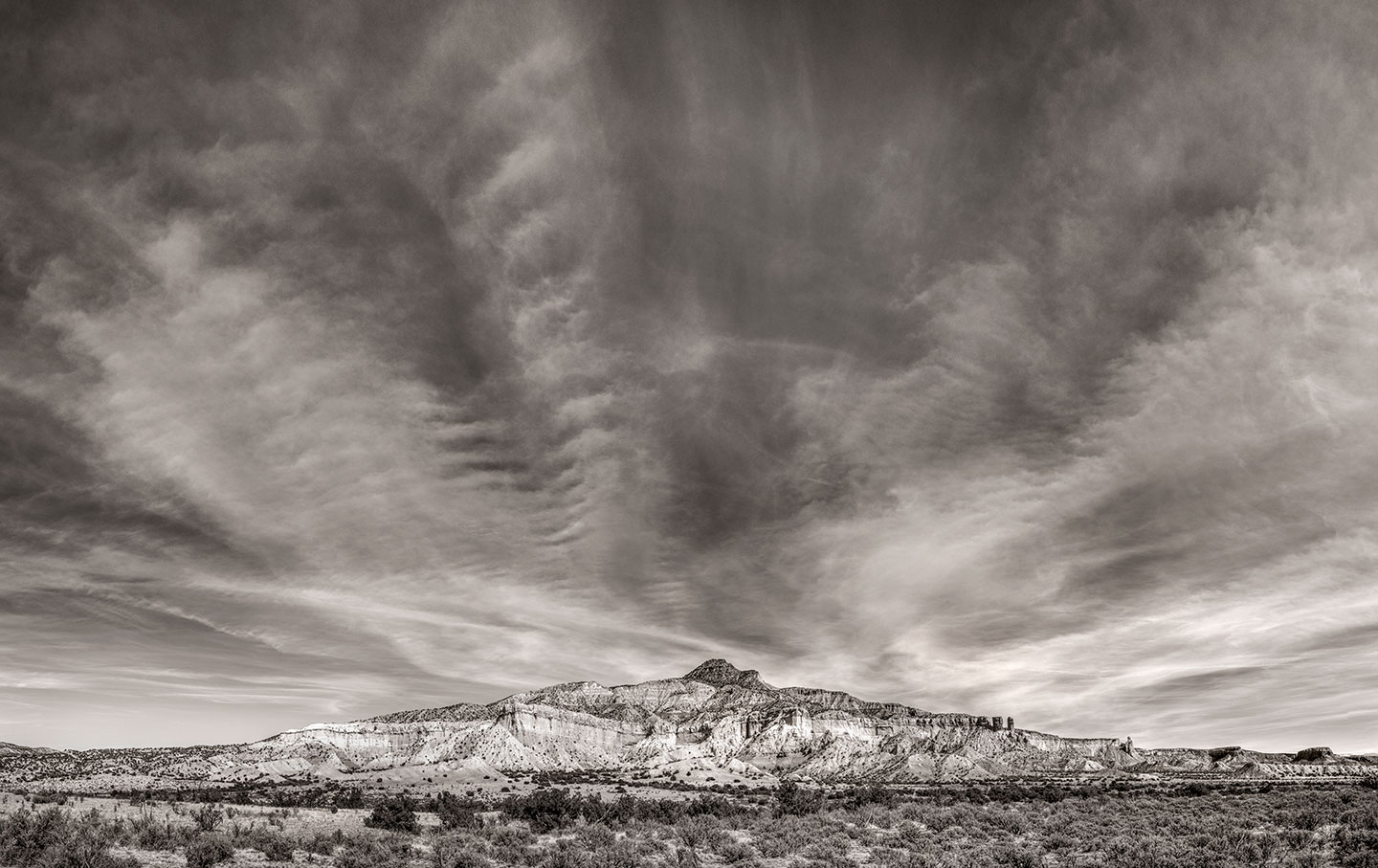
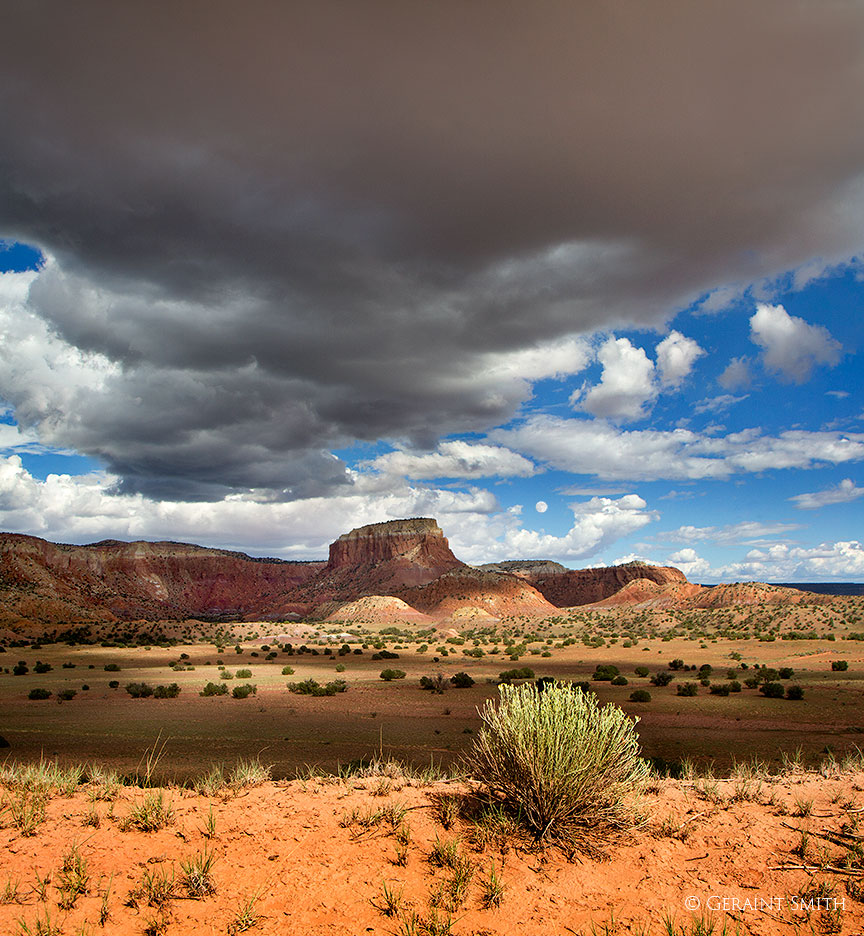
Ghost Ranch NM
Ghost Ranch, NM.

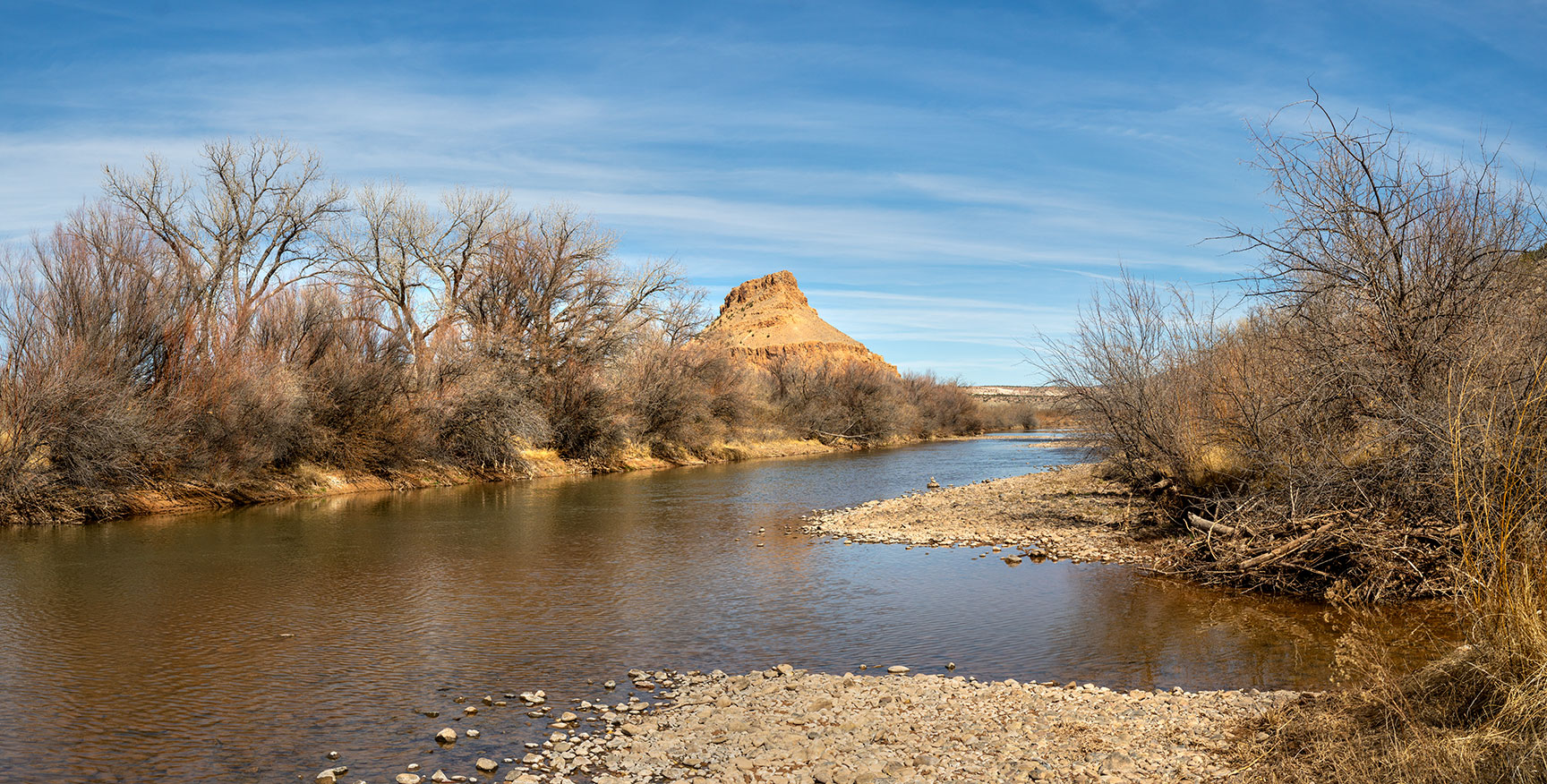
Picnic lunch stop along the Rio Chama in Abiquiu, with low water but a nice spot and view of the very rust colored Cerrito Blanco.

Rio Chama, Abiquiu
Rio Chama, Abiquiu, NM.

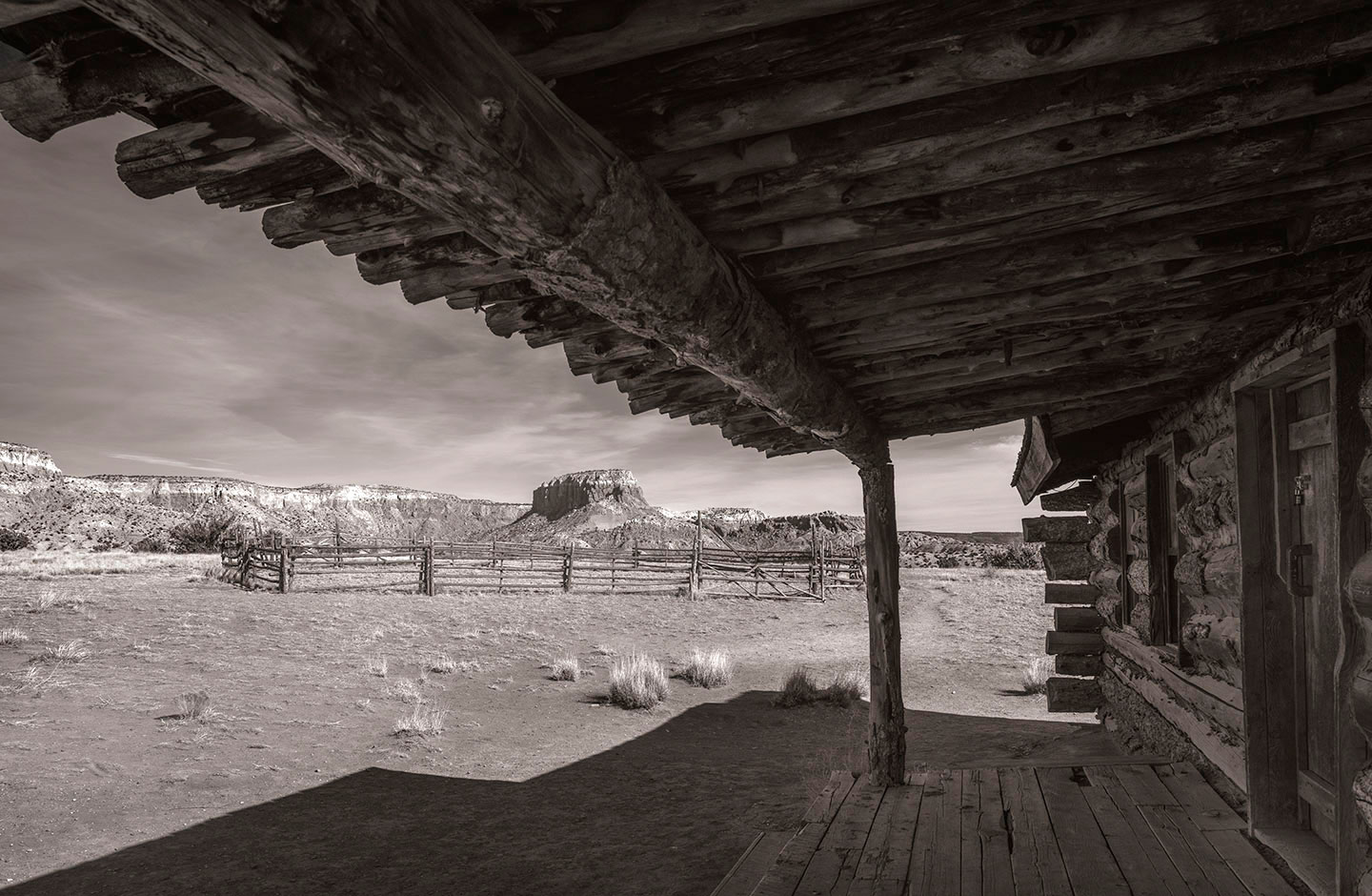
Curly’s Cabin from the film City Slickers, at Ghost Ranch.

Curly's Cabin, Ghost Ranch, NM.
Curly’s Cabin, Ghost Ranch, NM.

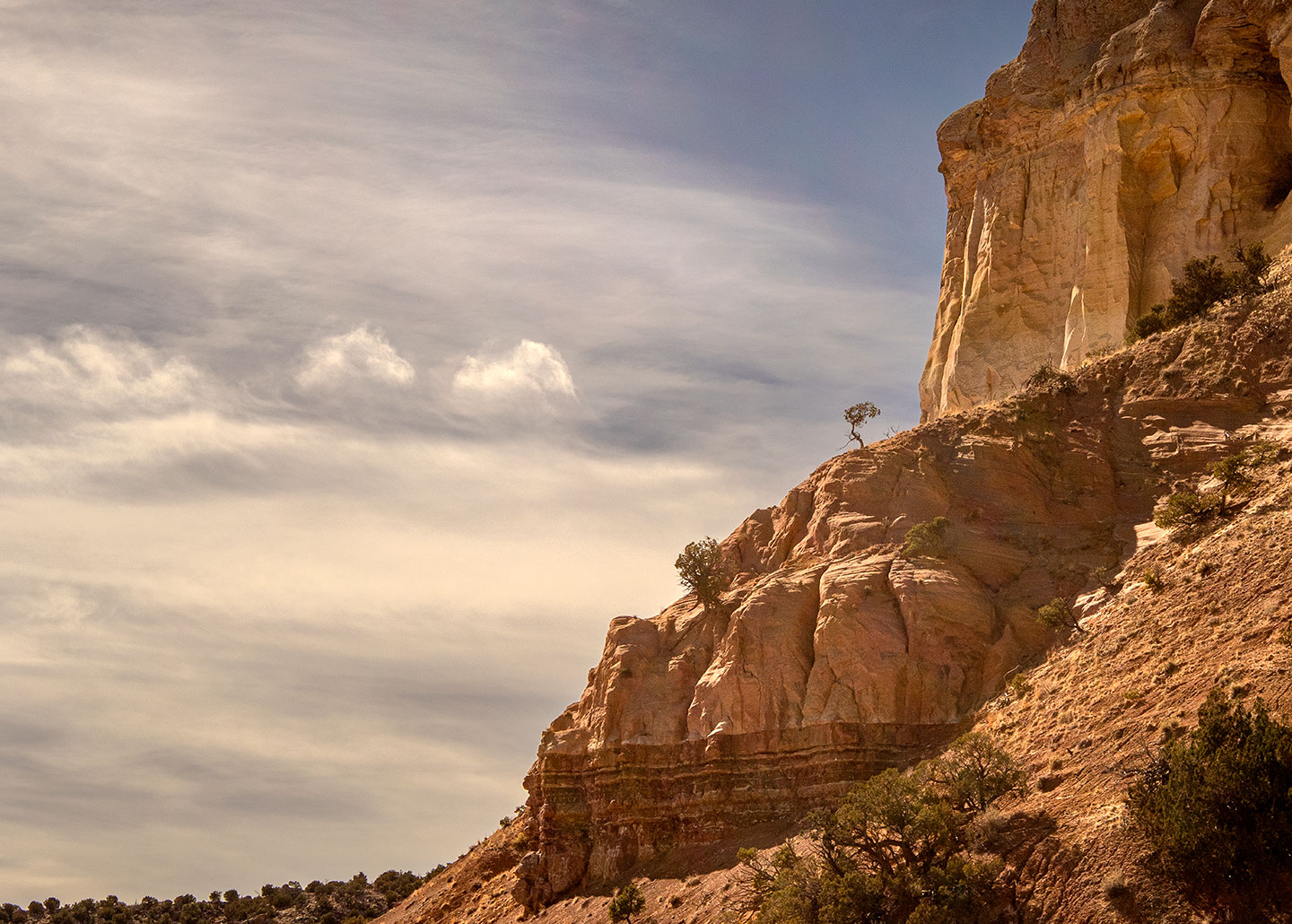
A drive on the Chama River road to the Desert Monastery always reveals another scene not seen by me before. The tenacity and fortitude of this lone tree. It makes you wonder how it survives at all.

Chama river road palisades
Chama River Road Palisades.

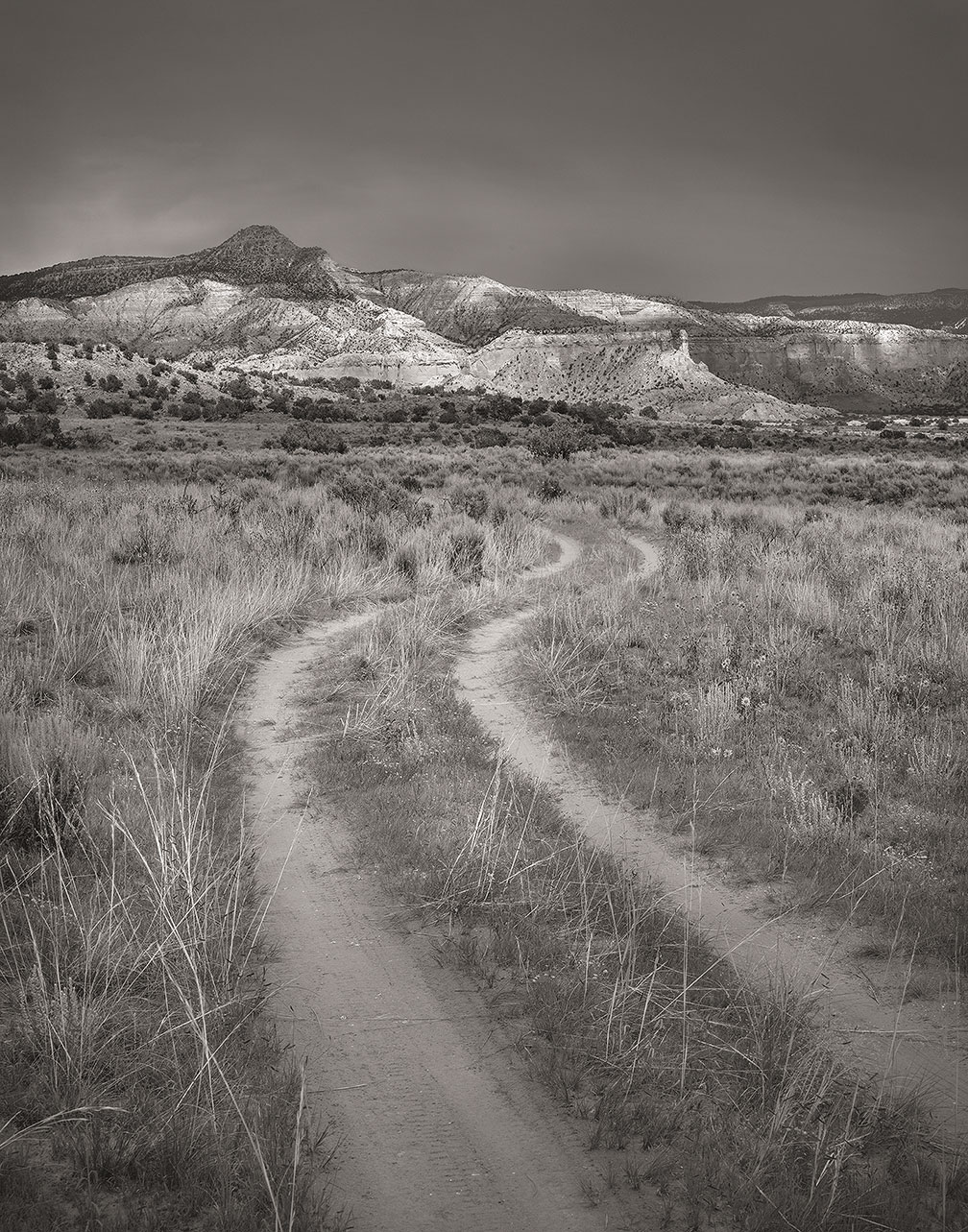
Off-road near Abiquiu, NM off the Desert Monastery Road.

Off road near Abiquiu
Off-road near Abiquiu.

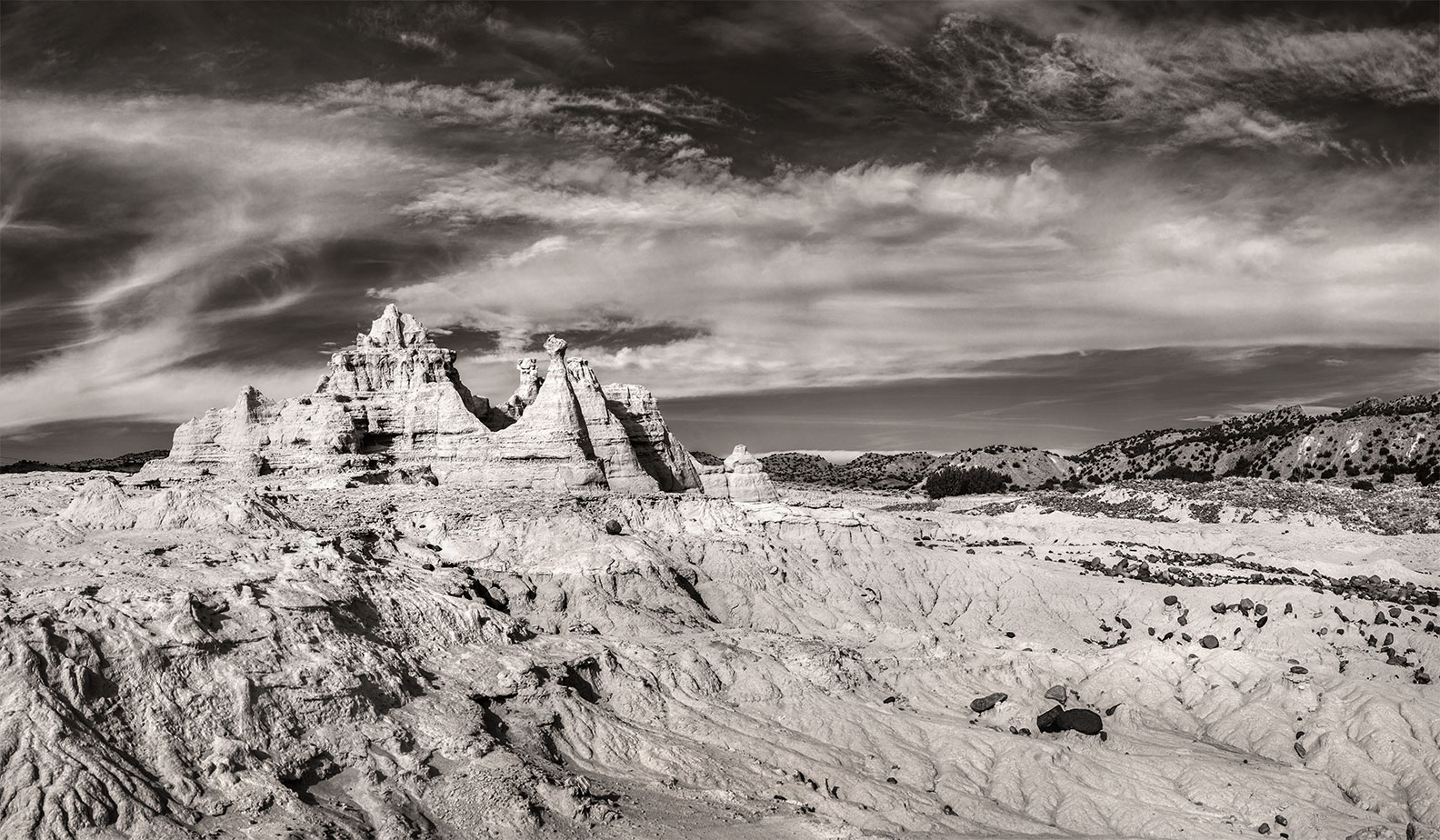
Arroyo Blanco, and an easy stroll from the car, and not to be confused with Plaza Blanca.

Arroyo Blanco, Abiquiu
Arroyo Blanco, Abiquiu.

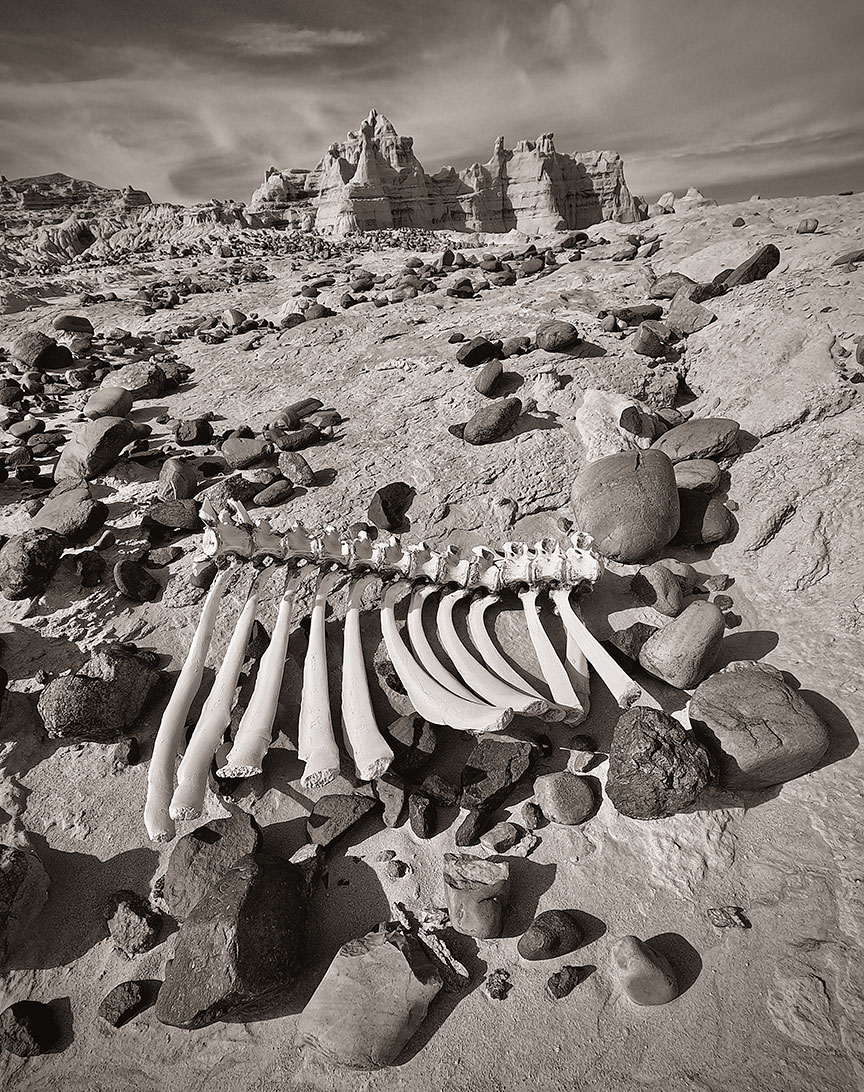
And some bones of what’s left of a llama, I first saw fairly intact seven years ago. I can’t say for sure, but I think Georgia would love it!

Old bones Arroyo Blanco, Abiquiu
Old bones (Llama) in Arroyo Blanco, Abiquiu.
Moonrise, Orphan mesa
Moonrise, Orphan Mesa, Piedra Lumbre (shining rock).

If you are going to be in the area this year, join me on a photo tour/workshop.

As always, thanks for looking. Have a great week. G