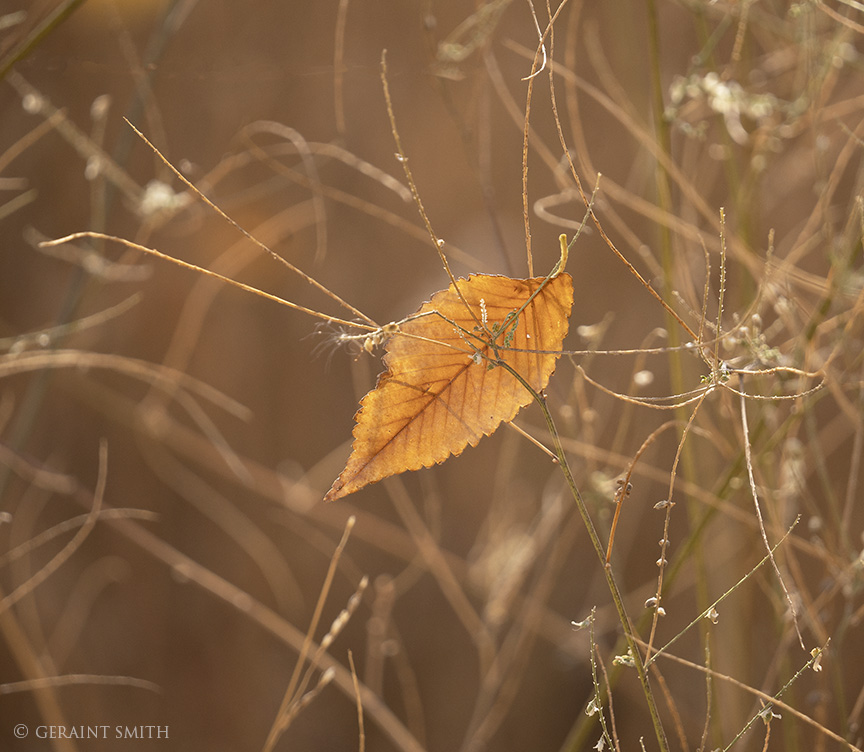
Fall capture, and remnants of color in Baca Park, Taos. There’s still color around, sometimes glowing in the early morning light or muted at days end in the early evening shadows. I hope everyone had a good Thanksgiving day. Thanks for looking. G
Remnants of Summer, San Cristobal. The Yerba de la Negrita plants were abundant here in our field, around Taos County and throughout northern New Mexico this summer. I made this composition in the field as it passed through fall blending into the desiccating throes of winter. Thanks for looking. G
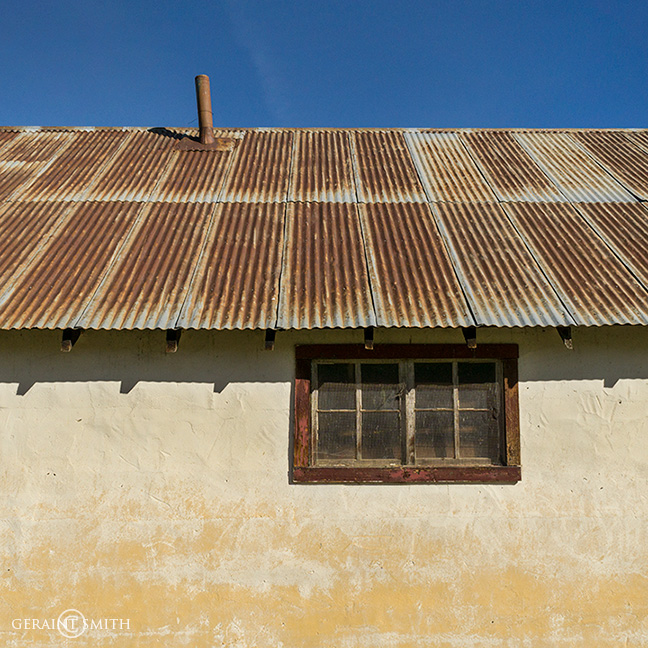
Remnants Of Authenticity #2 Guadalupita, New Mexico. Sometimes I come across a building and everything about it says authentic. In this case, tin roof and shadows, puttied in glass in the window frames and my guess is… a gas flue or perhaps a wood stove pipe not to code. New Mexico has no end of wonderful architectural details. The simplicity of this home intrigued and inspired me. Here’s another image from October. Thanks for looking. G
Remnants Of Authenticity #1. For the past 12 years I’ve been collecting images of architecture and building details, sometimes whole buildings in decay, more often than not, the tenuous details moments before it’s ultimate demise. So many of the buildings I’ve photographed have expired or are transitioning to rubble. Soon the old adobes will be interred from whence they came. A slightly raised mound, with scattered timbers will remain, as a reminder when the earth has reincarnated all the other elements. “Ashes to ashes dust to dust” … there’s a lot of coming and going in New Mexico! Stay tuned for more images. Thanks for looking. G
Hello from San Cristobal, NM. I hope everyone had a great week. This week, I’m revisiting a trip to Shiprock and beyond, including Chaco Canyon, and the High Road to Taos.
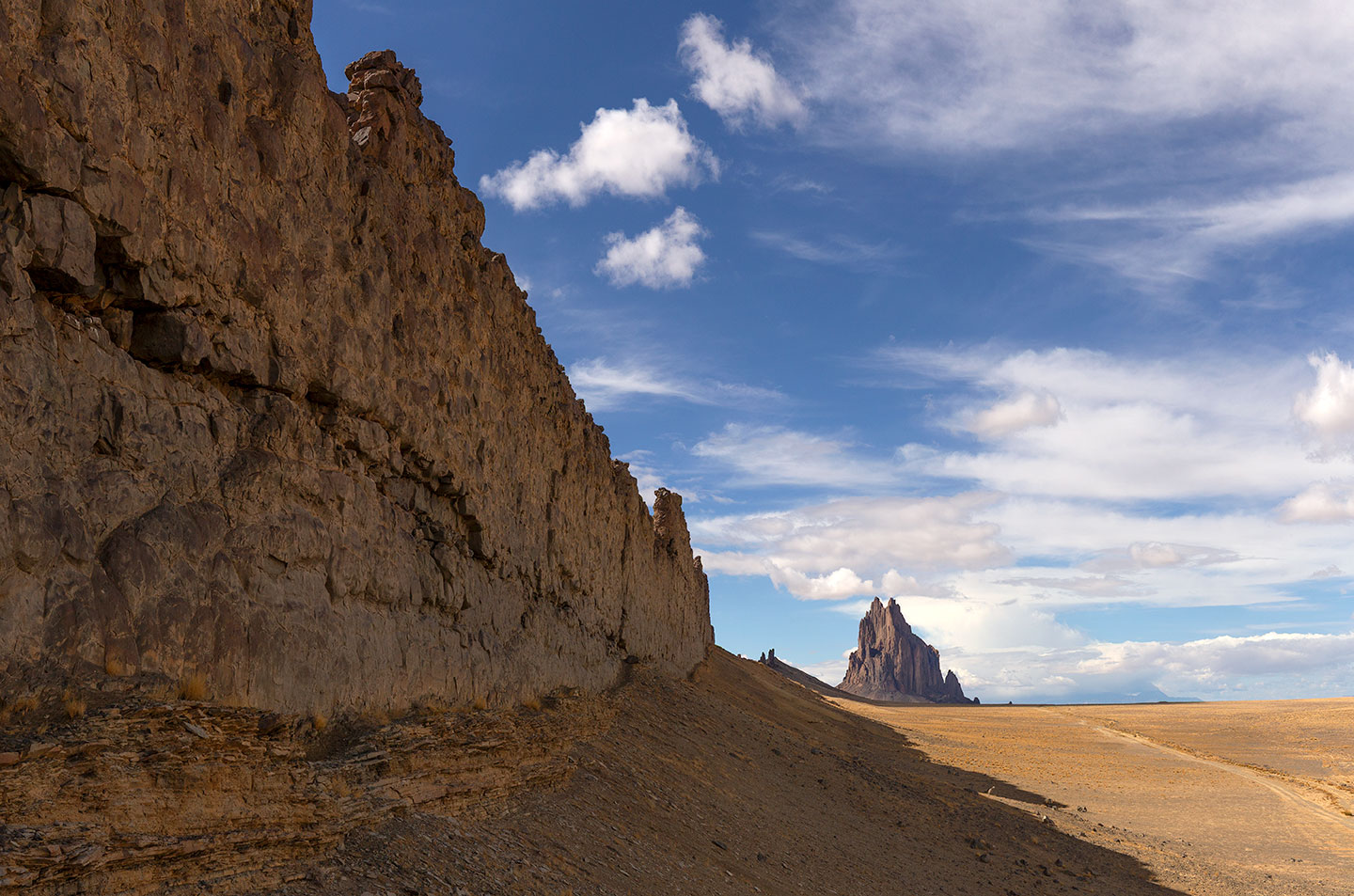
Shiprock dike wall, NM.
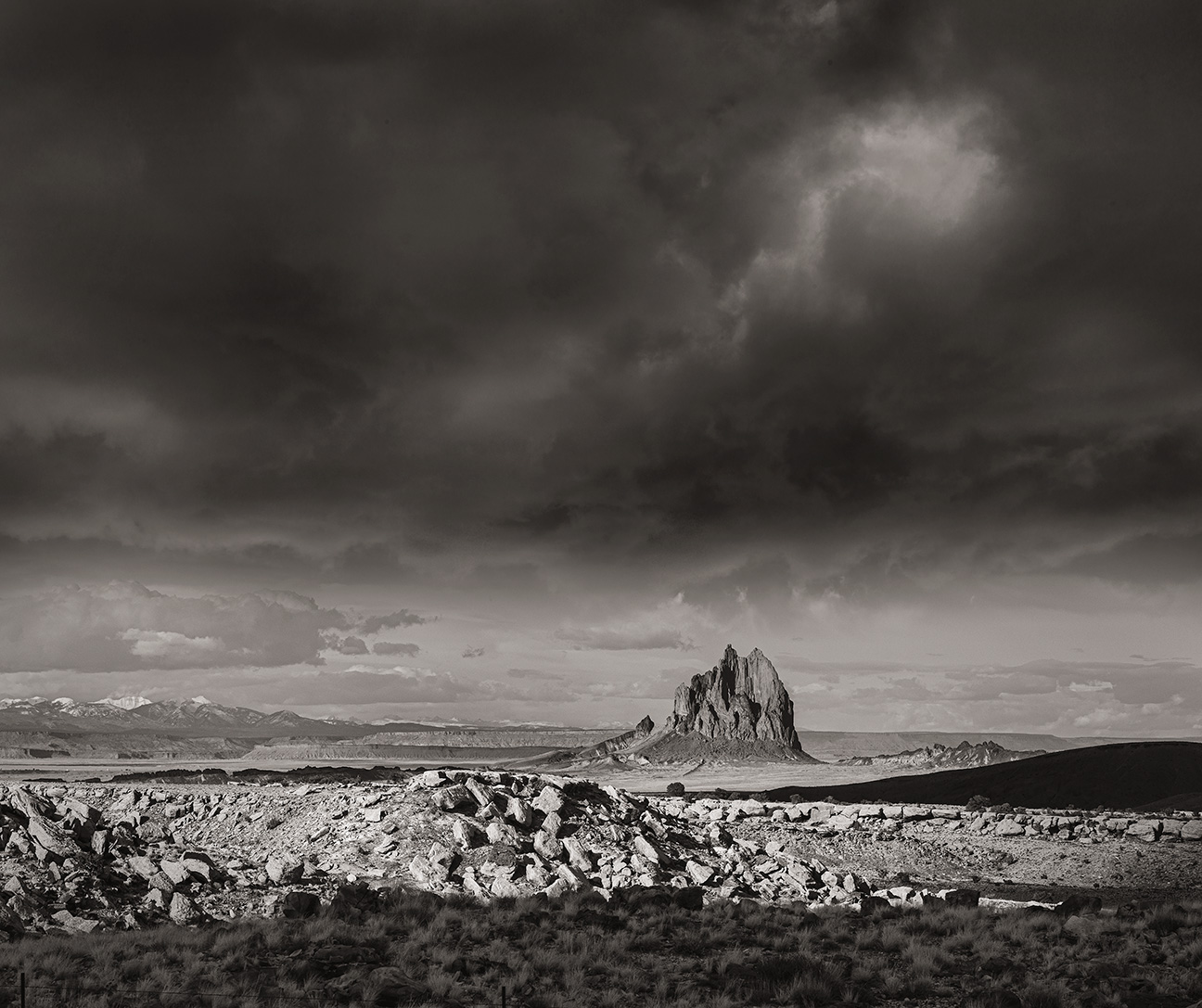
Shiprock.
“The Shiprock formation, located in northwestern New Mexico, is a dramatic and iconic geological feature that rises prominently from the desert landscape. This towering rock formation is the eroded remnant of a volcanic neck, formed around 27 million years ago during the Oligocene epoch. It consists primarily of minette, a type of volcanic rock, and stands at approximately 1,583 feet above the surrounding terrain. Shiprock is the central core of what was once a much larger volcano, with its distinctive shape resulting from millions of years of erosion that stripped away the softer outer layers, leaving the harder volcanic core exposed. Radiating from the central spire are dikes, long walls of volcanic rock that were formed as magma intruded into cracks and solidified. Shiprock’s striking appearance and geological significance make it a subject of interest for geologists and a symbol of natural beauty in the region.”
View from the south.
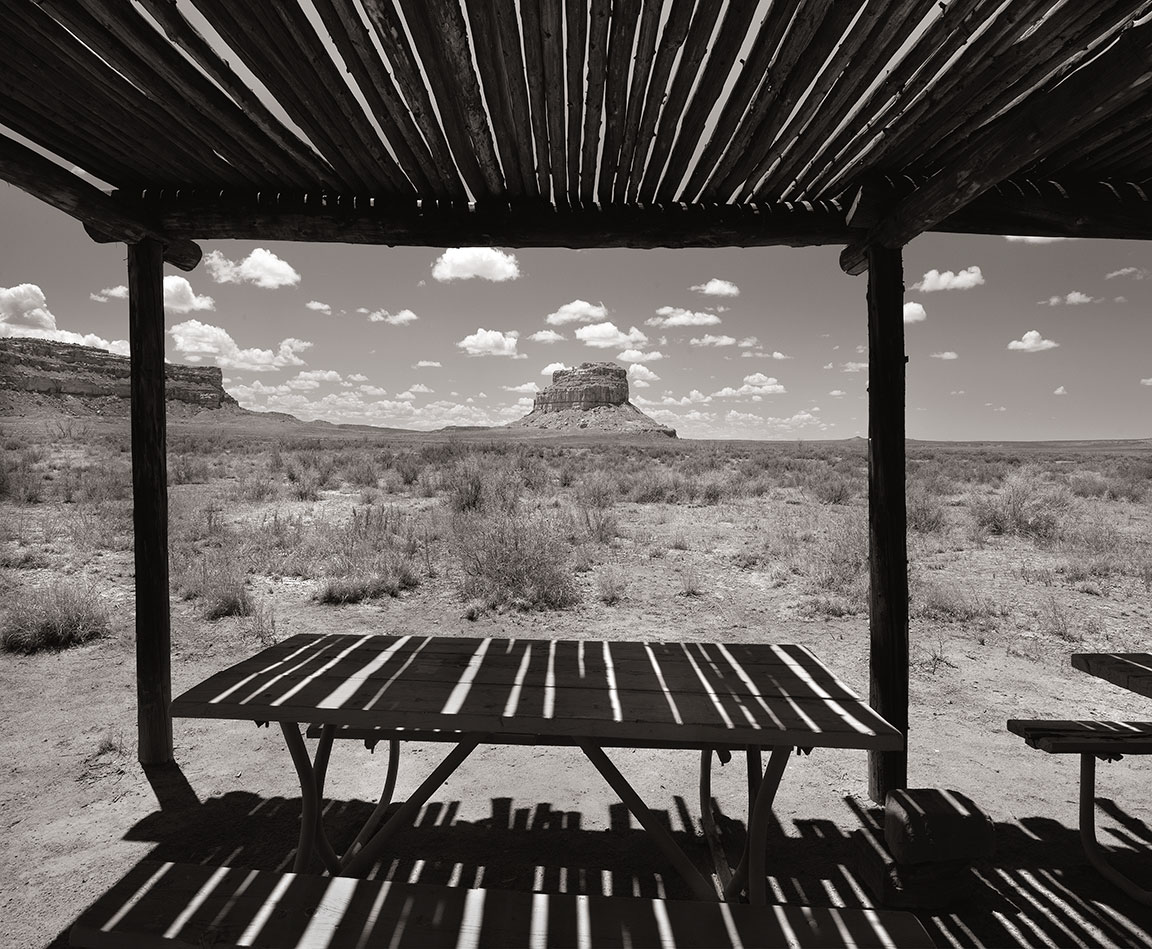
Chaco Canyon.
“Chaco Culture National Historical Park, located in northwestern New Mexico, is a significant archaeological site that preserves the remnants of an ancient Puebloan civilization. This UNESCO World Heritage Site is renowned for its monumental public and ceremonial buildings, distinctive architecture, and complex road systems, which were constructed between AD 850 and 1250. The Chacoans developed sophisticated astronomical knowledge, as evidenced by the alignment of their structures with solar and lunar cycles. The park encompasses a vast area of canyons and mesas, offering insights into the social, economic, and spiritual life of the Chacoan people. Today, it serves as a vital link to understanding the cultural heritage of the indigenous peoples of the American Southwest.”
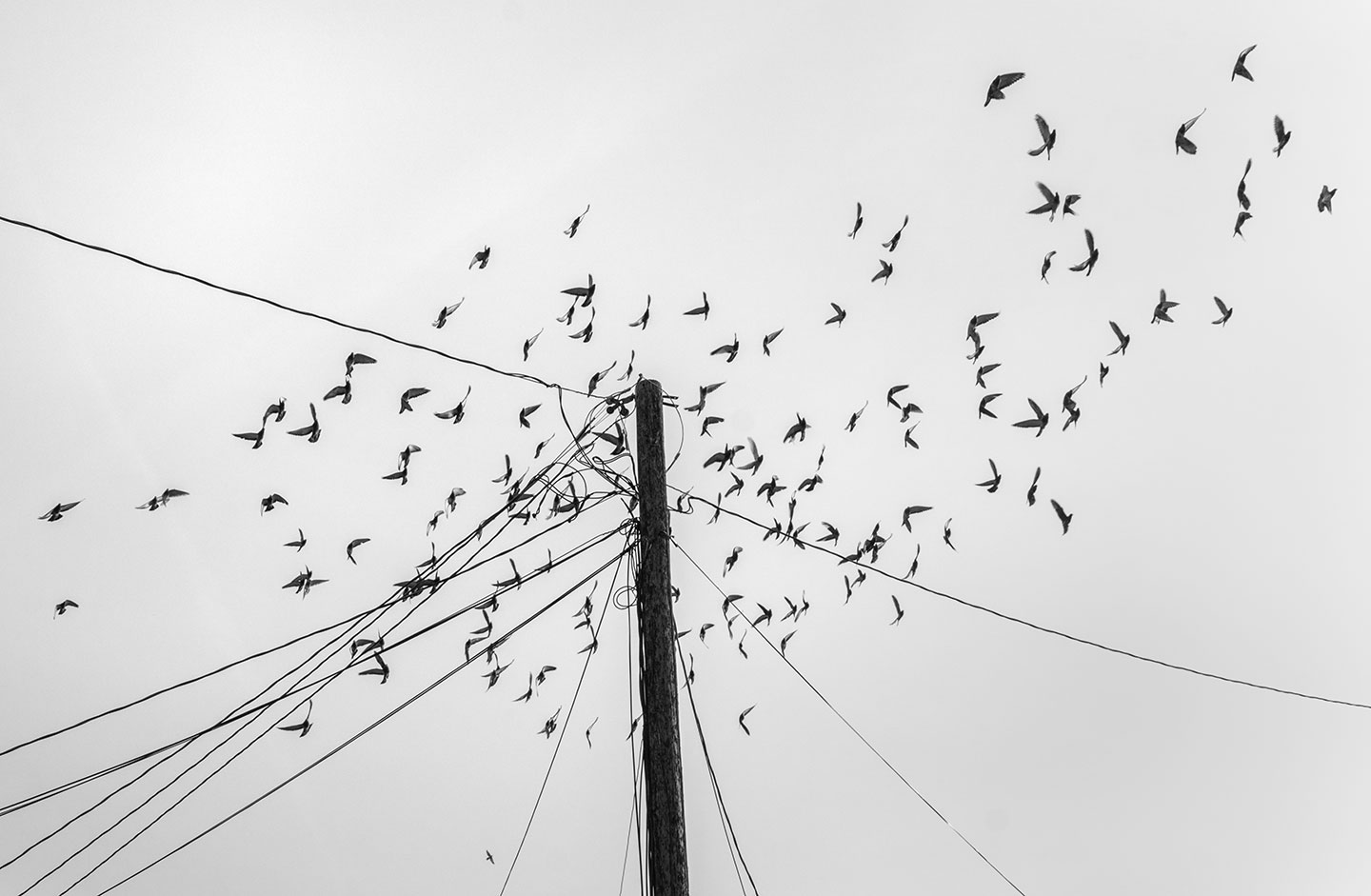
Birds (Pigeons), waiting for the man who feeds them in Ranchos de Taos.
Birds Ranchos de Taos.
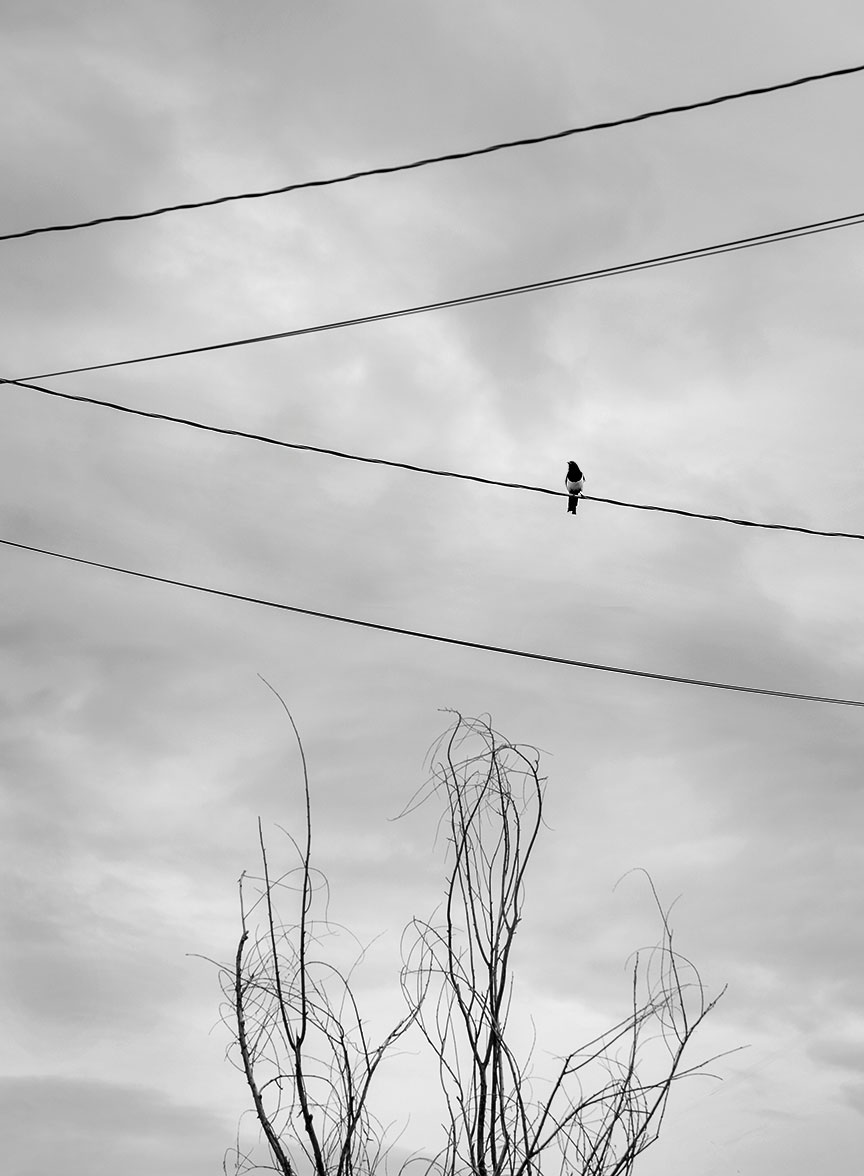
Magpie, because she/he was there.
Magpie, Ranchos de Taos.
High Road to Taos.
“The High Road to Taos is a scenic byway in northern New Mexico that stretches approximately 56 miles, connecting the city of Santa Fe to the town of Taos. This picturesque route winds through the Sangre de Cristo Mountains, offering breathtaking views of rugged landscapes, lush forests, and charming, historic villages. Along the way, travelers can explore traditional adobe architecture, visit centuries-old Spanish colonial churches, and experience the rich cultural heritage of the region’s Hispanic and Native American communities. Notable stops include the artistic enclave of Chimayó, known for its renowned Santuario de Chimayó, and the village of Truchas, which offers stunning vistas of the surrounding mountains. The High Road to Taos is celebrated for its vibrant arts scene, local crafts, and the opportunity to immerse oneself in the unique blend of cultures that define northern New Mexico.”
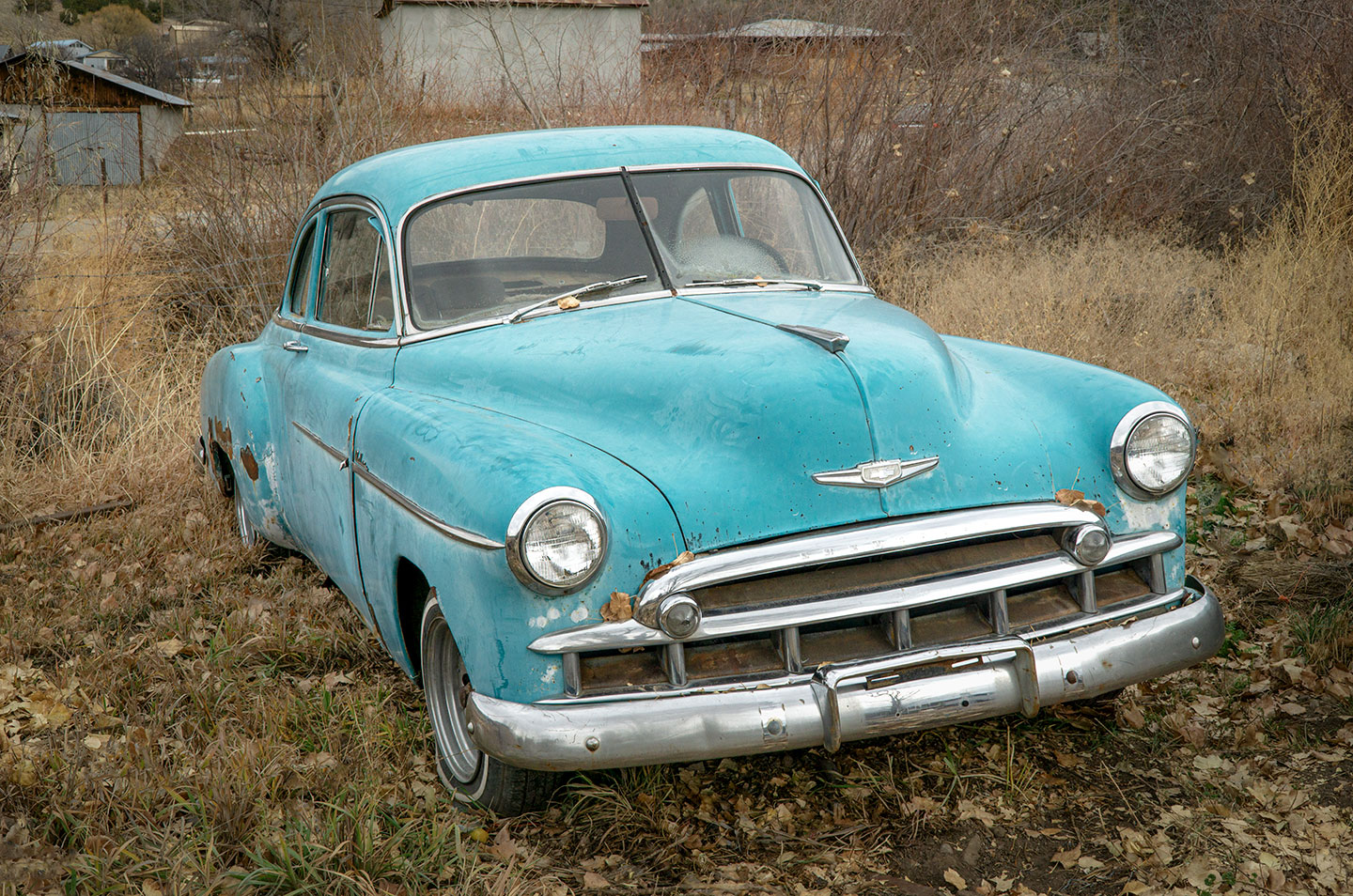
Chevy in a field on the High Road to Taos
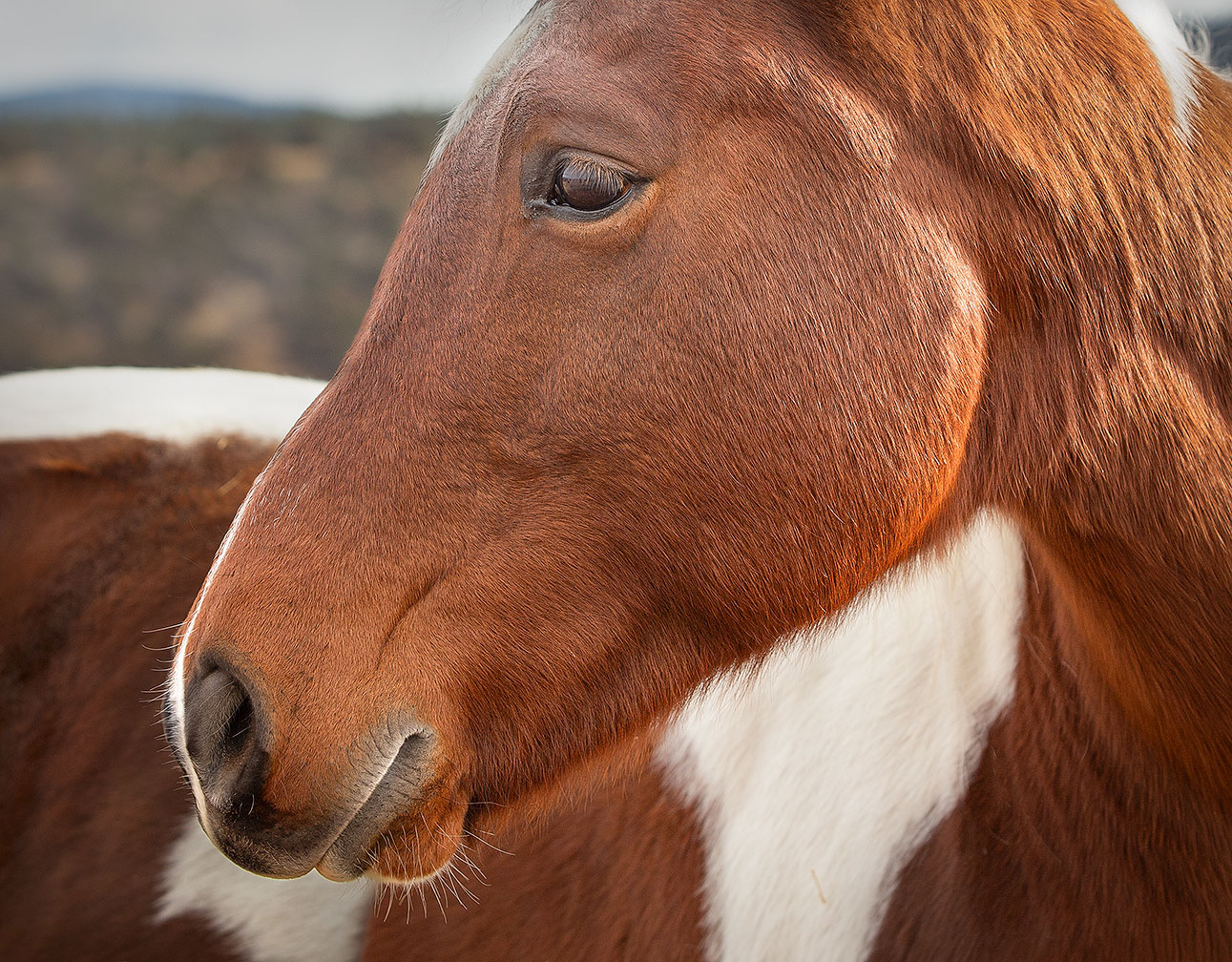
Horse on the High Road to Taos.
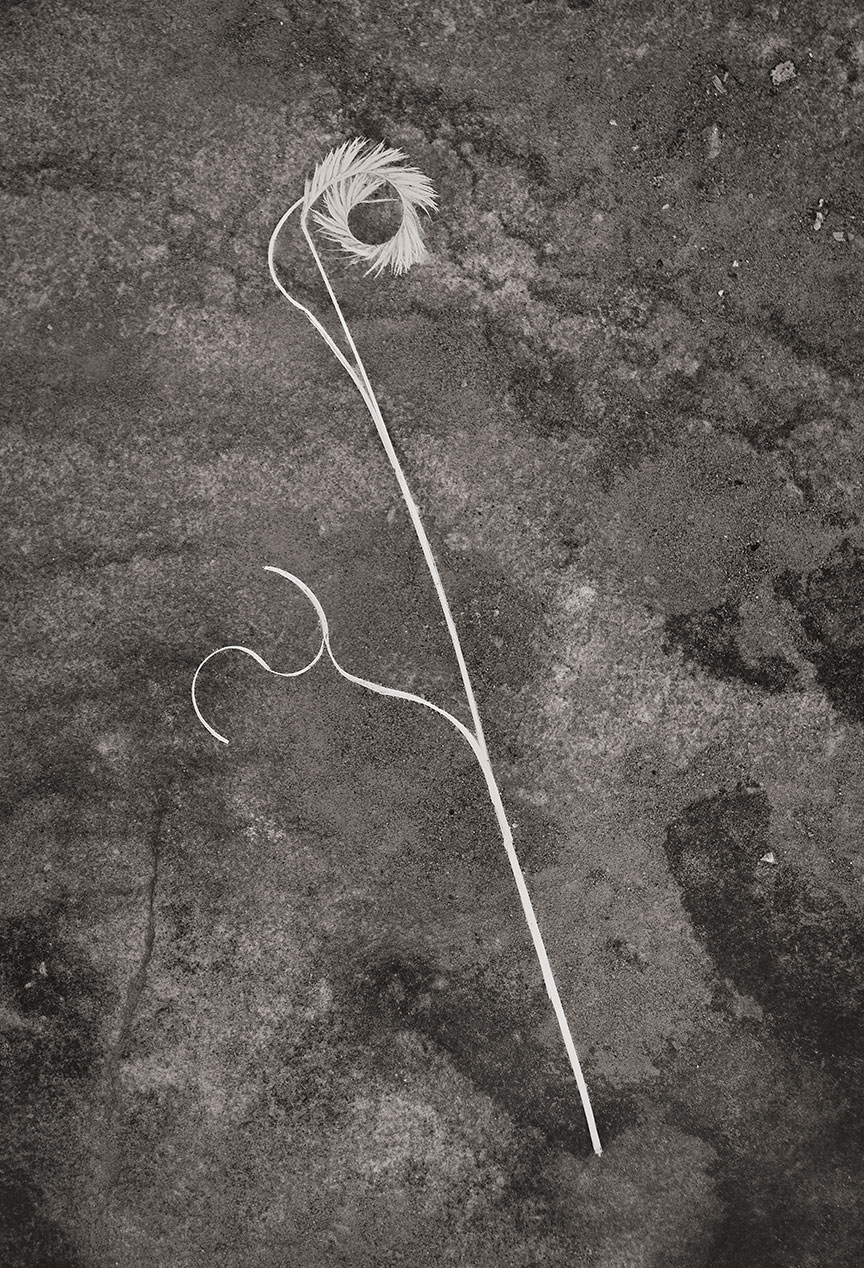
Gramma grass.
“Gramma grass refers to a group of grasses in the genus Bouteloua, which are native to the Americas. These grasses are particularly common in the prairies and plains of North America. The most well-known species is blue grama (Bouteloua gracilis), which is a dominant grass in the shortgrass prairie ecosystem.”
Gramma grass on a rock.
As always, thanks for looking. Have a great week. G
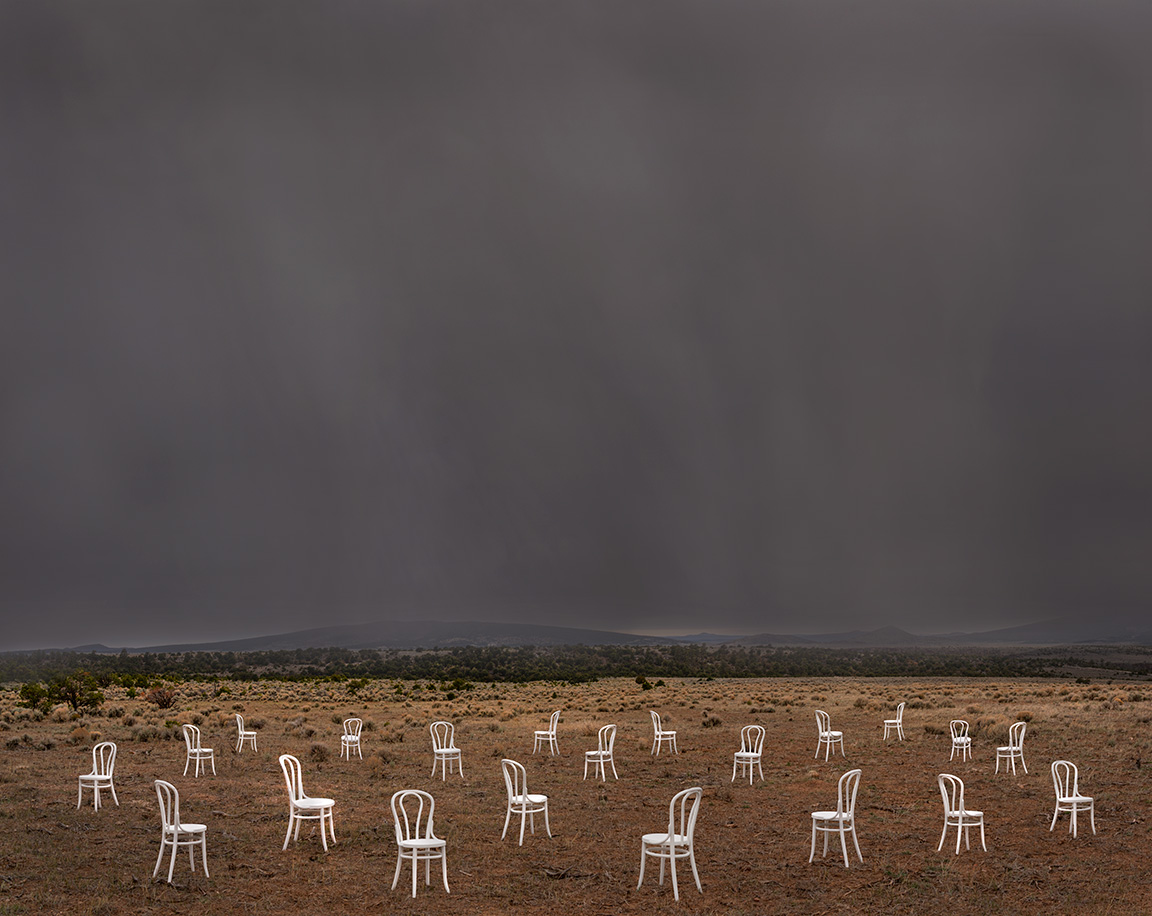
“Twenty-one chairs with storm across the plateau”. Archival Paper Print: 40″ x 50″ – $1150. Includes S+H. Please reach out to me via my contact form.
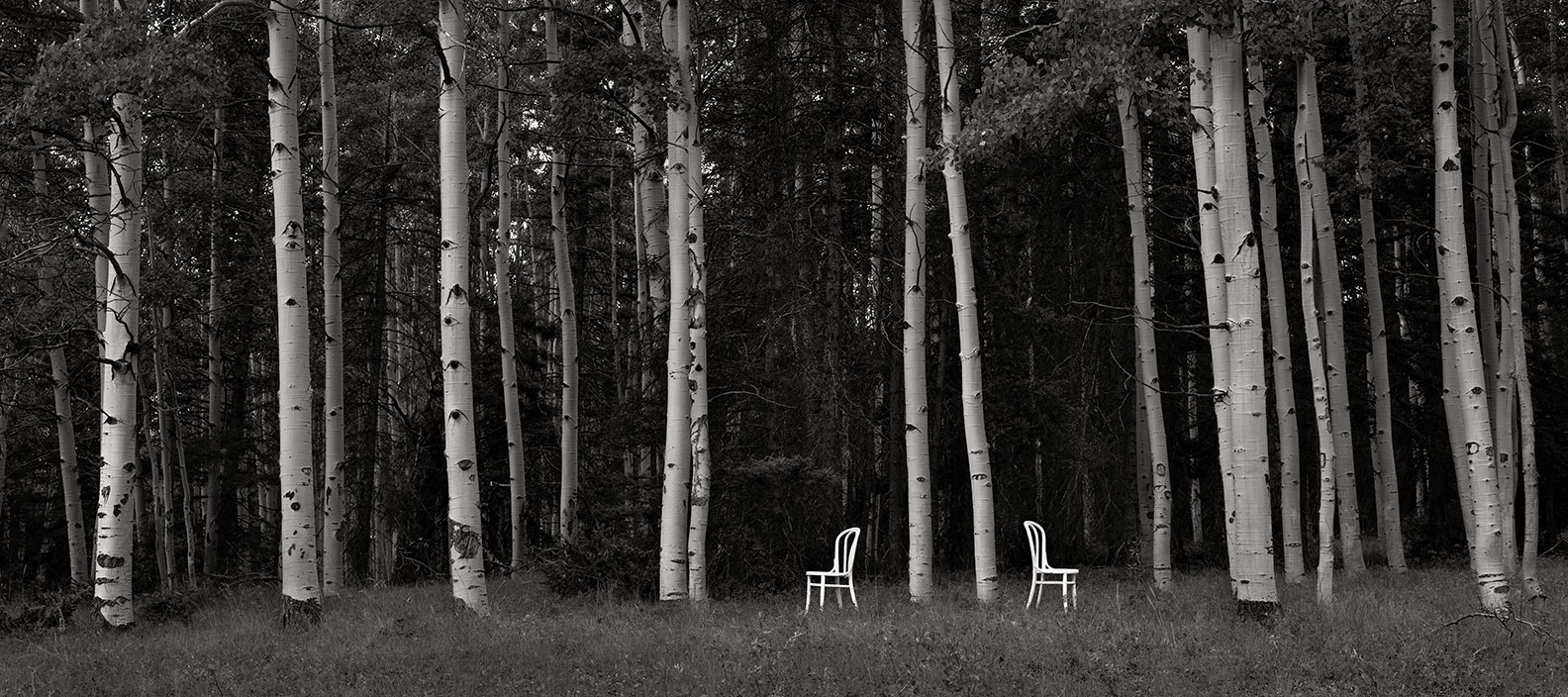
Two white chairs with aspens.
“Two white chairs with aspens”. Archival Paper Print: 30″ x 68″ $1150. Includes S+H. Please reach out to me via my contact form.
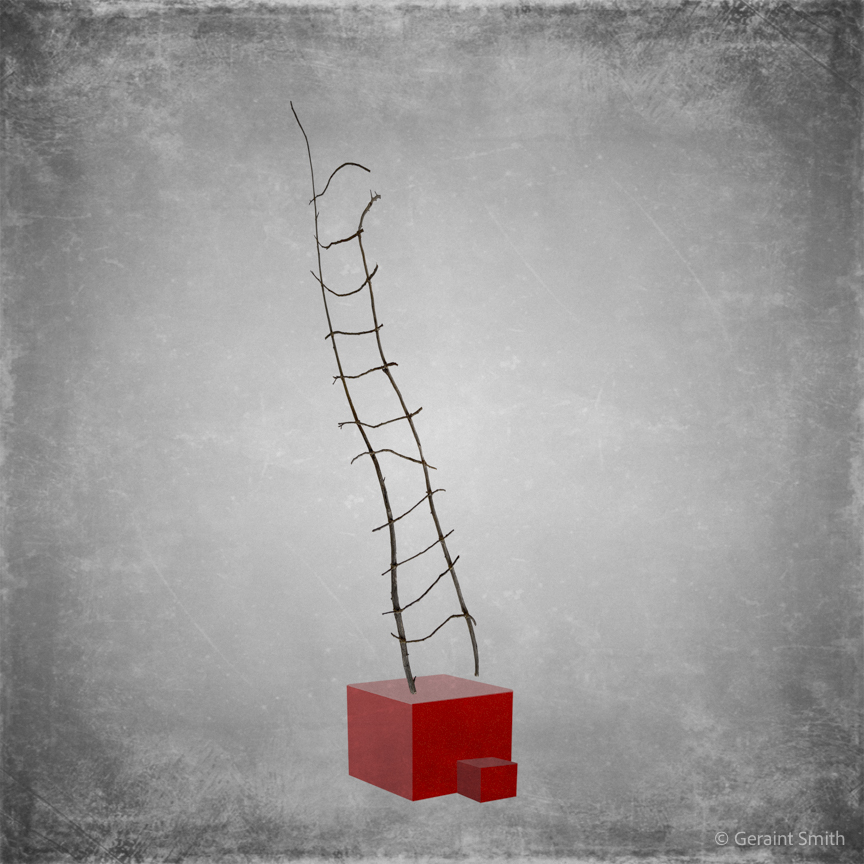
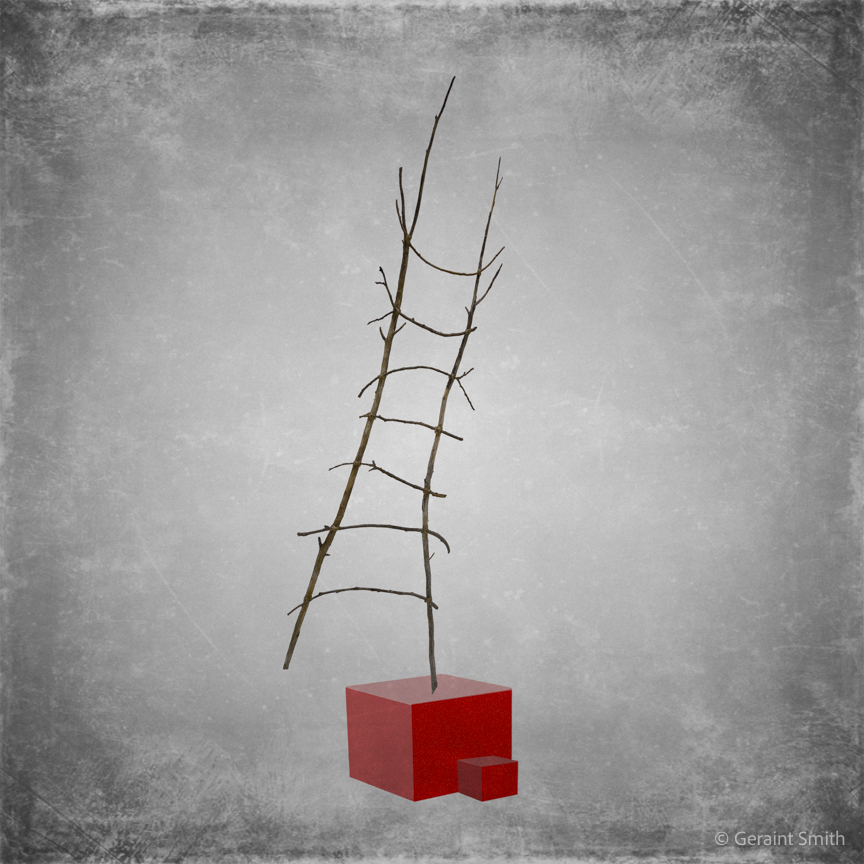
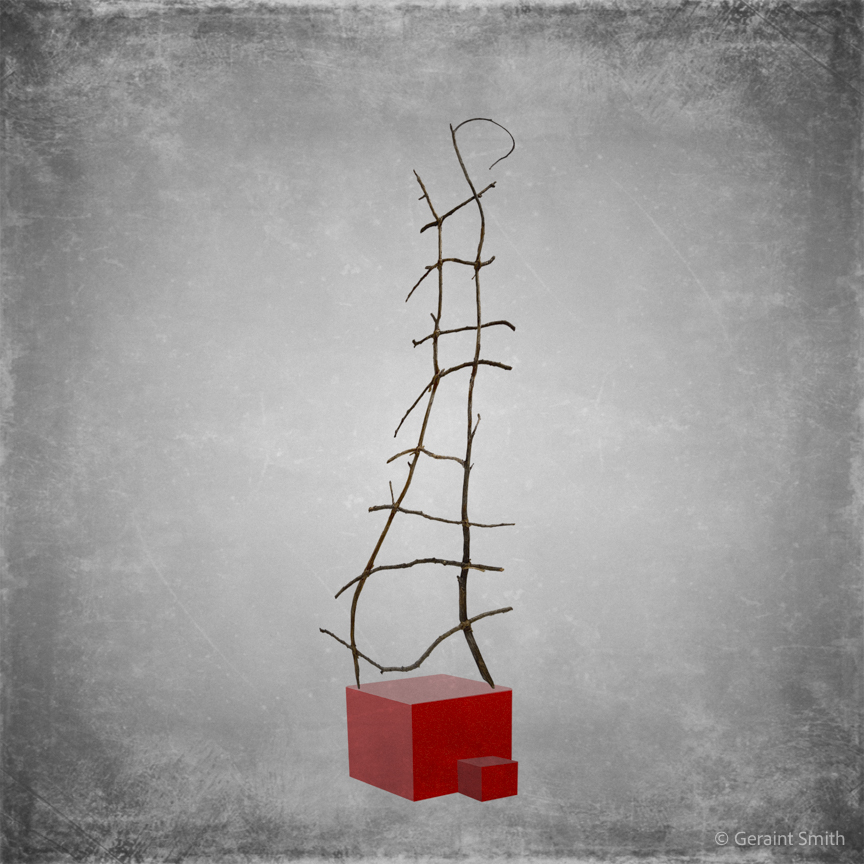
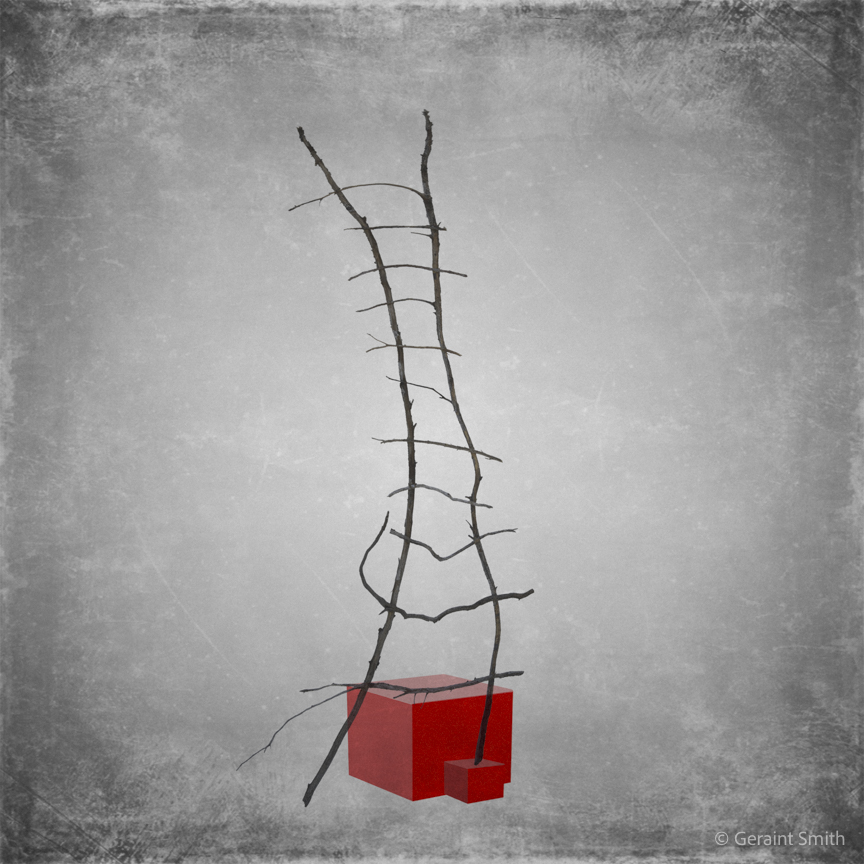
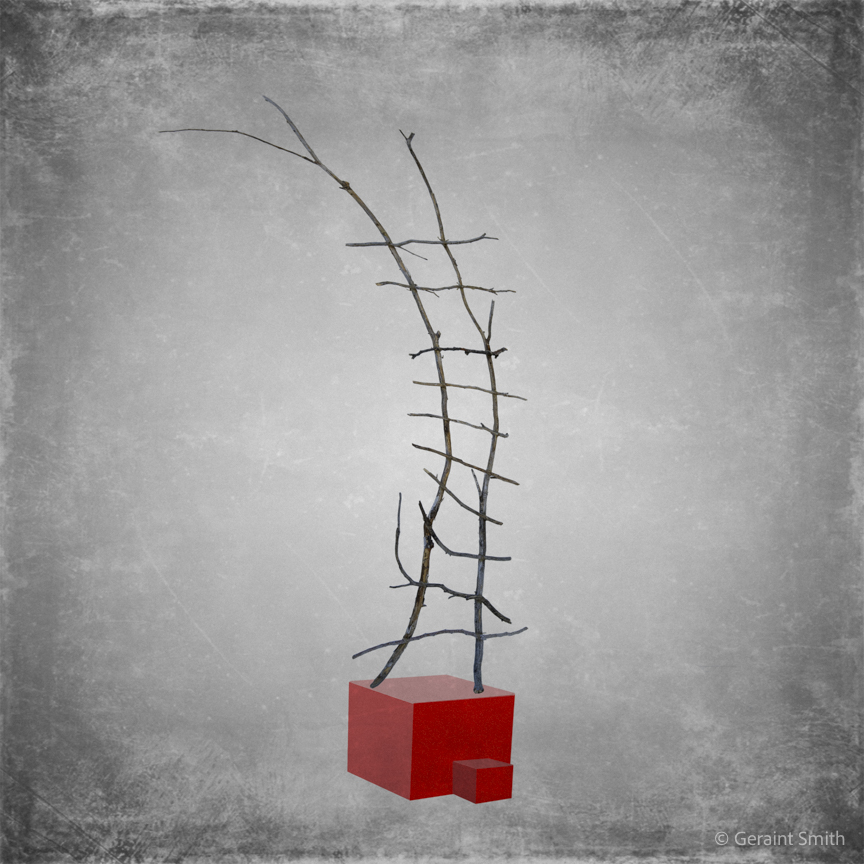
Dancing Ladder Series, Part 2: “Red Pedestal”
Each ladder in this series is crafted from twigs originally shaped and woven by magpies to build their nests. Over the years, I’ve collected fallen twigs from beneath these nests, carefully saving and storing them. Using these natural remnants, I constructed the ladders by hand and photographed them, pairing each with red pedestals created digitally in Photoshop. “Series 1” has sold out. Click the image to view it larger.
Dancing Ladder series Part 2, “Red Pedestal”. Available in two sizes: 6.5″ x 6.5″ ($150) and 12.5″ x 12.5″ ($225) Archival Paper Prints in a limited edition of 3 in each size. Includes S+H. Please reach out to me via my contact form.
Greetings from San Cristobal and northern New Mexico, where the monsoon rains are abundant this year.
The monsoon season started early this season, and the forecast is for it to last through August. With a touch of shameless self-promotion, I can honestly say, now is the time to sign up for a photo tour/workshop.
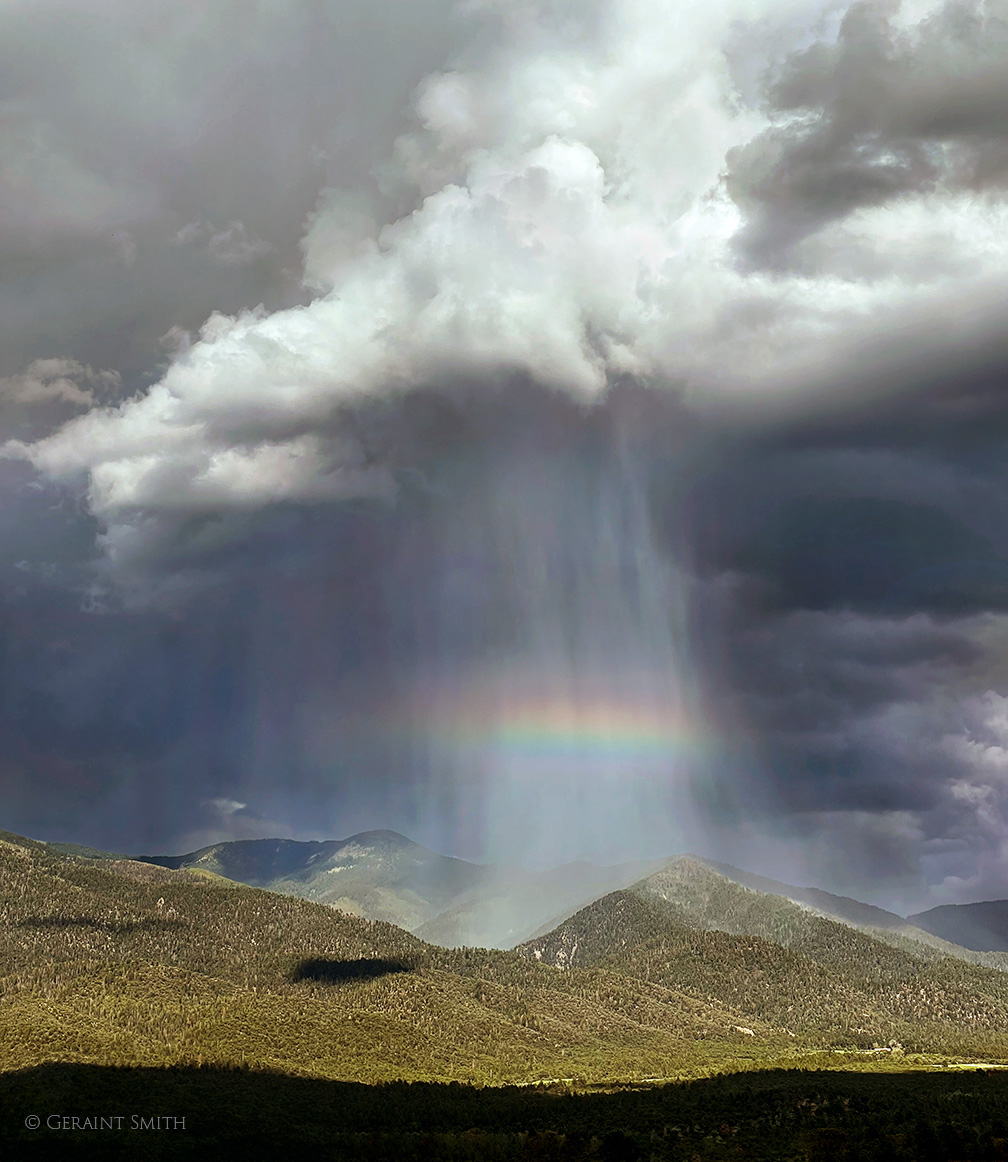
Monsoon rains, over the Sangre de Cristo mountains, northern New Mexico.
I made a drive on a local backroad yesterday, and a pleasant drive it was. I shot some pictures of the dead and standing trees on the hillsides. The trees are remnants of the Hondo Fire that burned the area in May 1996. It’s a place of great solitude for me and a different kind of stark beauty. Despite the fire, the hillsides look very lush and green
Tree in shrouded in fog, Lama NM
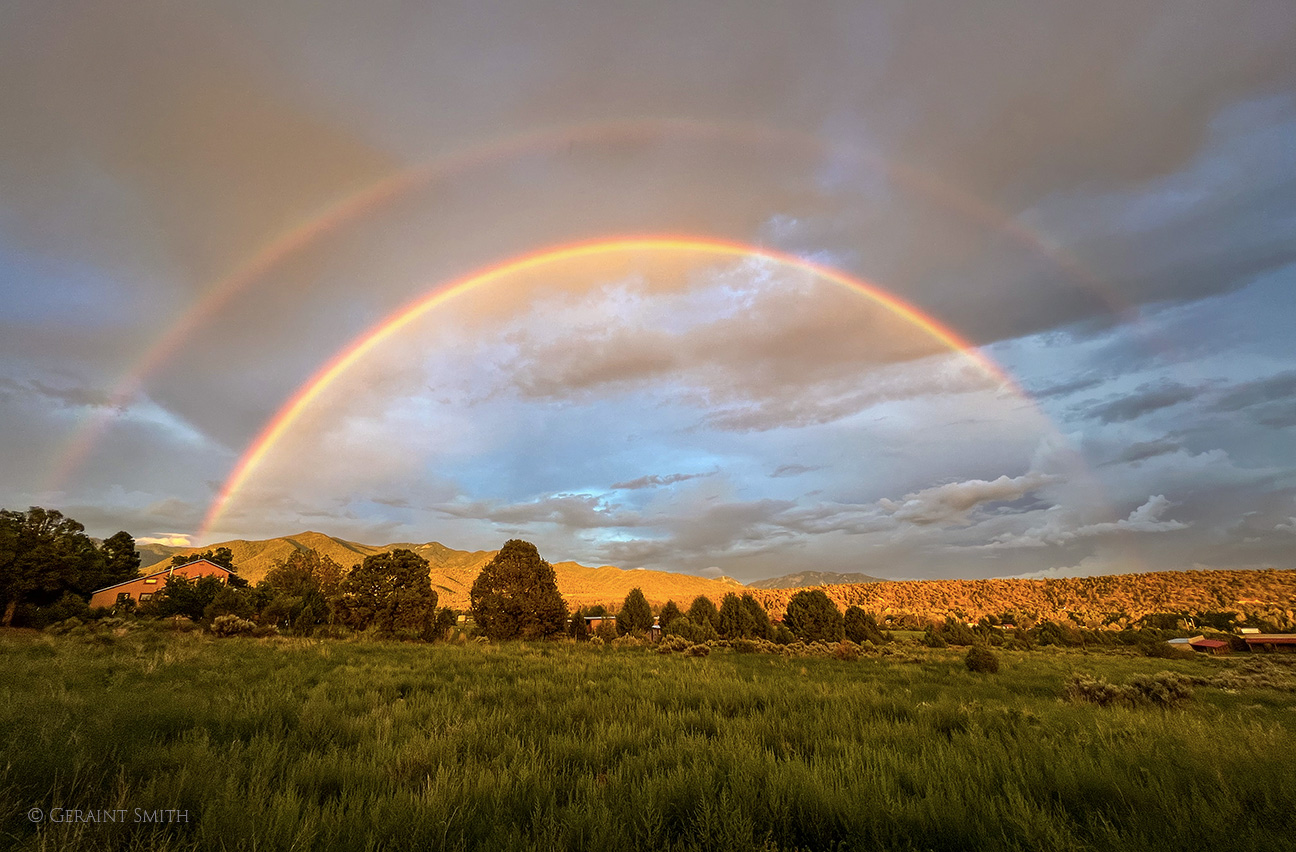
And a rainbow this week from our field in San Cristobal, NM, is my favorite view of rainbows, second only to Taos Mountain. I only have to step outside the door and look. Things got a little wet after this moment.
Rainbow from our field, San Cristobal, NM
As always, thank you for looking. Have a great week. G
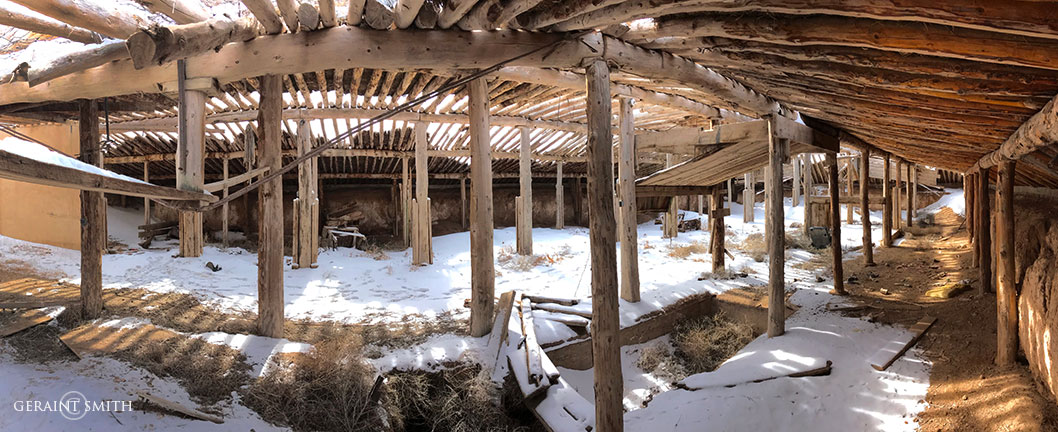
Potato Bunker, San Luis Valley. Fascinated with these abandoned utilities from a bygone era, I keep returning to spend time amongst the ghosts that inhabit it. A place where the ghosts are stirred only by the wind, an occasional barn owl, the coyote that lives in the den in the corner, and all wrapped up in moments of sheer silence. Cattle tend to frequent other ruins in the area where the roofs are intact. In this place, at some point in time, someone moved in some easy chairs, a sofa and school chairs. The valley is full of rustic remnants from the past, like this one, many collapsing in on themselves. If this is the kind of subject matter that interests you, join me on a photo tour/workshop. These old buildings also happen to be set in some of the most beautiful landscape in the region. Thanks for looking. G
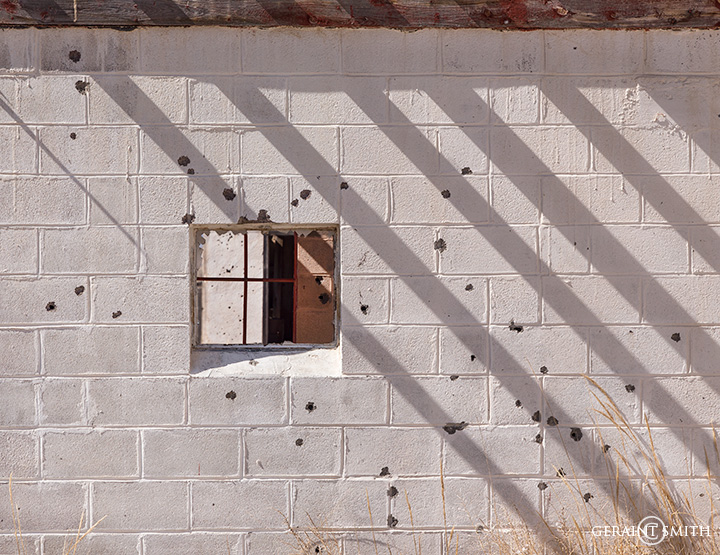
Building marked from drive by gunshot blasts in the San Luis Valley, Colorado. Remnants of a gas stop on Colorado Highway 139. I feel sure it thrived for sometime. Now it’s a target for folks to direct their gunsights on as they pass the location that once provided a livelihood for a family or two. Thanks for looking. G
Ghostly drapes on the “Minnesota Zephyr, Stillwater Carriage” in the Alamosa Railyards, Colorado. It is eerie to walk between the carriages and see the remnants from a bygone era. I can imagine the travelers on the train looking out the windows as the scenery went by, their eyes full of wonder, where ever they were heading. Here are more details on the train from Wikipedia. Thanks for looking. G