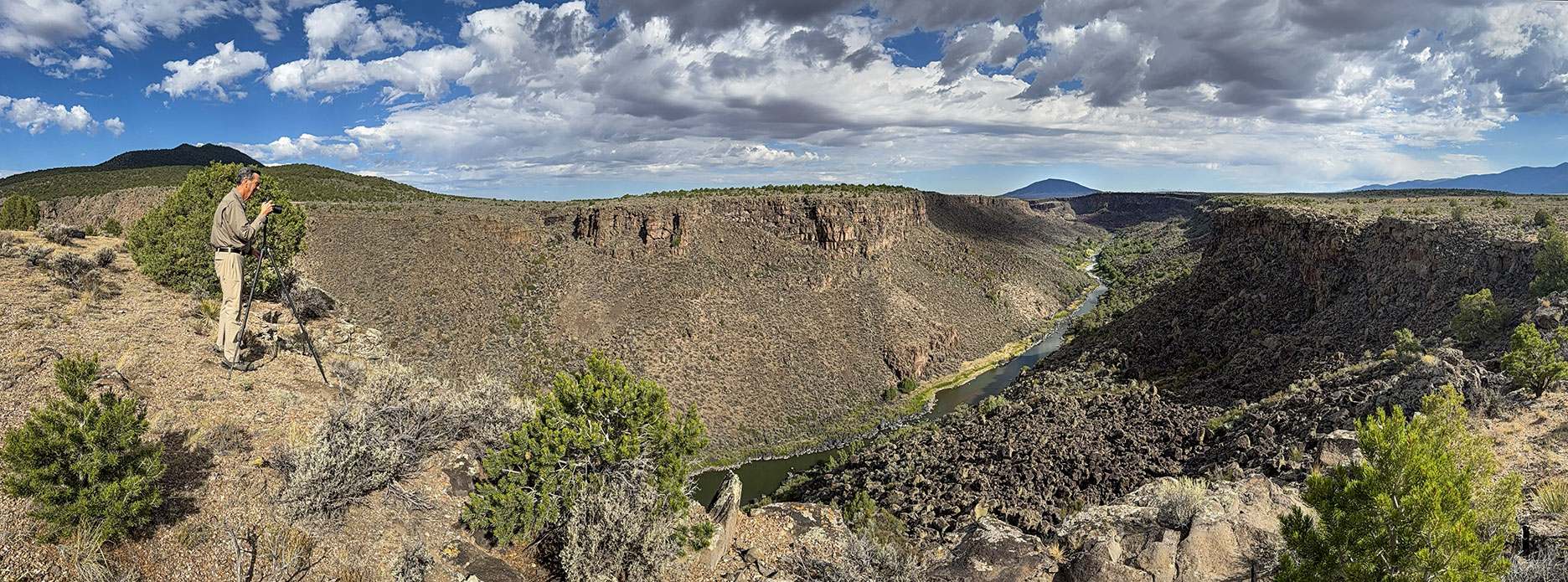
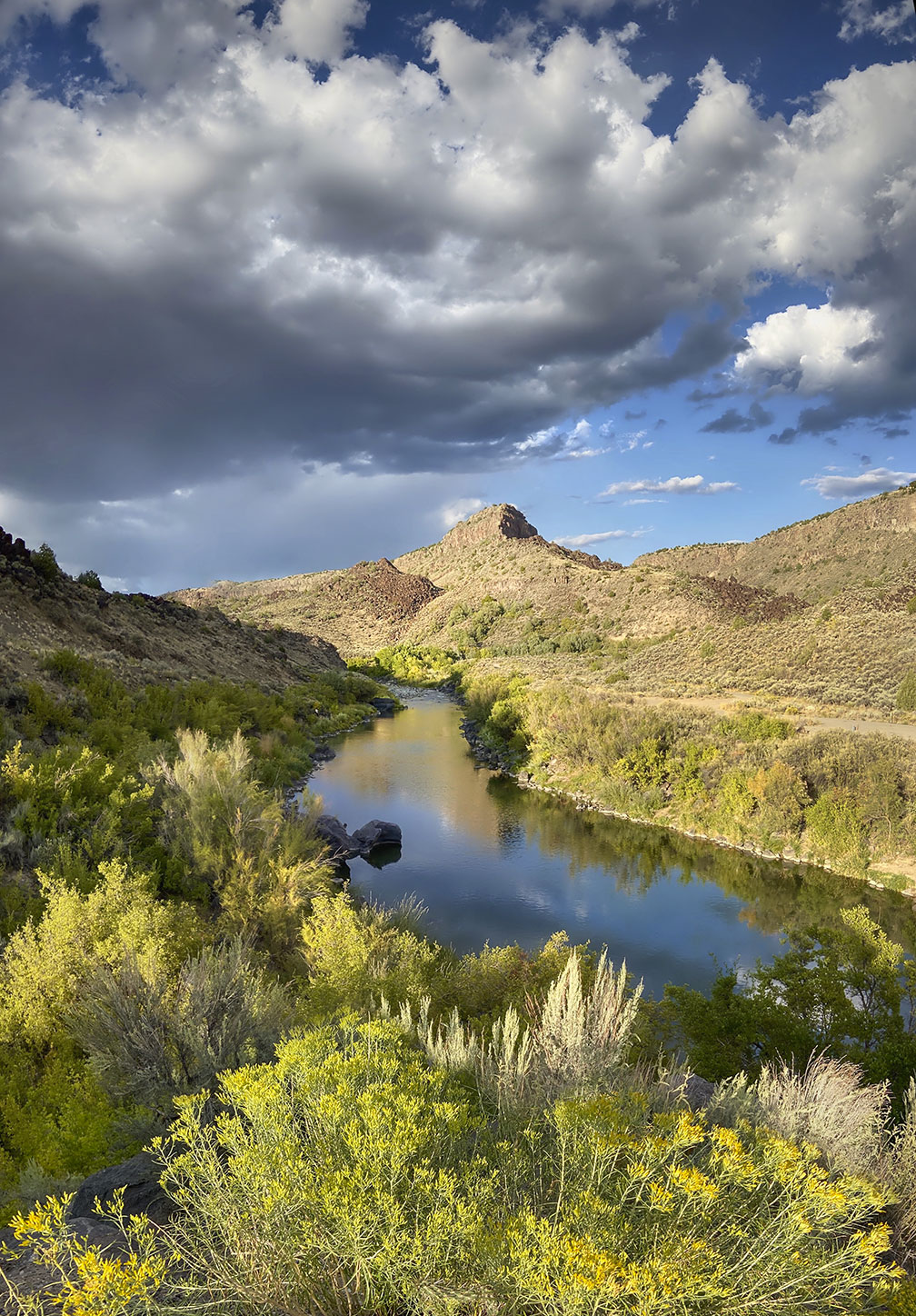
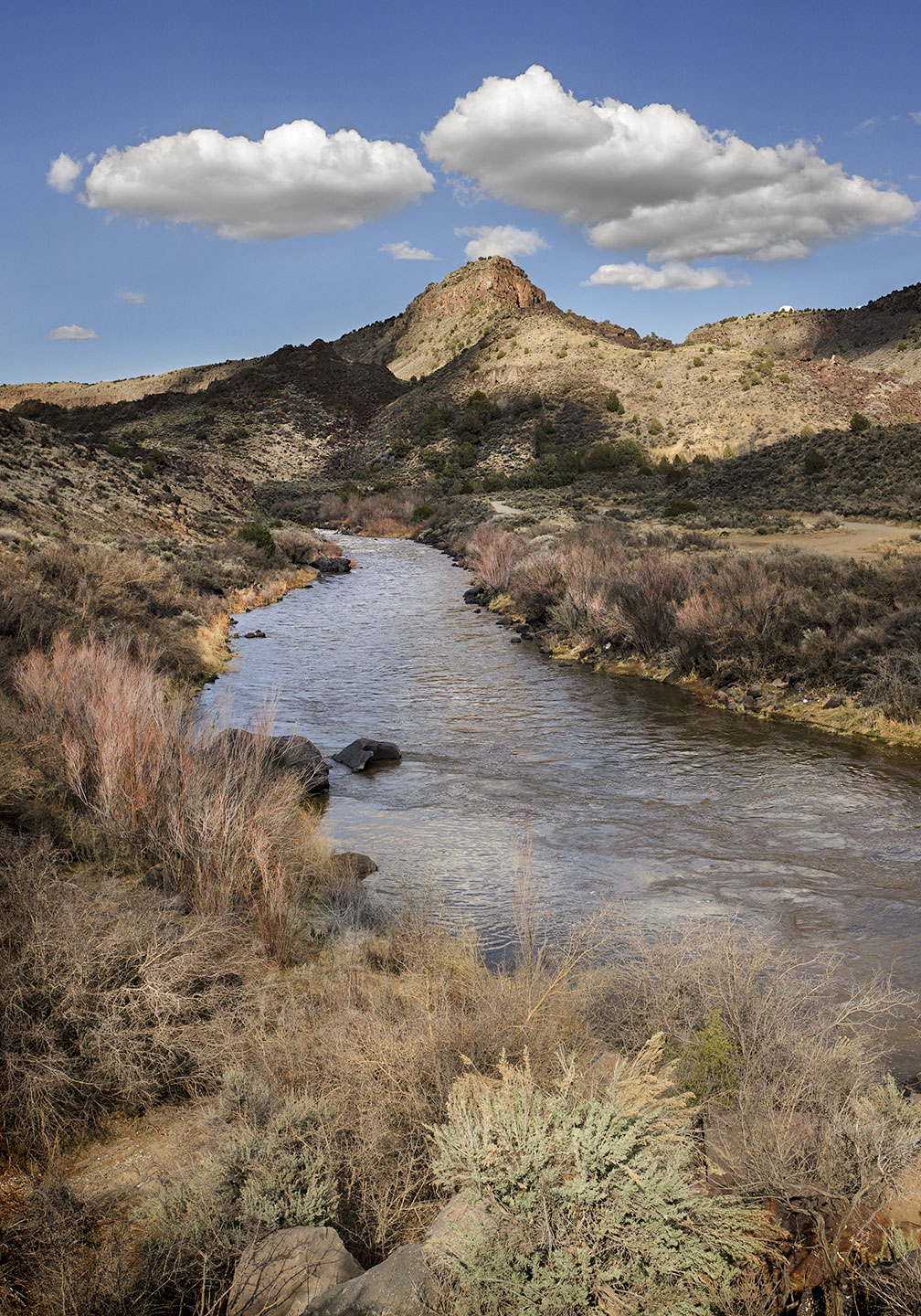
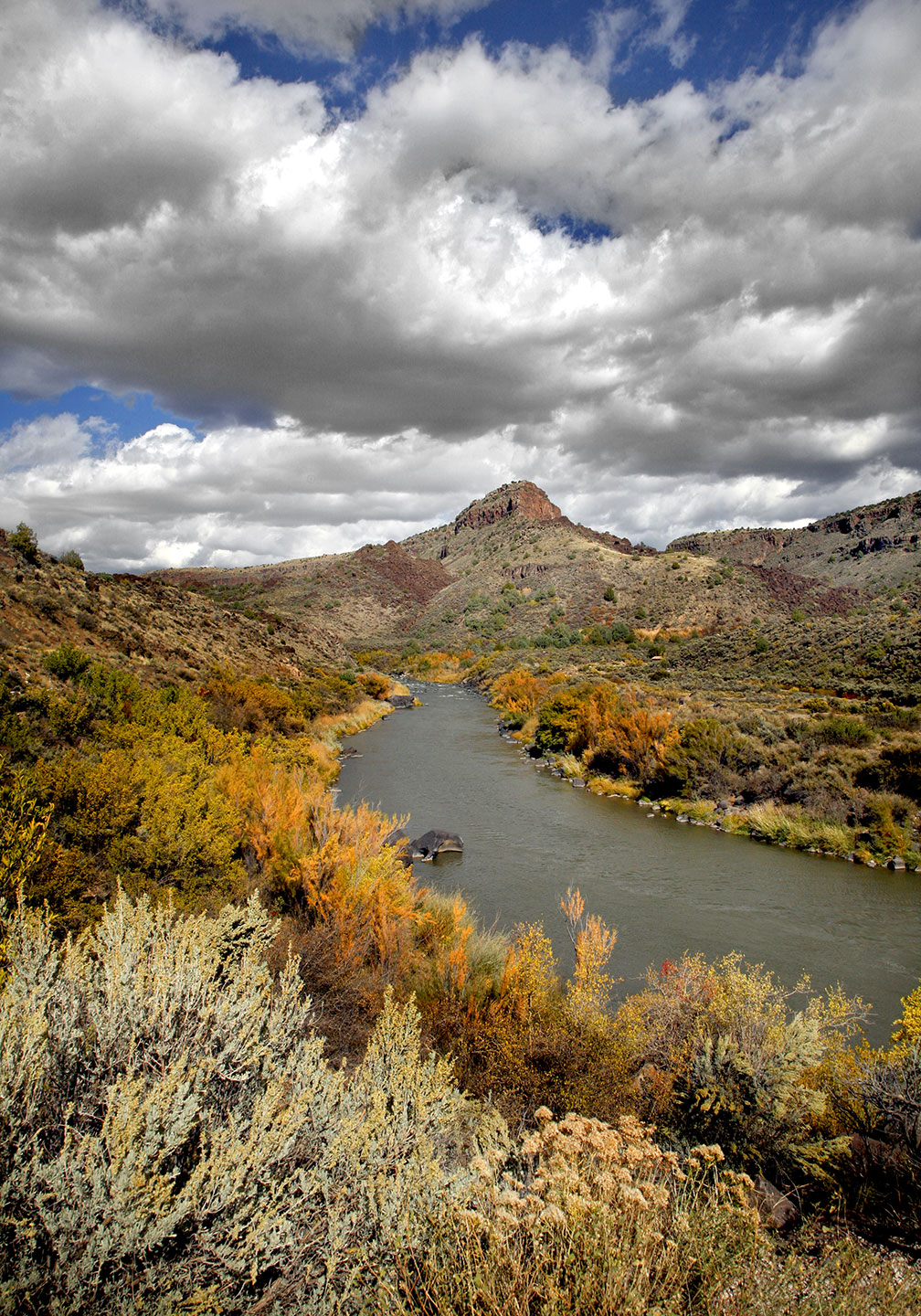
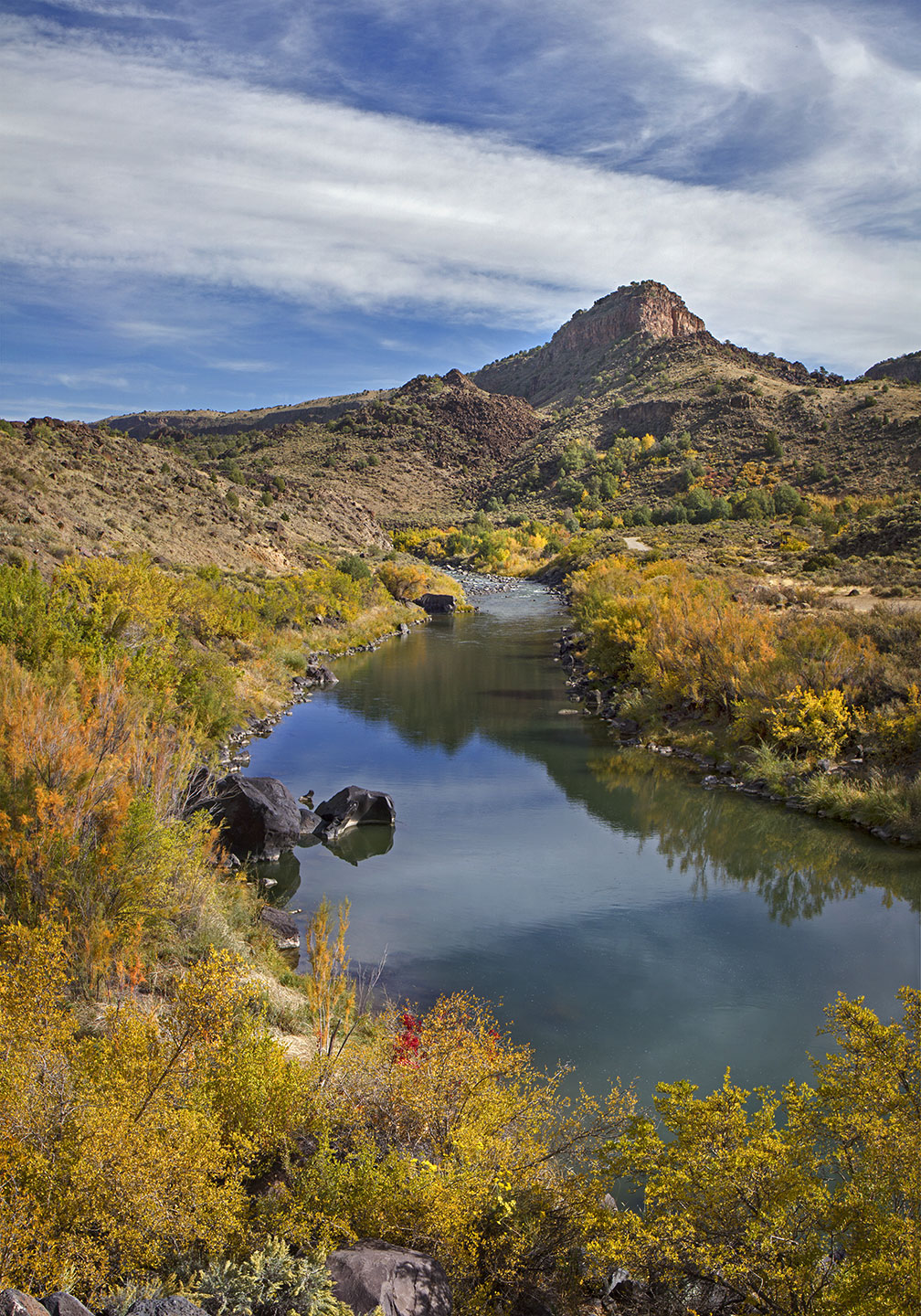
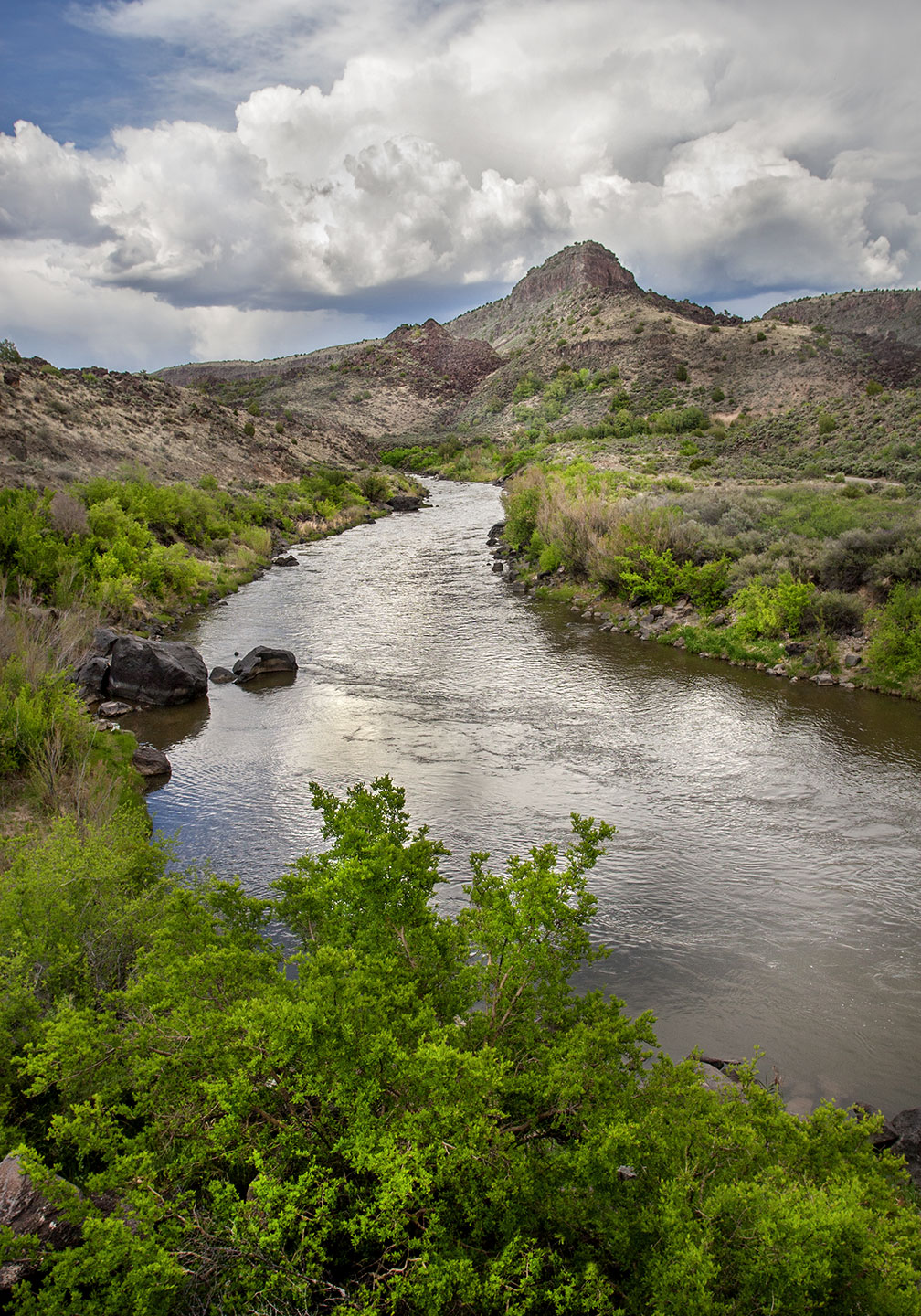
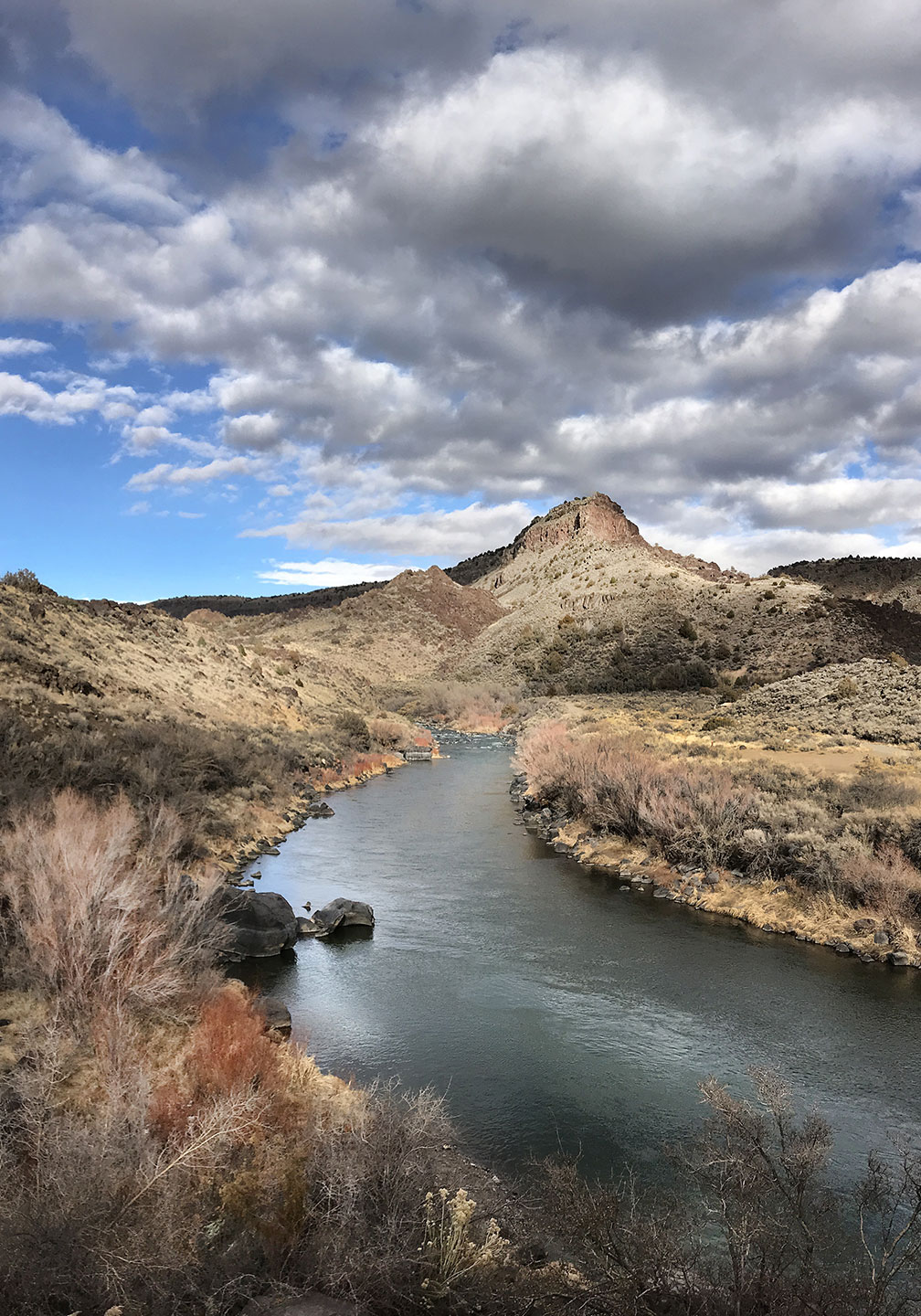
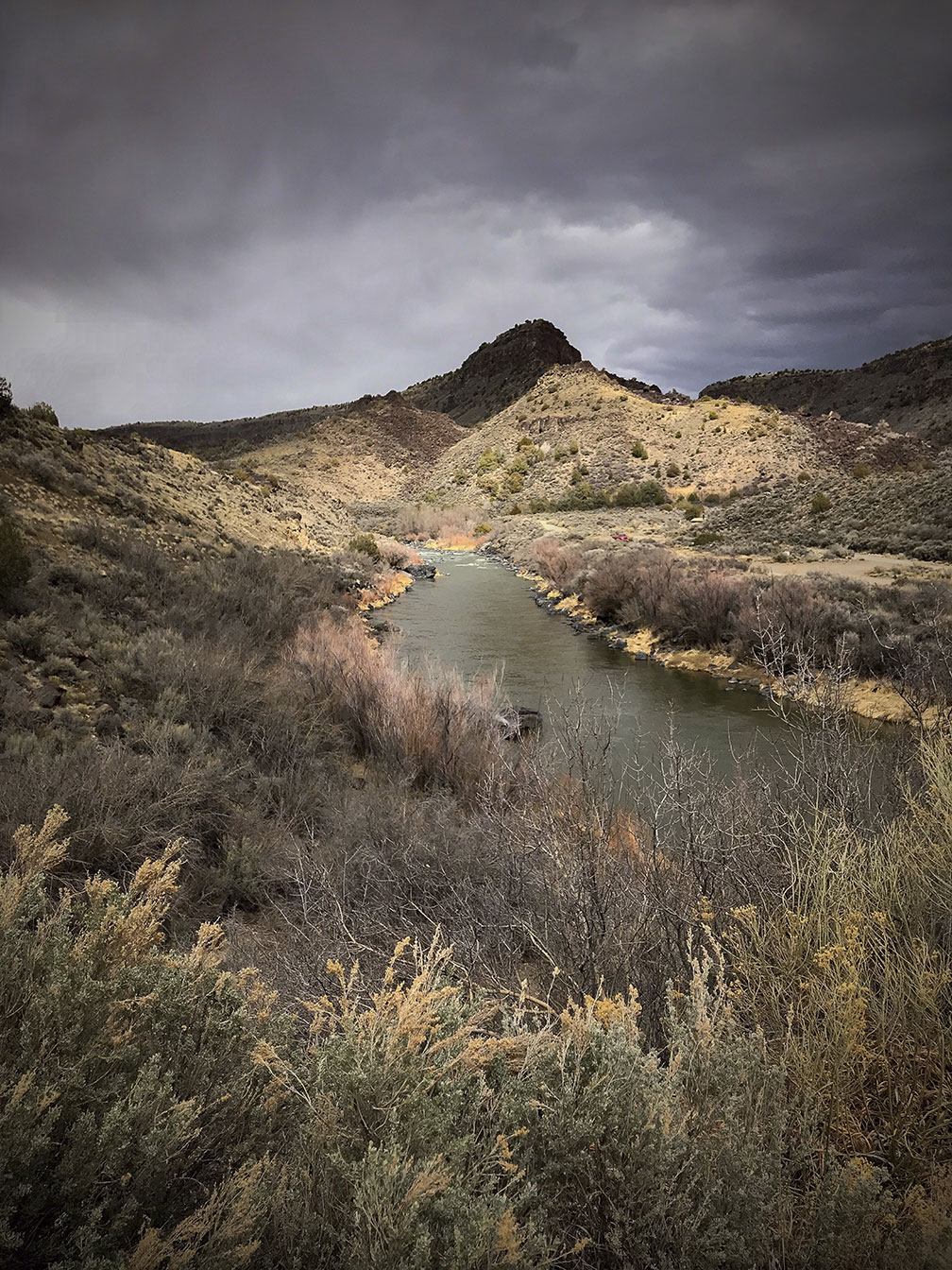
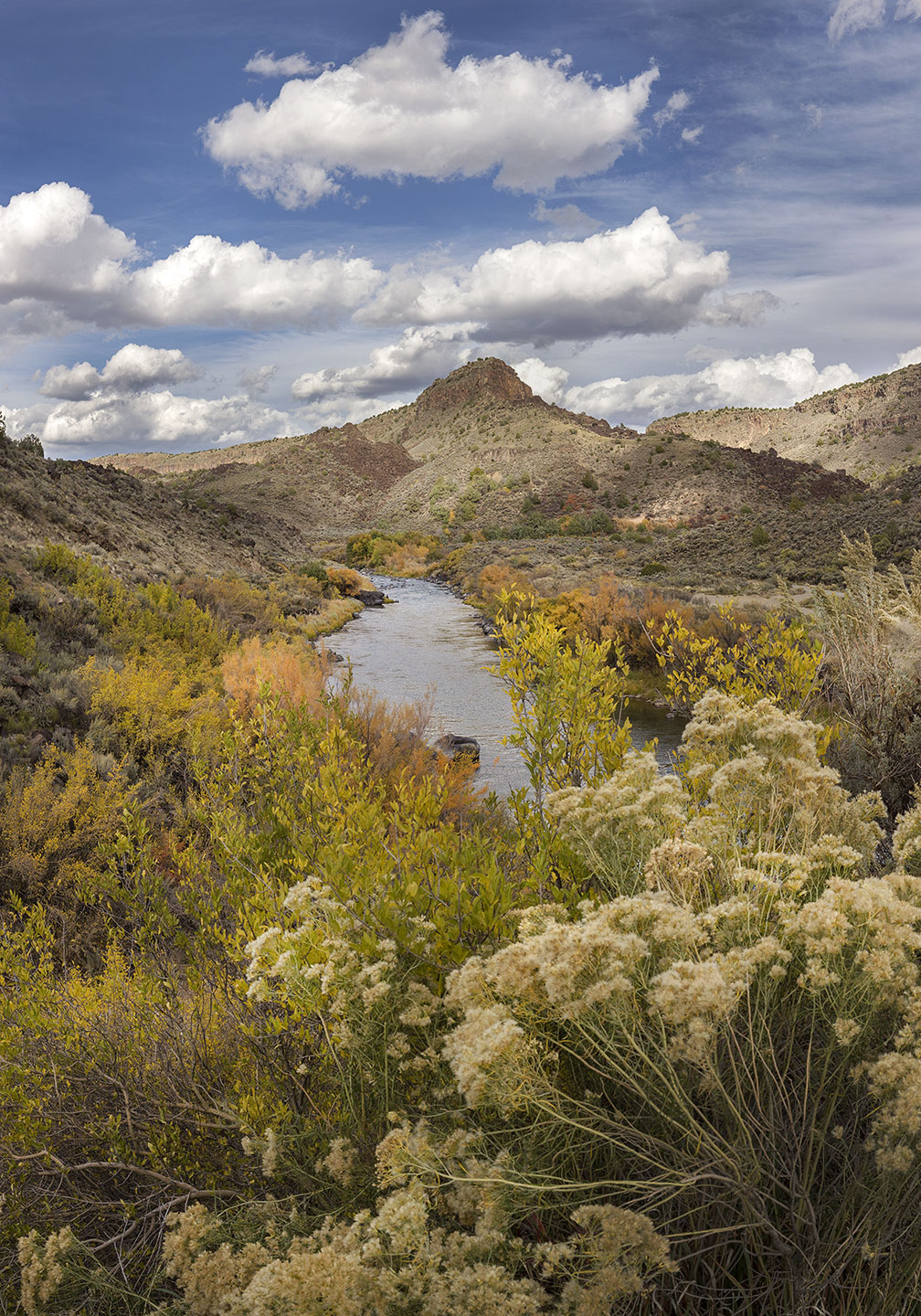
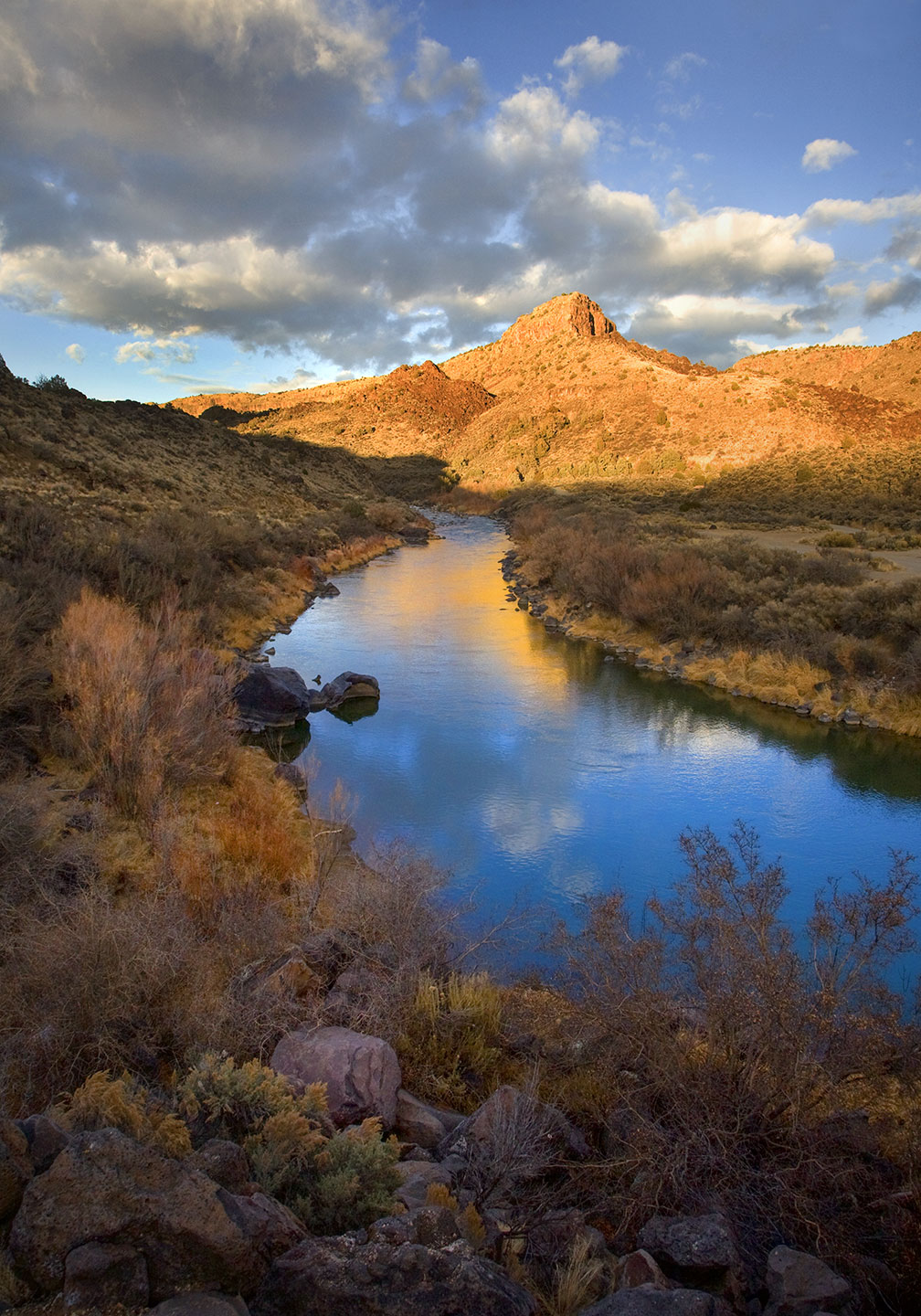
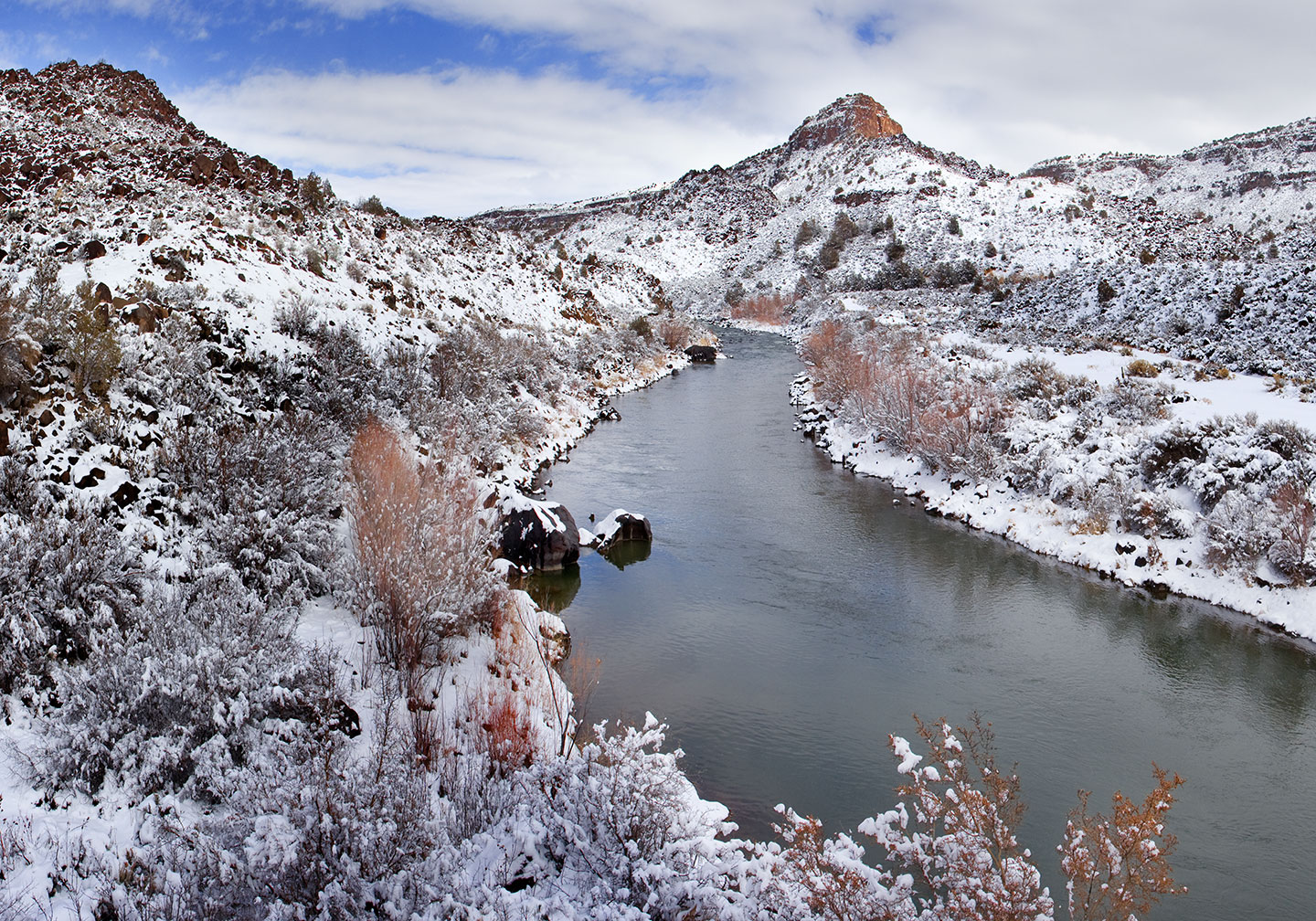
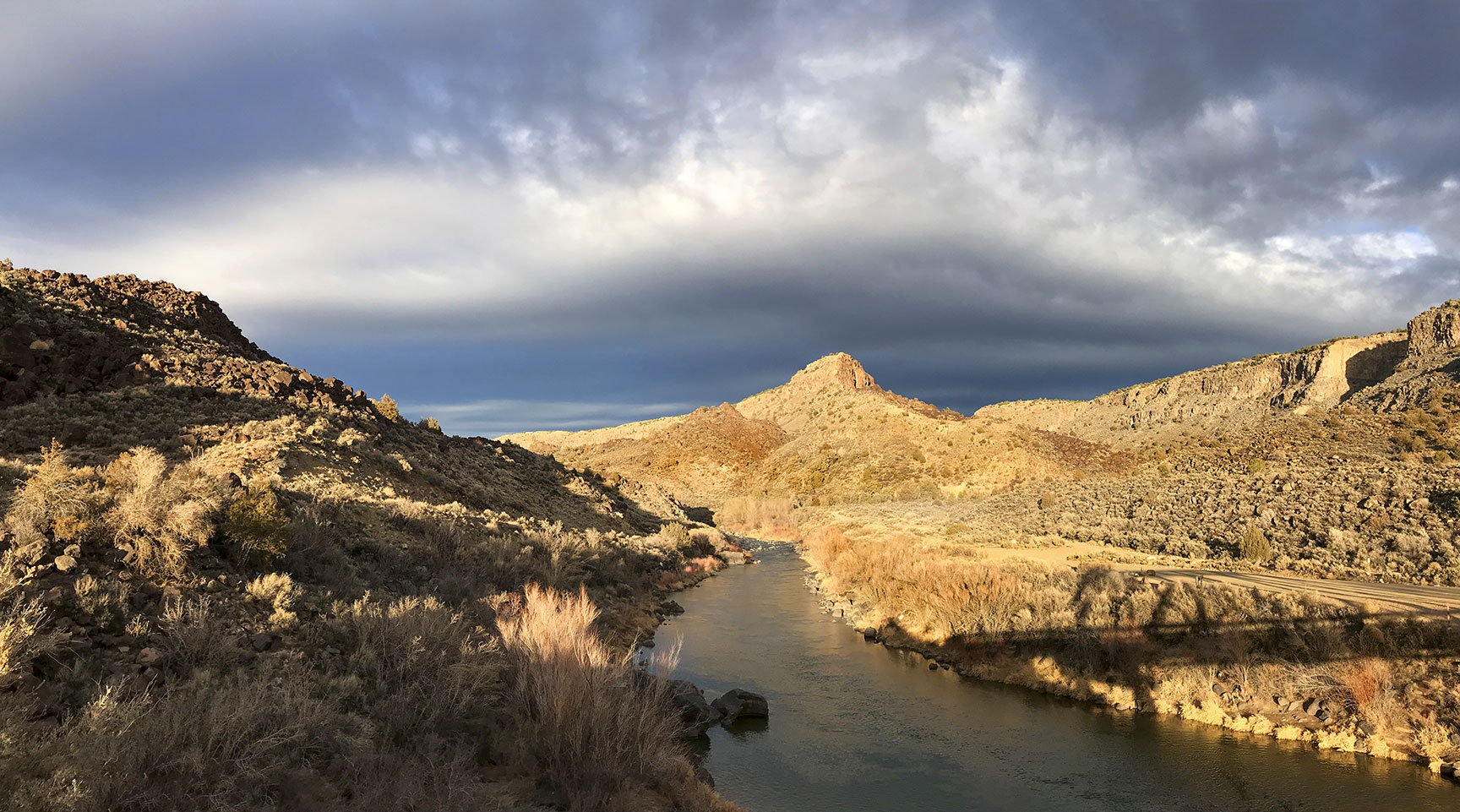
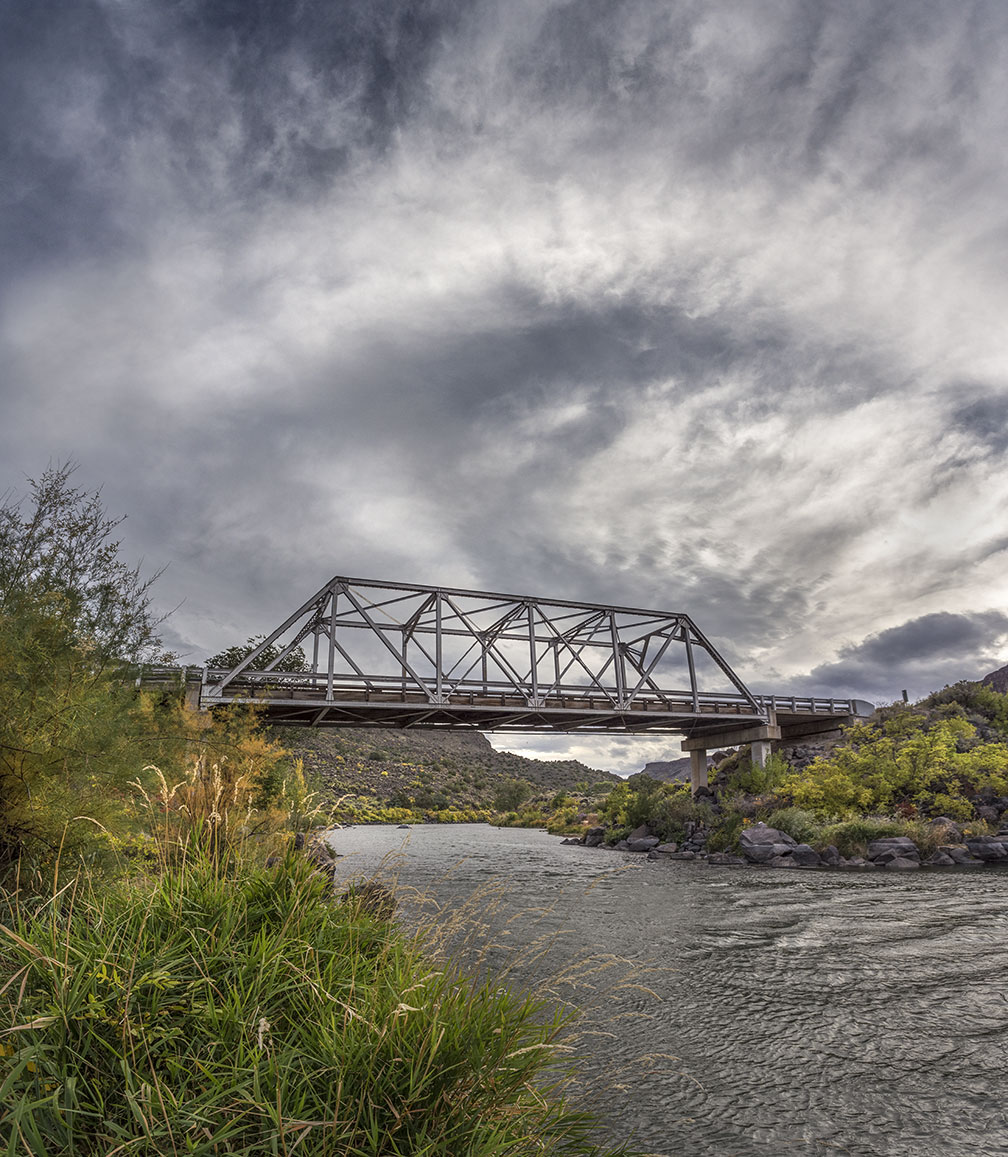
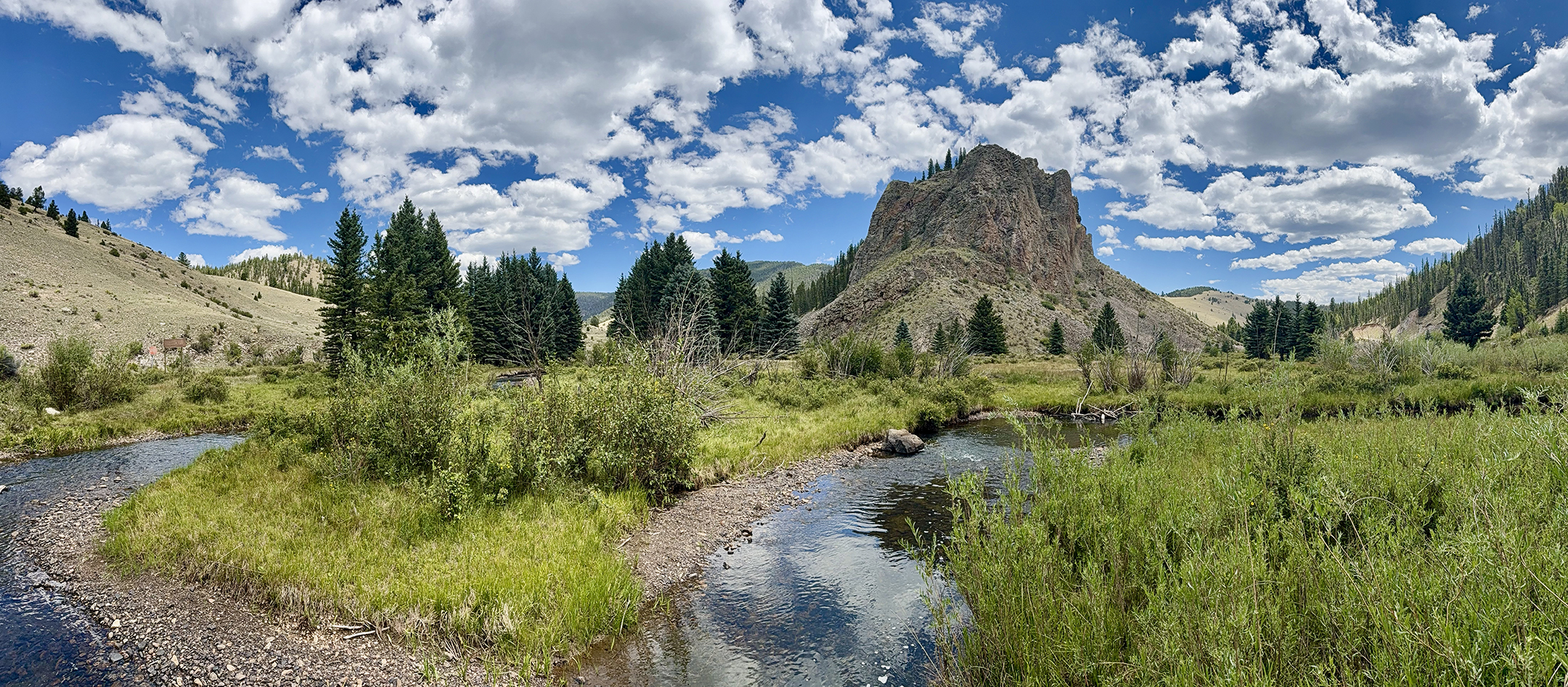
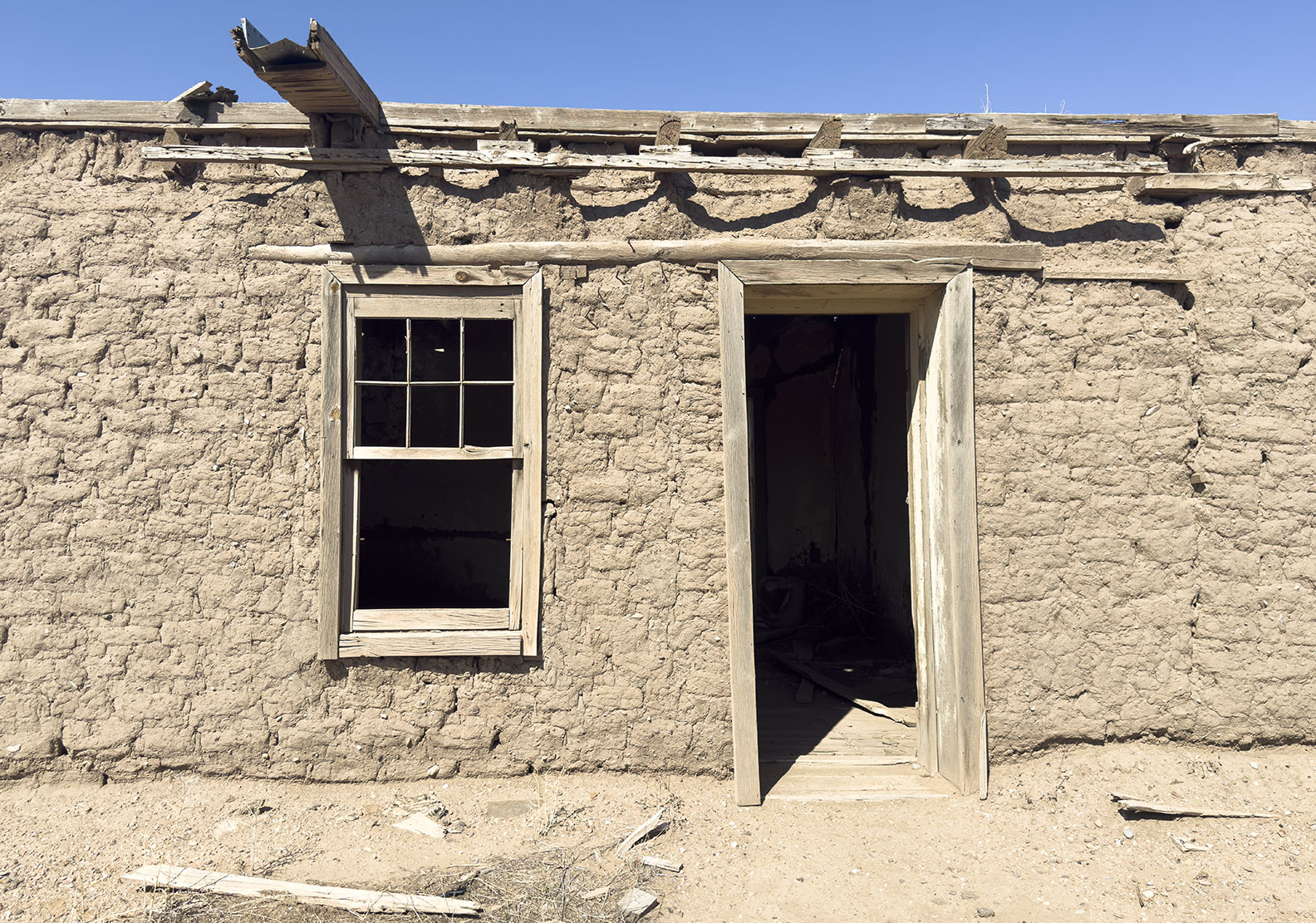
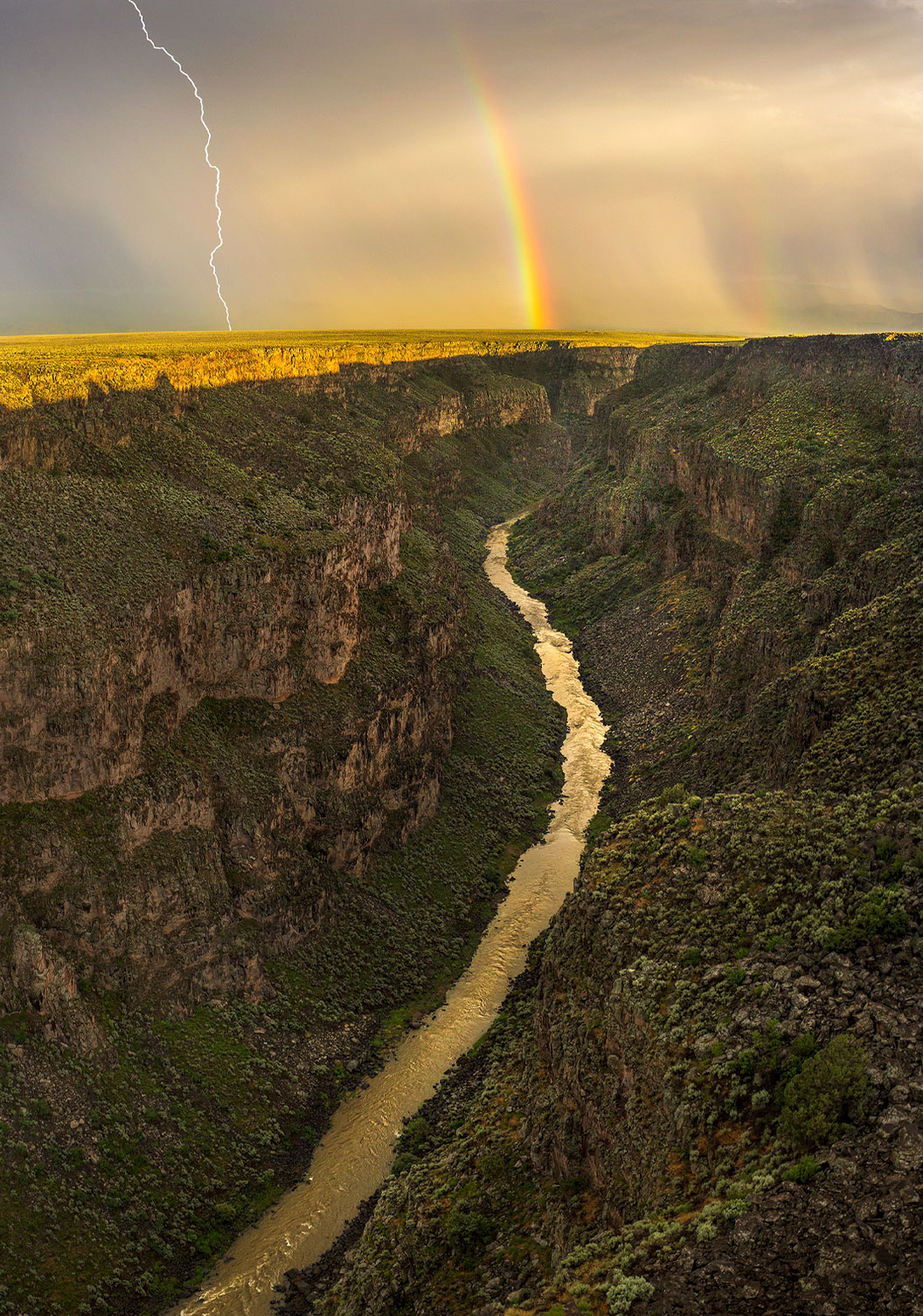
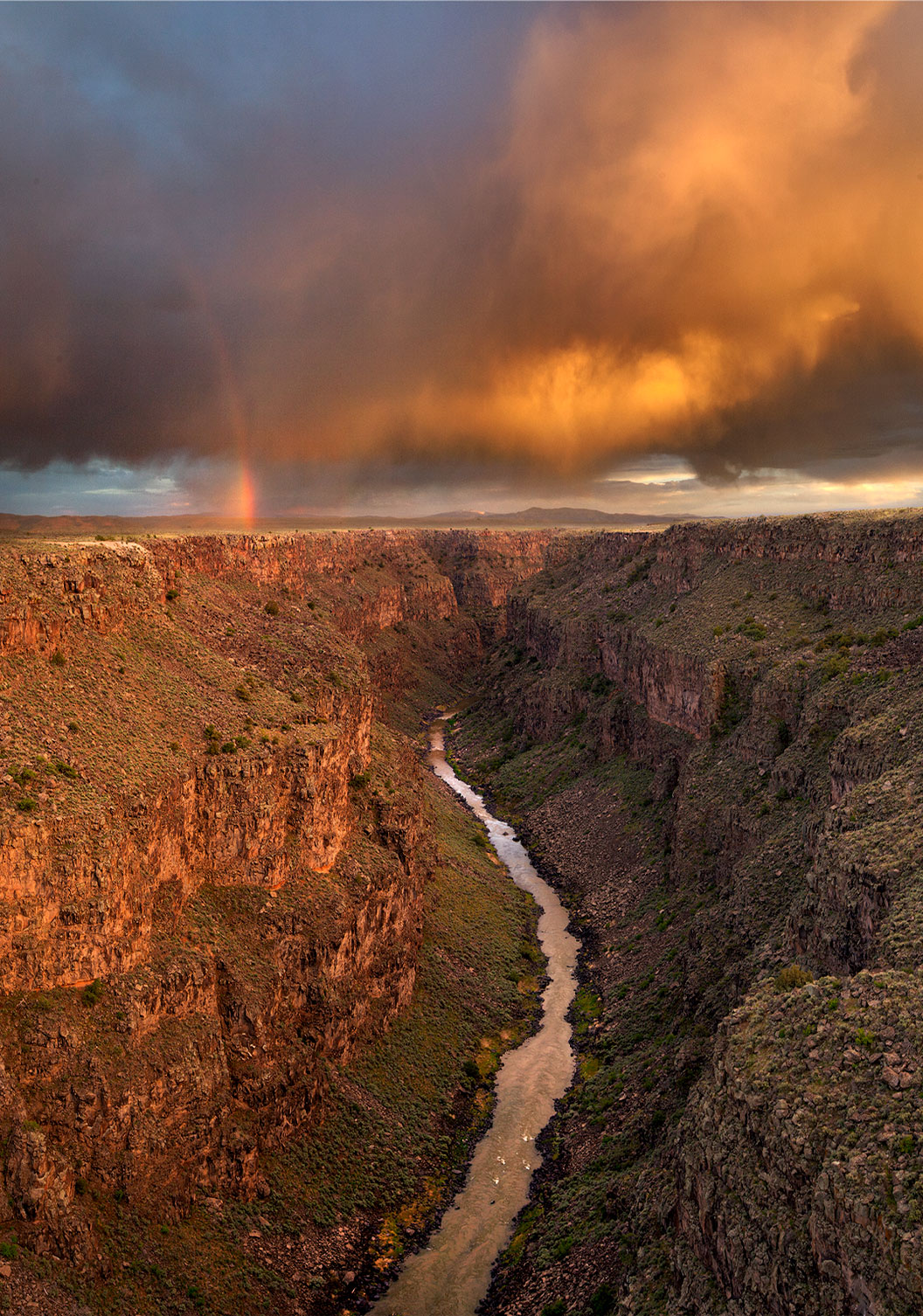
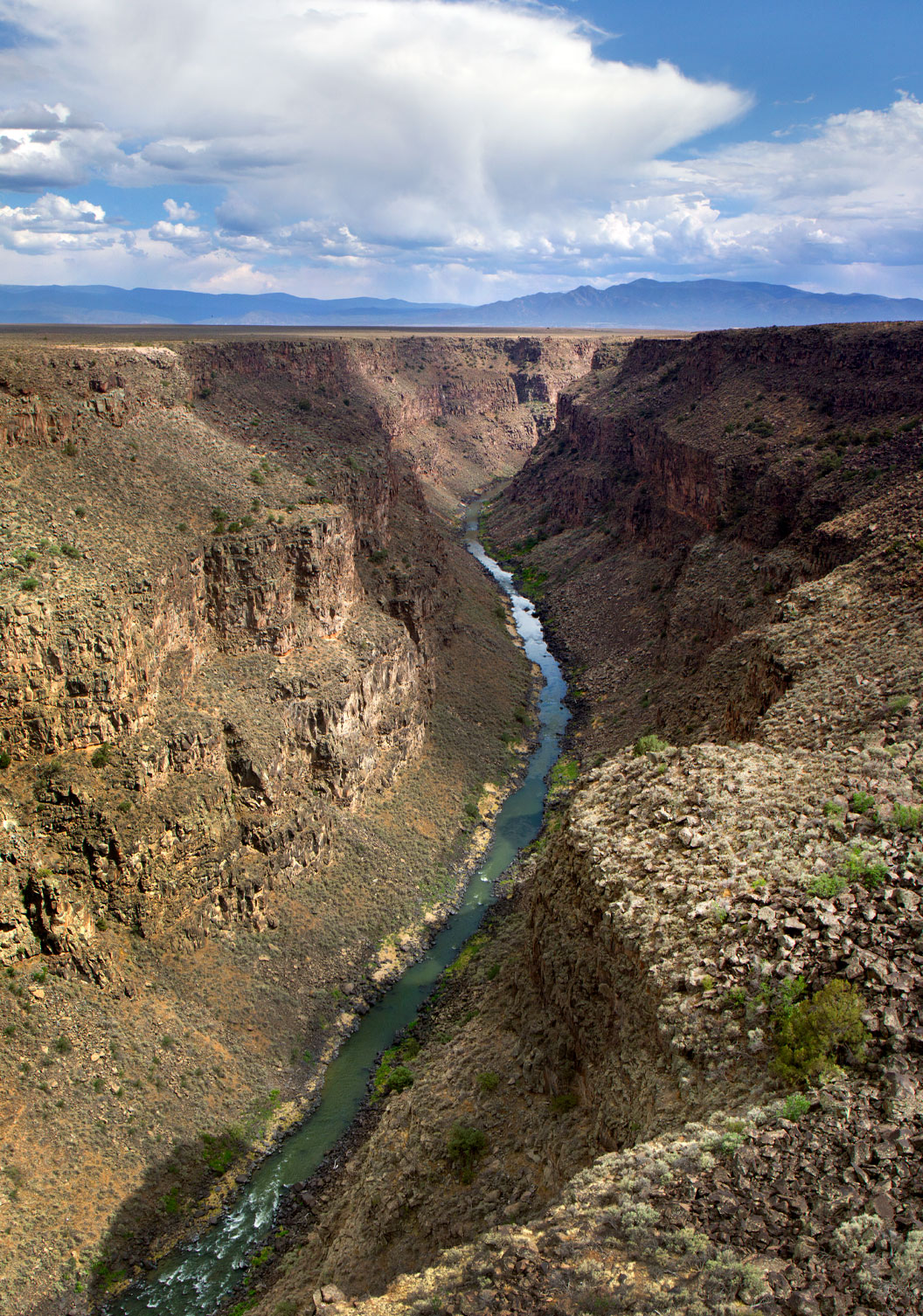
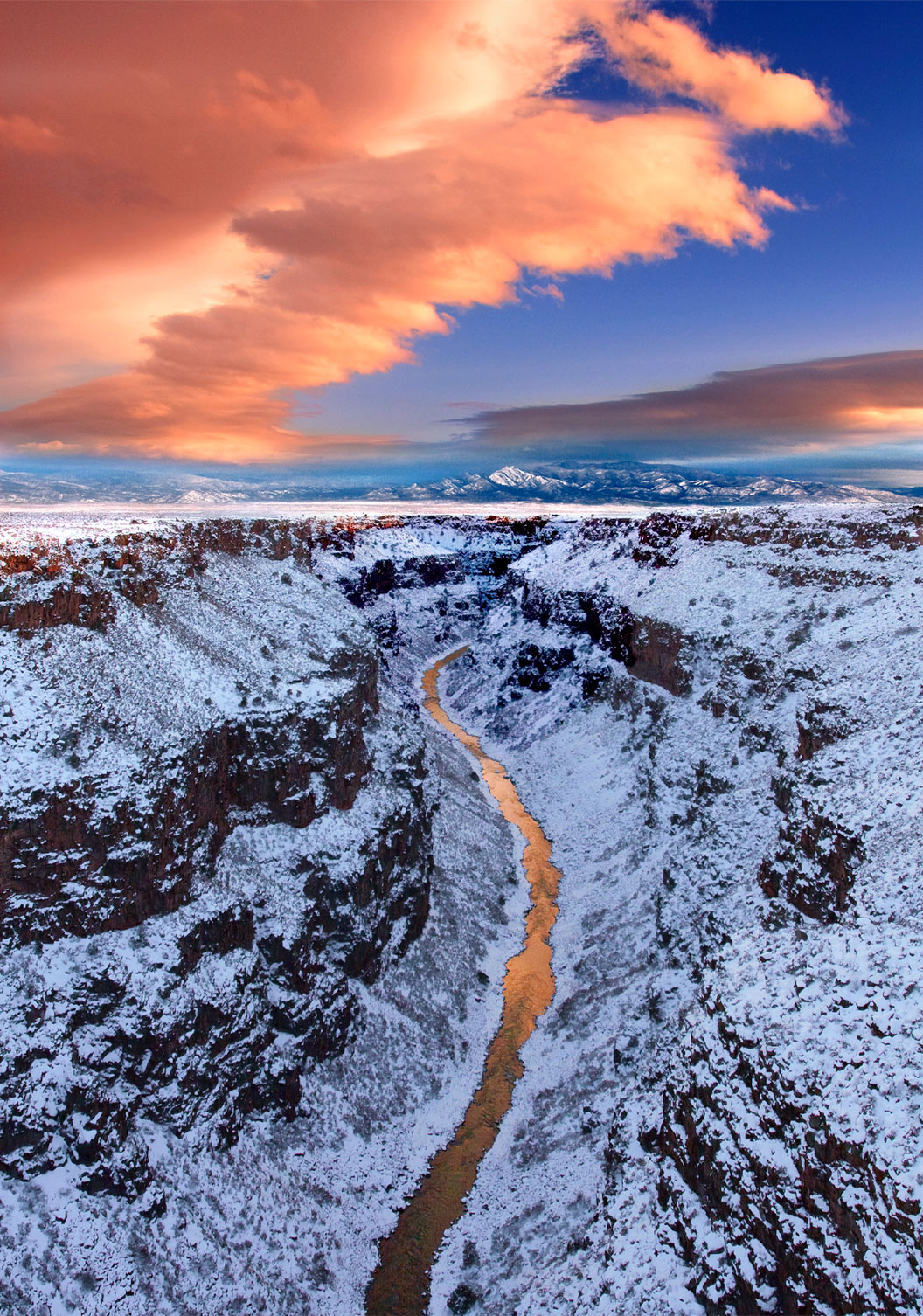
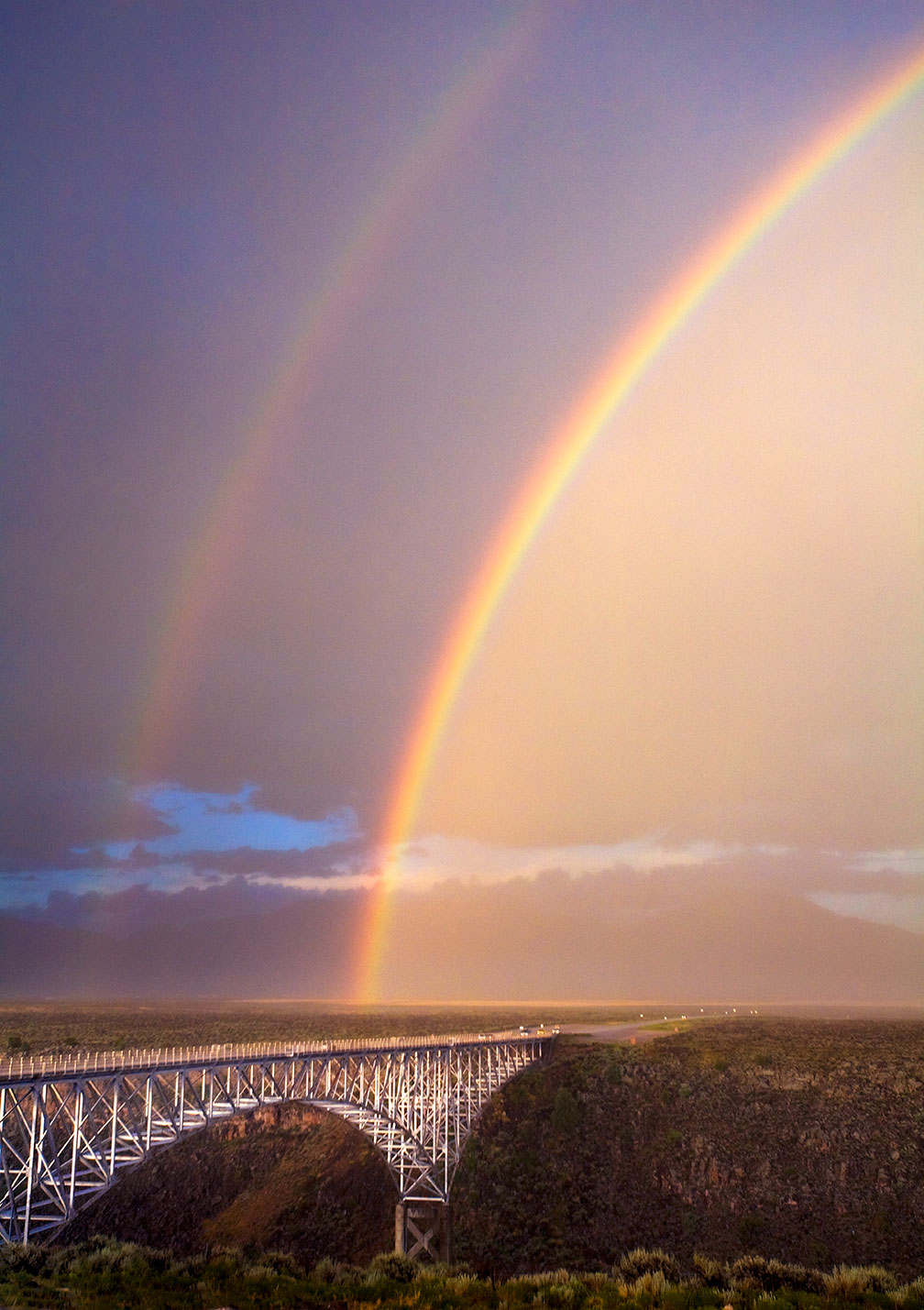
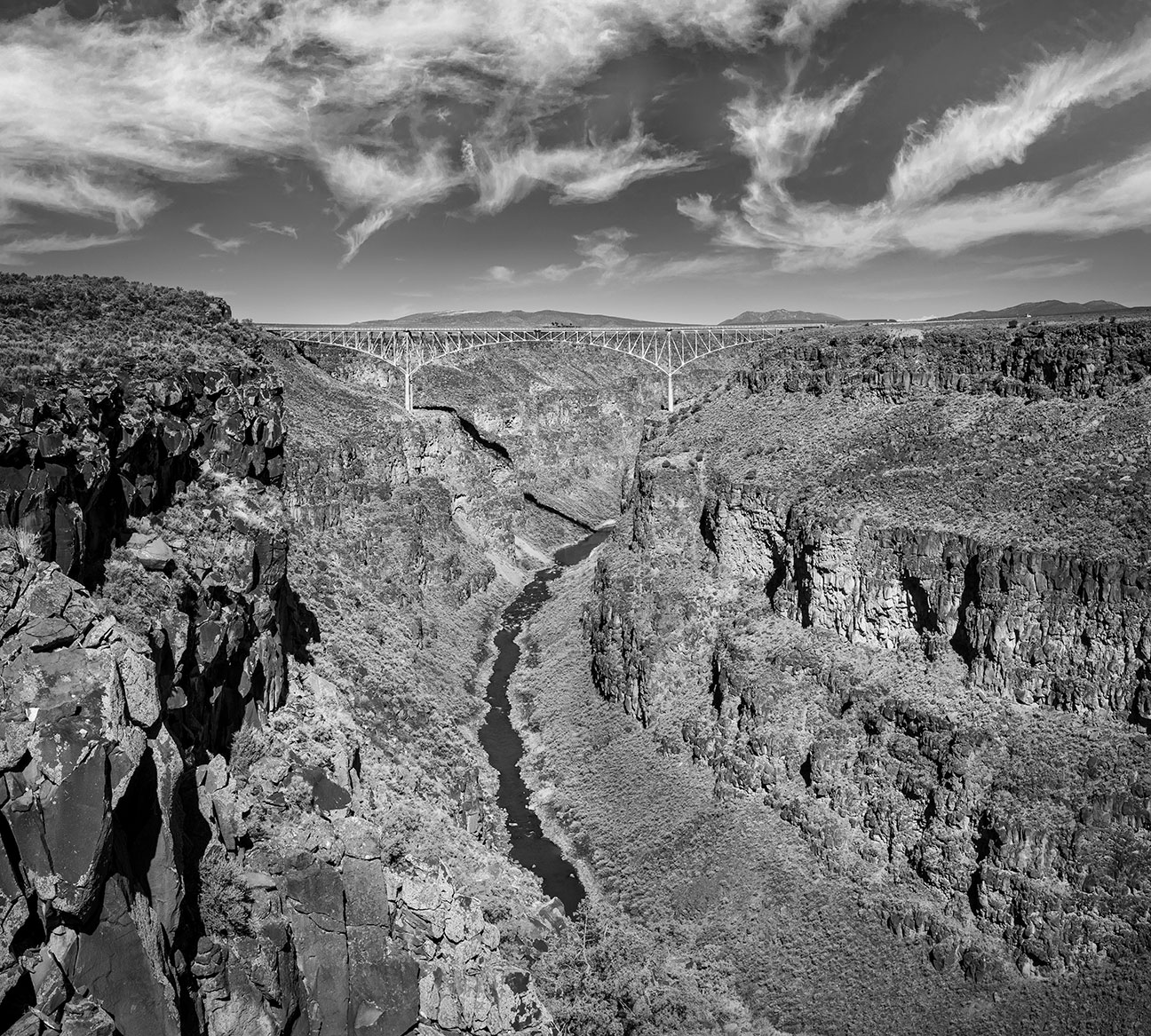
Greetings from San Cristobal, NM. This week, I’m sharing images from a photo assignment for “AAA New Mexico Journeys Magazine”, all taken on a Llama Trekking adventure down into the Rio Grande Gorge with Wild Earth Llama Adventures in 2014. Over the years, I have worked on many stories for AAA Magazines. Maybe I’ll share more down the road.
I hope everyone had a good week. Enjoy these images down into the gorge, and the inevitable 700 ft climb out. But then again, the Llamas carry the weight.
The first task is to get acquainted with and choose your llama. Tough choice to settle on which one of these beauties.
Did you pick one?
•
Then, it’s load up and head out, or rather down.
Loading up the gear.
•
Starting the trek down into the gorge.
•
Down and down it goes.
•
Another switchback.
•
We all take a break, and our guide shares some local knowledge of the area with us.
Sharing local knowledge with the trekkers.
•
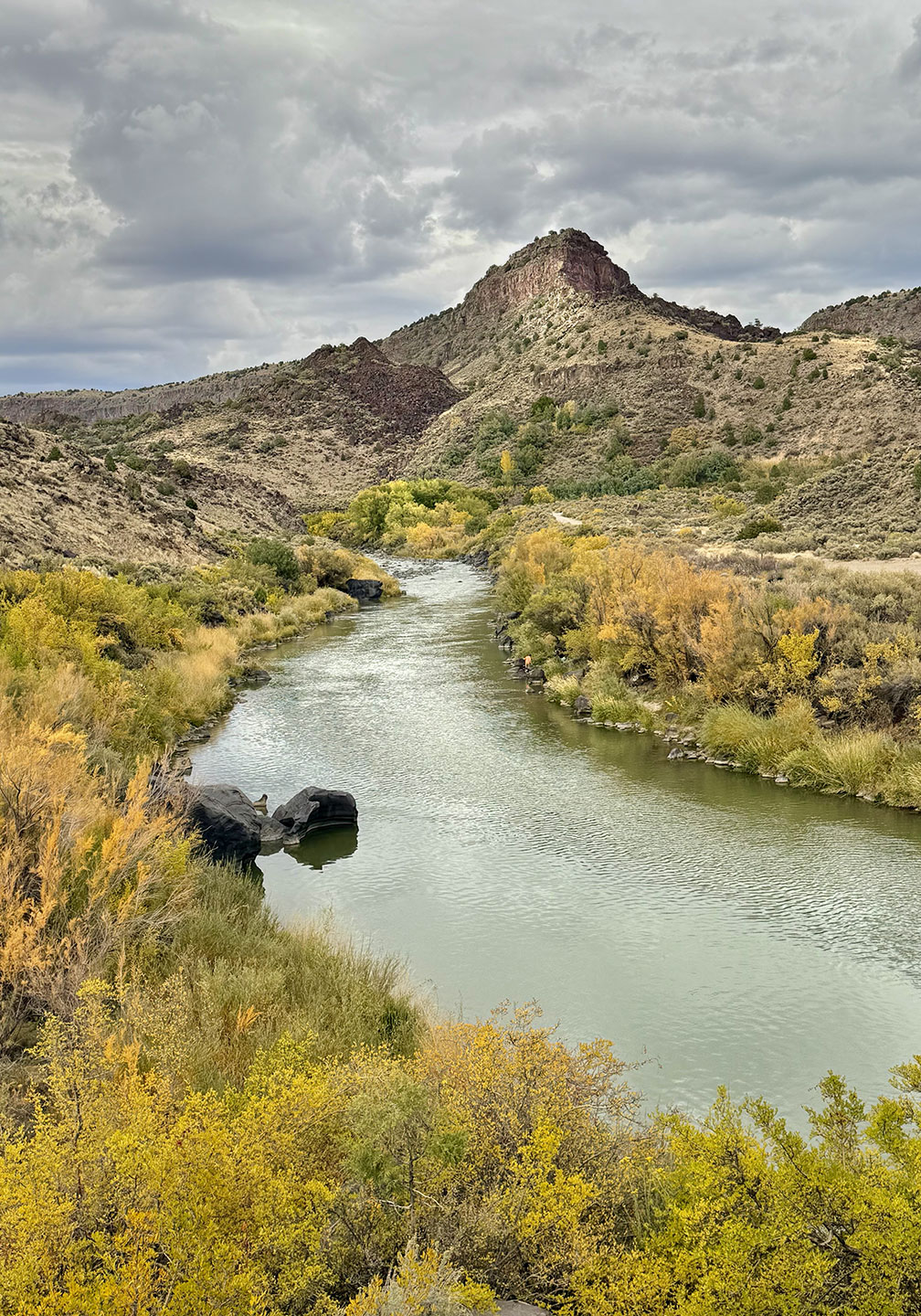
Rio Grande.
•
Wild watercress with lunch along the river near a spring.
Wild watercress.
•
After lunch, there’s plenty of time to explore the ancient petroglyphs in the immediate area.
Petroglyphs along the Rio Grande.
•
Corn woman petroglyph.
•
Our guide points out the route we took down into the gorge. We already know where we are going next… up, up, up!
Llama trekking, map of the route.
•
After a leisurely lunch and time exploring the area, we loaded up our new best friends and wound our way back along the river to where the trail made its way up out of the gorge to the rim of the Wild and Scenic Rivers Recreation Area.
Our guide, Stuart.
•
Sure footed.
Llama toes.
•
The trail up out of the Rio Grande Gorge, the final few yards.
Hello from New Mexico. This week, images of some of the acequias, water irrigation ditches, the lifeblood of agriculture in this area.
I hope everyone had a good week. I endeavor to remain positive.
I’m posting some of my favorite photos of the Taos area acequias this week. There is a wealth of information online if you would like to read more.
Acequia of the Ranchos Valley, with Taos Pueblo Mountain.
•
El Prado ditch.
•
Irrigation ditch, Pilar, NM.
•
Acequias are community-operated watercourses used for irrigation. They are managed collectively by local farmers and landowners, emphasizing cooperation and shared responsibility. The governance of acequias is typically overseen by a “mayordomo,” an elected official responsible for the maintenance and operation of the irrigation system.
My friend’s horses along an acequia in Pilar, NM.
•
Acequias are designed to be sustainable, using gravity to transport water from rivers or streams to agricultural fields. They are adaptable to various landscapes, including arid and semi-arid regions, making them crucial for agriculture in areas with limited rainfall.
Log flume, in Las Trampas on the High Road to Taos.
•
‘A distinctive feature of the acequias is the survival of a “canoa,” a hand-hewn hollow log that serves as a flume to transport water across ditches and depressions.”
Log flume, irrigation in Las Trampas on the High Road to Taos.
•
Acequia culture is deeply rooted in the traditions and history of the communities that maintain them. They are often associated with indigenous and Hispanic cultures in the American Southwest, particularly in New Mexico and Colorado. These systems have been in continuous use for centuries, representing a living link to the past and a testament to the ingenuity of early settlers and indigenous peoples.
Parciantes (members) spring cleaning near Truchas, NM.
•
Acequias are often governed by specific water rights and legal frameworks that have been developed over time. These rights are crucial for resolving disputes and ensuring equitable water distribution. The social structure surrounding acequias fosters a strong sense of community and mutual aid, as water is a shared and vital resource.
Parciantes clearing the ditches near Truchas, NM.
•
Today, acequia communities face challenges such as urbanization, climate change, and water scarcity. Efforts are being made to preserve these systems through legal protections, cultural initiatives, and sustainable practices. Organizations and local governments work to maintain the integrity of acequias, recognizing their importance for cultural heritage, agriculture, and environmental sustainability.
Irrigation ditch on the plateau near Ute Mountain.
In summary, acequia culture is a unique blend of historical irrigation practices, community cooperation, and cultural heritage. It continues to play a vital role in the agricultural and social life of many communities in the American Southwest, embodying principles of sustainability and shared stewardship of natural resources.
As always, thanks for looking. Have a great week. Enjoy the spring weather. G
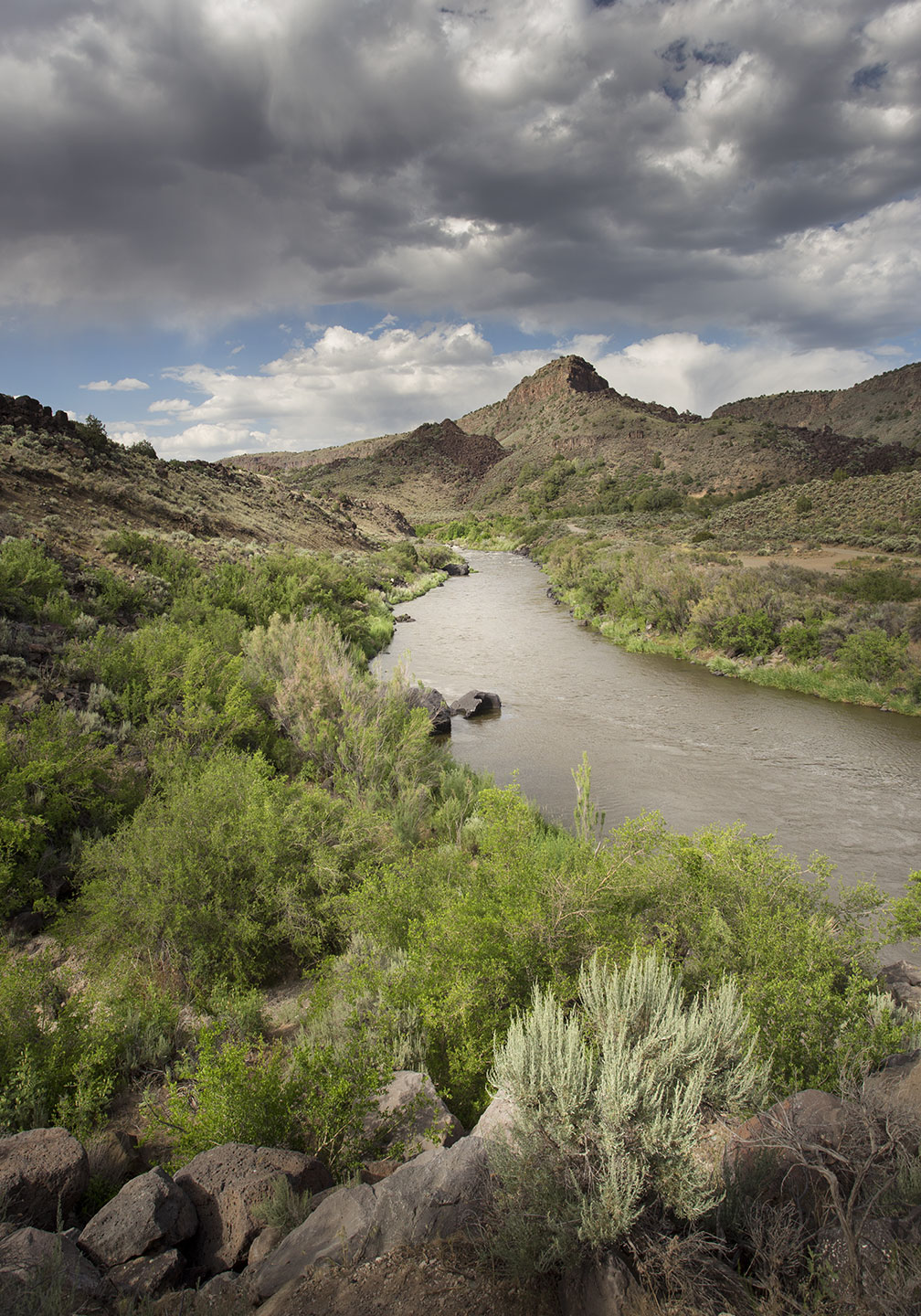
Hello from San Cristobal, NM! I hope everyone had a good week. This week, I captured some images on a rainy and overcast day in January 2024 from my car. I wasn’t driving, so I took the opportunity to shoot photos out the window using the Hipstamatic camera app on my iPhone. I know it’s been in existence for quite some time, but I’d never tried it out. Some of my clients use it frequently, and some use the app primarily for their image-making. These pictures are unedited and straight from the camera, using settings I selected just for fun.
I enjoyed the spontaneity and randomness of the subjects, with no preconceived outcome or expectations. I took these photos while traveling on highways 68, 64, and 522, from Taos to San Cristobal, as well as on Old Highway 3 through the village of San Cristobal. And… in no particular order.
I’m not a devotee of the hipstamatic app, and doubt I will be, but I enjoy playing, and that made for an enjoyable ride on a dull day.
Our Local Market in Arroyo Hondo
These hipstamatic iPhone pictures do bring out the nitty gritty elements of the region.
On another note…
The acequia culture in New Mexico is a centuries-old tradition of community-managed irrigation systems that trace their origins to Spanish colonial times and even earlier indigenous practices. These communal irrigation ditches, known as acequias, are vital for agriculture in the arid Southwest, allowing communities to share and manage scarce water resources equitably. The acequia system is not just a method of irrigation but a cultural institution that fosters community cooperation, governance, and sustainability. It involves a mayordomo, or ditch boss, who oversees water distribution and maintenance, and regular meetings where members, or parciantes, discuss water rights and responsibilities. This system reflects a deep connection to the land and water, emphasizing the importance of collective stewardship and resilience in the face of environmental challenges. Acequias are recognized for their cultural and historical significance, embodying a unique blend of indigenous and Hispanic heritage that continues to shape the landscape and communities of New Mexico today.
Taos Pueblo Mountain Acequia, El Prado.
As always, thank you for taking the time to look. I hope you enjoyed them. Join me next week as I share more photographs of the idyllic vistas, like the one above, found around northern New Mexico, highlighting the beauty and cultural significance of the acequias. Have a wonderful week! G
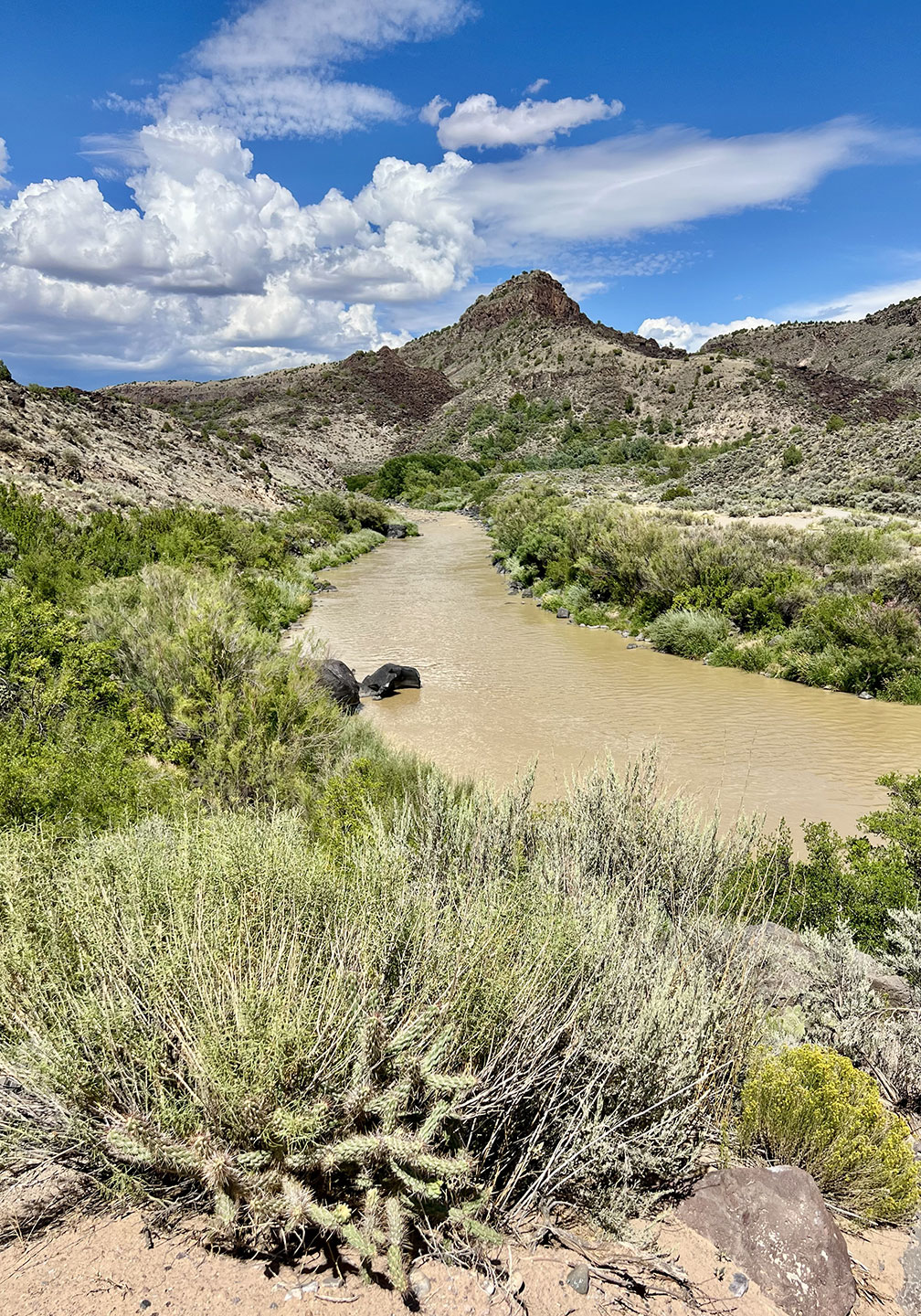
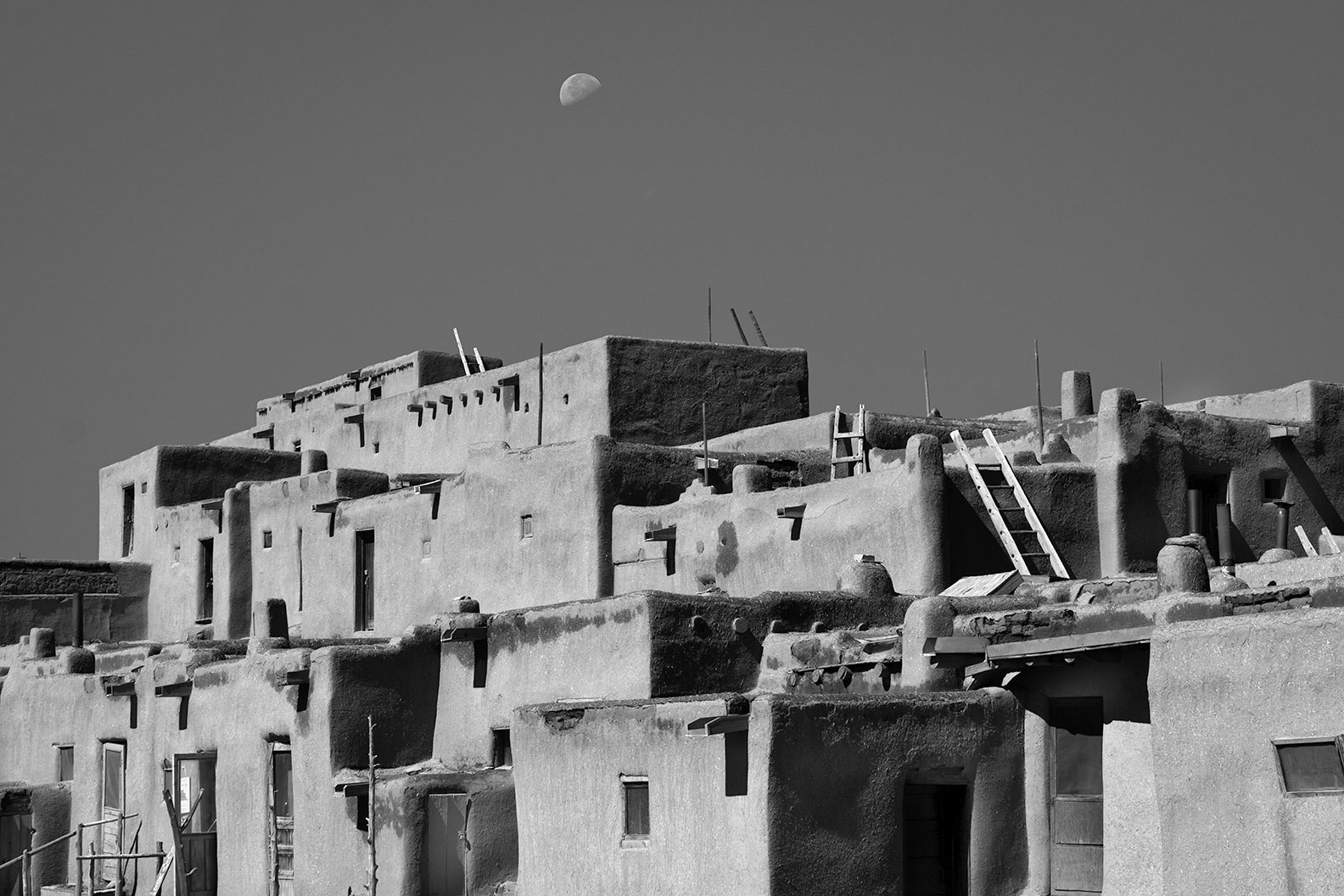
Greetings from San Cristobal, NM. This week, three views of the North House at Taos Pueblo. If you are fortunate to be in Taos this year, put the Taos Pueblo on your list of places to visit.
I hope everyone had a good week. A short post this week, nonetheless, an expansive one. Three panoramas, taken before winter, during winter, and the following spring, plus a view on a spring day, from a hill in our National Monument. Enjoy.
Taos Pueblo North House, before winter.
Taos Pueblo, located in northern New Mexico, is a remarkable Native American community that has been continuously inhabited for over a thousand years. This UNESCO World Heritage Site is renowned for its multi-storied adobe buildings, which exemplify traditional Pueblo architecture. The structures, made from earth, straw, and water, are meticulously maintained by the Taos people, who are committed to preserving their cultural heritage. The Pueblo is nestled at the base of the Sangre de Cristo Mountains, offering a stunning backdrop that enhances its historical and spiritual significance. Visitors to Taos Pueblo can experience the rich traditions and vibrant culture of the Taos people, who continue to uphold their ancestral customs and way of life.
North House, in winter.
North House, in spring.
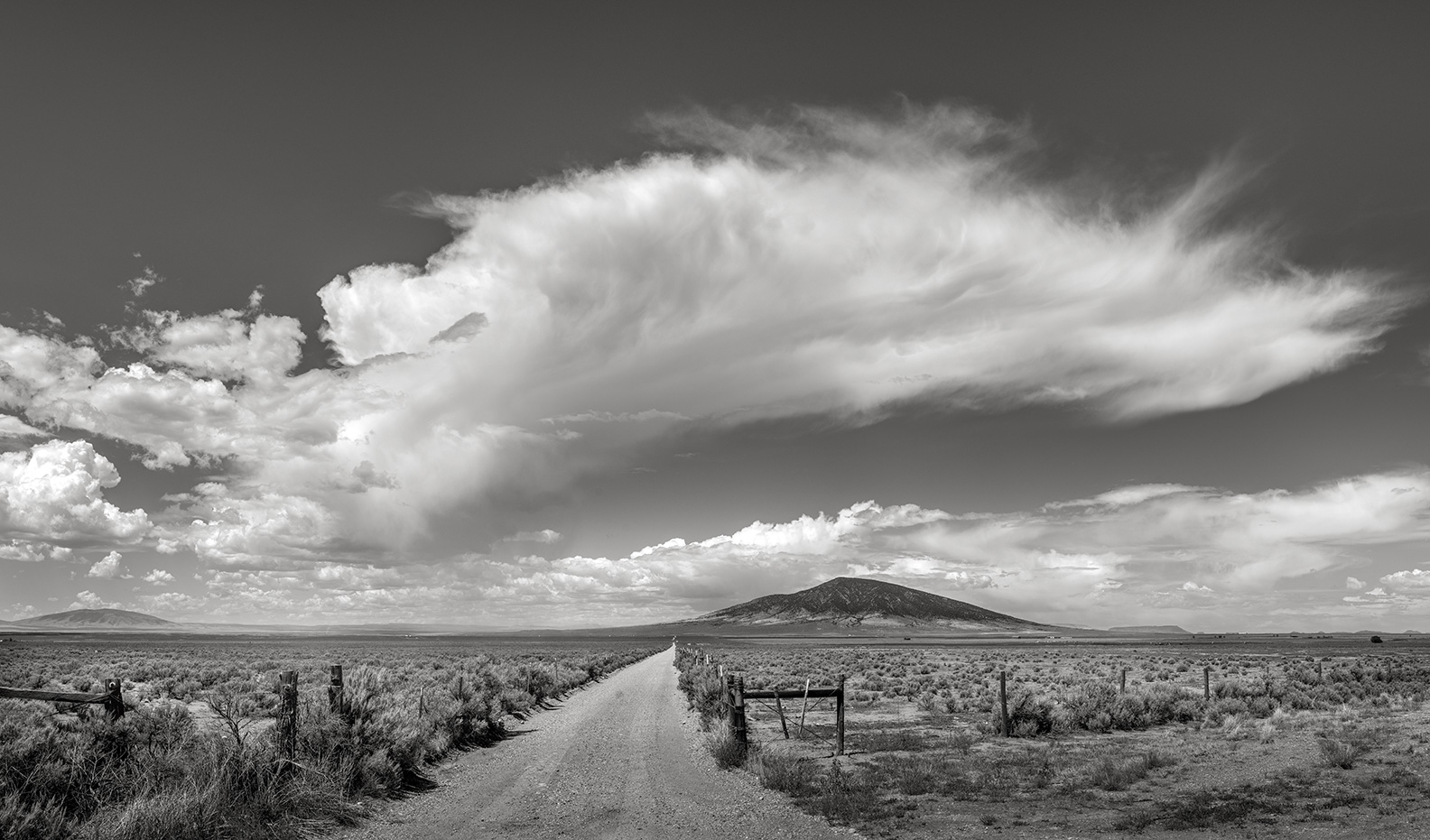
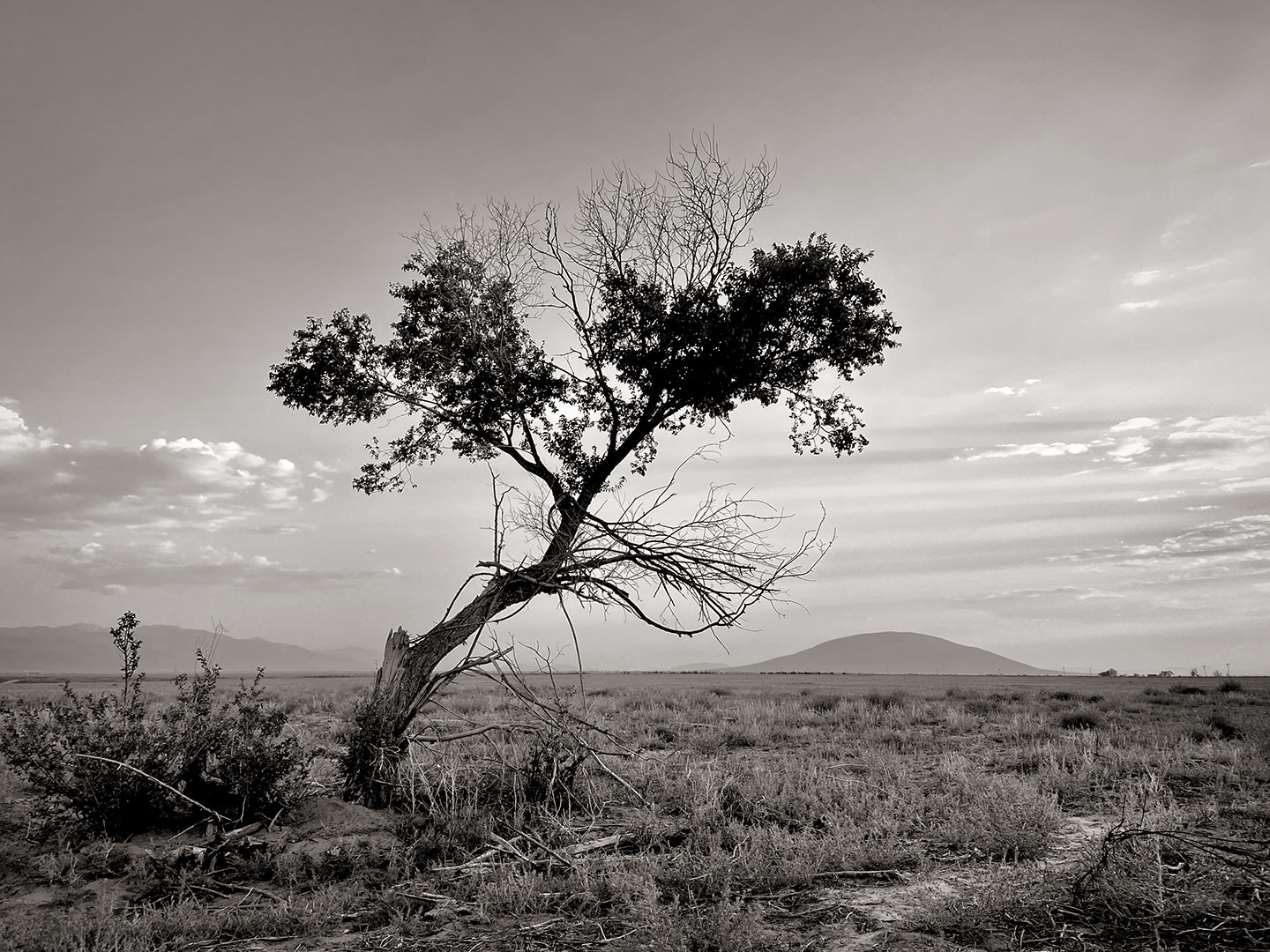
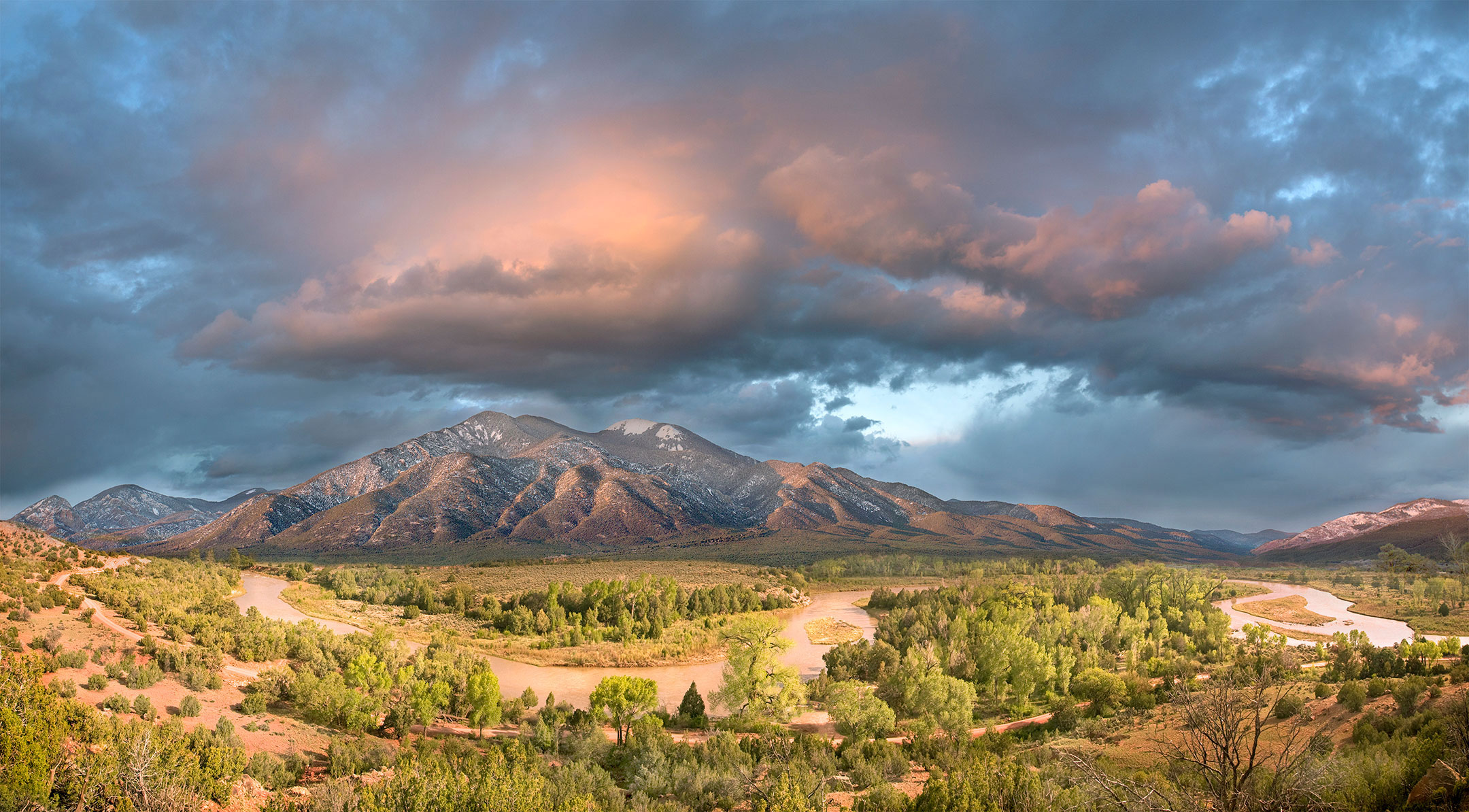
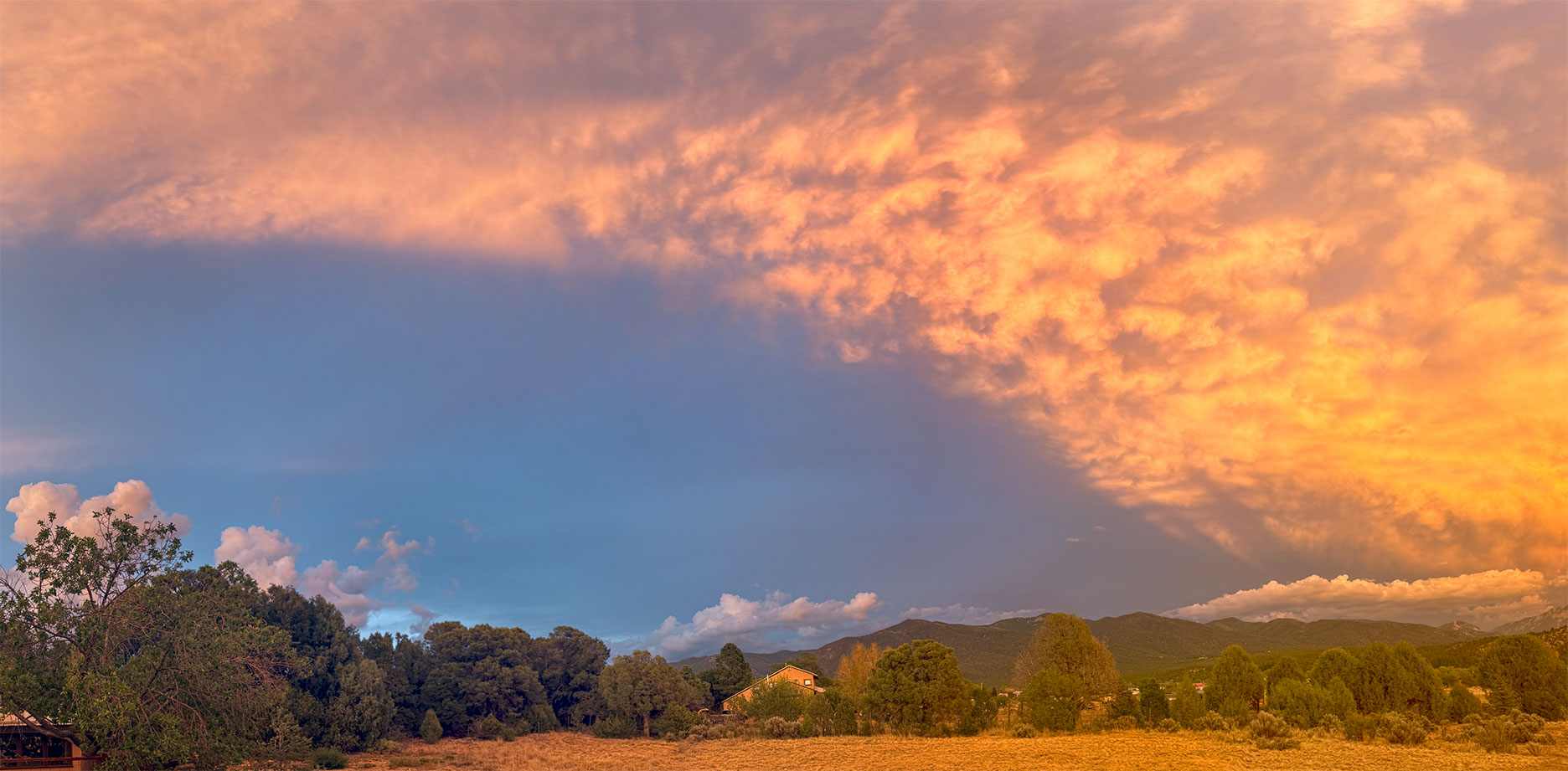
On a spring hike last week, up a small hill with expansive views in the Rio Grande del Norte National Monument. Ute Mountain in the distance, left of center, and San Cristobal, where we live, is in the foothills behind the tree on the right.
The Rio Grande del Norte National Monument.
The mountains in this view, from left to right, are: Cerro de la Olla, Brushy Mountain, Ute, Cerro Chiflo, the Latir Peaks, Guadalupe Mtn North and South, Flag Mtn, and Lobo Peak. The hill we were standing on (not named) is only 333 feet up, but with excellent vistas.
We also re-visited this old corral out there in the middle of nowhere.
Old corral, in the Rio Grande del Norte National Monument.
Hello from San Cristobal, NM. I hope everyone had a great week. It’s raining here today. We are very happy about that. This week, more random selections from the archives, including the San Luis Valley, El Rito (west), and northern New Mexico.
I hope you enjoy!
Random selections from bygone days.
Stone house and fence, San Luis Valley, Colorado.
Near the house in the photo above, is owl nest on a platform of sticks in a potato bunker. Initially, I thought it might be a magpie or hawk nest, but then an owl flew directly over my head from another part of the building and out through the entrance. Over the years, I’ve seen more owls in different bunkers, alas no pictures, yet.
Owl nest in a potato bunker, Colorado.
On a different trip these two juvenile great horned owls were seen in a tree close bye to the bunker..
Juvenile great horned owls.
In the San Luis Valley of Colorado, potato storage bunkers/cellars play a crucial role in preserving the region’s abundant potato harvests. These bunkers are specially designed facilities that maintain optimal temperature and humidity levels to extend the shelf life of potatoes, preventing spoilage and sprouting. The valley’s high altitude and arid climate make it an ideal location for potato farming, and the storage bunkers ensure that the produce can be stored for months, allowing farmers to supply fresh potatoes year-round. These structures are often partially underground, leveraging the earth’s natural insulation properties to maintain a stable environment, which is essential for maintaining the quality and nutritional value of the potatoes.
Railway depot in Romeo, Colorado.
Romeo, Colorado.
A faded flag emblem on the side of a carriage at the Alamosa, railyards. Maybe I’ll make a post on images from the railyards soon.
The El Rito Mansion, on a Spring photo tour/workshop. Since this photo was taken, I’ve been in touch with the family and relatives who grew up here.
El Rito NM.
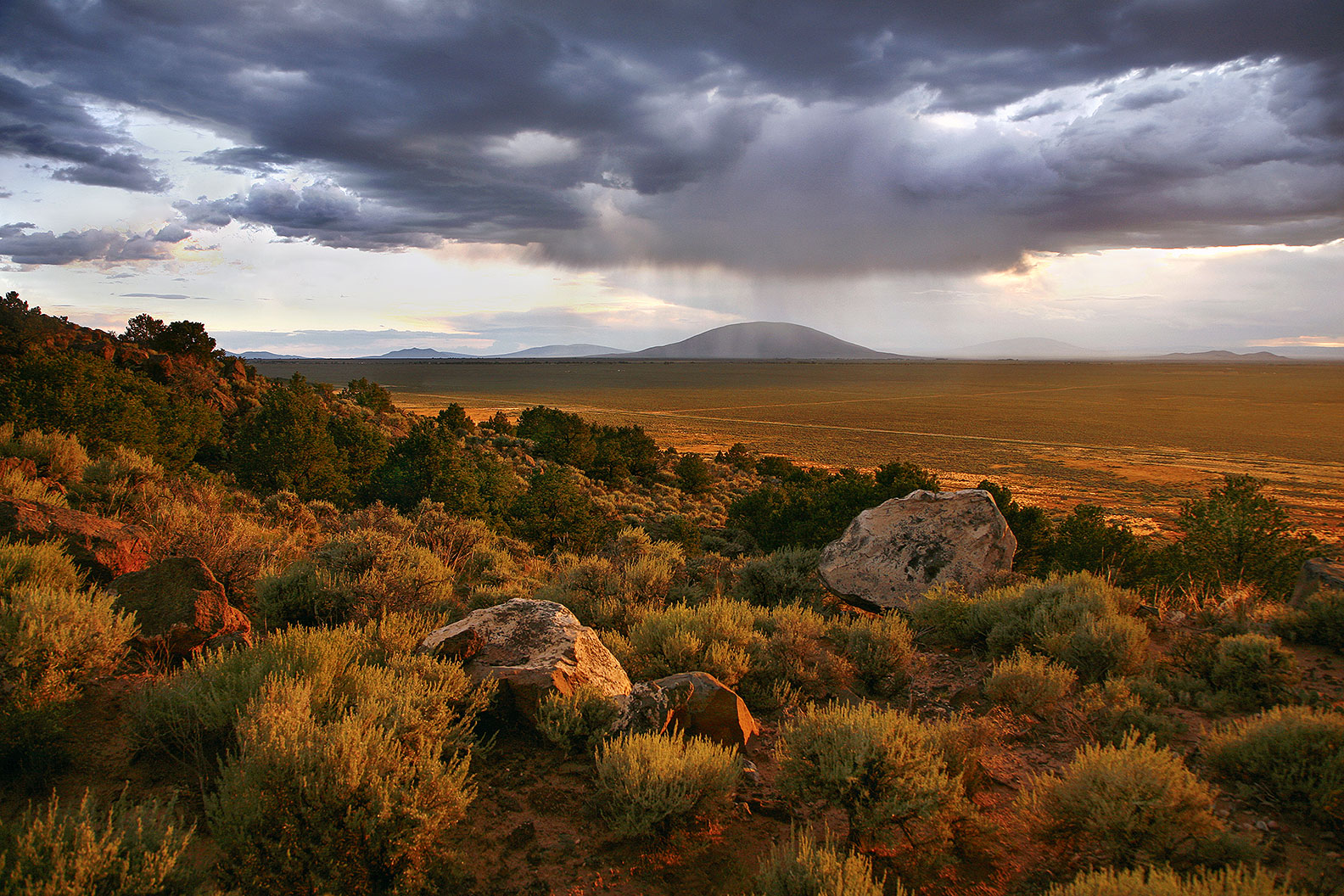
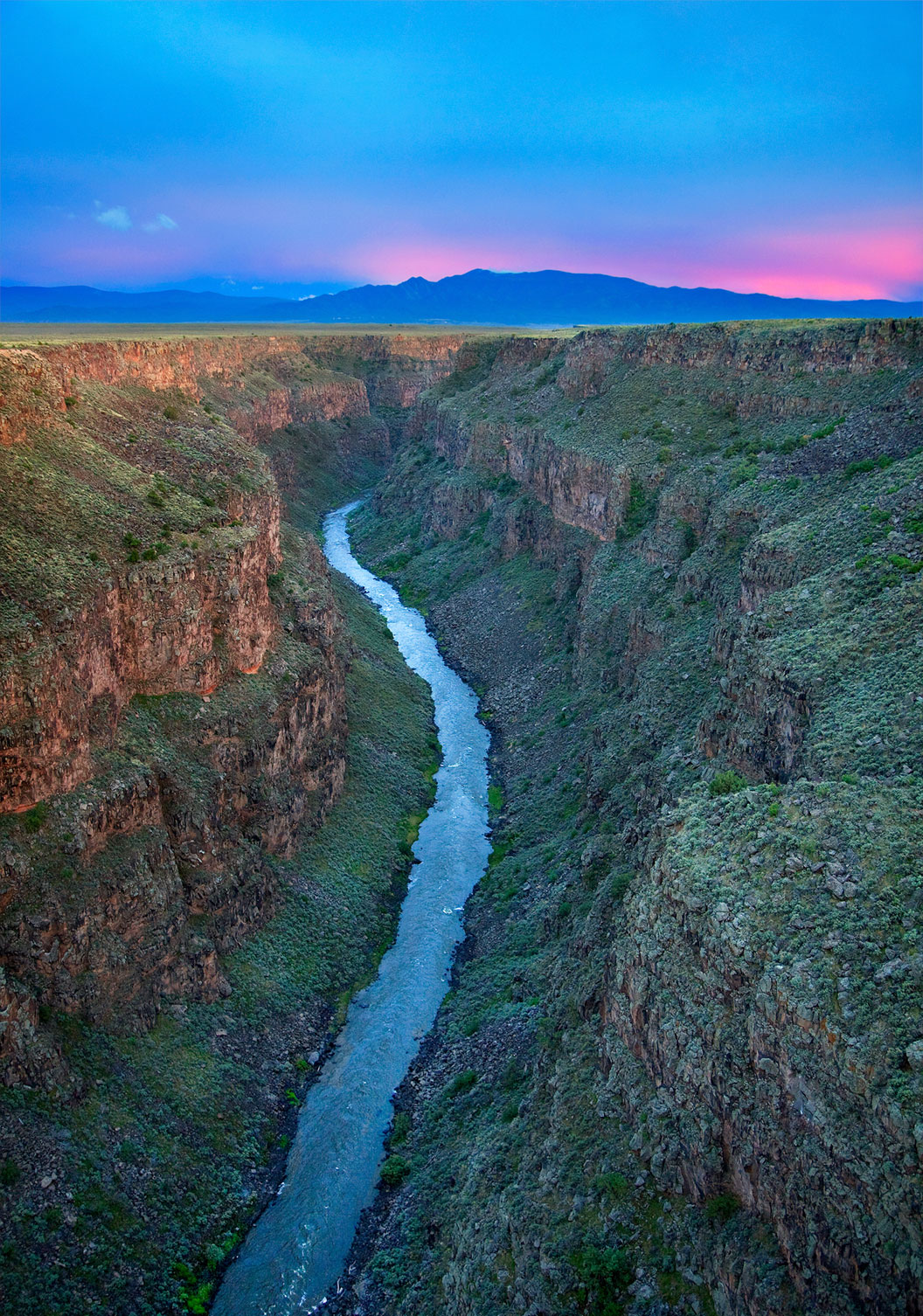
At the end of a good day of shooting, the soft twilight, on the Rio Grande Gorge, and Ute Mountain, NM. A hand held image shot in near darkness and lightened in Photoshop® to bring out the lavendar hues and highlight on the river.
Rio Grande Gorge, Ute Mountain, NM.
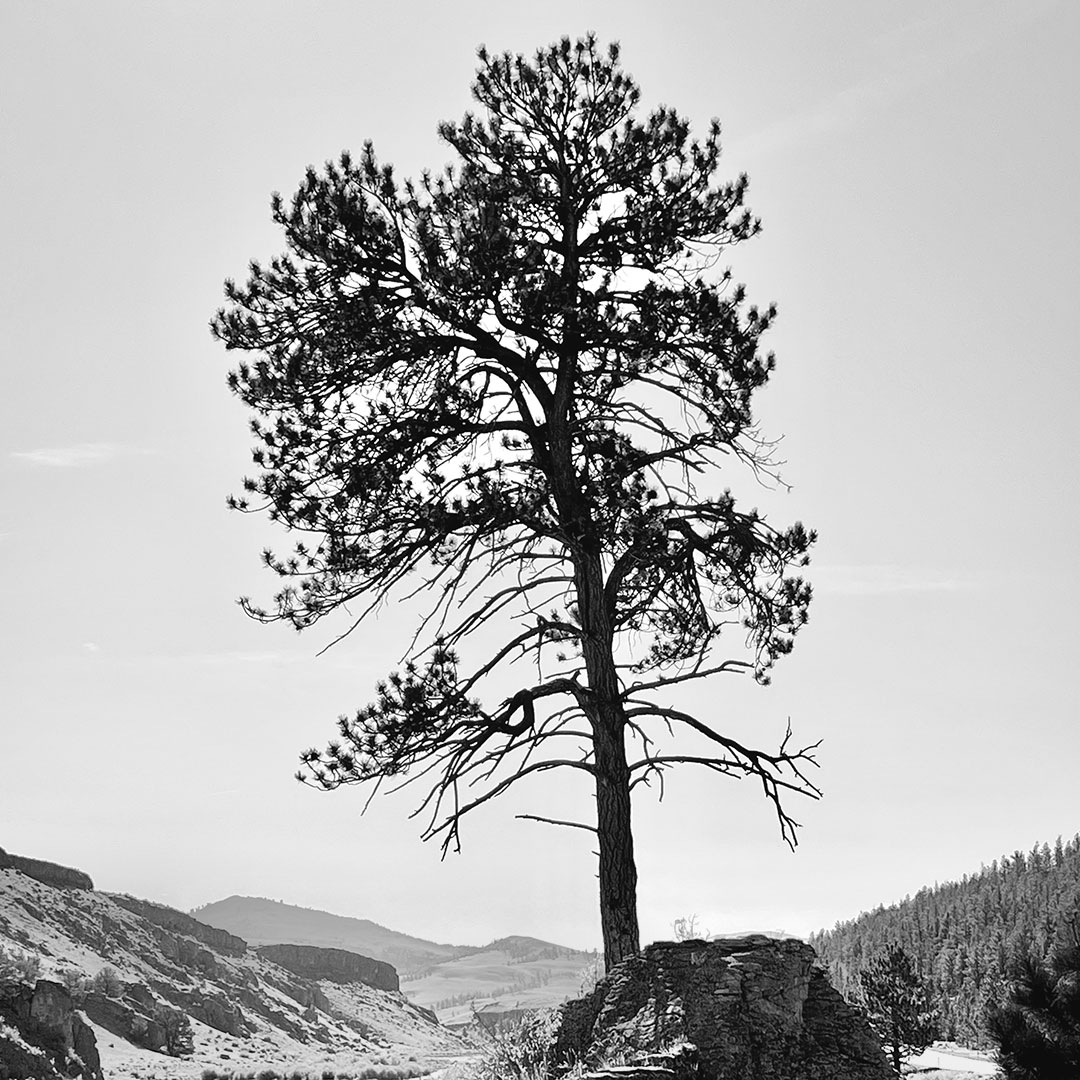
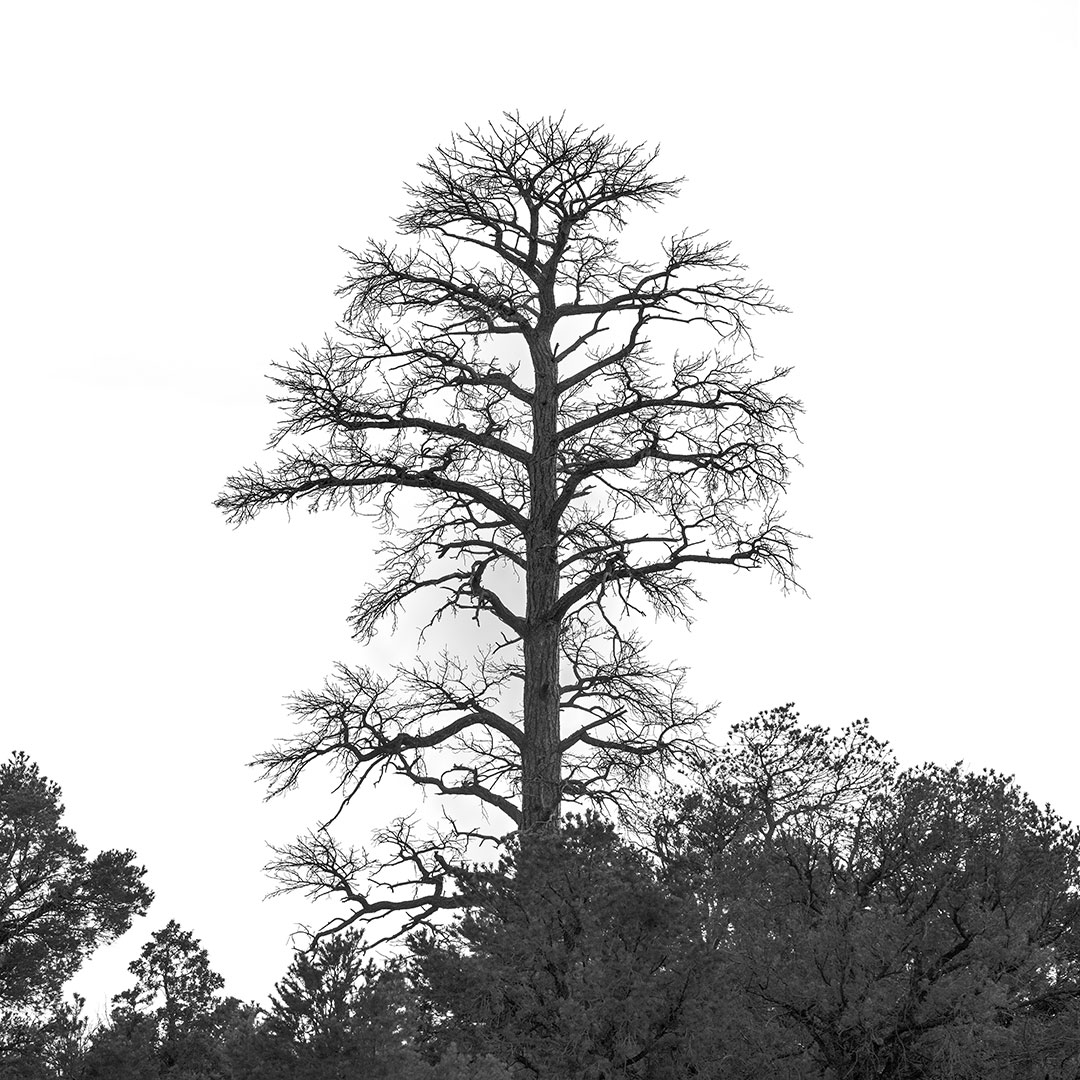
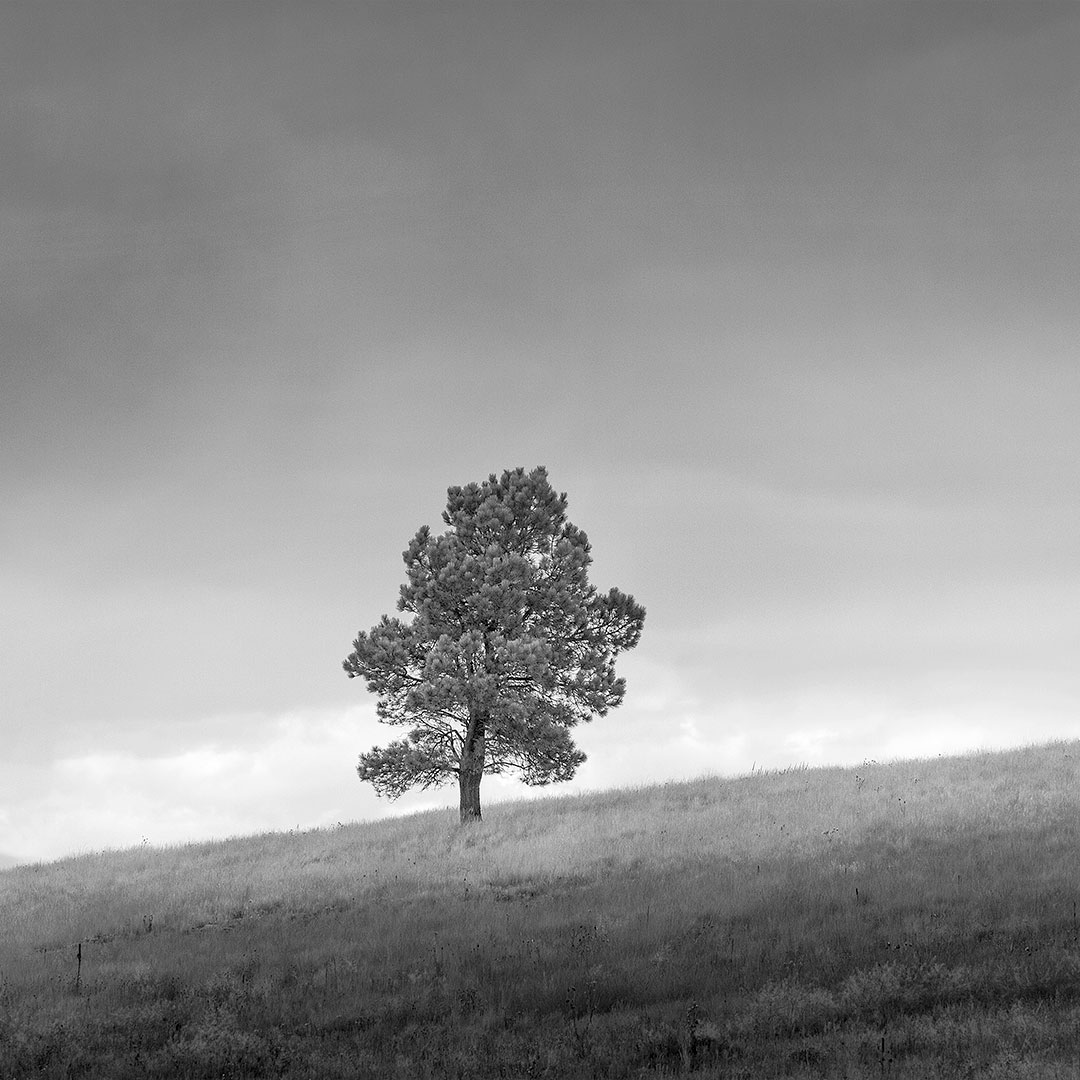
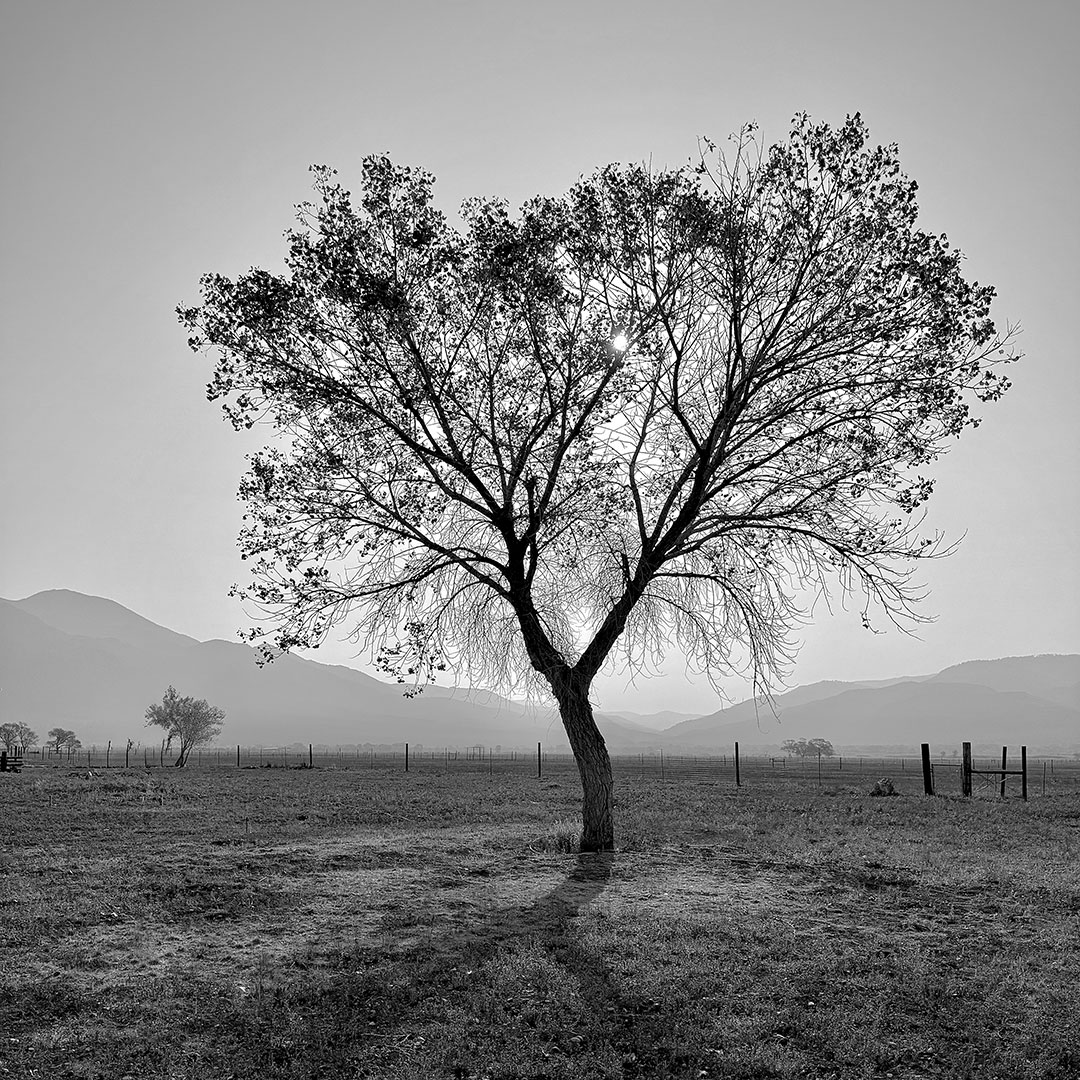
New growth on a pine tree in Arroyo Seco, NM. The new growth on the branches are a lighter green than the rest of the tree. Edited as a black and white image, this is what I came up with.
Pine tree, Arroyo Seco, NM.
As always, thanks for visiting and looking. Have a great week. G
Hello from San Cristobal, NM. I hope everyone had a great week. This week, I’m revisiting a trip to Shiprock and beyond, including Chaco Canyon, and the High Road to Taos.
Shiprock dike wall, NM.
Shiprock.
“The Shiprock formation, located in northwestern New Mexico, is a dramatic and iconic geological feature that rises prominently from the desert landscape. This towering rock formation is the eroded remnant of a volcanic neck, formed around 27 million years ago during the Oligocene epoch. It consists primarily of minette, a type of volcanic rock, and stands at approximately 1,583 feet above the surrounding terrain. Shiprock is the central core of what was once a much larger volcano, with its distinctive shape resulting from millions of years of erosion that stripped away the softer outer layers, leaving the harder volcanic core exposed. Radiating from the central spire are dikes, long walls of volcanic rock that were formed as magma intruded into cracks and solidified. Shiprock’s striking appearance and geological significance make it a subject of interest for geologists and a symbol of natural beauty in the region.”
View from the south.
Chaco Canyon.
“Chaco Culture National Historical Park, located in northwestern New Mexico, is a significant archaeological site that preserves the remnants of an ancient Puebloan civilization. This UNESCO World Heritage Site is renowned for its monumental public and ceremonial buildings, distinctive architecture, and complex road systems, which were constructed between AD 850 and 1250. The Chacoans developed sophisticated astronomical knowledge, as evidenced by the alignment of their structures with solar and lunar cycles. The park encompasses a vast area of canyons and mesas, offering insights into the social, economic, and spiritual life of the Chacoan people. Today, it serves as a vital link to understanding the cultural heritage of the indigenous peoples of the American Southwest.”
Birds (Pigeons), waiting for the man who feeds them in Ranchos de Taos.
Birds Ranchos de Taos.
Magpie, because she/he was there.
Magpie, Ranchos de Taos.
High Road to Taos.
“The High Road to Taos is a scenic byway in northern New Mexico that stretches approximately 56 miles, connecting the city of Santa Fe to the town of Taos. This picturesque route winds through the Sangre de Cristo Mountains, offering breathtaking views of rugged landscapes, lush forests, and charming, historic villages. Along the way, travelers can explore traditional adobe architecture, visit centuries-old Spanish colonial churches, and experience the rich cultural heritage of the region’s Hispanic and Native American communities. Notable stops include the artistic enclave of Chimayó, known for its renowned Santuario de Chimayó, and the village of Truchas, which offers stunning vistas of the surrounding mountains. The High Road to Taos is celebrated for its vibrant arts scene, local crafts, and the opportunity to immerse oneself in the unique blend of cultures that define northern New Mexico.”
Chevy in a field on the High Road to Taos
Horse on the High Road to Taos.
Gramma grass.
“Gramma grass refers to a group of grasses in the genus Bouteloua, which are native to the Americas. These grasses are particularly common in the prairies and plains of North America. The most well-known species is blue grama (Bouteloua gracilis), which is a dominant grass in the shortgrass prairie ecosystem.”
Gramma grass on a rock.
As always, thanks for looking. Have a great week. G
Greetings from San Cristobal, NM. This week, some images taken in the days before spring.
Spring appears ready to make its grand entrance this week, and I couldn’t be happier. Spring brings the promise of warmer days that fill me with anticipation, as I look forward to many hikes and walks with the dogs and seeing the landscape transform into a lush, vibrant green, moisture permitting.
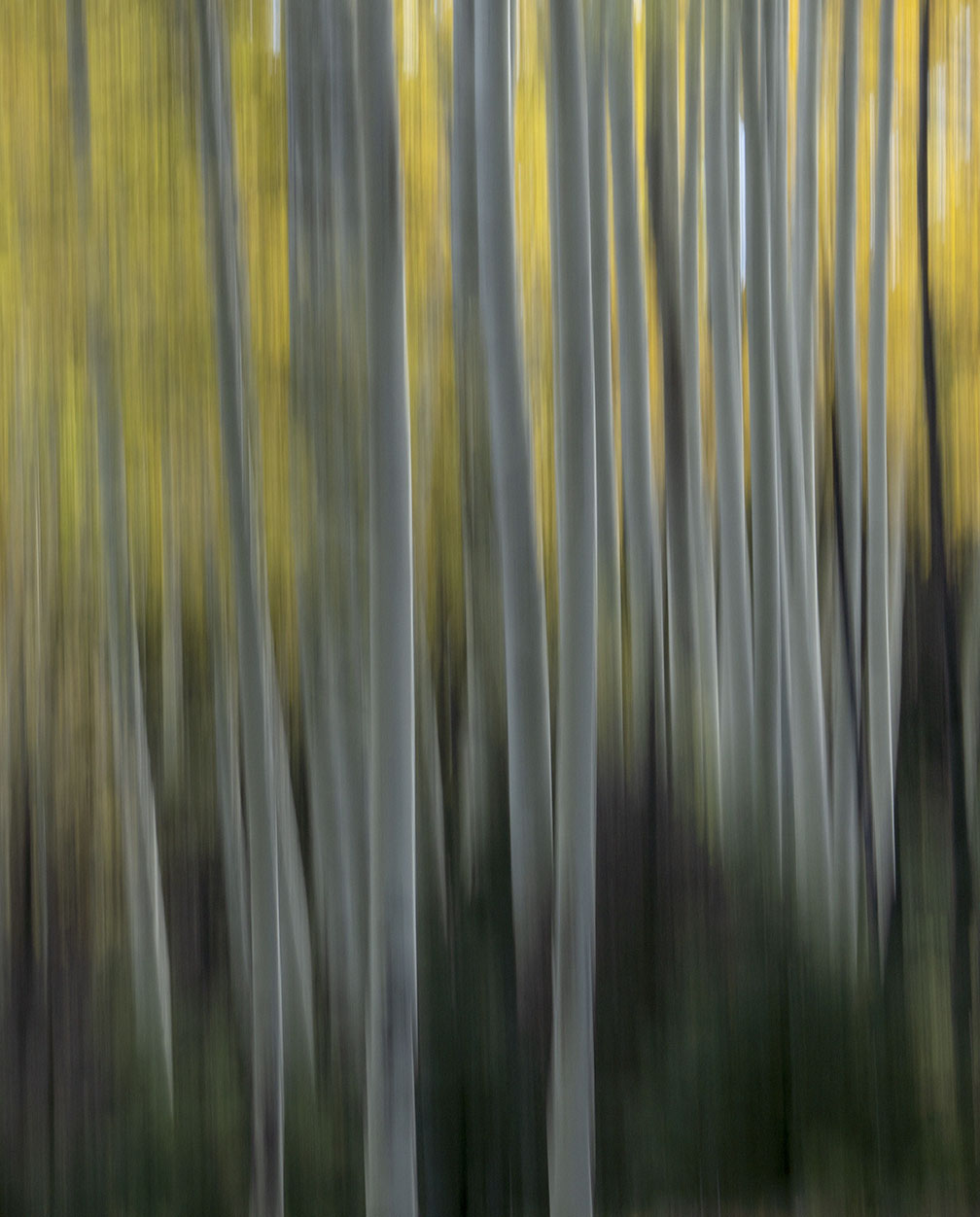
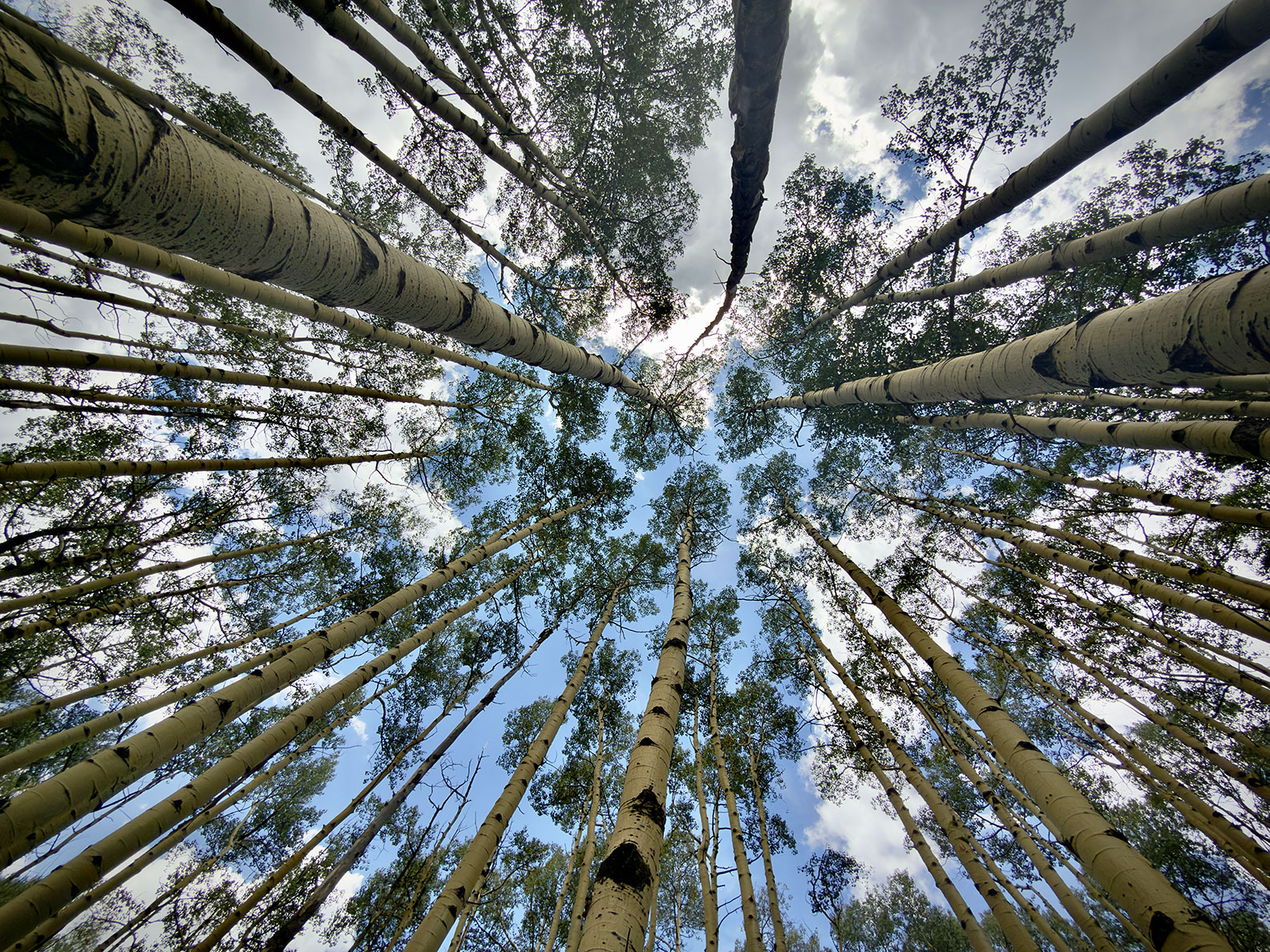
Aspen Trees.
Aspen trees, known for their striking white bark and vibrant foliage, are a prominent feature of many North American landscapes, particularly in the Rocky Mountains and other high-altitude regions. These deciduous trees are part of the Populus genus and are renowned for their ability to form large clonal colonies, where all the trees are interconnected through a shared root system. This unique growth pattern allows aspens to regenerate quickly after disturbances such as fires, making them a vital component of forest ecosystems. In the fall, aspen leaves turn a brilliant shade of yellow, creating breathtaking displays of color that attract nature enthusiasts and photographers alike. Beyond their aesthetic appeal, aspens play a crucial ecological role by providing habitat and food for a variety of wildlife, including deer, elk, and numerous bird species. Their presence also contributes to soil stabilization and water retention in their native habitats, underscoring their importance in maintaining ecological balance.
The American Crow (Corvus brachyrhynchos) is a highly adaptable and intelligent bird found throughout North America. Recognizable by its all-black plumage, stout bill, and distinctive cawing call, the American Crow is a familiar sight in a variety of habitats, including forests, fields, urban areas, and coastal regions. Known for their remarkable problem-solving abilities and complex social structures, crows often live in family groups and exhibit behaviors such as cooperative breeding and communal roosting. These birds are omnivorous, with a diet that includes insects, seeds, fruits, small animals, and carrion, as well as human food scraps, which contributes to their success in diverse environments. American Crows are also known for their tool use and ability to recognize individual human faces, highlighting their cognitive prowess. Despite being common and widespread, they play an important ecological role by controlling pest populations and cleaning up carrion, making them a vital component of their ecosystems.
American Crow in a bare/dead cottonwood tree.
Valles Caldera.
The Valles Caldera, located in the Jemez Mountains of northern New Mexico, is a breathtaking geological feature formed approximately 1.25 million years ago following a massive volcanic eruption. This 13.7-mile-wide caldera is one of the best-preserved examples of its kind in the world, offering a unique glimpse into the Earth’s volcanic past. The landscape is characterized by vast grasslands, lush forests, and diverse wildlife, making it a haven for outdoor enthusiasts and nature lovers. The area is now protected as the Valles Caldera National Preserve, providing opportunities for hiking, fishing, and wildlife viewing. Its rich geothermal activity and stunning vistas also make it a popular site for scientific research and photography. The caldera’s unique ecosystem and cultural significance, with evidence of human habitation dating back thousands of years, add to its allure as a natural and historical treasure.
Before Spring in the Valle Caldera, NM.
Picuris Pueblo.
Picuris Pueblo is a small, historic Native American community located in northern New Mexico, nestled in the scenic Sangre de Cristo Mountains. As one of the Eight Northern Pueblos, Picuris has a rich cultural heritage that dates back over a thousand years. The pueblo is known for its traditional adobe architecture, which reflects the community’s deep connection to its ancestral roots. Picuris Pueblo is renowned for its vibrant cultural traditions, including pottery, weaving, and ceremonial dances, which are integral to the community’s identity and are celebrated during various feast days and events. The pueblo’s location offers stunning natural beauty, with opportunities for outdoor activities such as hiking and birdwatching. Despite its small size, Picuris Pueblo plays a significant role in preserving the cultural and historical legacy of the Pueblo peoples in the American Southwest.
Greetings from San Cristobal, NM. This week, some favorite images from the Penitente Morada in Abiquiu, New Mexico.
The penitents of Northern New Mexico, particularly in areas like Abiquiú, are part of a religious brotherhood known as Los Hermanos Penitentes. This lay Catholic fraternity has deep roots in the region, tracing back to the early Spanish settlers who brought their faith and traditions to the remote and rugged landscapes of New Mexico. The Penitentes emerged in the 19th century as a response to the isolation and lack of clergy in the area, providing spiritual guidance and community cohesion through their devout practices.
Penitente Morada, Abiquiu, NM.
In Abiquiú, a small village known for its stunning landscapes and rich cultural history, the Penitentes have played a significant role in maintaining religious and cultural traditions. The brotherhood is known for its emphasis on penance, prayer, and acts of charity. Their practices are particularly visible during Lent and Holy Week, when they engage in rituals that include processions, reenactments of the Passion of Christ, and acts of self-flagellation. These rituals are deeply symbolic, reflecting themes of sacrifice, redemption, and communal solidarity.
Penitente Morada, and three crosses.
The Penitentes have historically been a subject of intrigue and misunderstanding, often shrouded in secrecy due to their private nature and the intense personal devotion of their practices. However, they are also respected for their commitment to preserving cultural heritage and providing social support within their communities. In Abiquiú, the brotherhood has contributed to the village’s identity, blending indigenous, Spanish, and Catholic influences into a unique cultural tapestry.
Moonrise, Penitente Morada, and one cross.
Today, the Penitentes continue to be a vital part of Northern New Mexico’s spiritual landscape. While their numbers have dwindled, and some of their practices have evolved over time, they remain a testament to the enduring power of faith and community in the face of change and adversity. Their presence in Abiquiú and the surrounding areas serves as a reminder of the region’s rich history and the resilience of its people.
Three crosses with a view of the Taos Mountains.
You can now find my greeting cards at the Mabel Dodge Luhan House. The cards feature images of the house, its architecture, and the surrounding landscapes.
Mabel Dodge Luhan House, Taos.
Mabel Dodge Luhan House gateway.
As always, thanks for visiting and looking. I apologize for the comment page not working correctly. I appreciate the heads-up and taking the time to let me know. Have a great week. G
Hello from New Mexico. This week, a day trip to Arroyo Blanco, Abiquiu, Ghost Ranch, and beyond.
On the last day of February, my good friend and fellow photographer, David Marks, met up at the visitors center in Abiquiu, parked the car, and headed out. First stop was to get some lunch at Bode’s General Store and a picnic along the Rio Chama just a short distance away.
Ghost Ranch, NM.
Picnic lunch stop along the Rio Chama in Abiquiu, with low water but a nice spot and view of the very rust colored Cerrito Blanco.
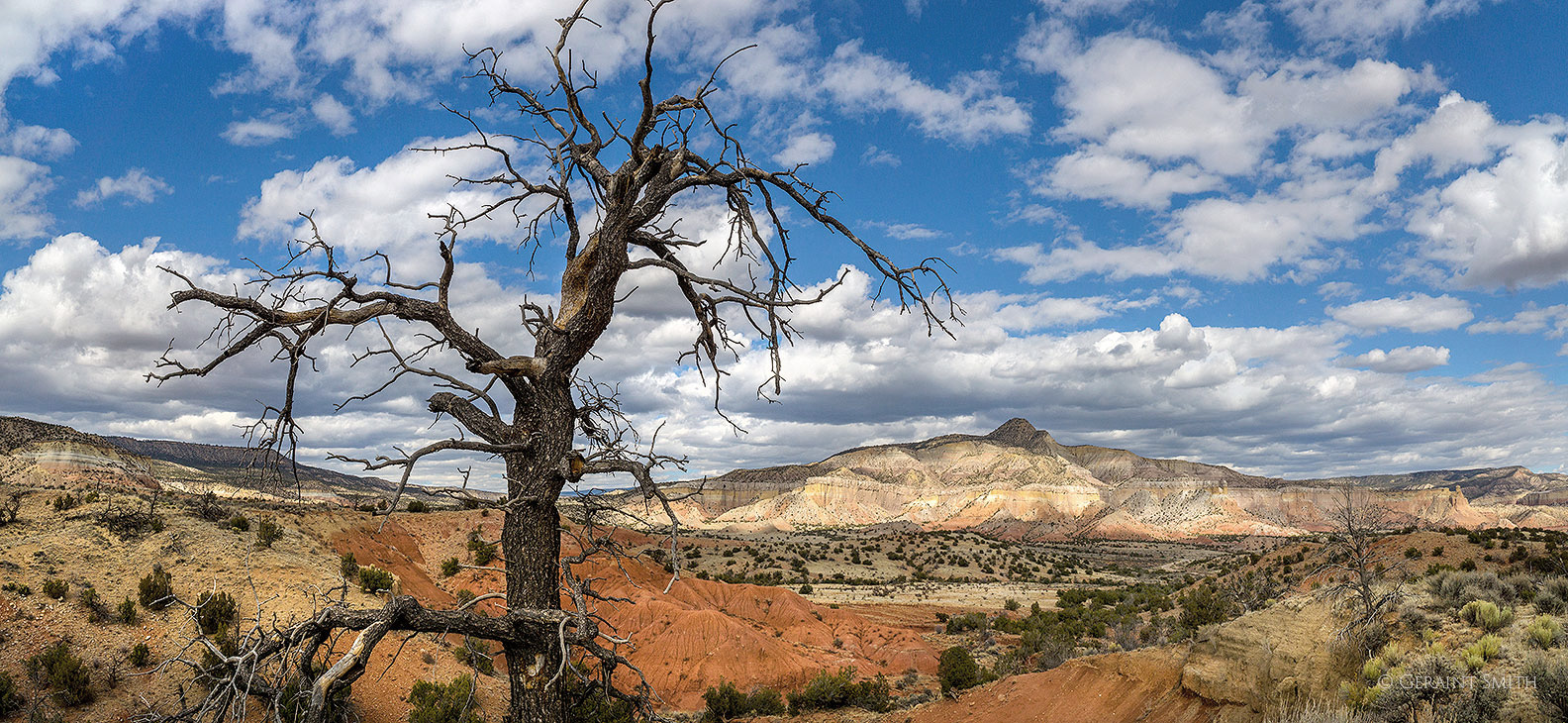
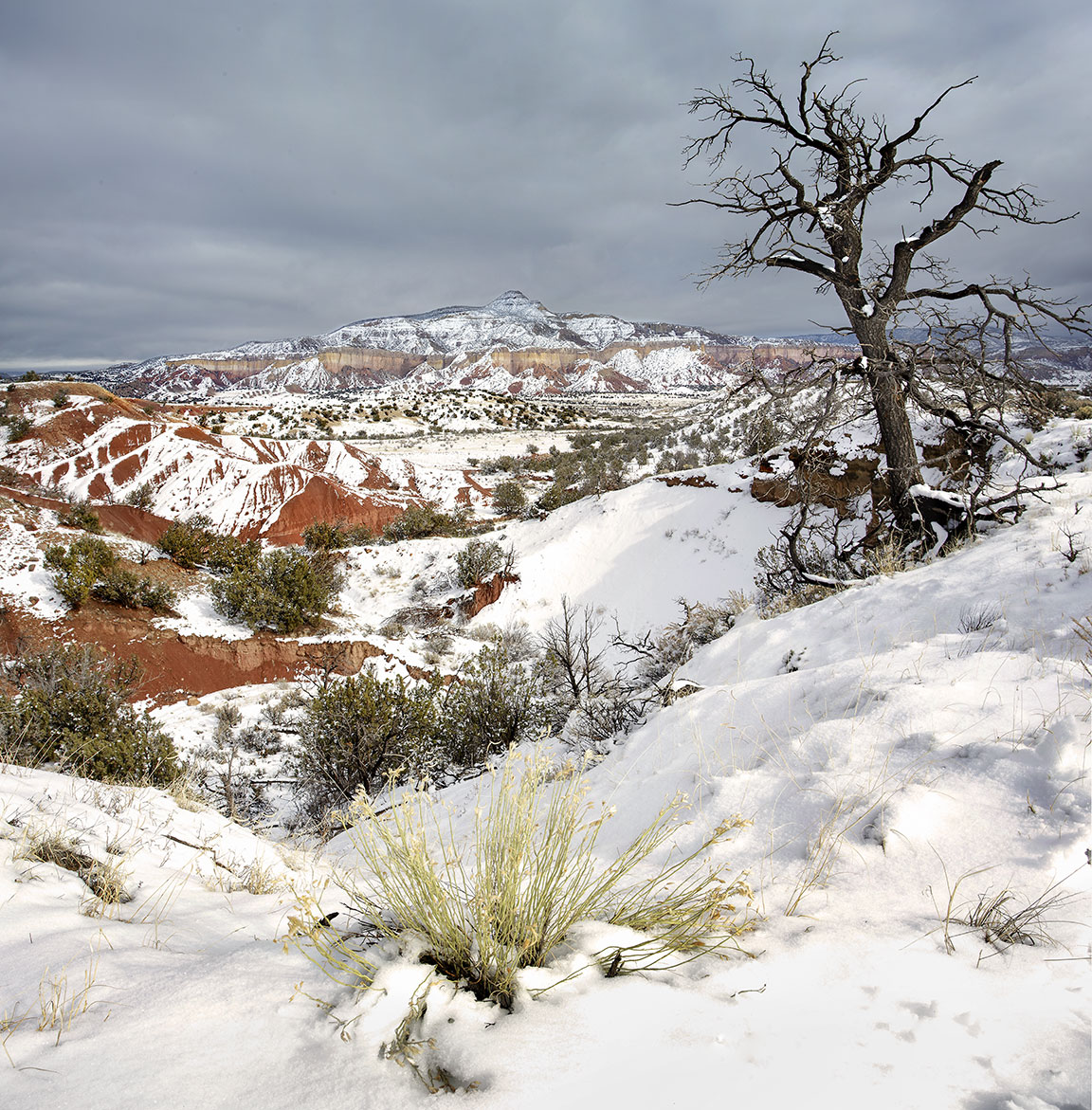
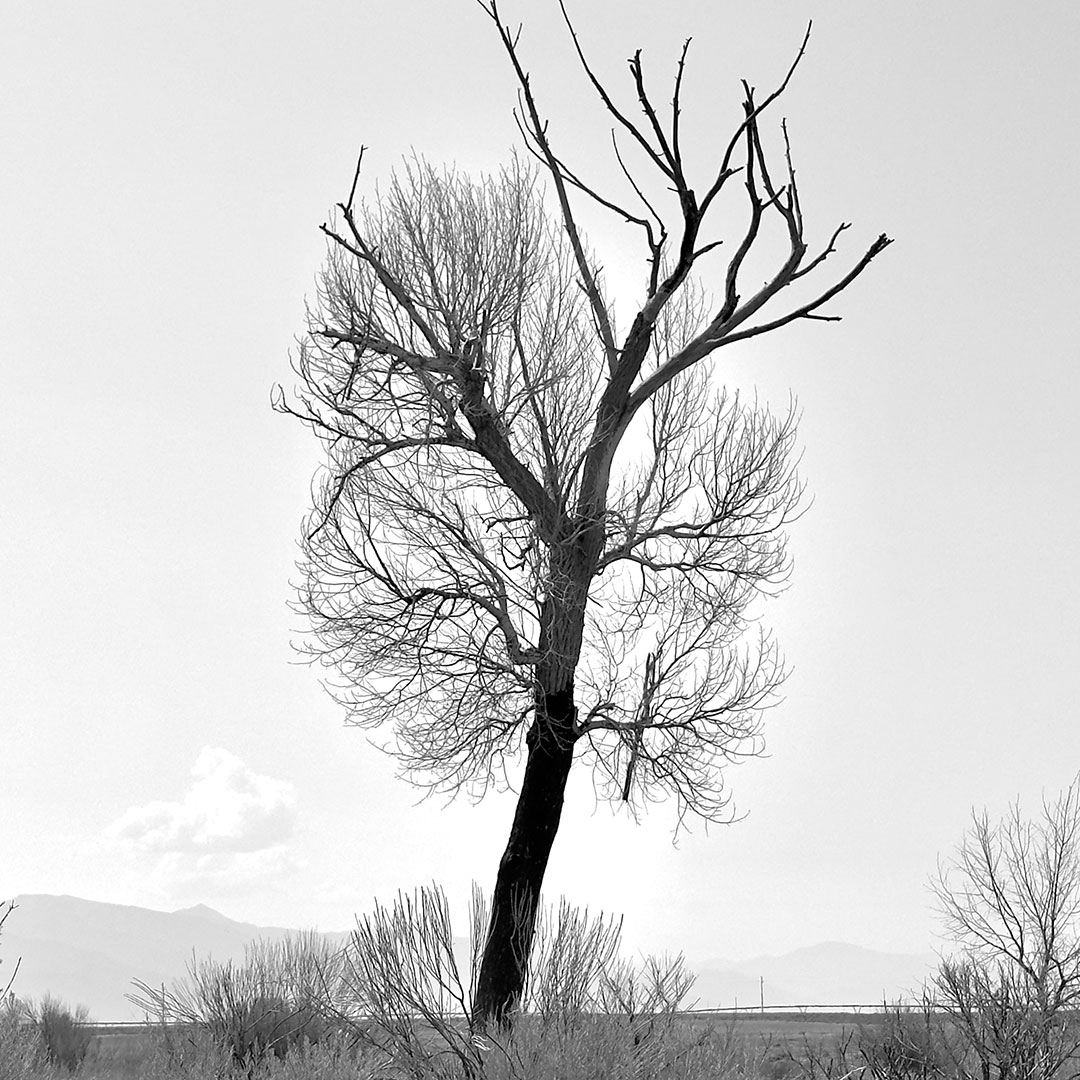
A drive on the Chama River road to the Desert Monastery always reveals another scene not seen by me before. The tenacity and fortitude of this lone tree. It makes you wonder how it survives at all.
Chama River Road Palisades.
Off-road near Abiquiu, NM off the Desert Monastery Road.
Off-road near Abiquiu.
Arroyo Blanco, and an easy stroll from the car, and not to be confused with Plaza Blanca.
Arroyo Blanco, Abiquiu.
And some bones of what’s left of a llama, I first saw fairly intact seven years ago. I can’t say for sure, but I think Georgia would love it!
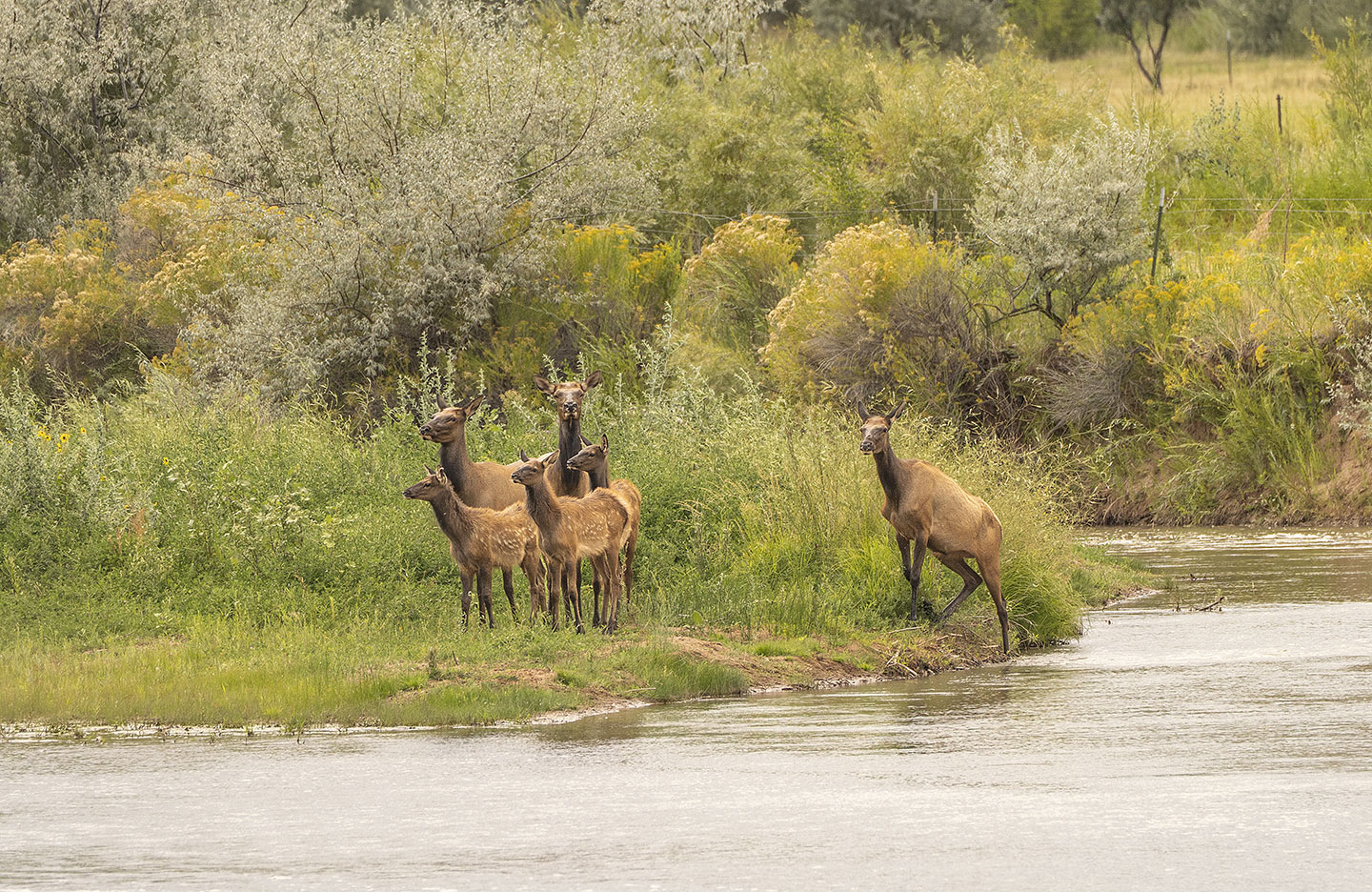
Greetings from New Mexico. This week, a section of a very large elk herd in the San Luis Valley, and a few more scans from my Kodachrome 64 slide transparency collection. There were many more elk than I could fit in the panorama, in a different area of the fields. Still, you get the idea!
Onto other things. I found this scene amusing, the one guy looking up. I never did find out what he found so interesting.
Bodie Ghost Town, California.
A favorite quote from T.E. Lawrence of Arabia, Kodachrome 64 converted to black and white in Photoshop.
T.E. Lawrence quote 1985 on a building in Pasadena, CA.
This girl left her shoes and beach shovel and went for a run on Bamburgh beach.
Girl running on Bamburgh beach, UK
One of my jobs in the 1980s was photographing for the planning and development departments, among others. I had a lot of fun and really liked this picture when I took it and again today. Read more here in my bio.
St. Andrews and construction, Pasadena, CA
Another vintage-style poster/postcard created using three of my images, the car, adobe buildings, and a landscape with sunset, along with some prompts in AI, to create the graphic design.
Vintage style poster/postcard.
As always, thanks for looking. Have a great week. G