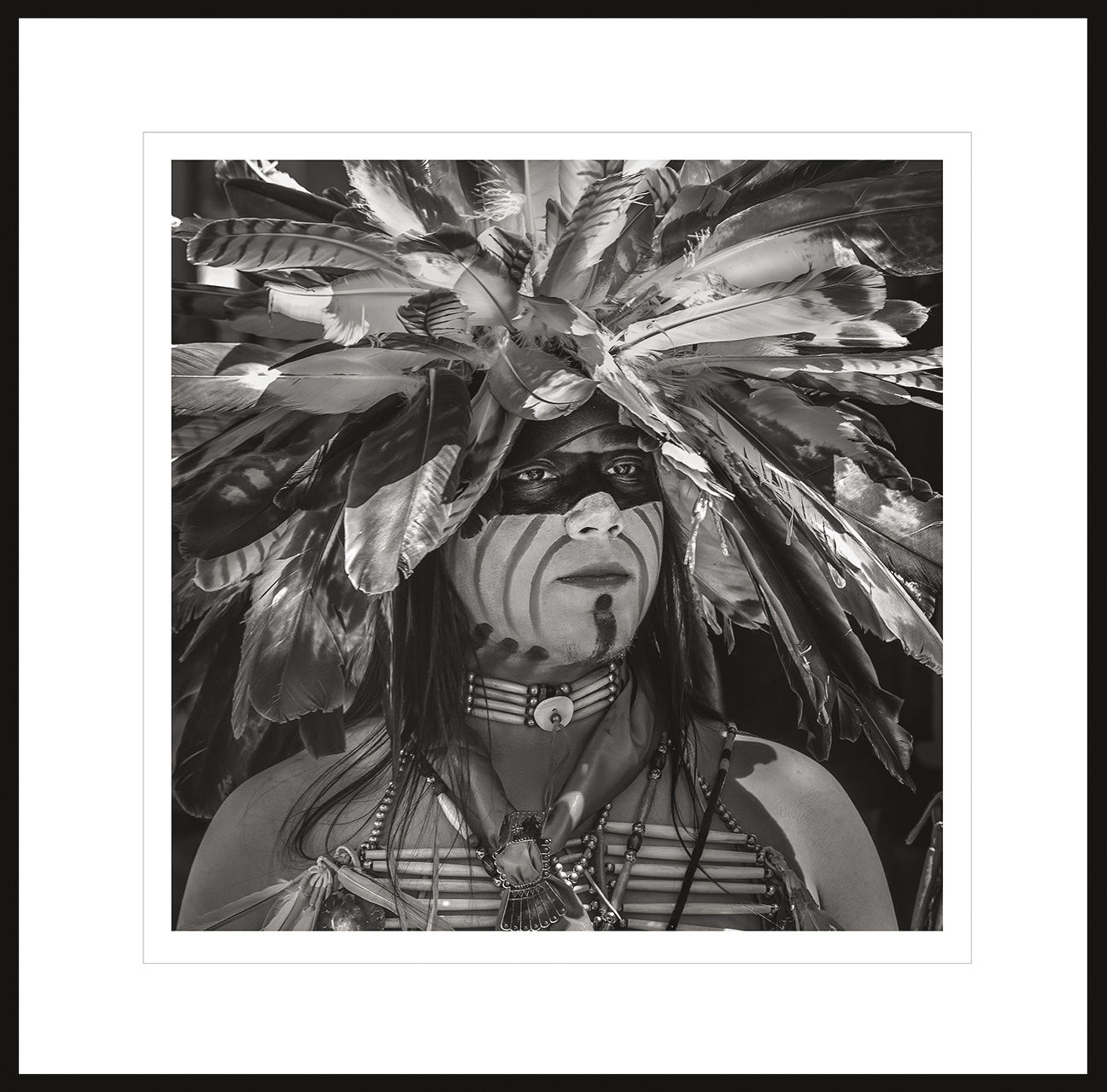
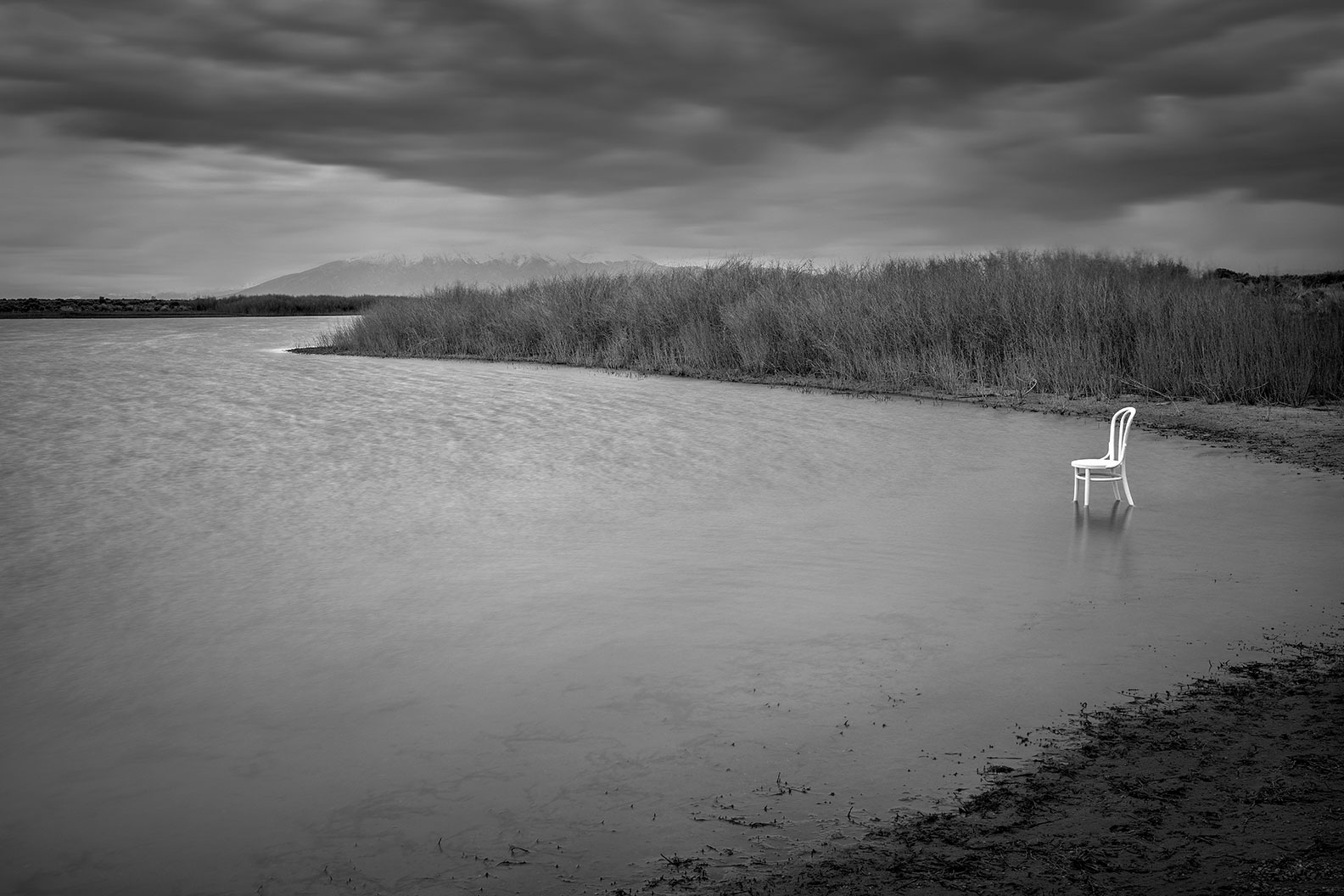
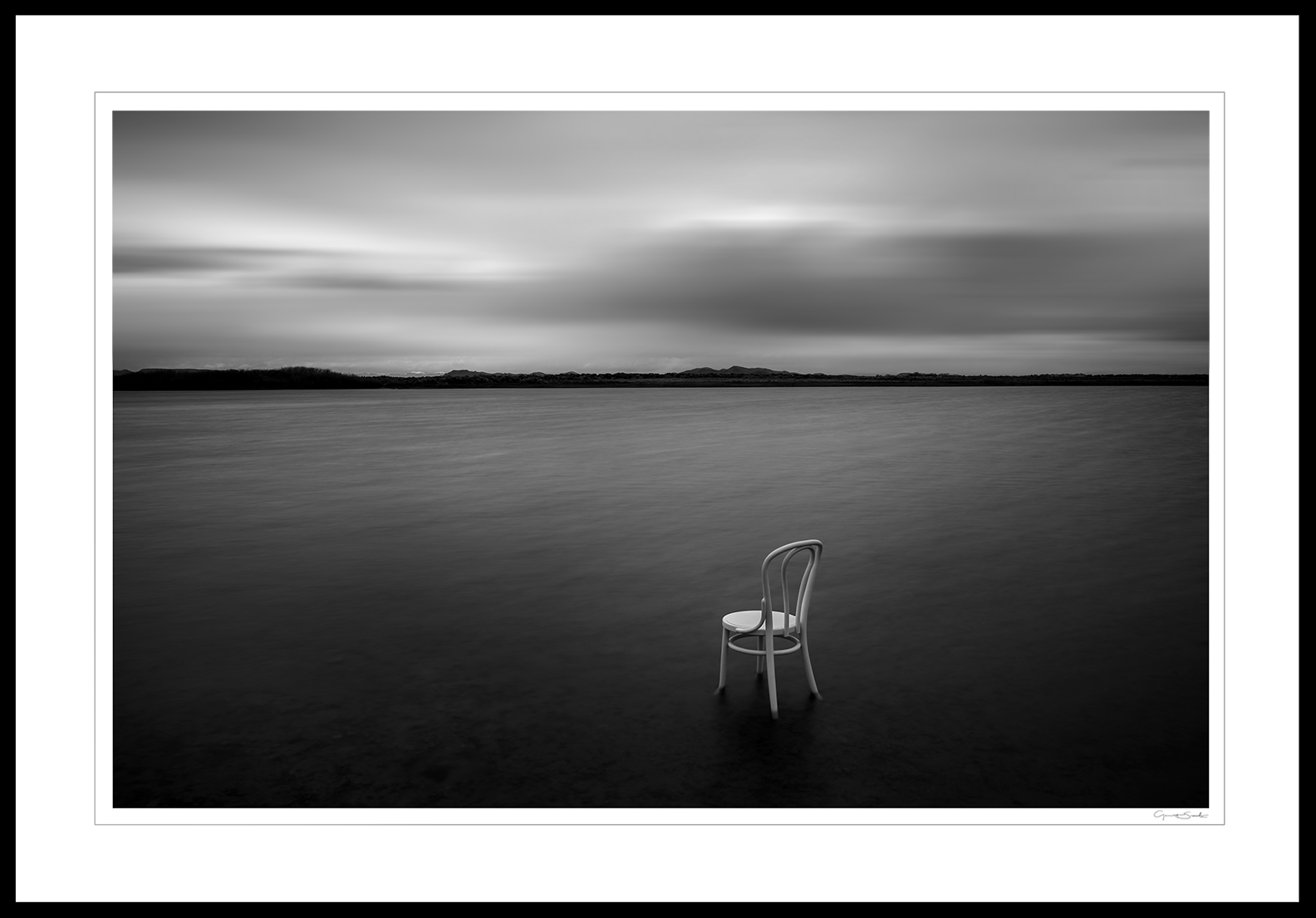
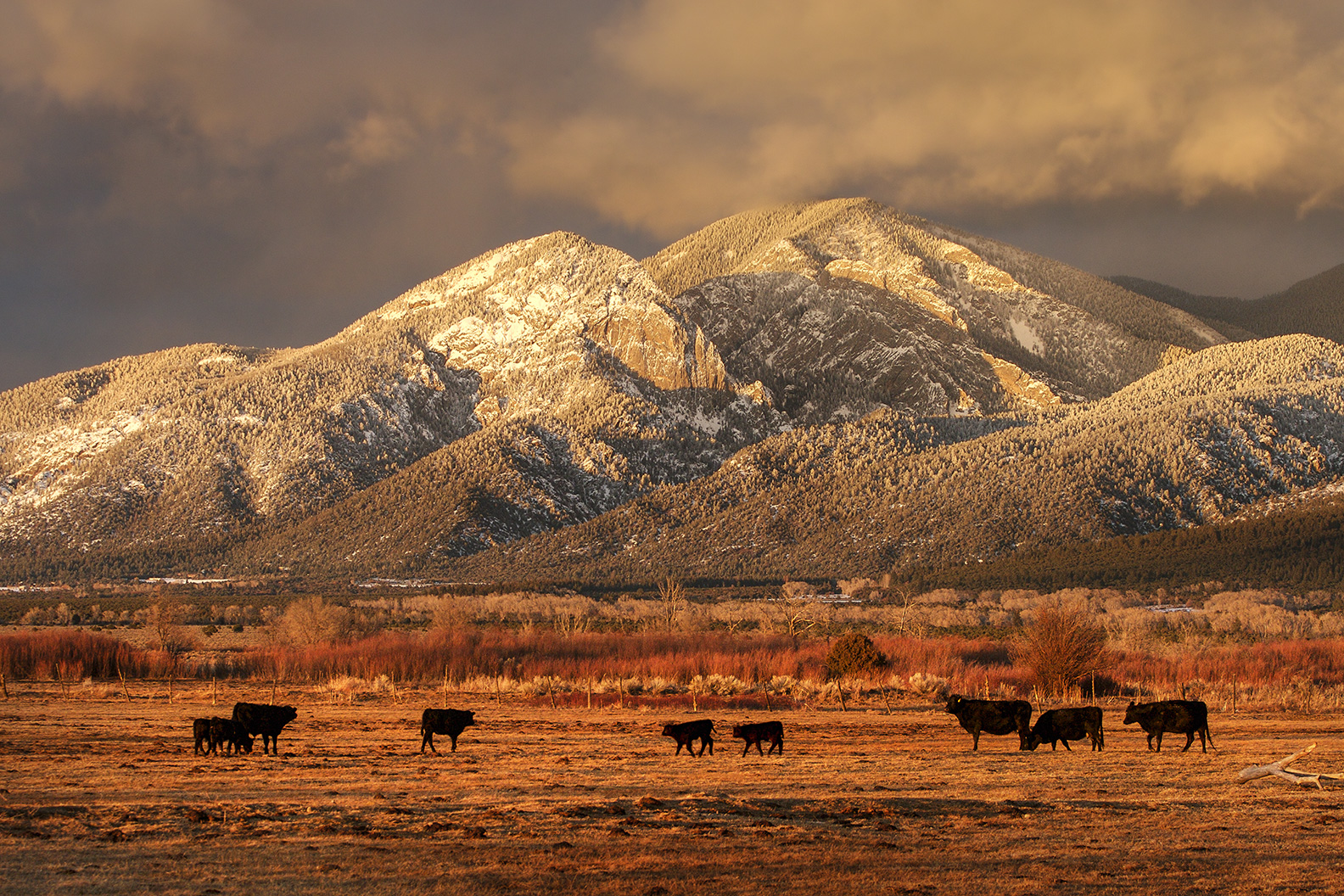
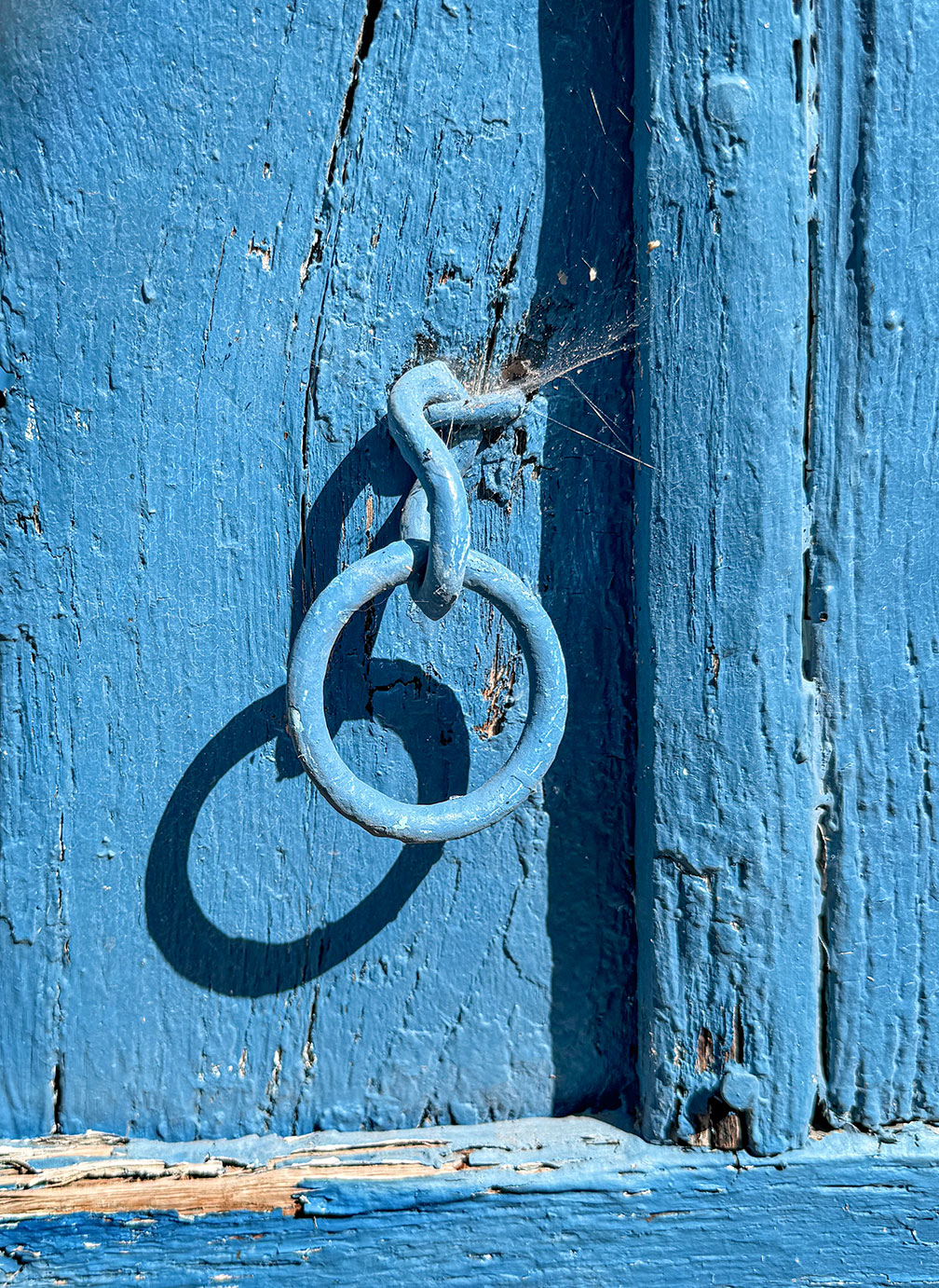
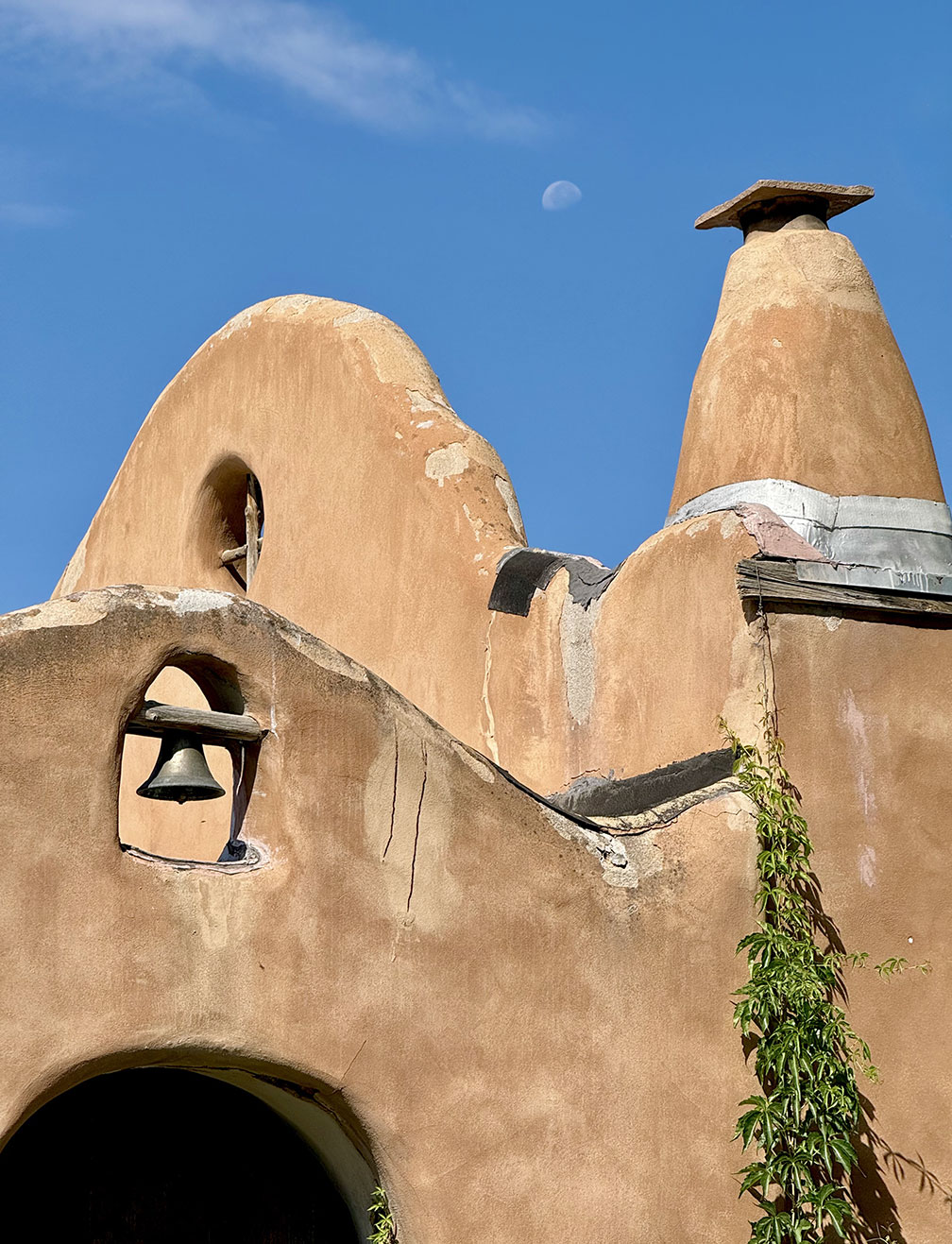
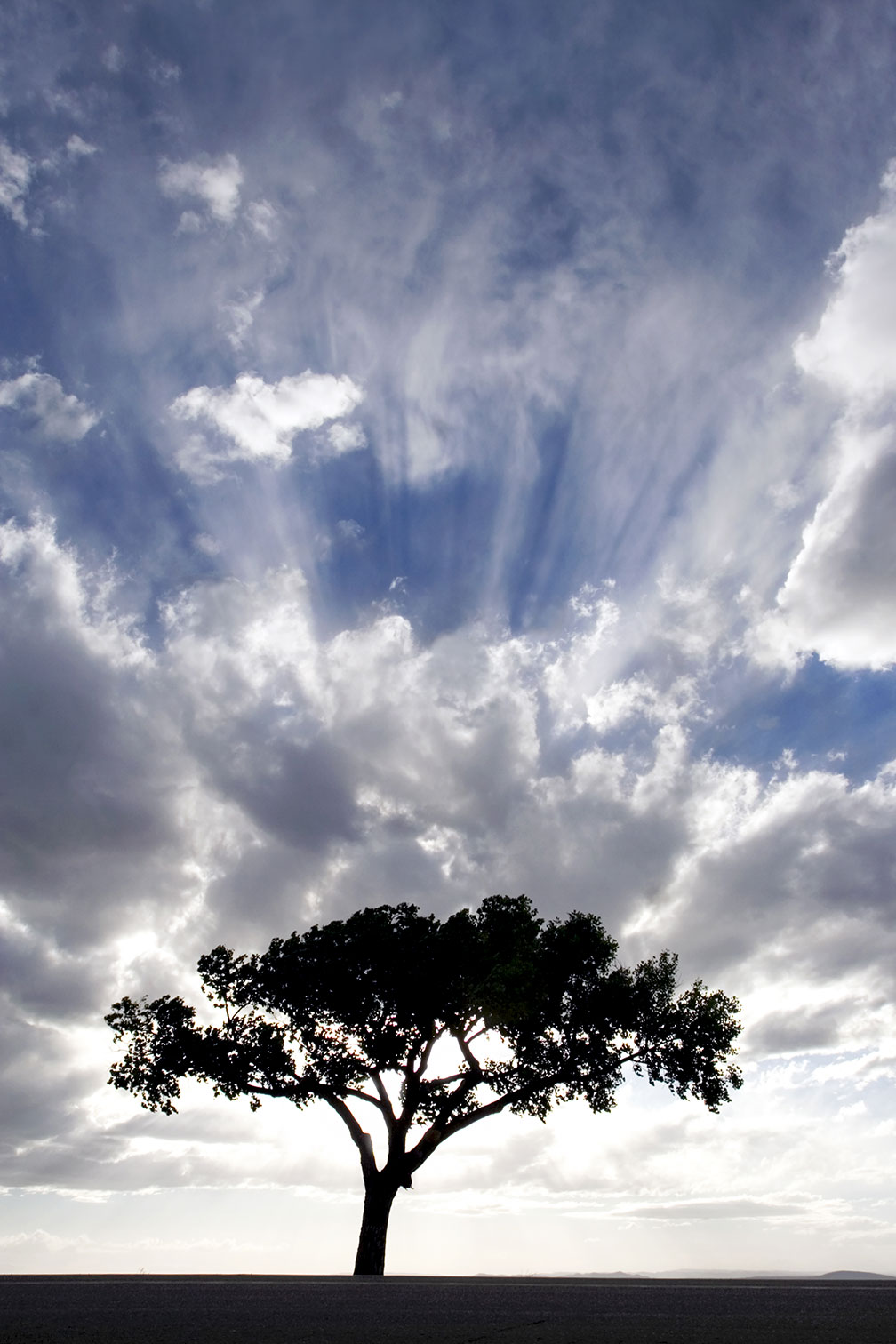
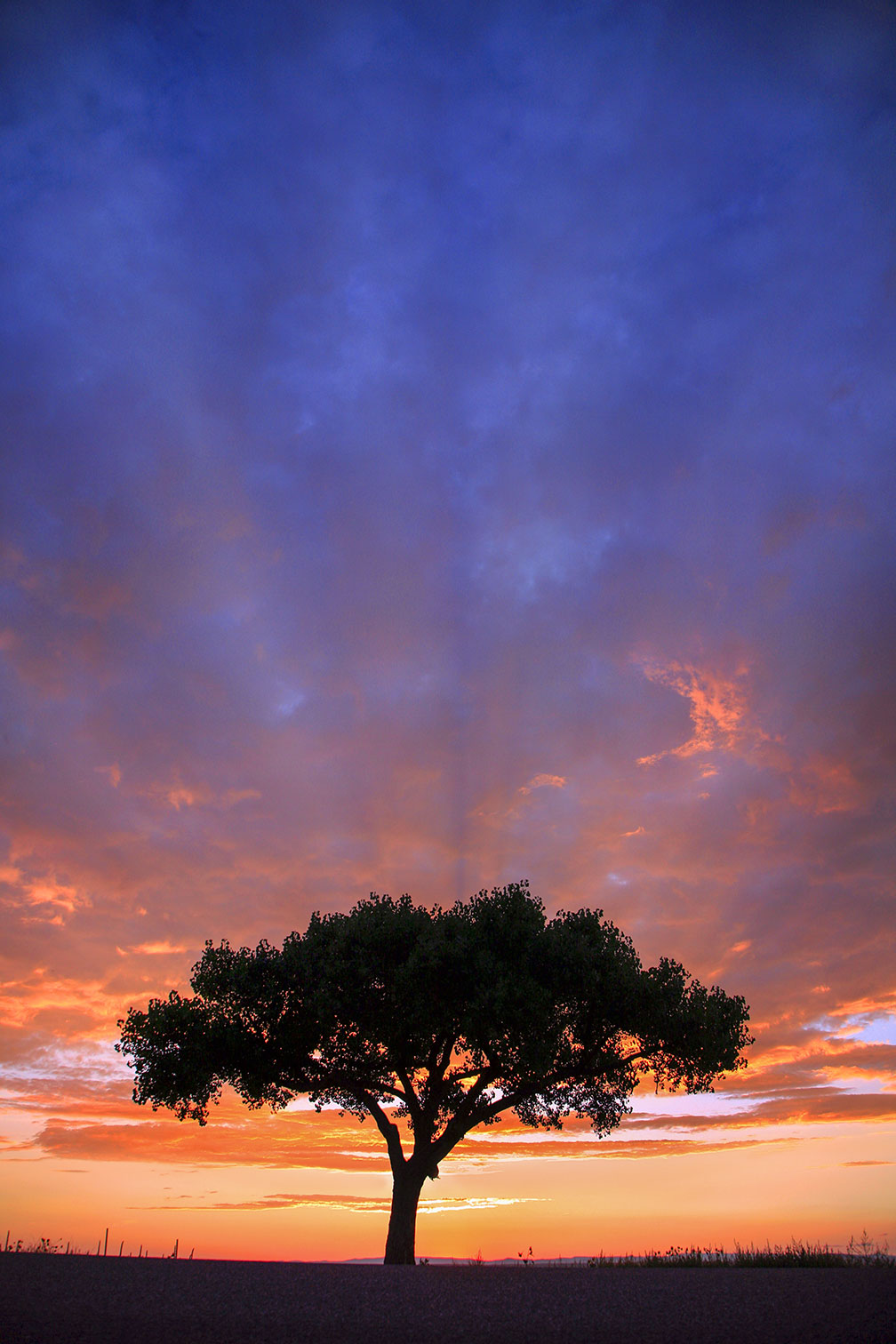
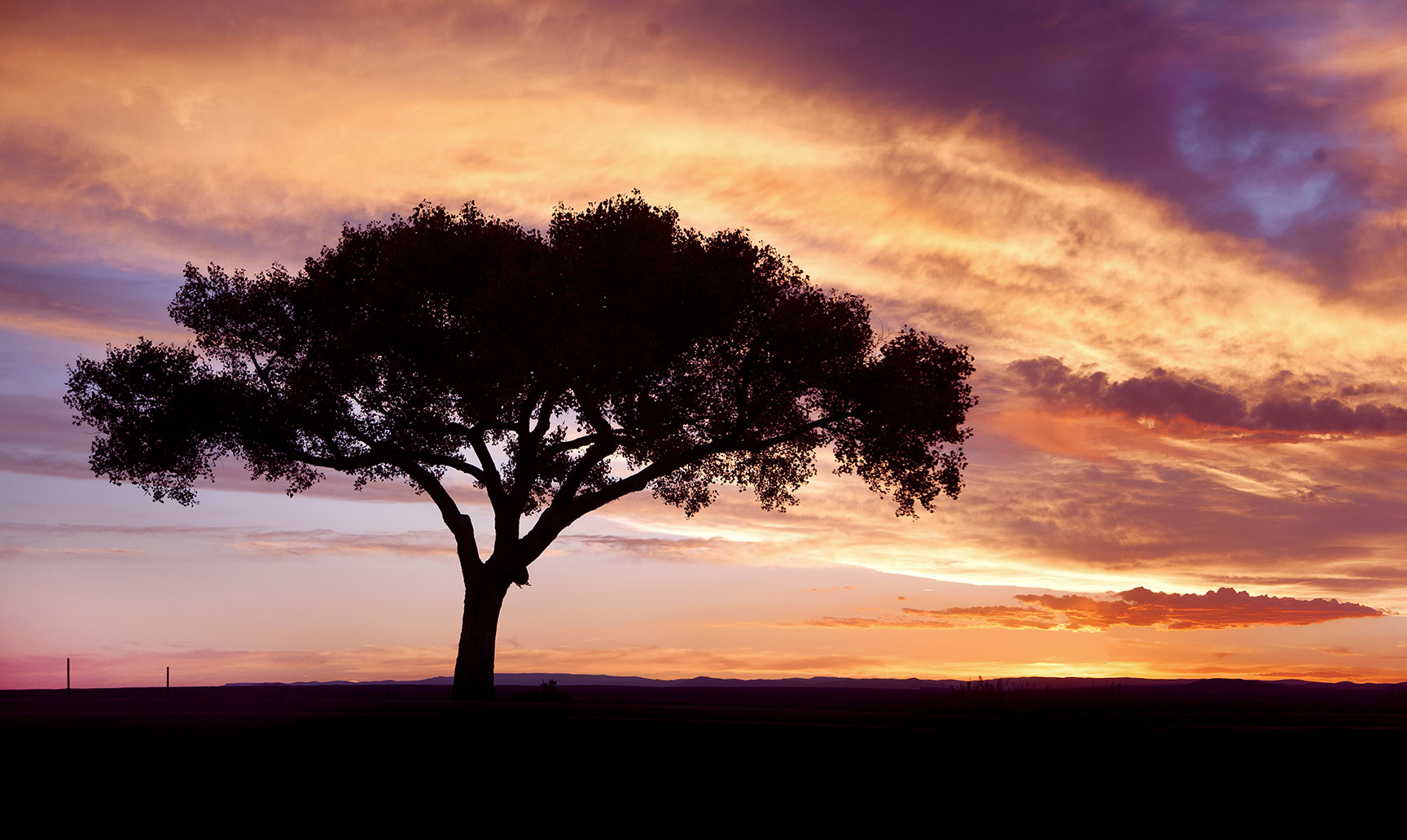
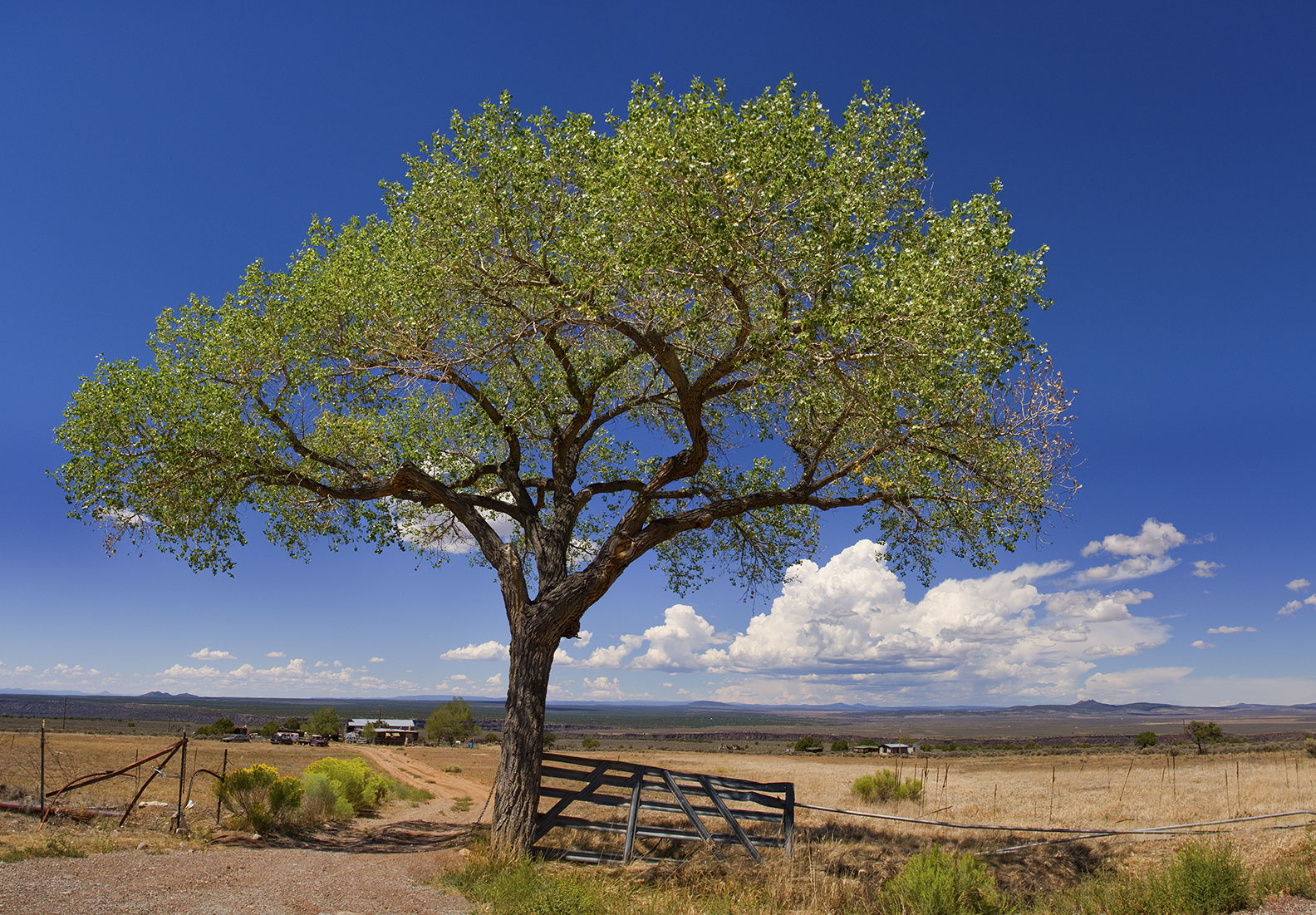
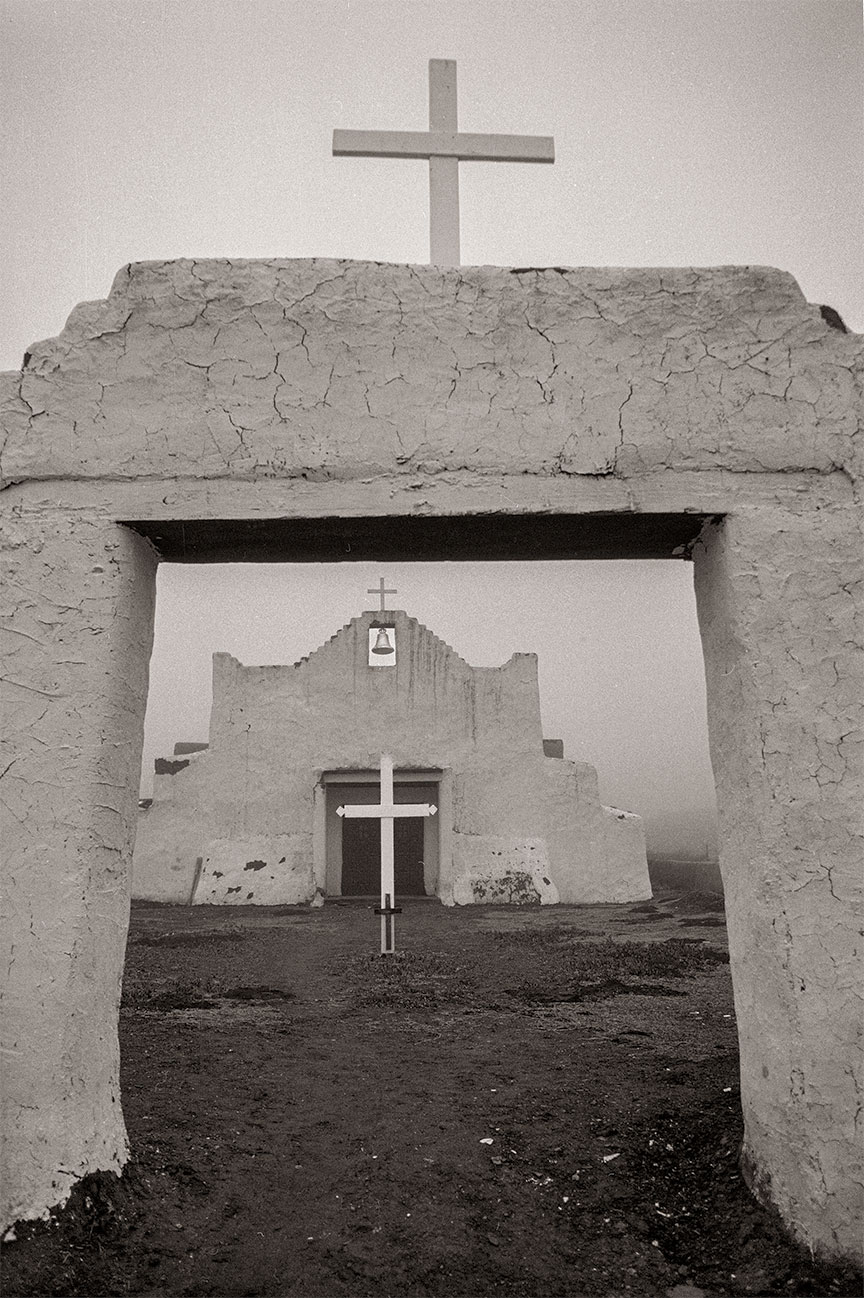
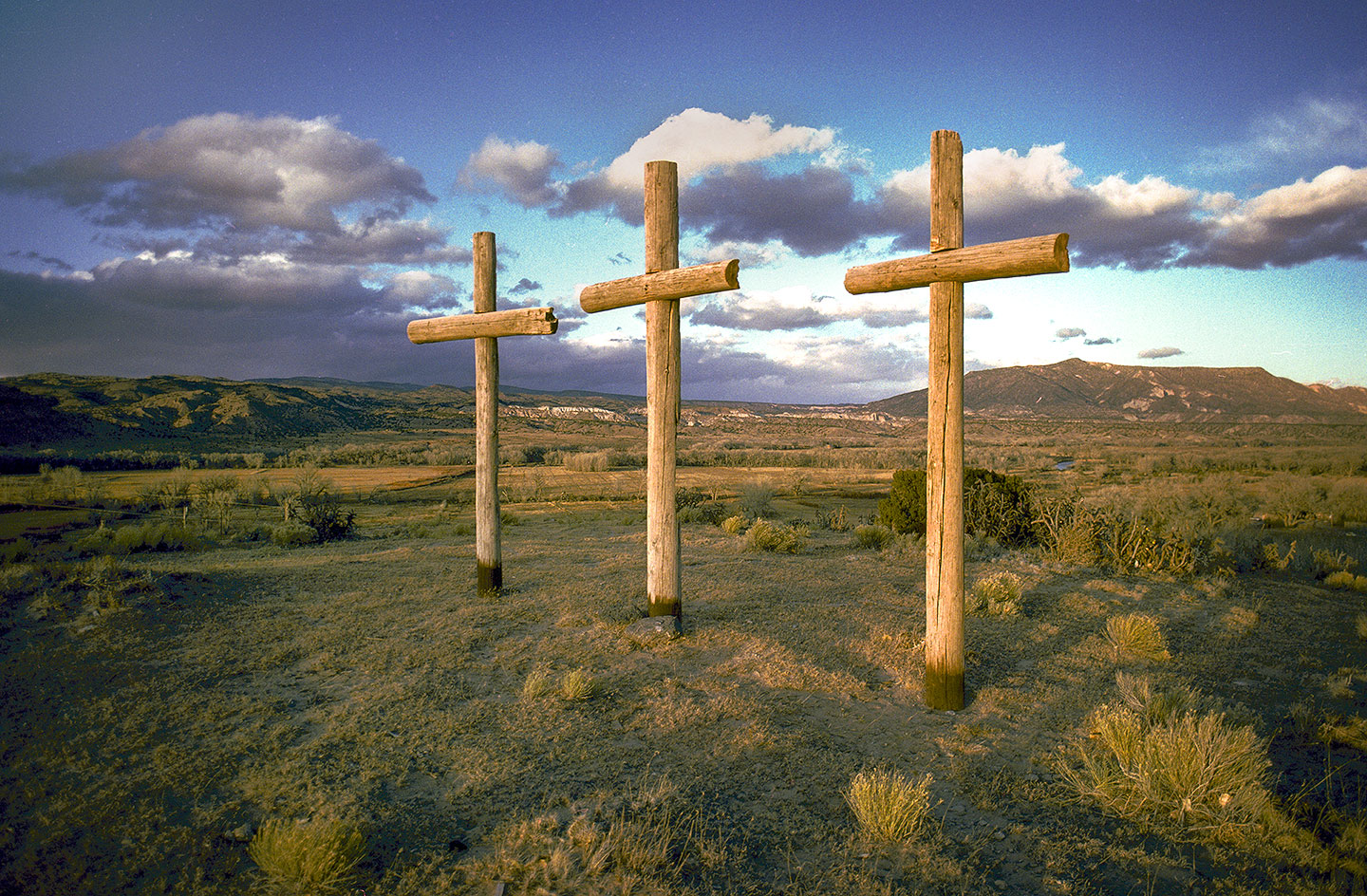
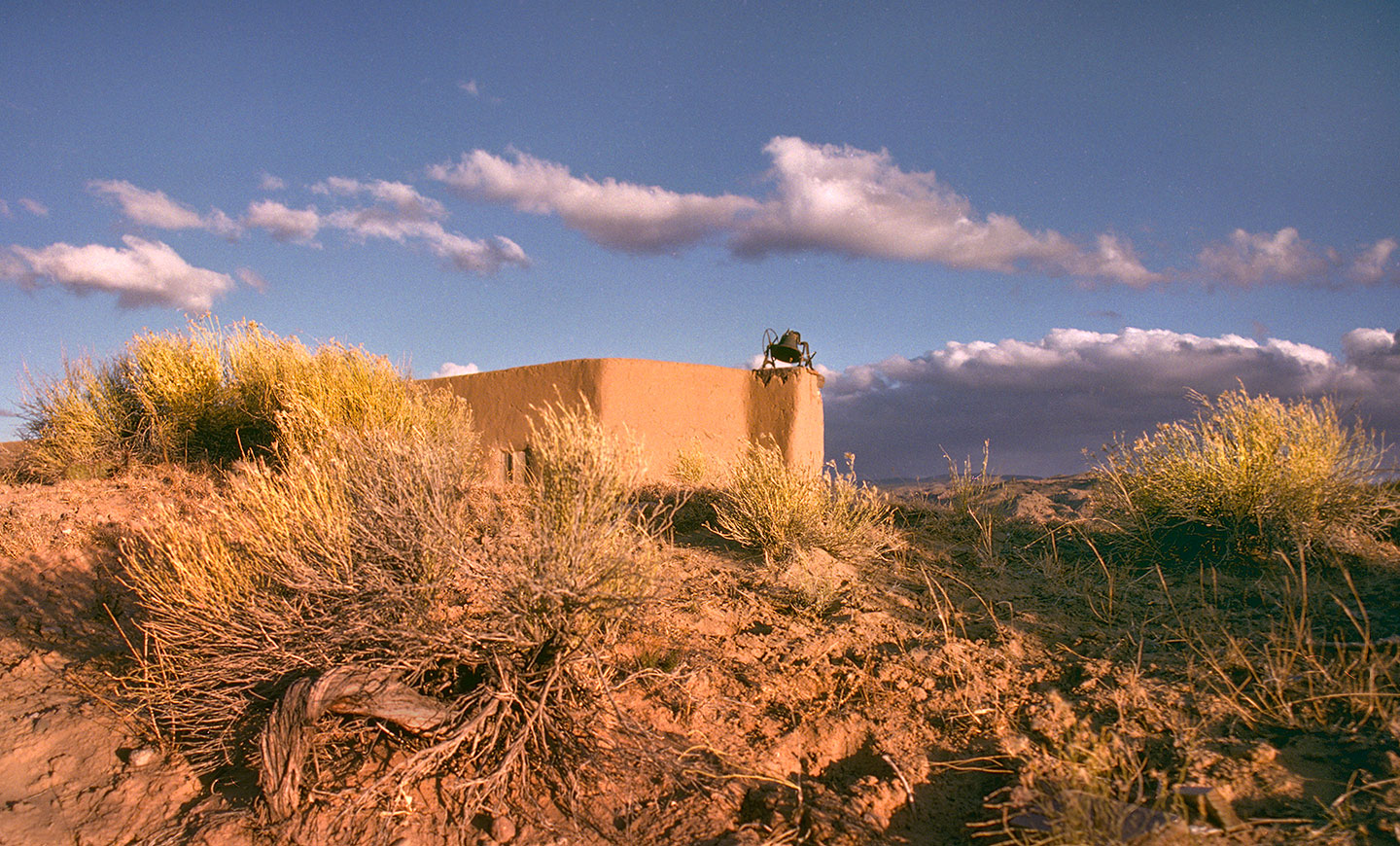
Greetings from a very wet, soggy, damp day/week in San Cristobal and beyond. This week, a few favorites that, incidentally, will be hanging and on display in the upcoming Taos Artist Combo Show V, on October 9-11. If you happen to be in Taos, join us for the opening on Friday, the 9th. I’ll look forward to seeing you, and perhaps you’ll find some favorites of your own amongst the 12 artists showing.
A favorite from Santa Fe Indian Market. (Unframed).
•
Testing the waters, San Luis Valley, CO.
•
Lake Chair, San Luis valley, CO. (Framed).
•
This one has been a favorite since I shot it more than a decade ago.
Taos Artist Combo V Exhibit & Sale. Stables Gallery, 133 Paseo del Pueblo Norte, Taos, NM 87571 October 9 – 11: Artist Reception, Friday October 9, 5-7PM Join us if you can!
As always, thanks for visiting and looking. Stay well. G
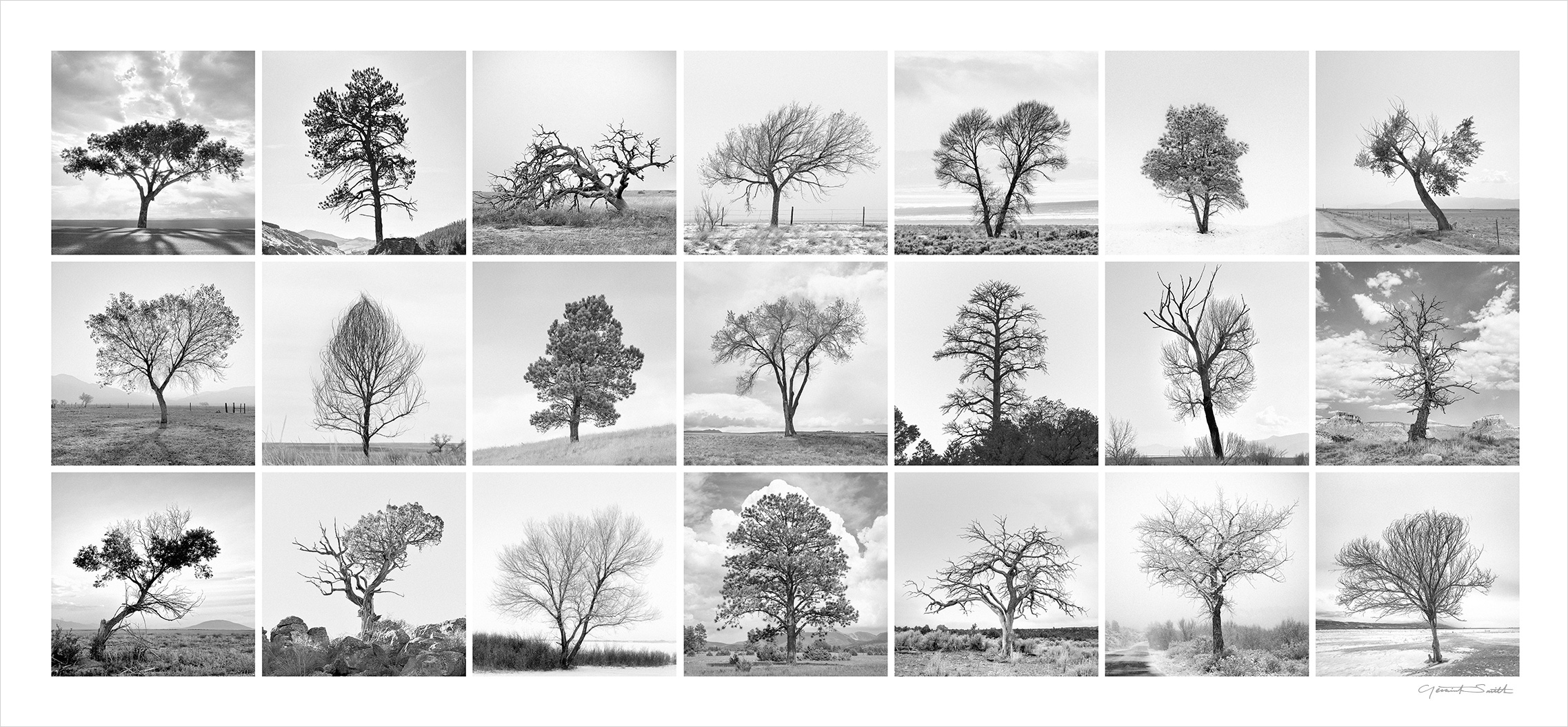
Hello from San Cristobal, New Mexico. This week more trees for the Taos Artist Combo V show at the Stables Gallery in downtown Taos, NM. From last week’s post on Lone Trees, I pulled more tree images from my archives and created a large composite on canvas. I printed it to a manageable 20″ x 46″ size, this morning, but it could occupy a much larger canvas or paper print.
Lone trees from around northern NM.
•
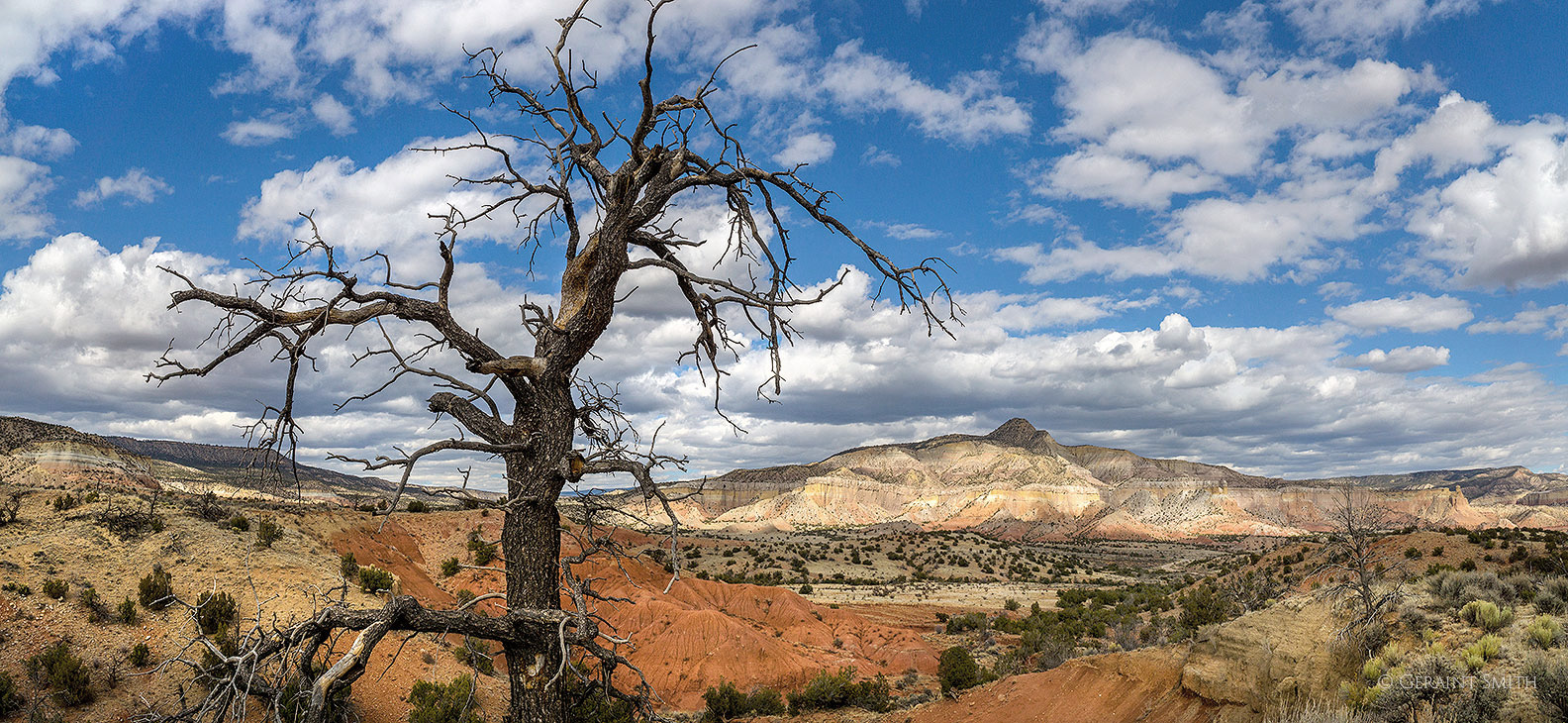
I wanted to include the tree in the following picture taken at near Ghost Ranch, but it had fallen down. I may still find another view of it deeper in the archives.
Tree and red landscape near Ghost Ranch, NM
•
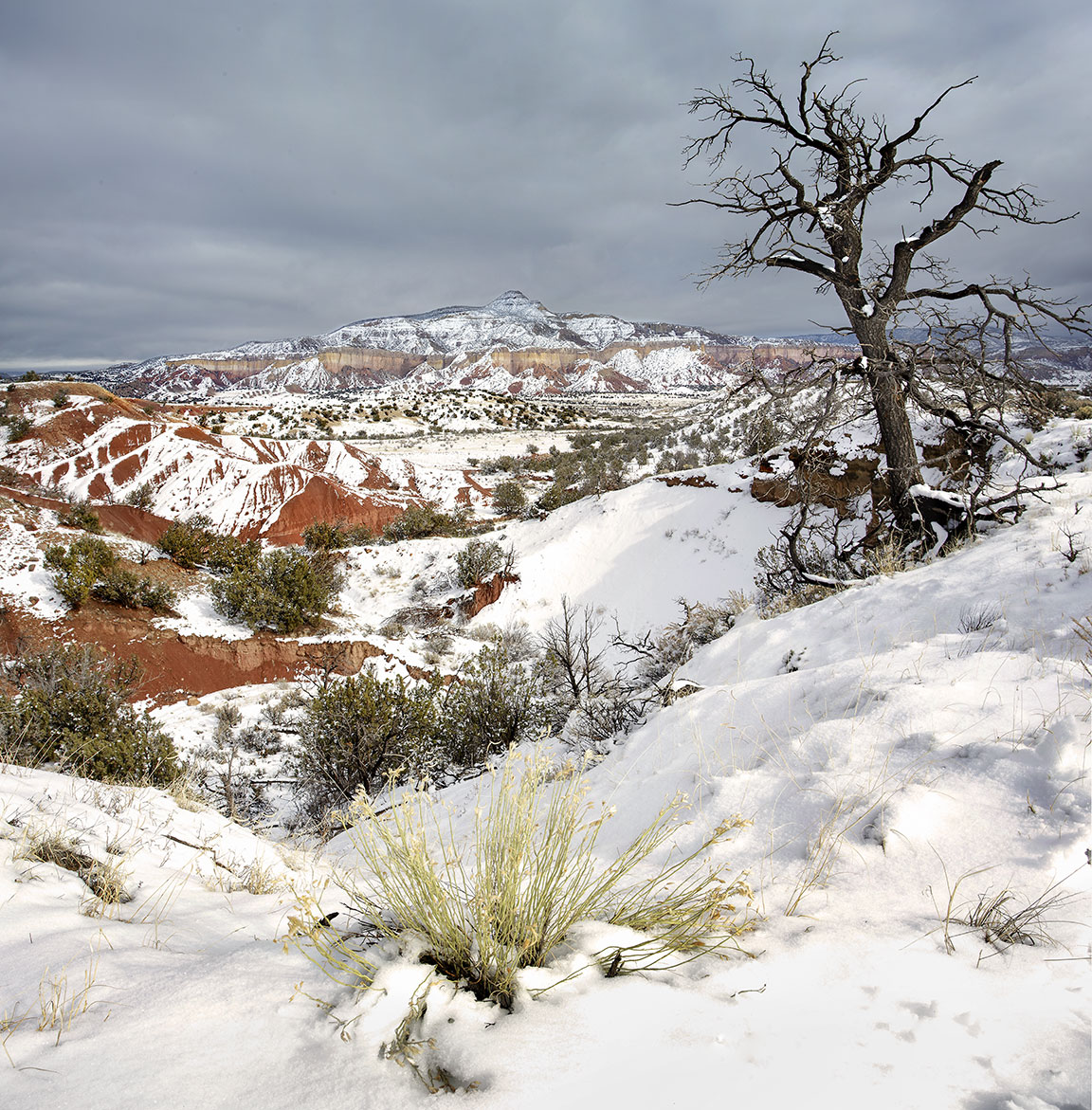
I did find the following image from 2015 taken on a winter photo trek to Abiquiu and the Rio Chama.
Winter on the Chama River road near Ghost Ranch, NM.
•
Taos Artist Combo V Exhibit & Sale. Stables Gallery, 133 Paseo del Pueblo Norte, Taos, NM 87571 October 9 – 11: Artist Reception, Friday October 9, 5-7PM
Check out my good friend and collector , Larry Hollars’s bird photography on instagram @ornithography_weekly Larry and I have made many excursions photographing the landscape, towns, villages and backroads of northern New Mexico and southern Colorado. Let me know if you’d like to sign up for his weekly birding email or follow him on instagram.
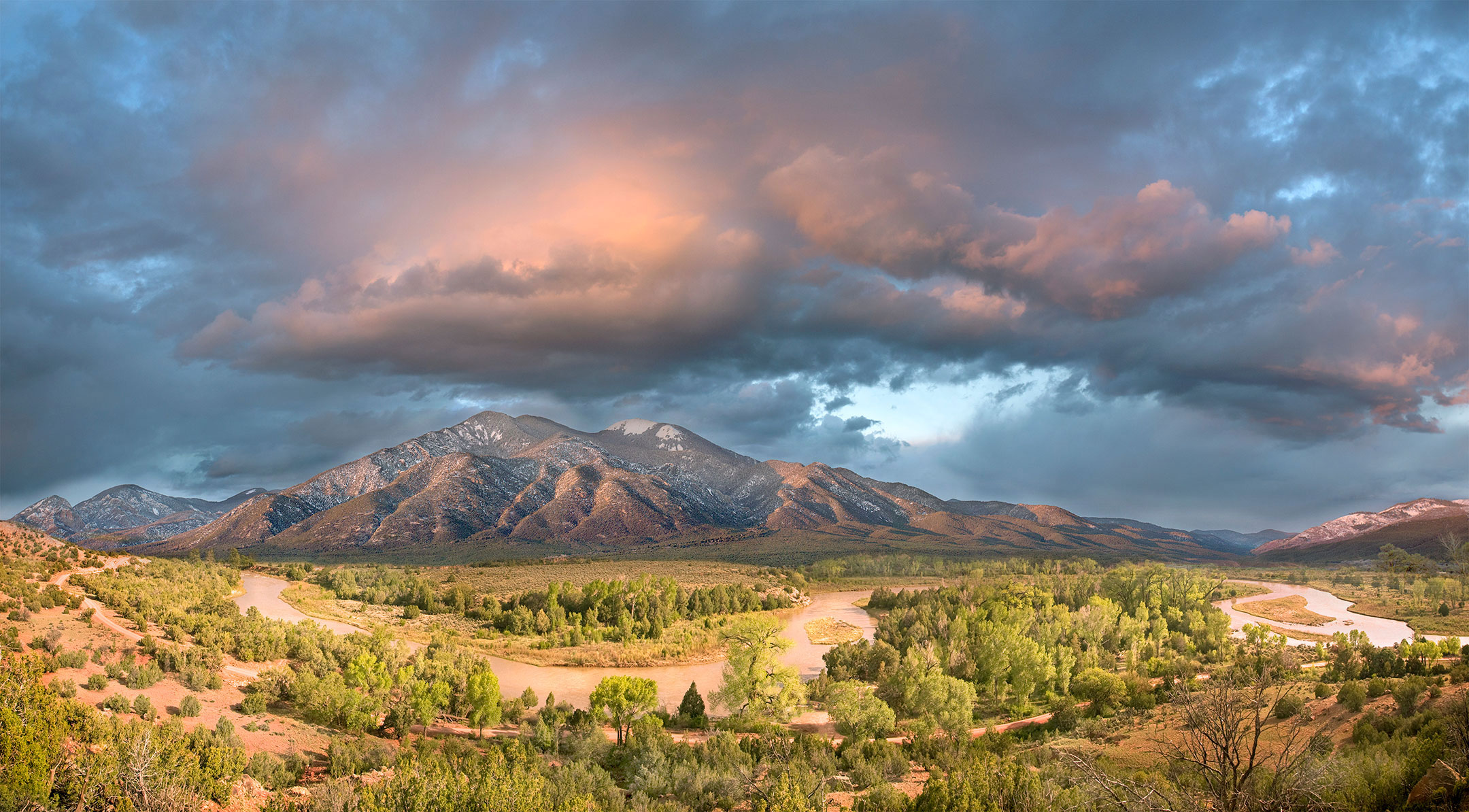
Greetings from New Mexico. I hope everyone had a great week. This week, a large-scale composite photograph depicting two places I love being, besides home! One is standing in awe of Taos Pueblo Peak (Taos Mountain), the second is watching the river flow in Abiquiu, New Mexico.
Here’s the composite created this last spring during a session with my good friend and co-conspiritor David, Vedoe. I hope you’ll pardon another short post. I had a great couple of weeks photo touring with clients. I’m heading to the mountains tomorrow so I’ll see what I get from a day hiking. I will be looking out for unexpected things.
The picture below is a high resolution, mural sized panorama, that can be mounted on interior walls. It was created for the pure fun of doing something different.
Not a composite image, was the sky two nights ago over our valley. I only had to walk out to the driveway to get most of the expanse. I call it “under the arc of existence”.
We have views from the back garden, the kitchen, dining room and deck along with the driveway, I only need a view from the bedroom and I won’t have to leave the house. Kidding! Soon I’ll do a post of the shots I’ve taken of this scene with the skies over our neighbors house.
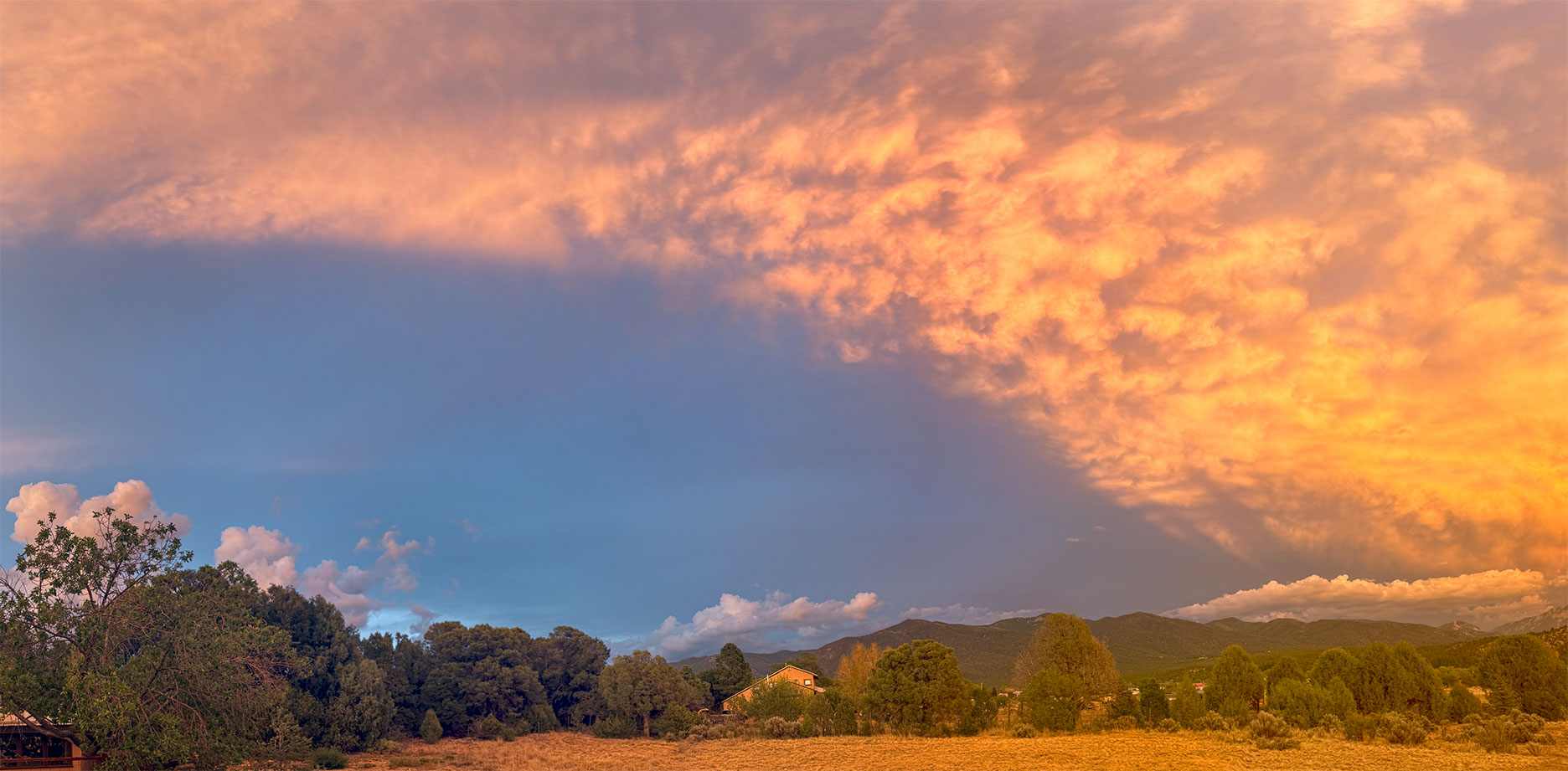
Sky over San Cristobal, NM
•
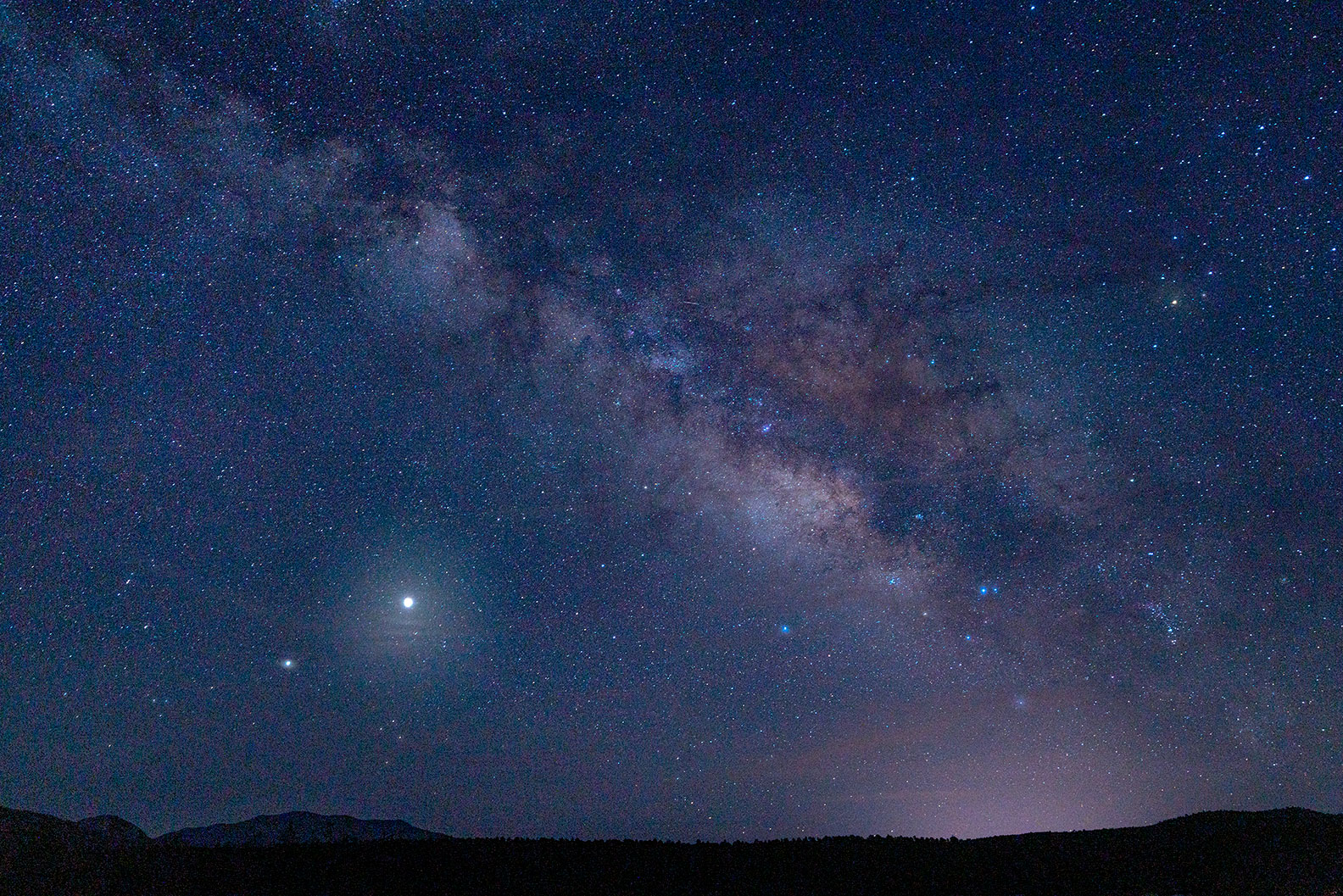
The Milky Way from our driveway, with Saturn, Jupiter, and an almost complete view, on the right, of the constellation Scorpius.
Saturn, Jupiter, the Milky Way and the Scorpion constellation.
•
As always, thanks for looking. Have a great week. G
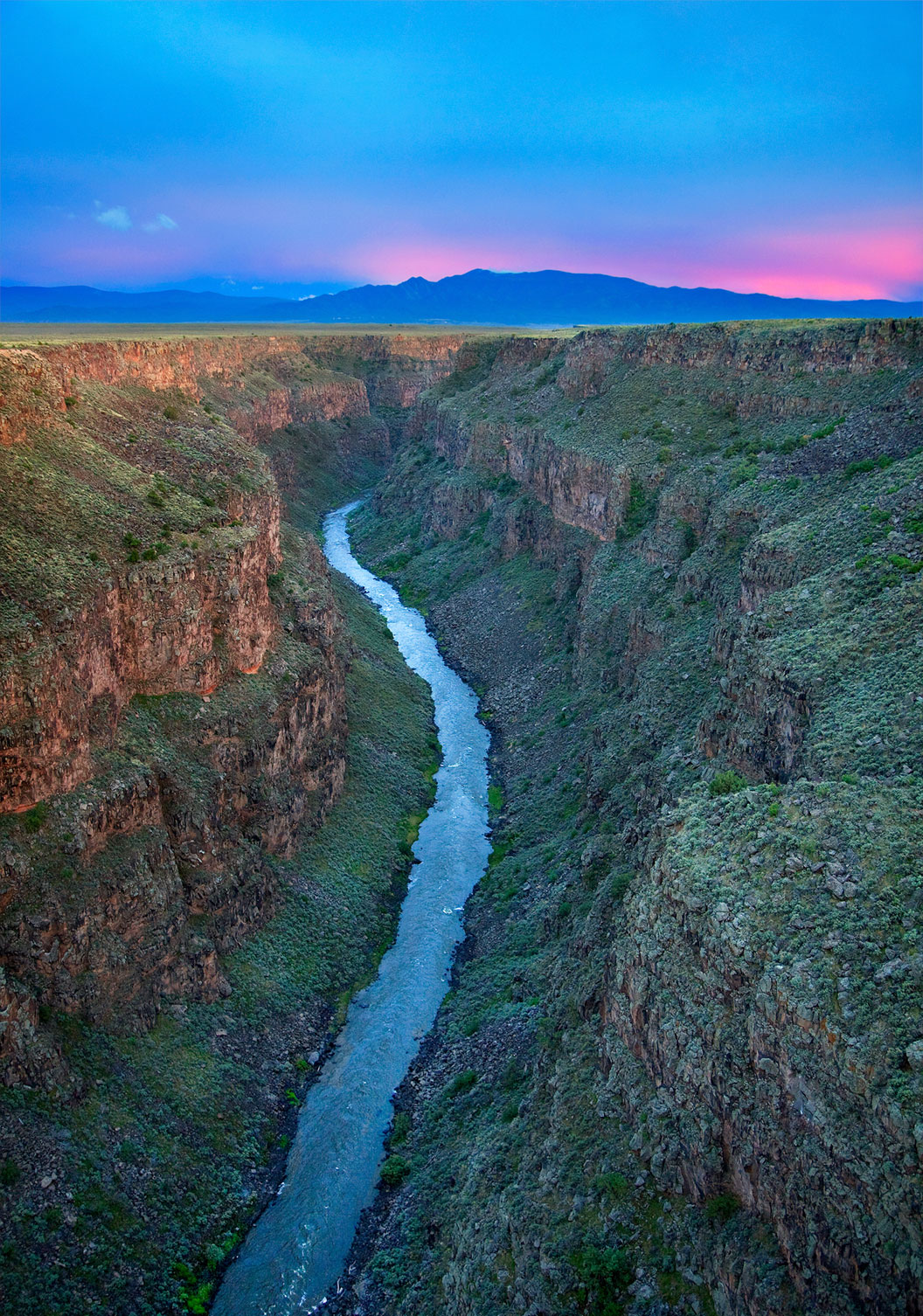
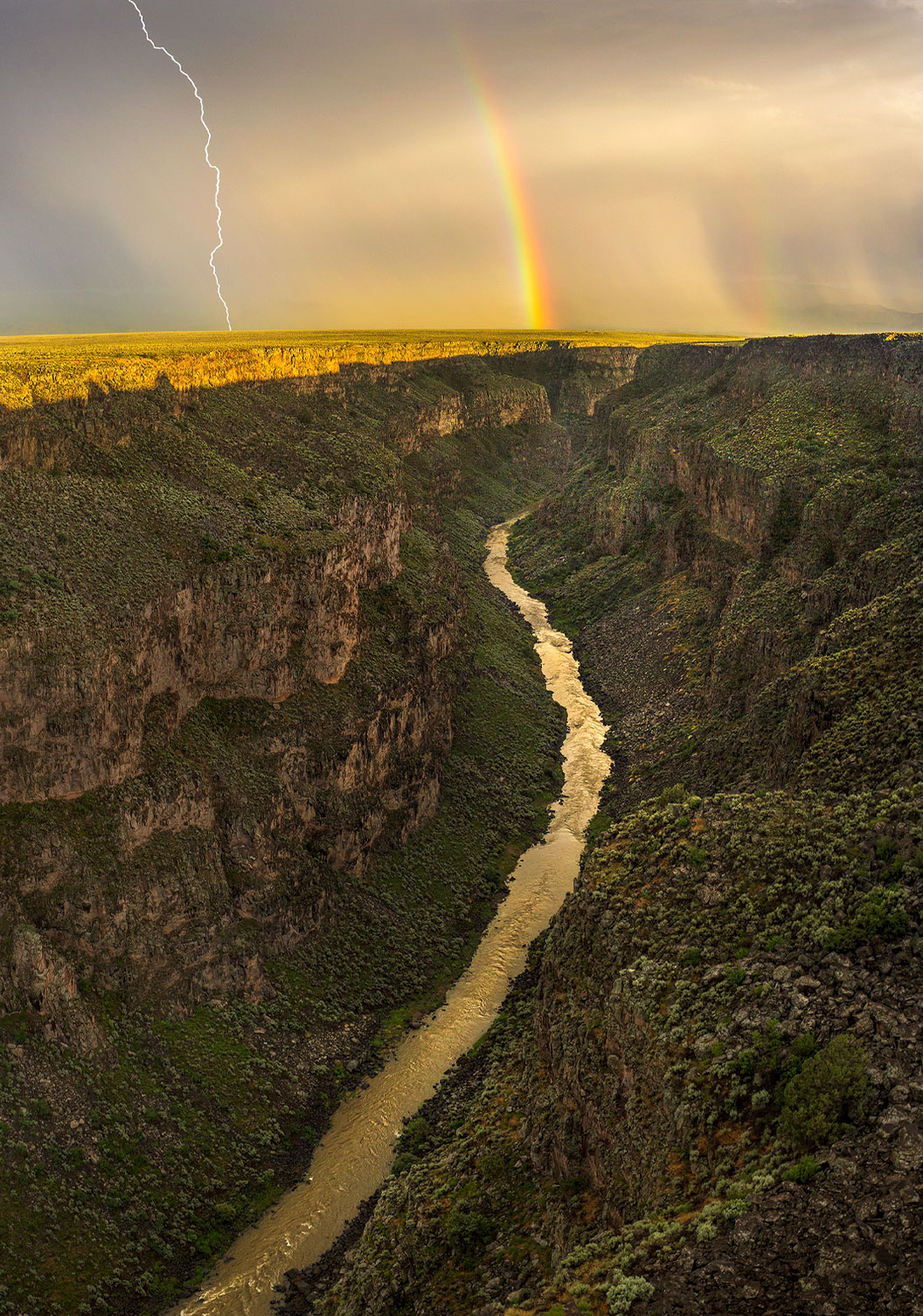
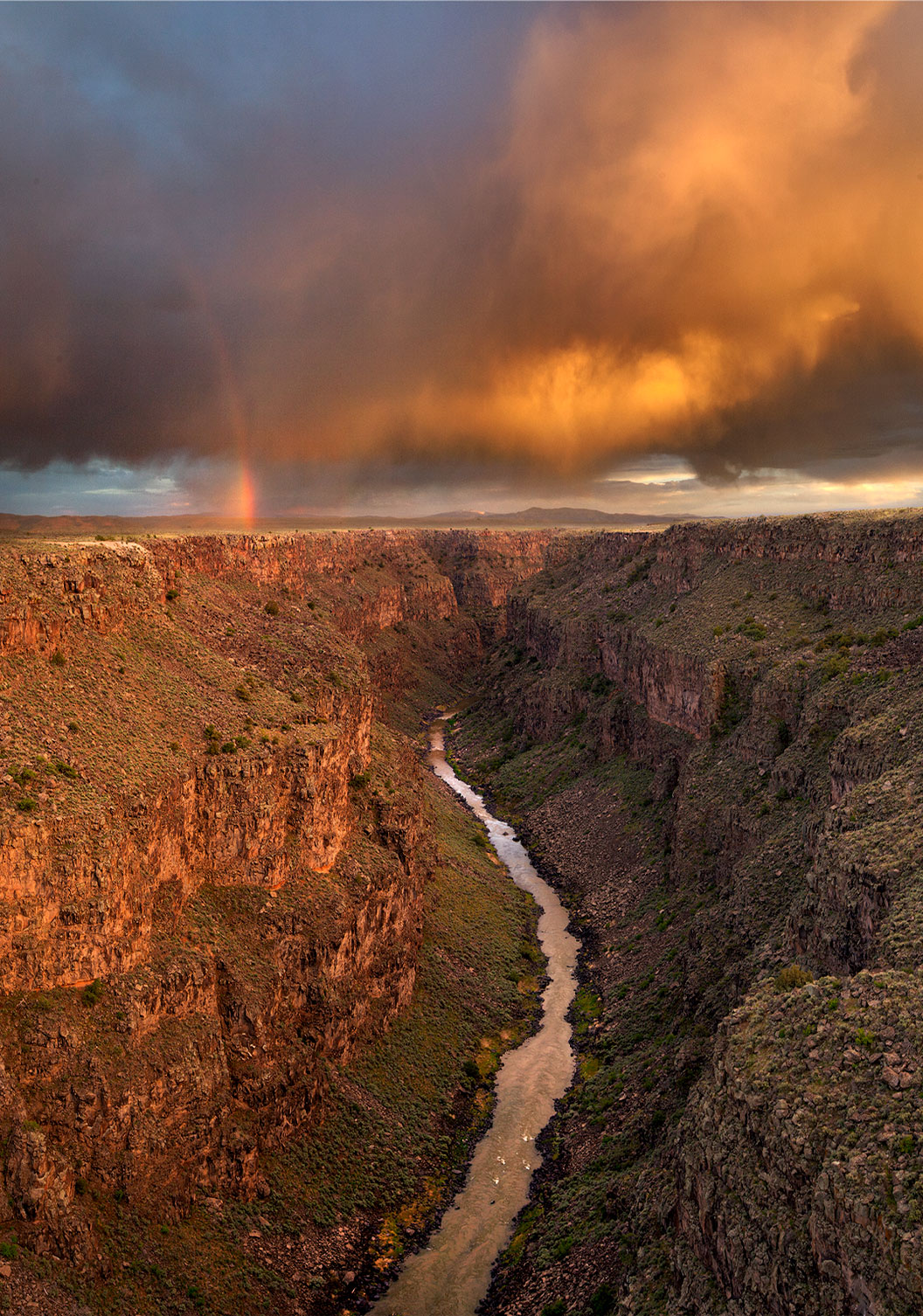
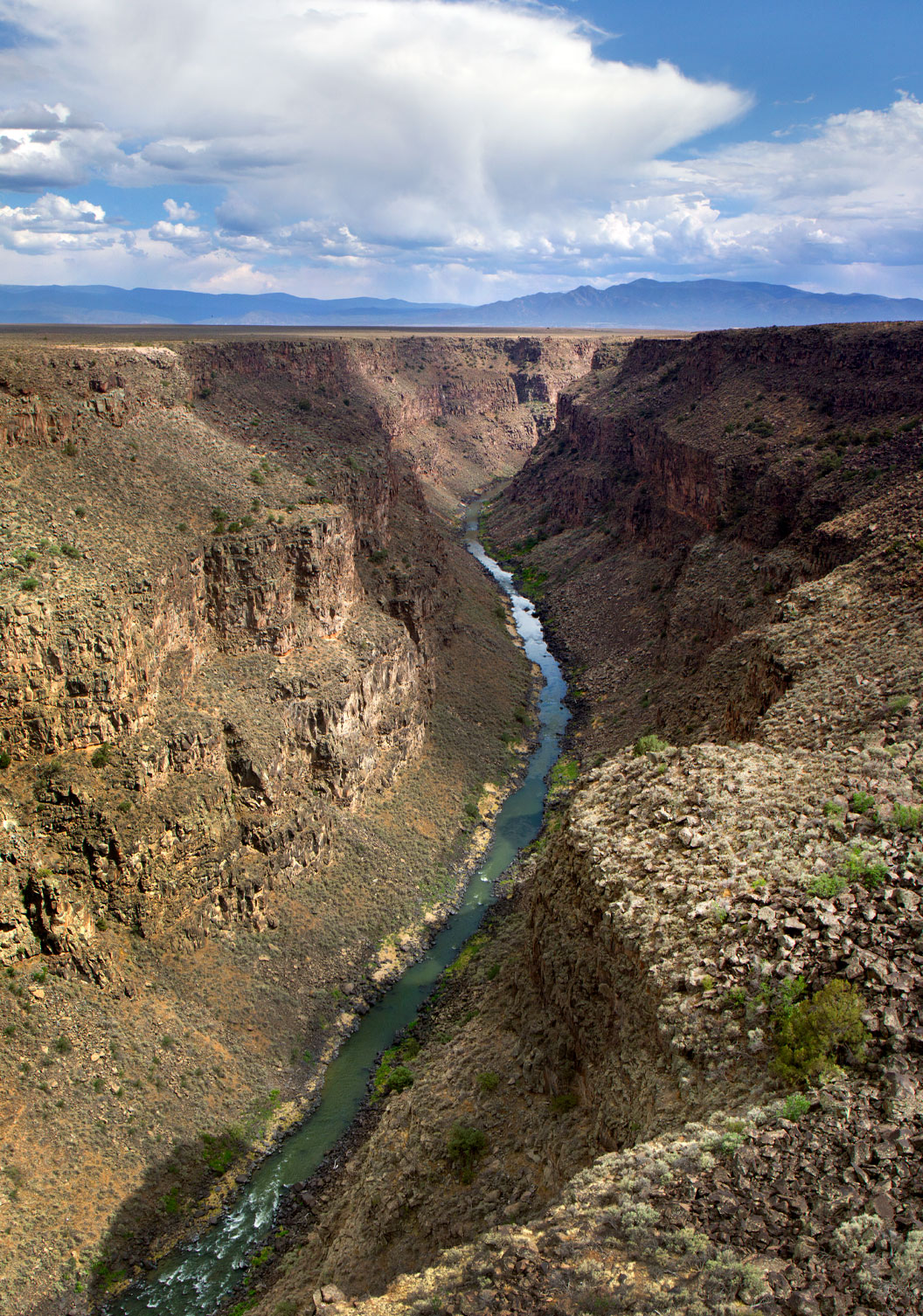
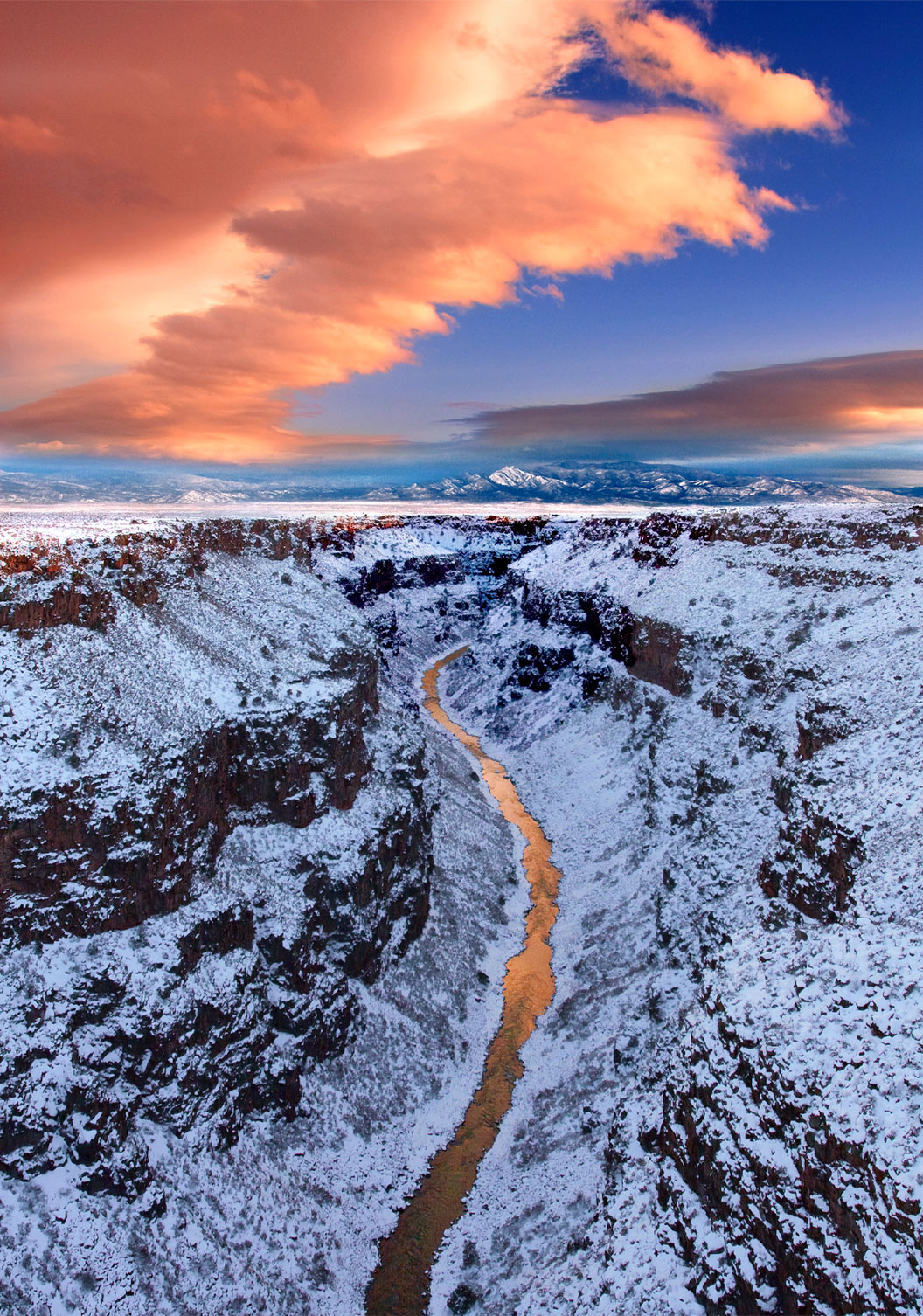
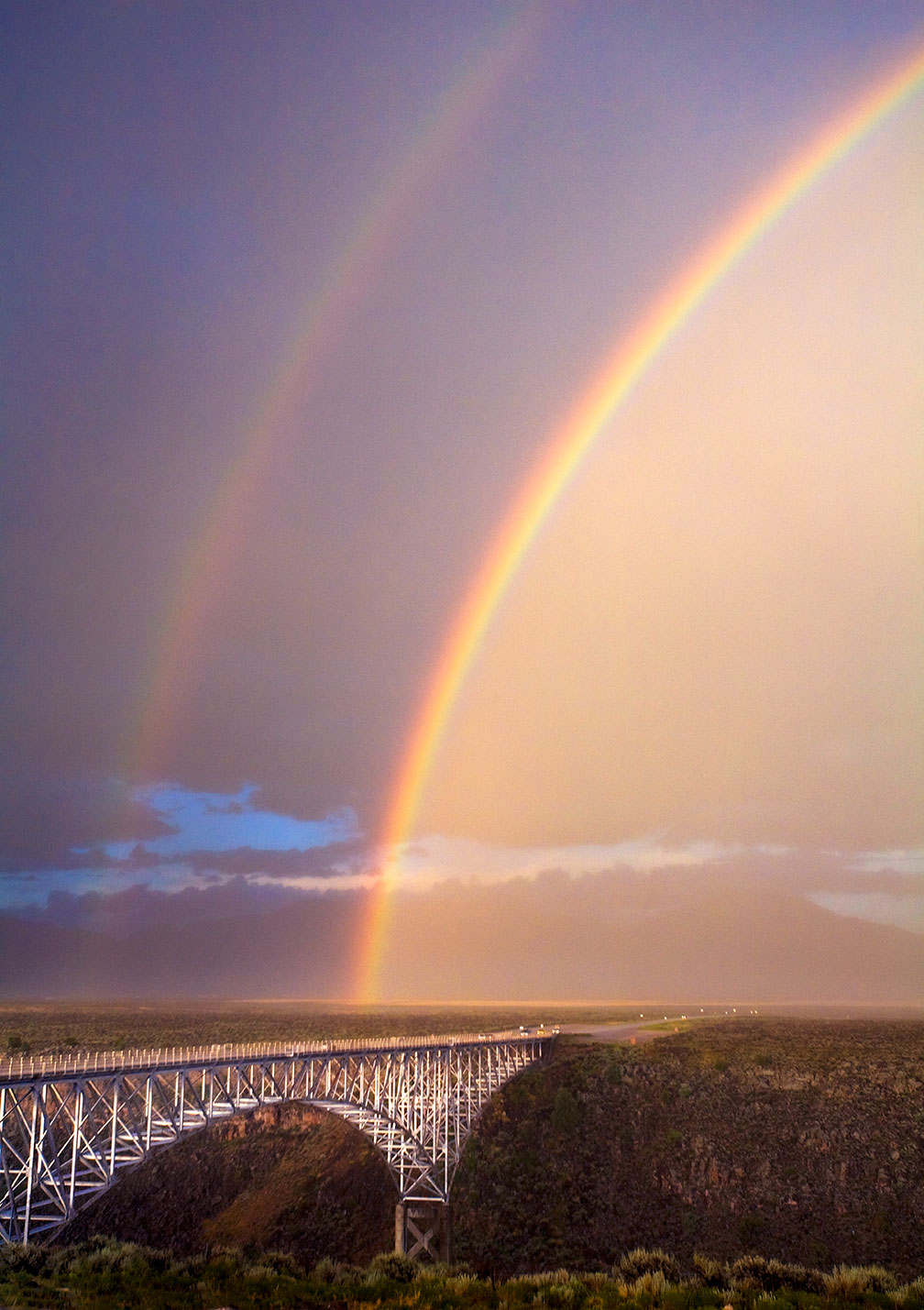
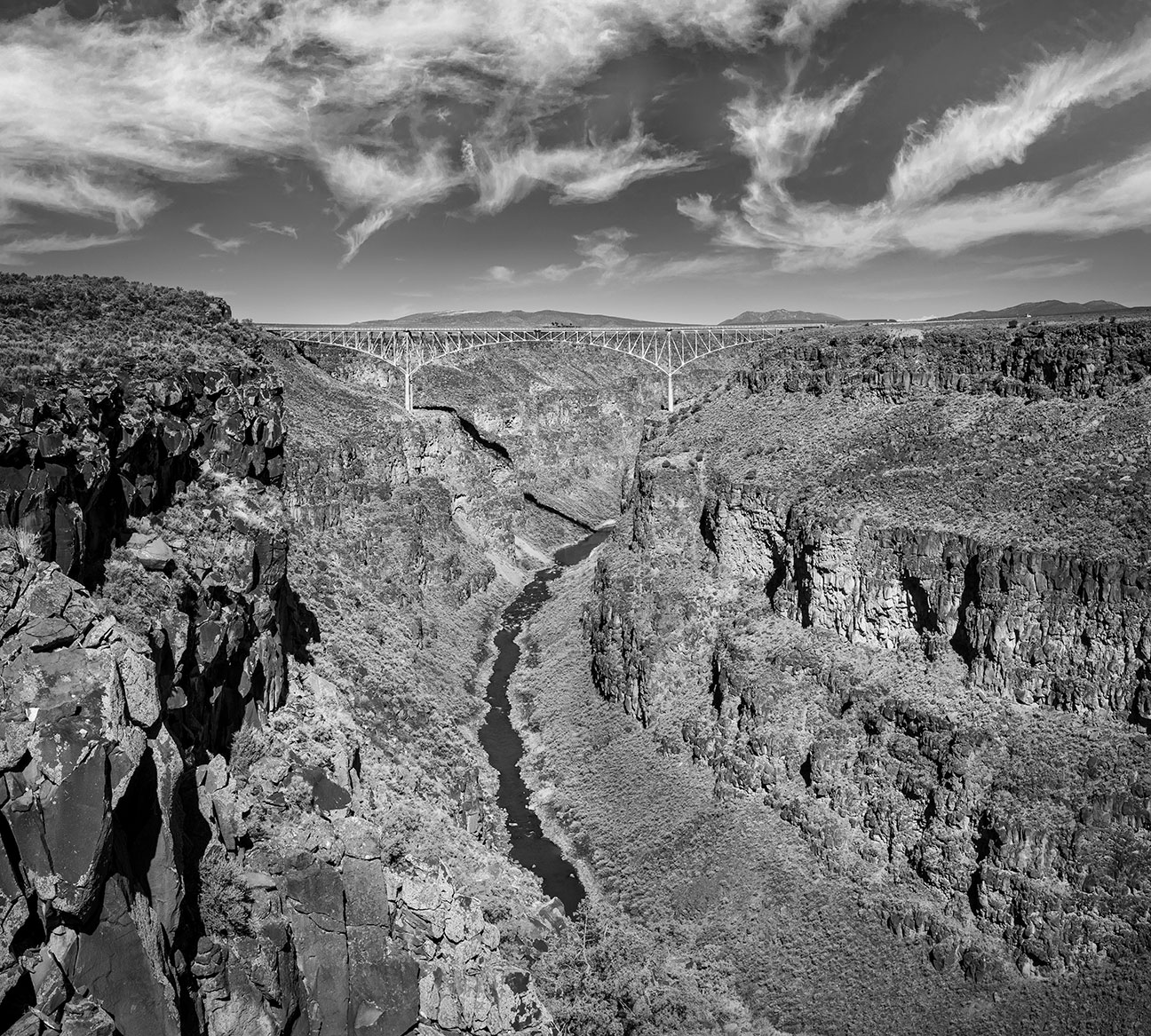
Greetings from New Mexico. I hope everyone had a good week. This week, five views from the Rio Grande Gorge Bridge looking south, one looking north at the bridge itself spanning the canyon 600 feet above the river, and one of the bridge under a rainbow.
Summer evening light on the Rio Grande.
•
Rainbow with lightning over the gorge.
•
Summer rainbow.
•
Driving over the bridge at any time of day affords spectacular views.
Summer afternoon on the bridge.
•
Added bonus of winter in the canyon are accents of snow.
Winter in the gorge.
•
Because the summer storms are almost always accompanied by rainbows.
Rainbow bridge.
•
Looking north to the bridge, where the previous images were taken from.
Rio Grande Gorge Bridge and gorge in black and white.
Greetings from New Mexico. This week, a few shots from a Taos walkabout. I hope everyone had a good week and holiday. I watched more than my fair share of the World Cup. I did engage in a little chair yoga while watching so I didn’t feel like too much of a slug! In the last world cup our previous two dogs (labradoodles) used to get all excited when a goal was scored. These two goldendoodles we have now, couldn’t give a monkey’s uncle!
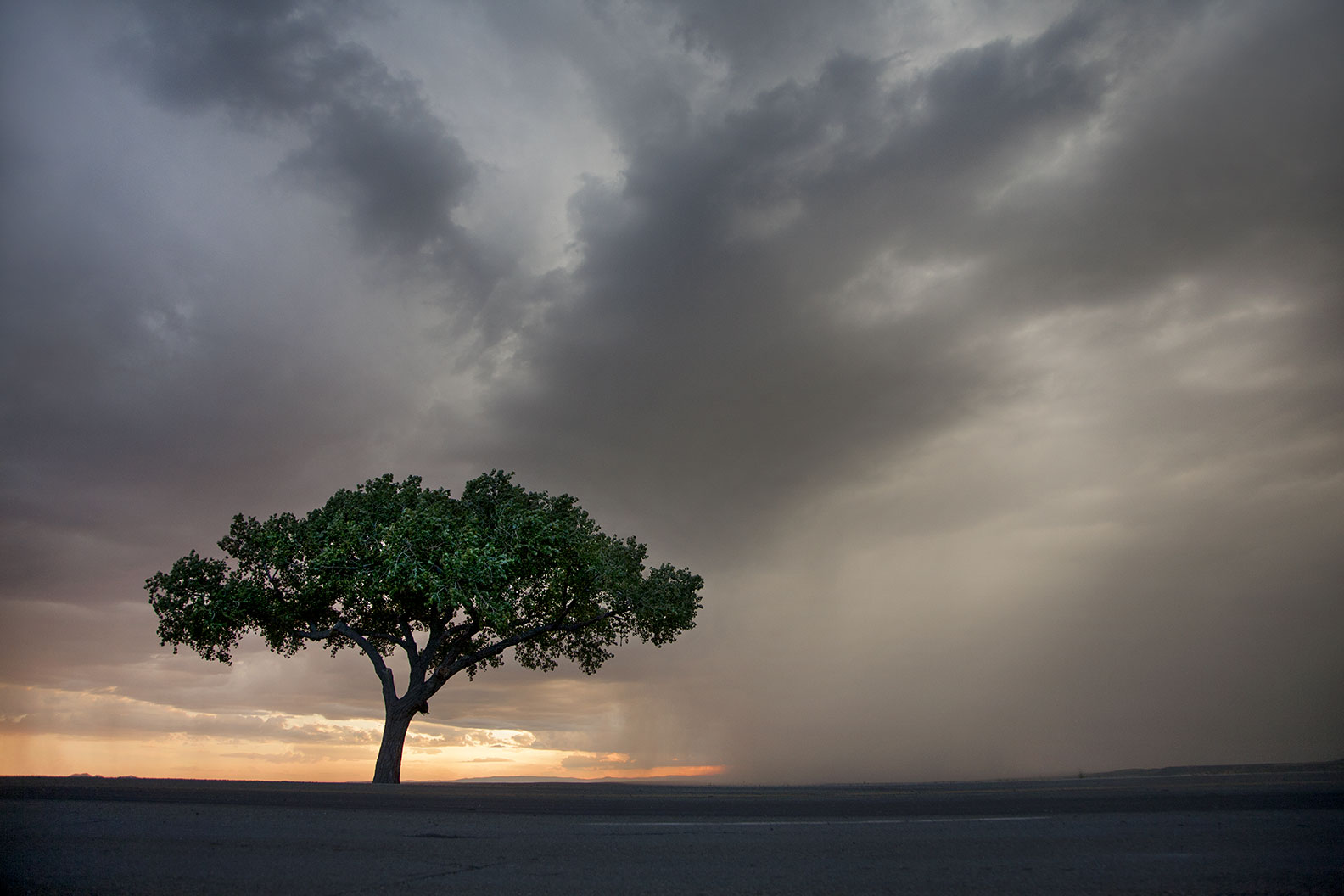
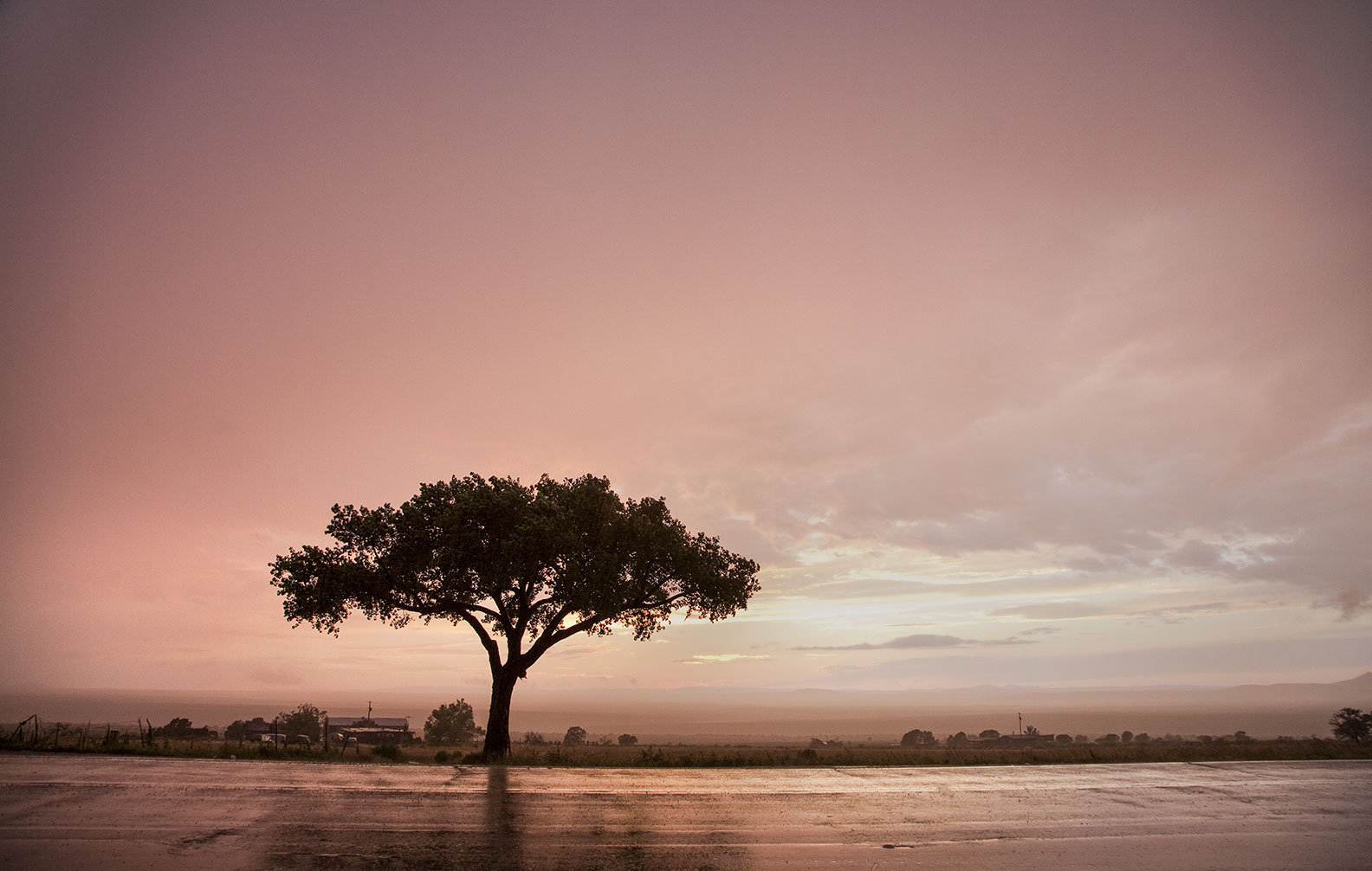
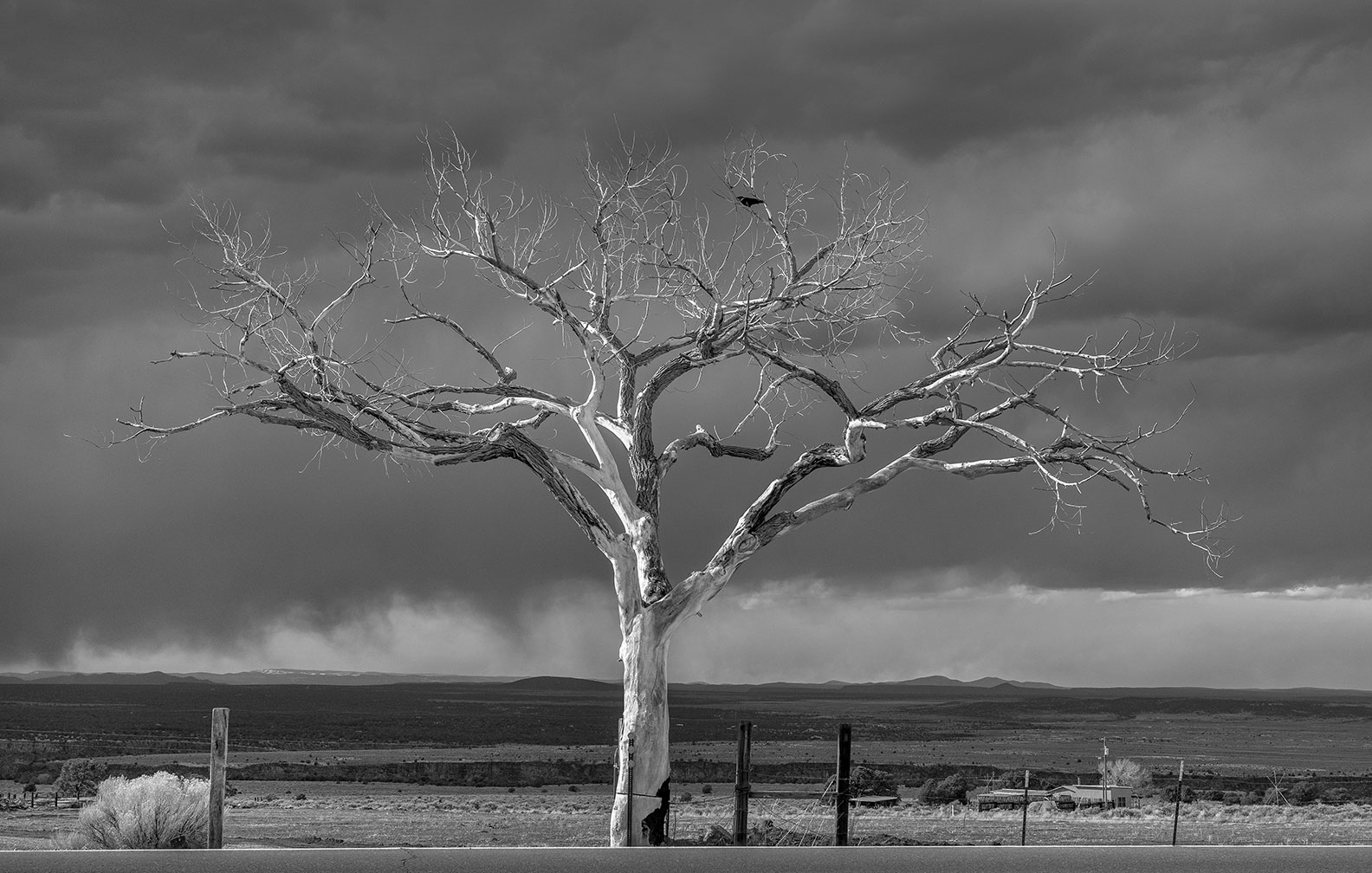
Greetings from San Cristobal, NM. Greetings from San Cristobal, NM. I hope everyone had a good week. This week, the demise of the lone tree, my muse for over 40 years. Today I’m celebrating this tree with the photos I’ve captured over the years, in its prime. Two days ago, it was reported in the Taos News that it had finally fallen after sitting bare for a number of years.
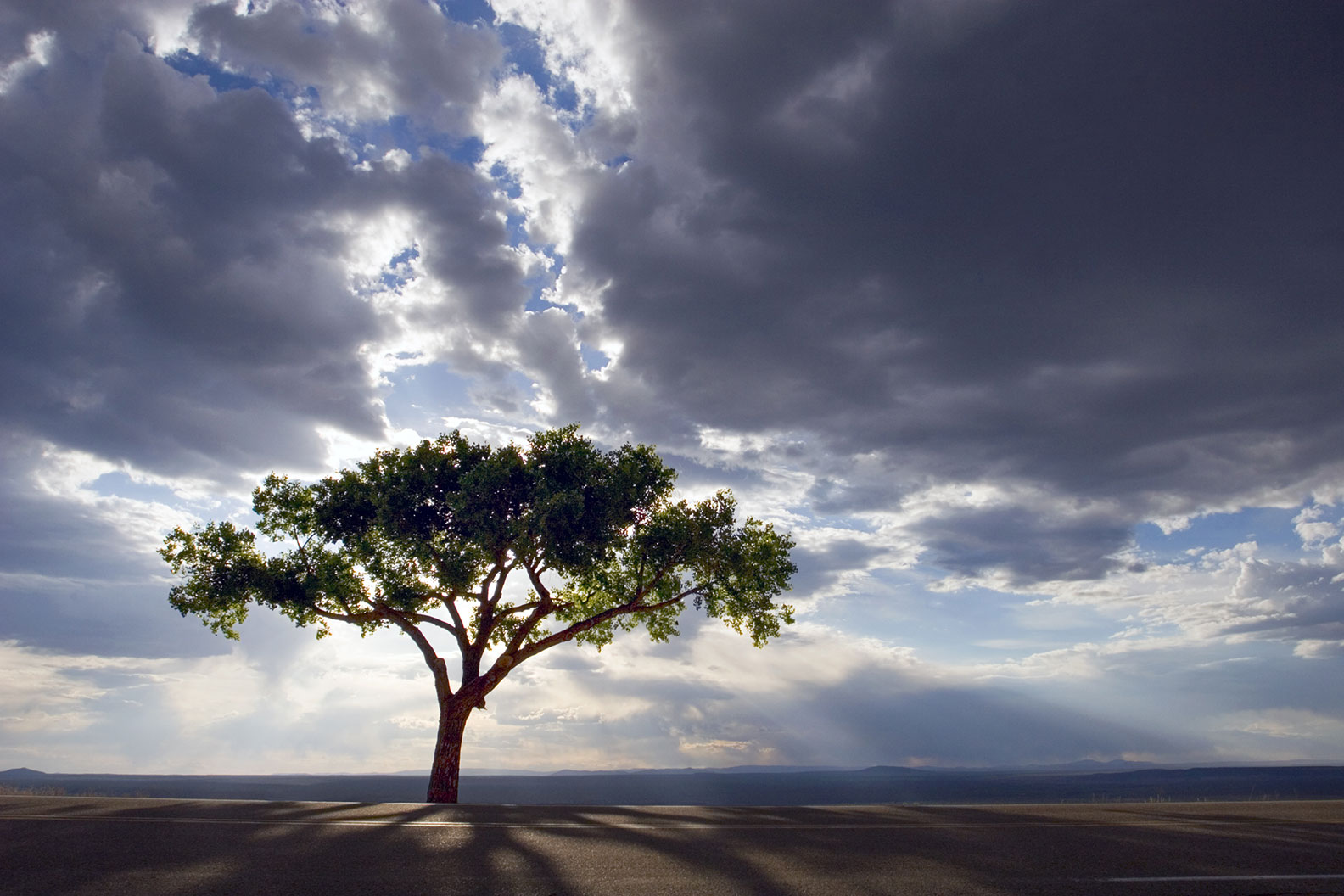
I call it the lone tree, but it is also known as the ‘Taos Welcome Tree” as it heralds the departures of some and the arrivals of others while welcoming home those who live here.
Lone tree, Taos’ “Welcome Tree”.
•
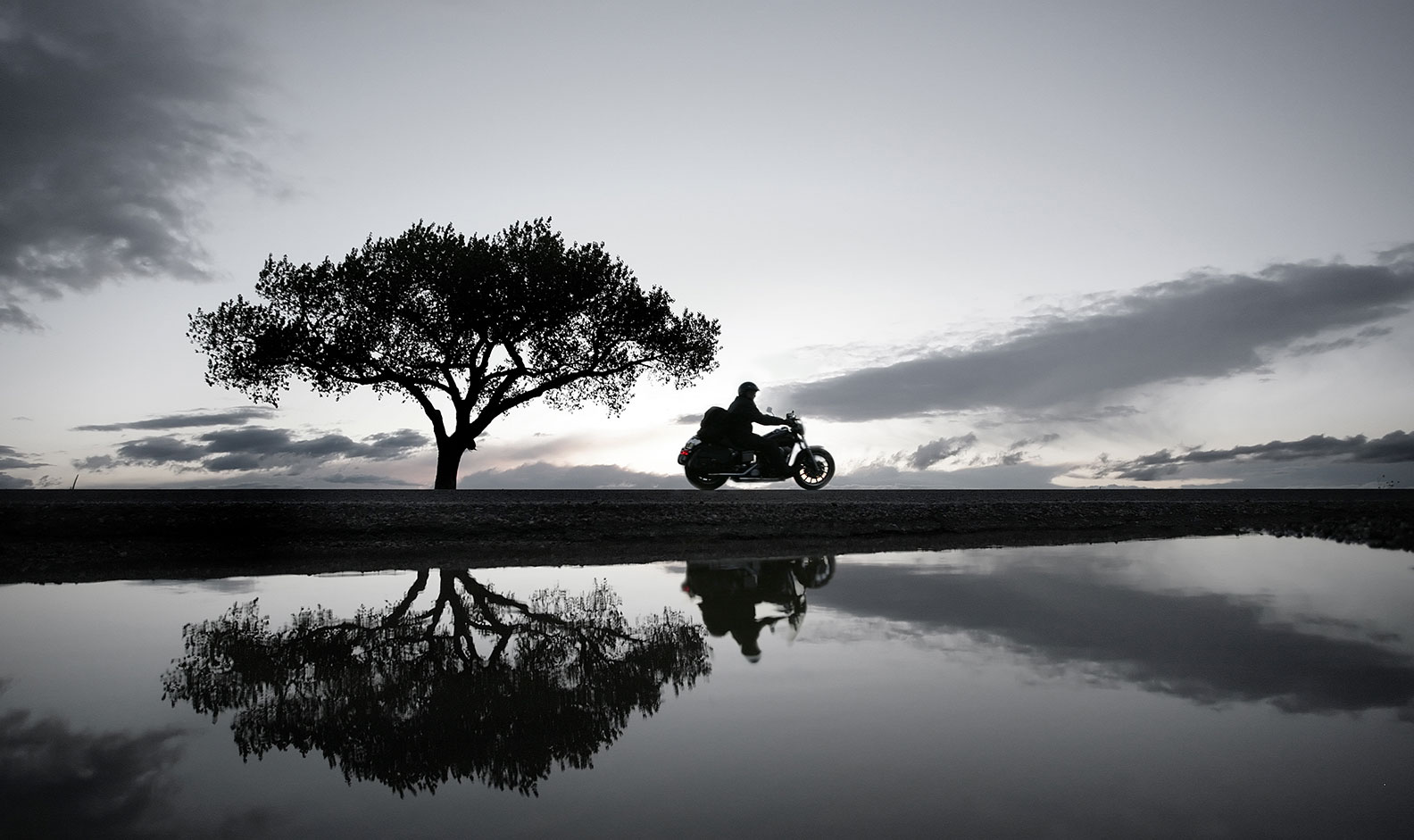
Biker heading to Taos at the Welcome Tree.
•
The tree during a storm.
•
As the storm clears.
•
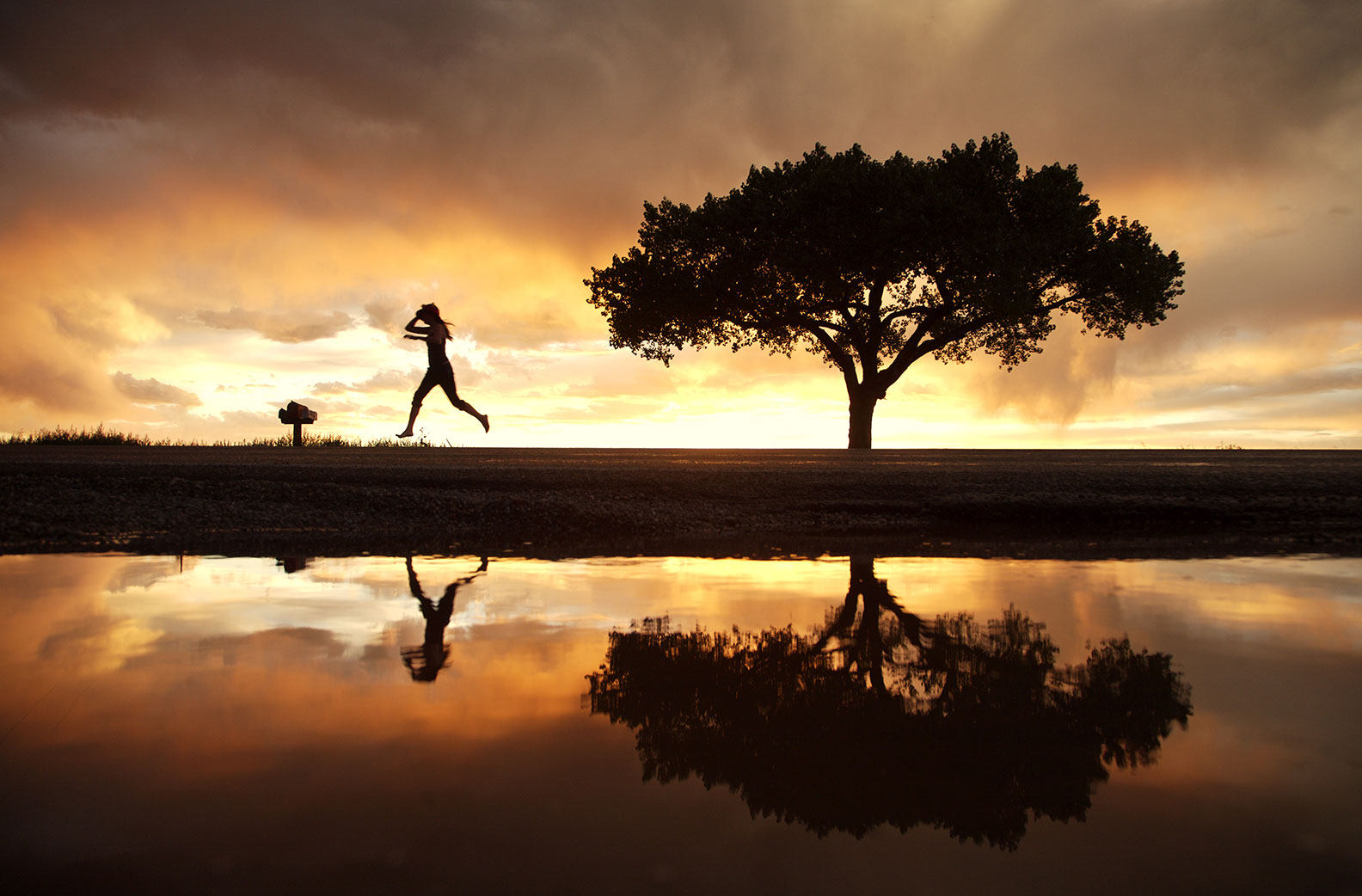
The storm leaves puddles and my daughter went for a run and some reflection.
•
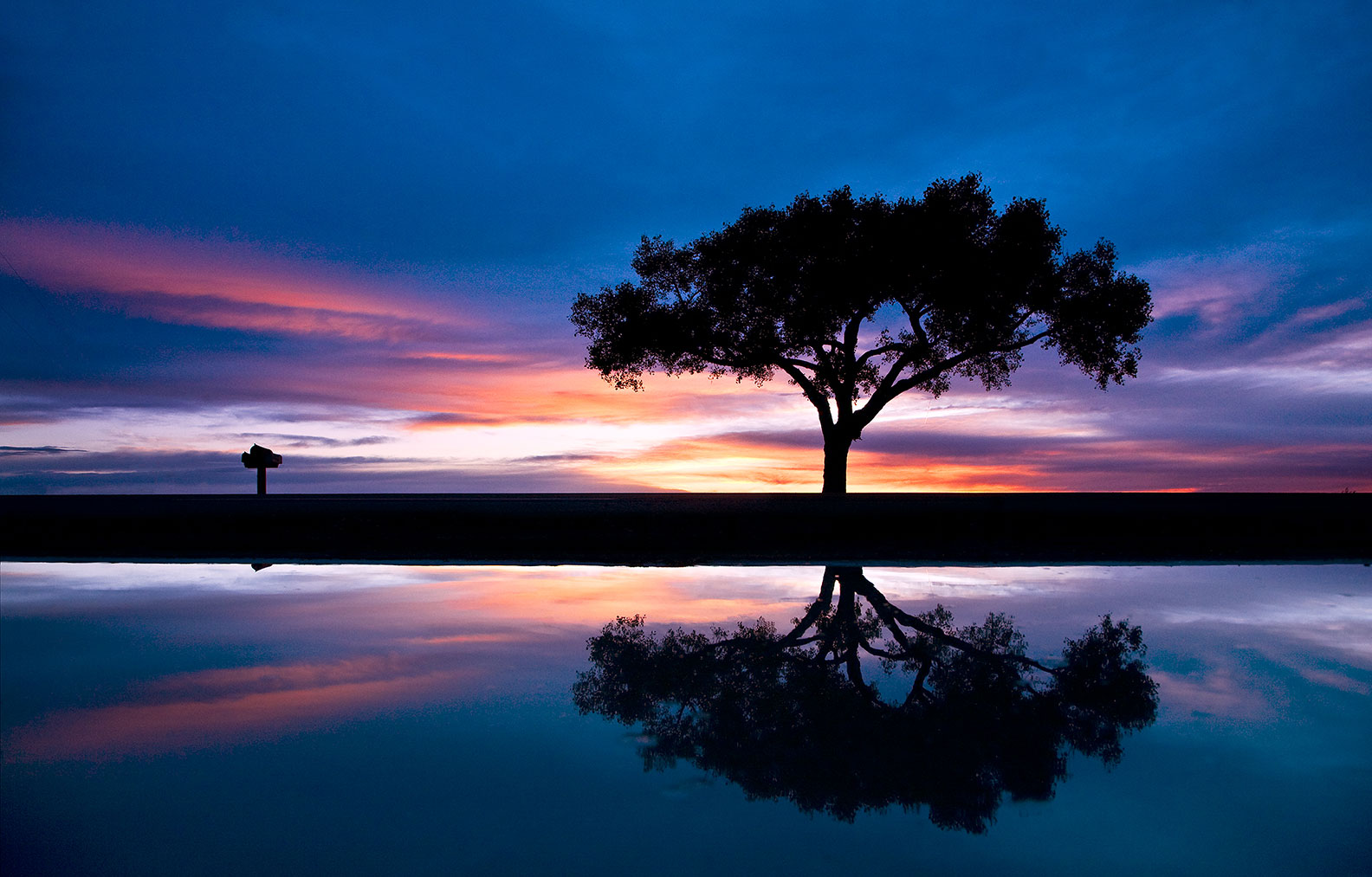
The tree reflects in the roadside puddles at sunset.
“The Taos Welcome Tree stands along the approach to Taos, New Mexico, greeting travelers with a quiet sense of arrival. Shaped by decades of wind, weather, and the high-desert climate, the tree has become an informal landmark and a symbol of the community’s enduring connection to the land. For many residents and visitors, seeing the tree signals that they are finally home—or that their Taos adventure is about to begin.
Set against the backdrop of the Sangre de Cristo Mountains and New Mexico’s expansive skies, the tree embodies the rugged beauty of northern New Mexico. Its weathered form reflects the resilience required to thrive in this high-altitude environment, where intense sunlight, winter snowstorms, and strong spring winds are part of everyday life.
Photographers are especially drawn to the Welcome Tree because it changes character with the seasons and the light. It can appear dramatic beneath storm clouds, glowing in the warm hues of sunrise and sunset, or stark and sculptural against fresh winter snow. Its simple silhouette provides a powerful focal point that captures the spirit of Taos and the surrounding landscape.
Over the years, the Welcome Tree has become more than just a tree. It is a recognizable icon of place, a marker of memory, and a reminder of the natural beauty that has inspired artists, photographers, and travelers for generations.”
As always thanks for looking and all the comments and compliments. Have a great week. G
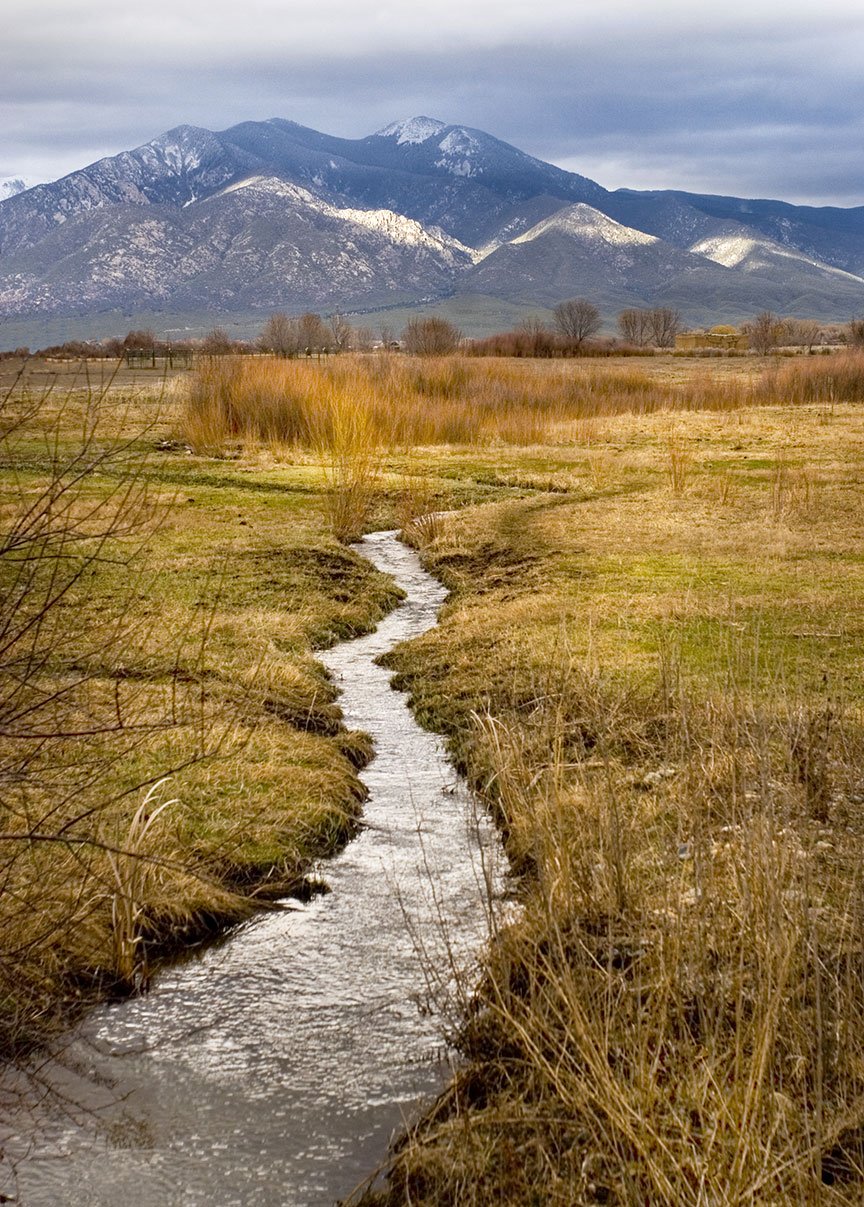
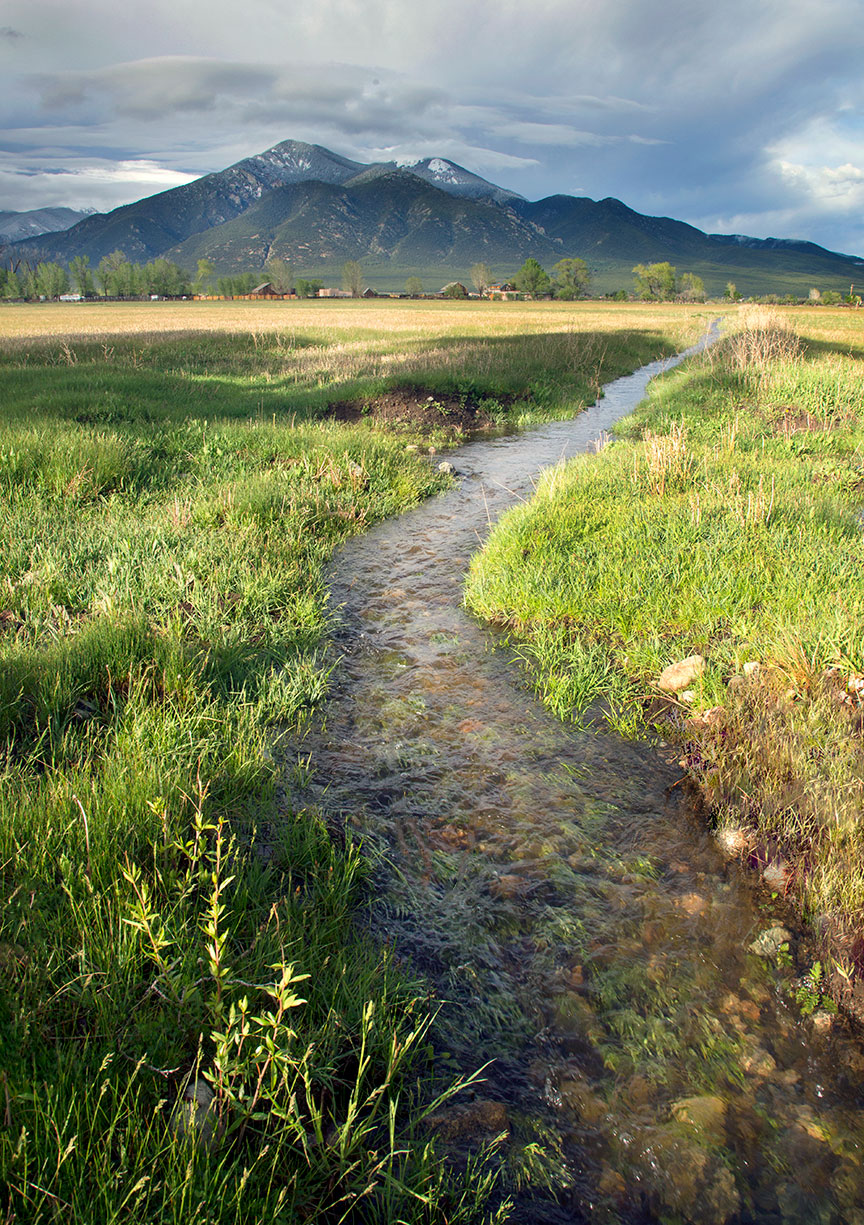
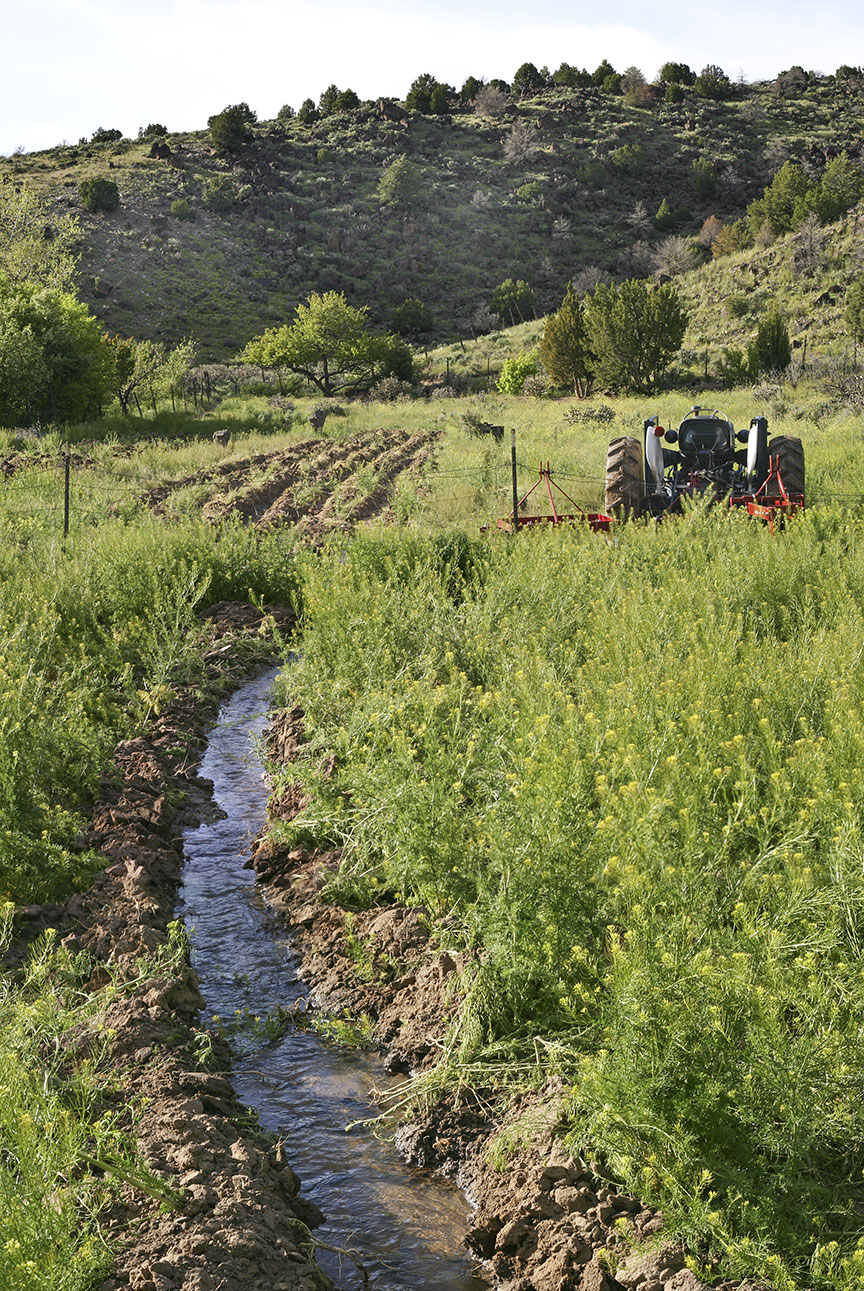
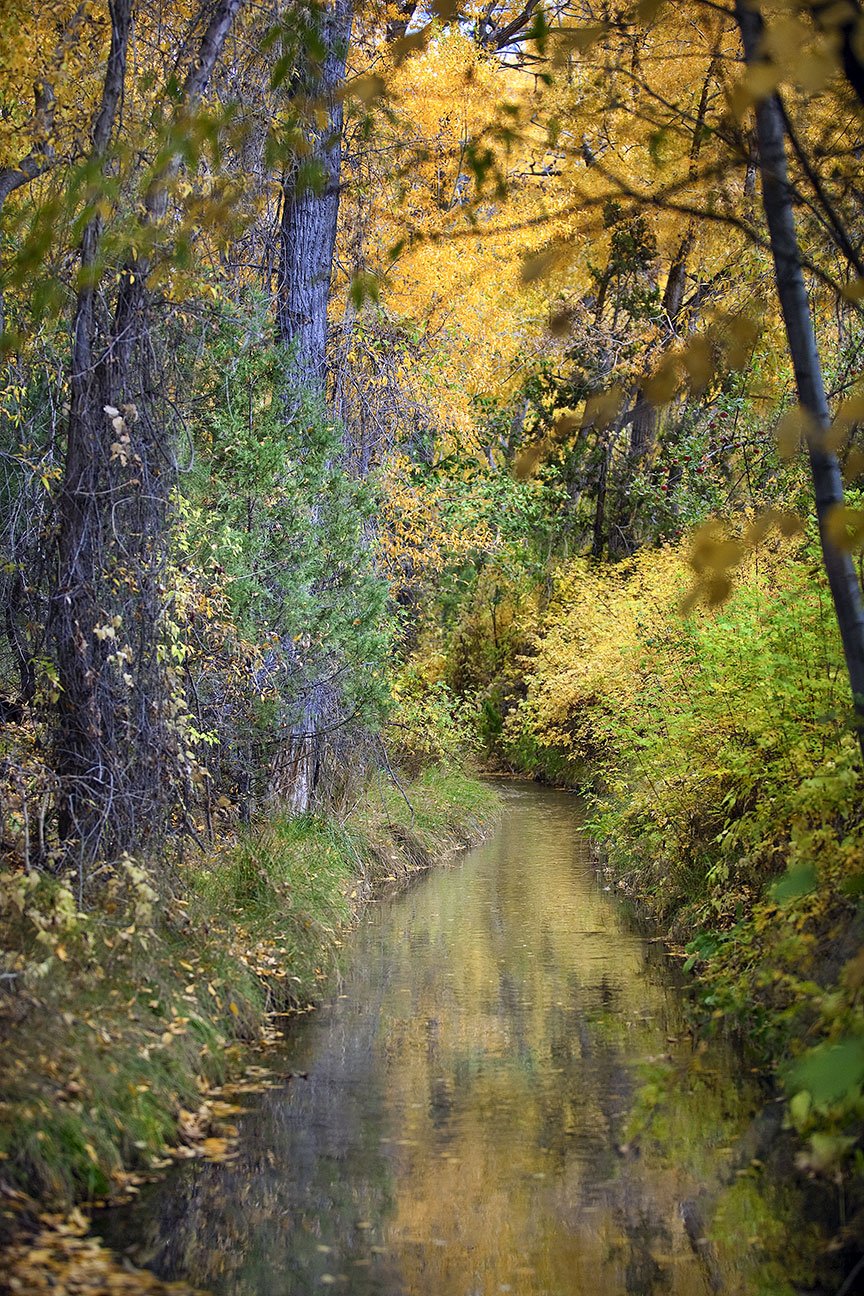
Hello from New Mexico. This week, images of some of the acequias, water irrigation ditches, the lifeblood of agriculture in this area.
I hope everyone had a good week. I endeavor to remain positive.
I’m posting some of my favorite photos of the Taos area acequias this week. There is a wealth of information online if you would like to read more.
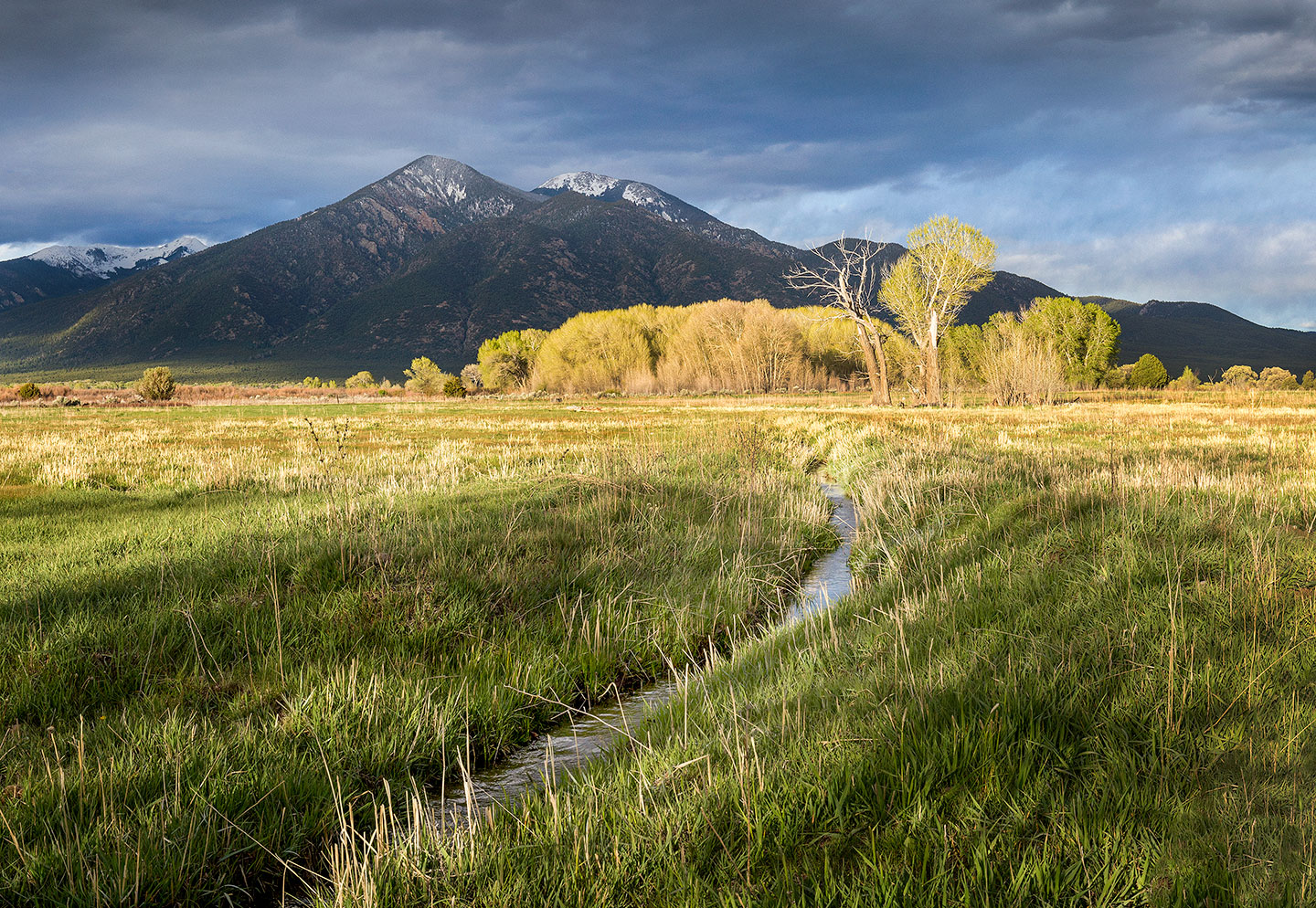
Acequia of the Ranchos Valley, with Taos Pueblo Mountain.
•
El Prado ditch.
•
Irrigation ditch, Pilar, NM.
•
Acequias are community-operated watercourses used for irrigation. They are managed collectively by local farmers and landowners, emphasizing cooperation and shared responsibility. The governance of acequias is typically overseen by a “mayordomo,” an elected official responsible for the maintenance and operation of the irrigation system.
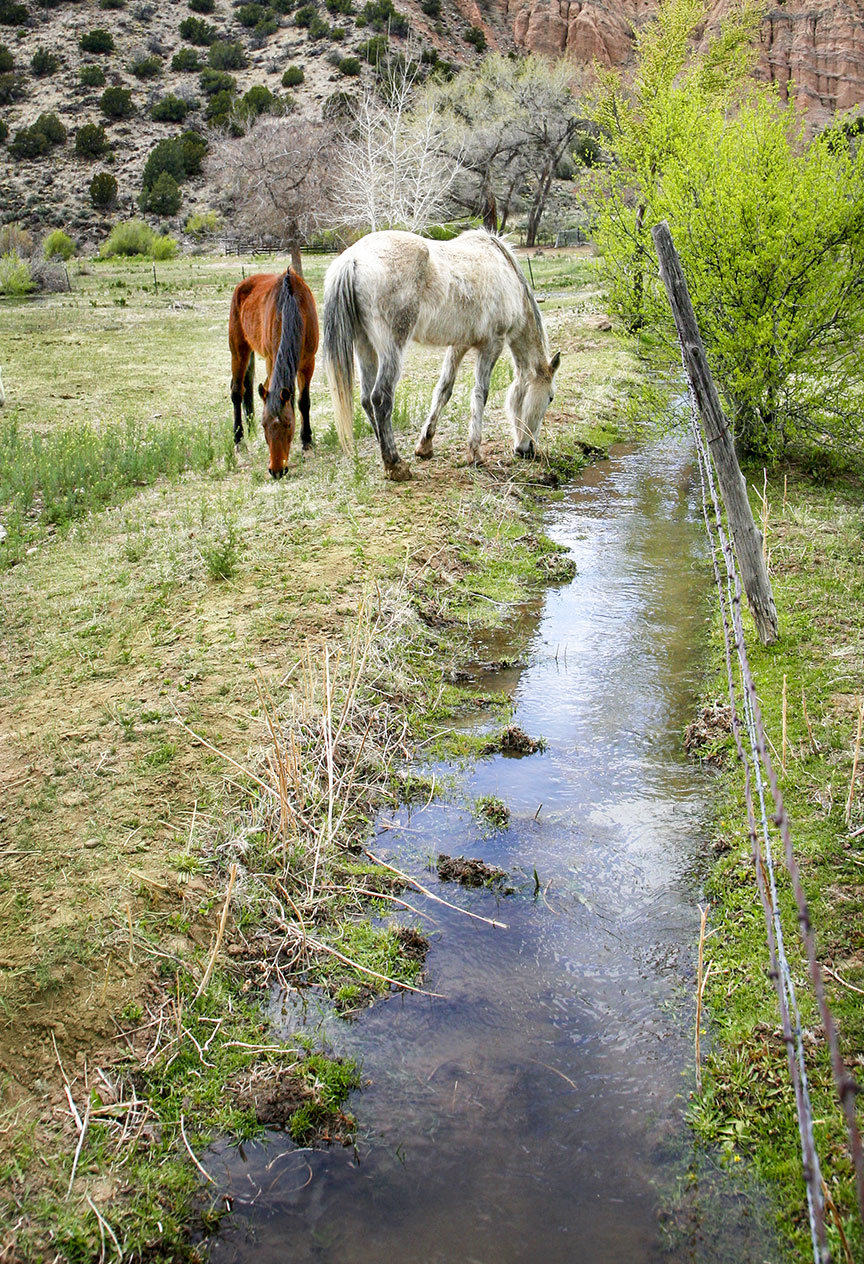
My friend’s horses along an acequia in Pilar, NM.
•
Acequias are designed to be sustainable, using gravity to transport water from rivers or streams to agricultural fields. They are adaptable to various landscapes, including arid and semi-arid regions, making them crucial for agriculture in areas with limited rainfall.
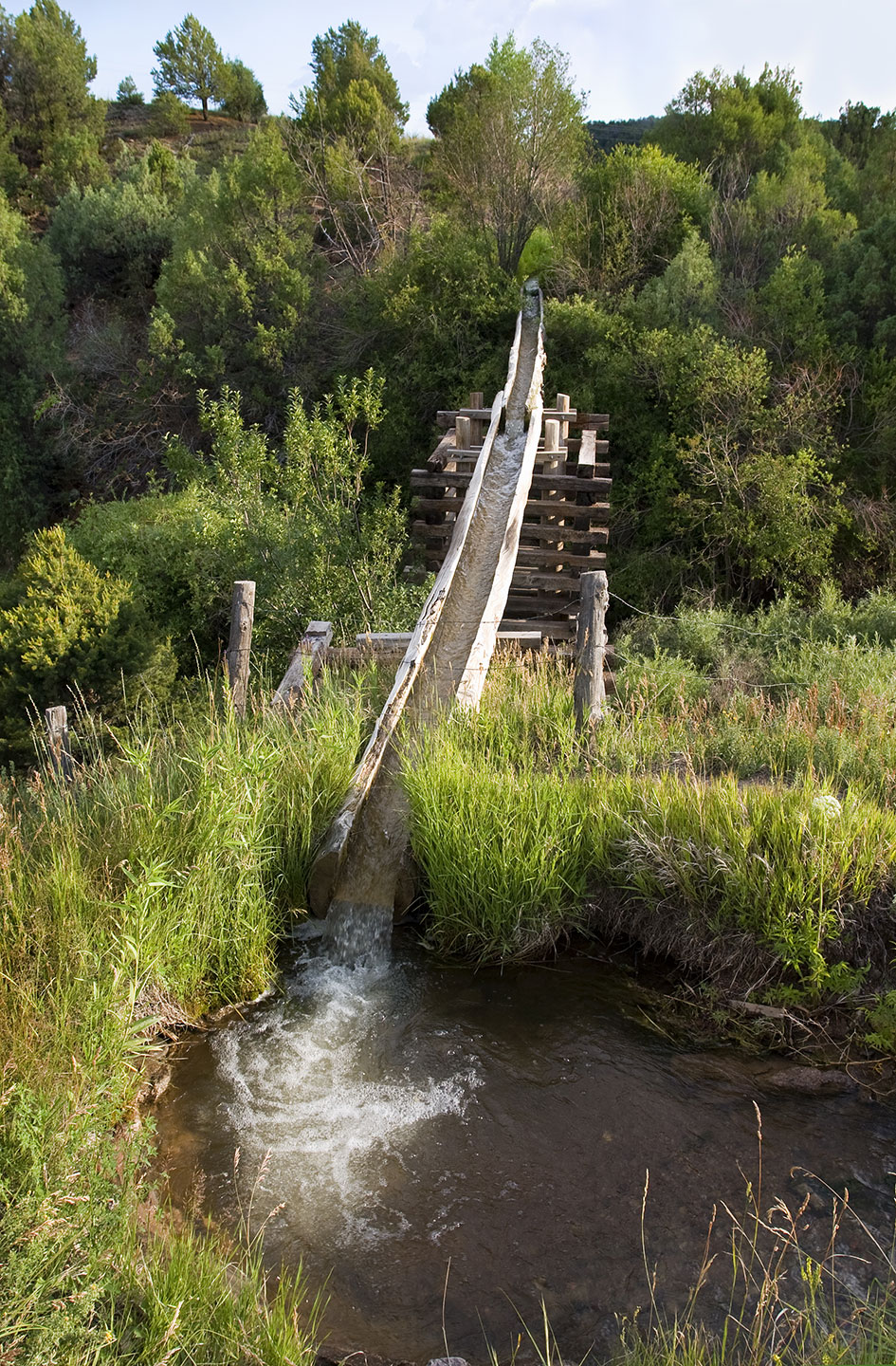
Log flume, in Las Trampas on the High Road to Taos.
•
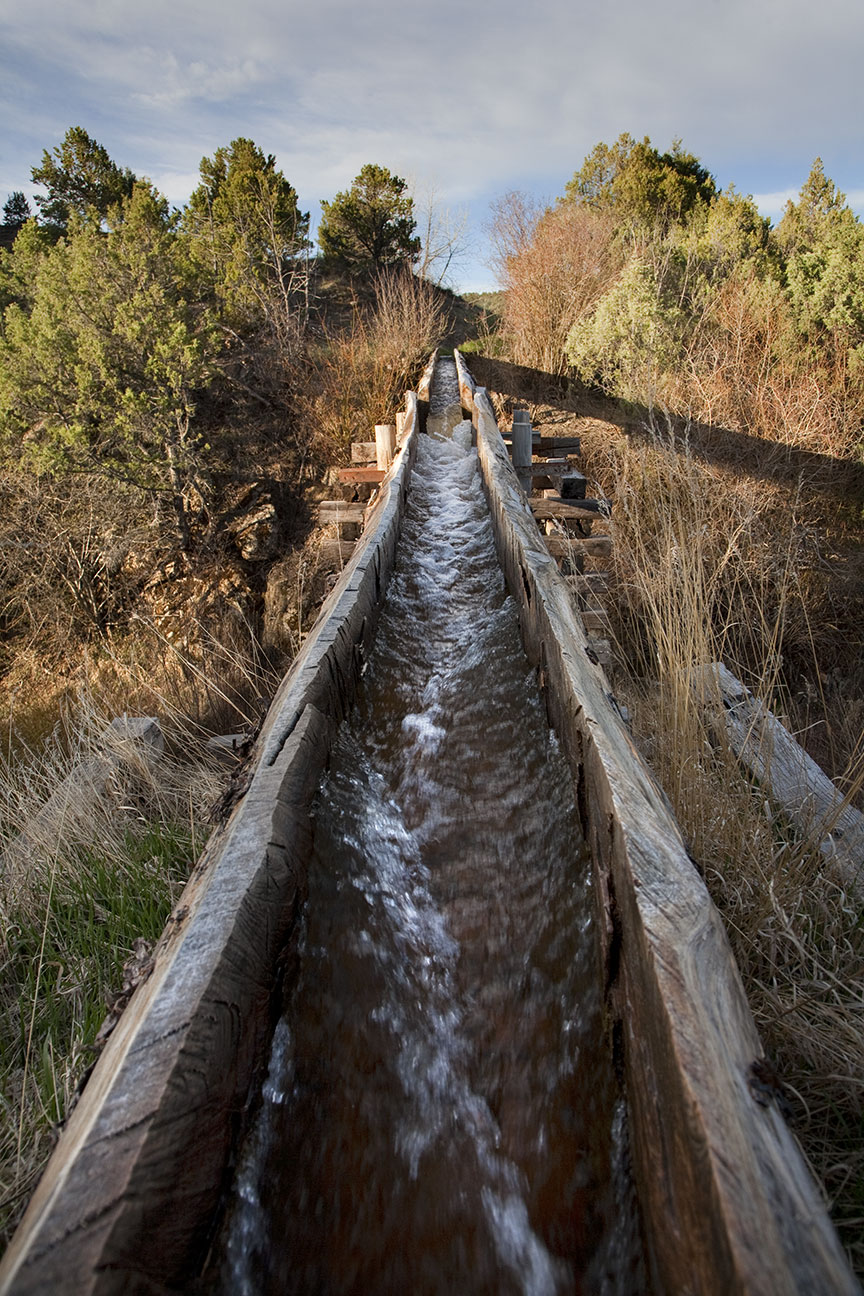
‘A distinctive feature of the acequias is the survival of a “canoa,” a hand-hewn hollow log that serves as a flume to transport water across ditches and depressions.”
Log flume, irrigation in Las Trampas on the High Road to Taos.
•
Acequia culture is deeply rooted in the traditions and history of the communities that maintain them. They are often associated with indigenous and Hispanic cultures in the American Southwest, particularly in New Mexico and Colorado. These systems have been in continuous use for centuries, representing a living link to the past and a testament to the ingenuity of early settlers and indigenous peoples.
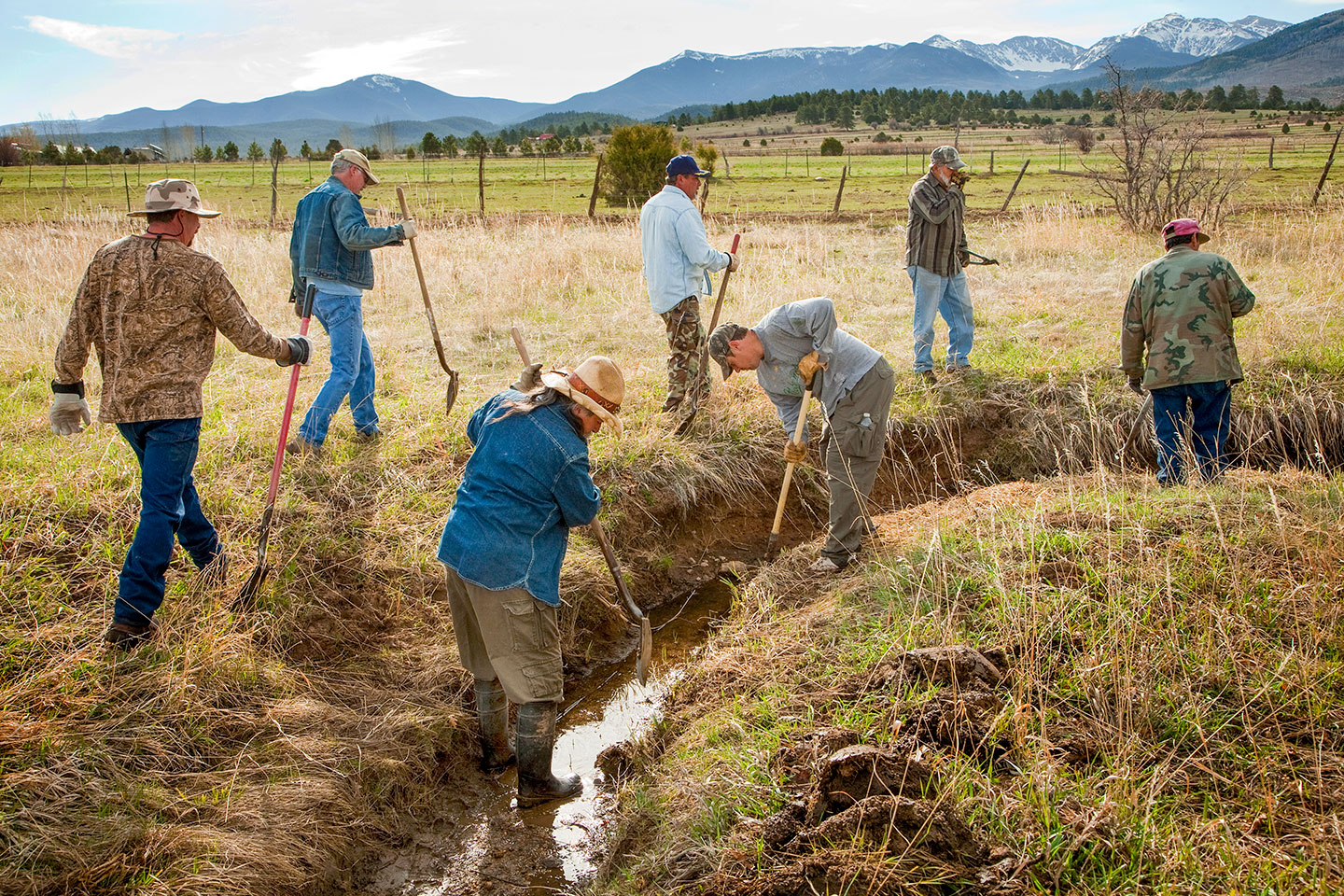
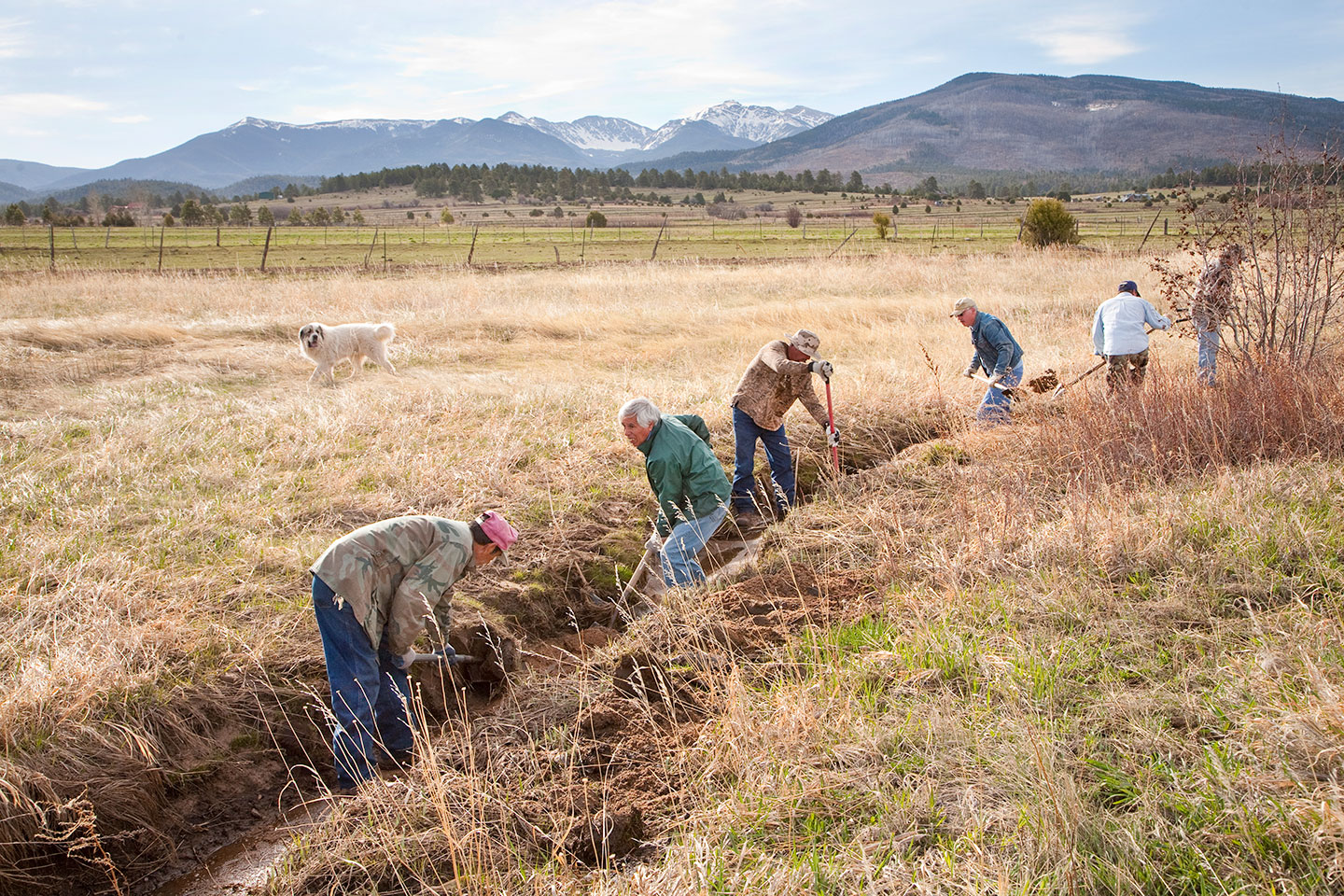
Parciantes (members) spring cleaning near Truchas, NM.
•
Acequias are often governed by specific water rights and legal frameworks that have been developed over time. These rights are crucial for resolving disputes and ensuring equitable water distribution. The social structure surrounding acequias fosters a strong sense of community and mutual aid, as water is a shared and vital resource.
Parciantes clearing the ditches near Truchas, NM.
•
Today, acequia communities face challenges such as urbanization, climate change, and water scarcity. Efforts are being made to preserve these systems through legal protections, cultural initiatives, and sustainable practices. Organizations and local governments work to maintain the integrity of acequias, recognizing their importance for cultural heritage, agriculture, and environmental sustainability.
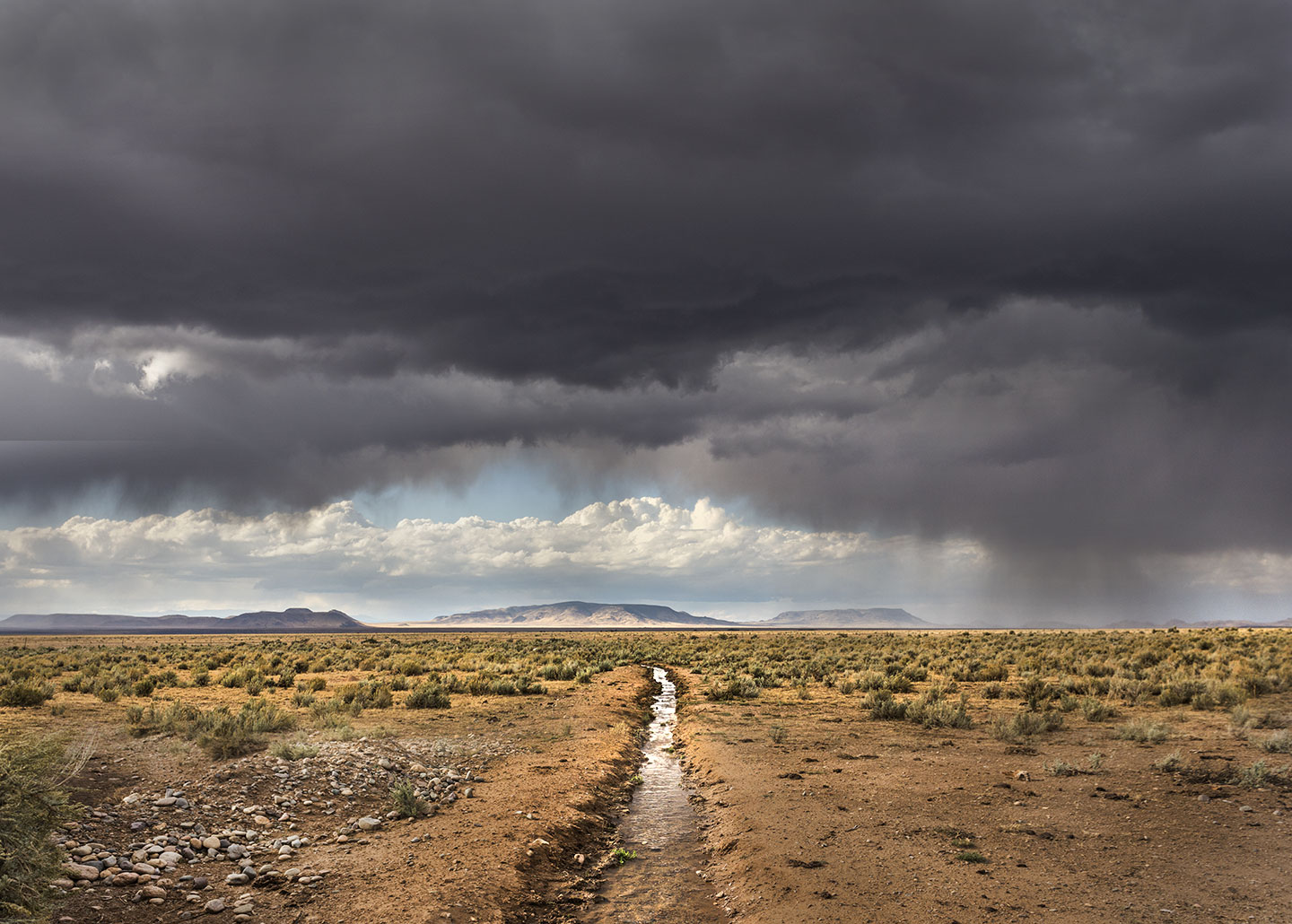
Irrigation ditch on the plateau near Ute Mountain.
In summary, acequia culture is a unique blend of historical irrigation practices, community cooperation, and cultural heritage. It continues to play a vital role in the agricultural and social life of many communities in the American Southwest, embodying principles of sustainability and shared stewardship of natural resources.
As always, thanks for looking. Have a great week. Enjoy the spring weather. G
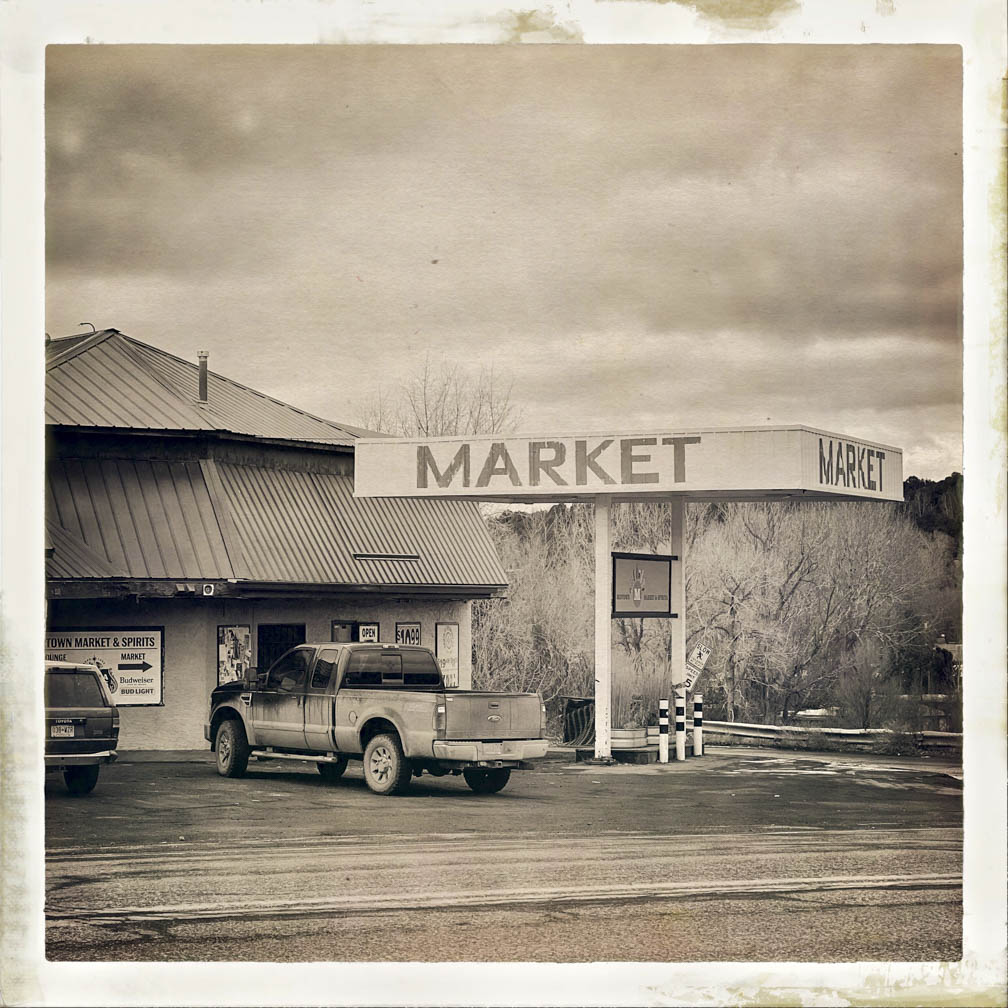
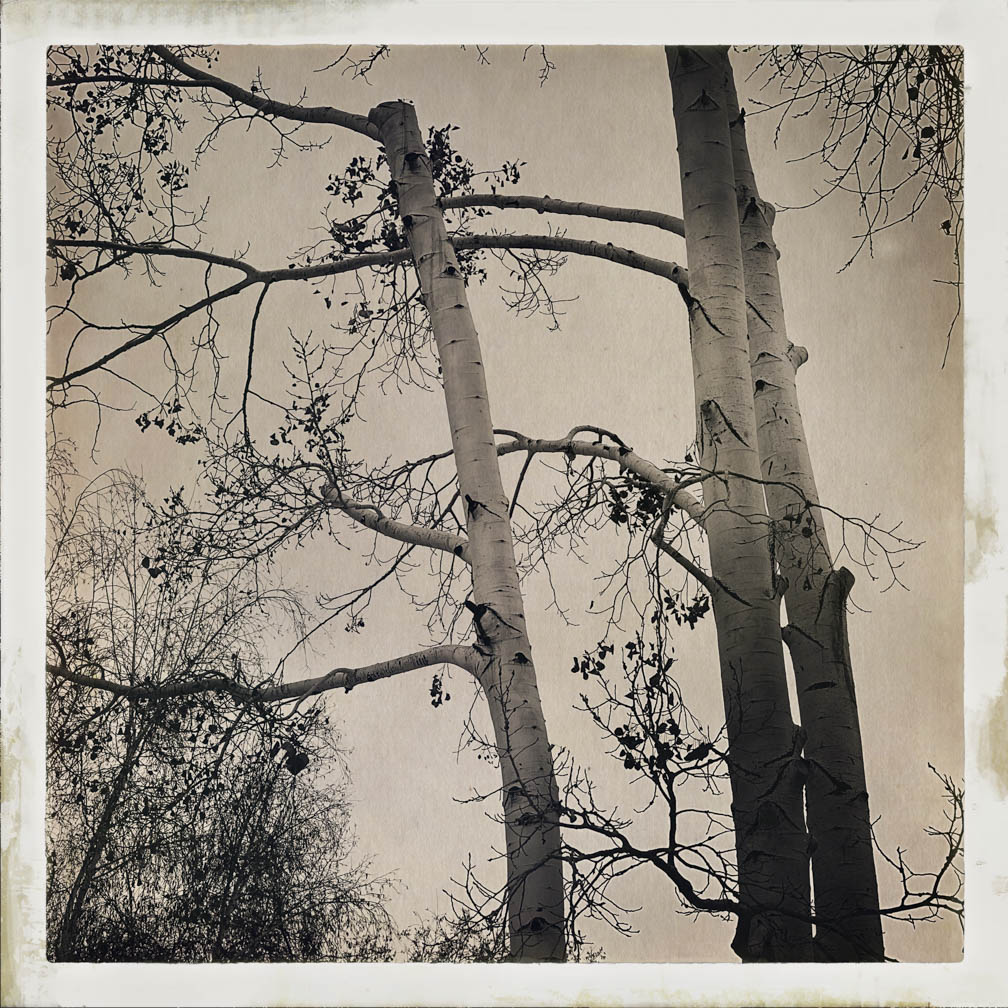
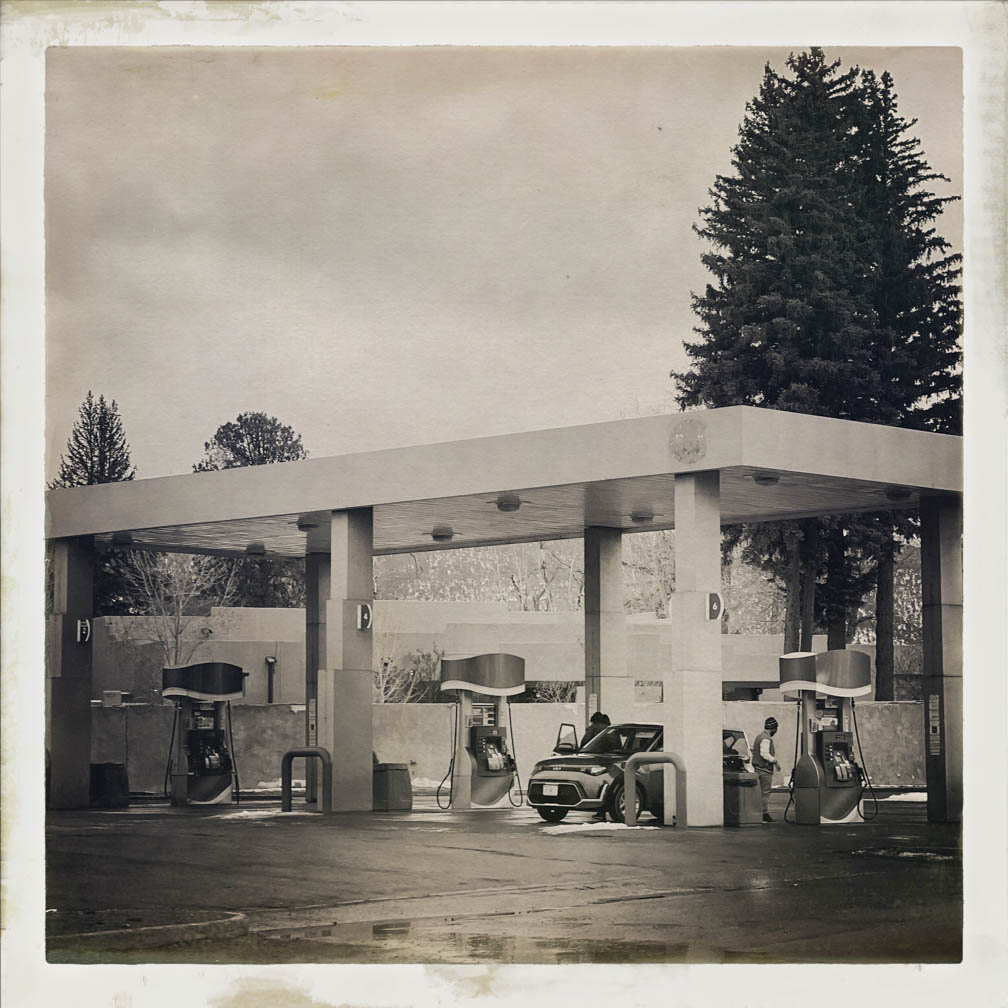
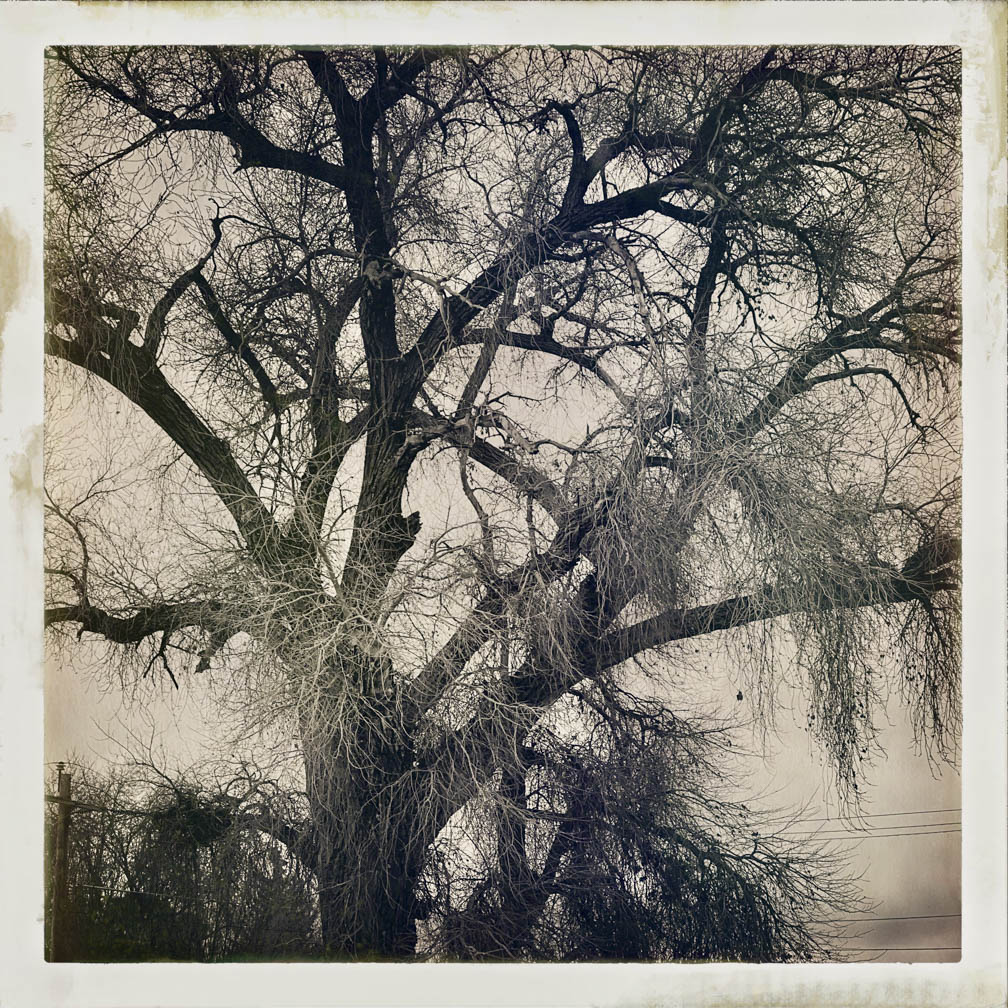
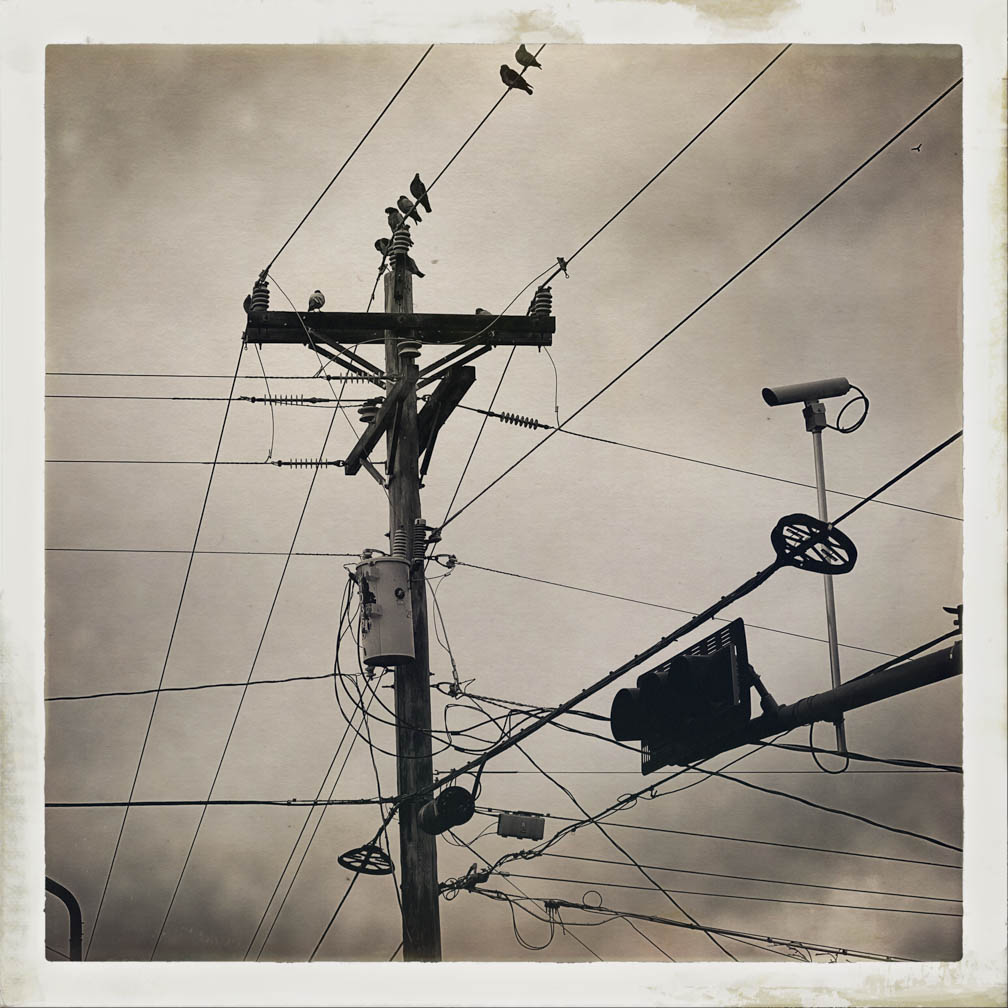
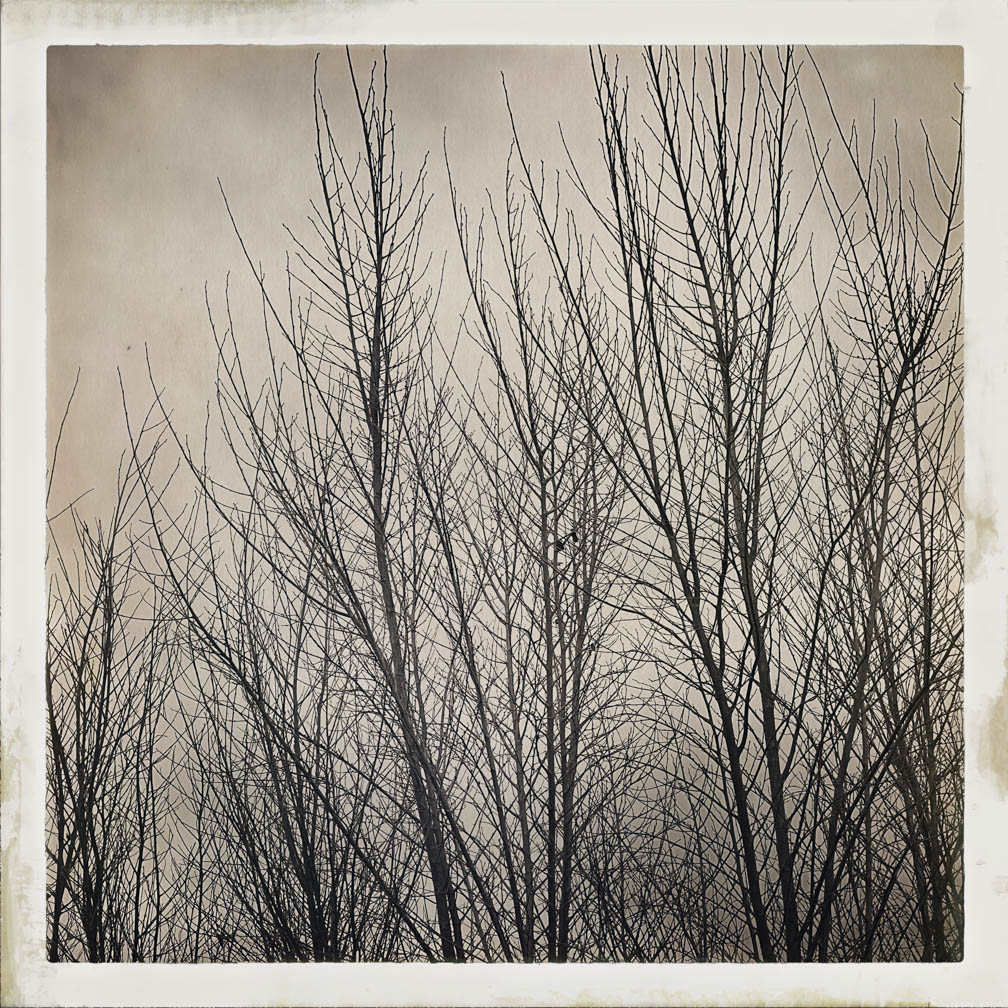
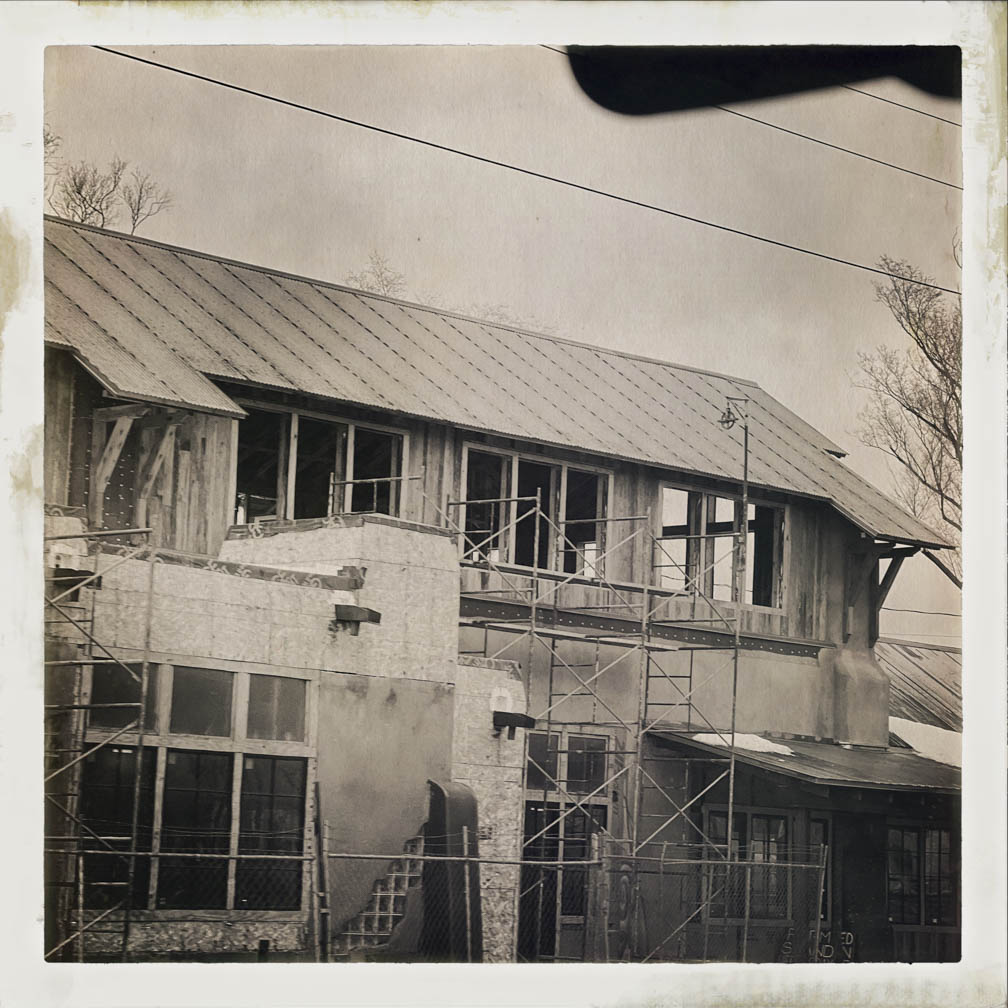
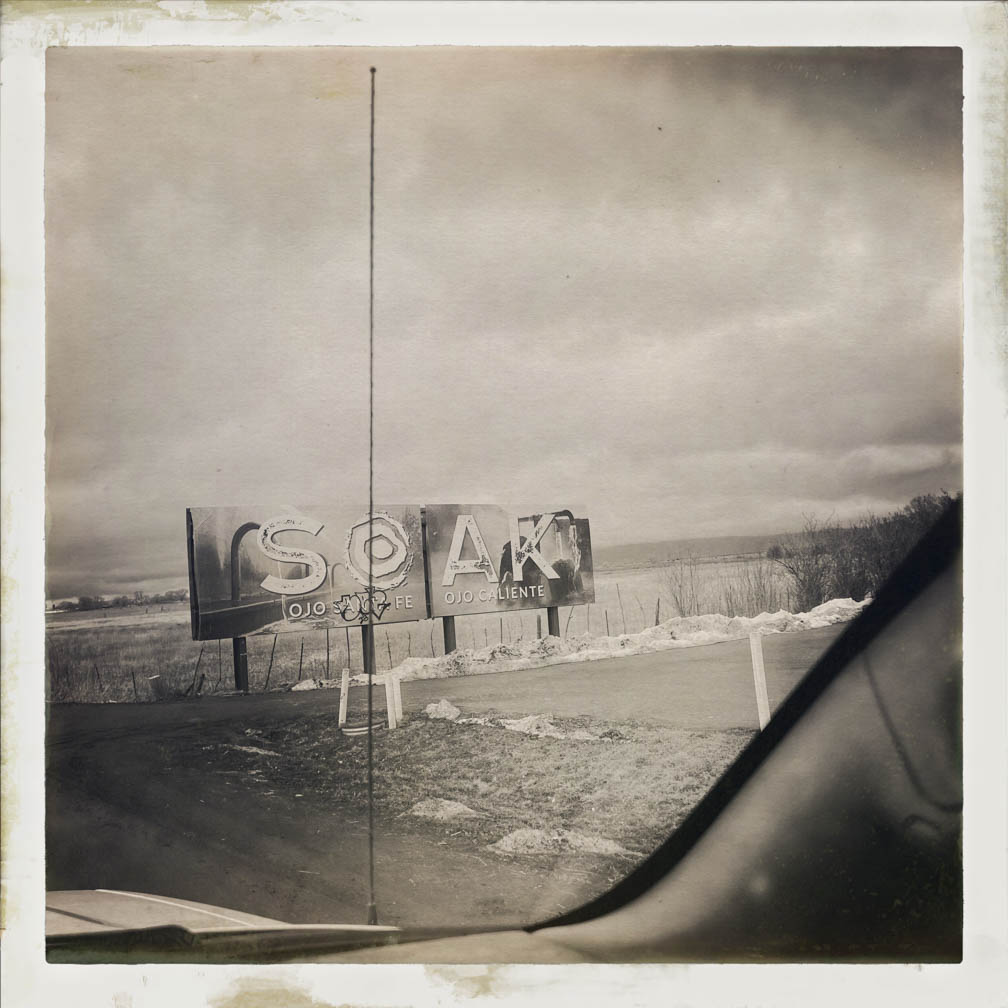
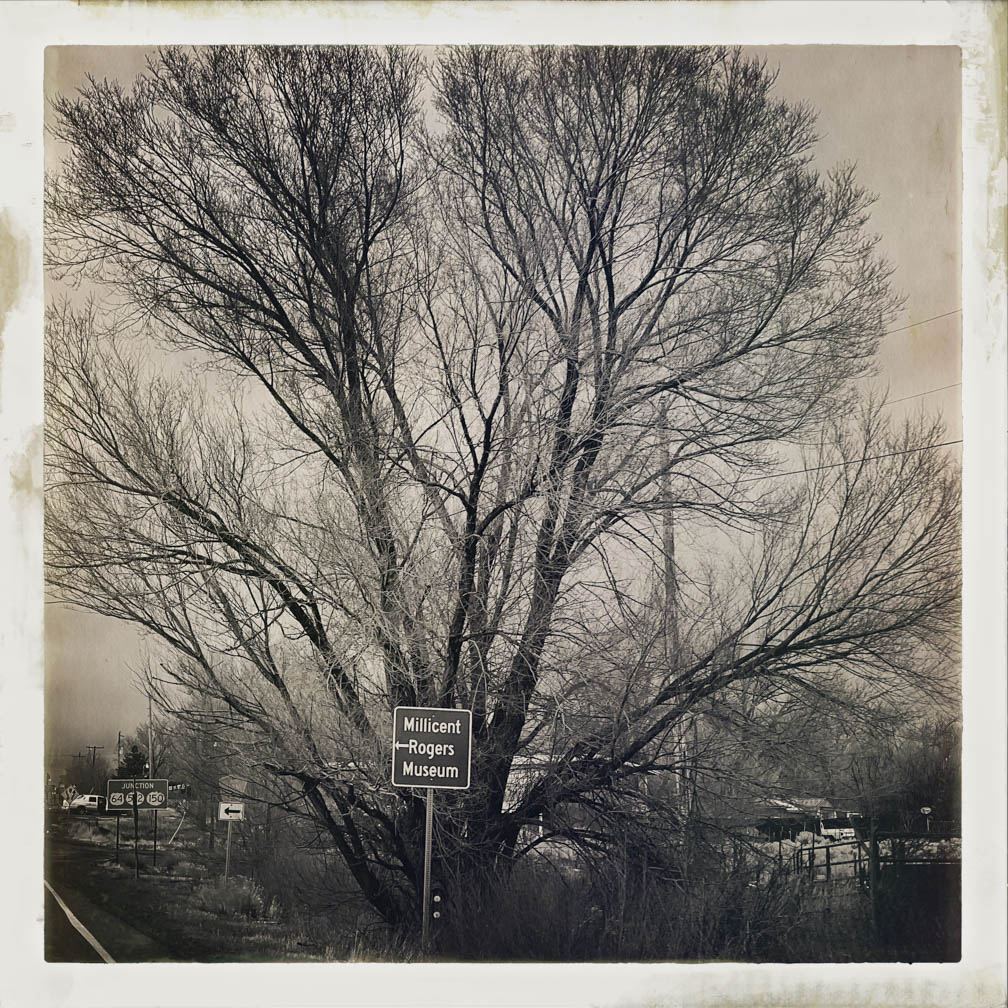
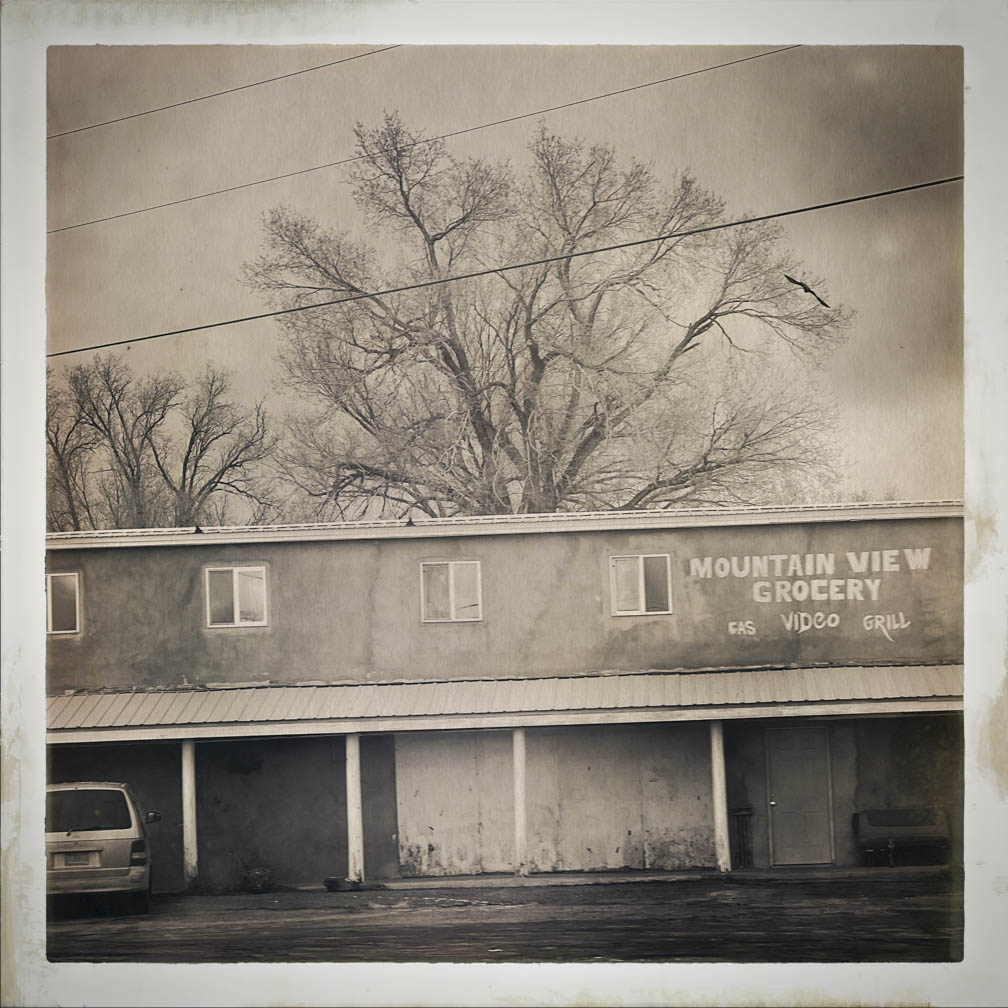
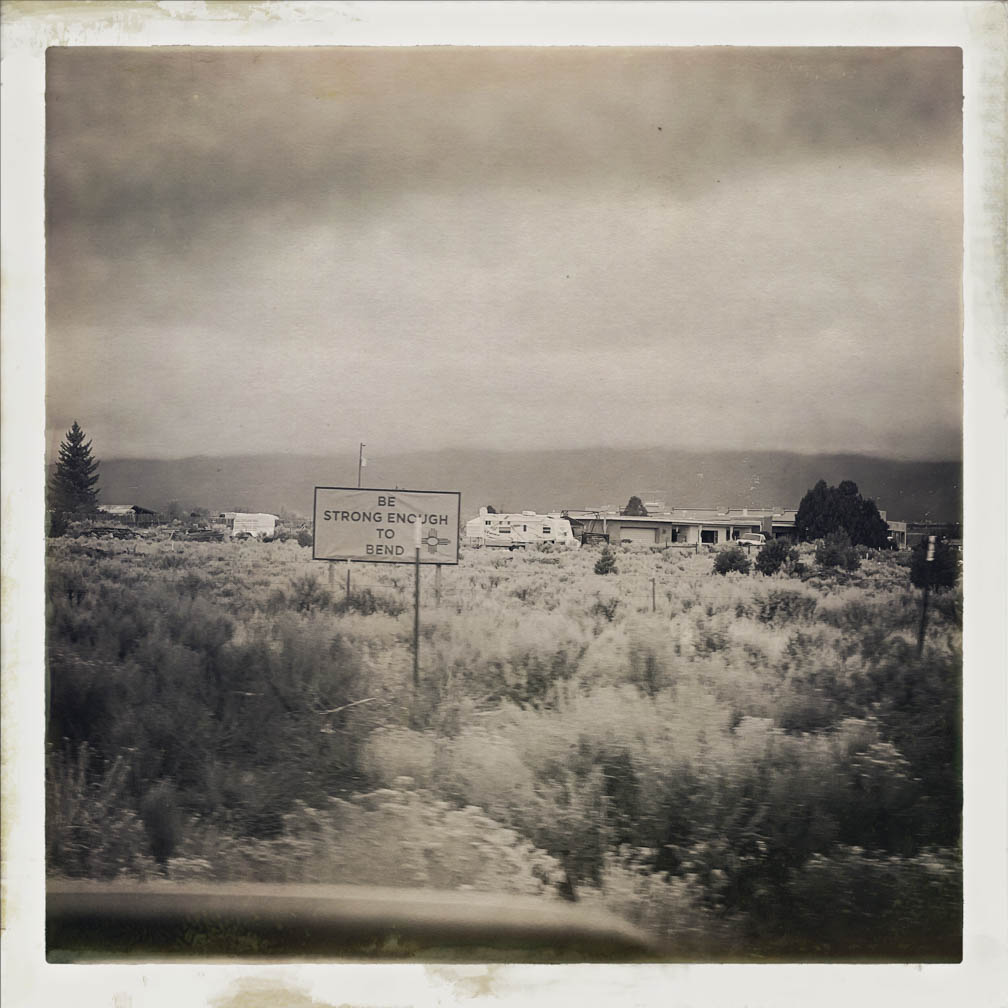
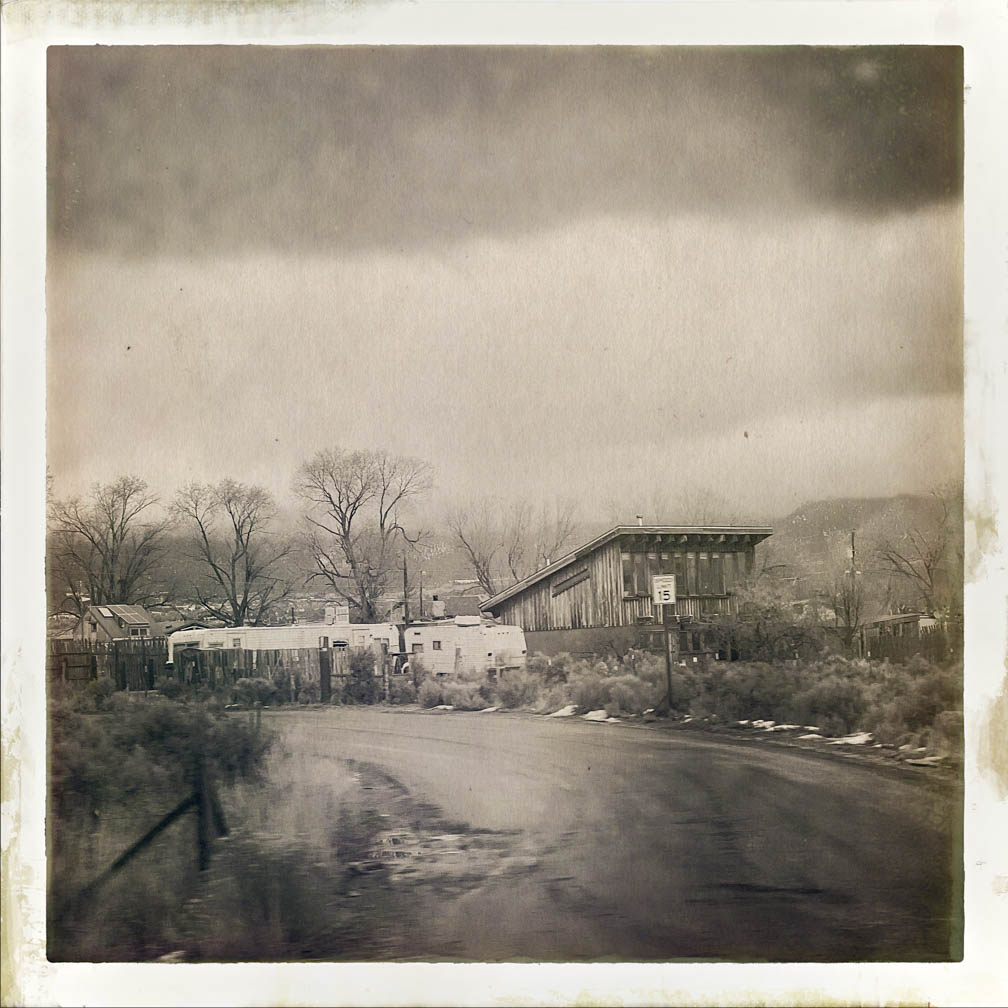
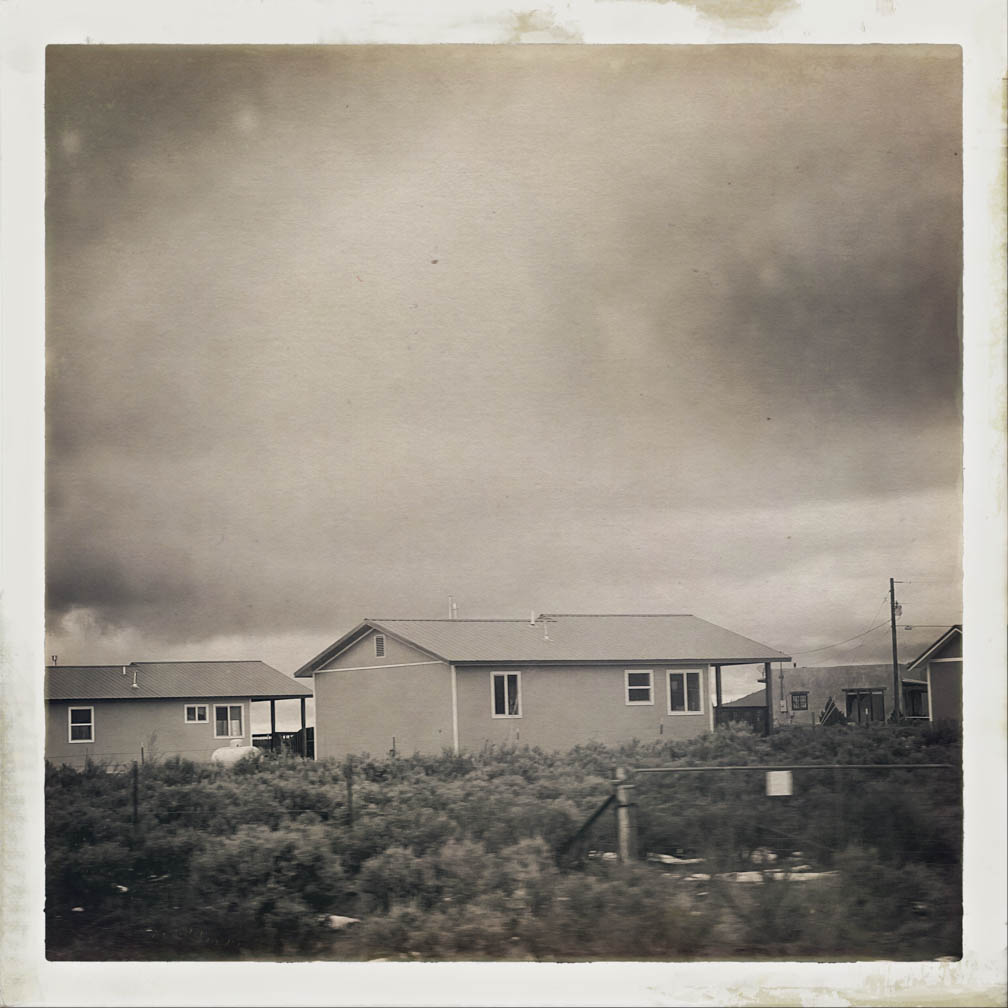
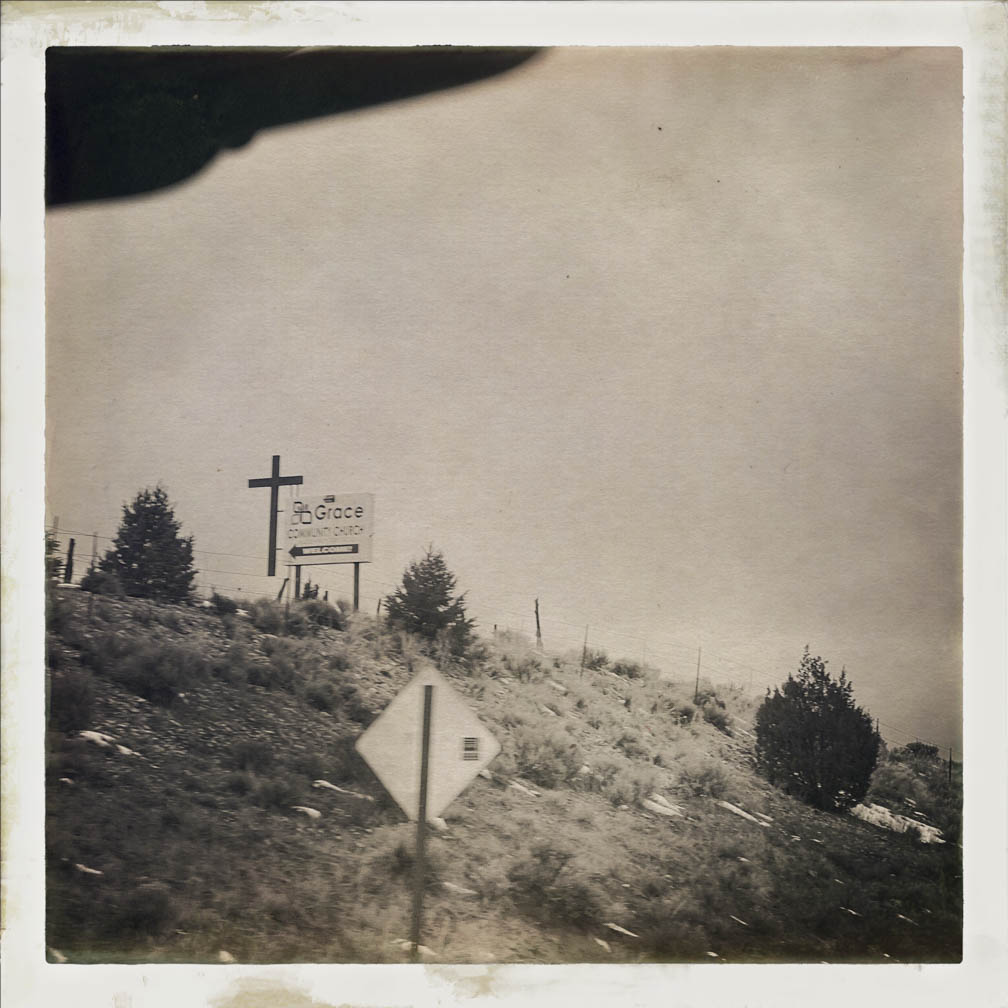
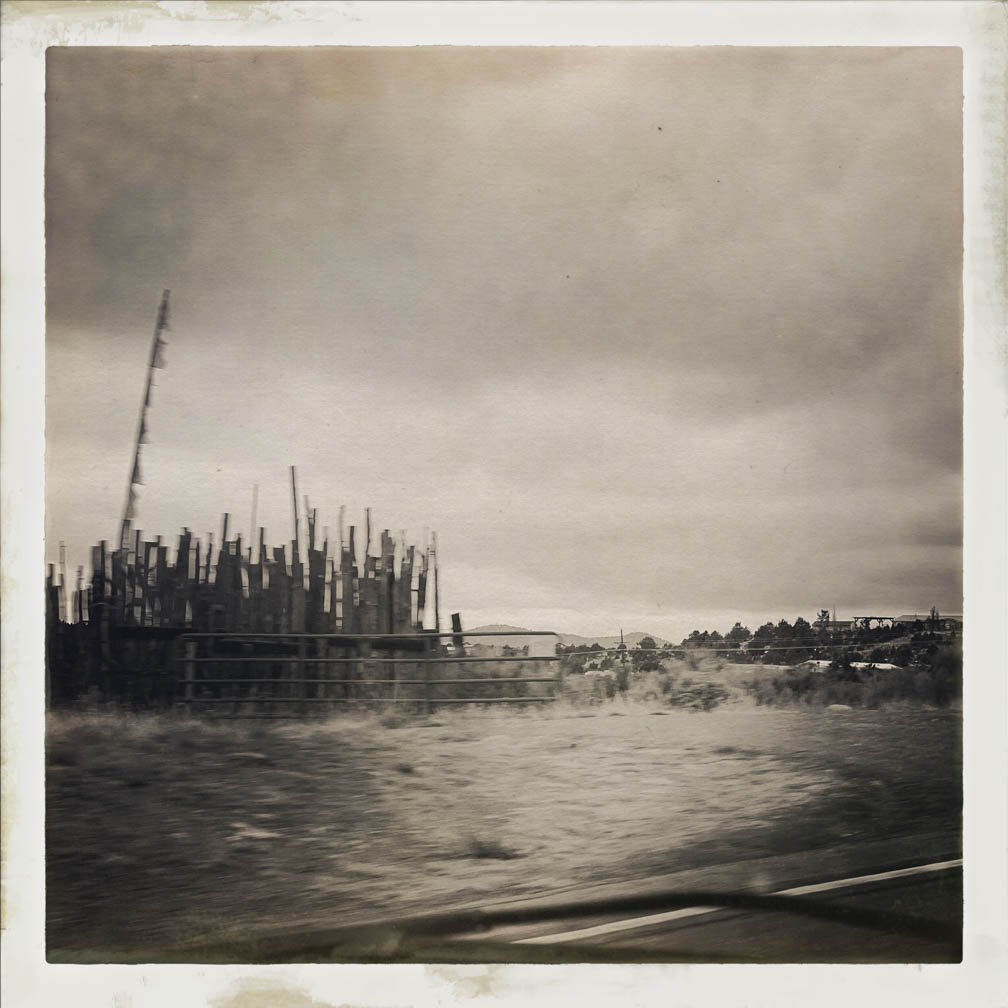
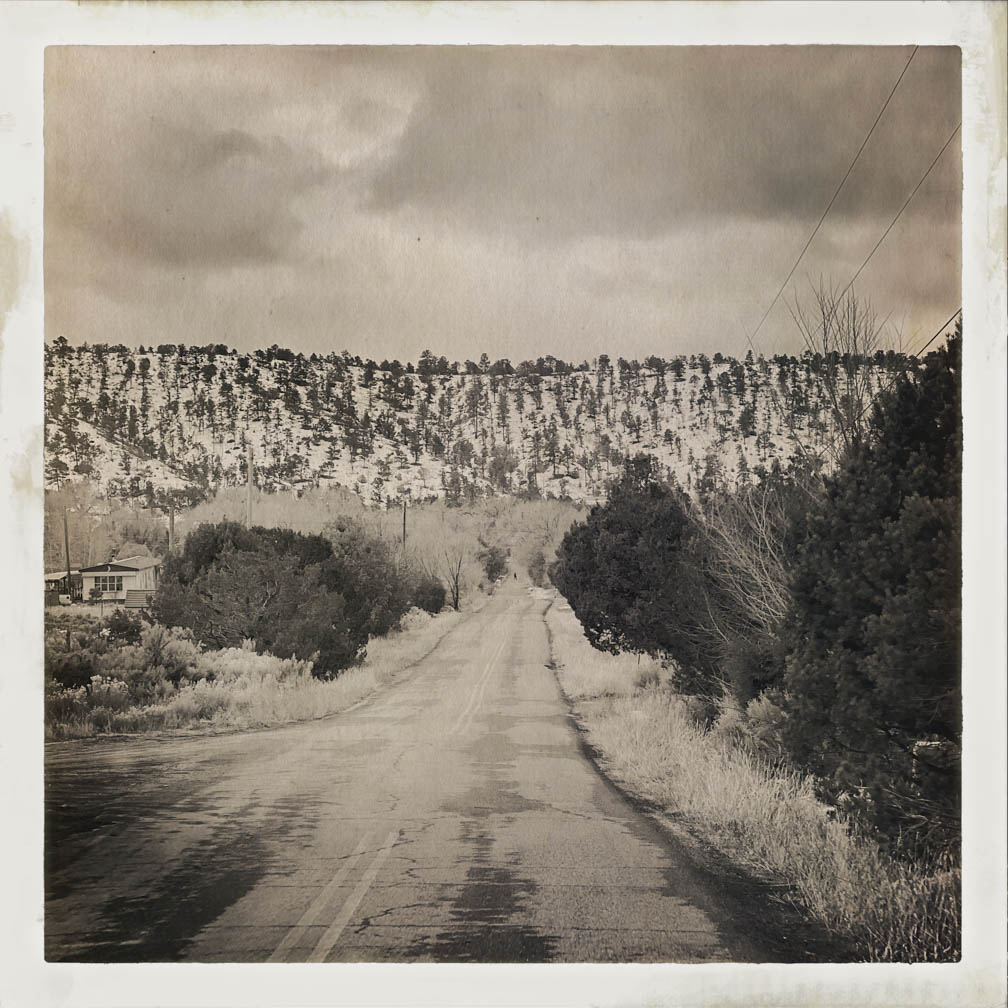
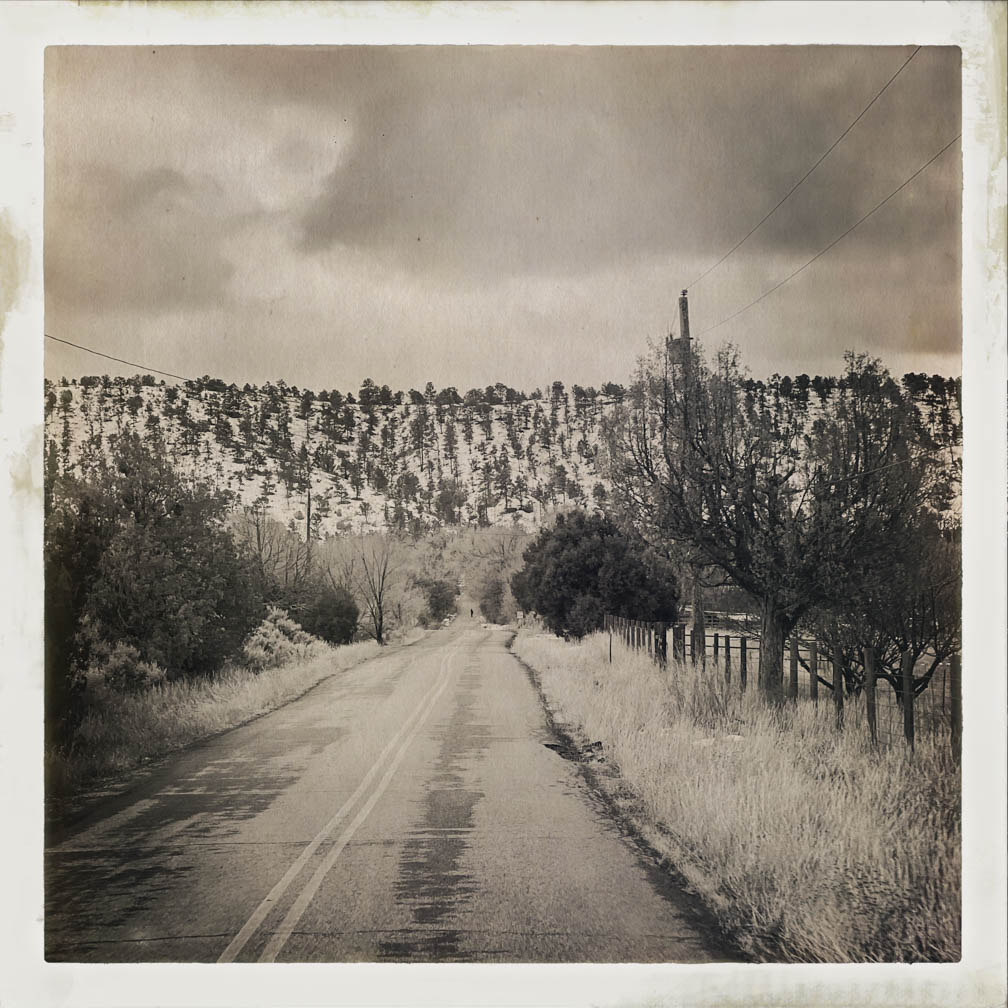
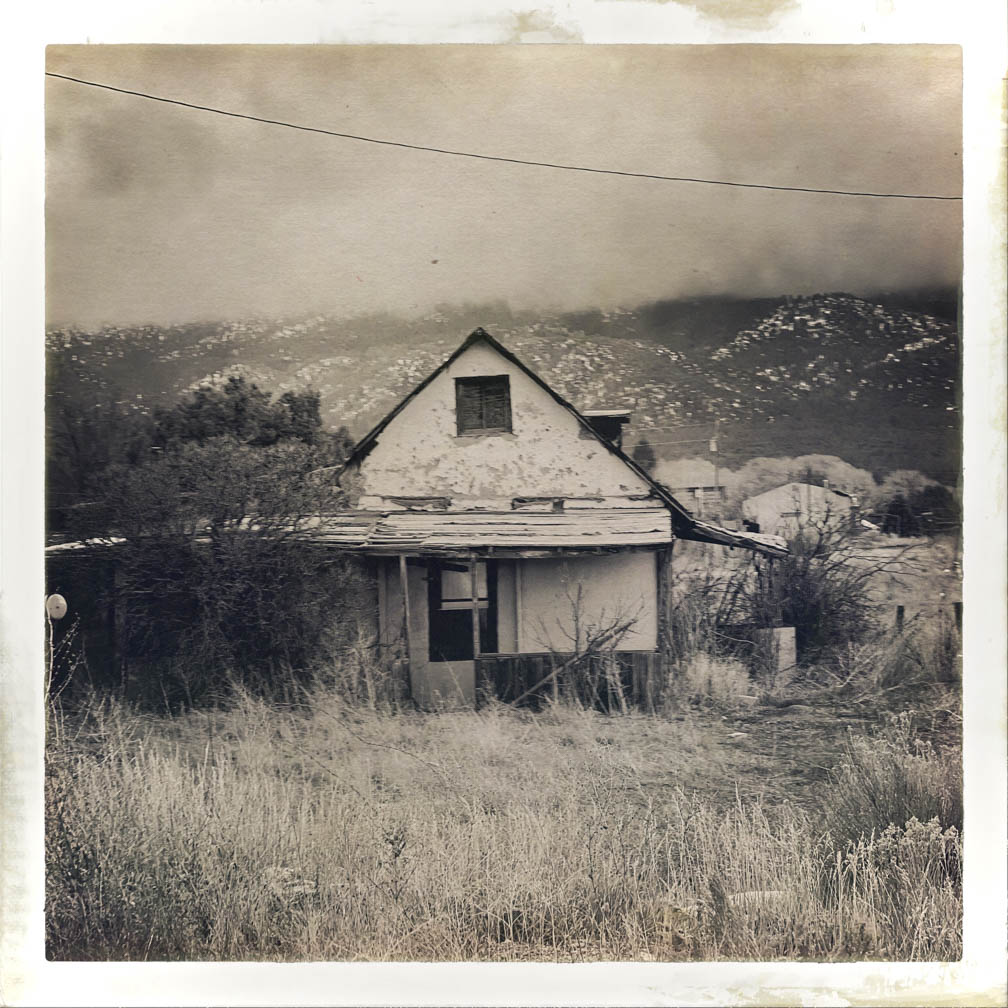
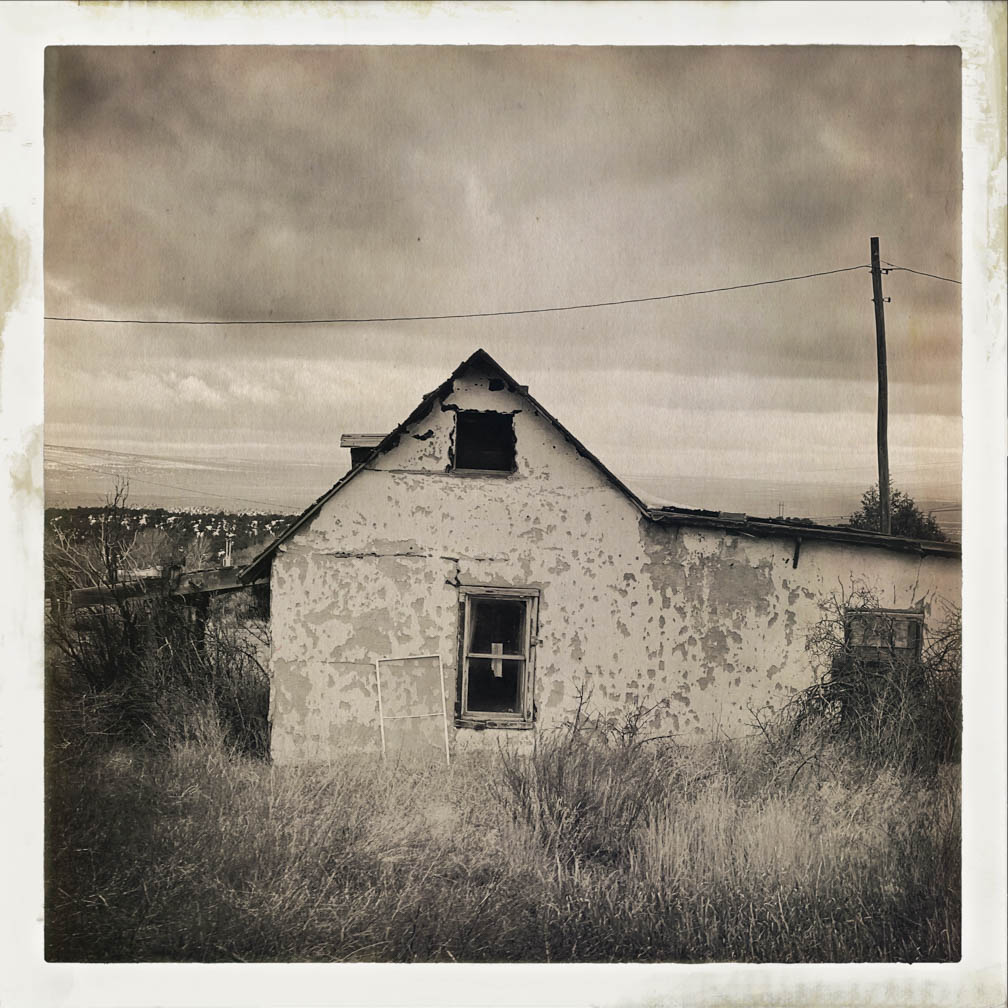
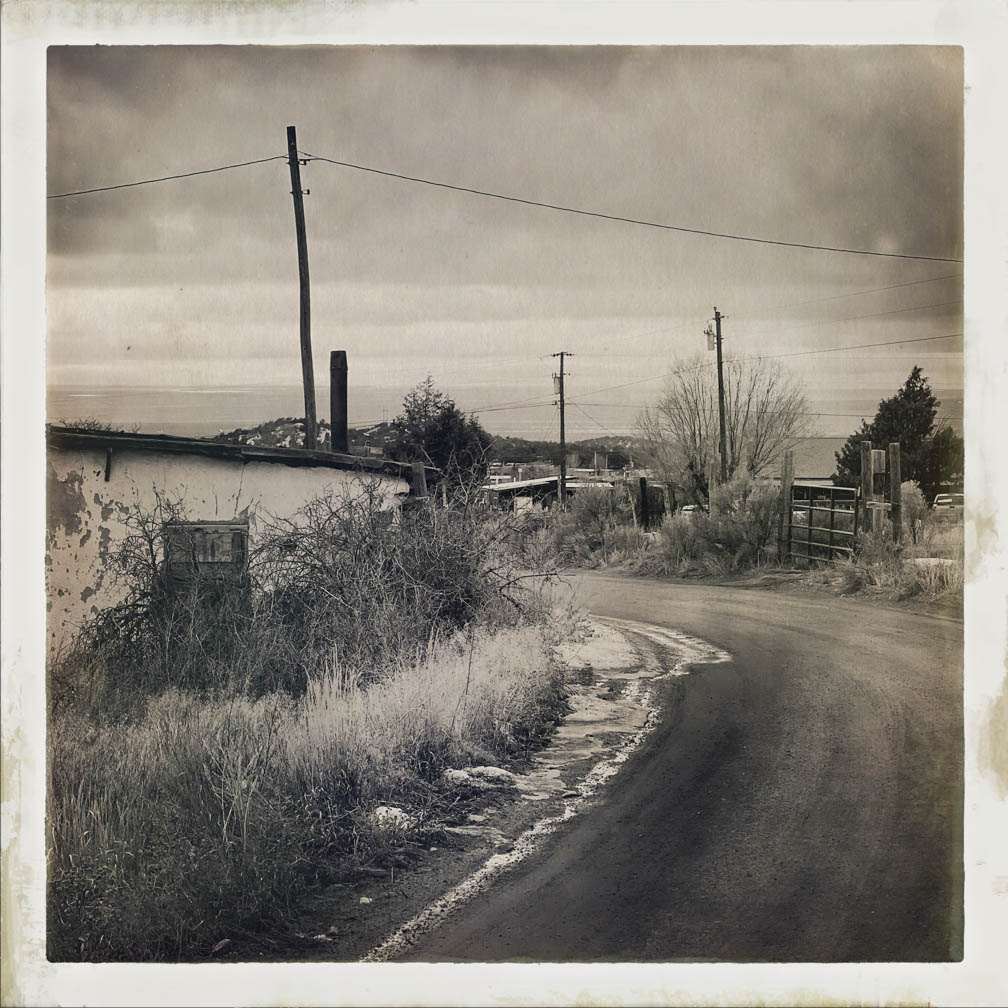
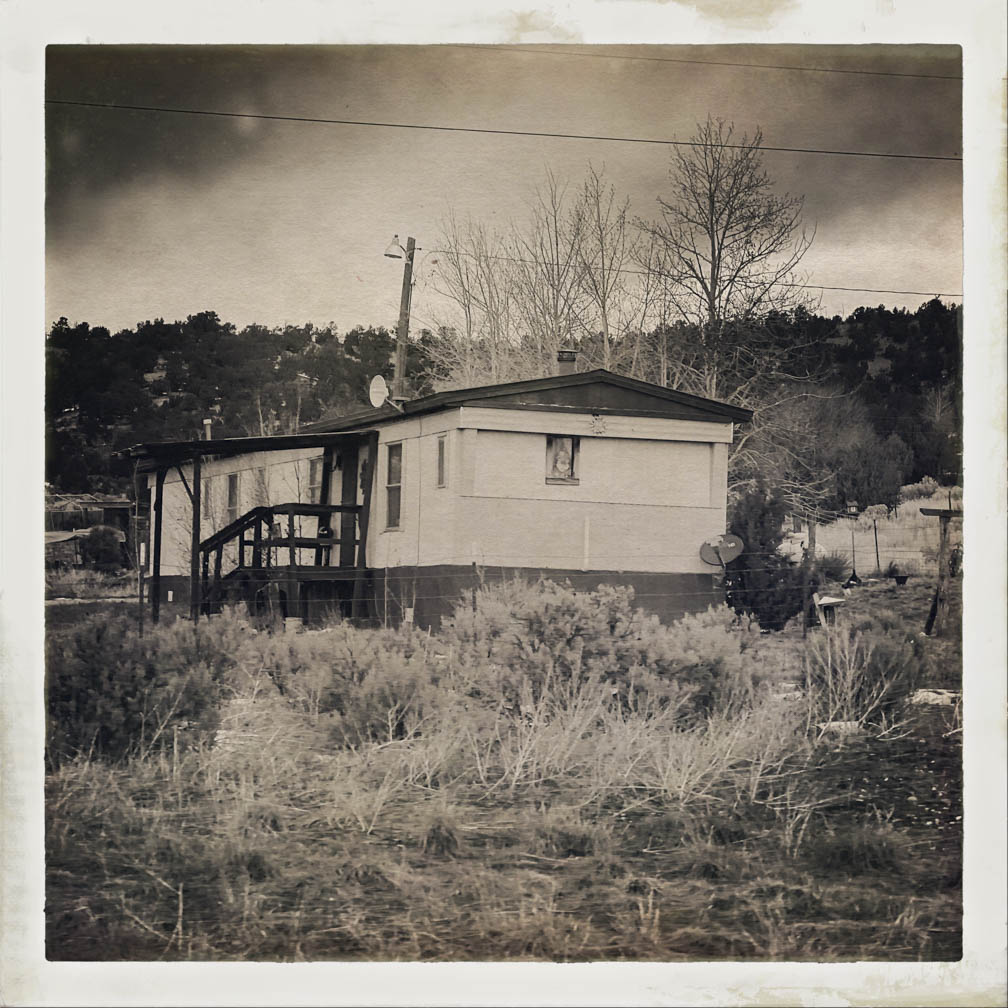
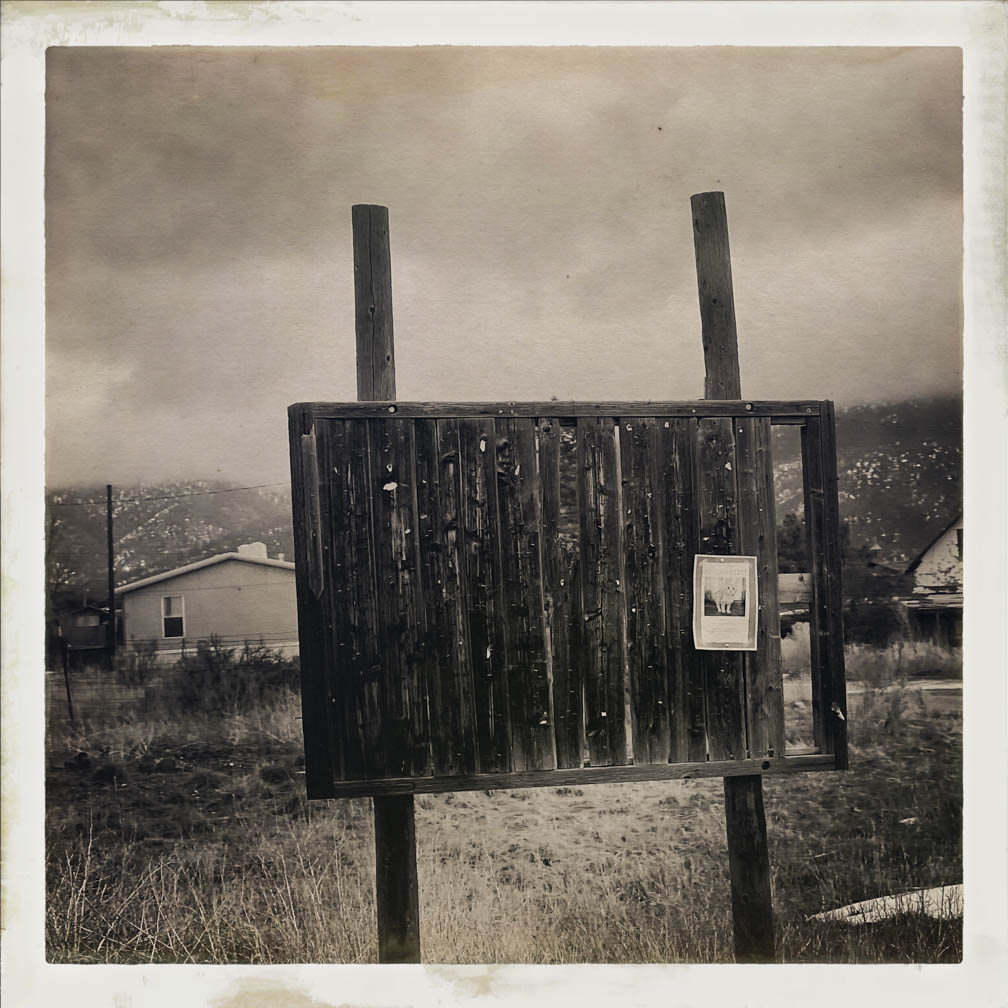
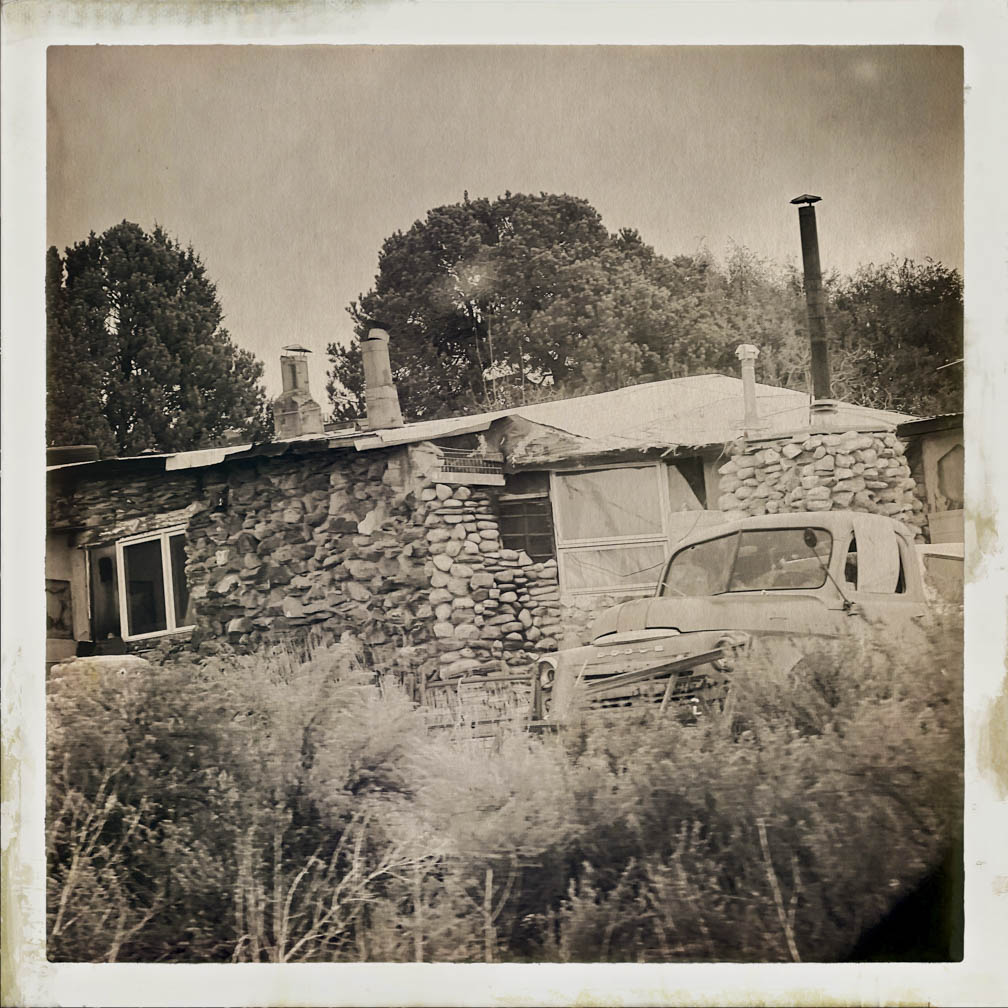
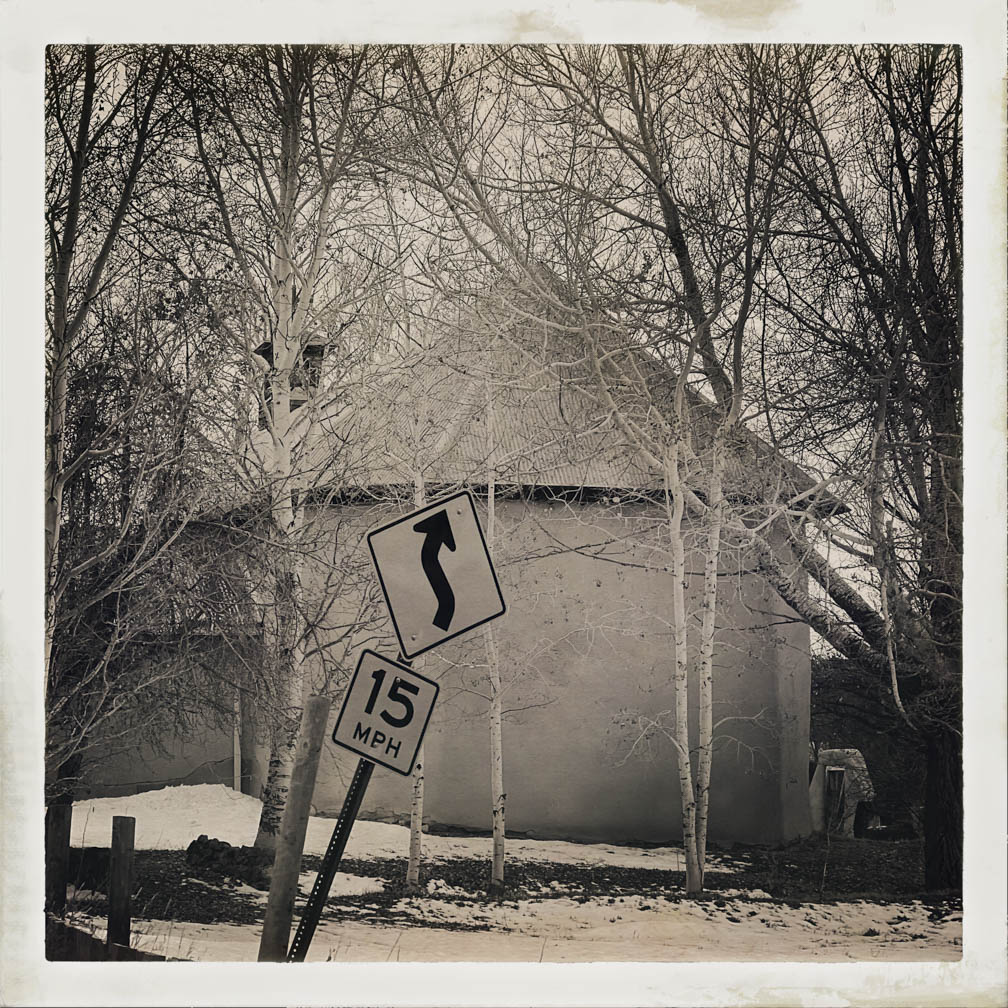
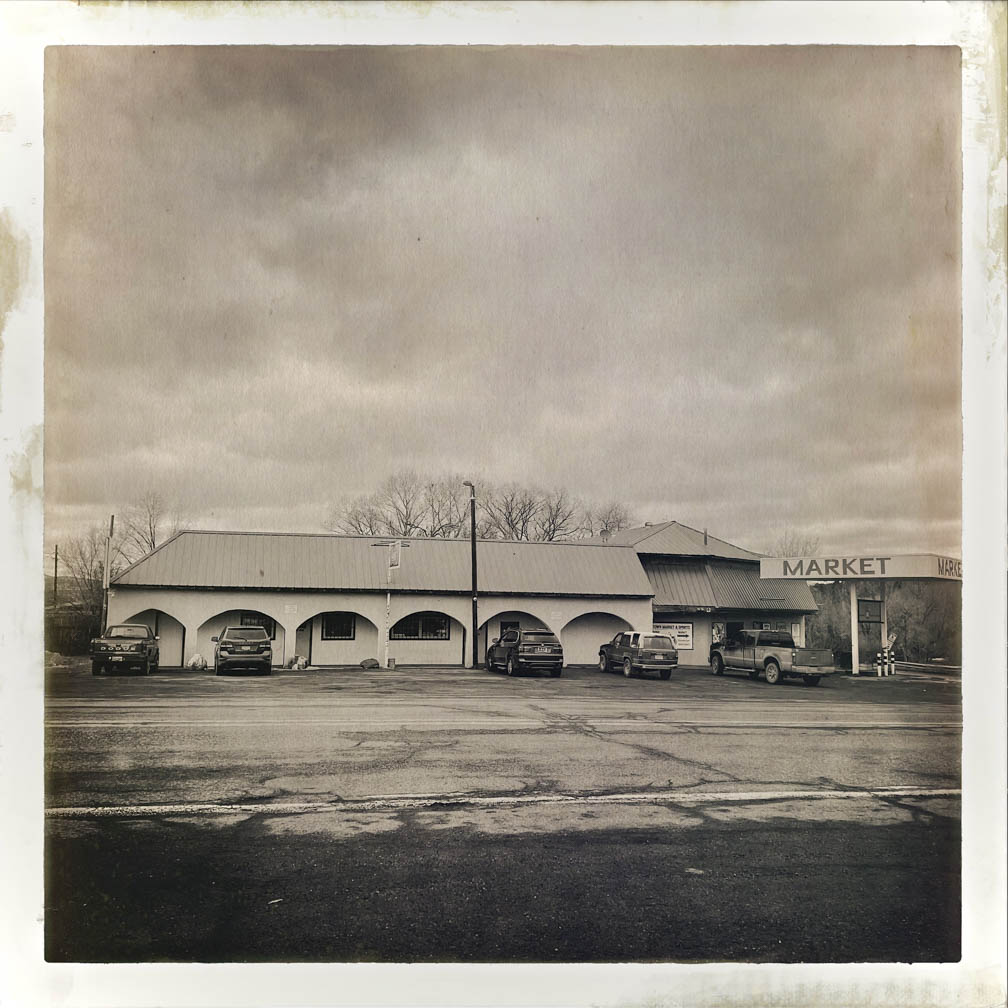
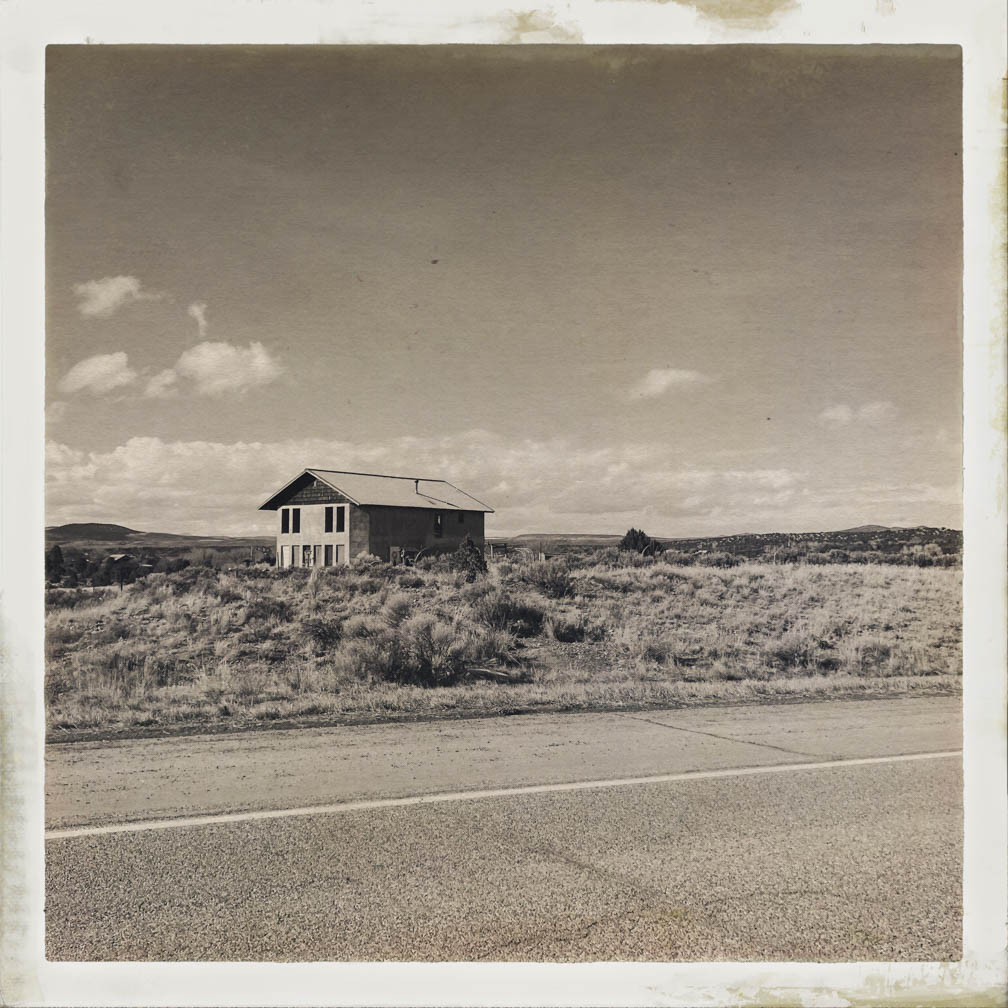
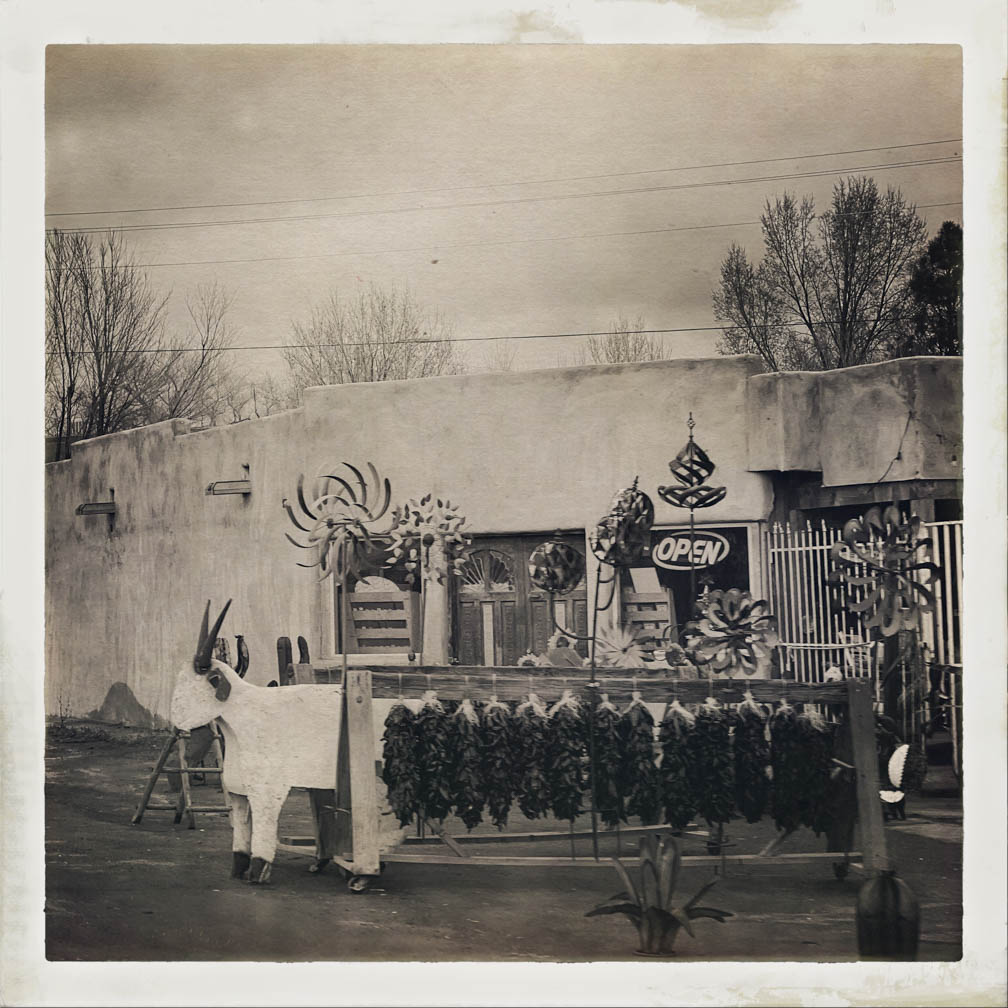
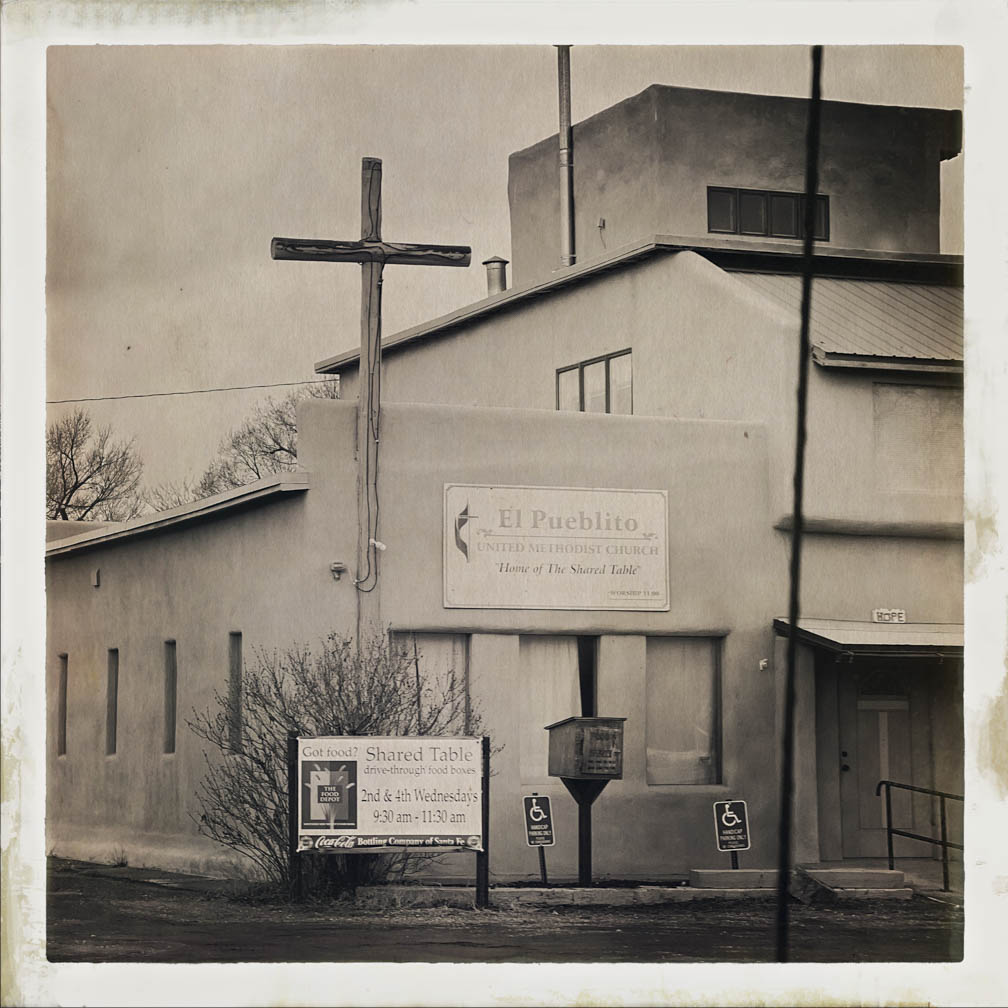
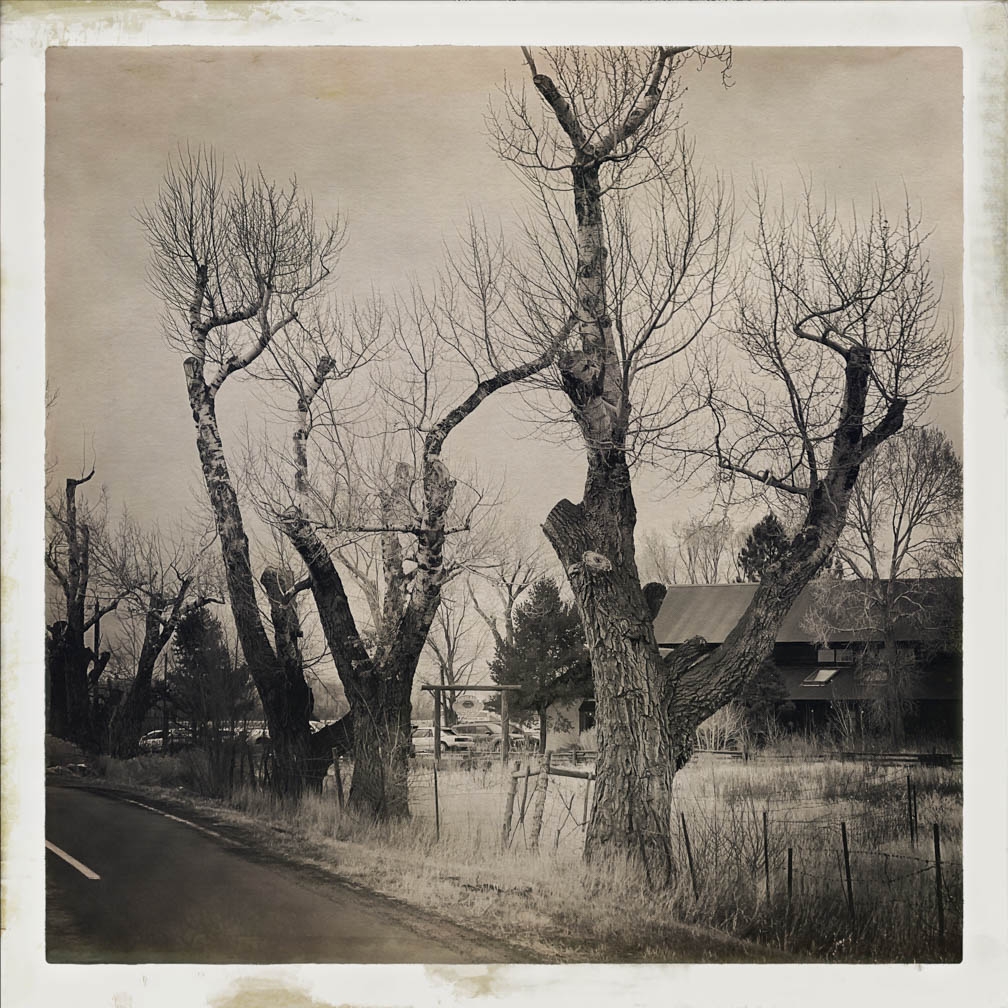
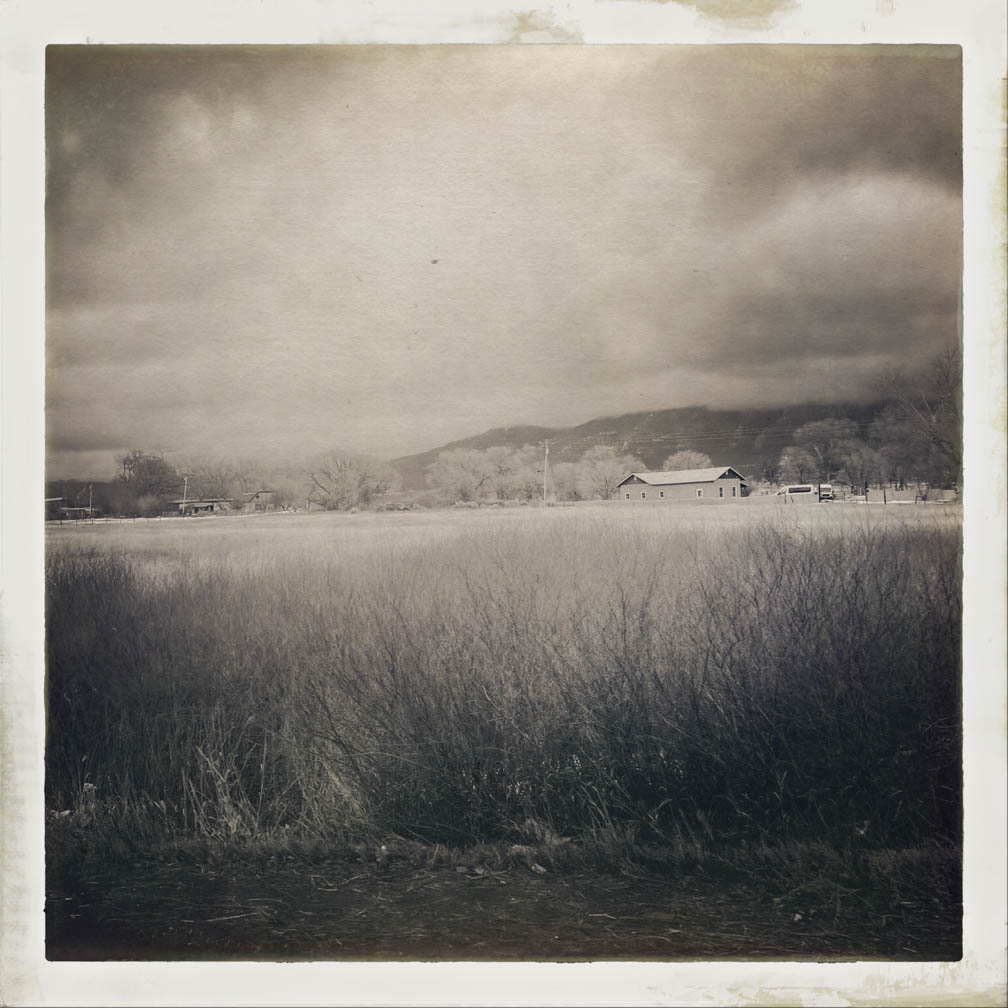
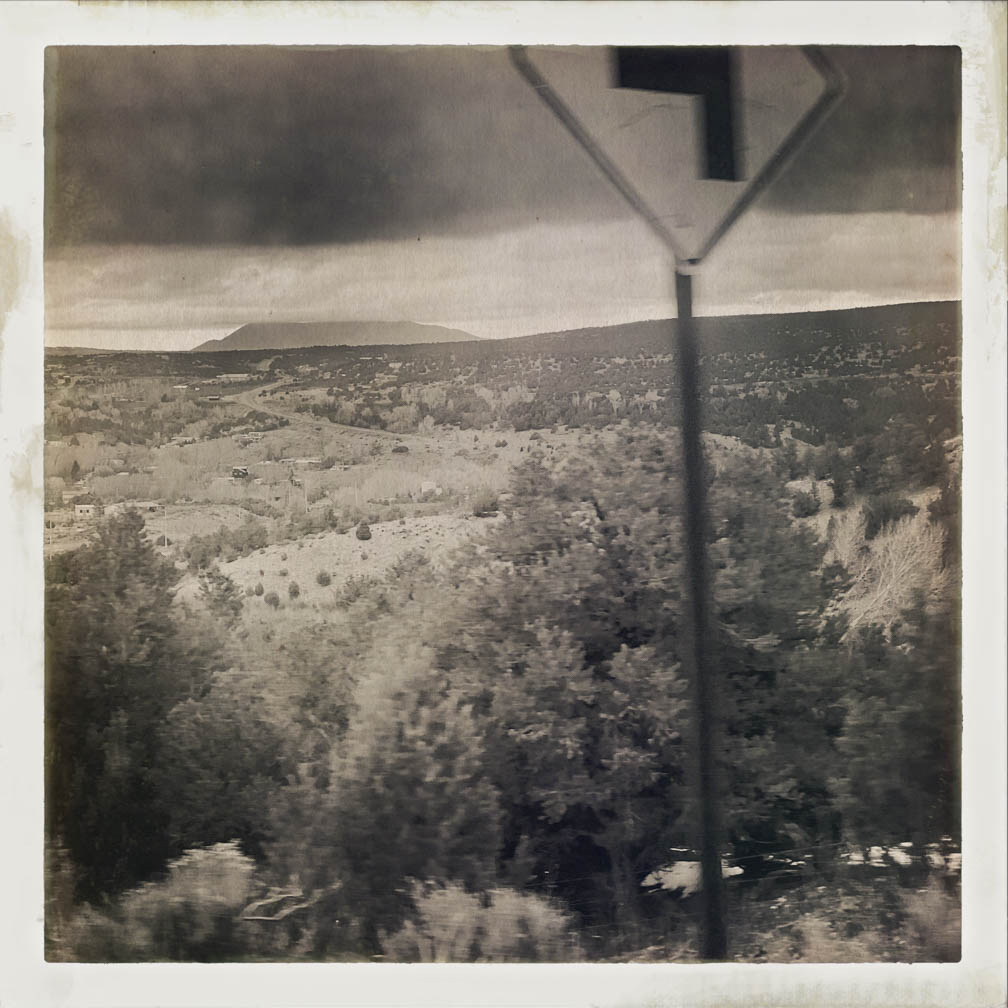
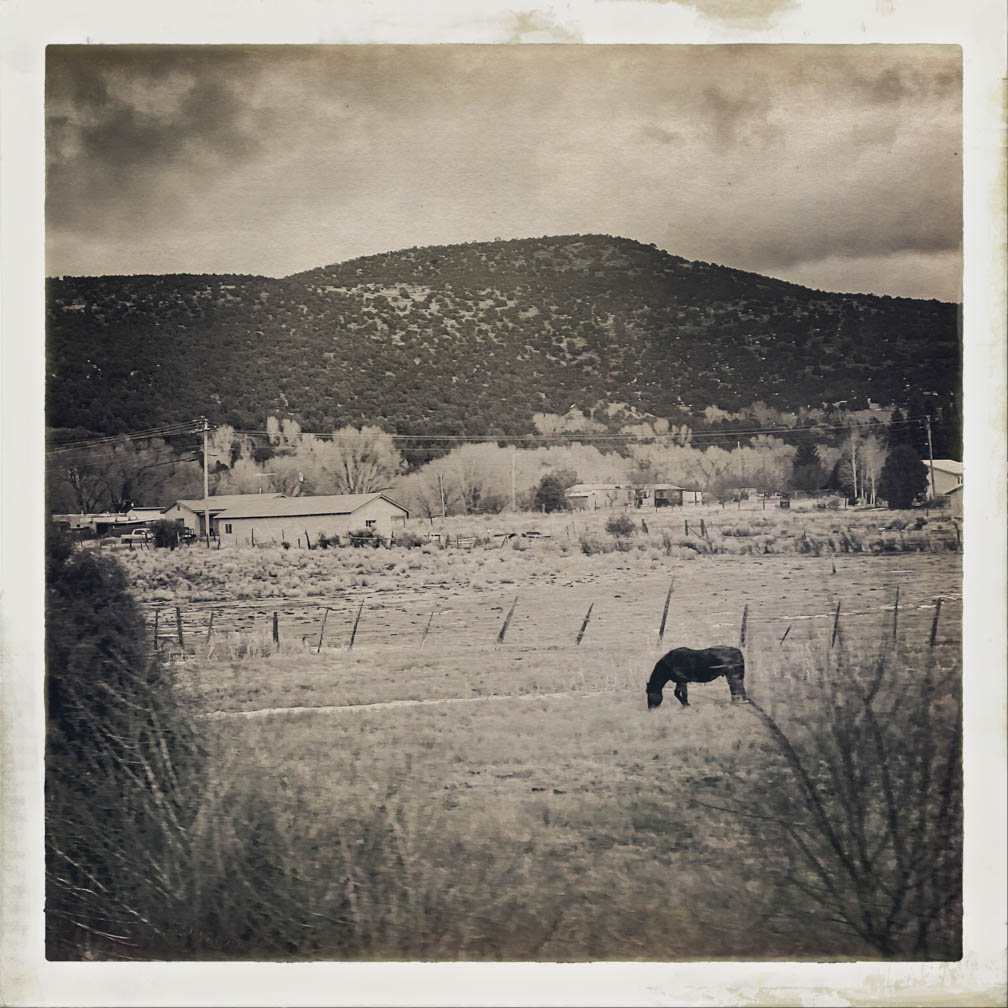
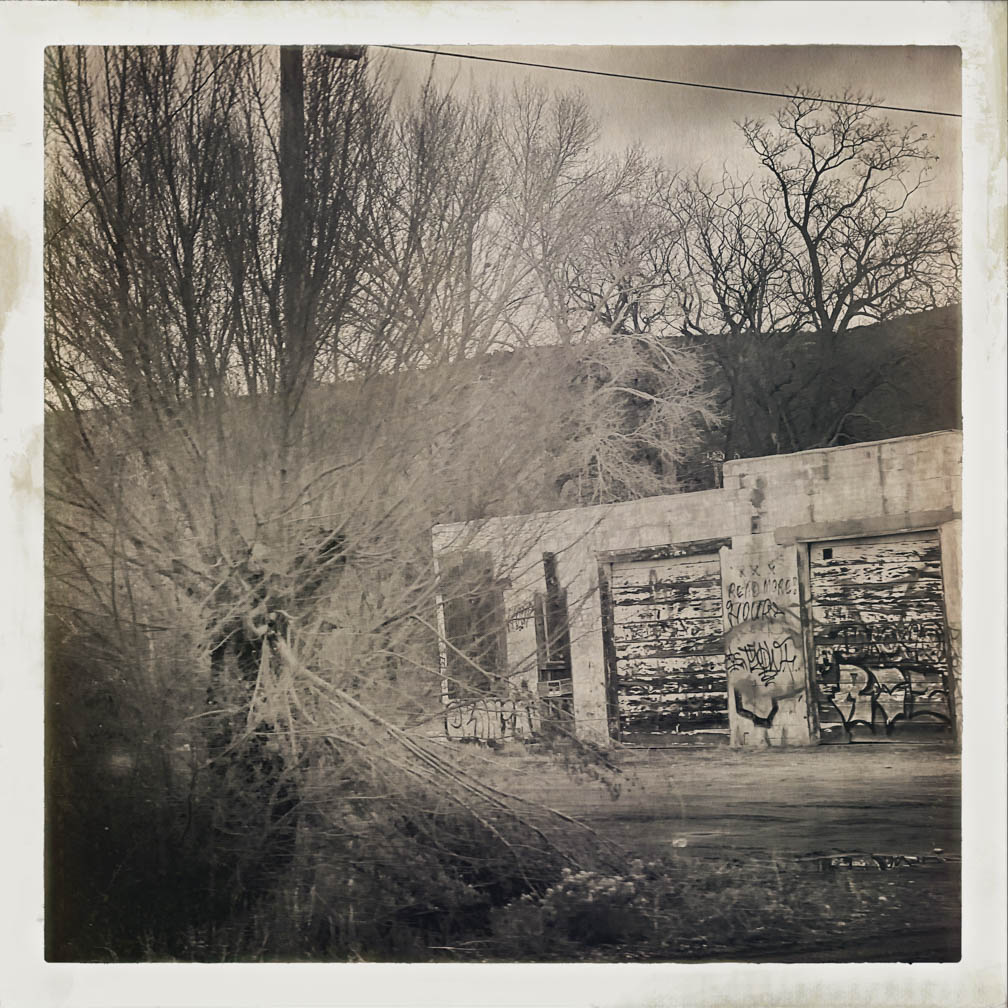
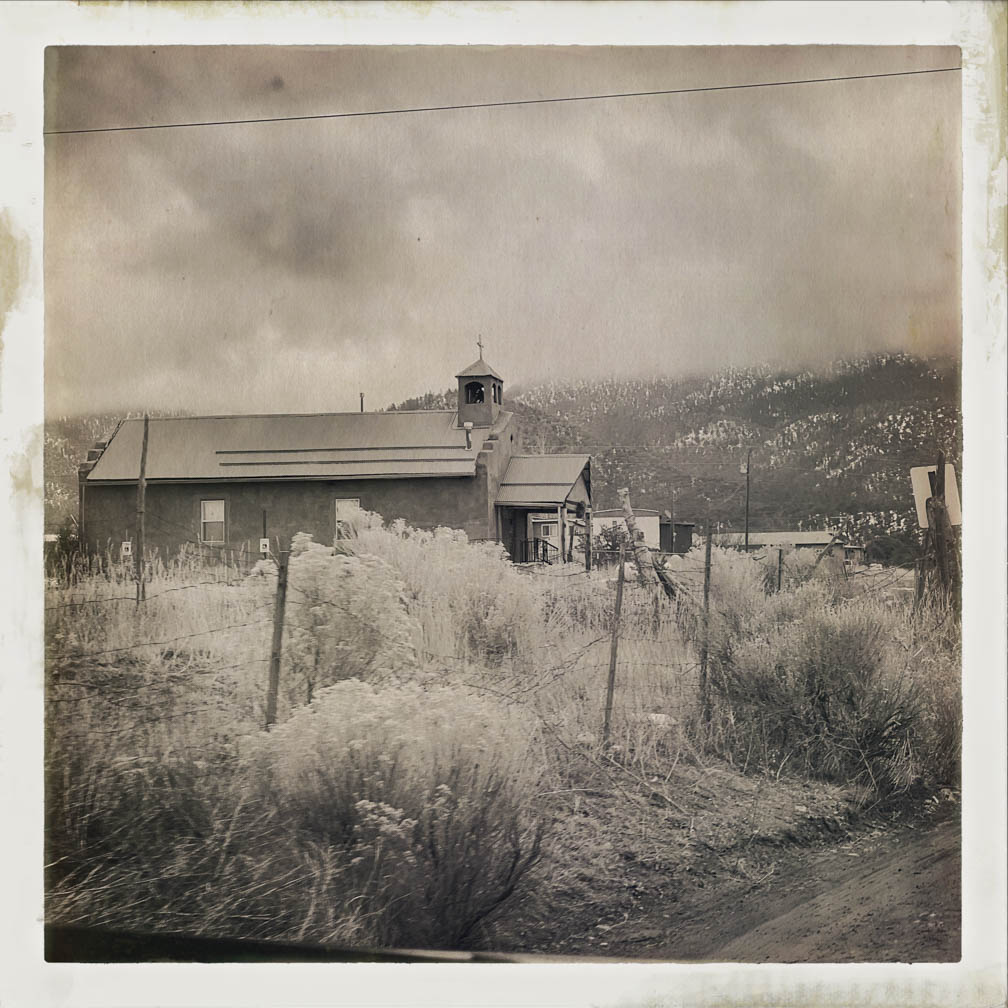
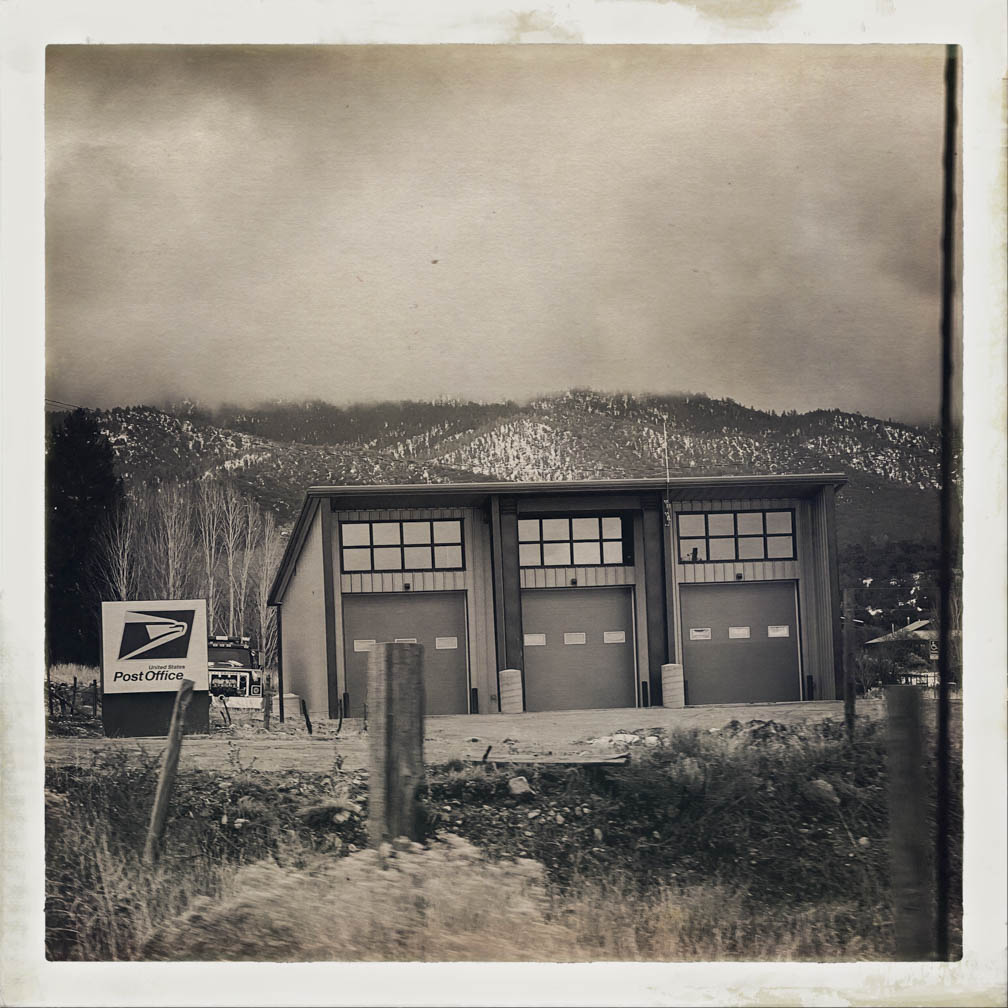
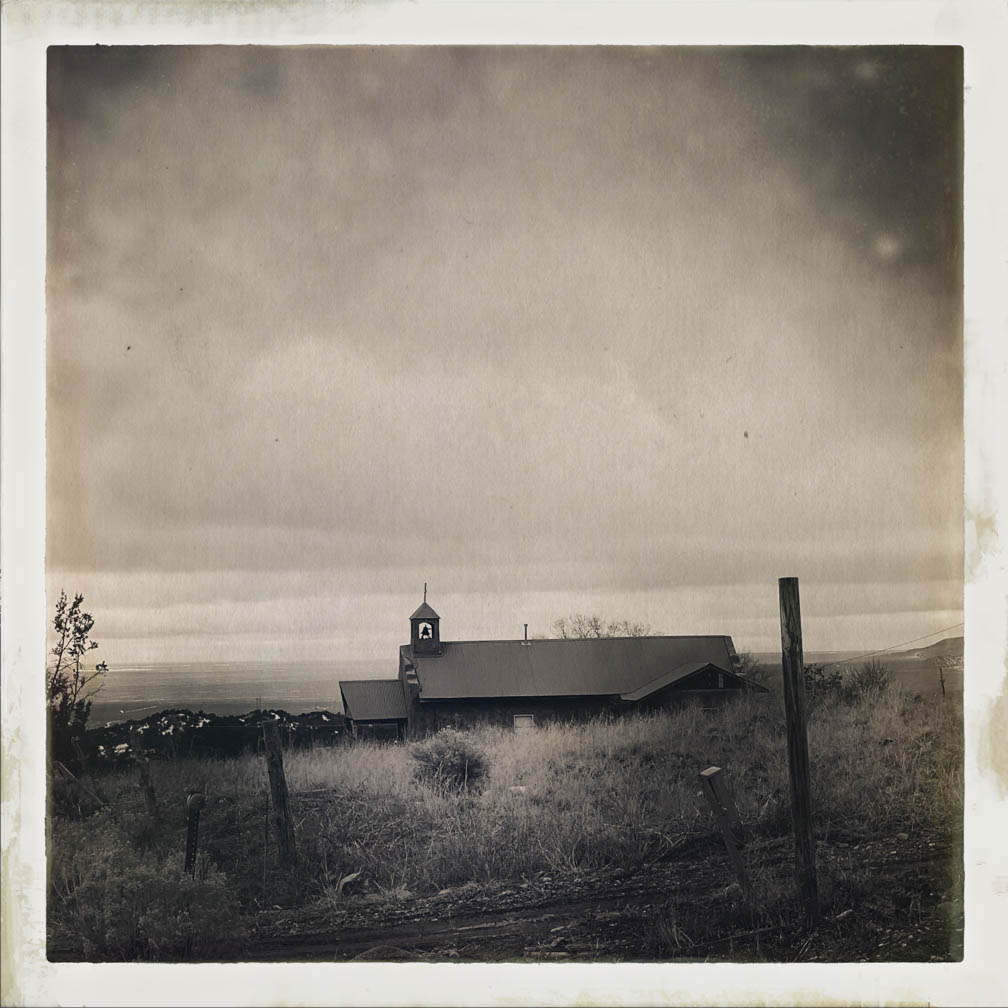
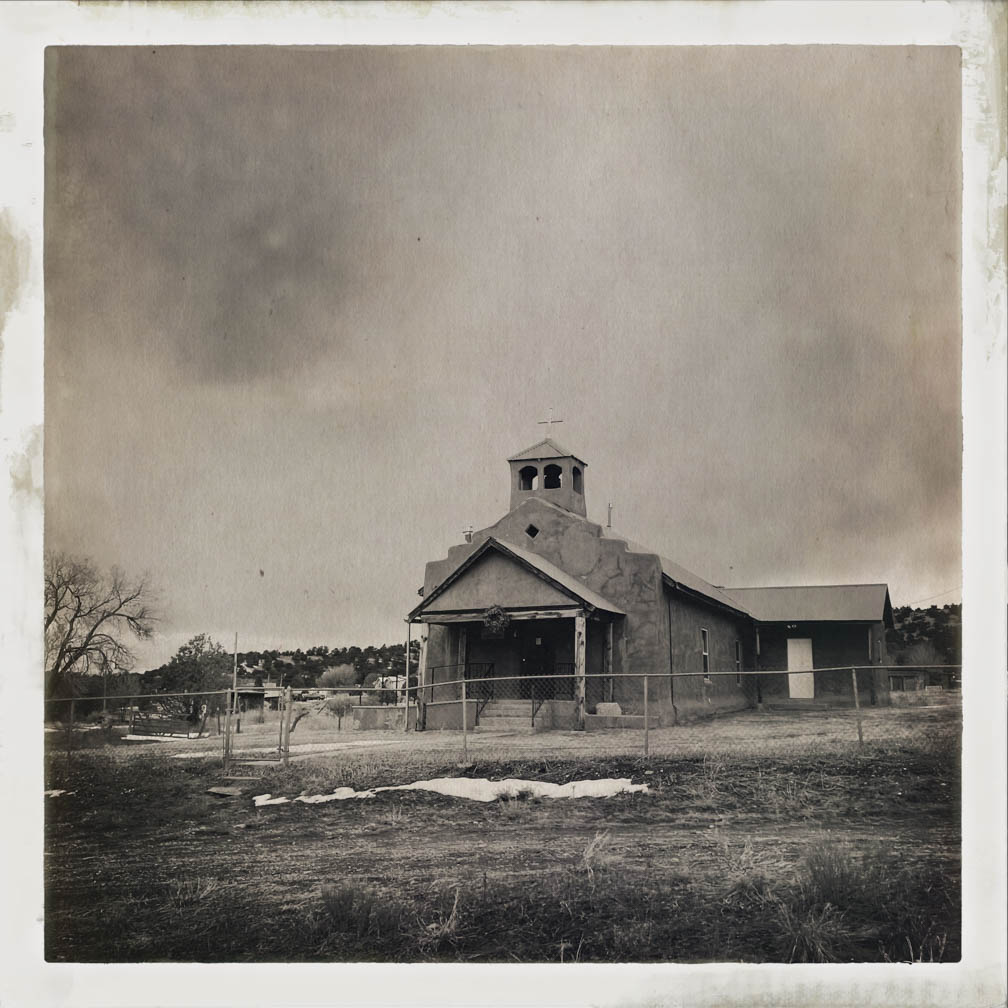
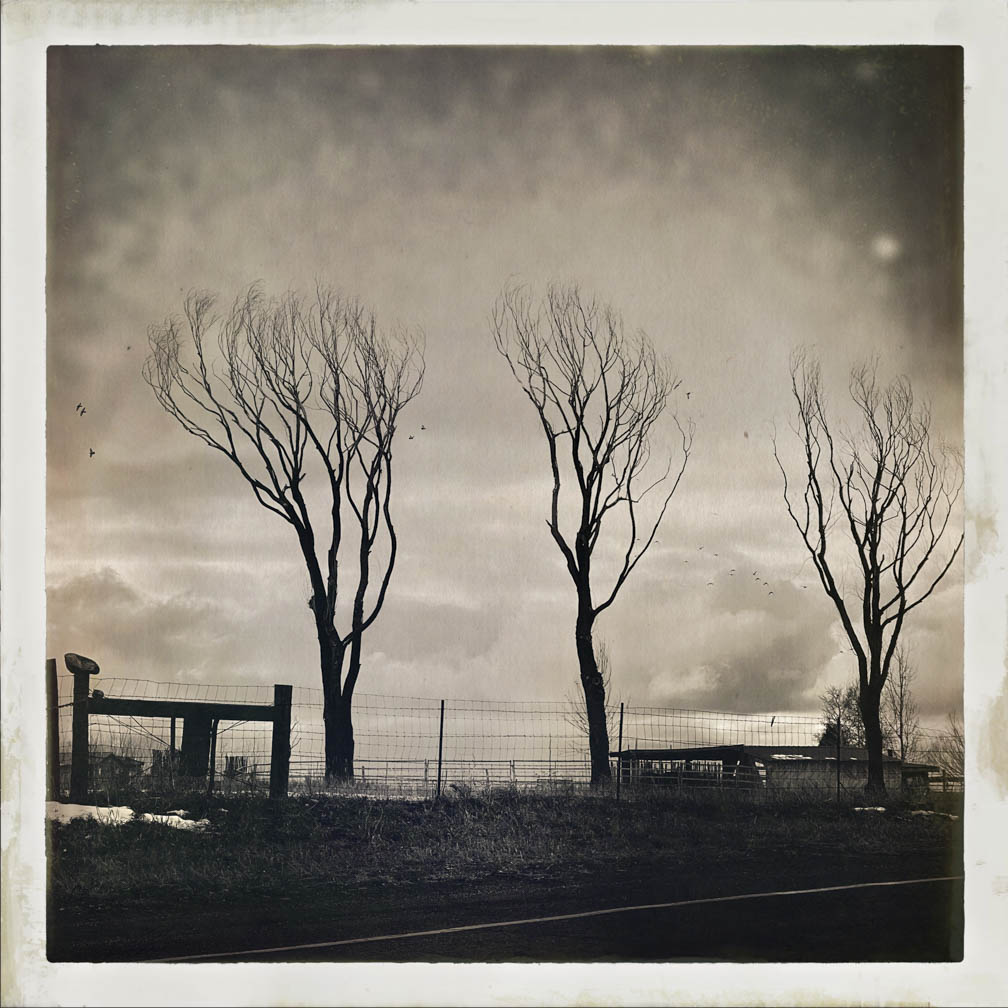
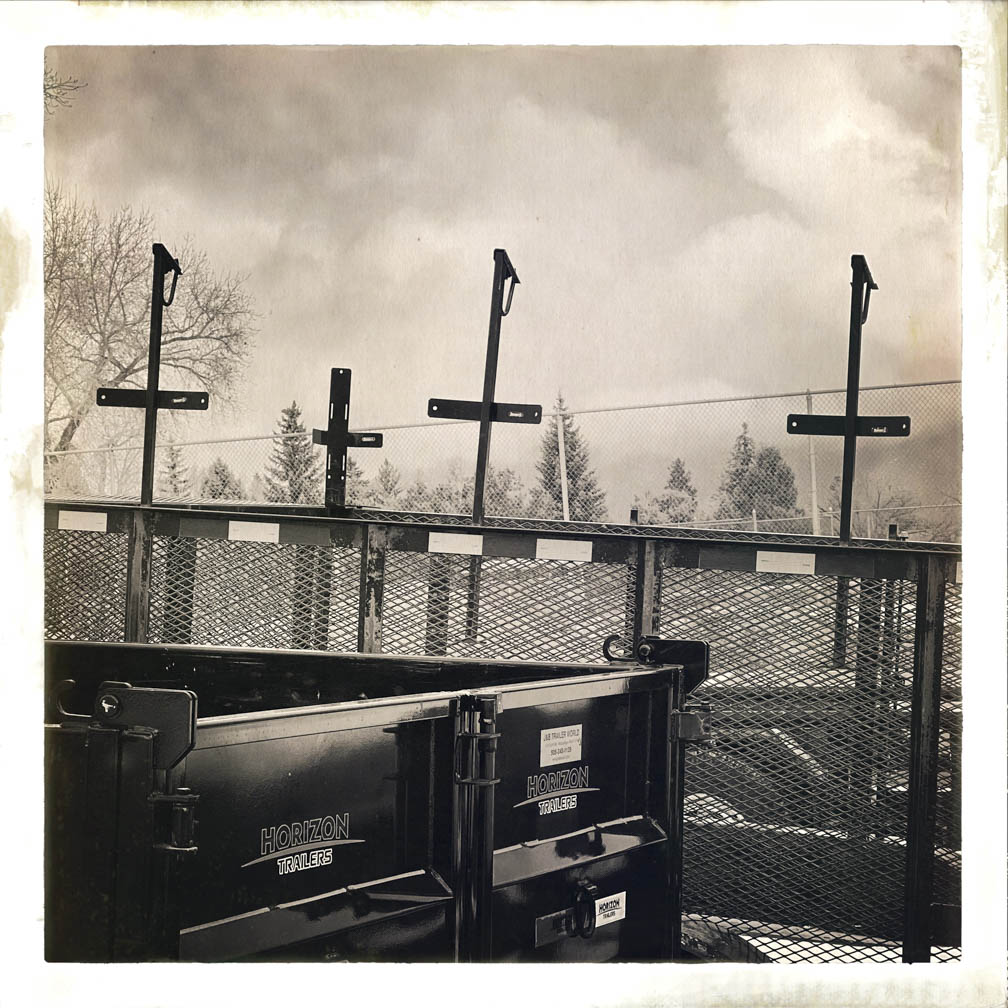
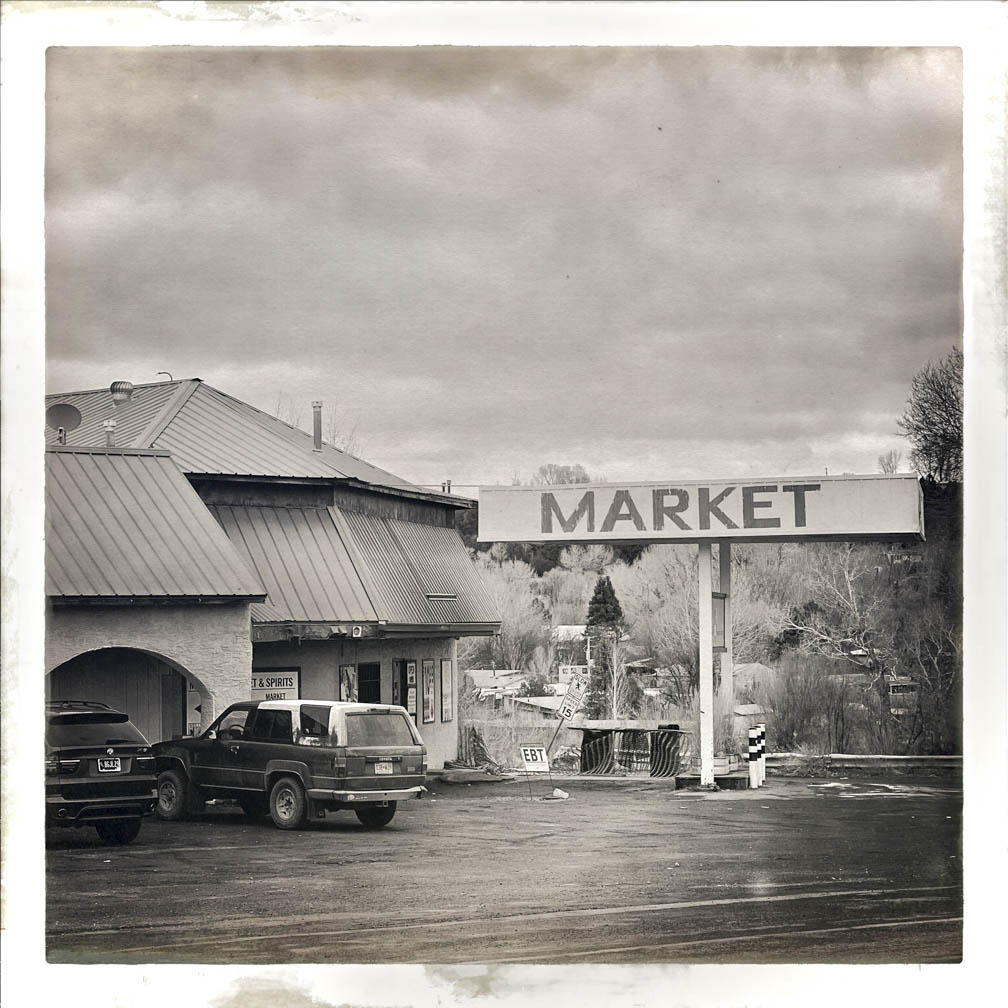
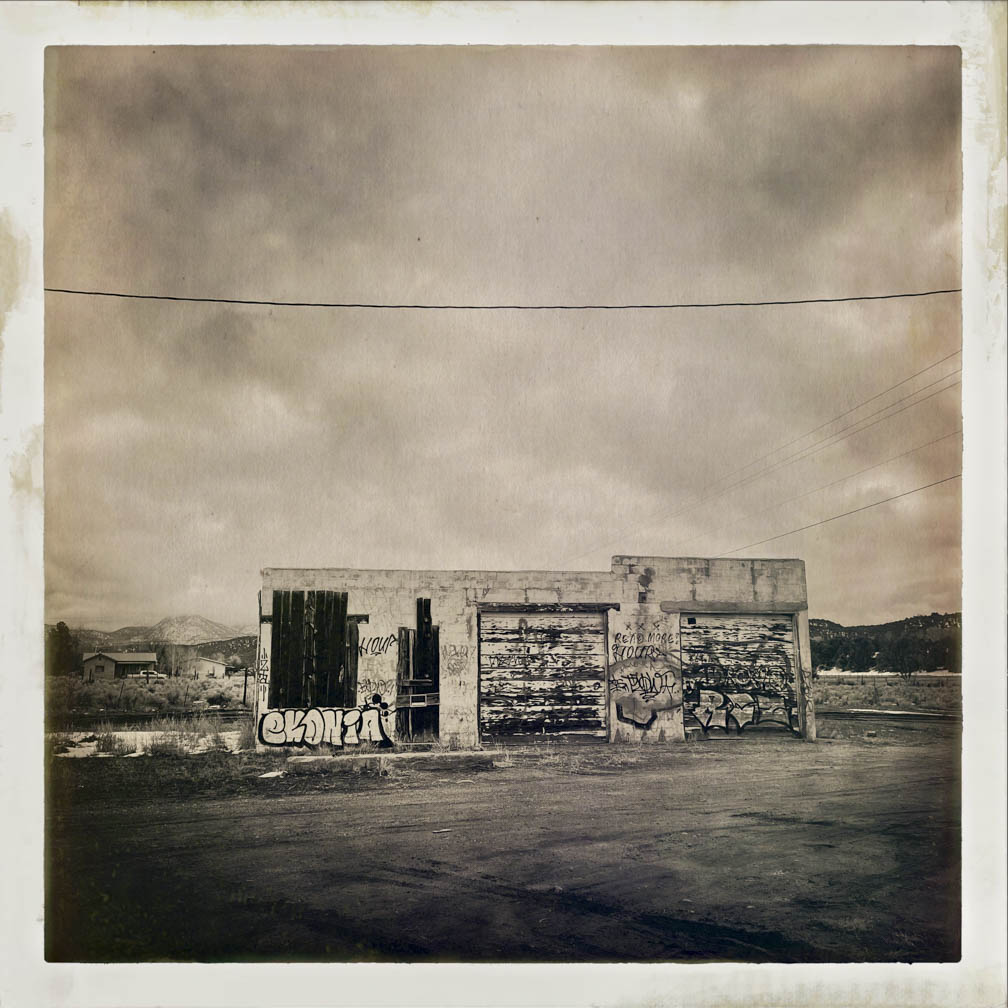
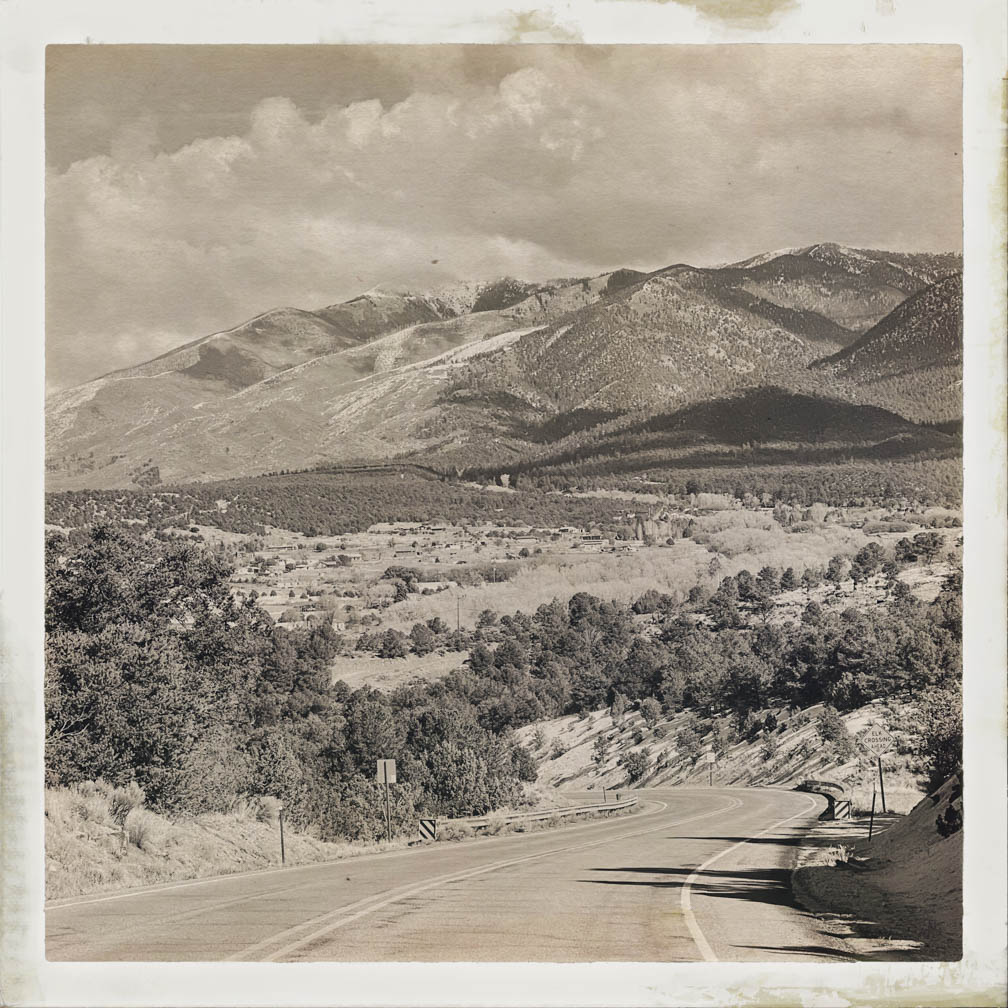
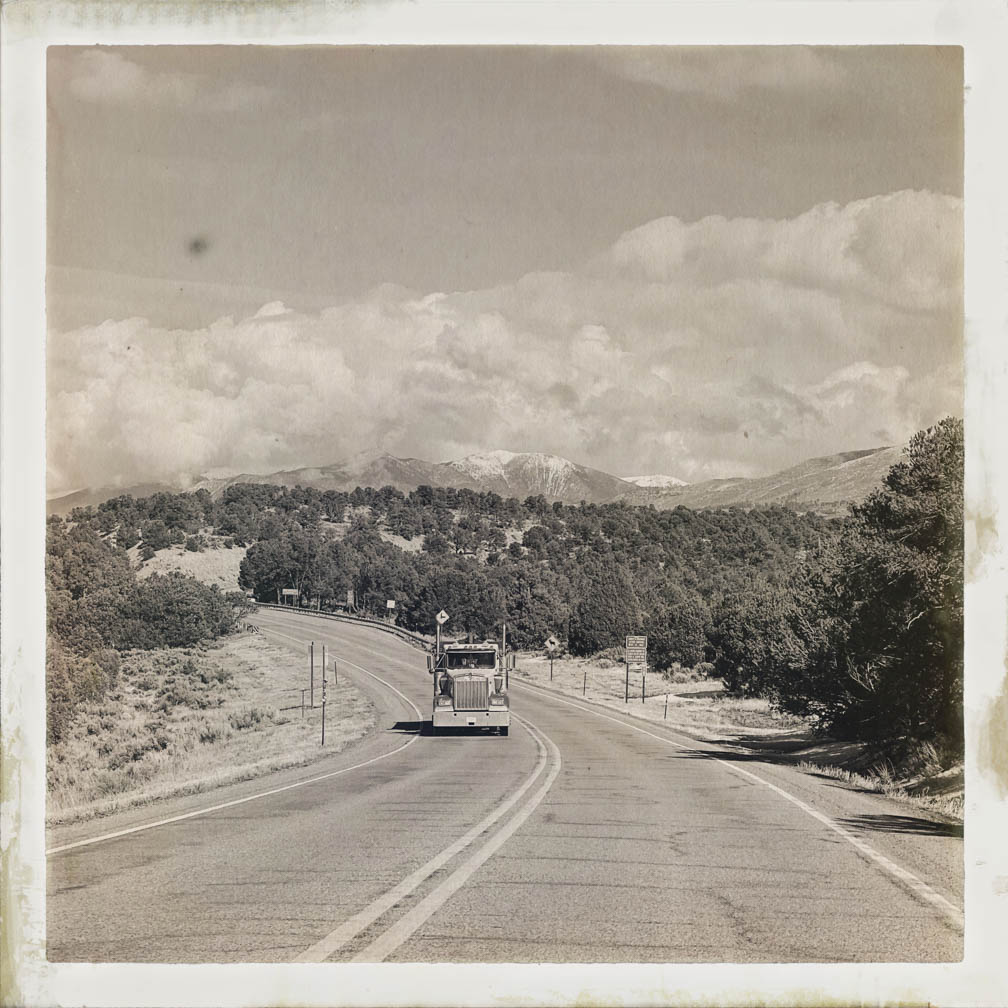
Hello from San Cristobal, NM! I hope everyone had a good week. This week, I captured some images on a rainy and overcast day in January 2024 from my car. I wasn’t driving, so I took the opportunity to shoot photos out the window using the Hipstamatic camera app on my iPhone. I know it’s been in existence for quite some time, but I’d never tried it out. Some of my clients use it frequently, and some use the app primarily for their image-making. These pictures are unedited and straight from the camera, using settings I selected just for fun.
I enjoyed the spontaneity and randomness of the subjects, with no preconceived outcome or expectations. I took these photos while traveling on highways 68, 64, and 522, from Taos to San Cristobal, as well as on Old Highway 3 through the village of San Cristobal. And… in no particular order.
I’m not a devotee of the hipstamatic app, and doubt I will be, but I enjoy playing, and that made for an enjoyable ride on a dull day.
Our Local Market in Arroyo Hondo
These hipstamatic iPhone pictures do bring out the nitty gritty elements of the region.
On another note…
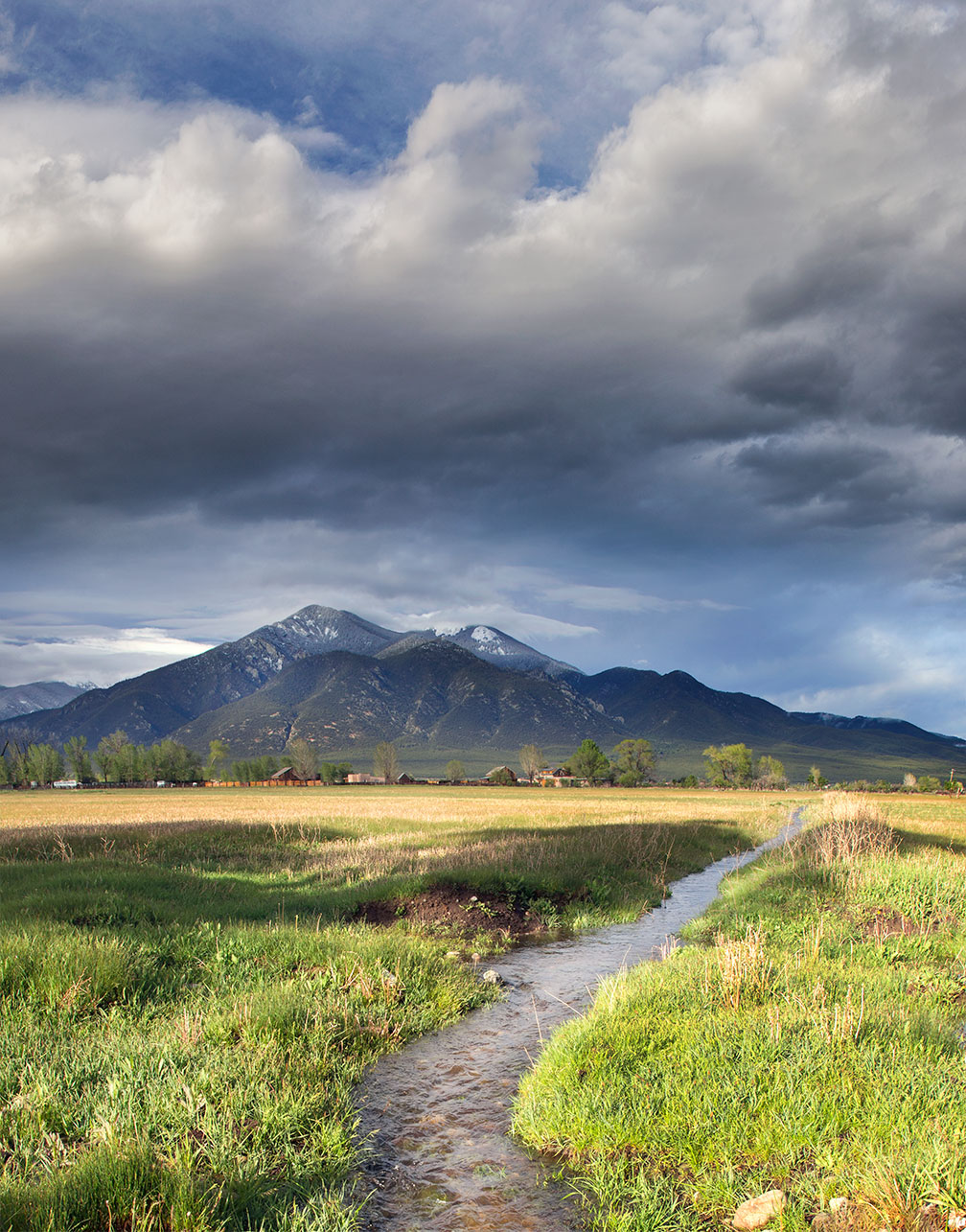
The acequia culture in New Mexico is a centuries-old tradition of community-managed irrigation systems that trace their origins to Spanish colonial times and even earlier indigenous practices. These communal irrigation ditches, known as acequias, are vital for agriculture in the arid Southwest, allowing communities to share and manage scarce water resources equitably. The acequia system is not just a method of irrigation but a cultural institution that fosters community cooperation, governance, and sustainability. It involves a mayordomo, or ditch boss, who oversees water distribution and maintenance, and regular meetings where members, or parciantes, discuss water rights and responsibilities. This system reflects a deep connection to the land and water, emphasizing the importance of collective stewardship and resilience in the face of environmental challenges. Acequias are recognized for their cultural and historical significance, embodying a unique blend of indigenous and Hispanic heritage that continues to shape the landscape and communities of New Mexico today.
Taos Pueblo Mountain Acequia, El Prado.
As always, thank you for taking the time to look. I hope you enjoyed them. Join me next week as I share more photographs of the idyllic vistas, like the one above, found around northern New Mexico, highlighting the beauty and cultural significance of the acequias. Have a wonderful week! G
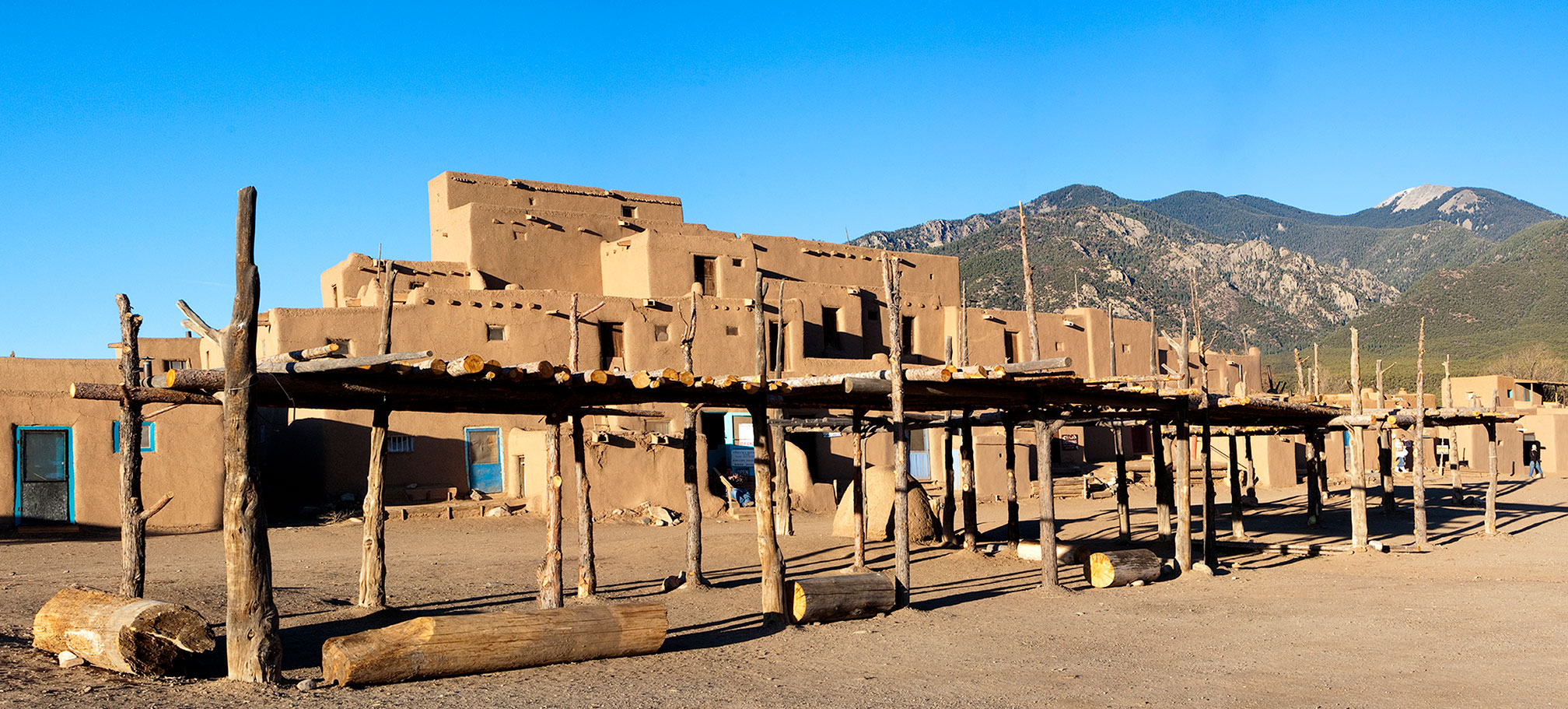
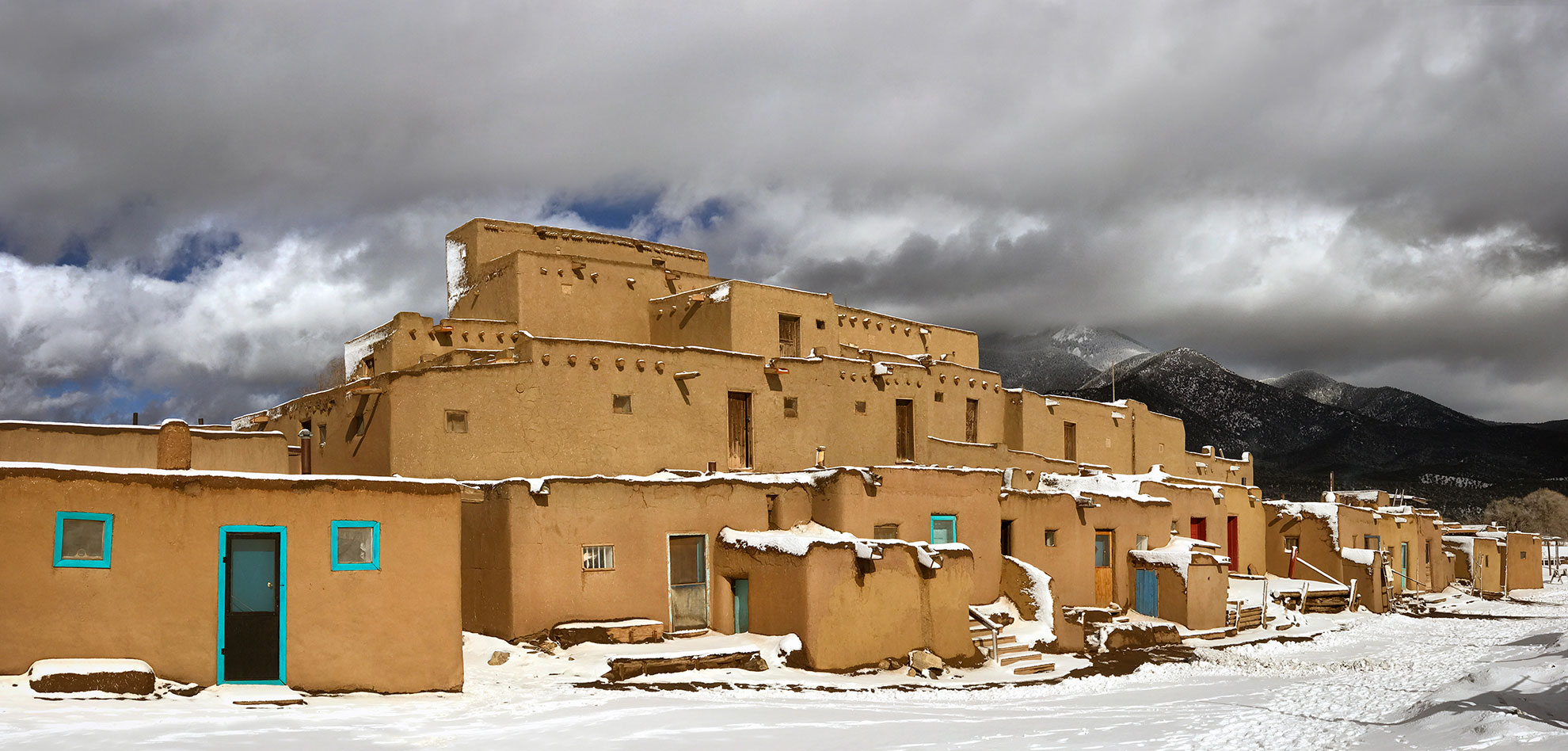
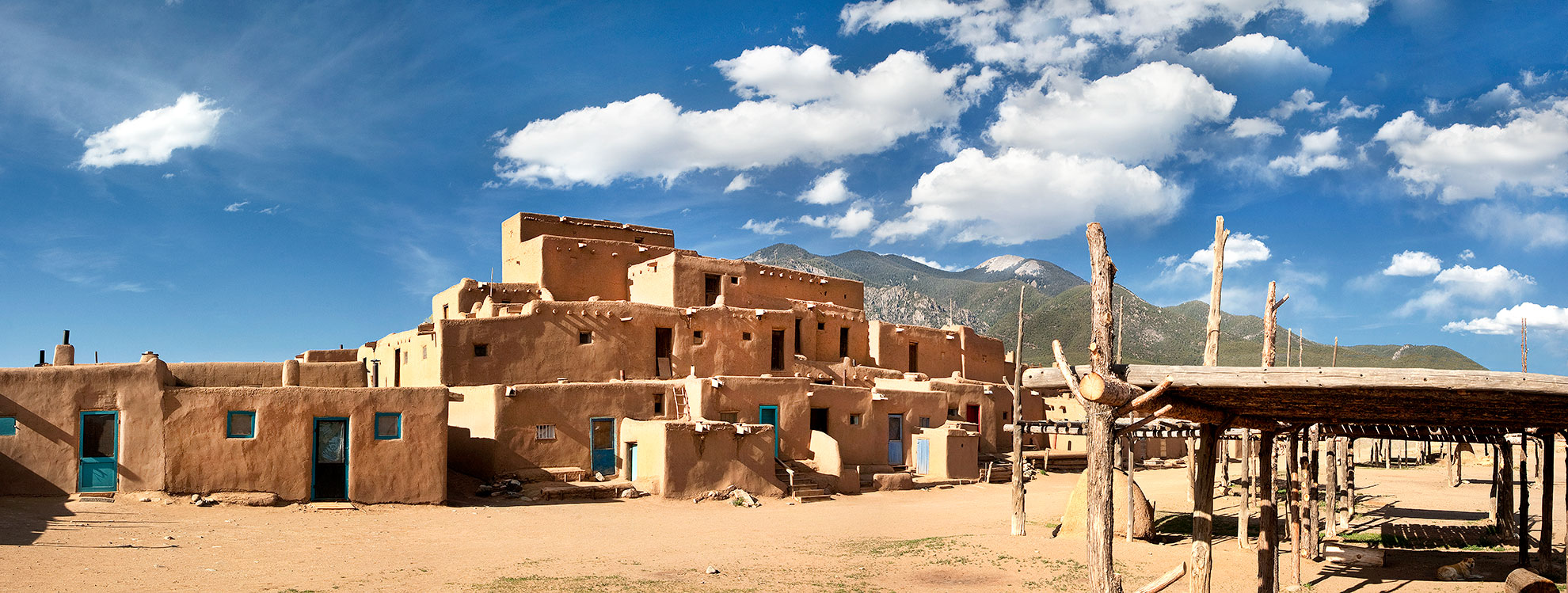
Greetings from San Cristobal, NM. This week, three views of the North House at Taos Pueblo. If you are fortunate to be in Taos this year, put the Taos Pueblo on your list of places to visit.
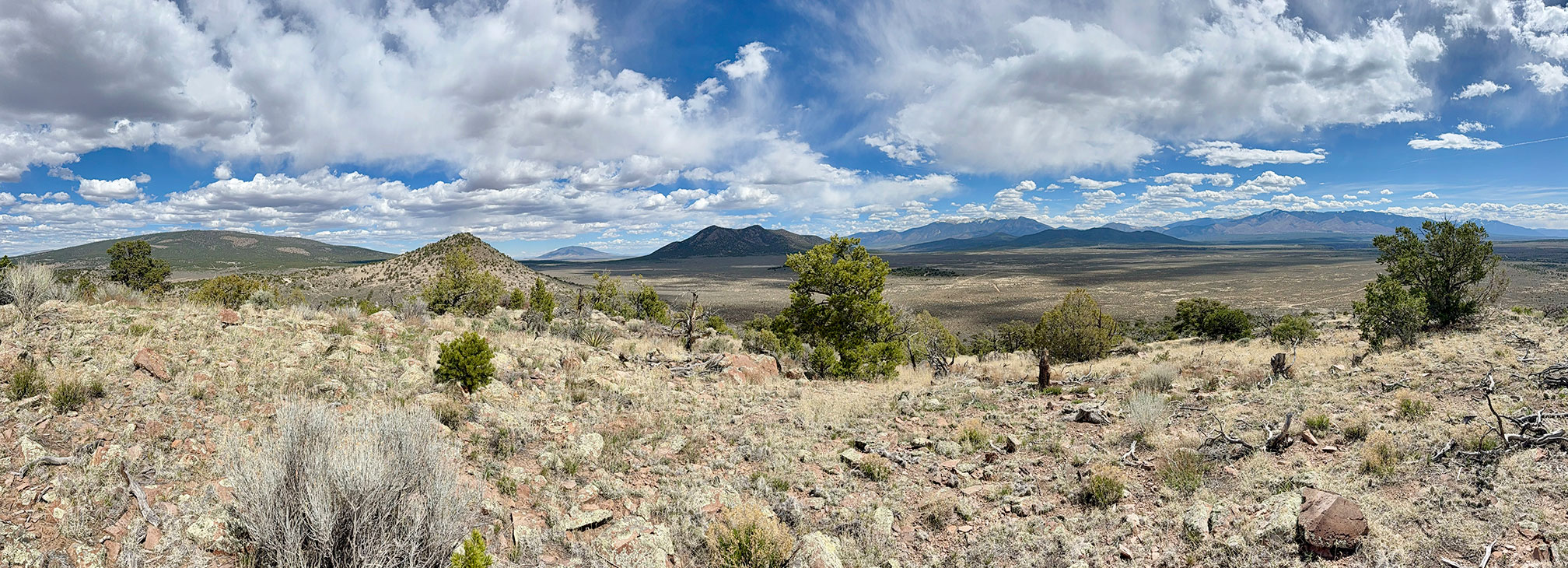
I hope everyone had a good week. A short post this week, nonetheless, an expansive one. Three panoramas, taken before winter, during winter, and the following spring, plus a view on a spring day, from a hill in our National Monument. Enjoy.
Taos Pueblo North House, before winter.
Taos Pueblo, located in northern New Mexico, is a remarkable Native American community that has been continuously inhabited for over a thousand years. This UNESCO World Heritage Site is renowned for its multi-storied adobe buildings, which exemplify traditional Pueblo architecture. The structures, made from earth, straw, and water, are meticulously maintained by the Taos people, who are committed to preserving their cultural heritage. The Pueblo is nestled at the base of the Sangre de Cristo Mountains, offering a stunning backdrop that enhances its historical and spiritual significance. Visitors to Taos Pueblo can experience the rich traditions and vibrant culture of the Taos people, who continue to uphold their ancestral customs and way of life.
North House, in winter.
North House, in spring.
On a spring hike last week, up a small hill with expansive views in the Rio Grande del Norte National Monument. Ute Mountain in the distance, left of center, and San Cristobal, where we live, is in the foothills behind the tree on the right.
The Rio Grande del Norte National Monument.
The mountains in this view, from left to right, are: Cerro de la Olla, Brushy Mountain, Ute, Cerro Chiflo, the Latir Peaks, Guadalupe Mtn North and South, Flag Mtn, and Lobo Peak. The hill we were standing on (not named) is only 333 feet up, but with excellent vistas.
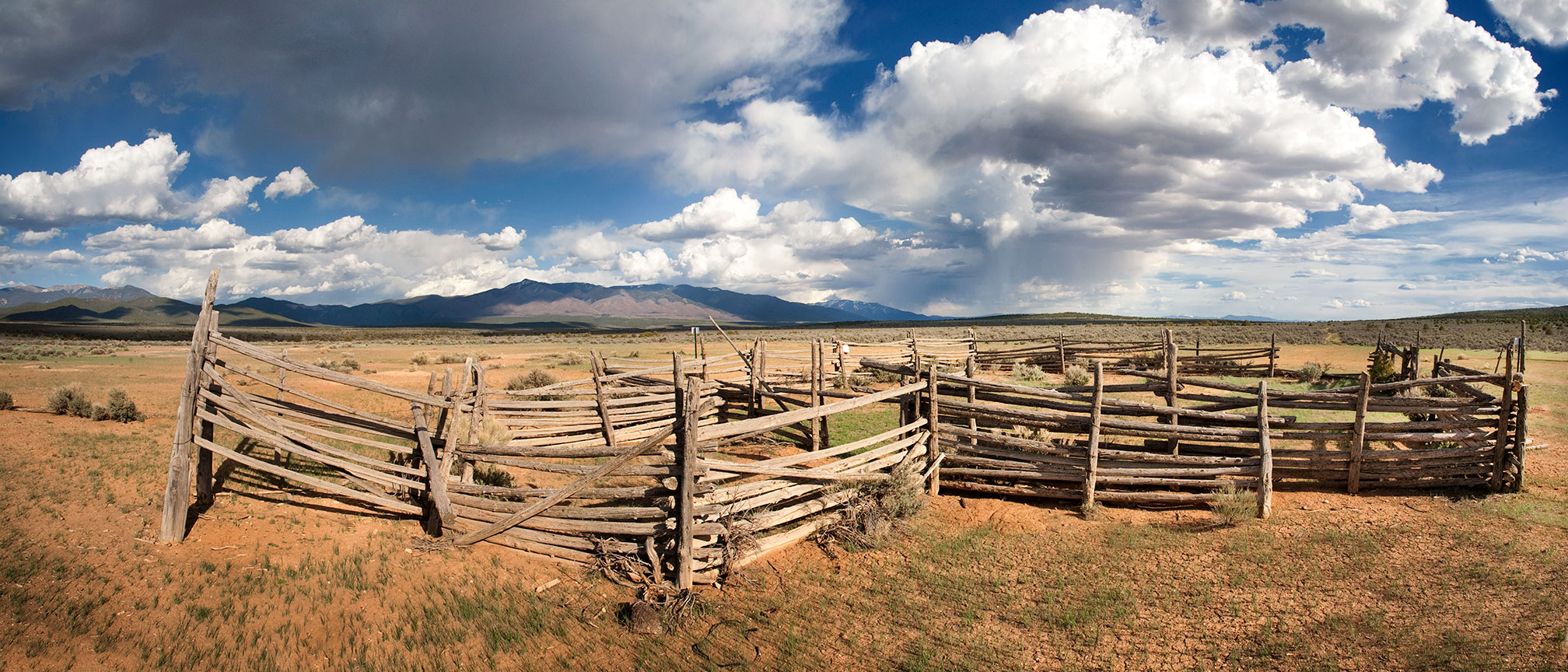
We also re-visited this old corral out there in the middle of nowhere.
Old corral, in the Rio Grande del Norte National Monument.
Greetings from New Mexico. This week, I’m continuing with images from my New Mexico, First Impressions series.
I hope you enjoy traveling back in time with me. While some things have changed, dirt roads have been paved, some buildings have been replaced with box stores, and open fields and wetlands have given way to neighborhood apartment blocks—many iconic locations remain. For that, I am grateful.
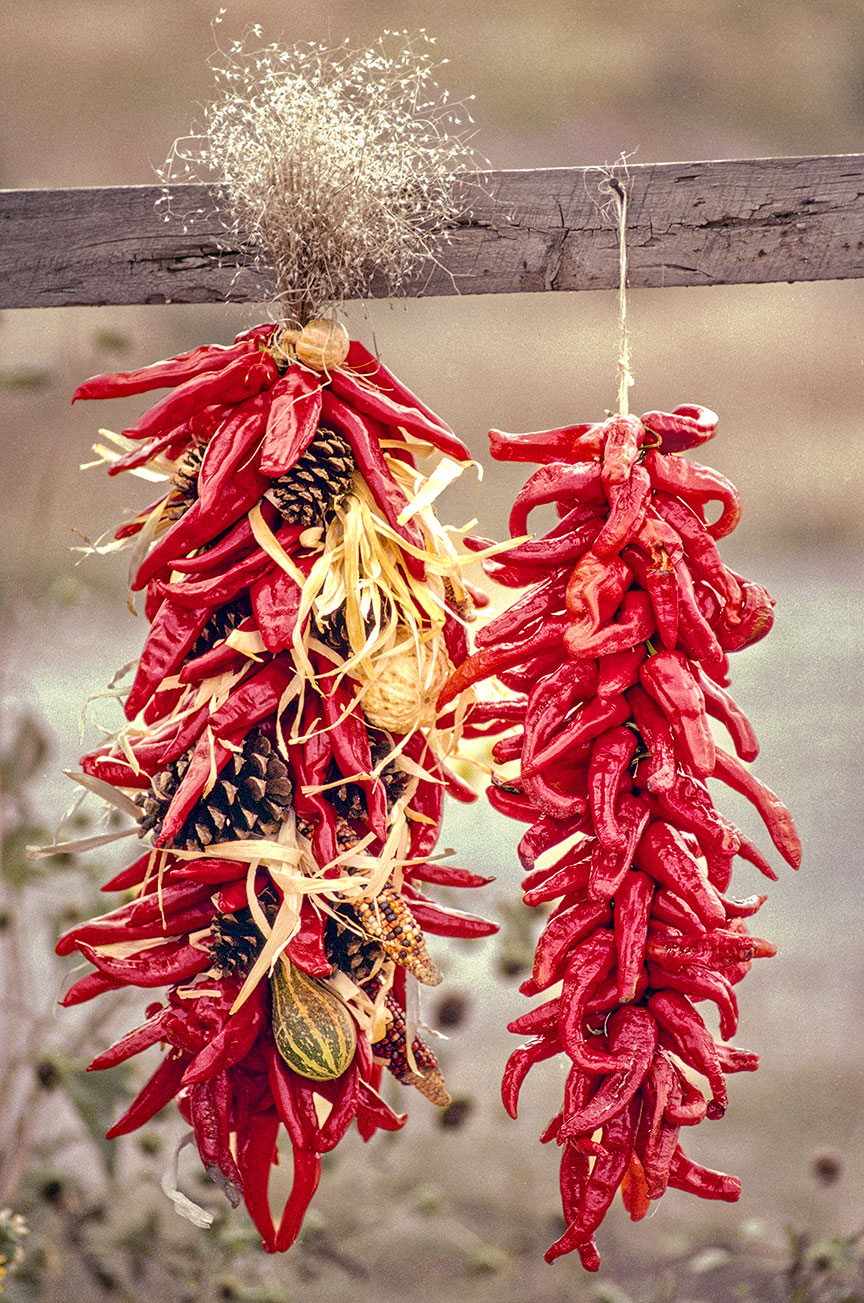
A chile ristra is a string (or braid) of whole chile pods—traditionally New Mexico red chiles—tied together and hung up to dry. You’ll see them draped over doorways, portals, porch beams, or kitchen walls all across New Mexico. They’re food, folk art, and regional identity all rolled into one.
Chile ristras.
Koshare doll/artwork/sculpture in the window of a Santa Fe Art Gallery, 1984.
Koshare doll.
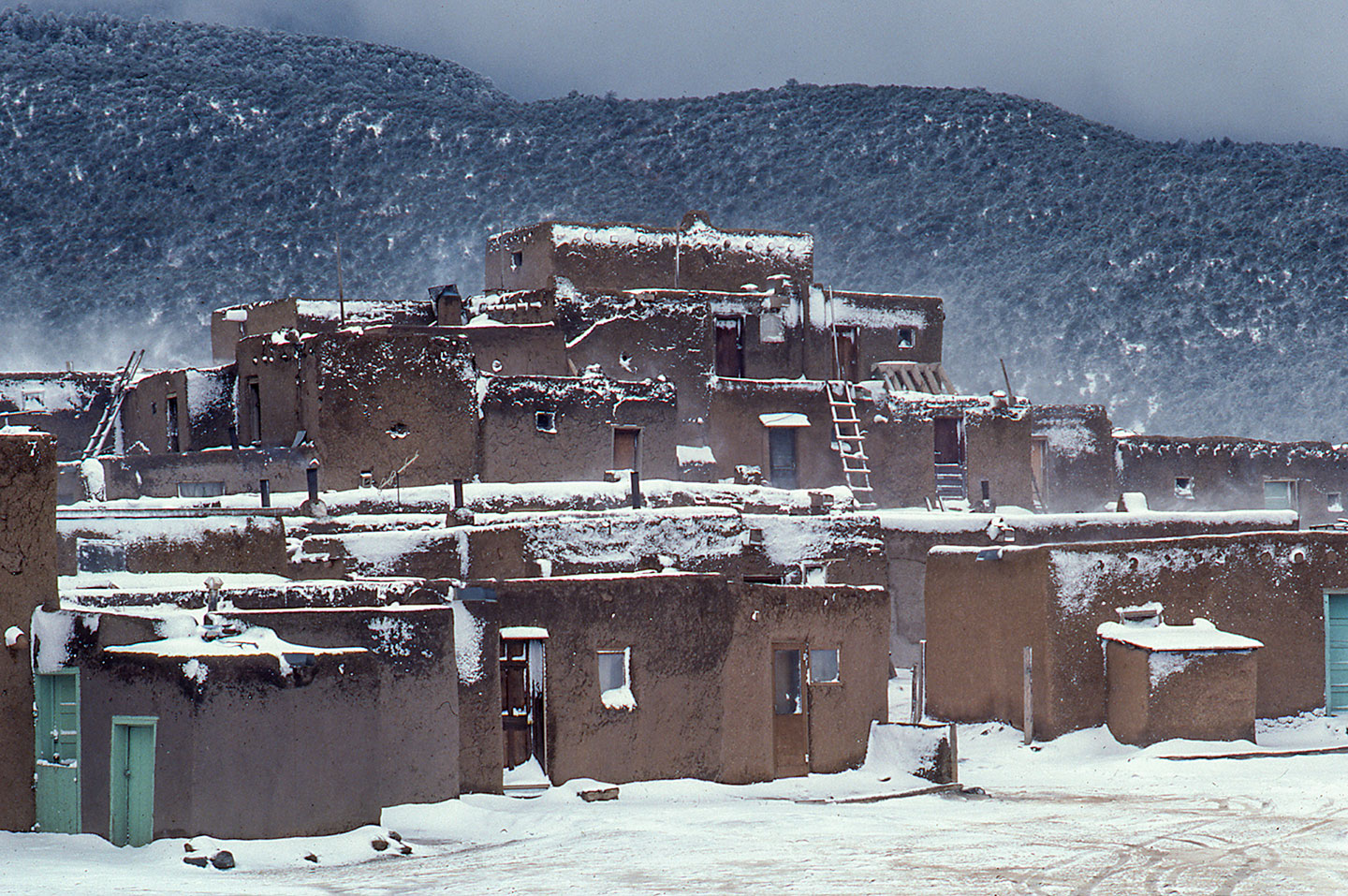
Taos Pueblo snowfall, thanksgiving, 1984.
Taos Pueblo snowfall.
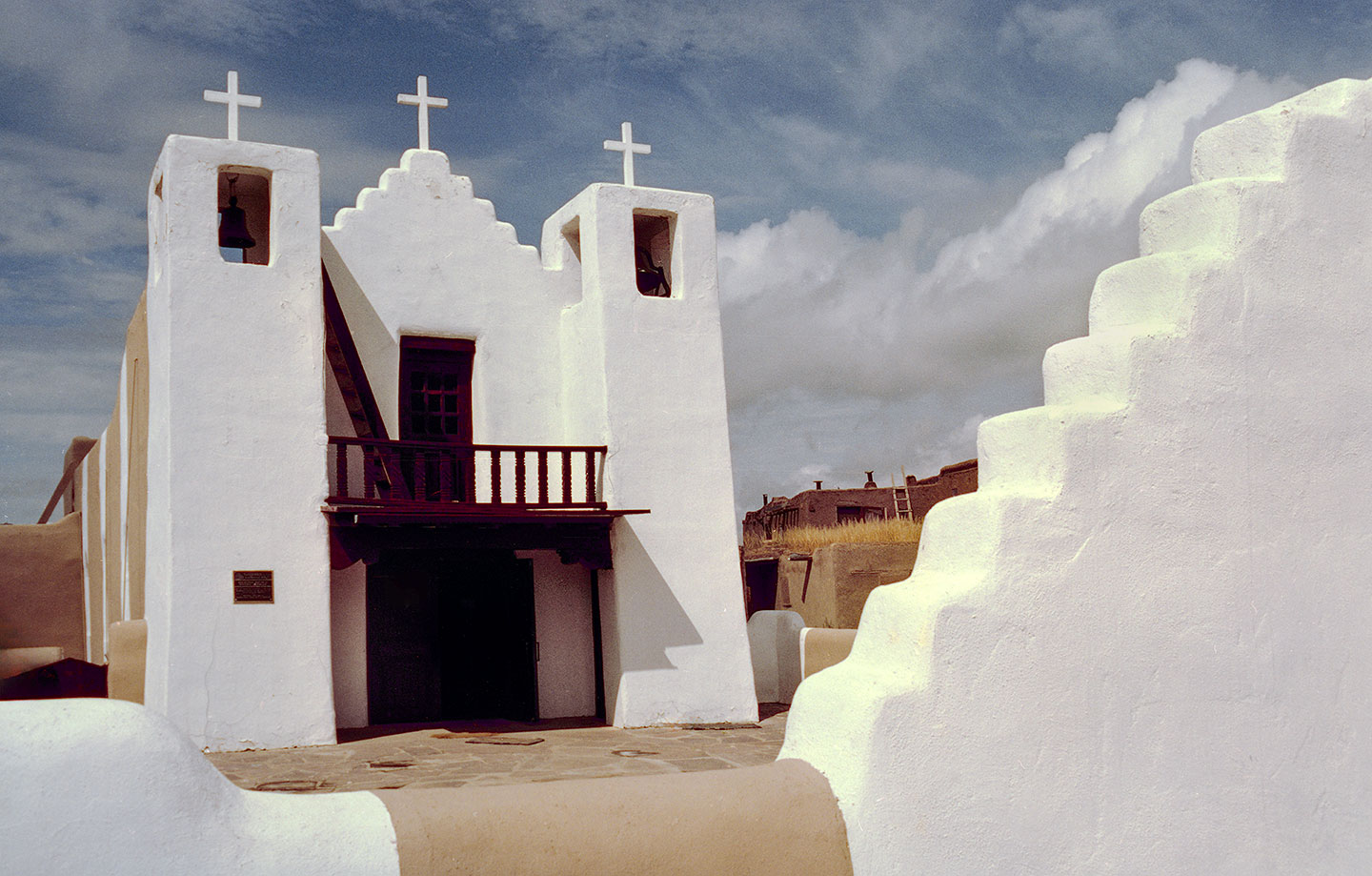
San Geronimo Church, Taos Pueblo, 1985
San Geronimo Church, Taos Pueblo.
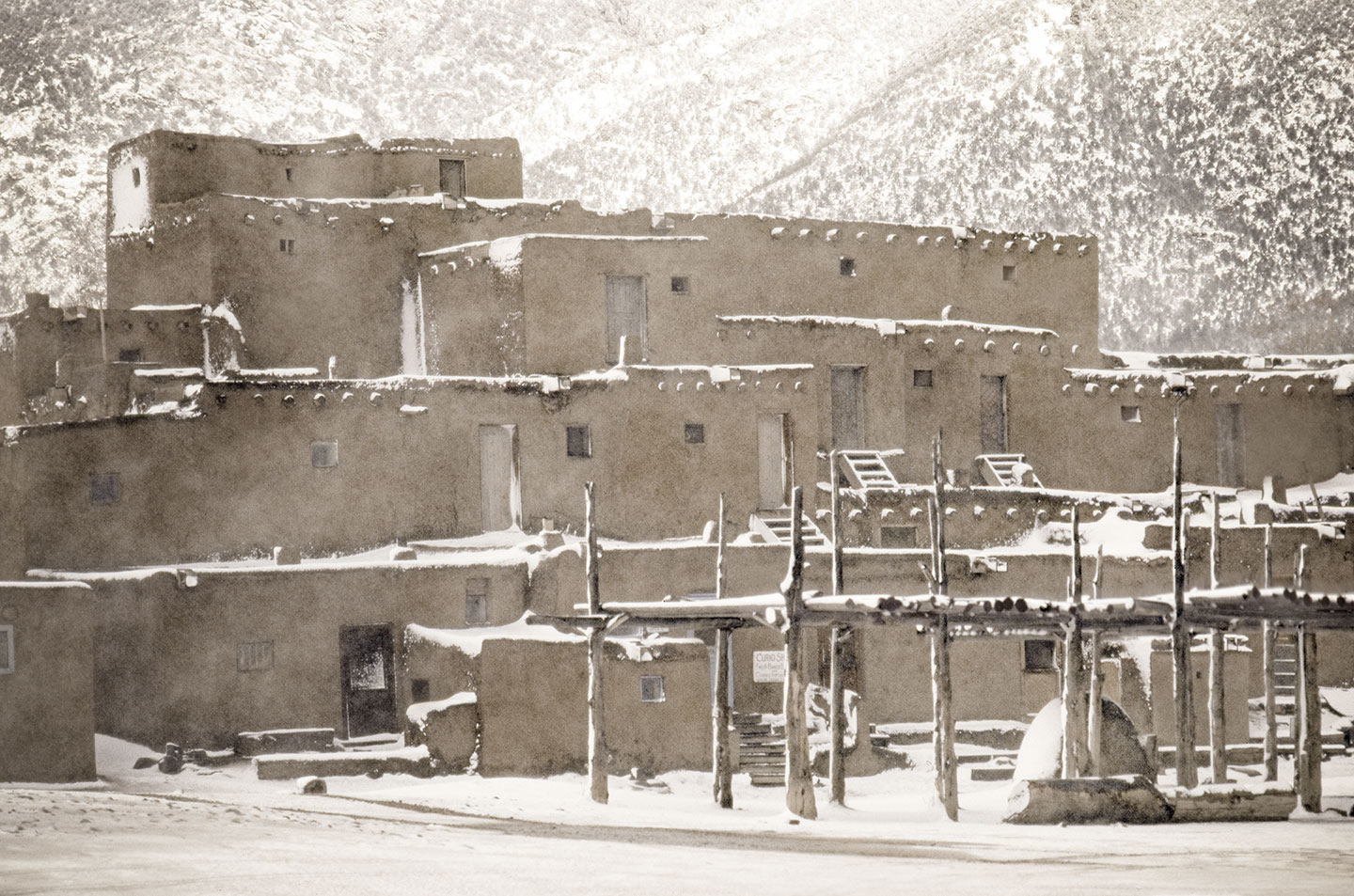
Taos Pueblo blowing snow, 1987
Taos Pueblo north house.
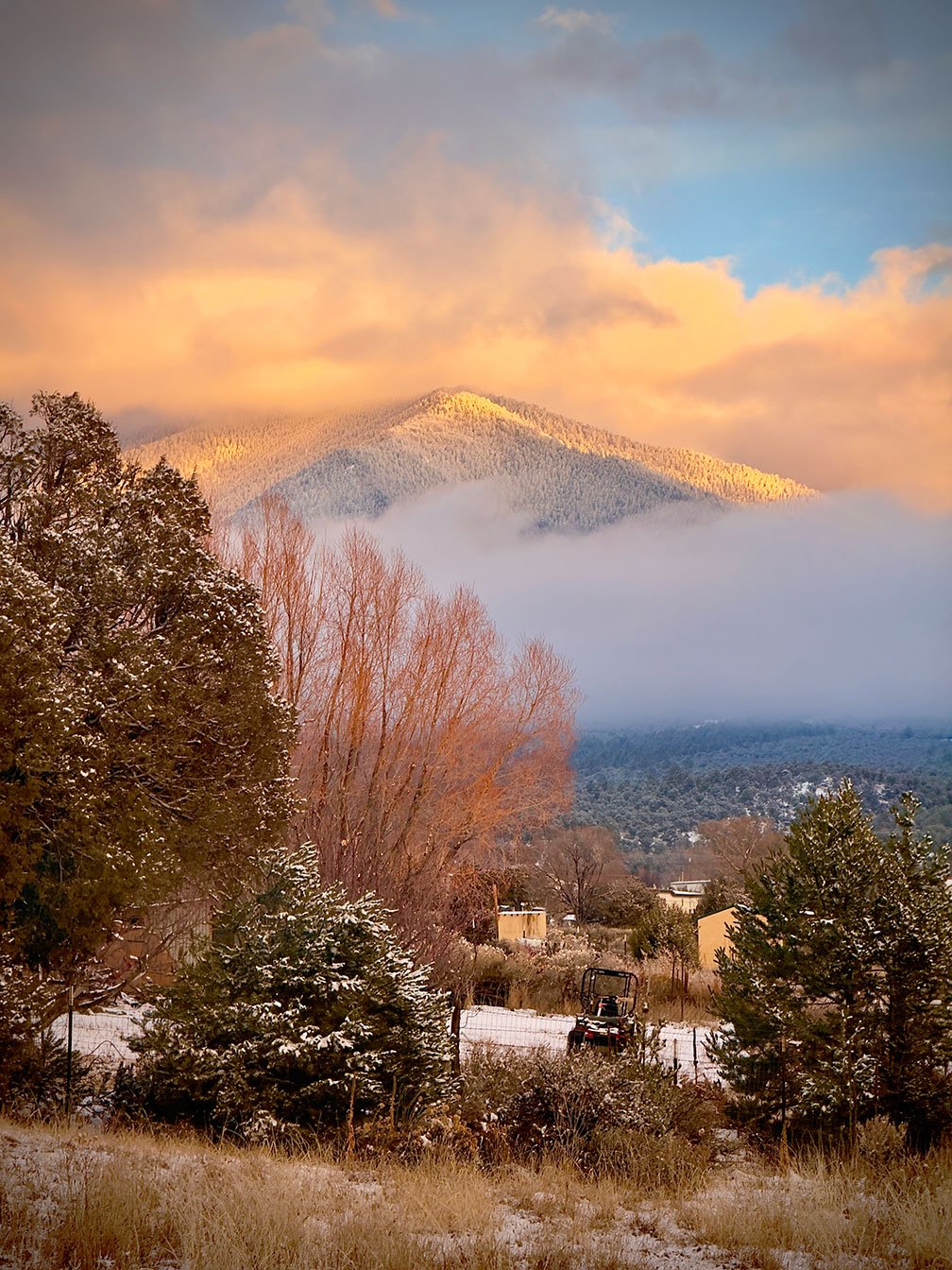
And one this week taken from the kitchen window. I love the view we have and feel very fortunate.
Sunset, San Cristobal.
As always, thank you for looking. Have a great week. G