Greetings from New Mexico. This week, a bighorn sheep, a black and white of the Taos Pueblo North House with a waning moon, and more. I hope everyone had a good week. I was out with some wonderful clients and friends.
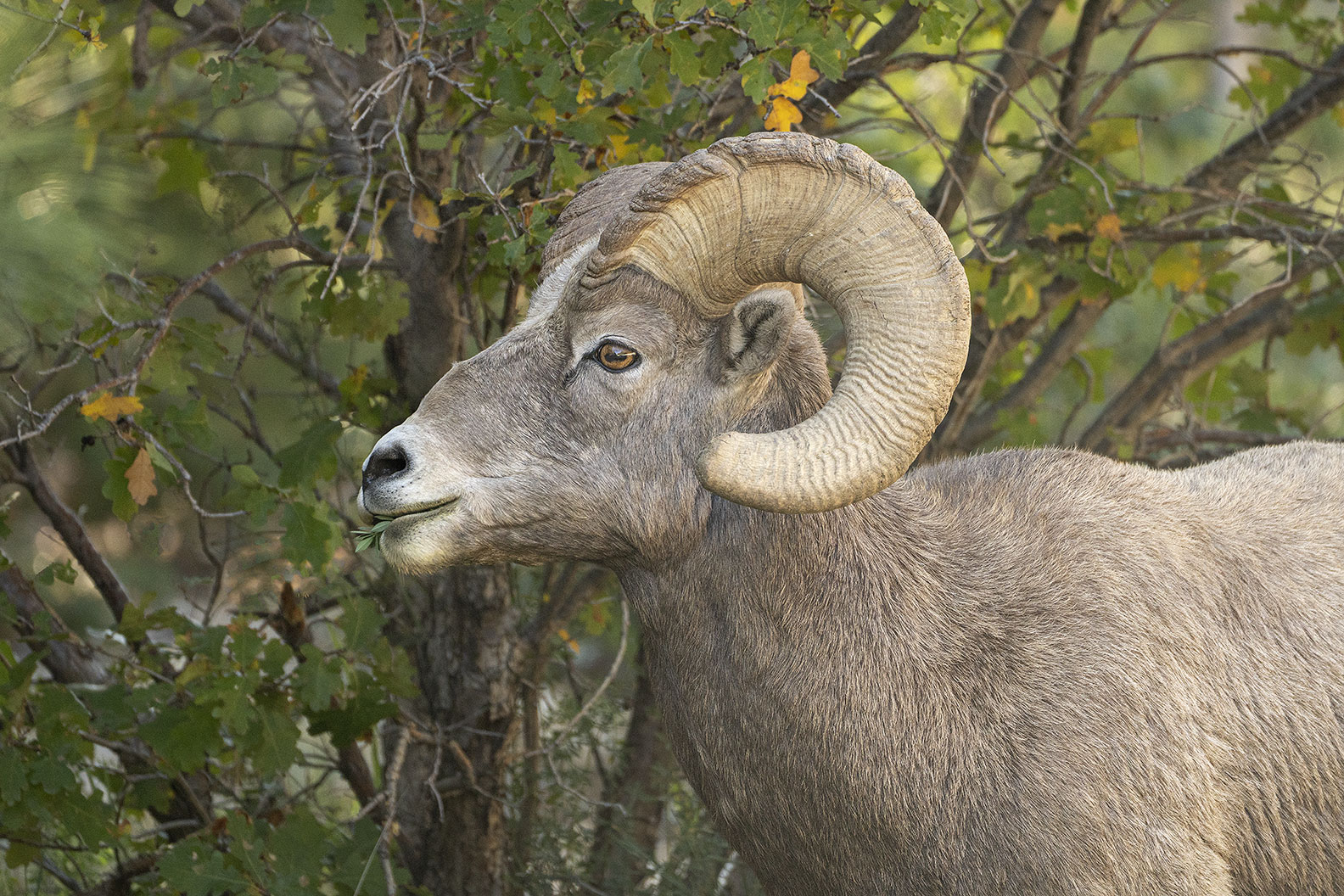
When we first spotted him under a tree. He was eating leaves and some grass.
Bighorn sheep, Red River Canyon, NM.
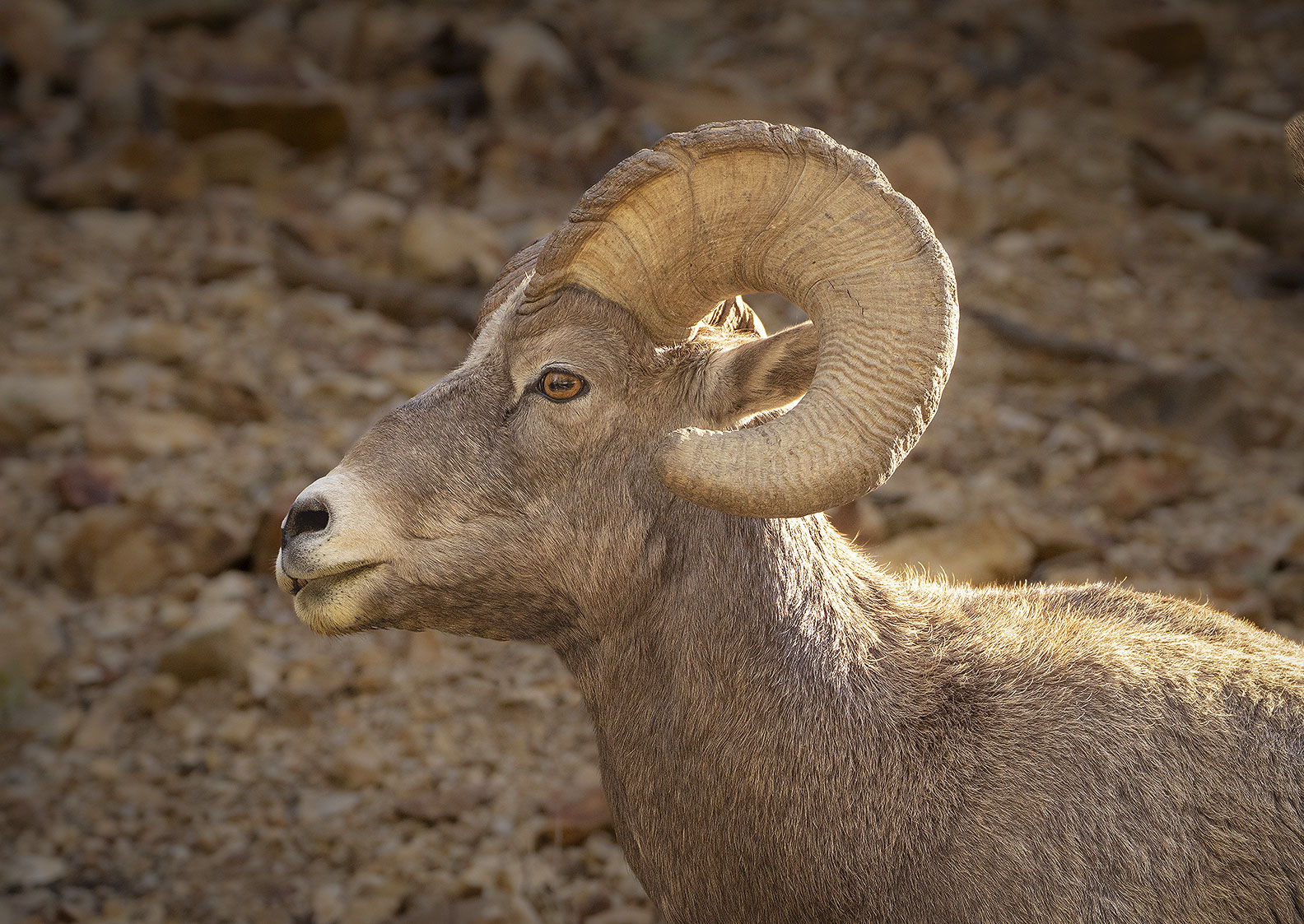
He proceeded to climb the scree slope and pose for a grand profile shot.
Bighorn in Red River Canyon, NM
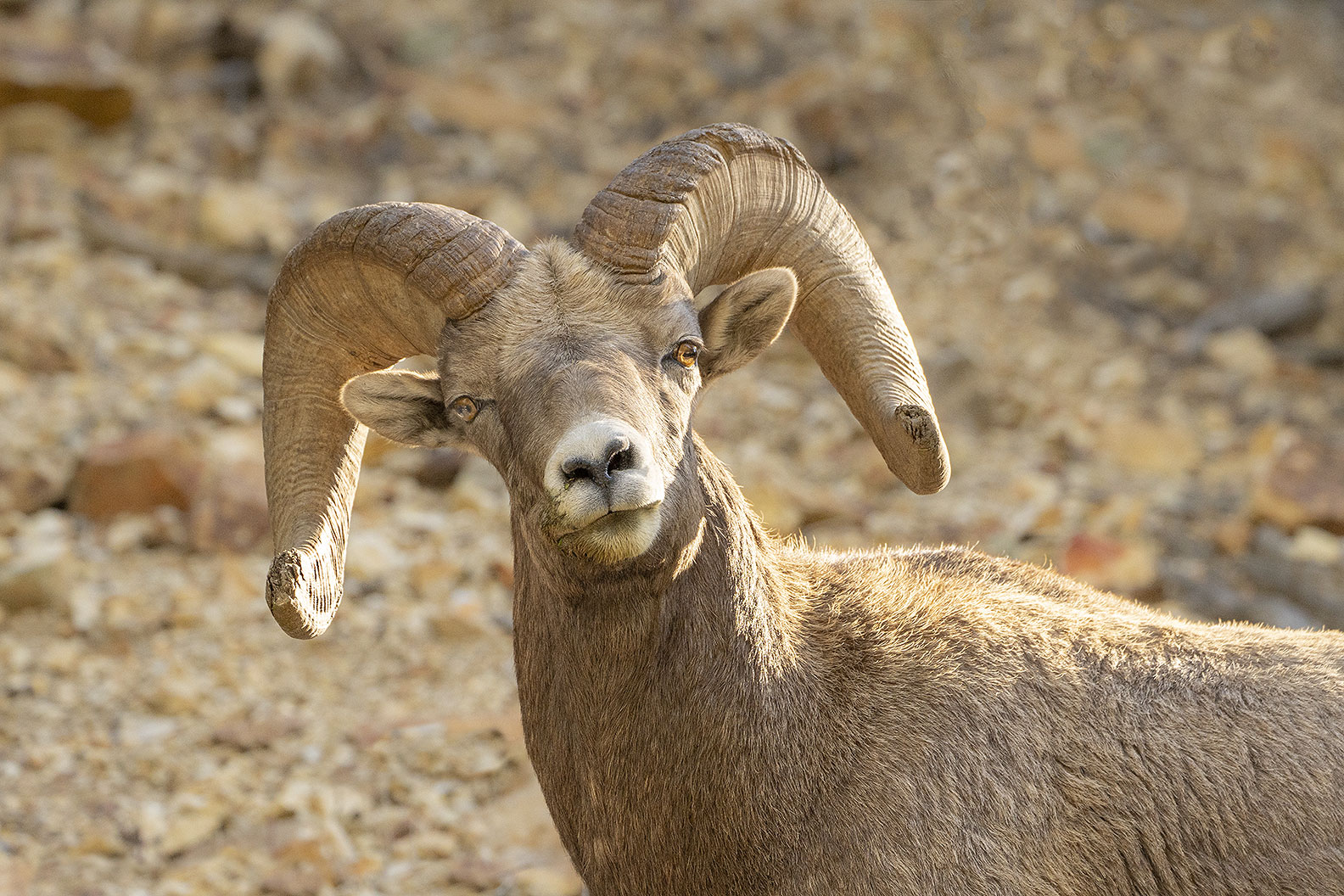
He was curious but also got bored with us and didn’t move for what seemed ages, (about two minutes)’ so we left him alone to carry on. We also carried on with our Red River photo tour for fall colors, which are stunning right now. On our return trip, our friend here, hadn’t moved from the same roadside spot. The leaves and grass must have been extra delicious.
Inquisitive stare, Red River Canyon.
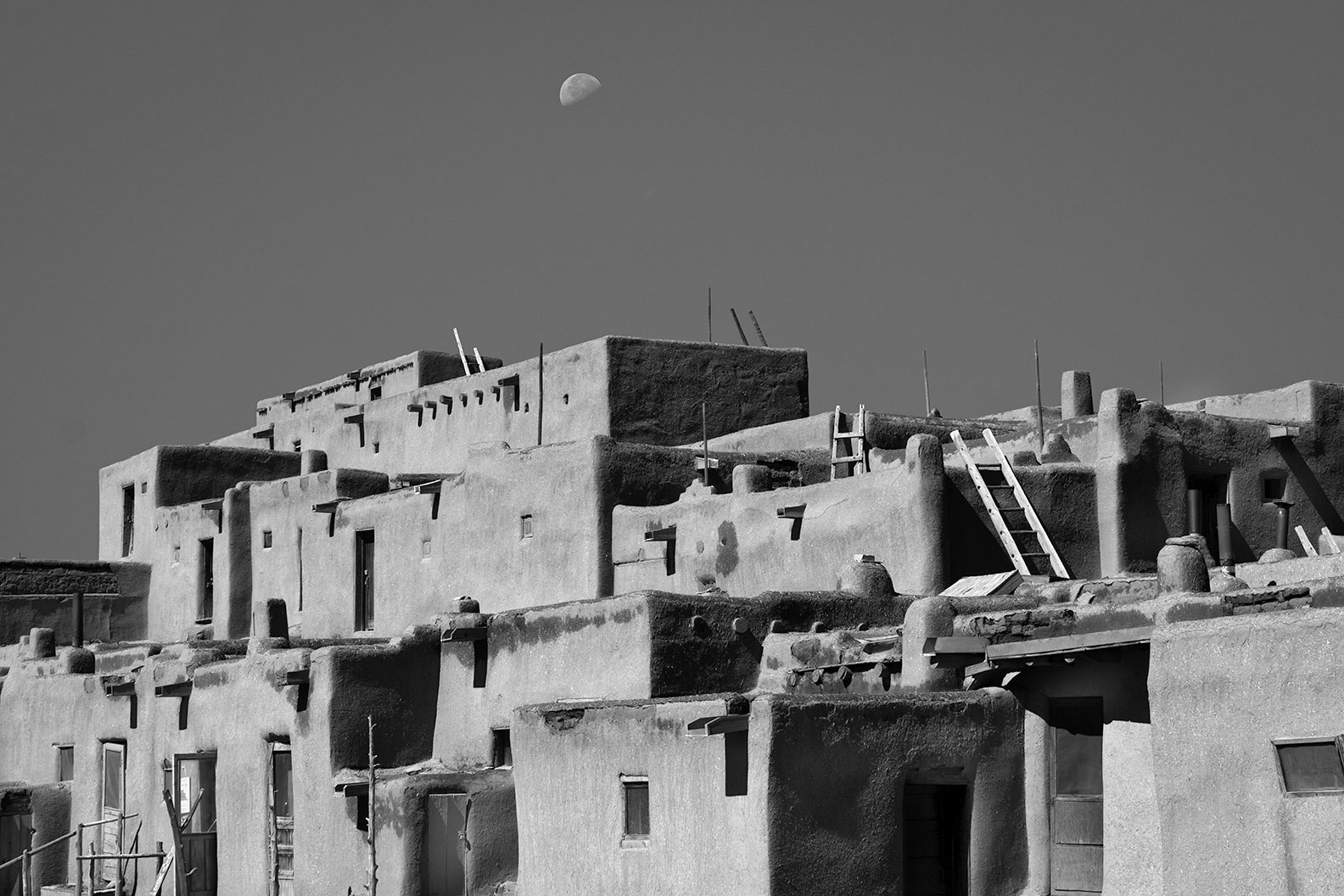
As promised, the black and white of Taos Pueblo with ladders outstreched as if reaching to the moon.
Taos Pueblo, ladders and waning moon.
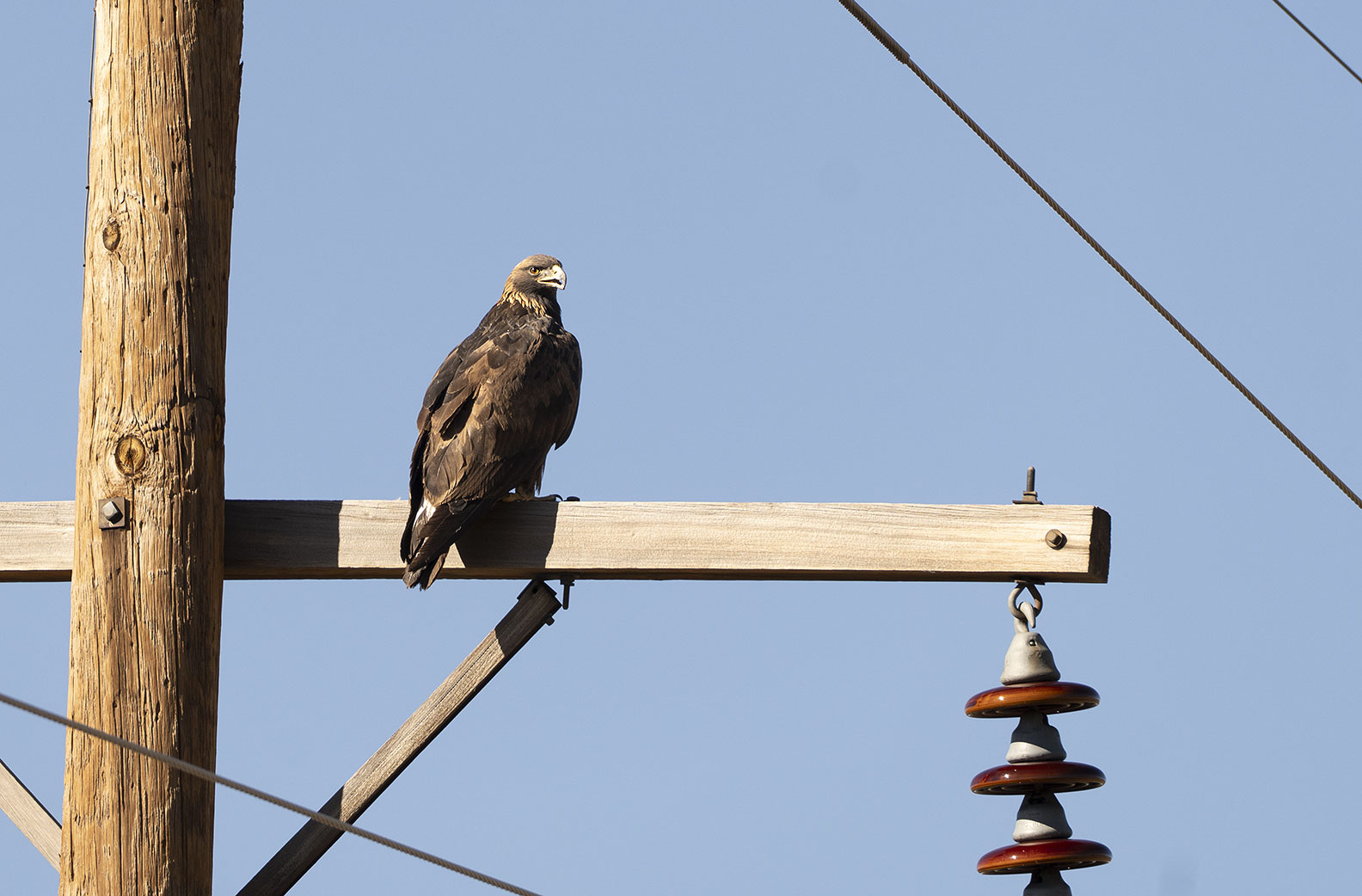
Earlier in the week I spotted this Golden Eagle near the lake and appropriately named town of Eagle Nest.
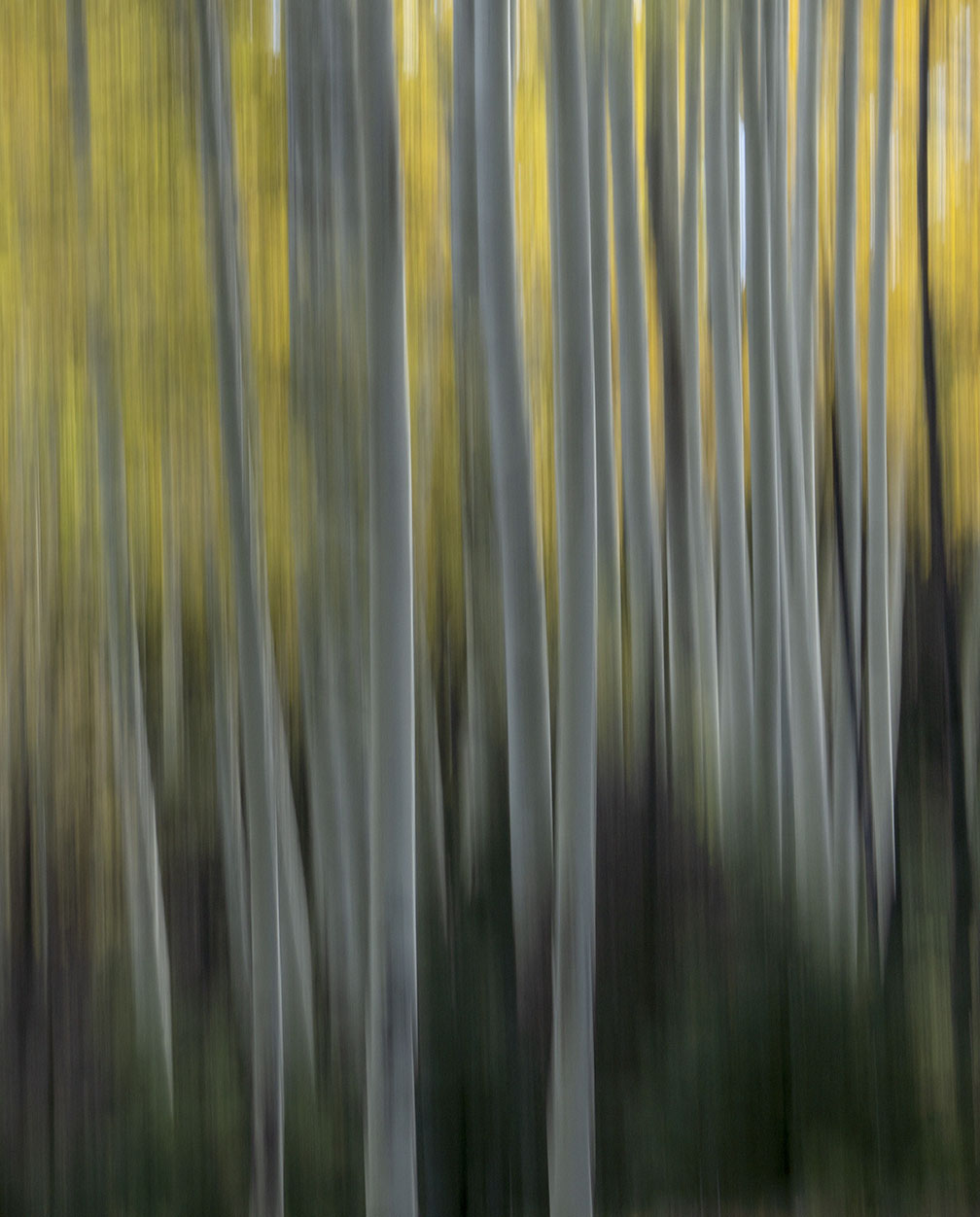
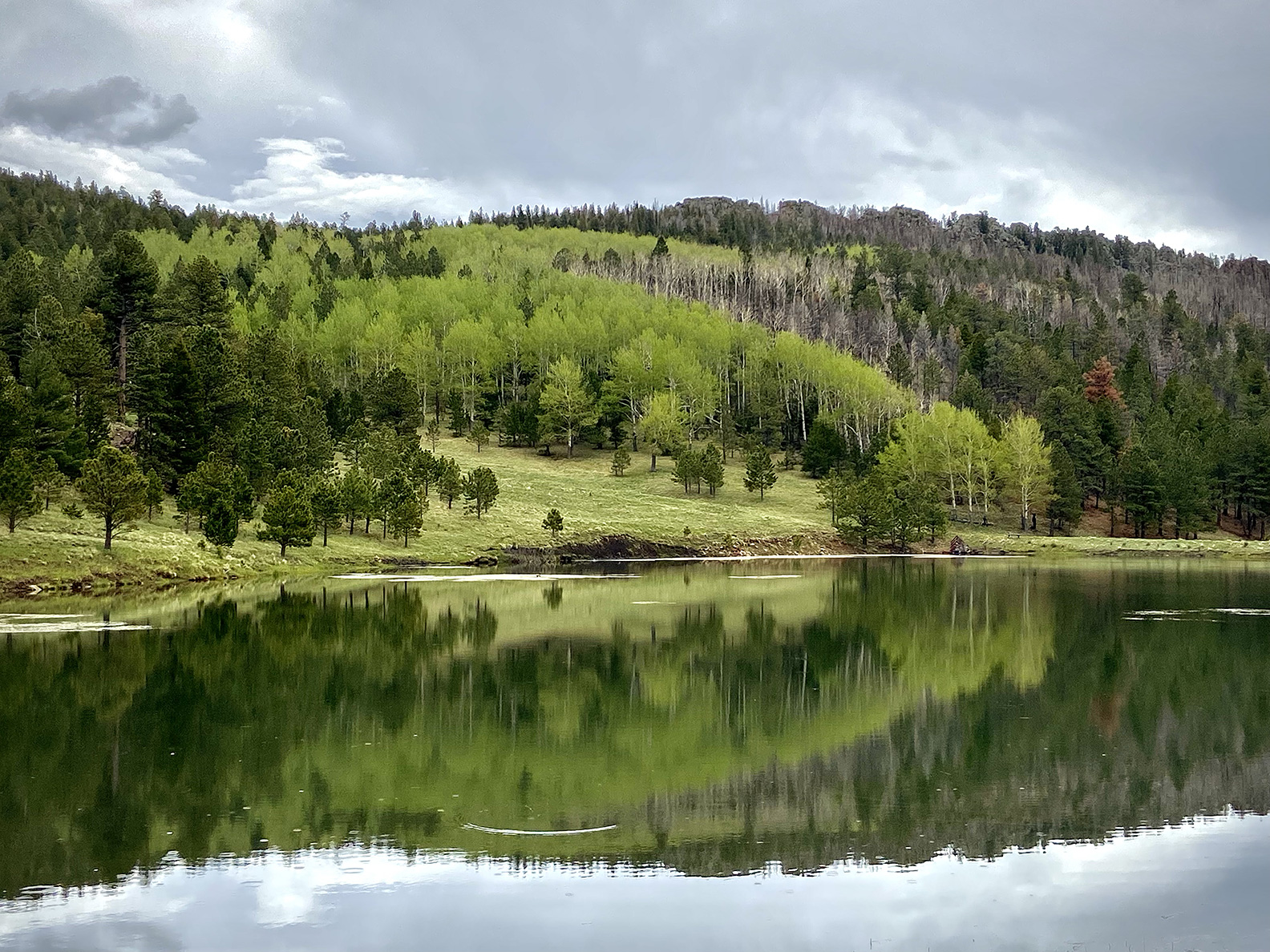
Over the last two weeks we’ve made numerous trips to the mountains for fall colors. Here’s one I created near Hopewell Lake with intentional camera movement. It’s been a good autumn so far with more to come.
In the aspens at Hopewell Lake, NM.
As always, thanks for visiting and looking. Have a great week where you are. G
Greetings from New Mexico. This week, Elk, crossing the Rio Chama.
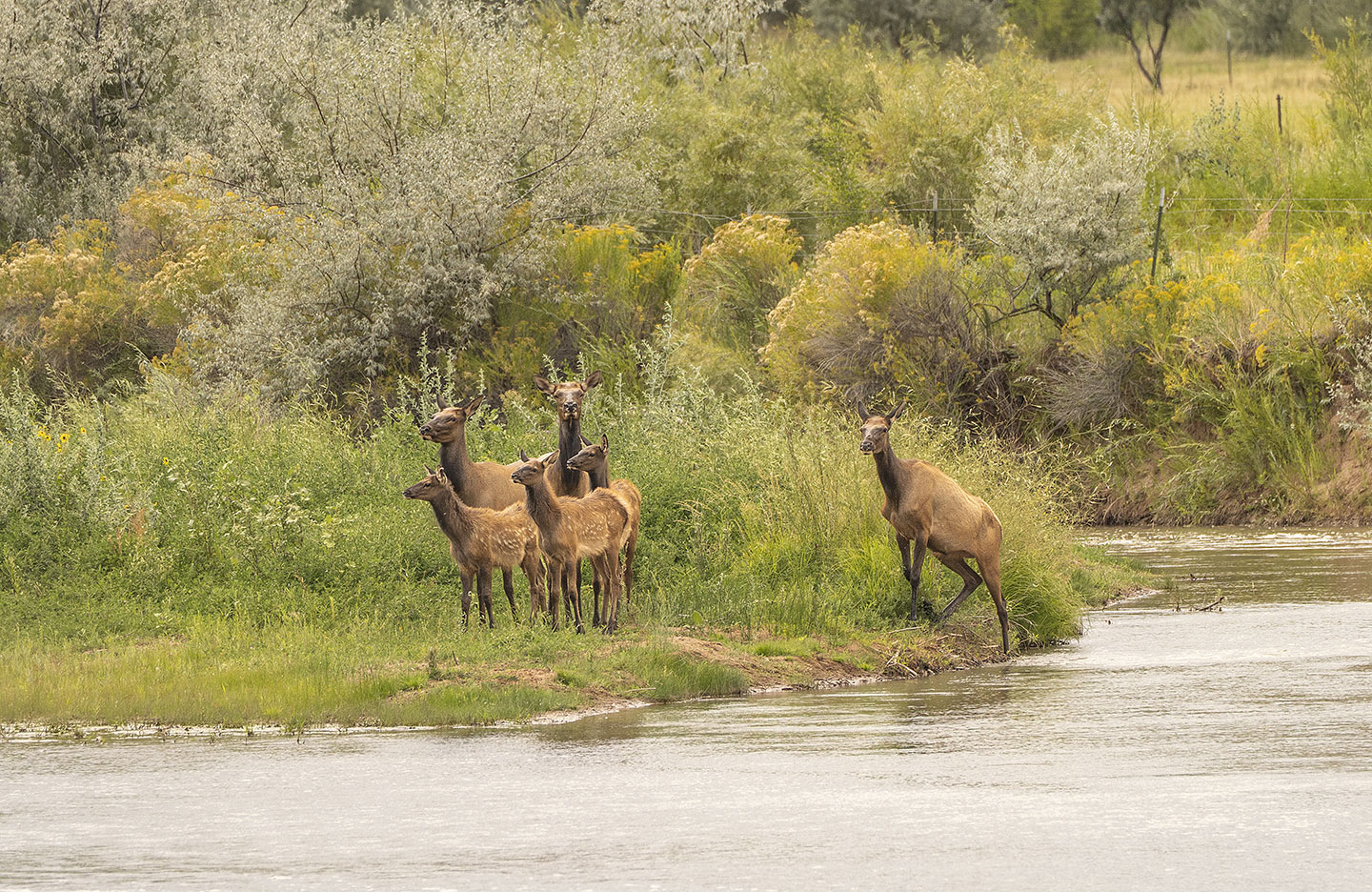
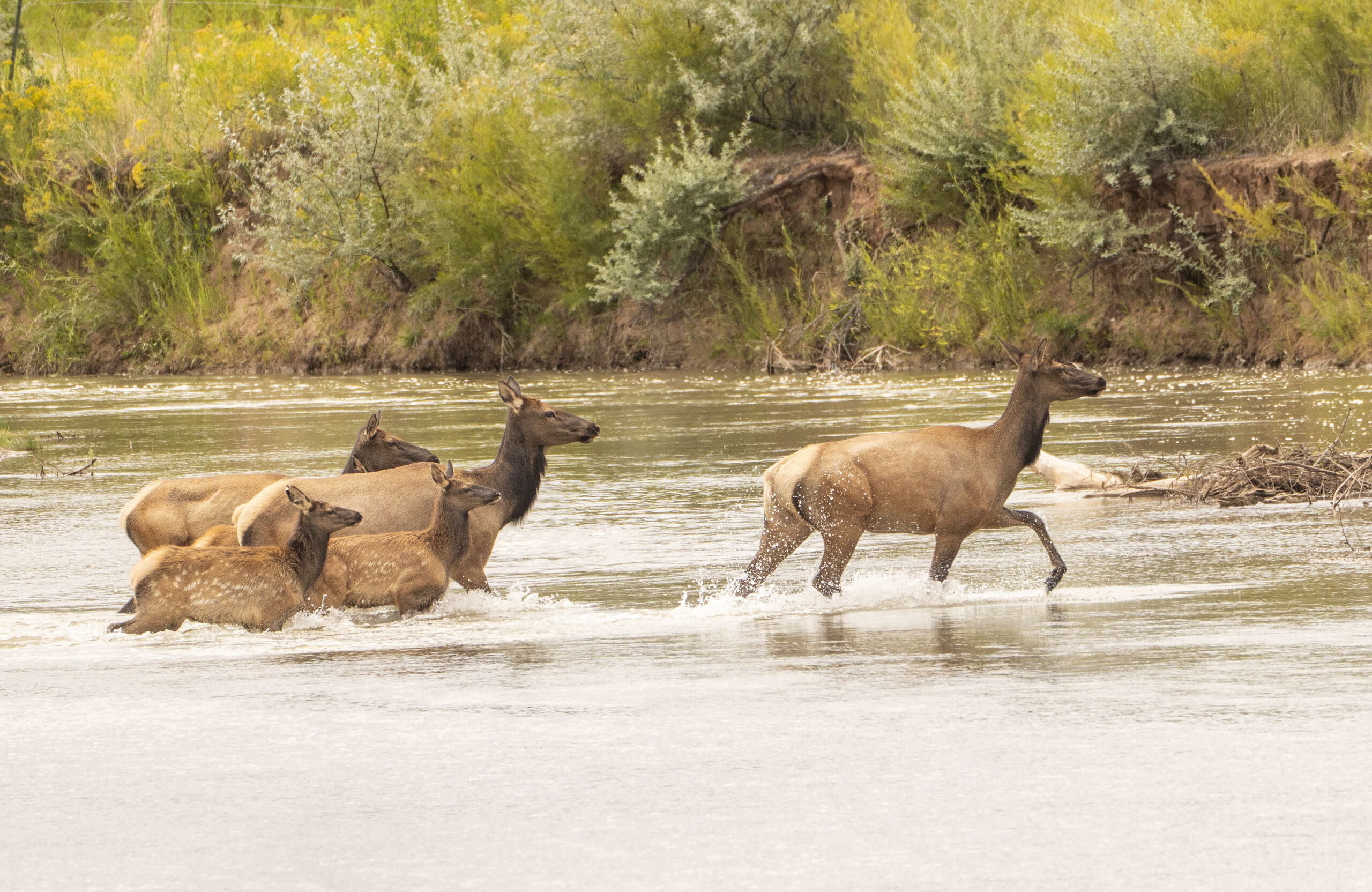
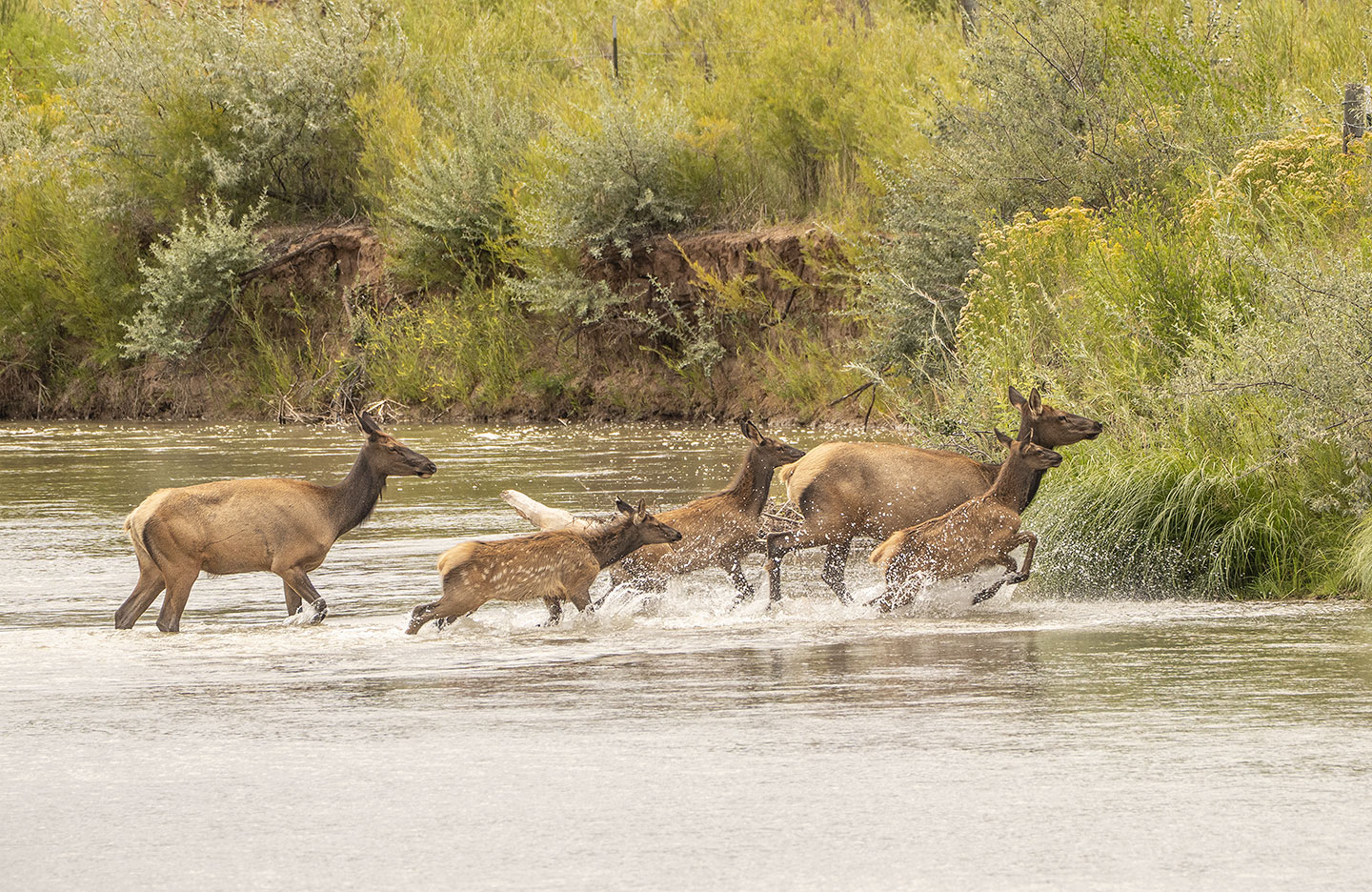
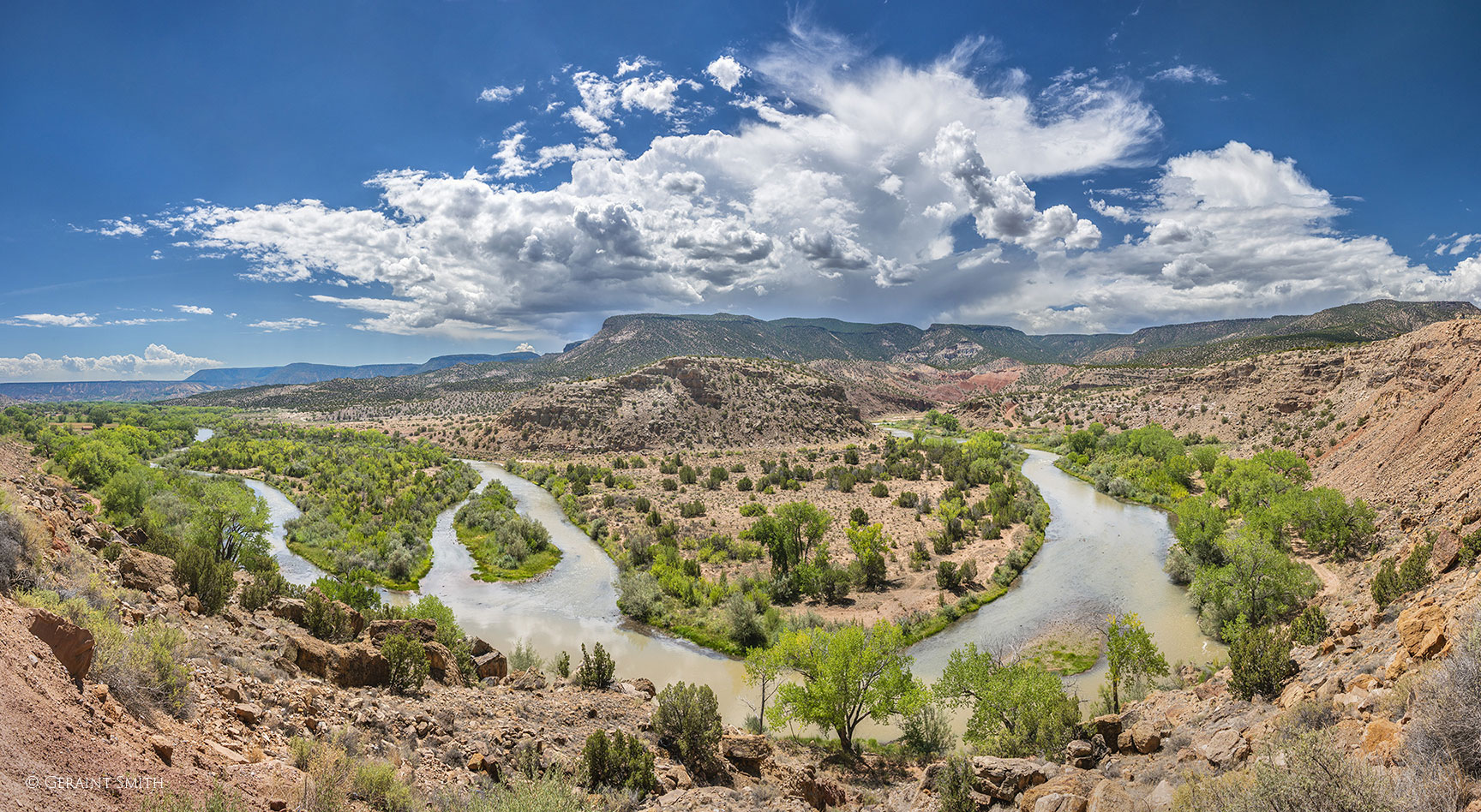
On the first day of our two day trip, Scott and I were just finishing up the day in Abiquiu and the Ghost Ranch area, with another stop on the Rio Chama. Upstream from the village of Abiquiu, rounding a bend in the road, I had a clear view, and was surprised to see elk in the river. One group promptly crossed, while the second group waited for us to get set up before crossing. I can’t really say for certain that they waited for us but it sure seemed like it.
Elk waiting to cross the Rio Chama in the village of Abiquiu, NM.
•
Crossing the Chama River.
•
The whole scene looked very refreshing for the elk. I stood in awe with reverence following the sight we had witnessed.
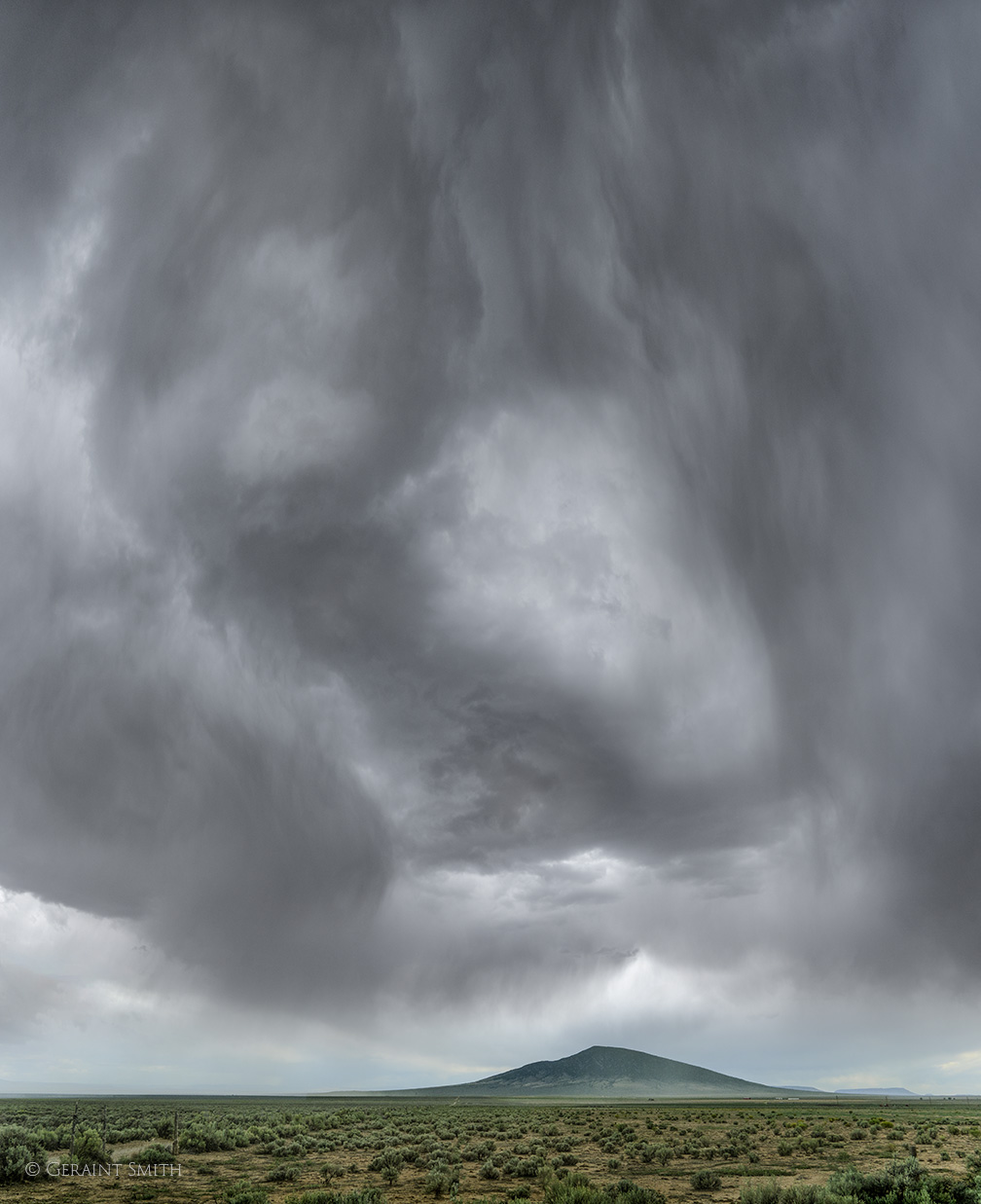
On the second day of our photo safari, we headed north to Ute Mountain and the San Luis Valley, always a favorite stop on a photo tour. Yes, the clouds unleashed heavy rain.
Storm clouds, Ute mountain, NM.
•
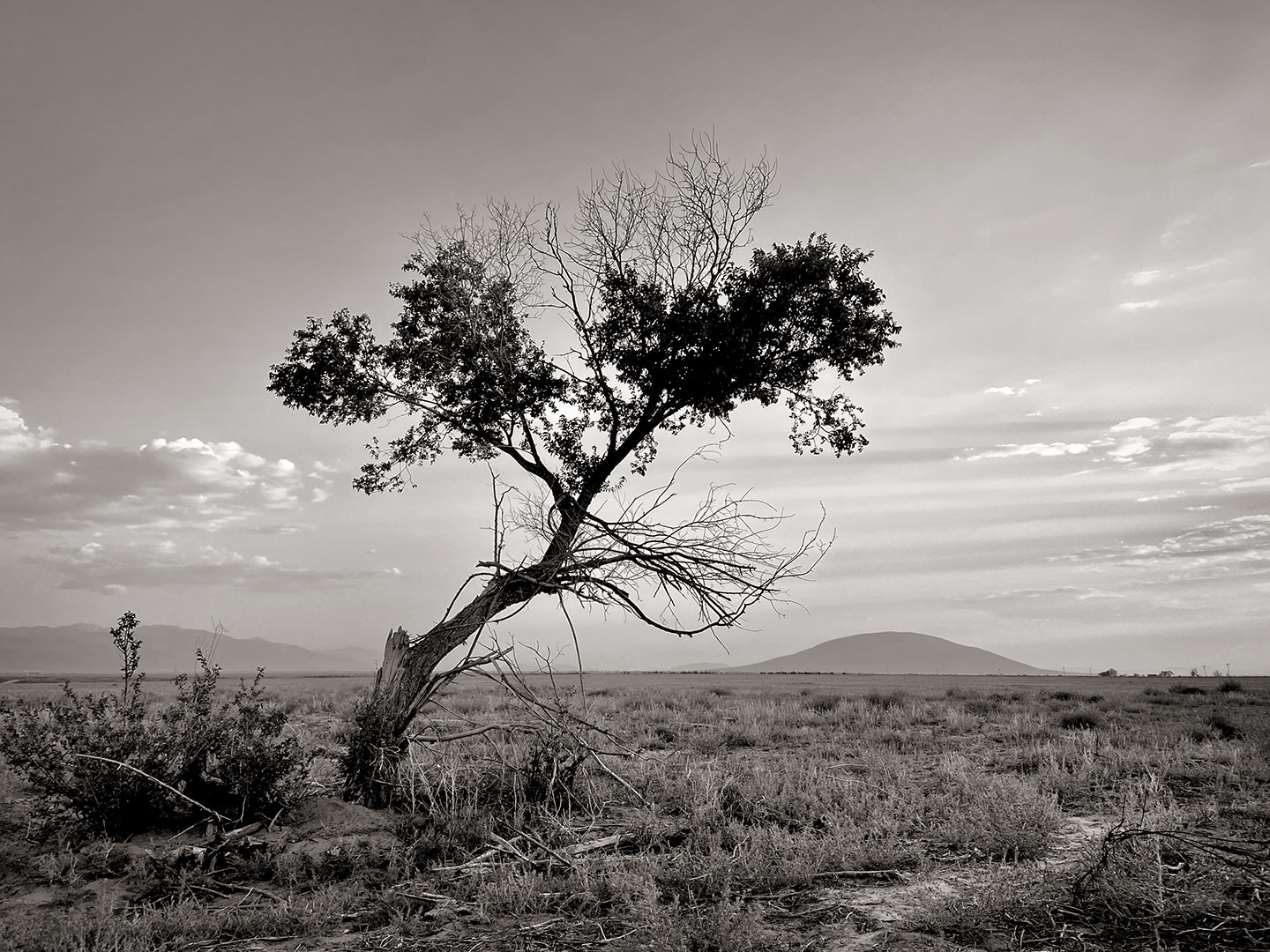
I went looking for this tree, in the photo below, thinking that five years later it may have grown some. It had only been deminished by loosing a couple of limbs, most certainly due to the high winds on the plateau. The tree is in Colorado, Ute Mountain is in New Mexico. Things change!
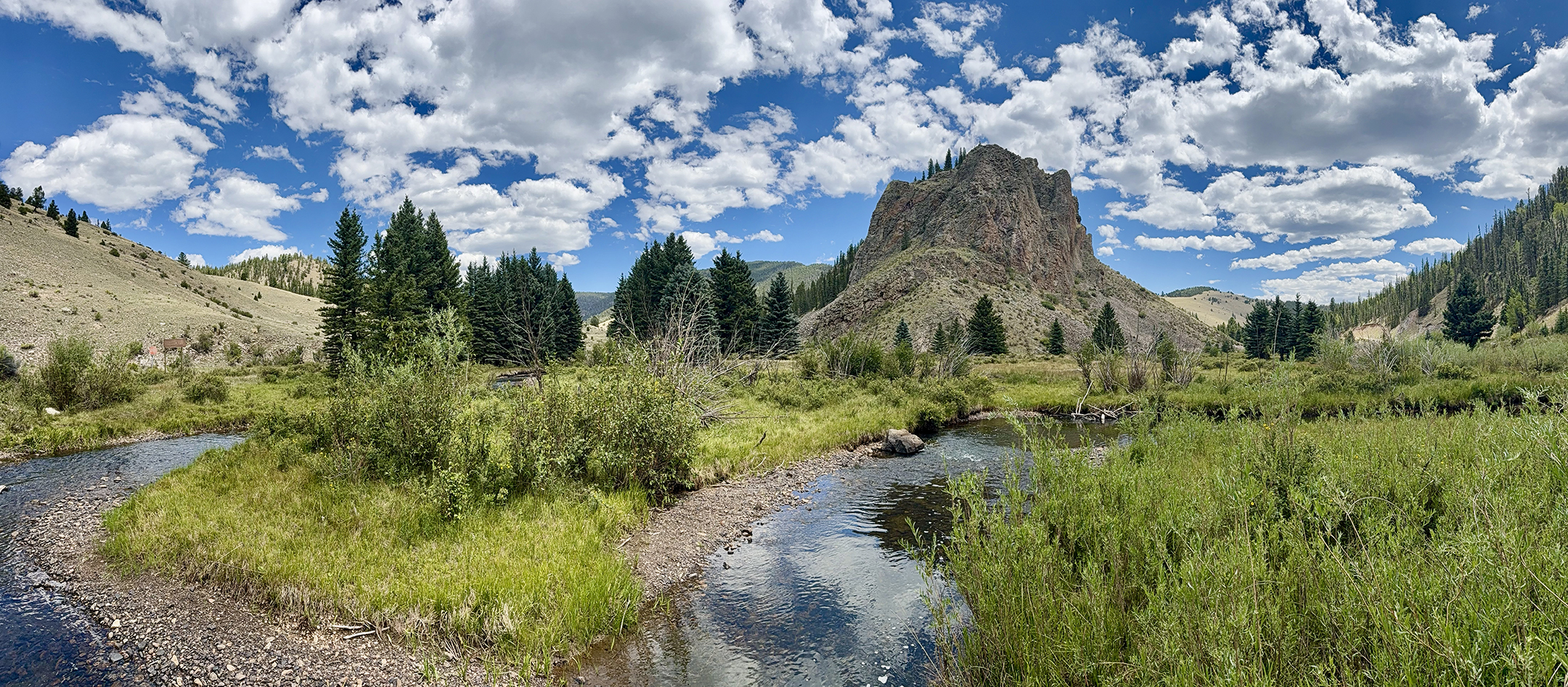
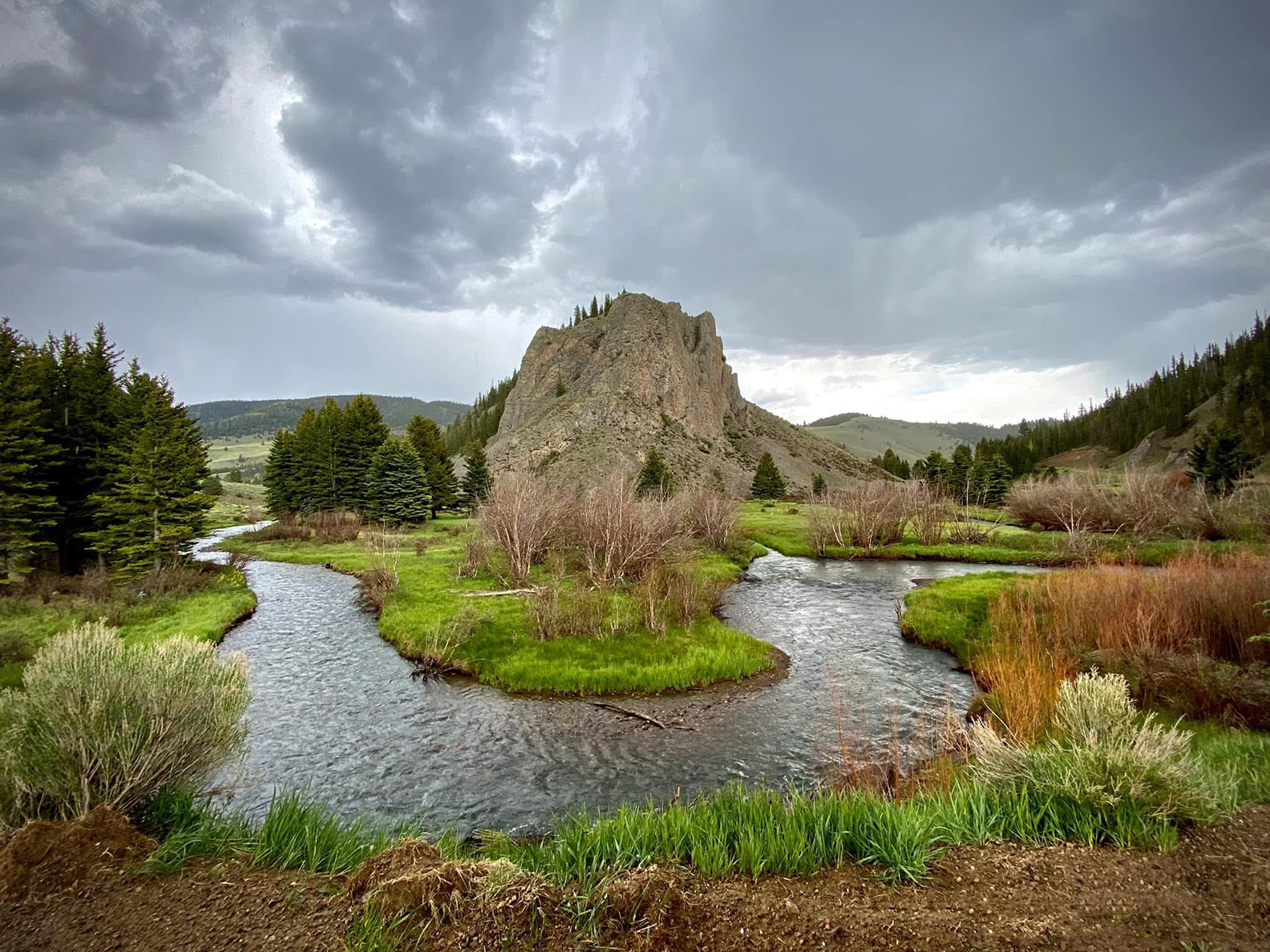
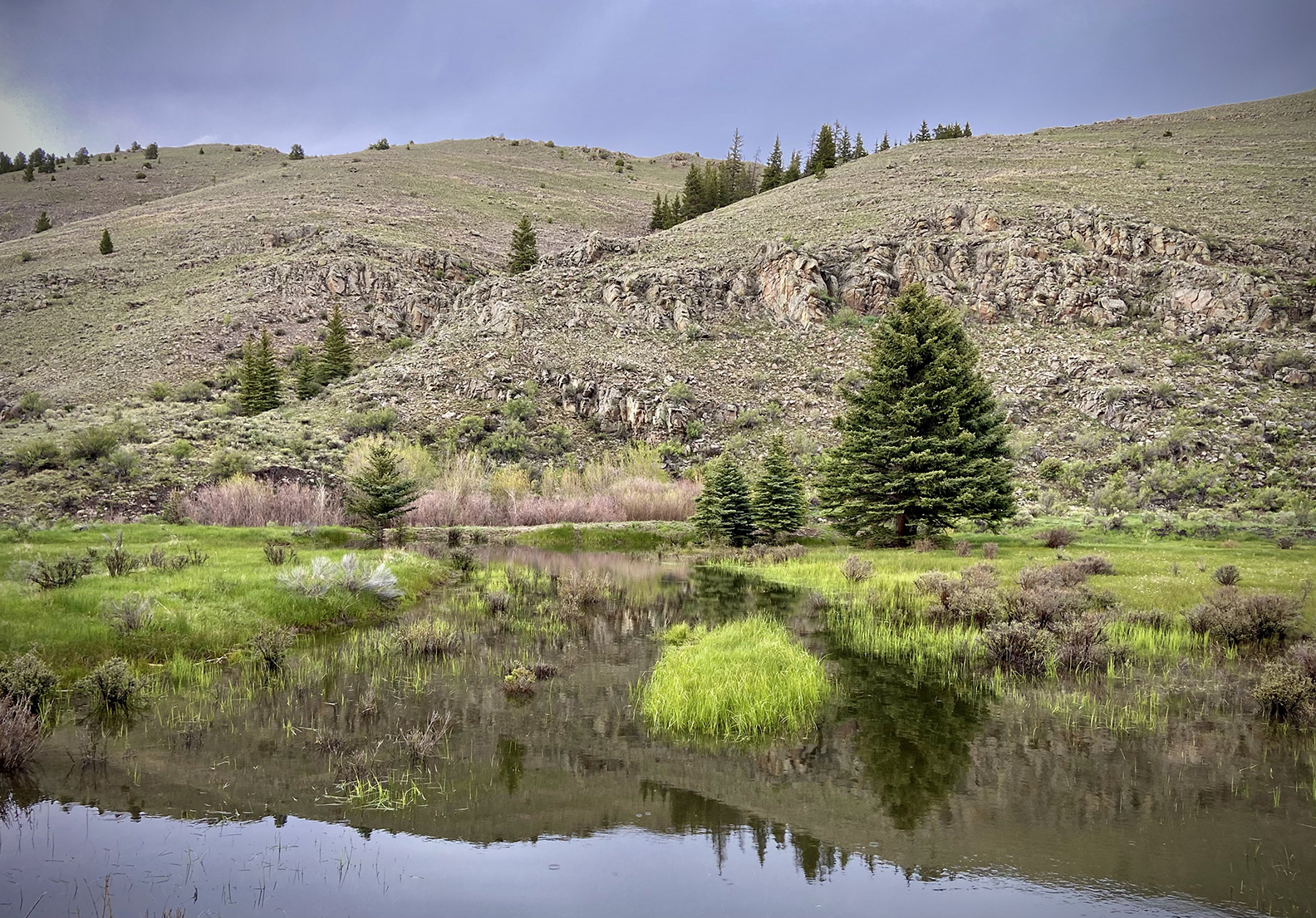
Greetings from the Vale Vidal, in the high country of northern New Mexico. My computer and internet are running really slow today so I’m heading to the mountains. Here’s a favorite stopping point, Comanche Point at the confluence of the Rio Costilla and Comanche Creek. You know the place. Not a lot of water, though some areas are very green and lush, and the clouds are outstanding.
Enjoy! See you next week.
Valle Vidal in the high country of northern New Mexico.
•
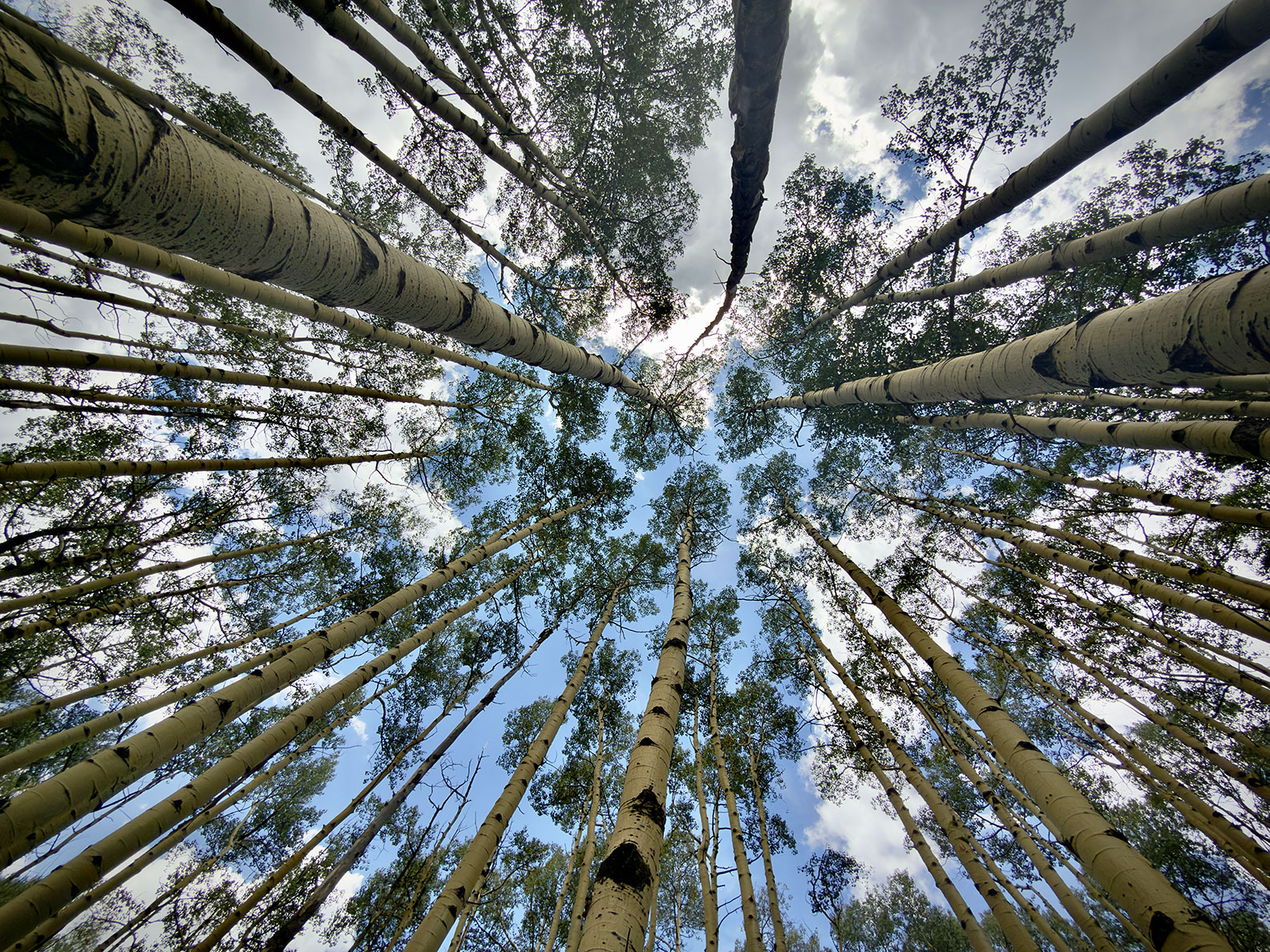
Checking out the aspen groves, it’s looking like it will be fabulous fall color up here!
Aspens, Skyward.
•
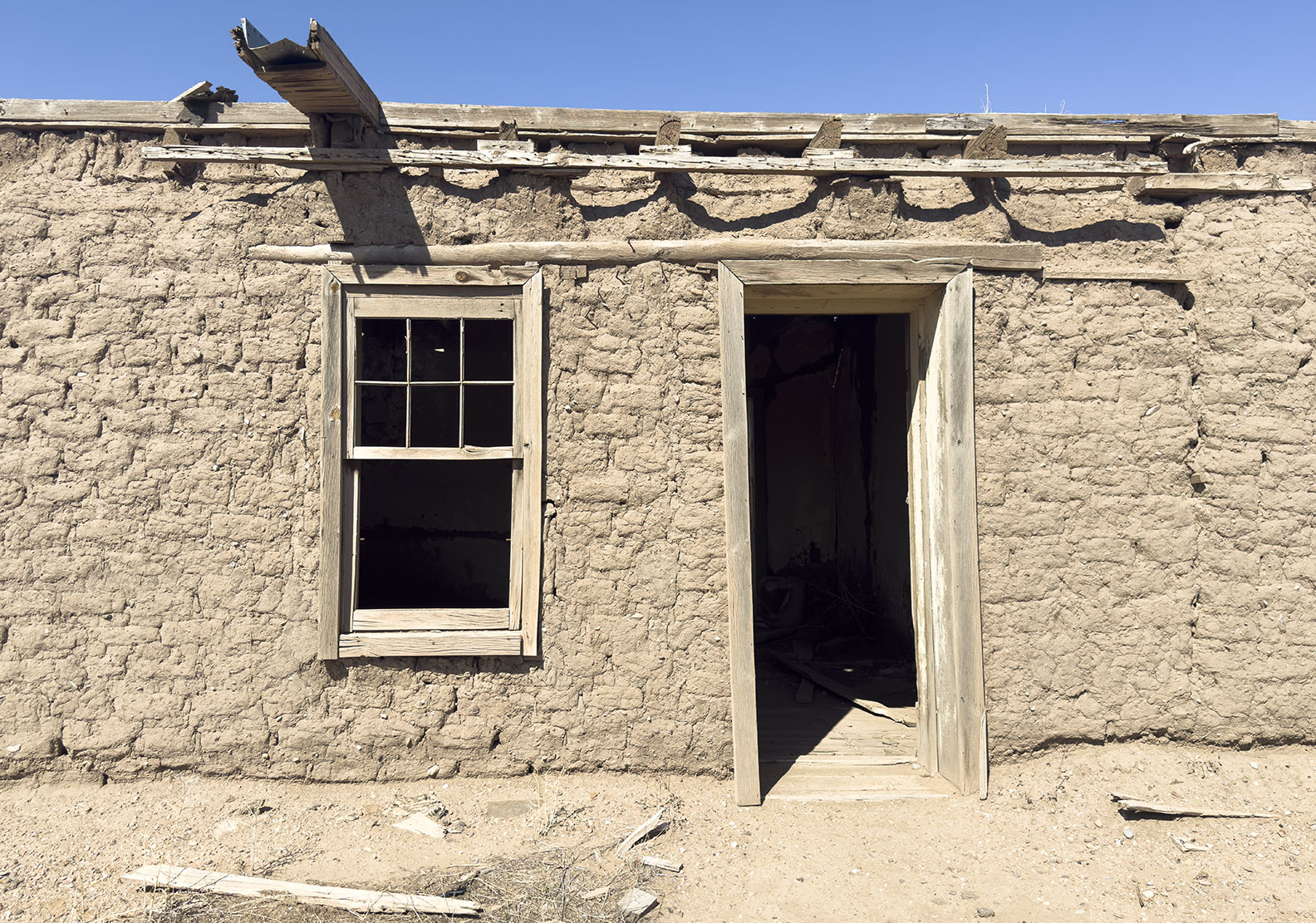
It’s always fun to stop in the San Luis Valley and photograph a dilapidated ruin en-route to the Valle Vidal.
Adobe ruin, Garcia, CO.
•
Three hours later I can safely say…. “As always, thanks for looking. Have a great week”. G
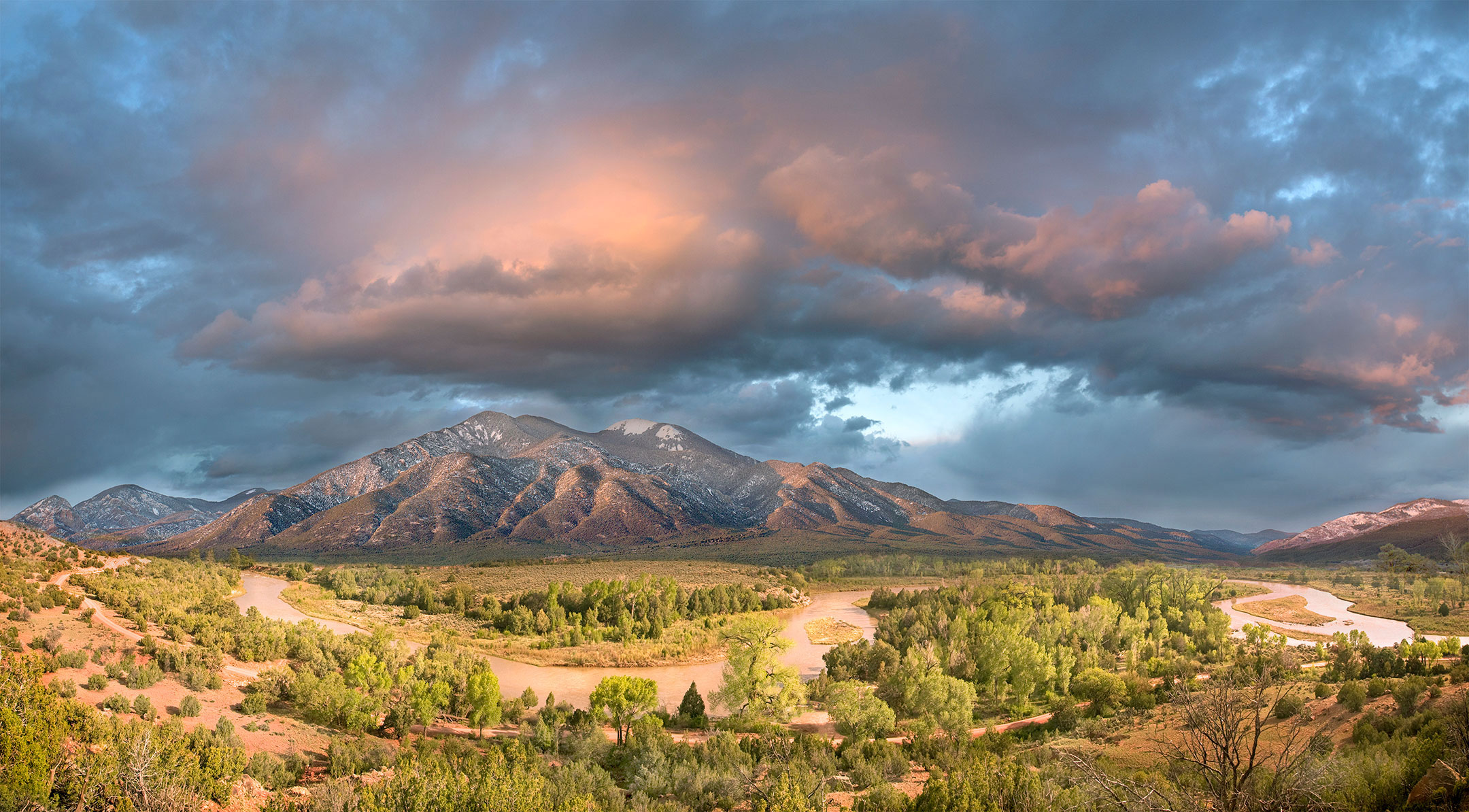
Greetings from New Mexico. I hope everyone had a great week. This week, a large-scale composite photograph depicting two places I love being, besides home! One is standing in awe of Taos Pueblo Peak (Taos Mountain), the second is watching the river flow in Abiquiu, New Mexico.
Here’s the composite created this last spring during a session with my good friend and co-conspiritor David, Vedoe. I hope you’ll pardon another short post. I had a great couple of weeks photo touring with clients. I’m heading to the mountains tomorrow so I’ll see what I get from a day hiking. I will be looking out for unexpected things.
The picture below is a high resolution, mural sized panorama, that can be mounted on interior walls. It was created for the pure fun of doing something different.
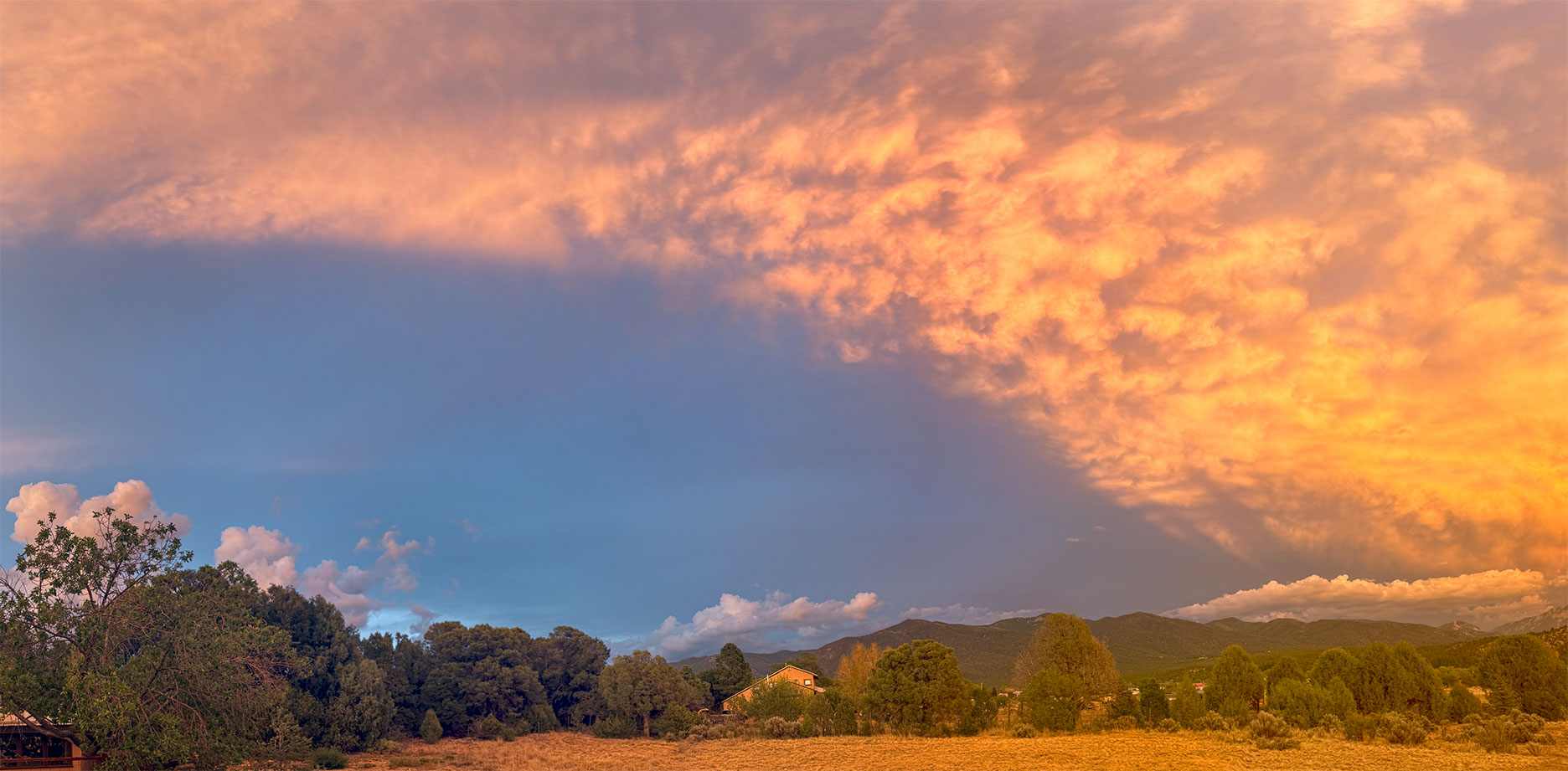
Not a composite image, was the sky two nights ago over our valley. I only had to walk out to the driveway to get most of the expanse. I call it “under the arc of existence”.
We have views from the back garden, the kitchen, dining room and deck along with the driveway, I only need a view from the bedroom and I won’t have to leave the house. Kidding! Soon I’ll do a post of the shots I’ve taken of this scene with the skies over our neighbors house.
Sky over San Cristobal, NM
•
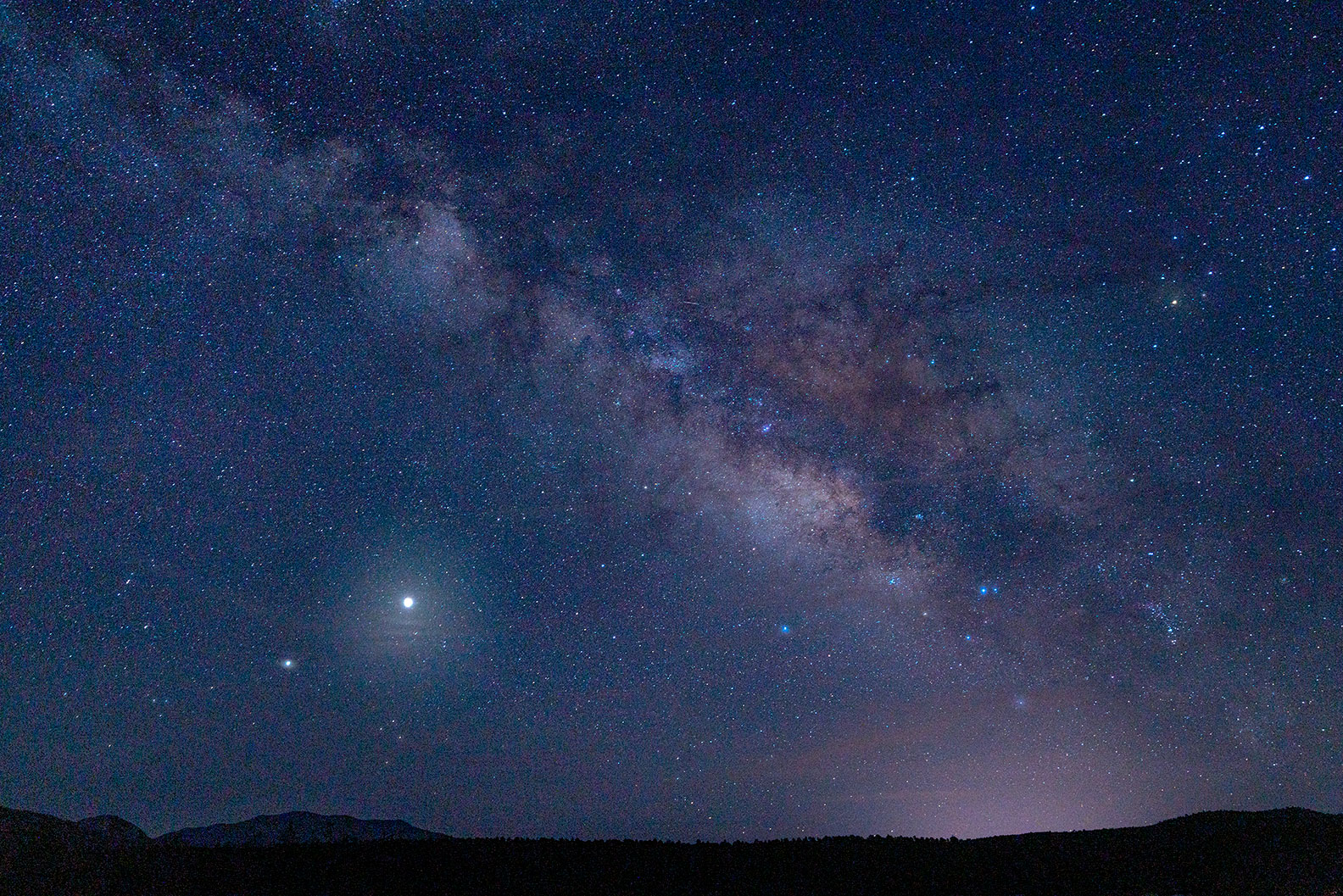
The Milky Way from our driveway, with Saturn, Jupiter, and an almost complete view, on the right, of the constellation Scorpius.
Saturn, Jupiter, the Milky Way and the Scorpion constellation.
•
As always, thanks for looking. Have a great week. G
Greetings from San Cristobal, NM. I hope everyone had a great week. This week is a short post with a few photos from the beautiful Valle Vidal, (Valley of Life), NM.
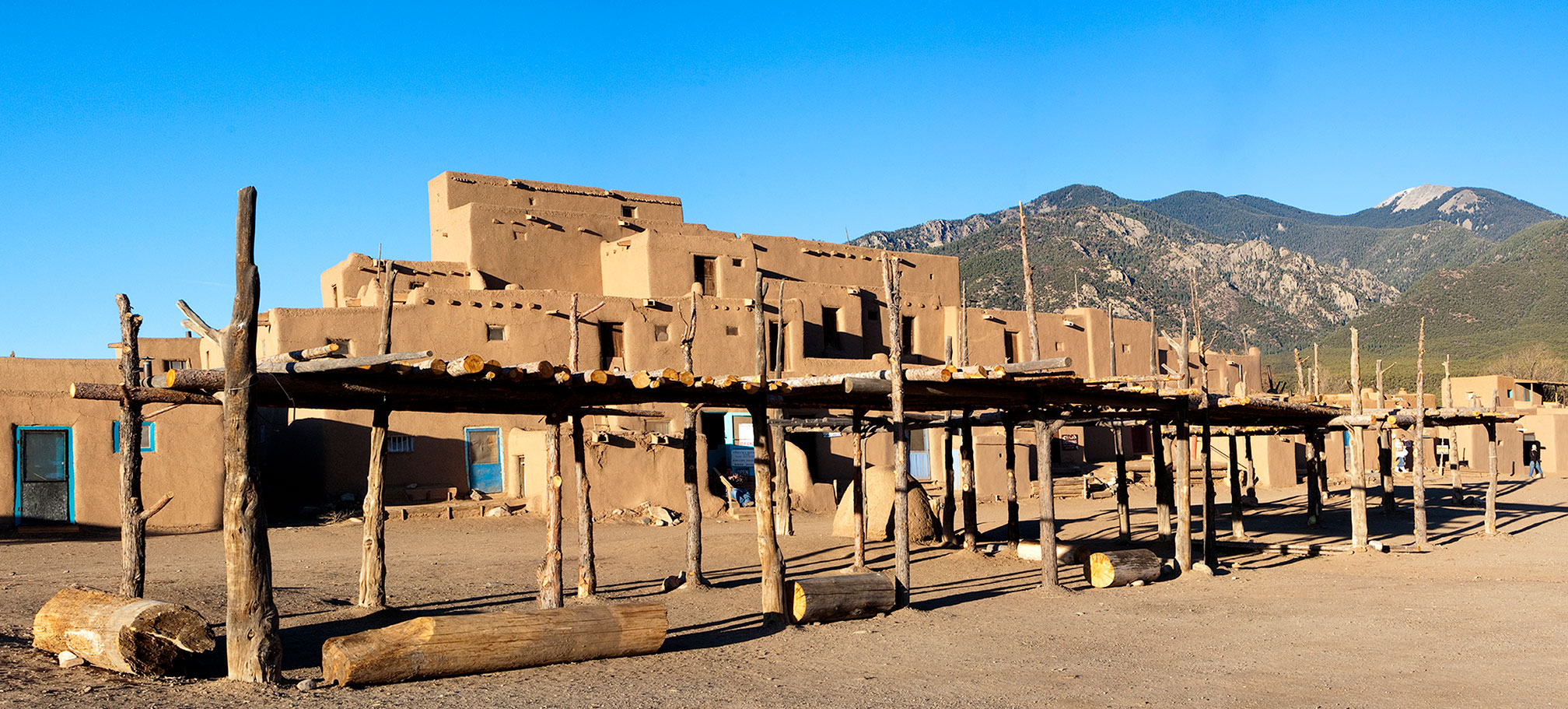
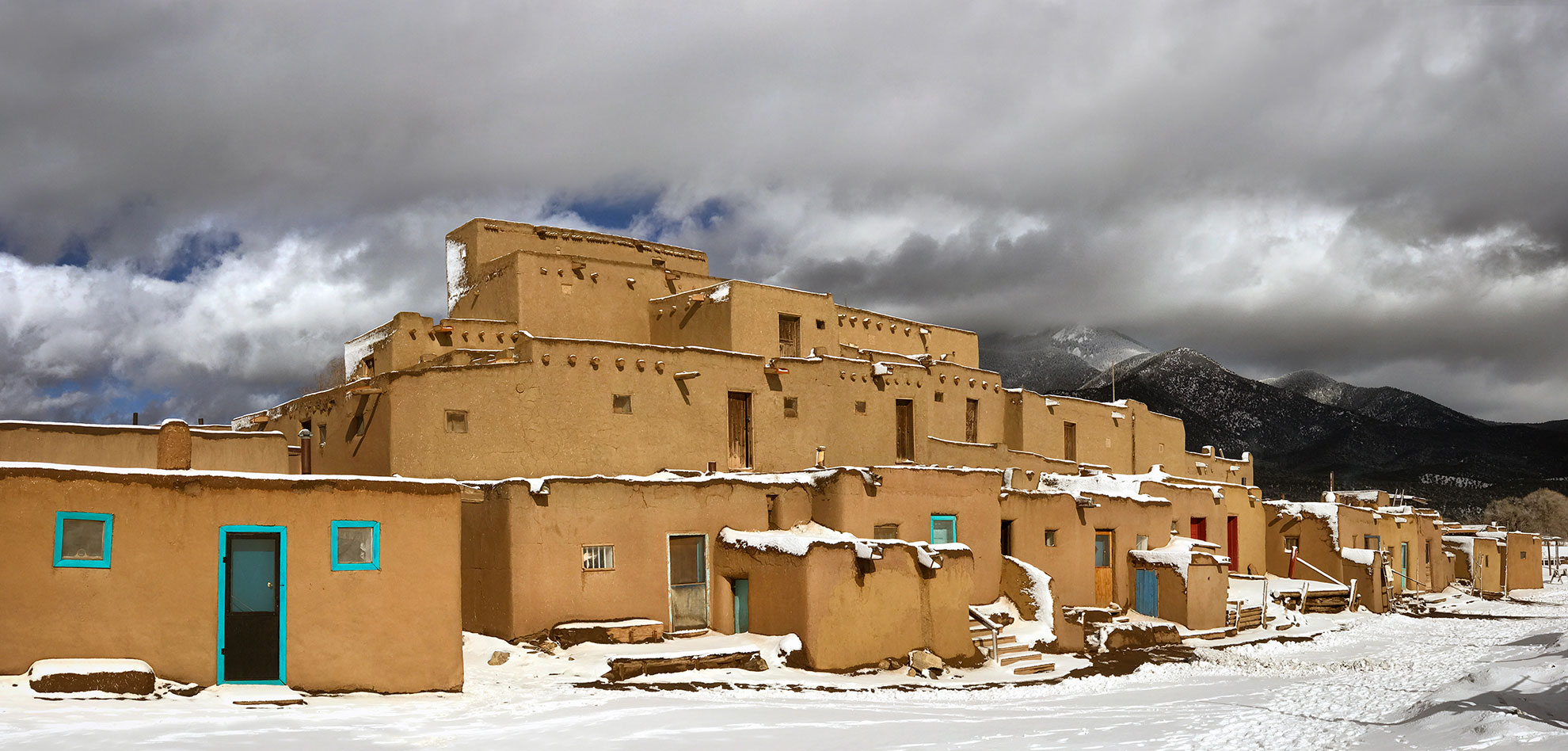
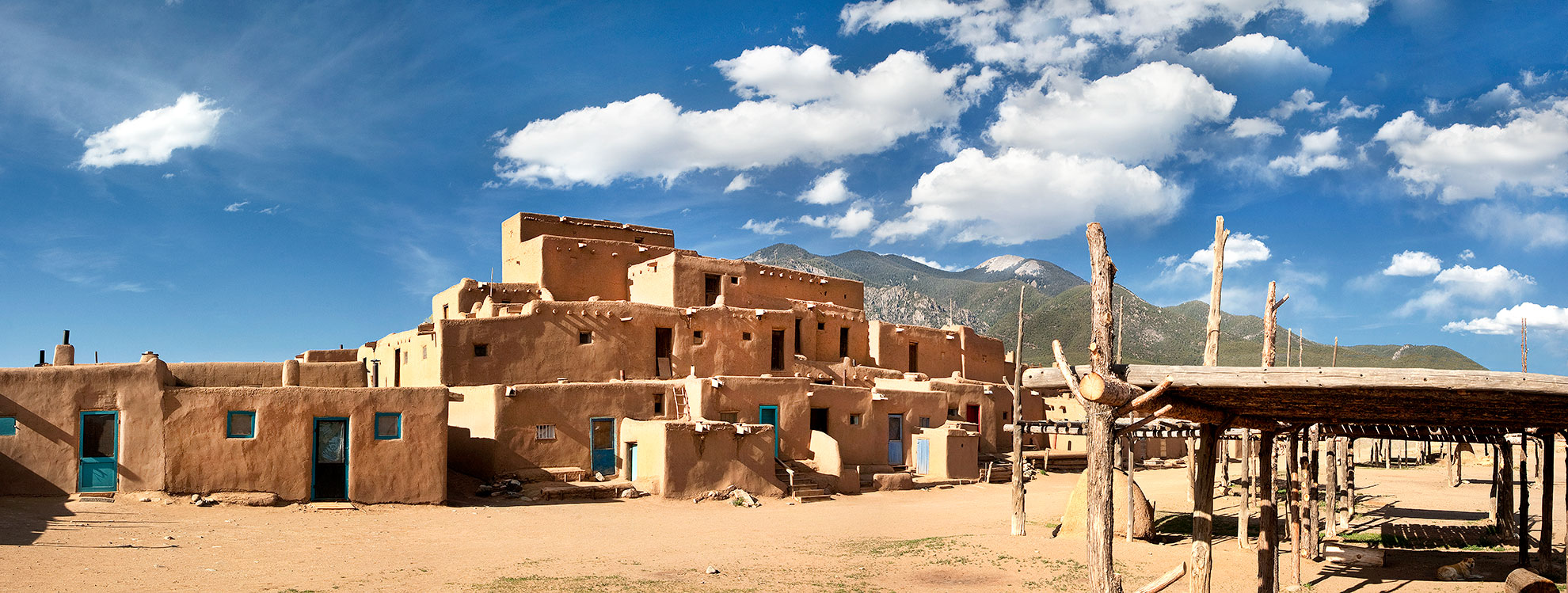
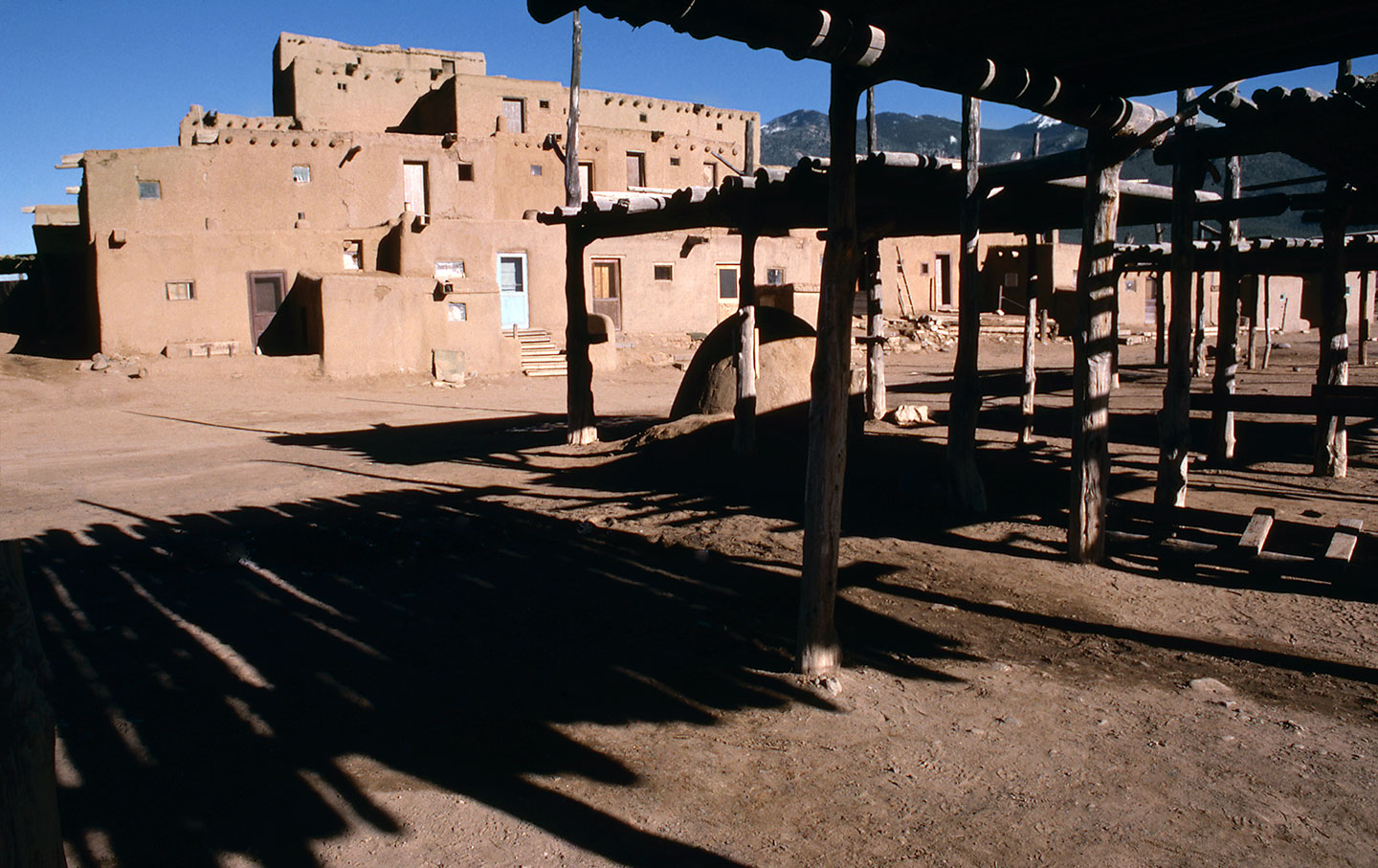
Greetings from San Cristobal, NM. This week, three views of the North House at Taos Pueblo. If you are fortunate to be in Taos this year, put the Taos Pueblo on your list of places to visit.
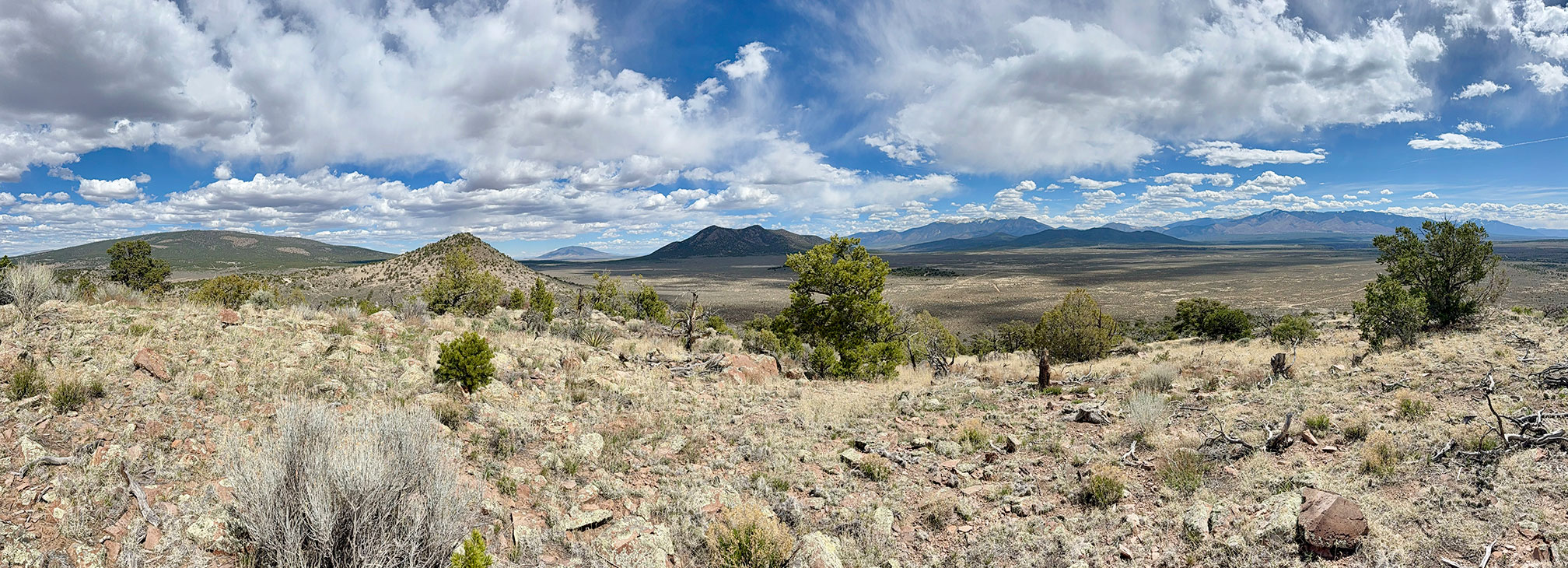
I hope everyone had a good week. A short post this week, nonetheless, an expansive one. Three panoramas, taken before winter, during winter, and the following spring, plus a view on a spring day, from a hill in our National Monument. Enjoy.
Taos Pueblo North House, before winter.
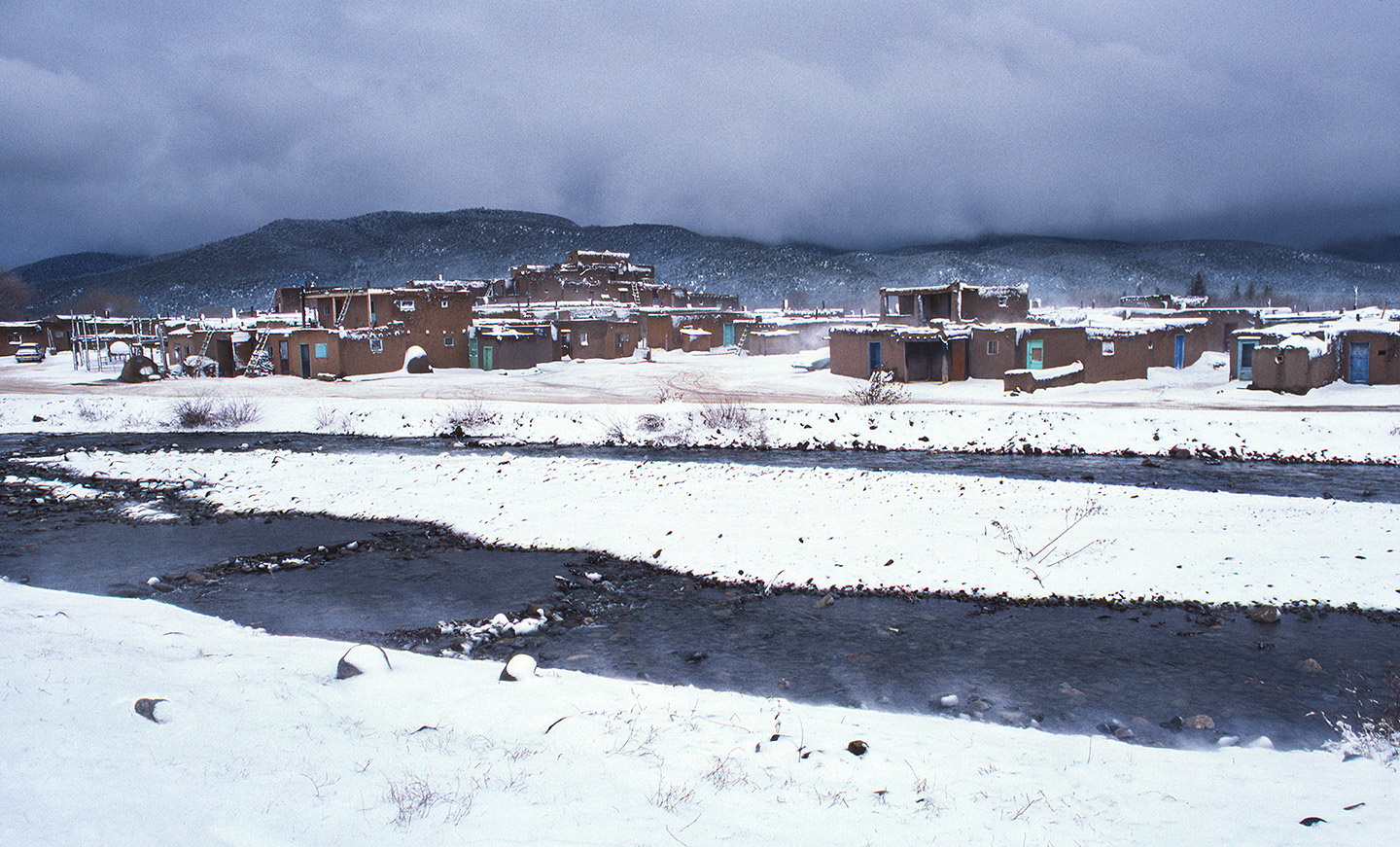
Taos Pueblo, located in northern New Mexico, is a remarkable Native American community that has been continuously inhabited for over a thousand years. This UNESCO World Heritage Site is renowned for its multi-storied adobe buildings, which exemplify traditional Pueblo architecture. The structures, made from earth, straw, and water, are meticulously maintained by the Taos people, who are committed to preserving their cultural heritage. The Pueblo is nestled at the base of the Sangre de Cristo Mountains, offering a stunning backdrop that enhances its historical and spiritual significance. Visitors to Taos Pueblo can experience the rich traditions and vibrant culture of the Taos people, who continue to uphold their ancestral customs and way of life.
North House, in winter.
North House, in spring.
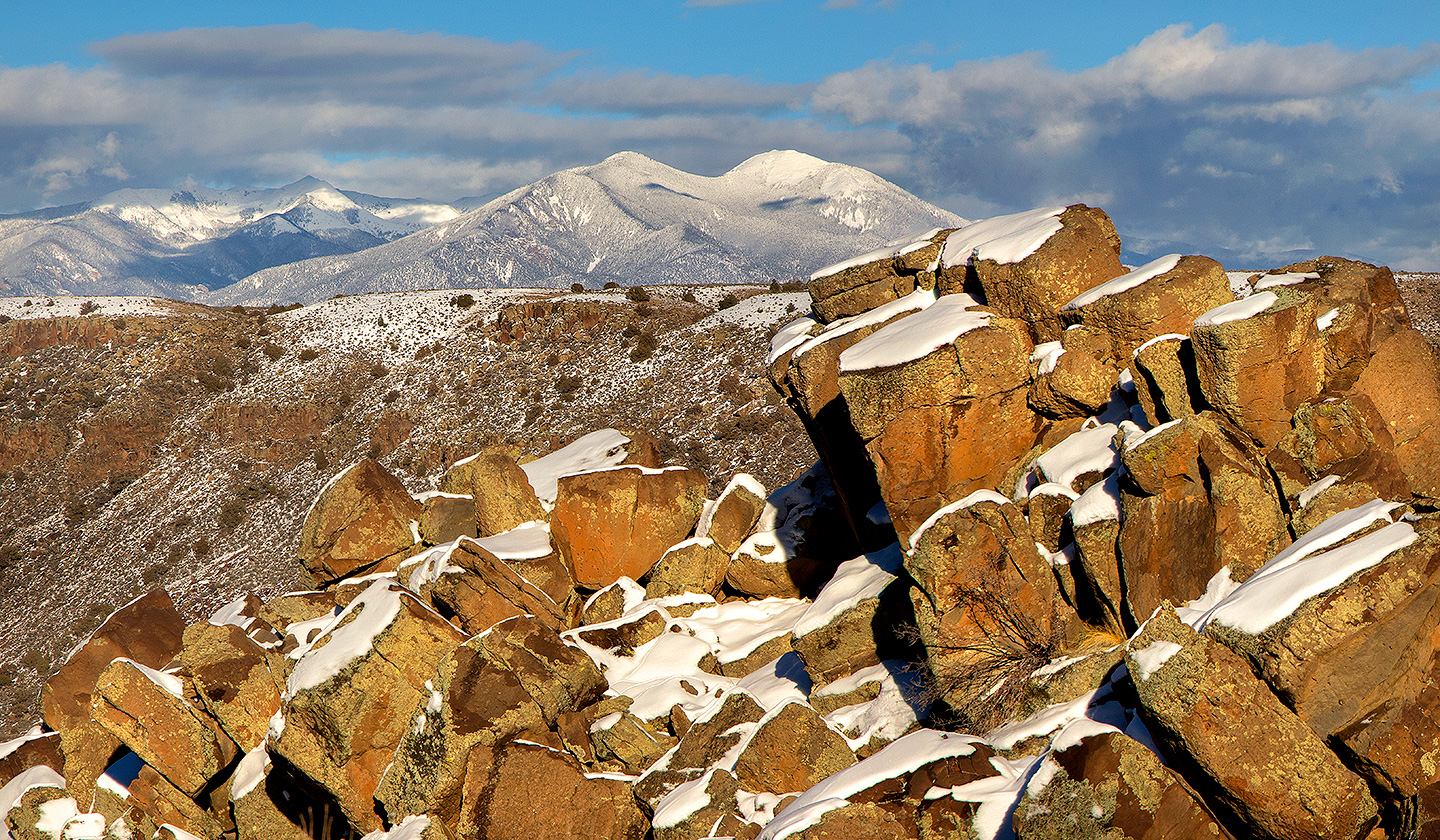
On a spring hike last week, up a small hill with expansive views in the Rio Grande del Norte National Monument. Ute Mountain in the distance, left of center, and San Cristobal, where we live, is in the foothills behind the tree on the right.
The Rio Grande del Norte National Monument.
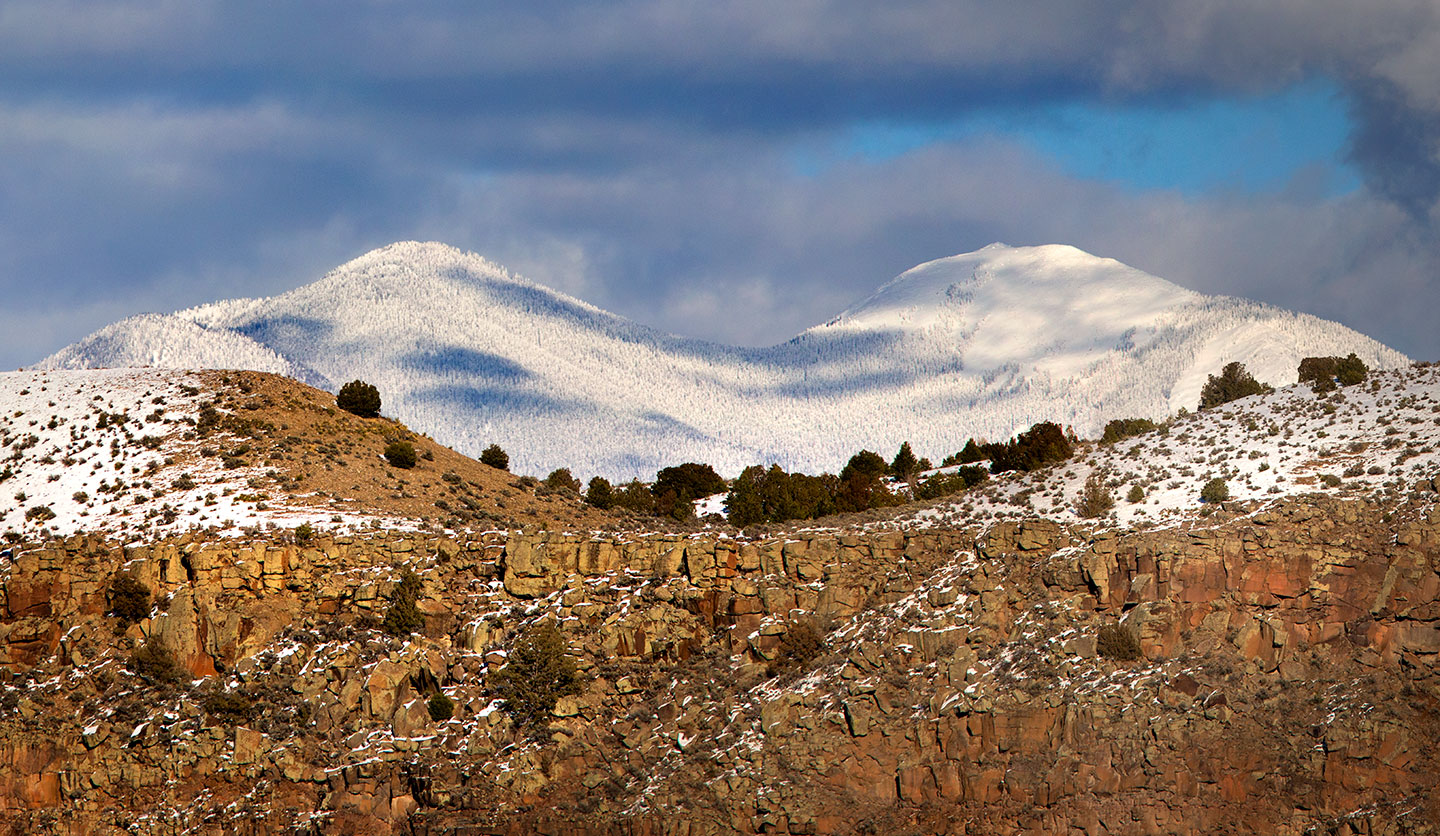
The mountains in this view, from left to right, are: Cerro de la Olla, Brushy Mountain, Ute, Cerro Chiflo, the Latir Peaks, Guadalupe Mtn North and South, Flag Mtn, and Lobo Peak. The hill we were standing on (not named) is only 333 feet up, but with excellent vistas.
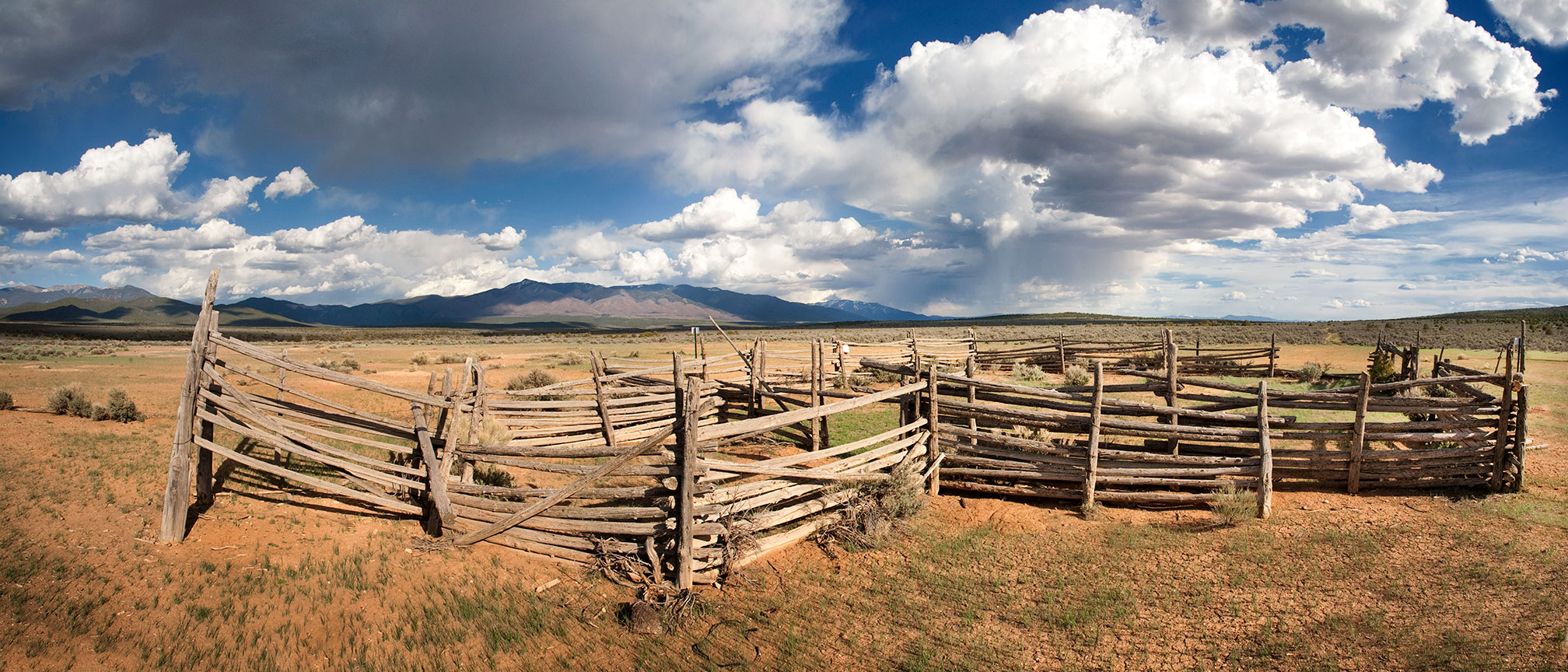
We also re-visited this old corral out there in the middle of nowhere.
Old corral, in the Rio Grande del Norte National Monument.
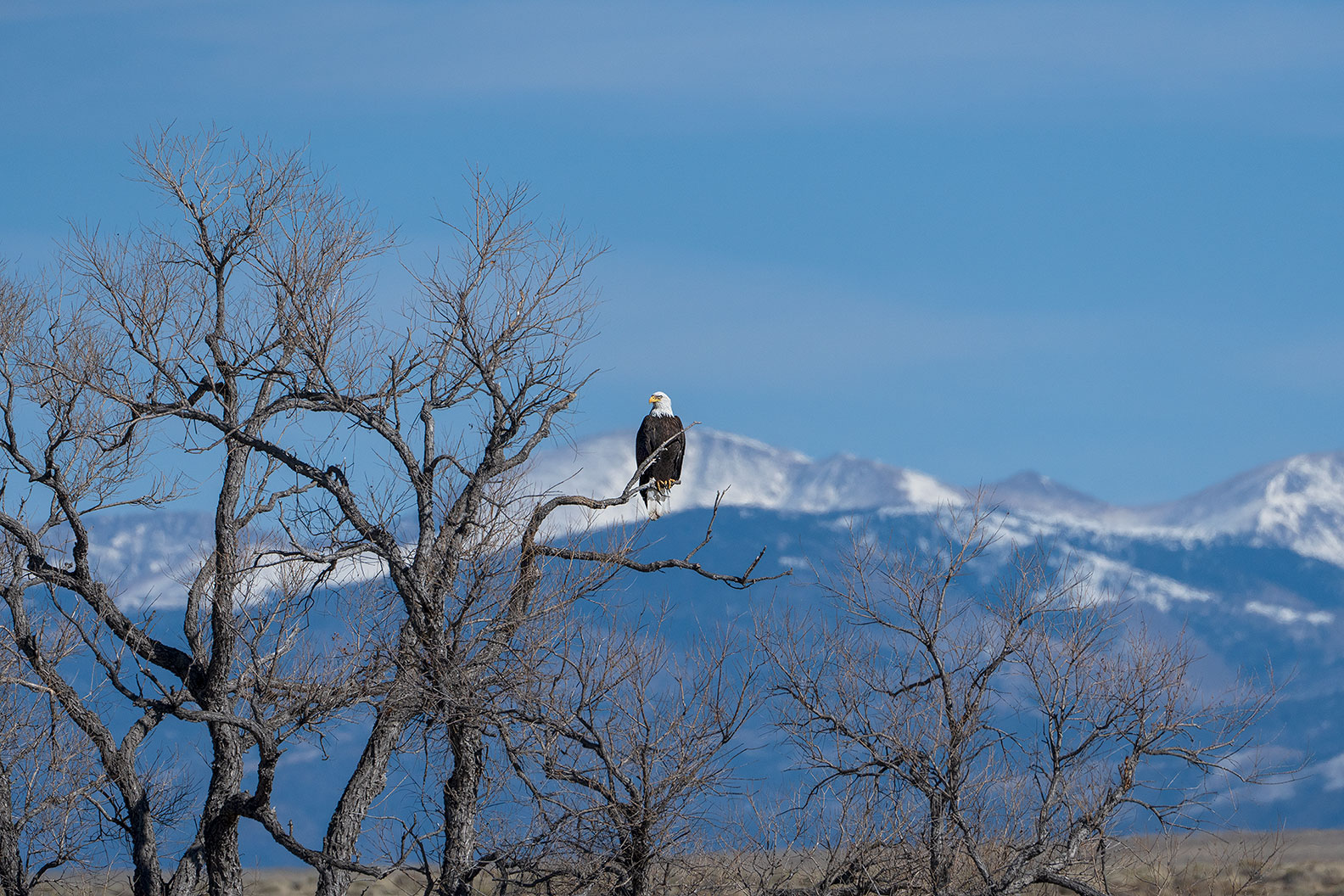
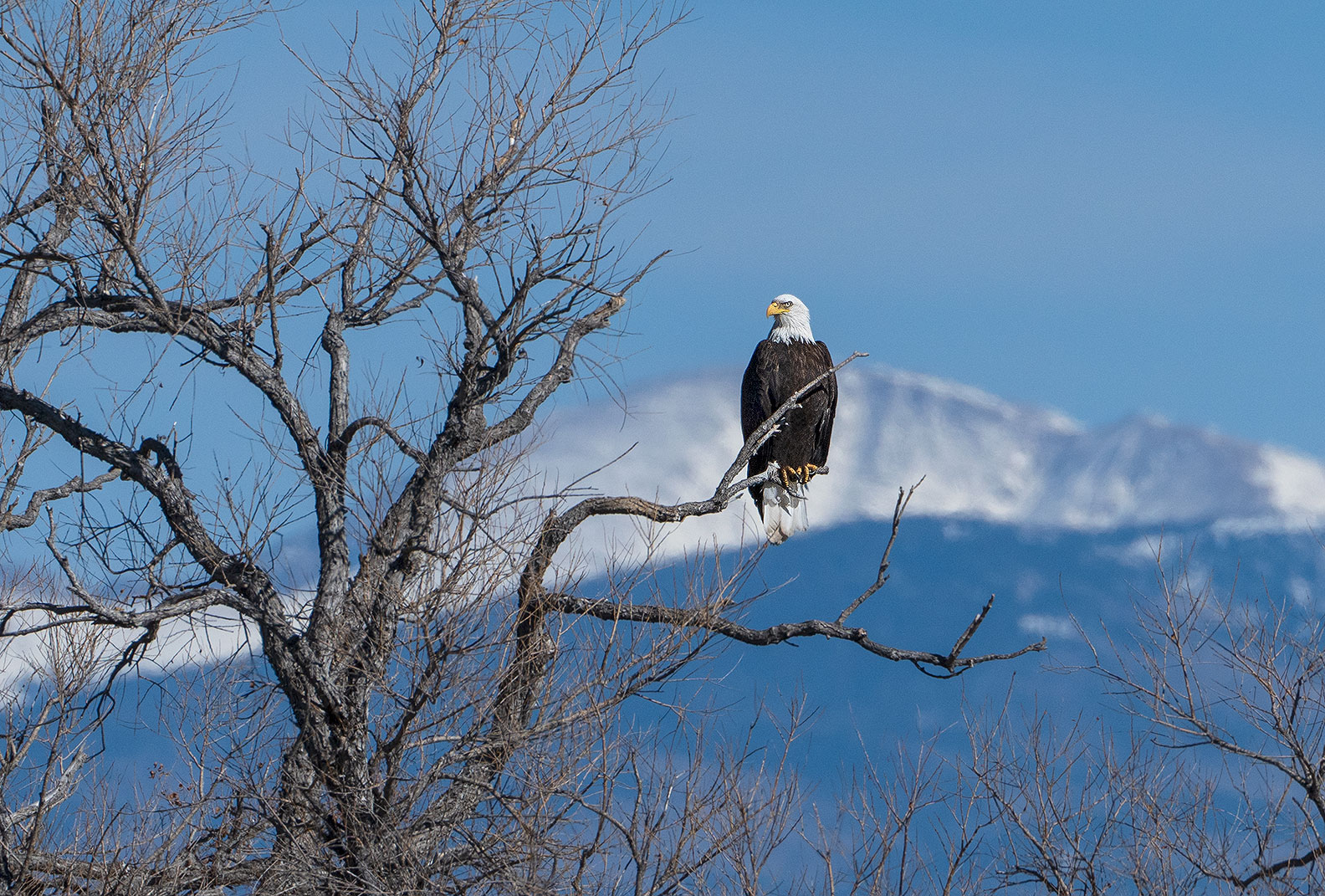
Greetings from San Cristobal, NM. This week, a bald eagle on a day out shooting along the Rio Grande in northern New Mexico and southern Colorado, a moonrise from our field, and a few more images from my “New Mexico: First Impressions” series.
My friend John visited for a few days this week, so we decided to take a trip to Colorado and explore the Rio Grande in search of bird life. Although we spotted an otter, it was too elusive to capture a good image, so I don’t have a photo to share. We did see Mallards, Common Goldeneyes, and Common Mergansers. Red-tailed Hawks were abundant, and we were lucky enough to witness a Northern Harrier catch its prey right in front of us. Unfortunately, most of the wildlife, including wild horses and a herd of Pronghorn that I’m sure would have noticed us, were nowhere to be found. However, as we continued north along the Rio Grande, we were thrilled to spot a majestic bald eagle with the Rocky Mountains as a stunning backdrop. We knew the potential for spotting a Bald Eagle was good, as this is their domain, but we were still amazed when we saw it in this location with this backdrop.
Bald Eagle, Colorado.
Closer.
Common Goldeneye ducks landing, Rio Grande, Colorado.
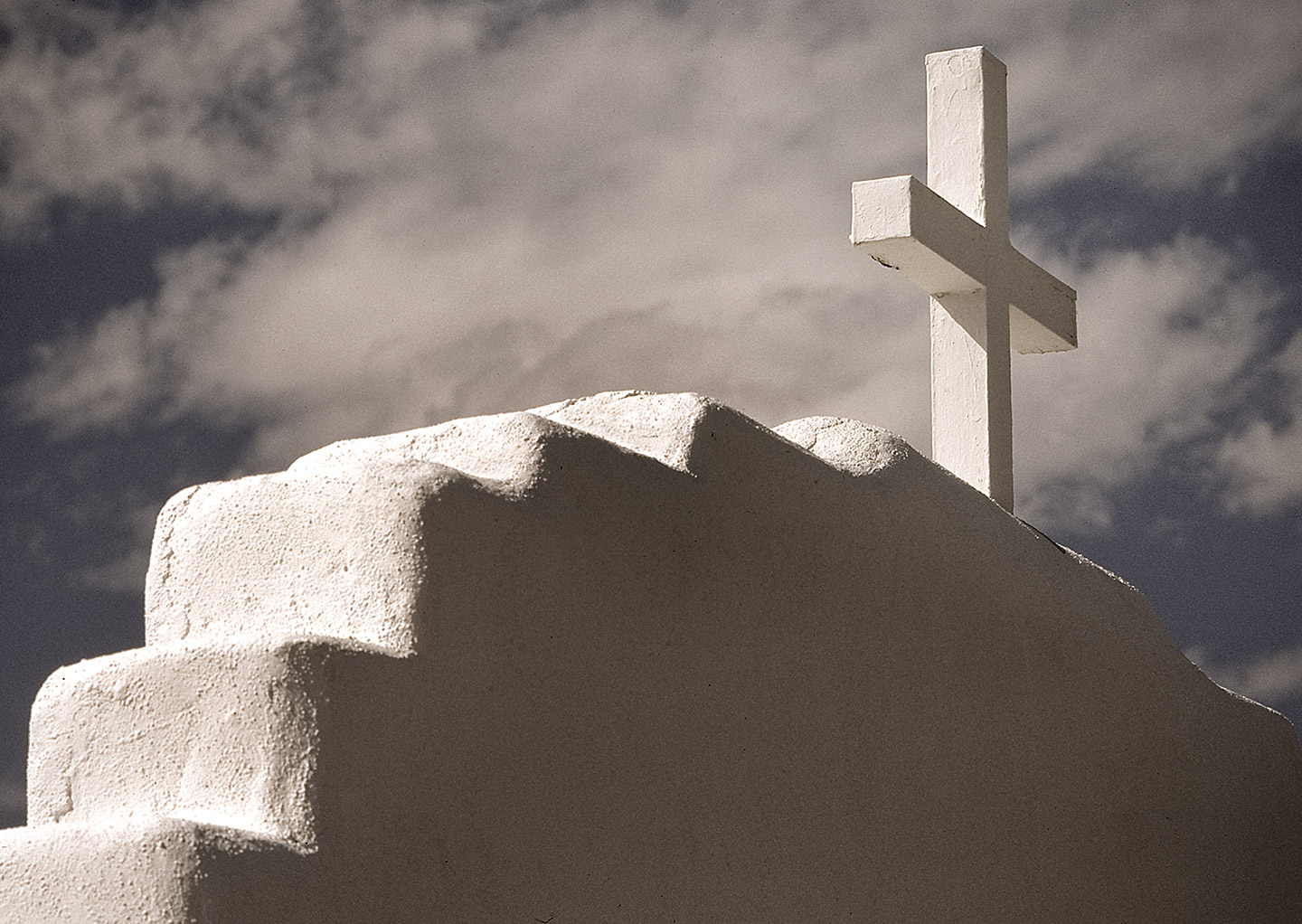
“In Thanksgiving week 1984, I made my first of many trips to New Mexico. On this occasion, five of us friends set out on a foggy morning from Santa Fe and made our way north on the high road to Taos. The sites and sounds on the streets of Santa Fe soon opened up to the immense vistas of mesas, and beyond to the Taos Volcanic Plateau.
“We passed through the village of Chimayo, climbing the hill to Truchas (Spanish for Trout). Rapidly gaining elevation, the landscape changed to pristine hills of ponderosa pines and rust-colored tones of scrub oak in the undergrowth. The vast square miles of pine trees in the Carson National Forrest were punctuated by the bare, white highlights of lanky aspen. Through the misty veil of condensation on the window, we were afforded more than a subtle hint of what autumn in the high country of New Mexico might have looked like one month earlier.
“Leaving Truchas for Penasco, the fog set in. The temperature dropped in the sparsely populated, mountain communities of Las Trampas and Picuris. The colder air outside the car became magically enhanced by the aroma of piñon and juniper burning in the fireplaces of scattered homes. At this very moment… sometimes you just know it, the mystery of things unknown and northern New Mexico took a very palpable hold on me.
“Not more than four years later, in the spring of 1988 that hold tightened and I moved to a small adobe building, with two fireplaces, in Talpa, NM, and began stockpiling five cords of wood for what promised to be a cold winter that year…See More
Church cross, Taos Pueblo, 1985.
Taos Pueblo, 1985
Taos Pueblo, South House, 1984.
Apologies for the wrong date on last week’s post.
As. always, thanks for looking. Have a great week. G
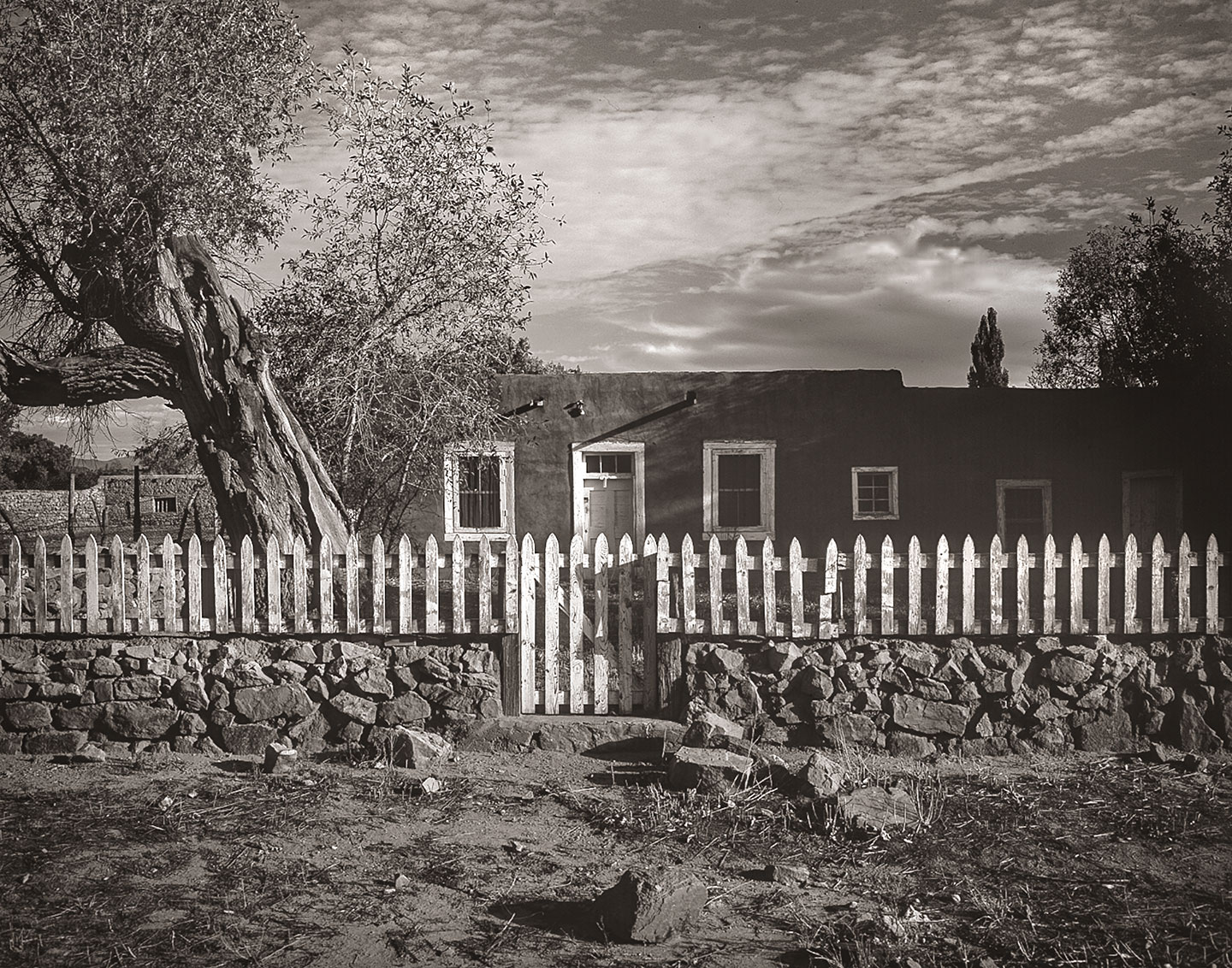
Greetings from San Cristobal, NM. This week, a flashback to the village of Galisteo shot on 4×5 film, 1986, the Rio Grande Gorge, and a quick cellphone shot of the northern lights from our village.
House and fence shot on 4×5 film, Galisteo, NM 1986.
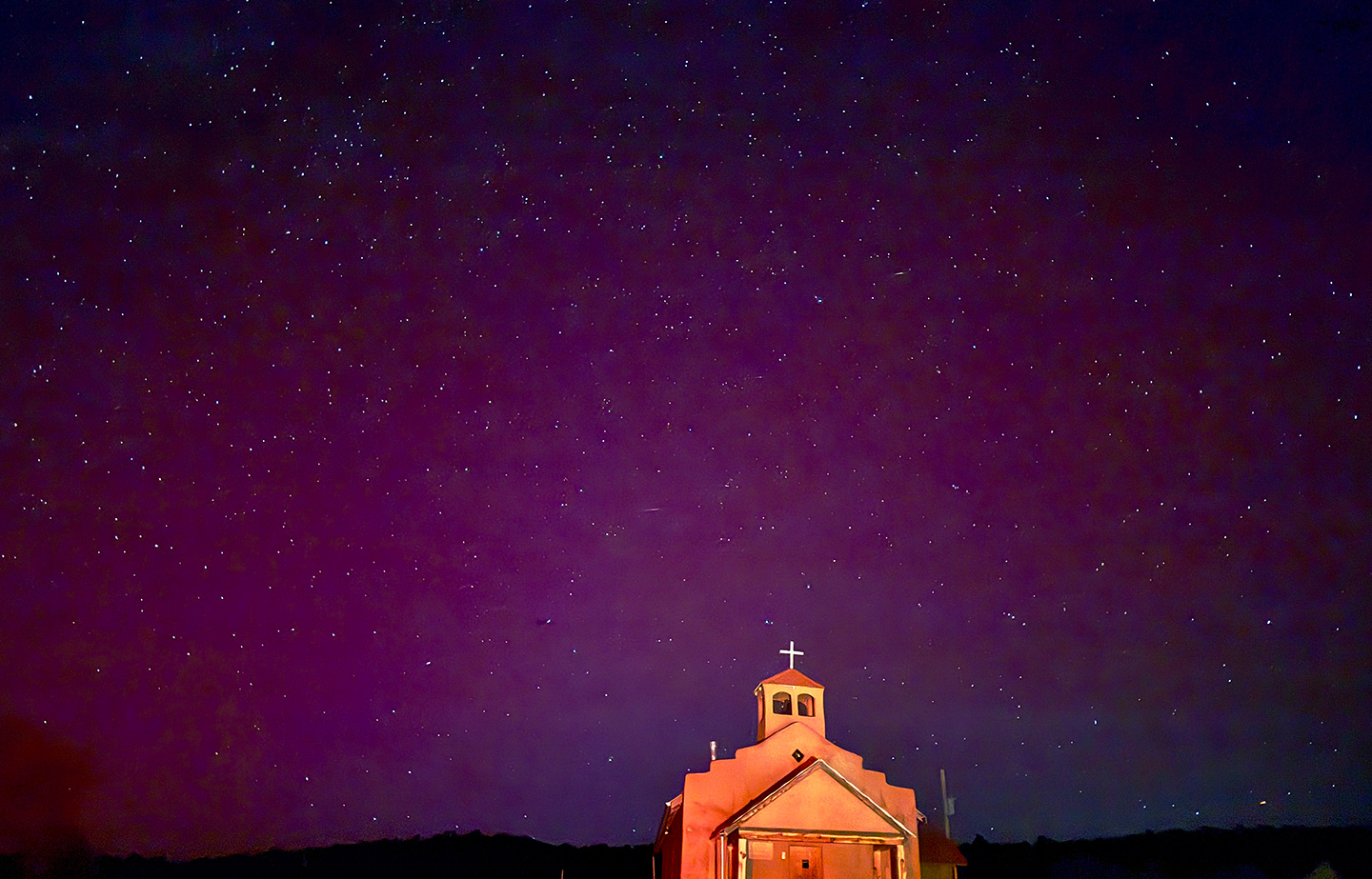
The northern lights and the little chapel from our village of San Cristobal. Not as impressive a display as previous auroras, but I liked the way the ambient light illuminated La Capella, setting off against the sky.
Northern lights, San Cristobal, NM
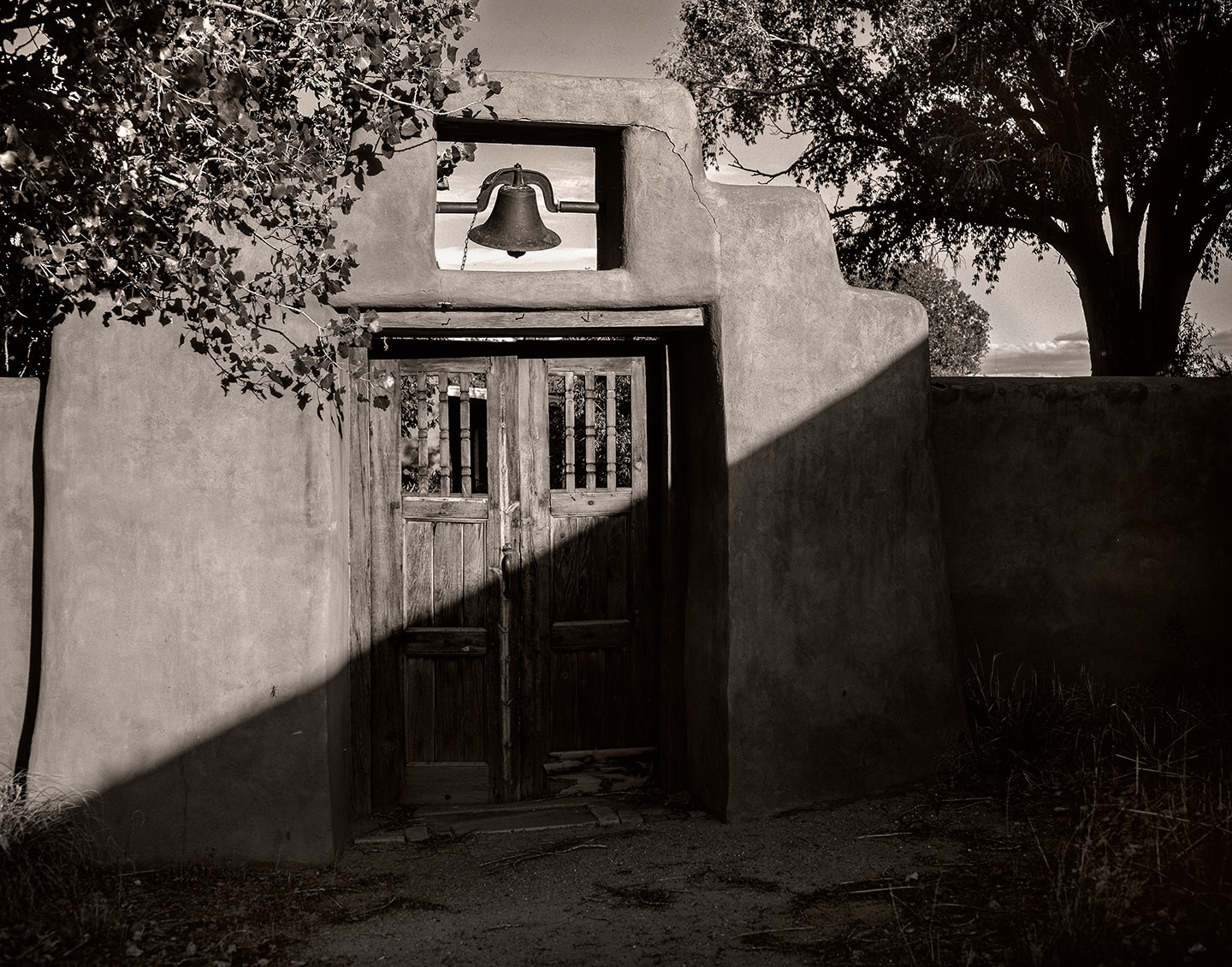
Over the next few week’s I’ll be posting more scanned images from approximately 40 years ago, taken on multiple trips to the Land of Enchantment during the 1980s, that I call “New Mexico, First Impressions“.
As always, thanks for looking. Have a great week. G
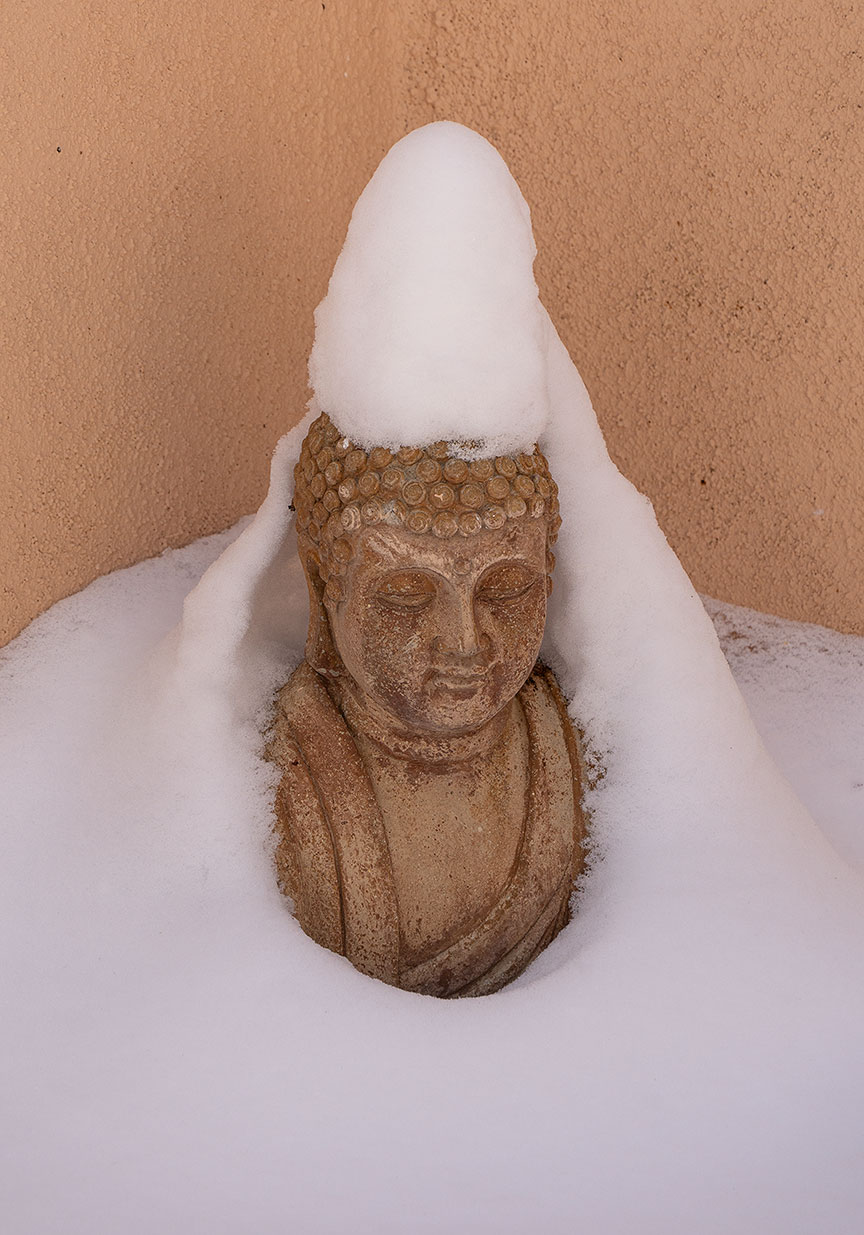
Greetings from San Cristobal, NM. This week’s photos include Taos Mountain (Pueblo Peak), before the foot of snow, Buddha in the garden after the snow, a northern Flicker in the old cottonwood, and a crescent moon.
I hope everyone had a good week. We enjoyed a weekend of snow. Now it’s back to sunny days and walks with the dogs in the snowy woods.
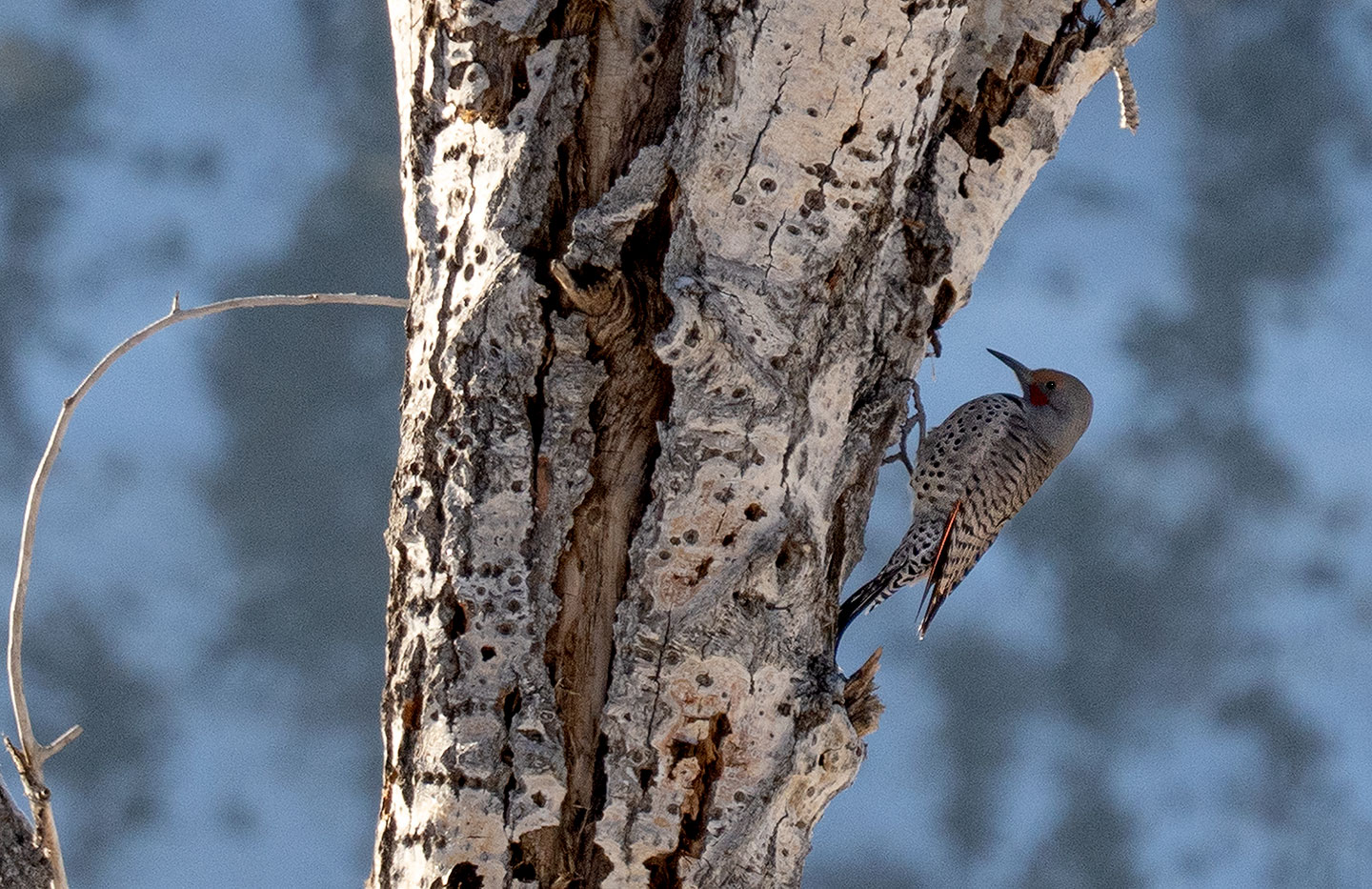
A northern flicker was busy burying seeds and whatever it had in the cottonwood tree. When I pulled into the driveway a couple of days later, my eyes witnessed an opportunistic magpie harvesting its stashes.
Northern Flicker in the old cottonwood tree.
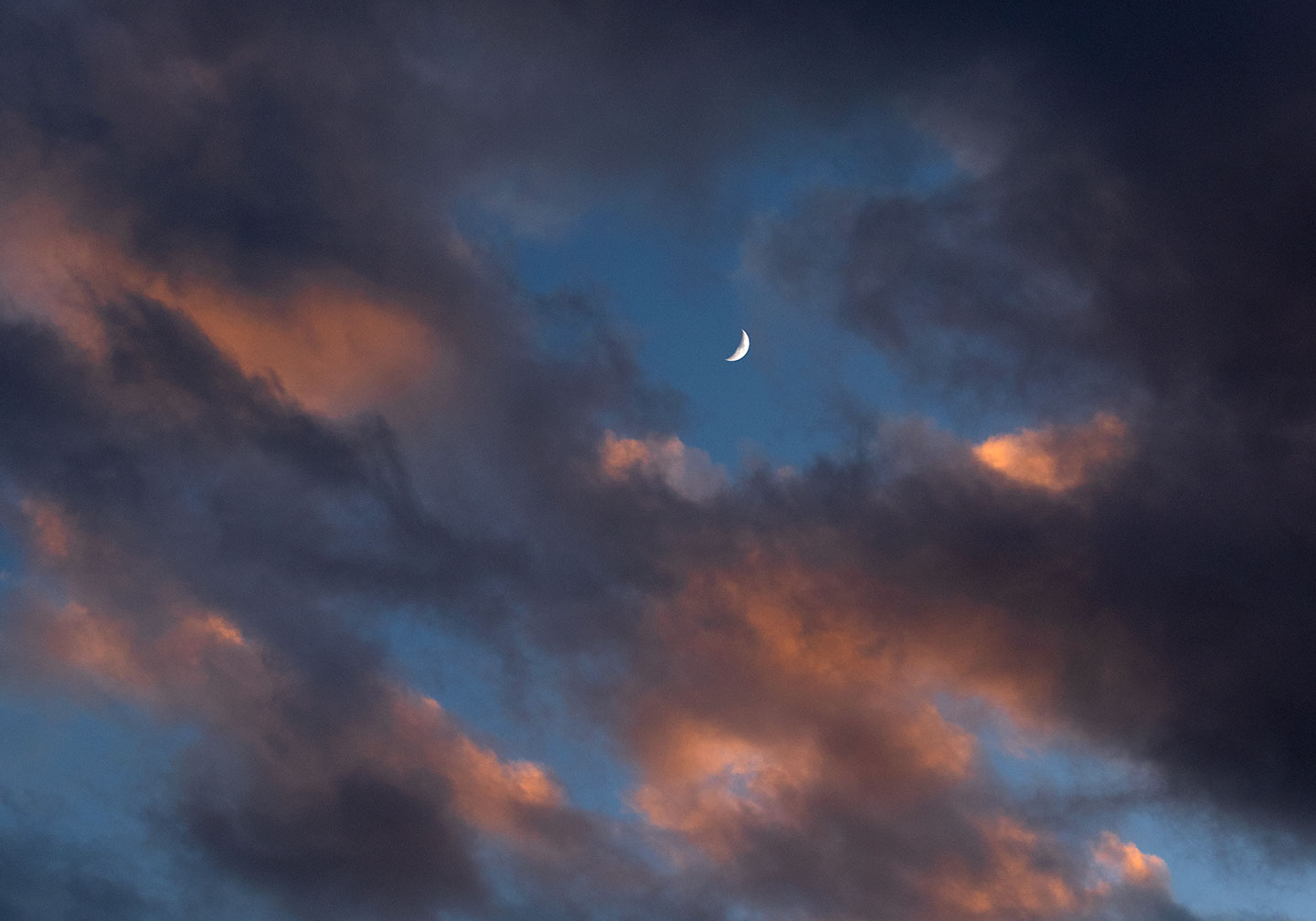
Waiting until the crescent moon showed up. What a nice surprise!
Crescent Moon, through an opening in the clouds.
As always, thanks for looking. Have a great week. G
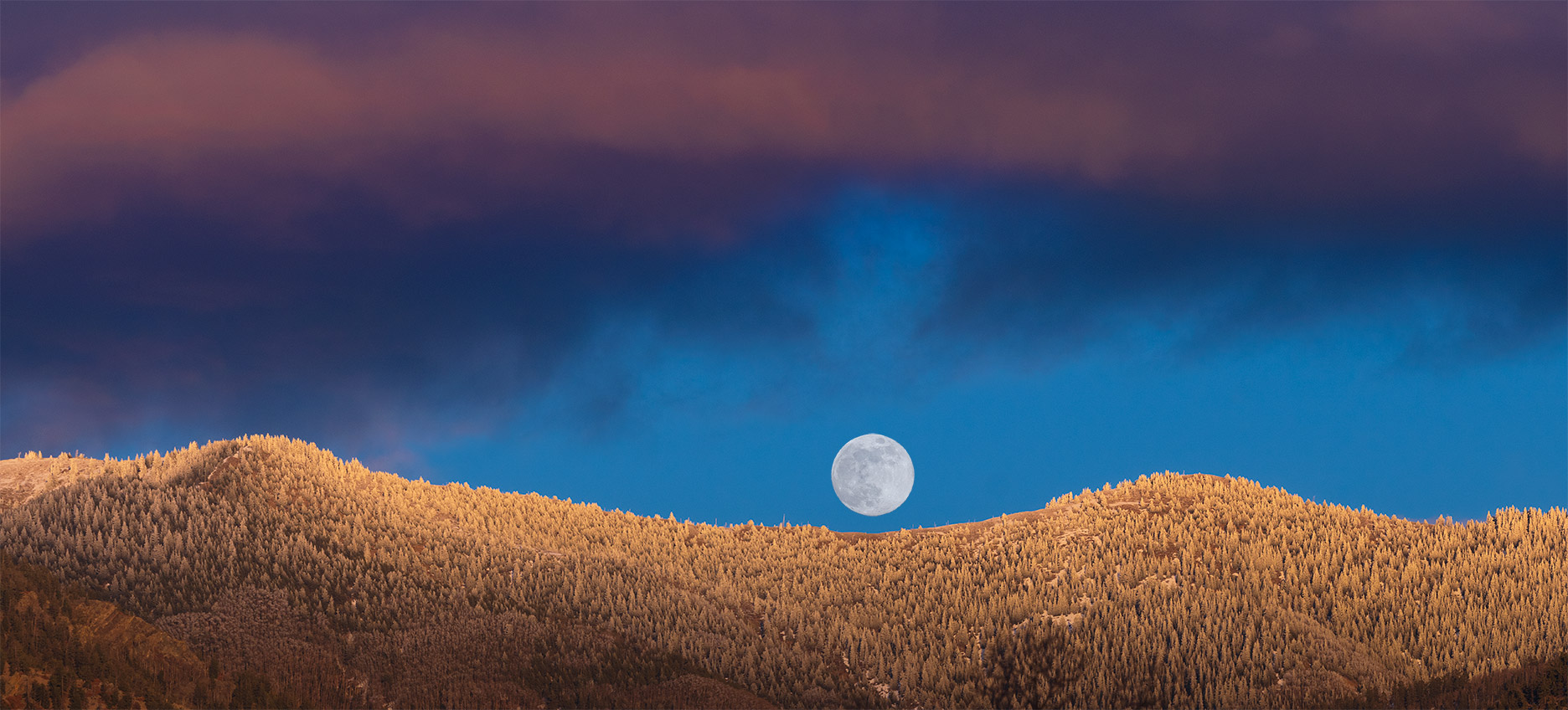
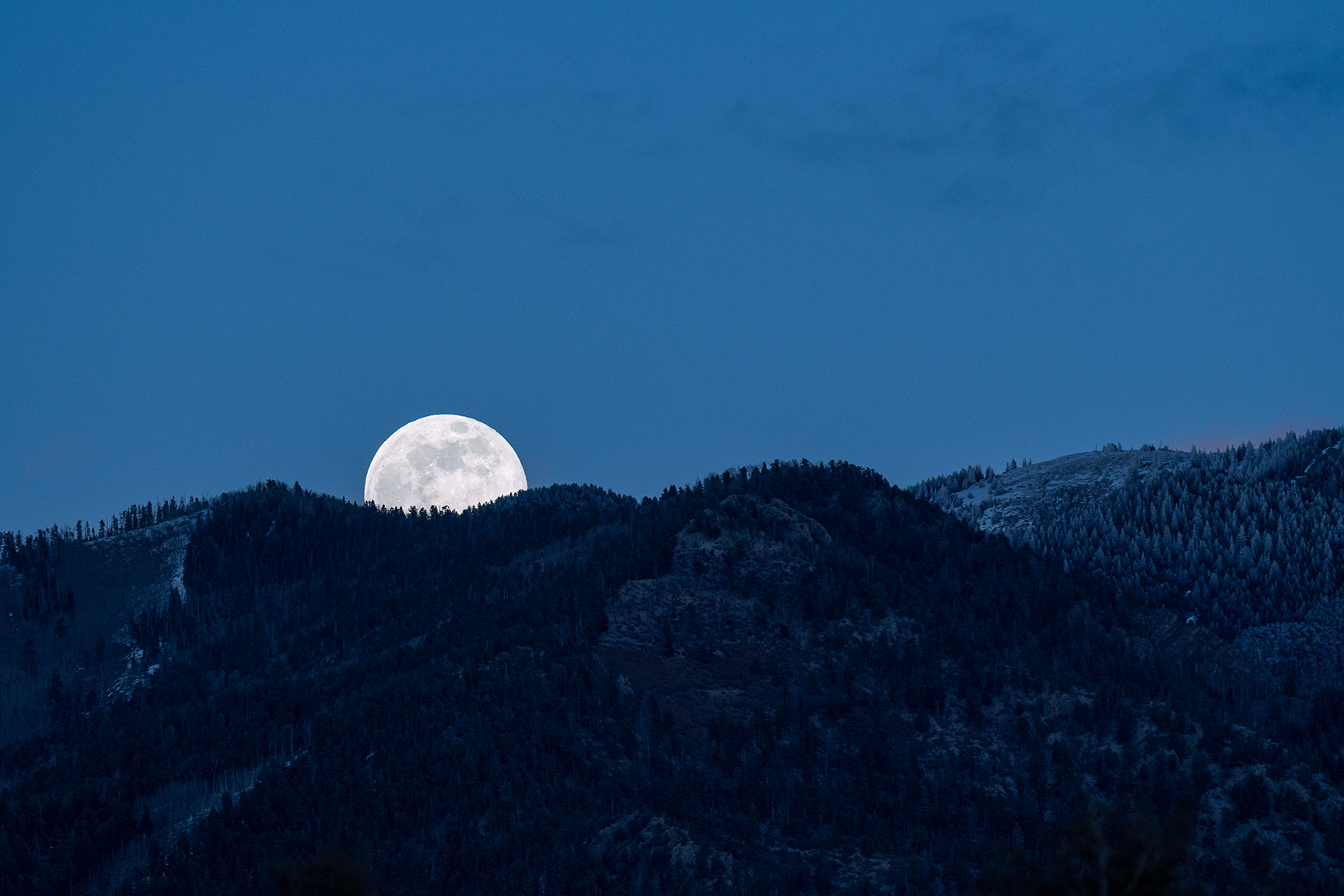
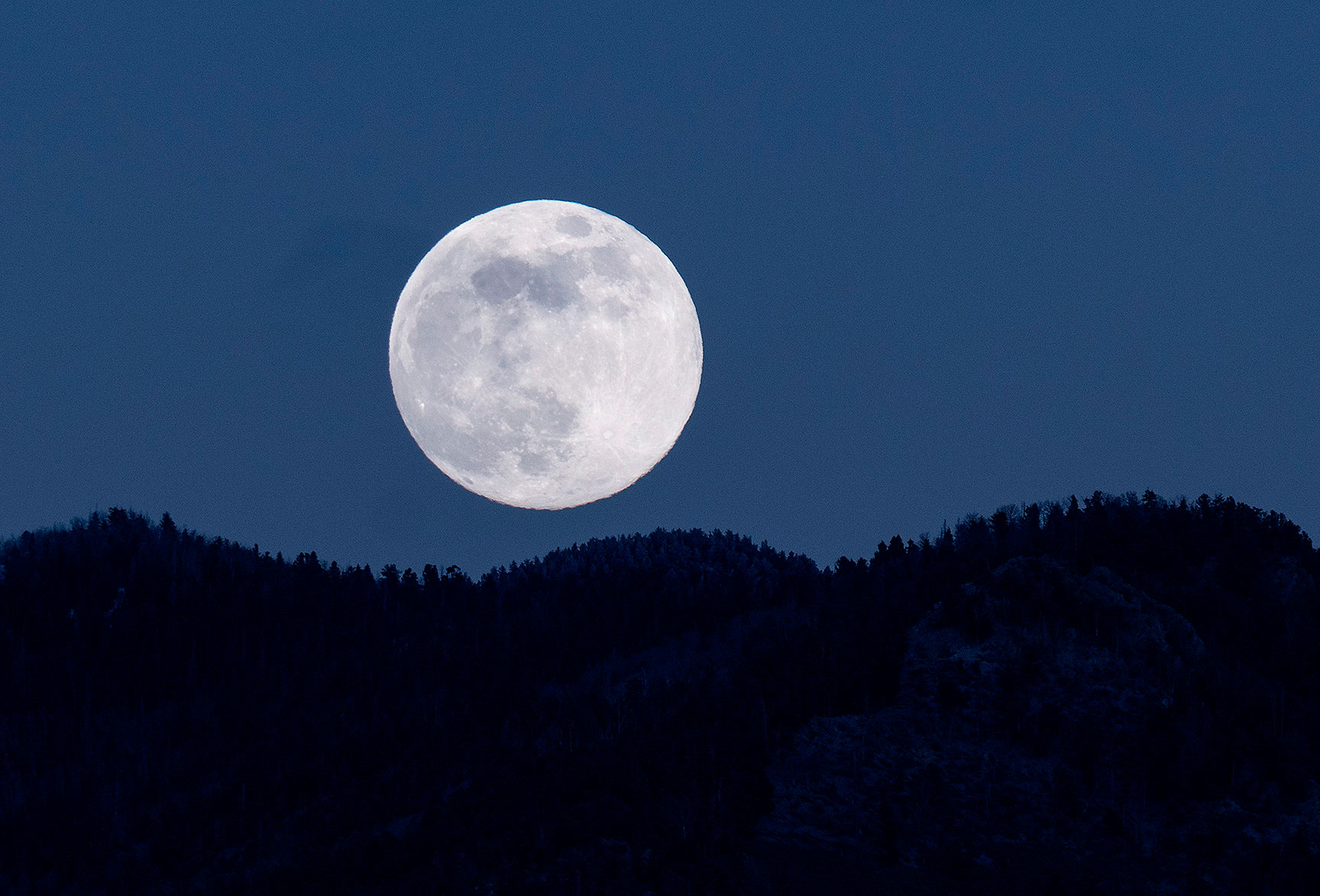
Greetings from San Cristobal, NM. Happy New Year! The first pictures of the new year, the first full moon of the year, the Wolf Moon, which is also known as “Canada Goose Moon”, “Greetings Moon”, and a favorite of mine, “Frost Exploding Moon”.
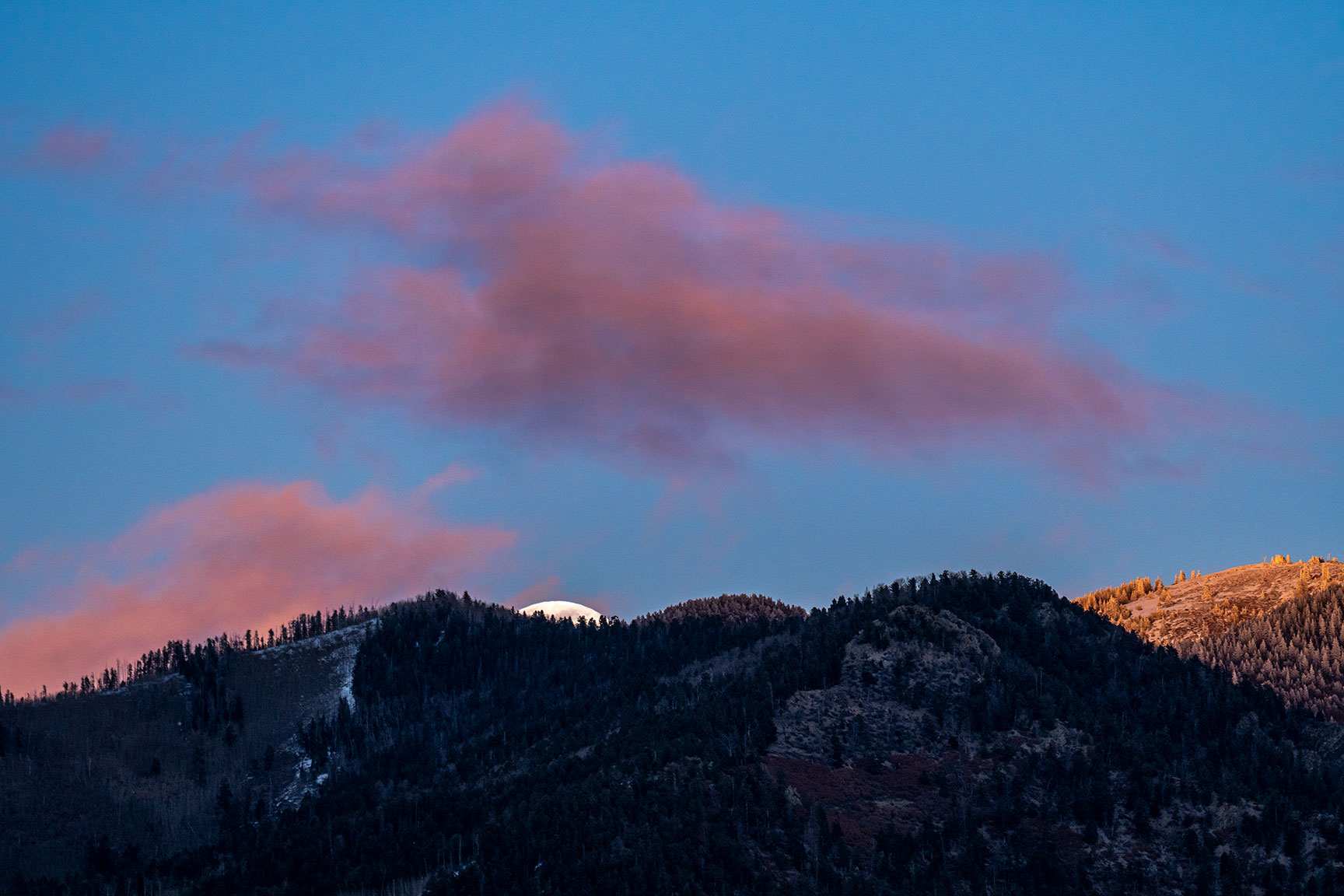
This year, I shot the moon rising from our driveway in order to avoid the big juniper trees on the property. It was a magnificent sight to behold.
When it first appeared behind the Sangre de Cristo foothills.