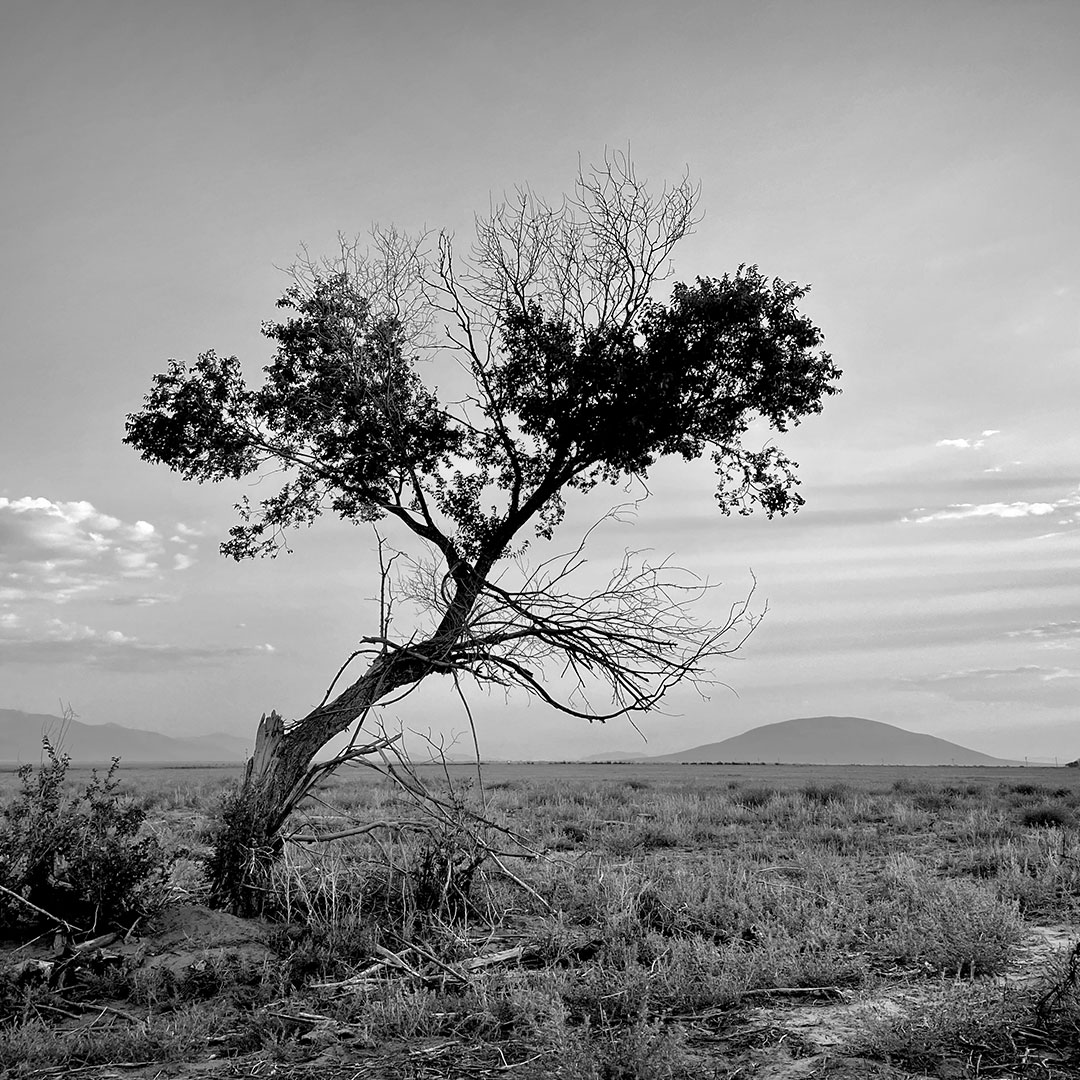
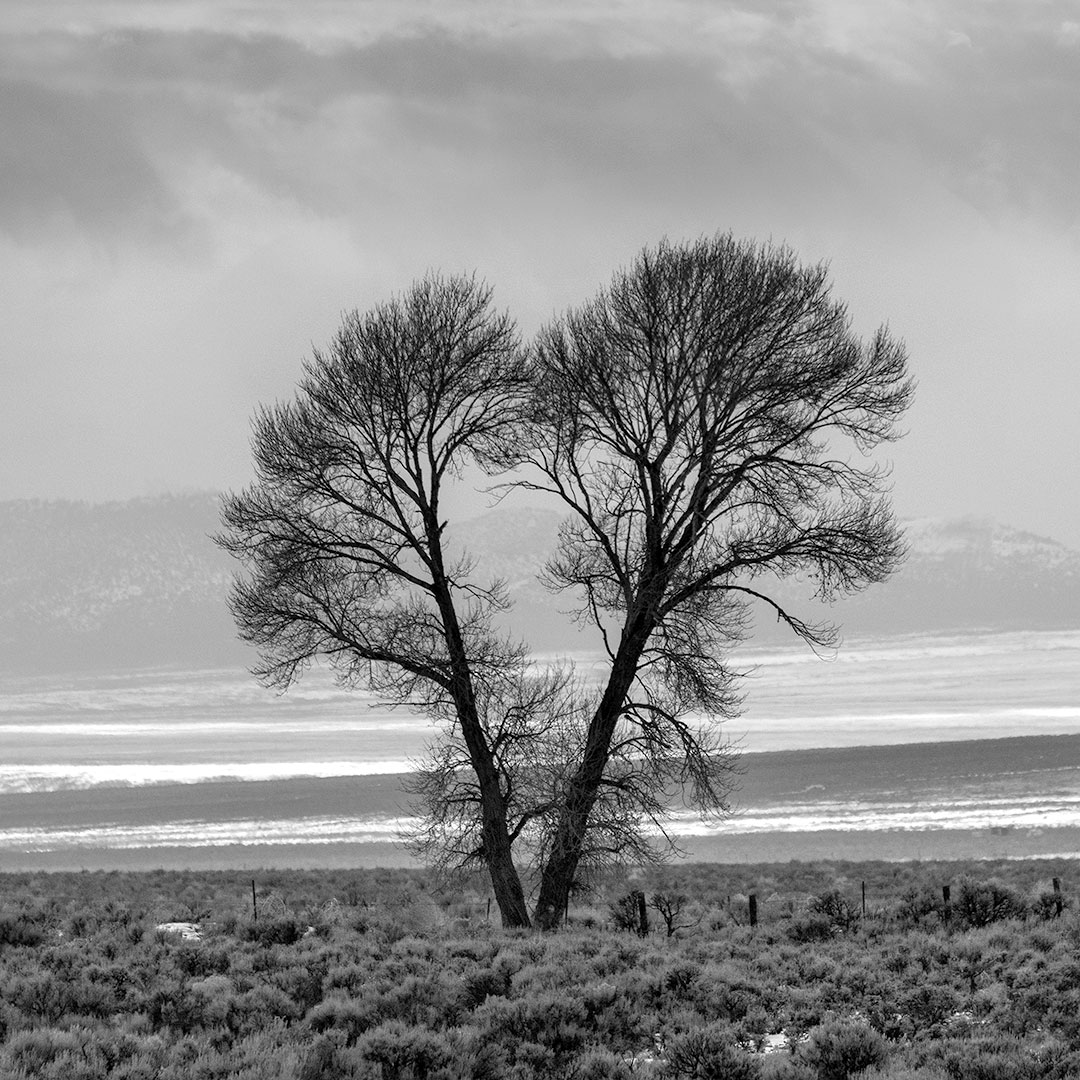
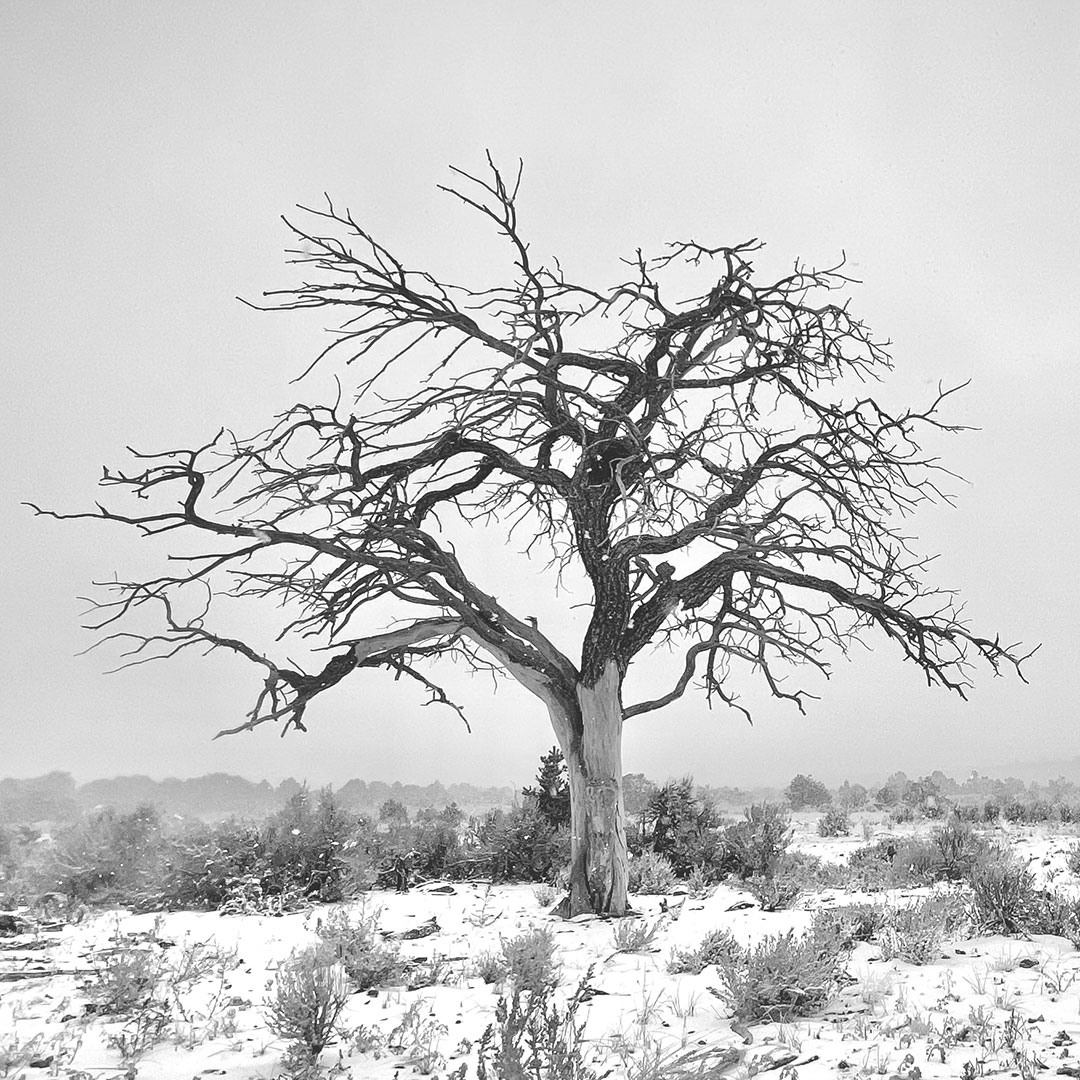
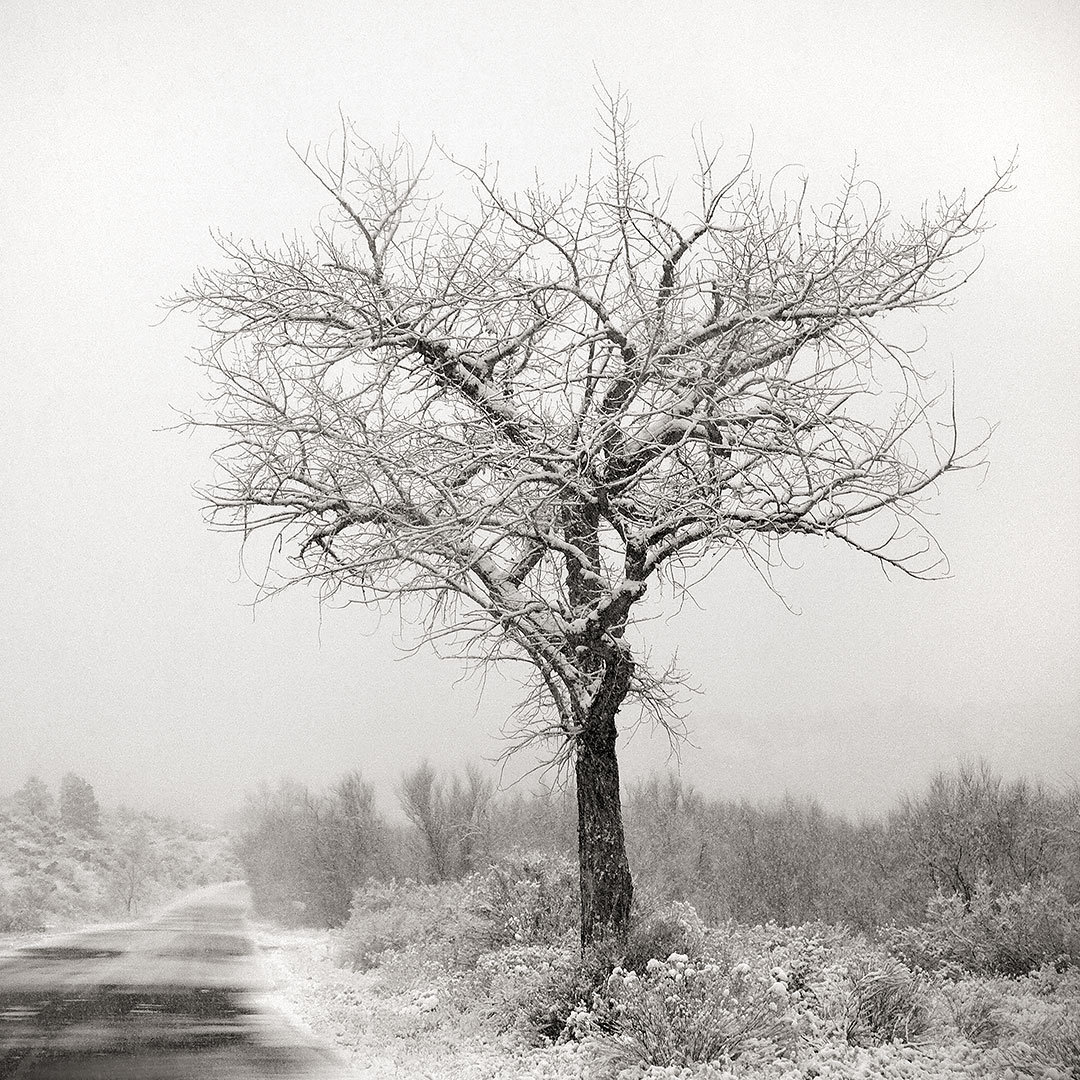
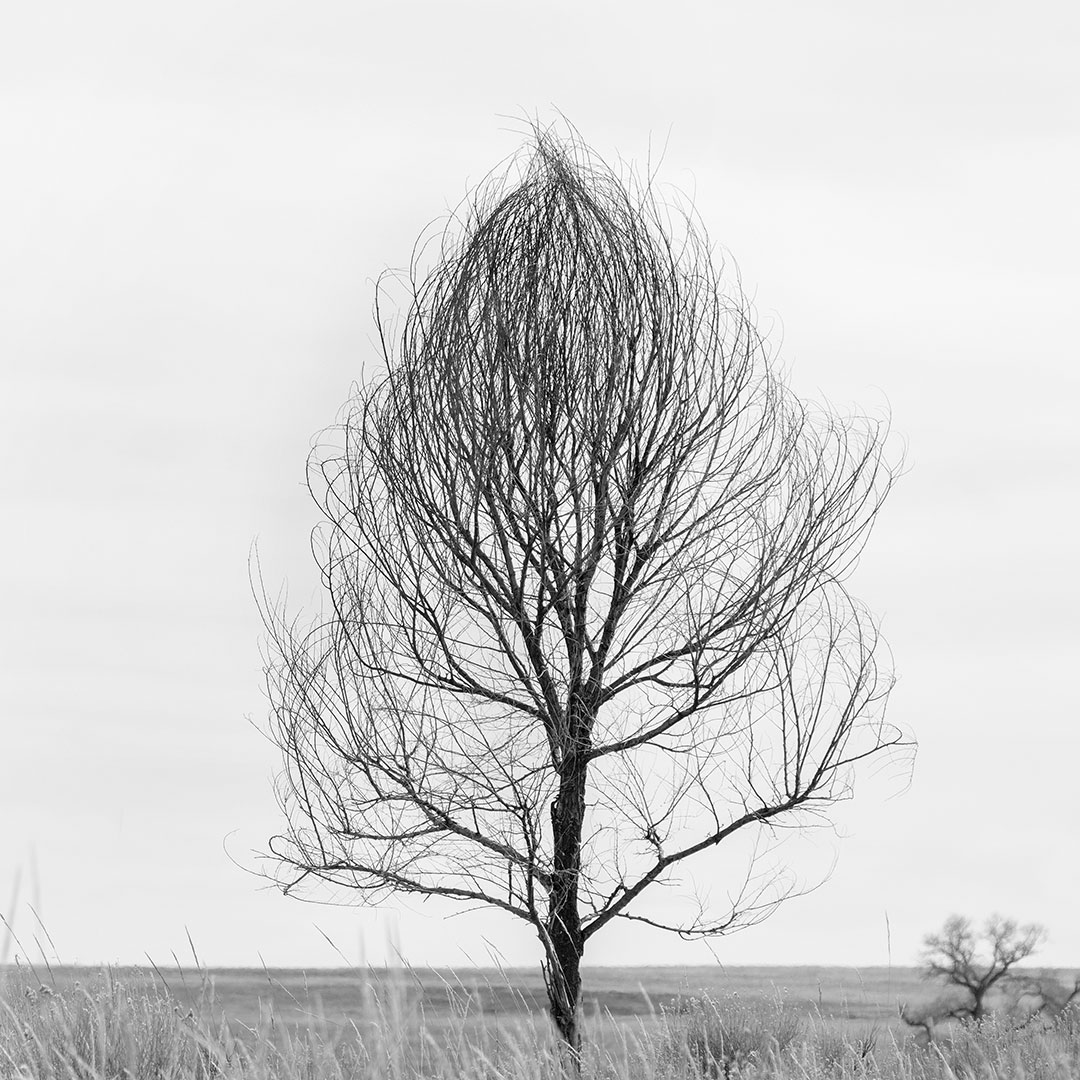
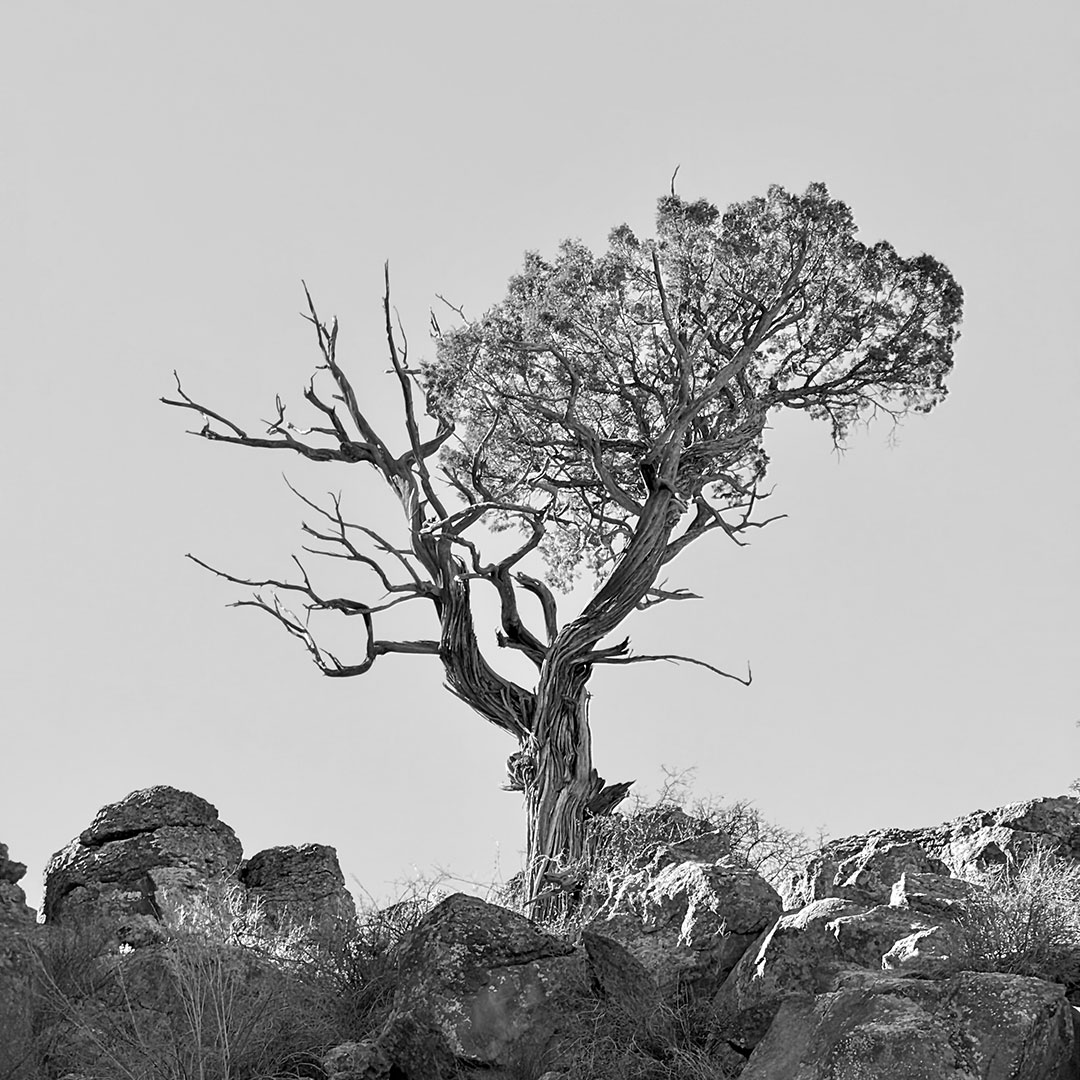
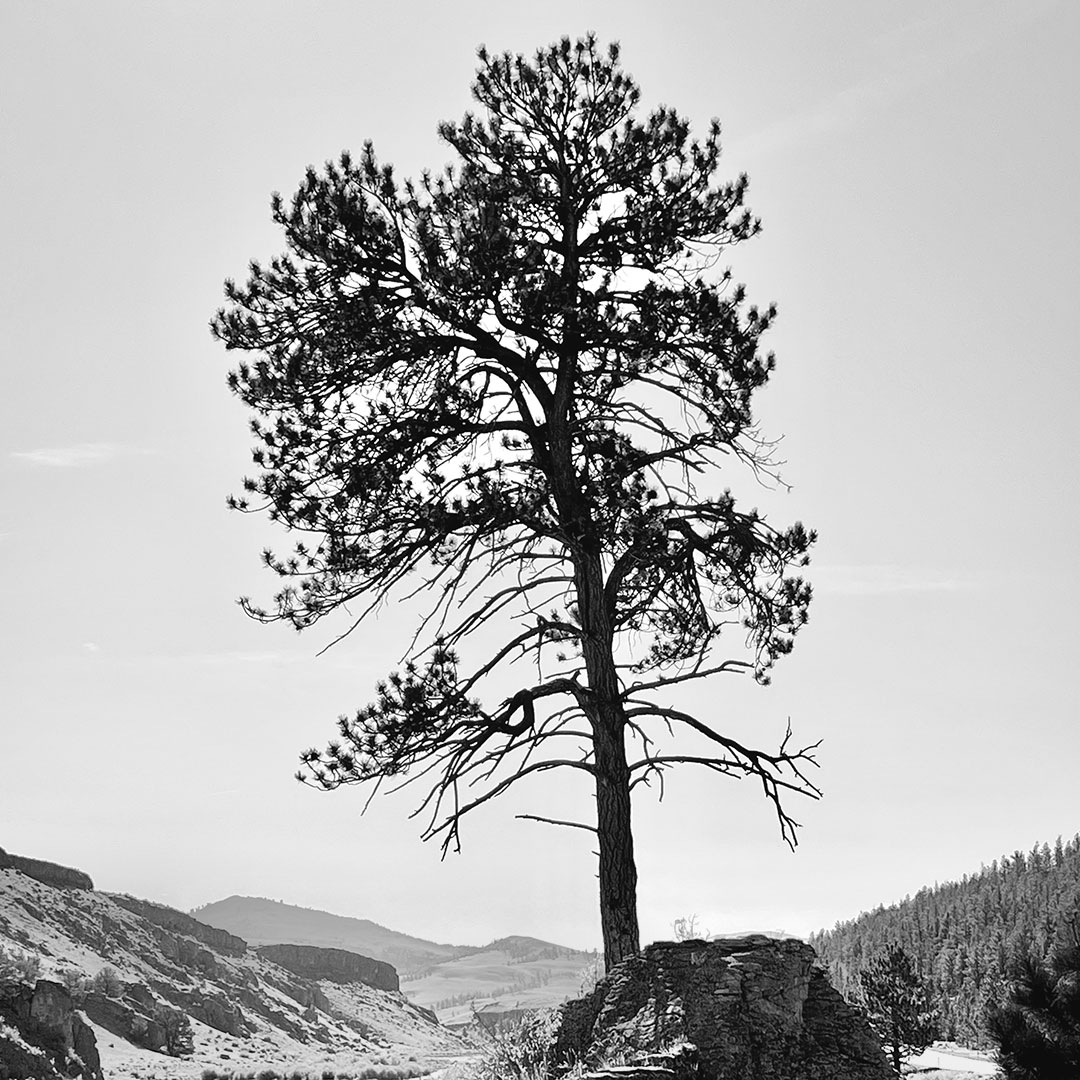
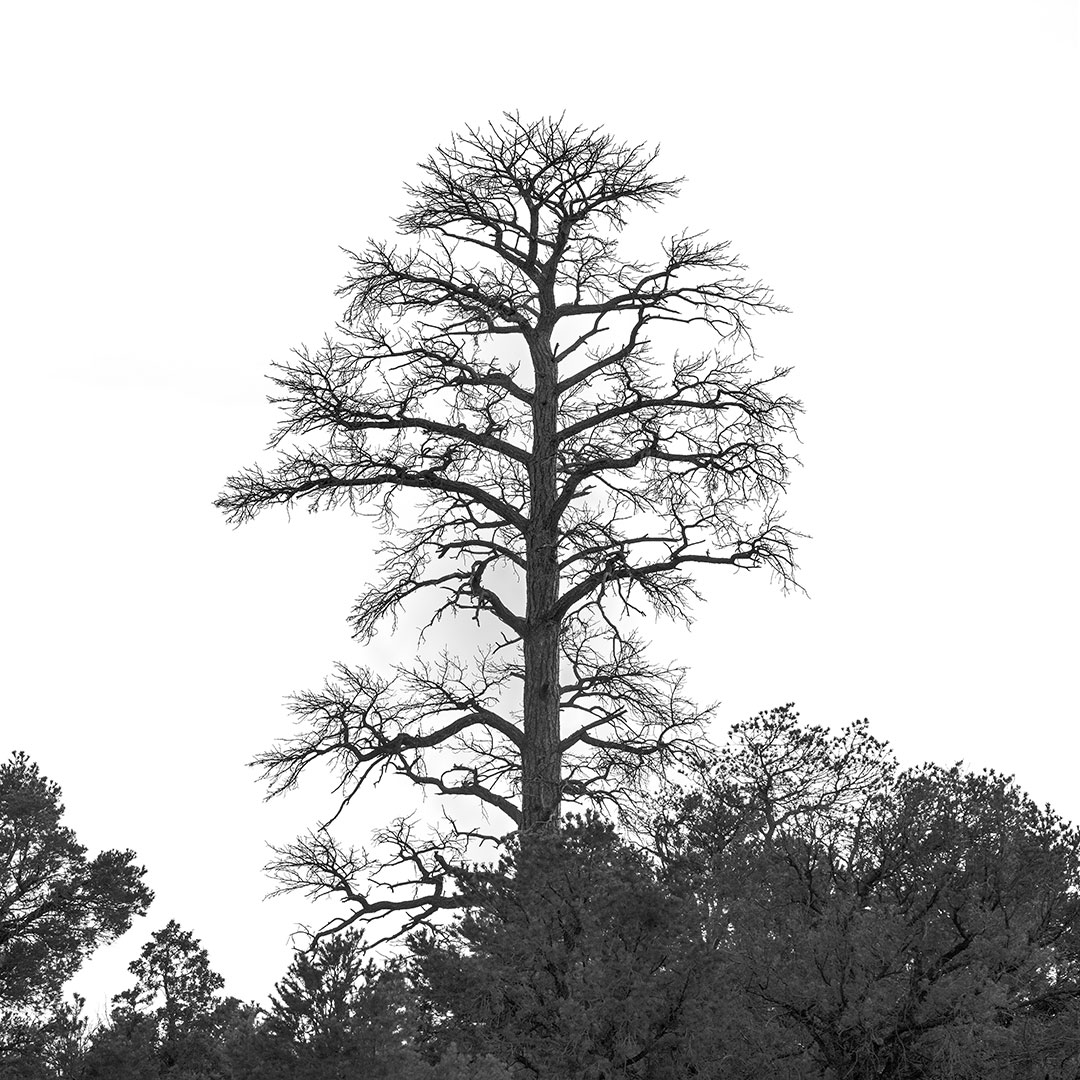
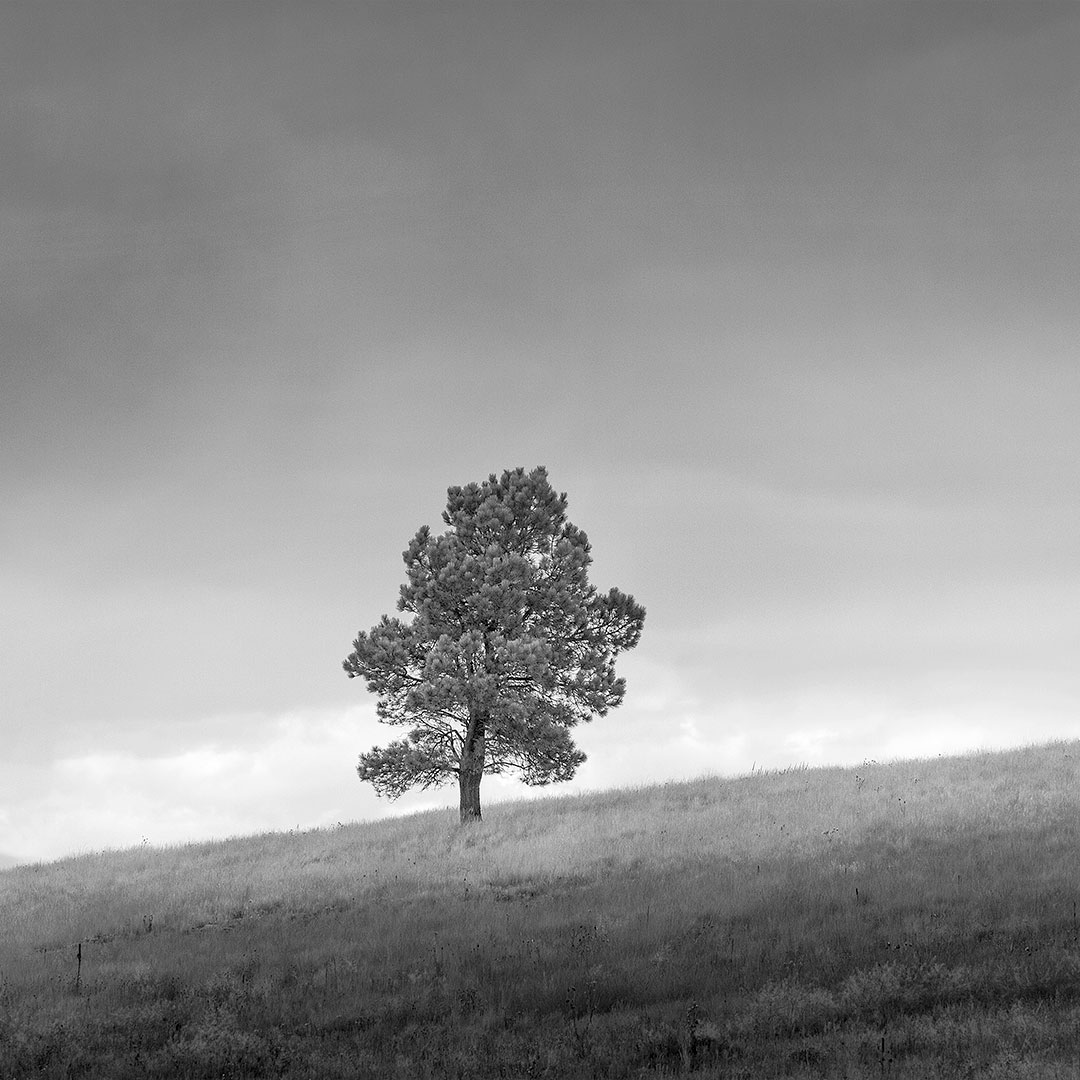
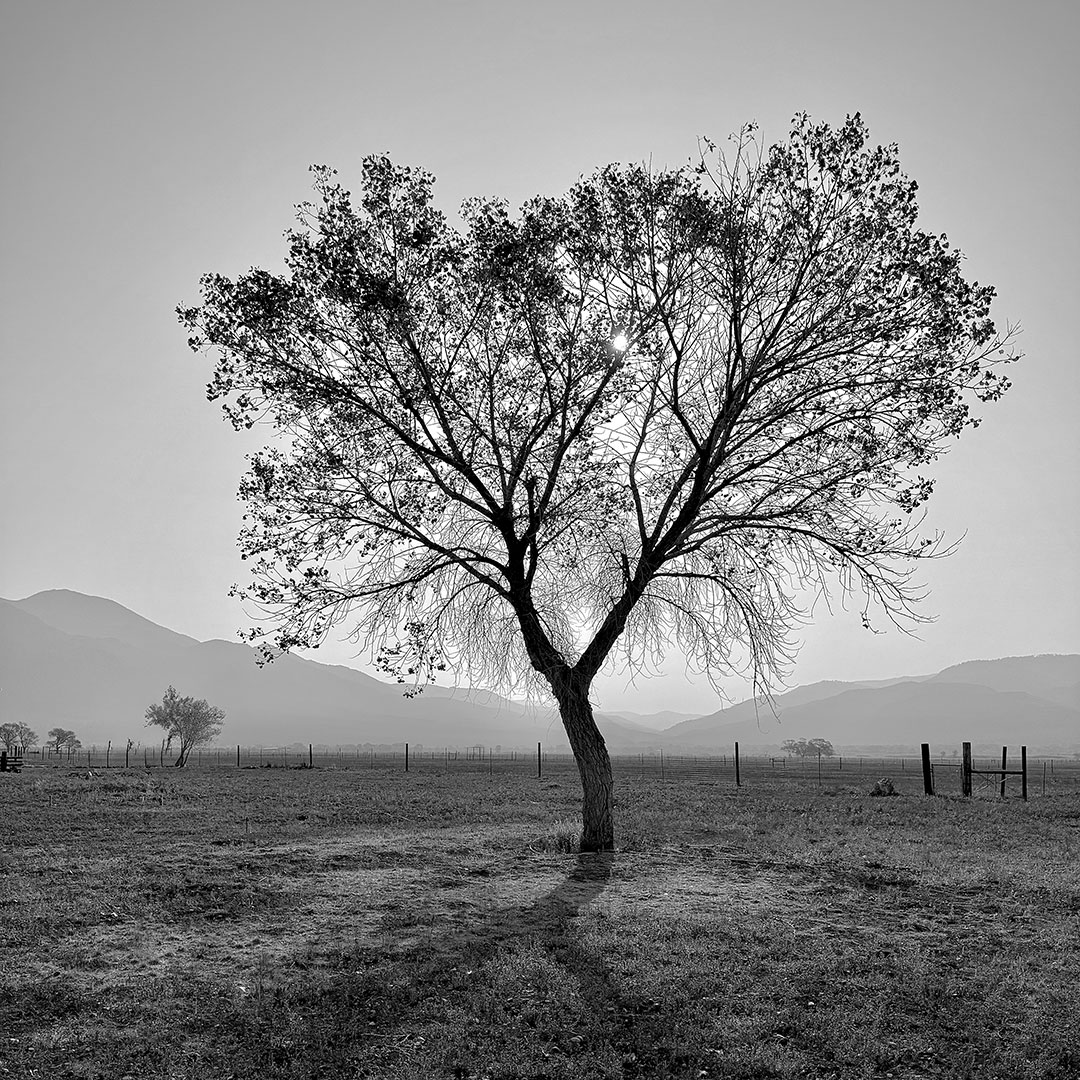
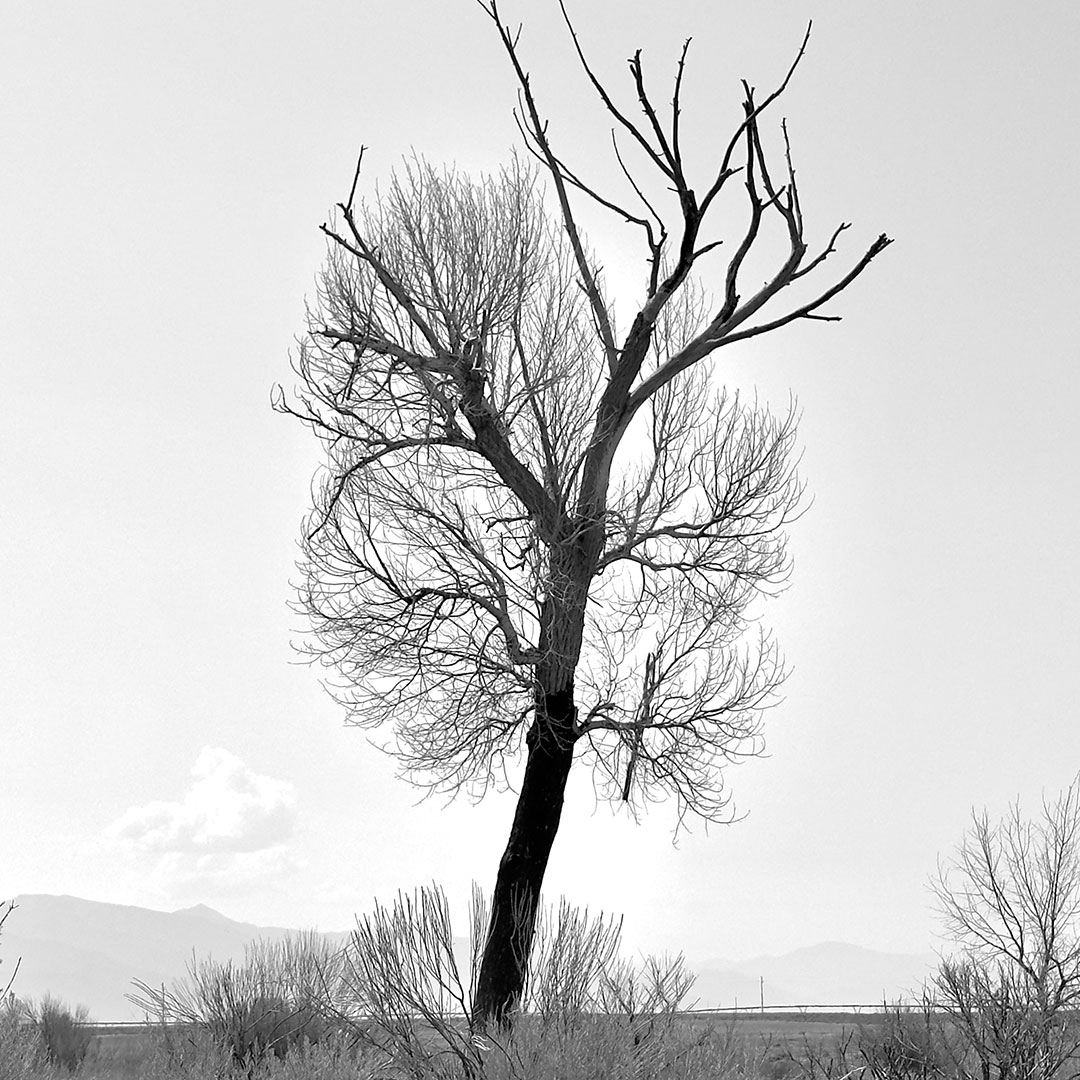
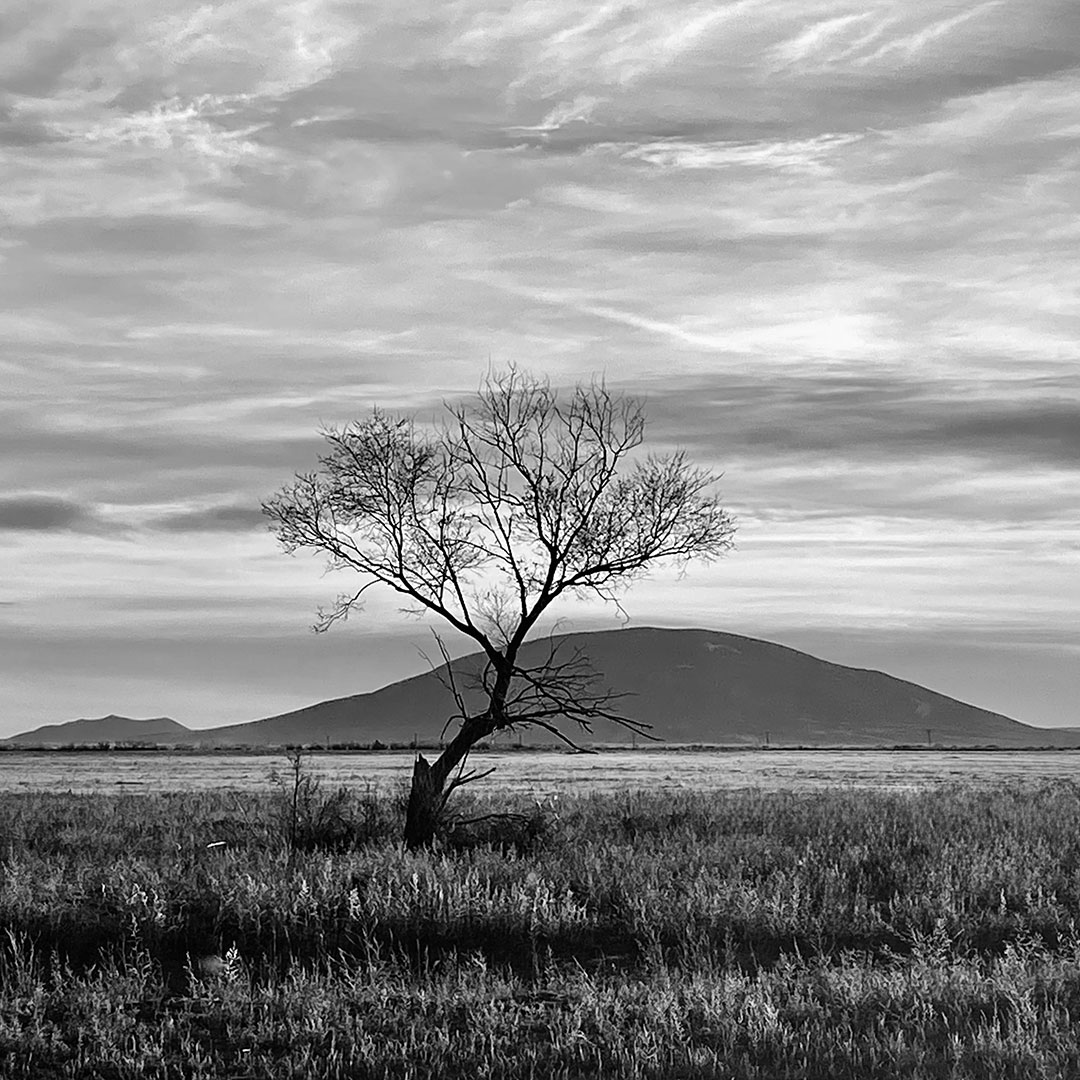
Greetings from a very wet, soggy, damp day/week in San Cristobal and beyond. This week, a few favorites that, incidentally, will be hanging and on display in the upcoming Taos Artist Combo Show V, on October 9-11. If you happen to be in Taos, join us for the opening on Friday, the 9th. I’ll look forward to seeing you, and perhaps you’ll find some favorites of your own amongst the 12 artists showing.
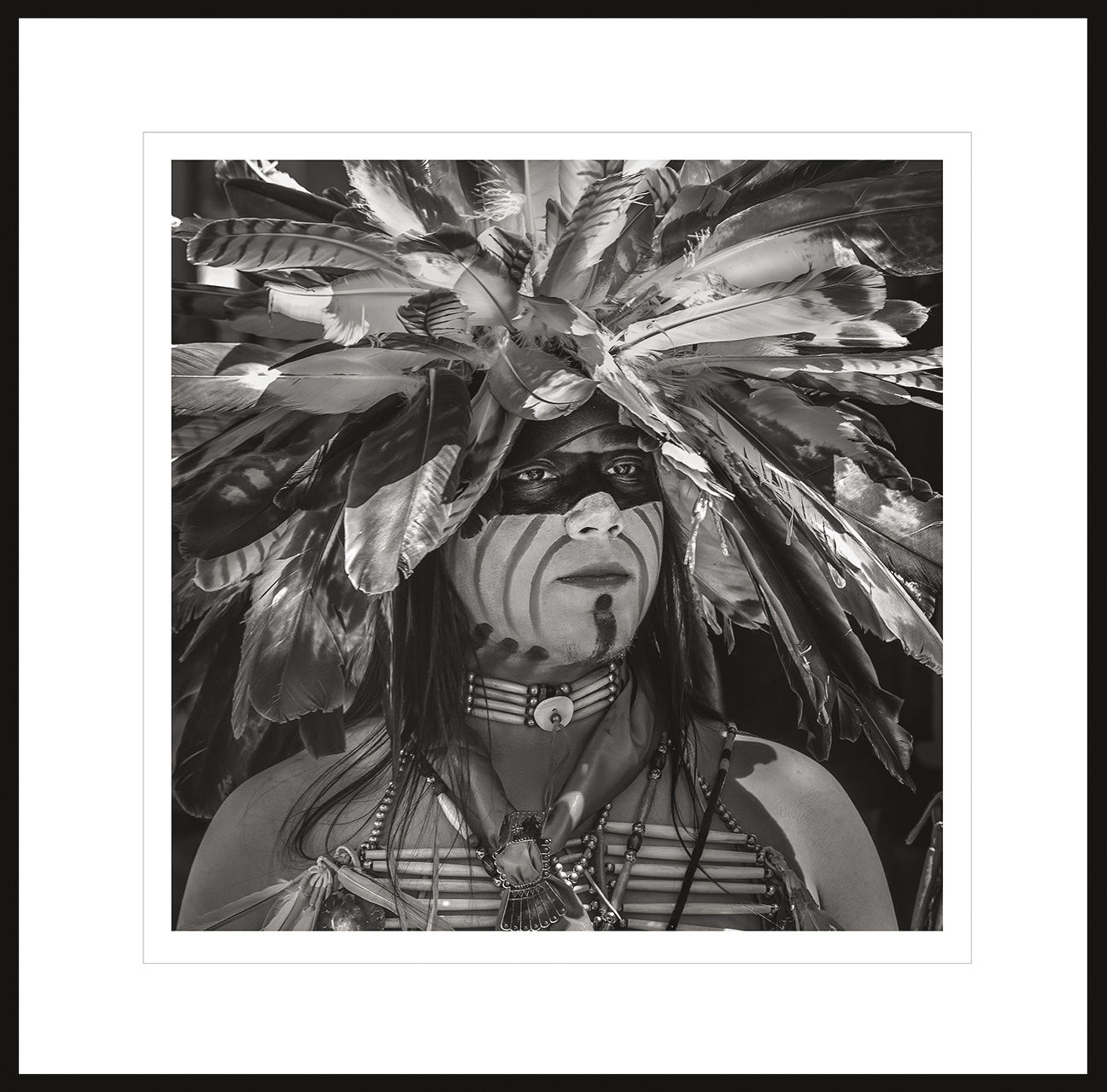
A favorite from Santa Fe Indian Market. (Unframed).
•
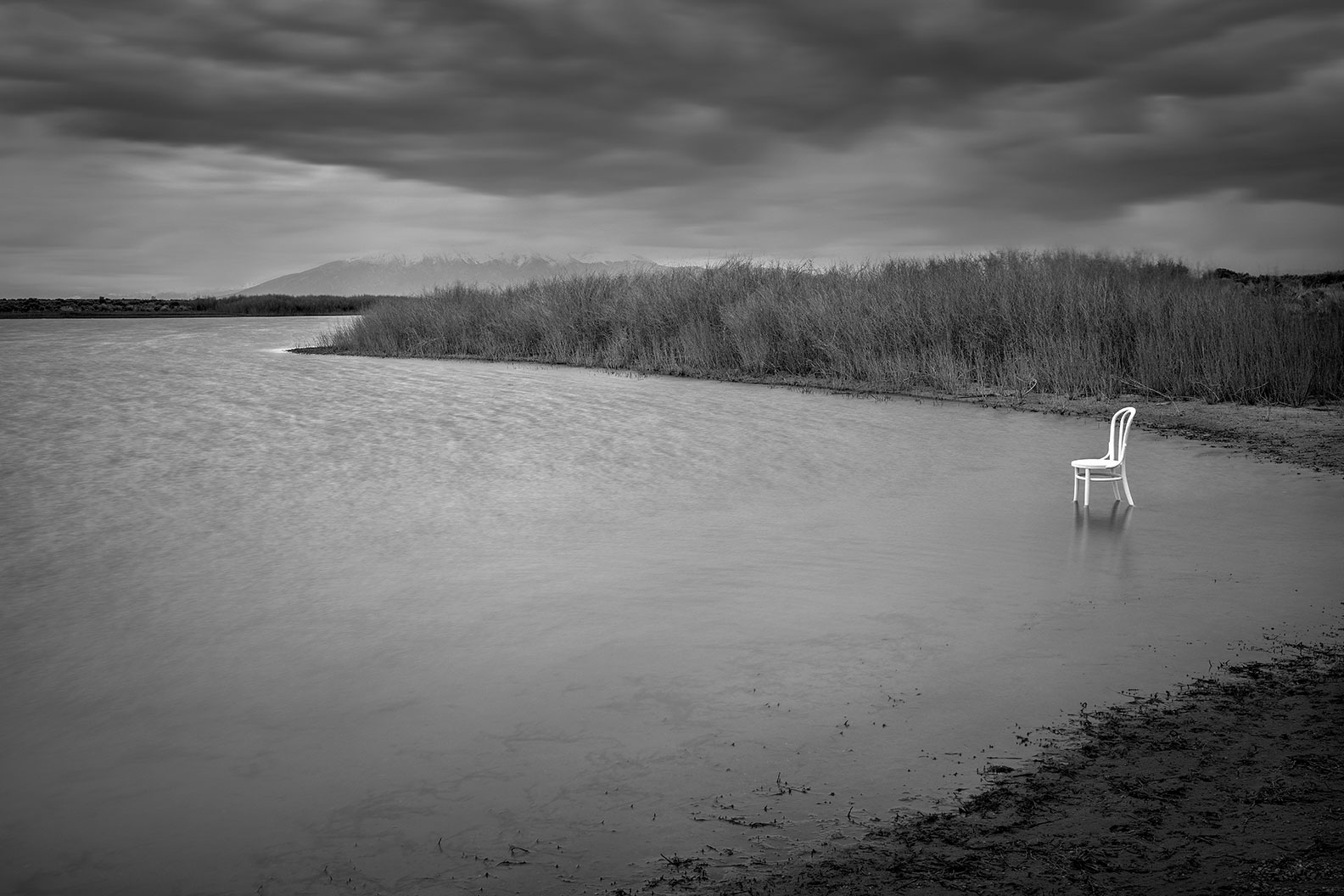
Testing the waters, San Luis Valley, CO.
•
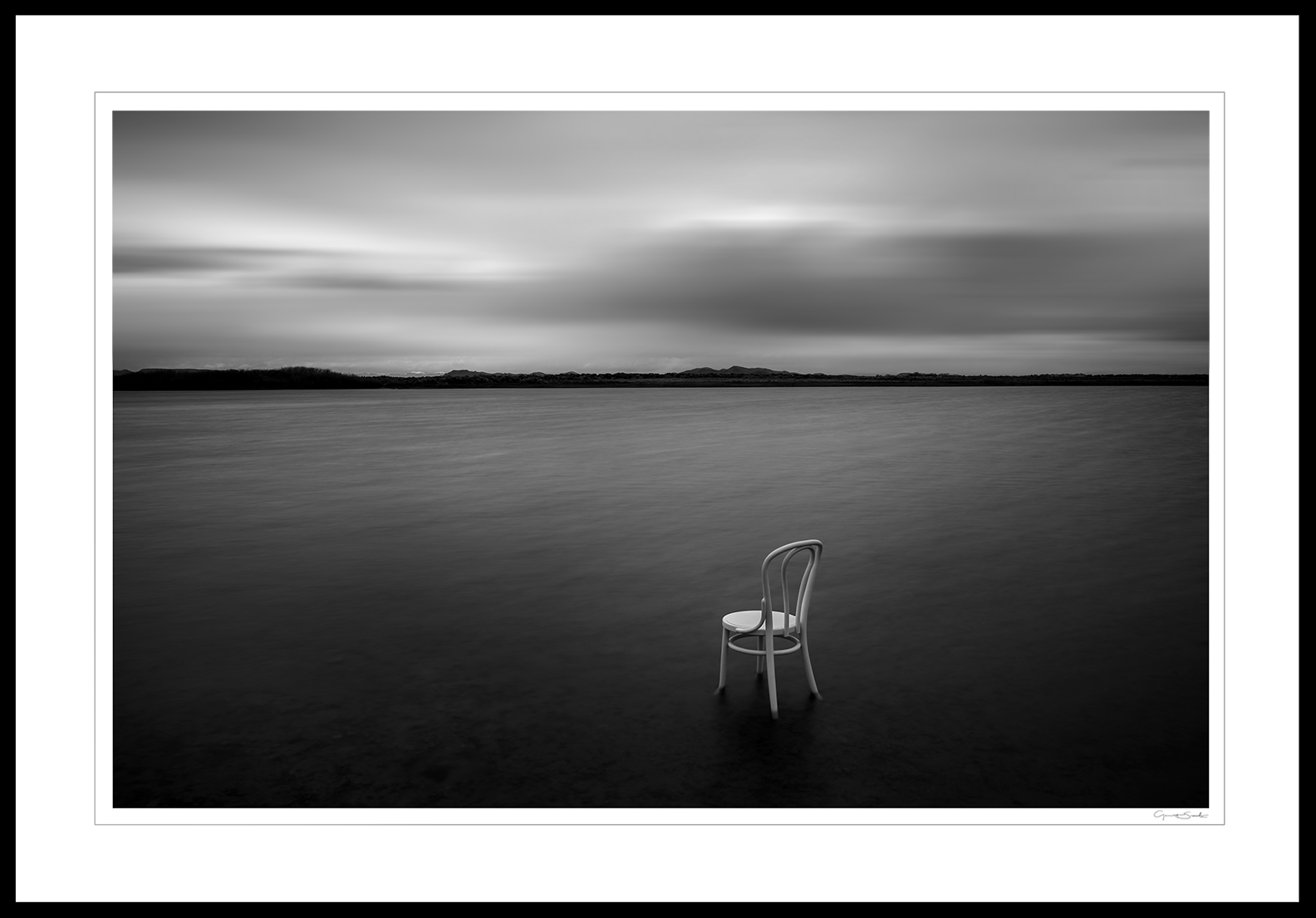
Lake Chair, San Luis valley, CO. (Framed).
•
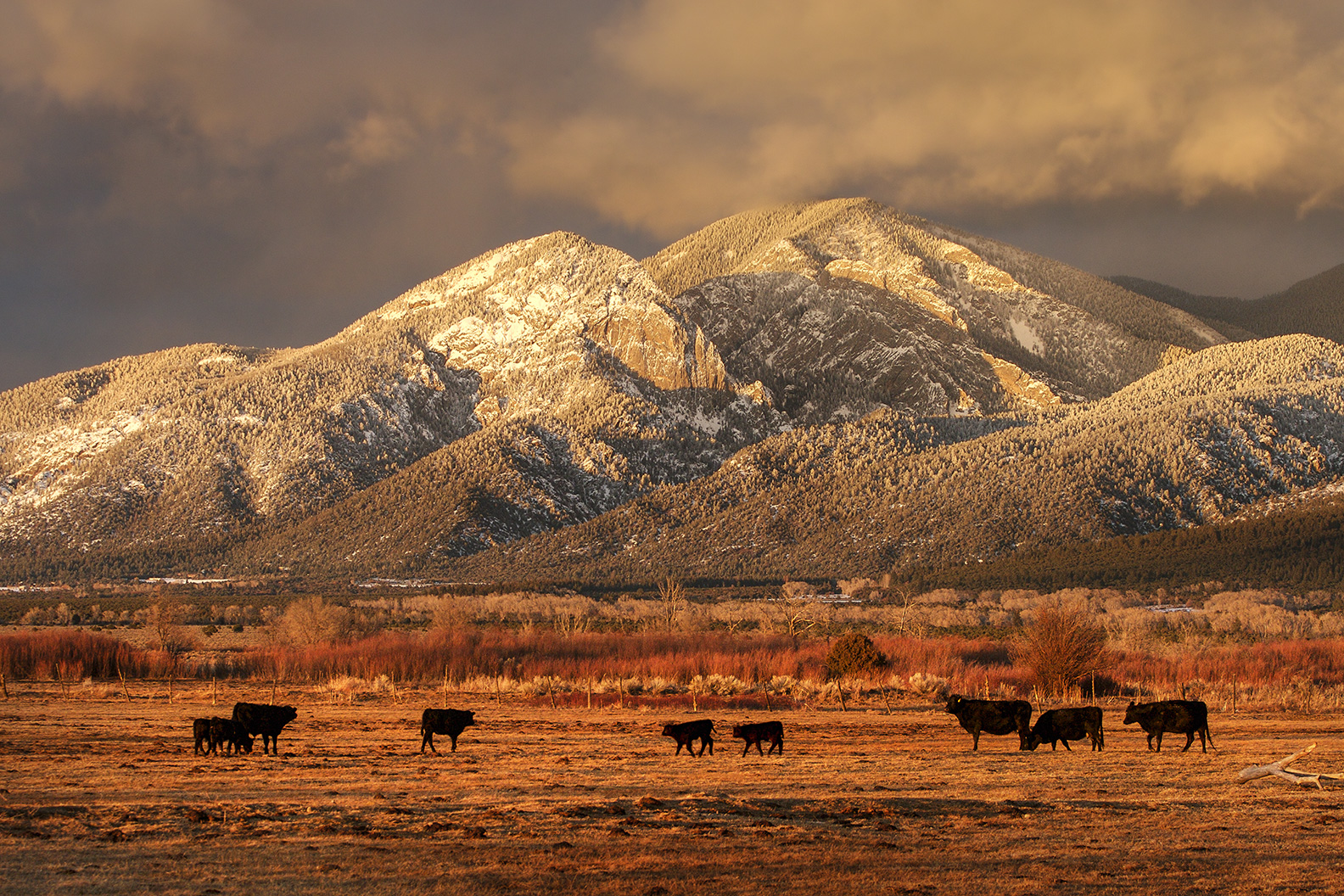
This one has been a favorite since I shot it more than a decade ago.
Taos Artist Combo V Exhibit & Sale. Stables Gallery, 133 Paseo del Pueblo Norte, Taos, NM 87571 October 9 – 11: Artist Reception, Friday October 9, 5-7PM Join us if you can!
As always, thanks for visiting and looking. Stay well. G
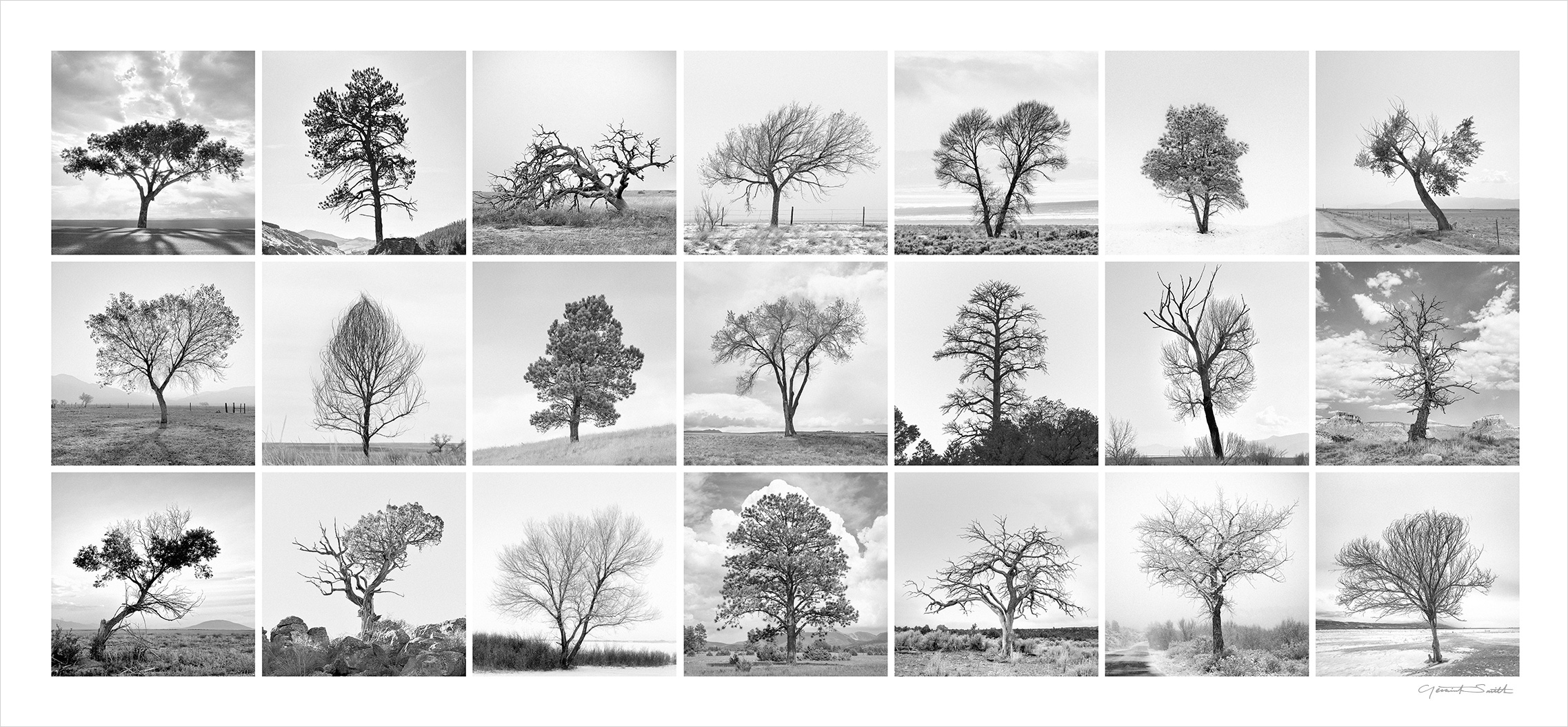
Hello from San Cristobal, New Mexico. This week more trees for the Taos Artist Combo V show at the Stables Gallery in downtown Taos, NM. From last week’s post on Lone Trees, I pulled more tree images from my archives and created a large composite on canvas. I printed it to a manageable 20″ x 46″ size, this morning, but it could occupy a much larger canvas or paper print.
Lone trees from around northern NM.
•
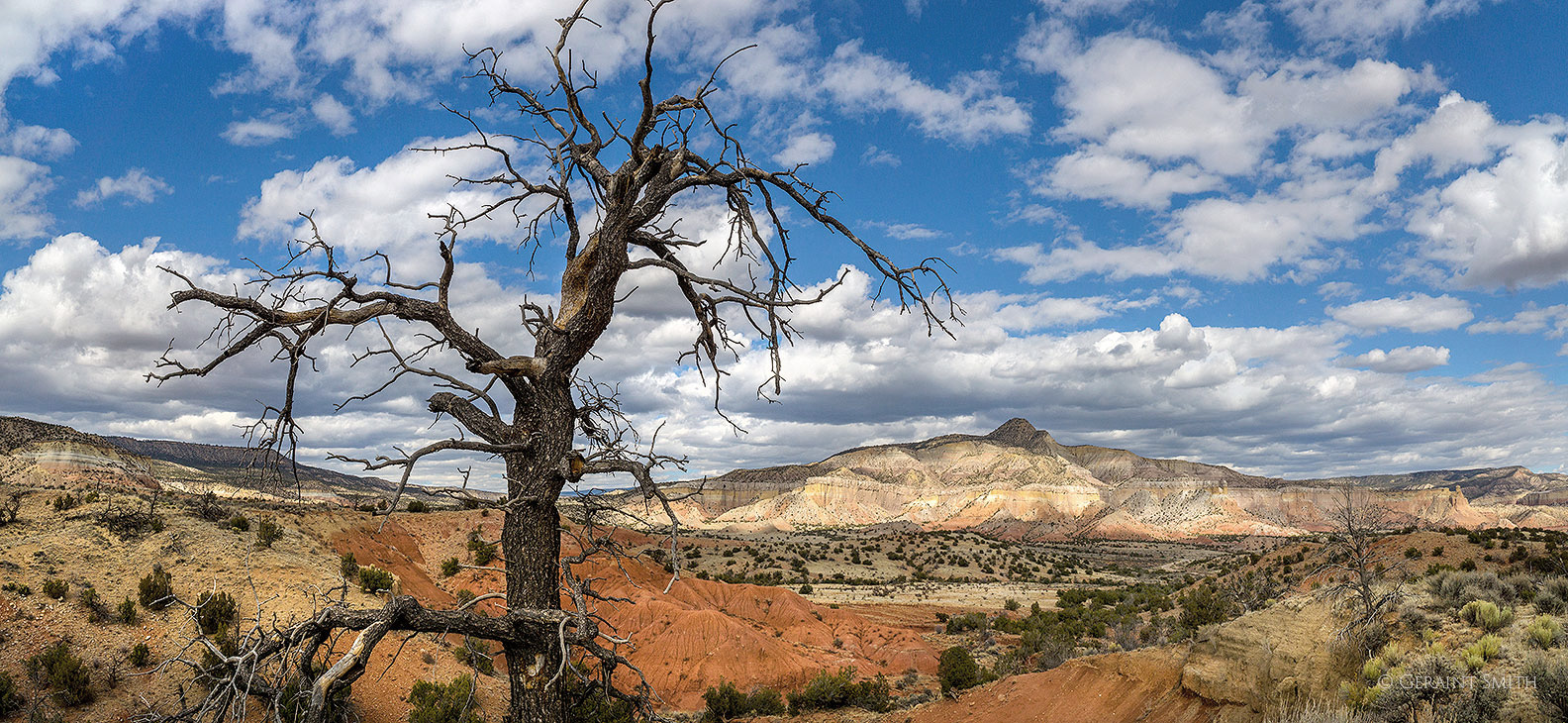
I wanted to include the tree in the following picture taken at near Ghost Ranch, but it had fallen down. I may still find another view of it deeper in the archives.
Tree and red landscape near Ghost Ranch, NM
•
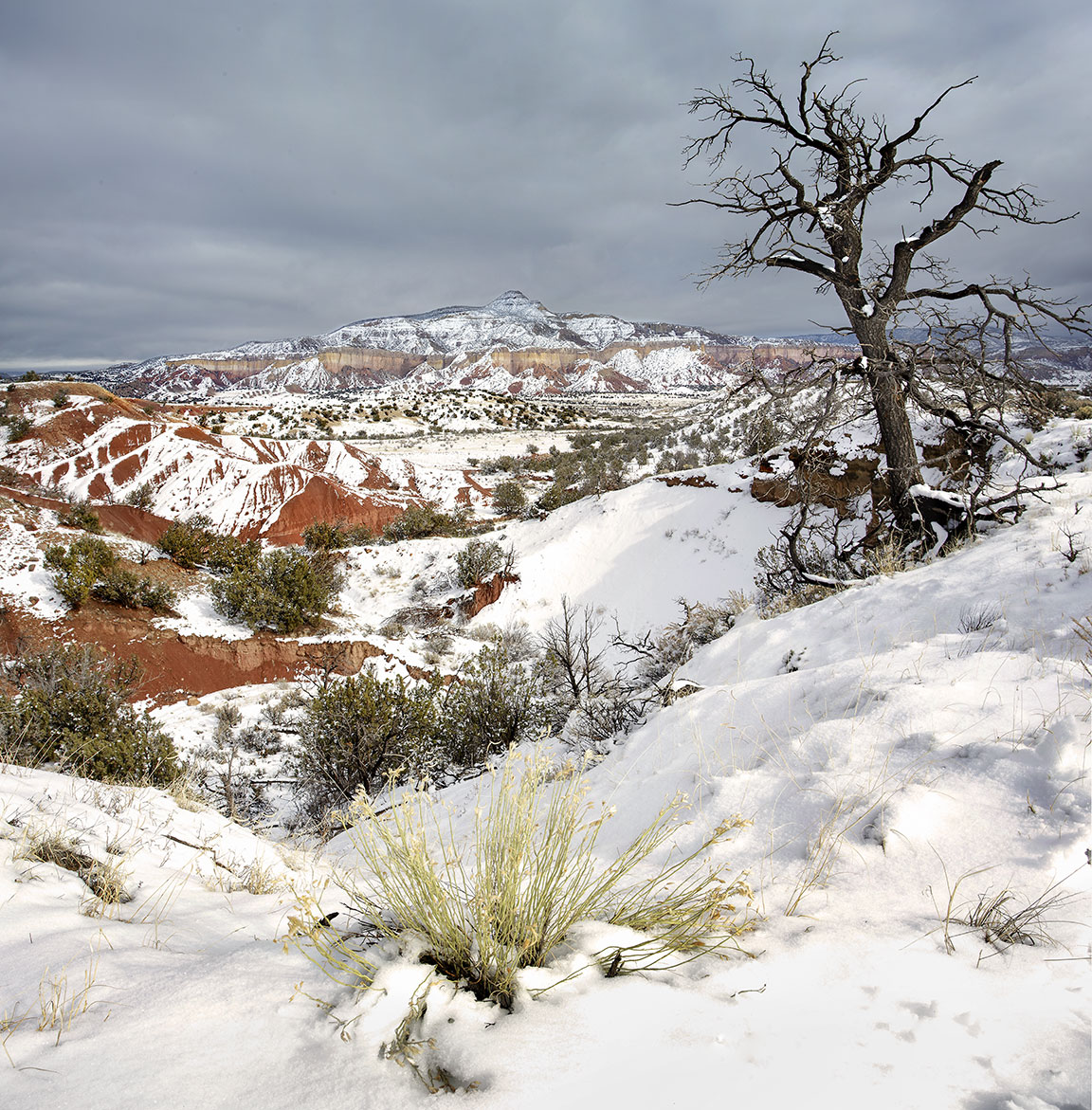
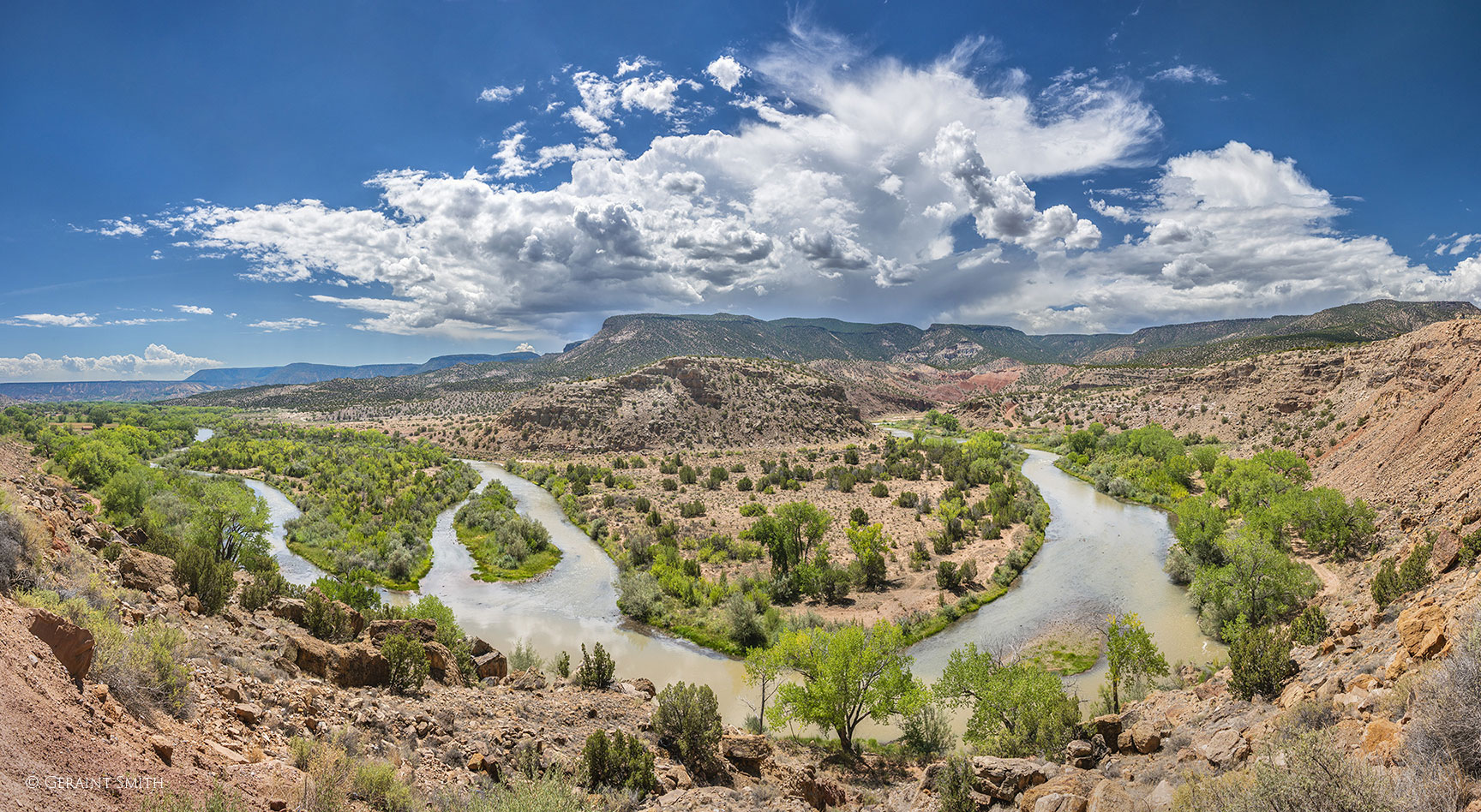
I did find the following image from 2015 taken on a winter photo trek to Abiquiu and the Rio Chama.
Winter on the Chama River road near Ghost Ranch, NM.
•
Taos Artist Combo V Exhibit & Sale. Stables Gallery, 133 Paseo del Pueblo Norte, Taos, NM 87571 October 9 – 11: Artist Reception, Friday October 9, 5-7PM
Check out my good friend and collector , Larry Hollars’s bird photography on instagram @ornithography_weekly Larry and I have made many excursions photographing the landscape, towns, villages and backroads of northern New Mexico and southern Colorado. Let me know if you’d like to sign up for his weekly birding email or follow him on instagram.
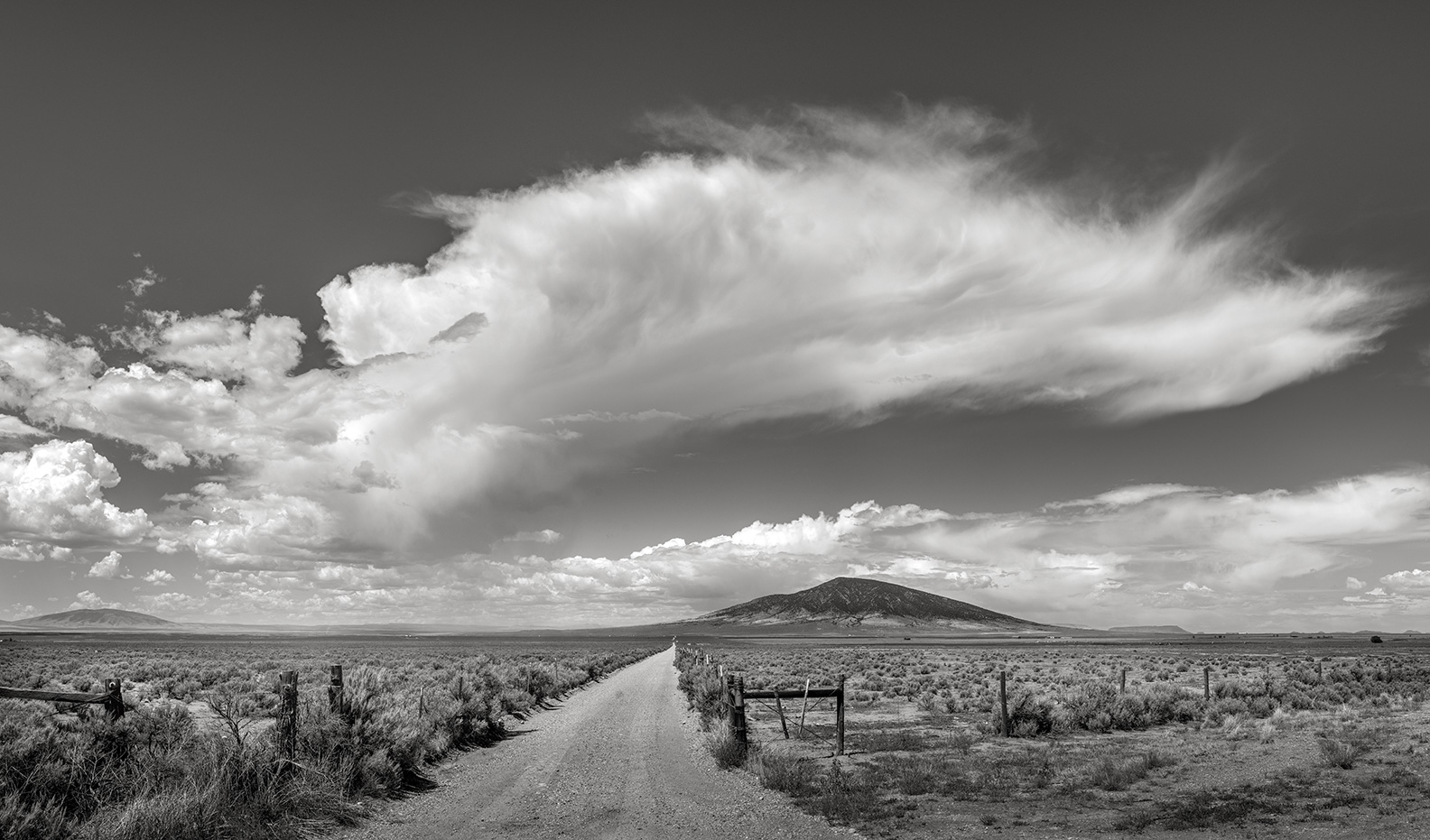
This week, a three-day photo trek. Day two was spent around Ute Mountain, the anchor peak of the San Luis Valley. It can be seen from just about everywhere in the Valley. The weather did not disappoint. Infact all three days were special. I hope everyone had a good week in your part of the world.
When the sun broke through the clouds that morning.
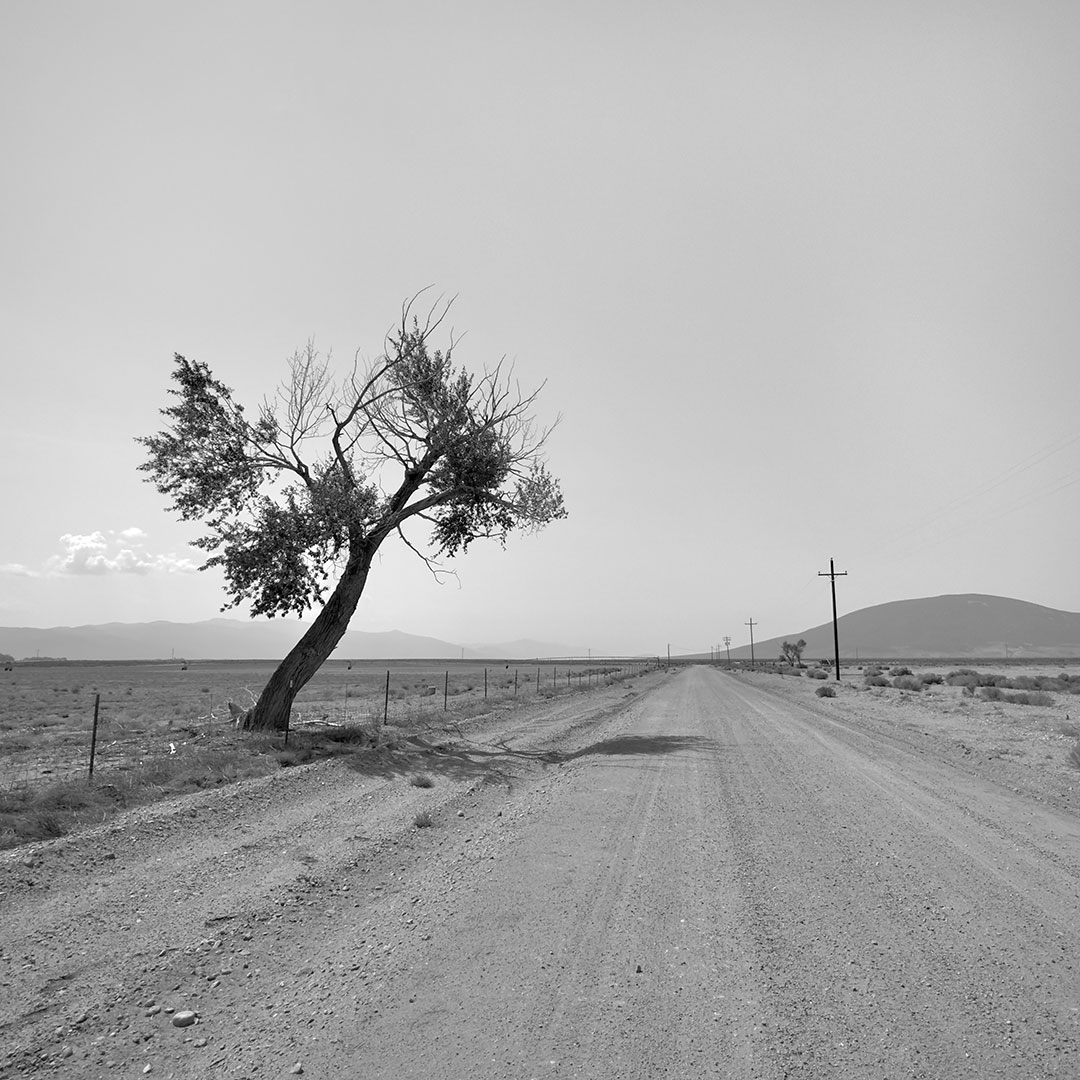
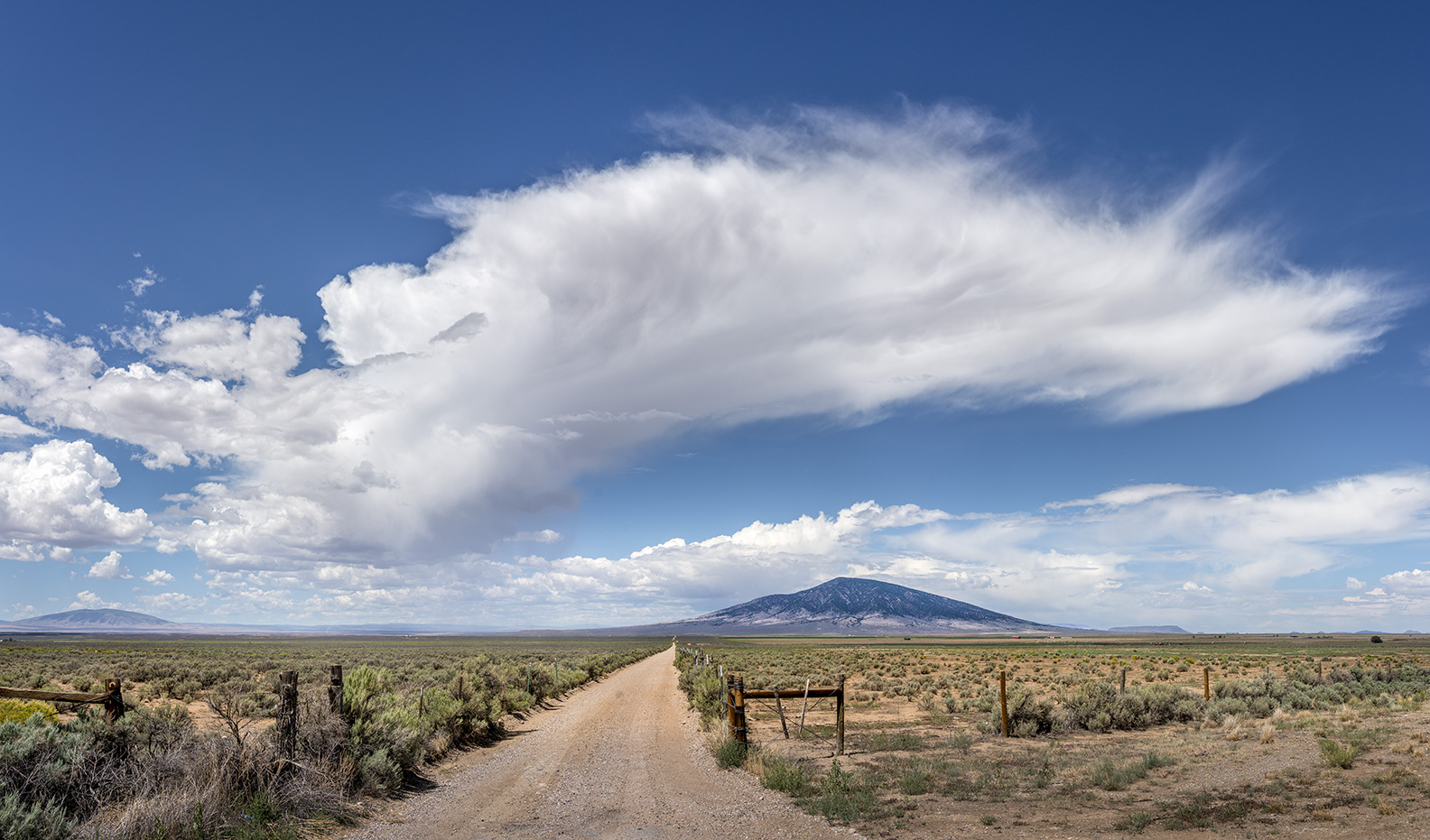
Looks good in black and white, it was that kind of day.
Ute Mountain road and cloud in black and white.
•
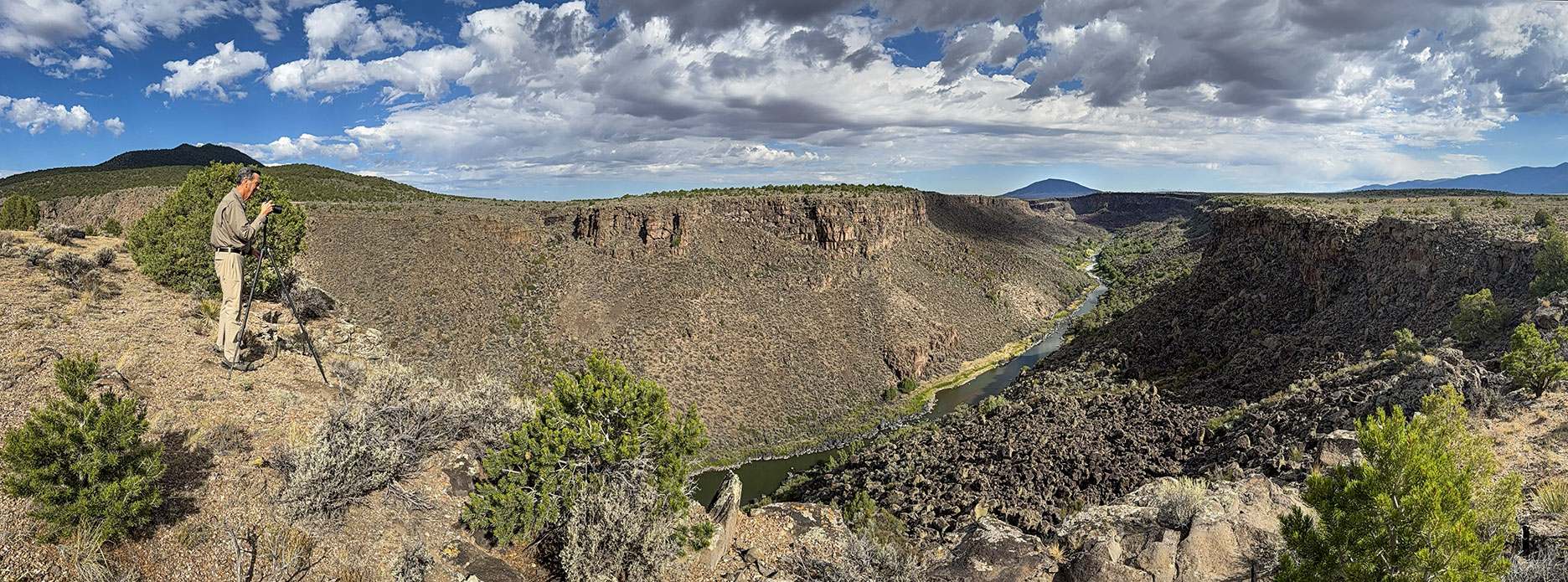
A panorama of the scene that morning with Larry setting up a composition. Larry Urquhart is a photographer from Brenham, Texas. Let me know if you’d like to join his email list. I’ll send an introduction, and you’ll see some outstanding work. He sends out an informative, picture driven, email every five or six weeks.
Sheep’s Crossing Overlook in Wild Rivers RA, with Ute Mountain.
•
Photo Trek, Photo Safari, Photo Tour or Photo Workshop, whatever you call it, join me and I’ll show you some wonderful, high desert locations.
Ute Mountain, looking SW from Wild Horse Mesa, Colorado.
As always, thanks for looking. I hope you have a great week. G
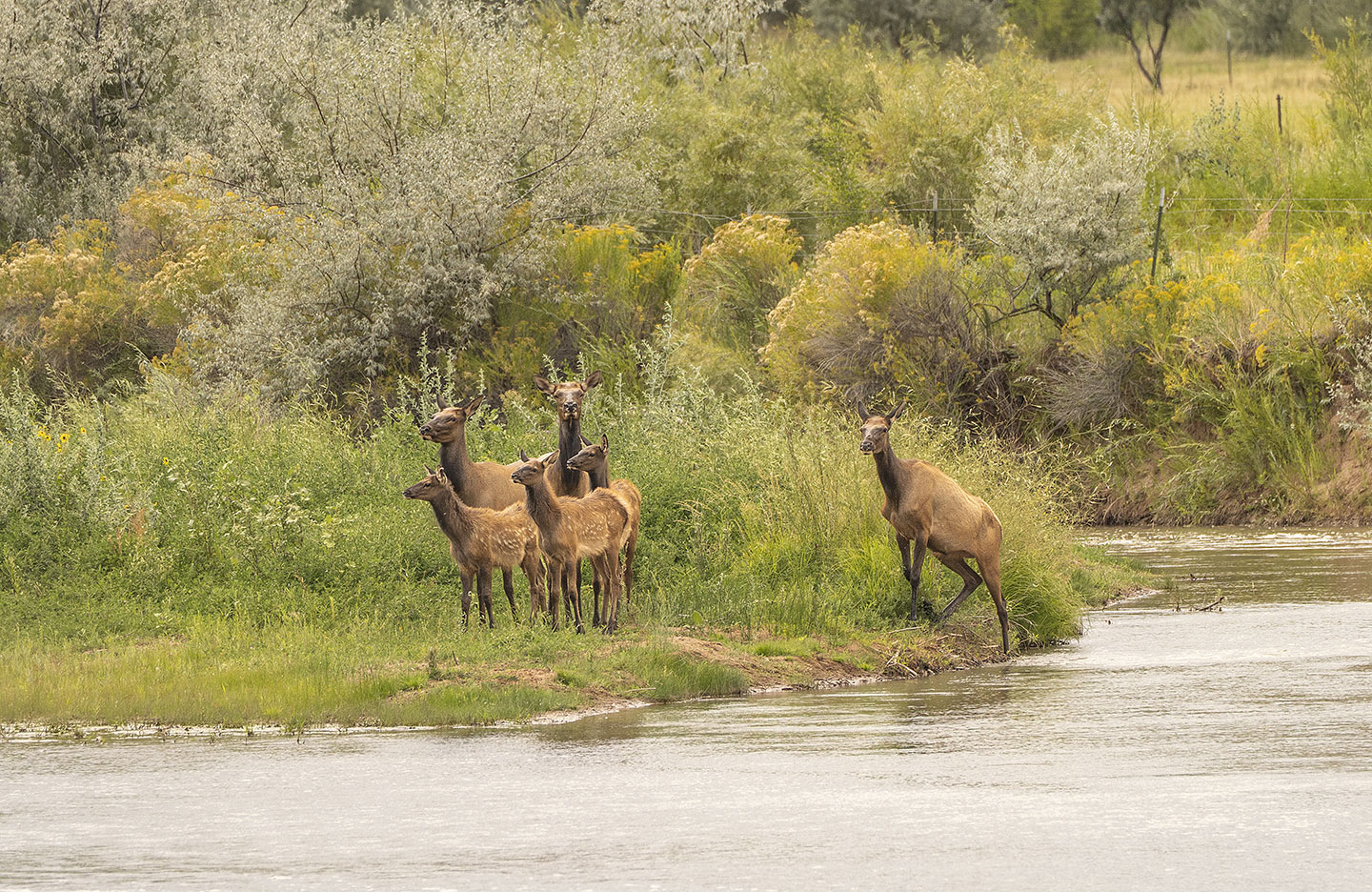
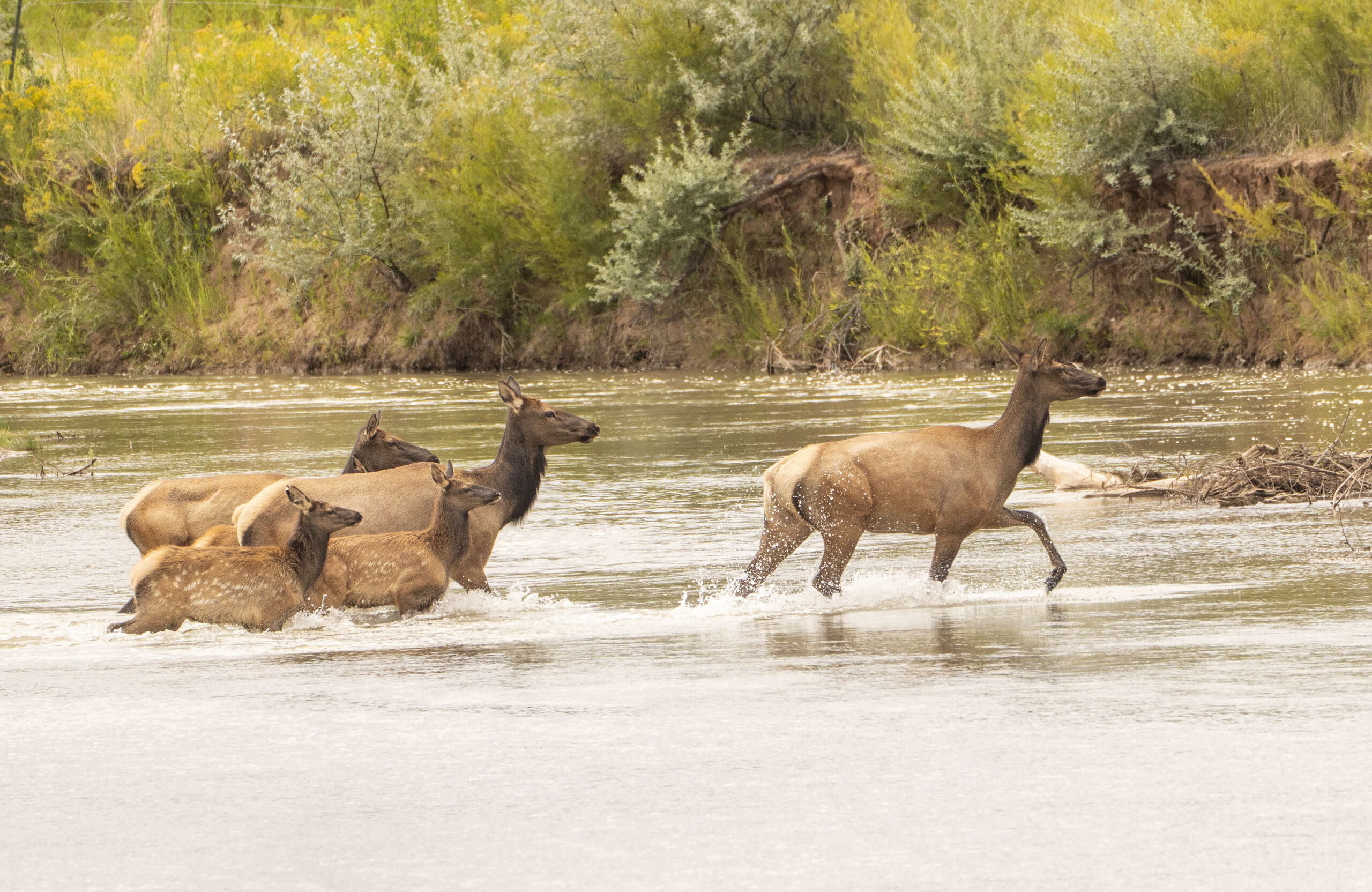
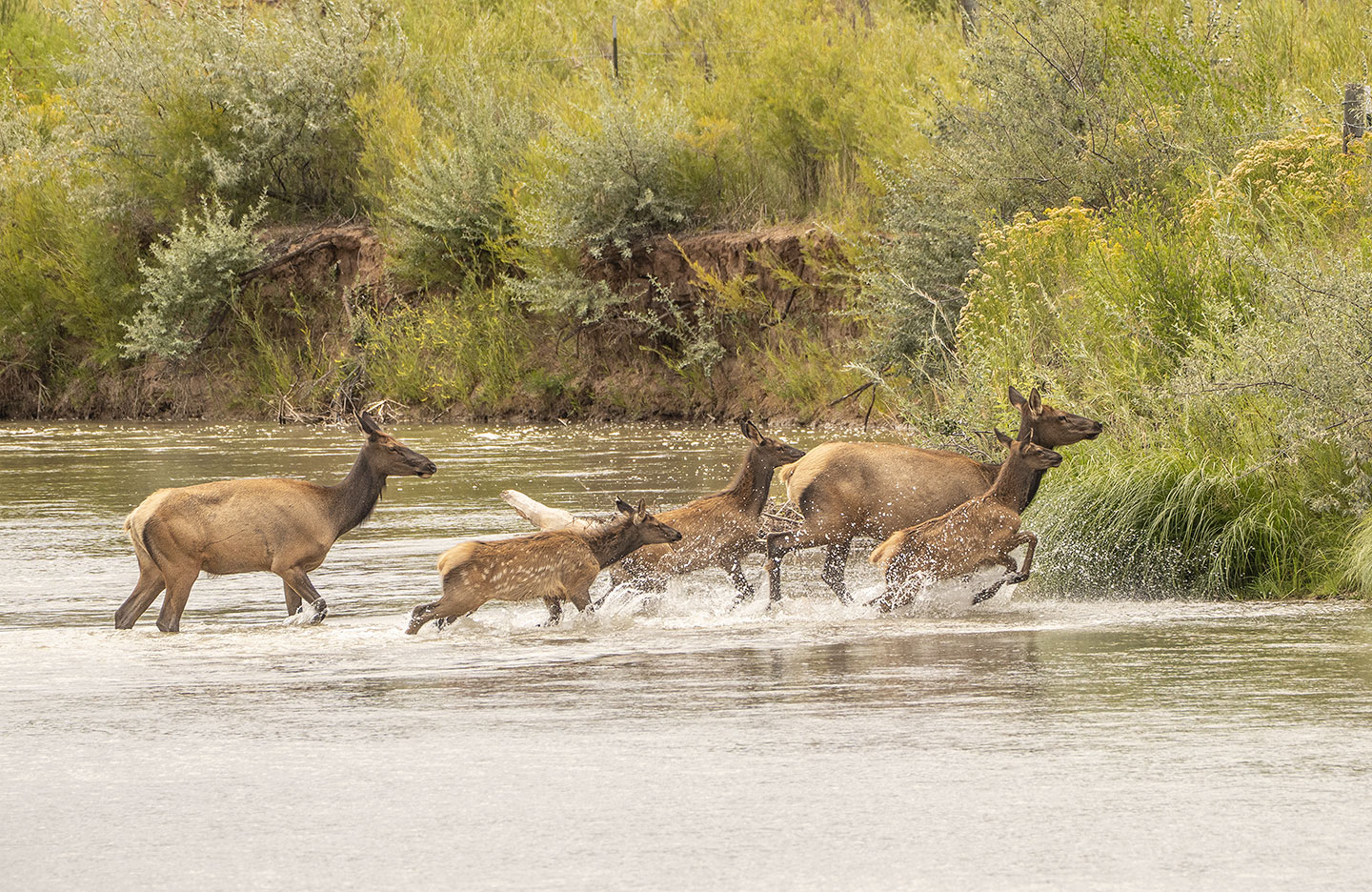
Greetings from New Mexico. This week, Elk, crossing the Rio Chama.
On the first day of our two day trip, Scott and I were just finishing up the day in Abiquiu and the Ghost Ranch area, with another stop on the Rio Chama. Upstream from the village of Abiquiu, rounding a bend in the road, I had a clear view, and was surprised to see elk in the river. One group promptly crossed, while the second group waited for us to get set up before crossing. I can’t really say for certain that they waited for us but it sure seemed like it.
Elk waiting to cross the Rio Chama in the village of Abiquiu, NM.
•
Crossing the Chama River.
•
The whole scene looked very refreshing for the elk. I stood in awe with reverence following the sight we had witnessed.
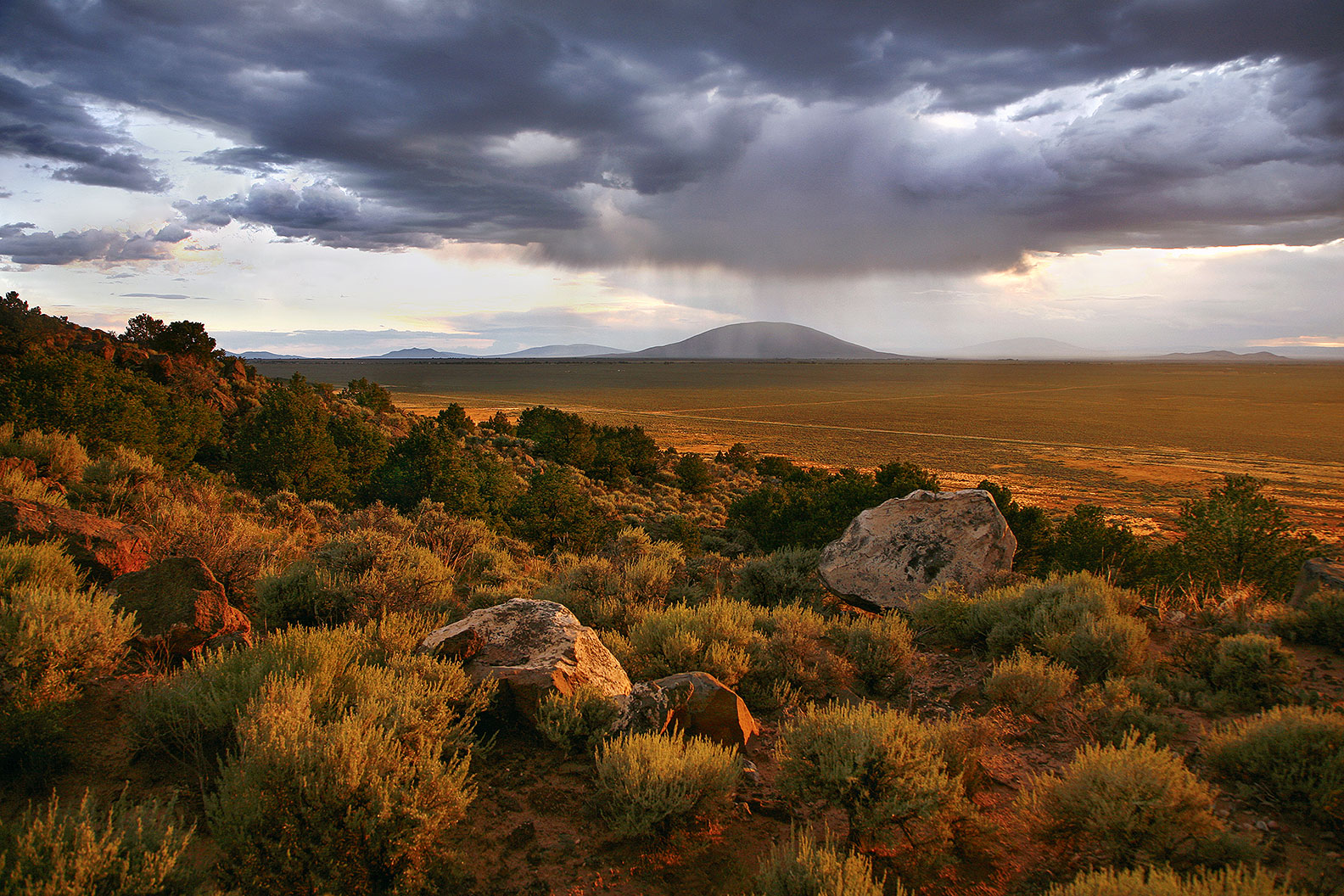
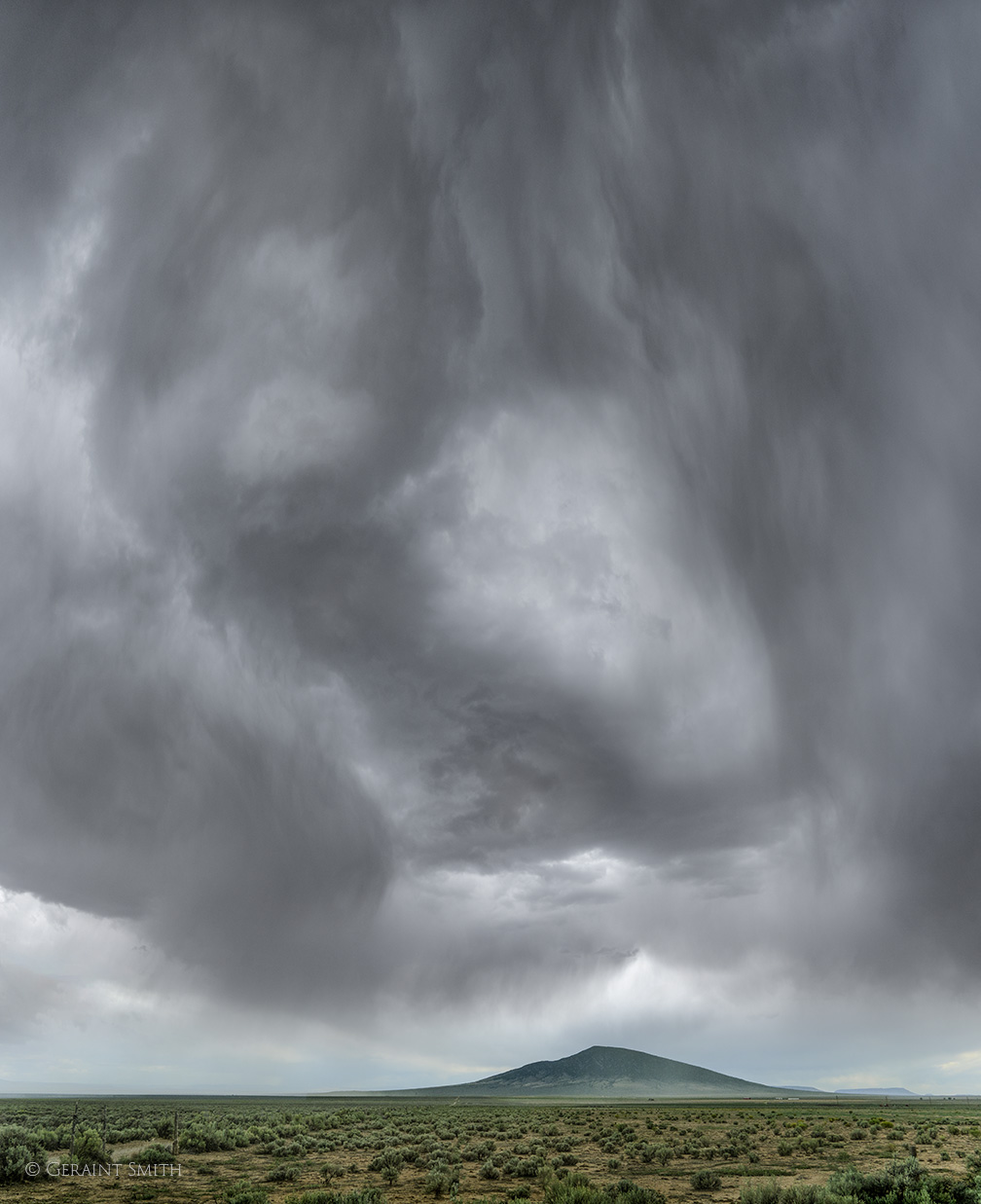
On the second day of our photo safari, we headed north to Ute Mountain and the San Luis Valley, always a favorite stop on a photo tour. Yes, the clouds unleashed heavy rain.
Storm clouds, Ute mountain, NM.
•
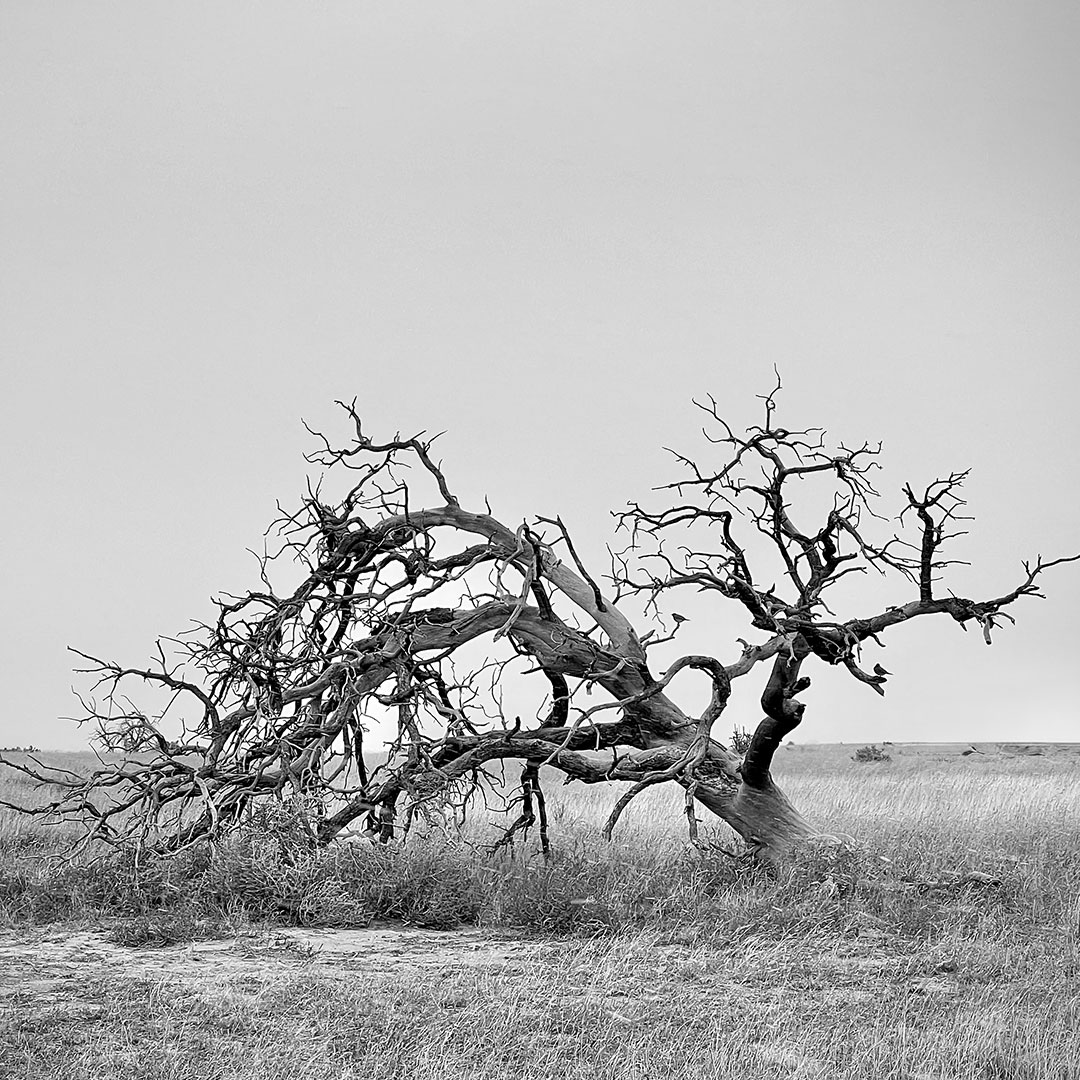
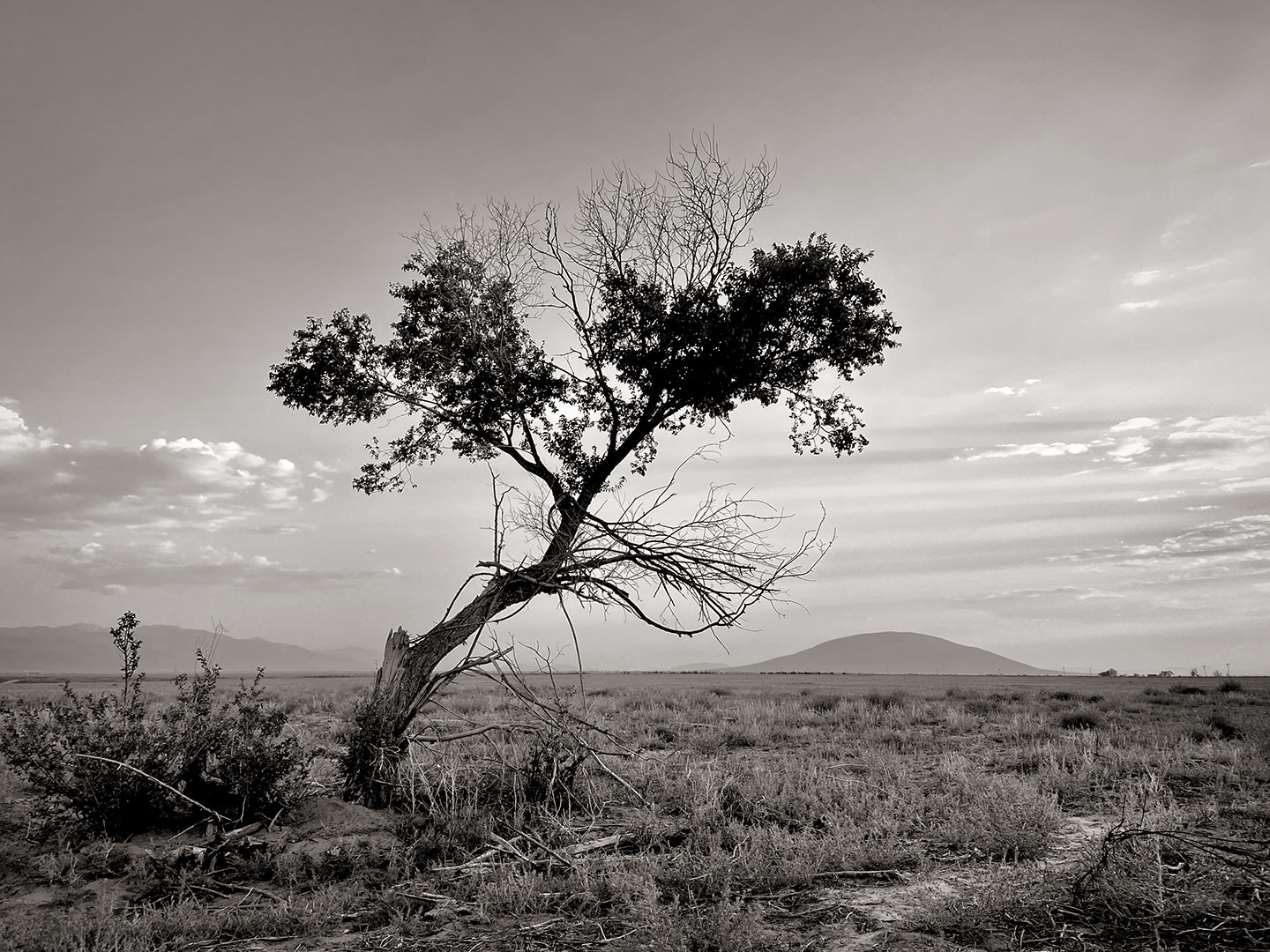
I went looking for this tree, in the photo below, thinking that five years later it may have grown some. It had only been deminished by loosing a couple of limbs, most certainly due to the high winds on the plateau. The tree is in Colorado, Ute Mountain is in New Mexico. Things change!
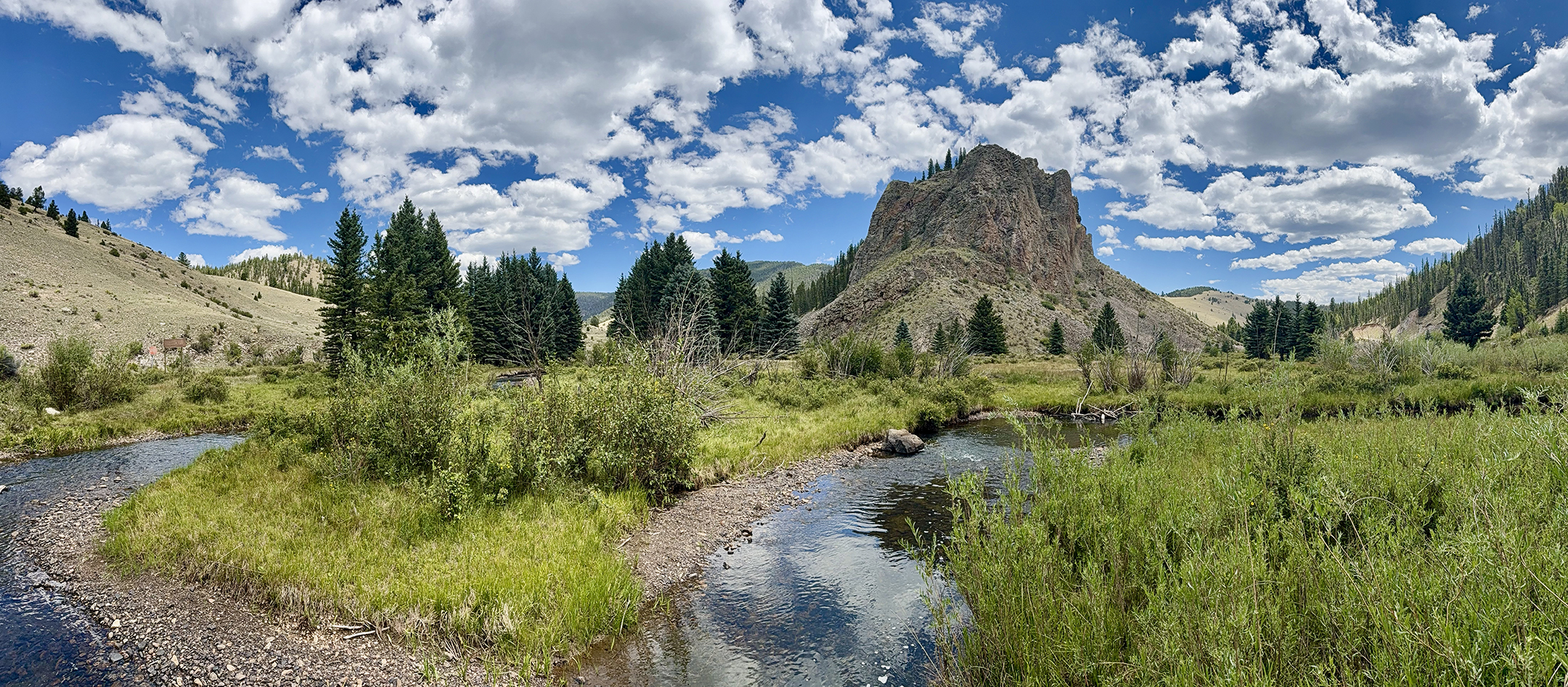
Greetings from the Vale Vidal, in the high country of northern New Mexico. My computer and internet are running really slow today so I’m heading to the mountains. Here’s a favorite stopping point, Comanche Point at the confluence of the Rio Costilla and Comanche Creek. You know the place. Not a lot of water, though some areas are very green and lush, and the clouds are outstanding.
Enjoy! See you next week.
Valle Vidal in the high country of northern New Mexico.
•
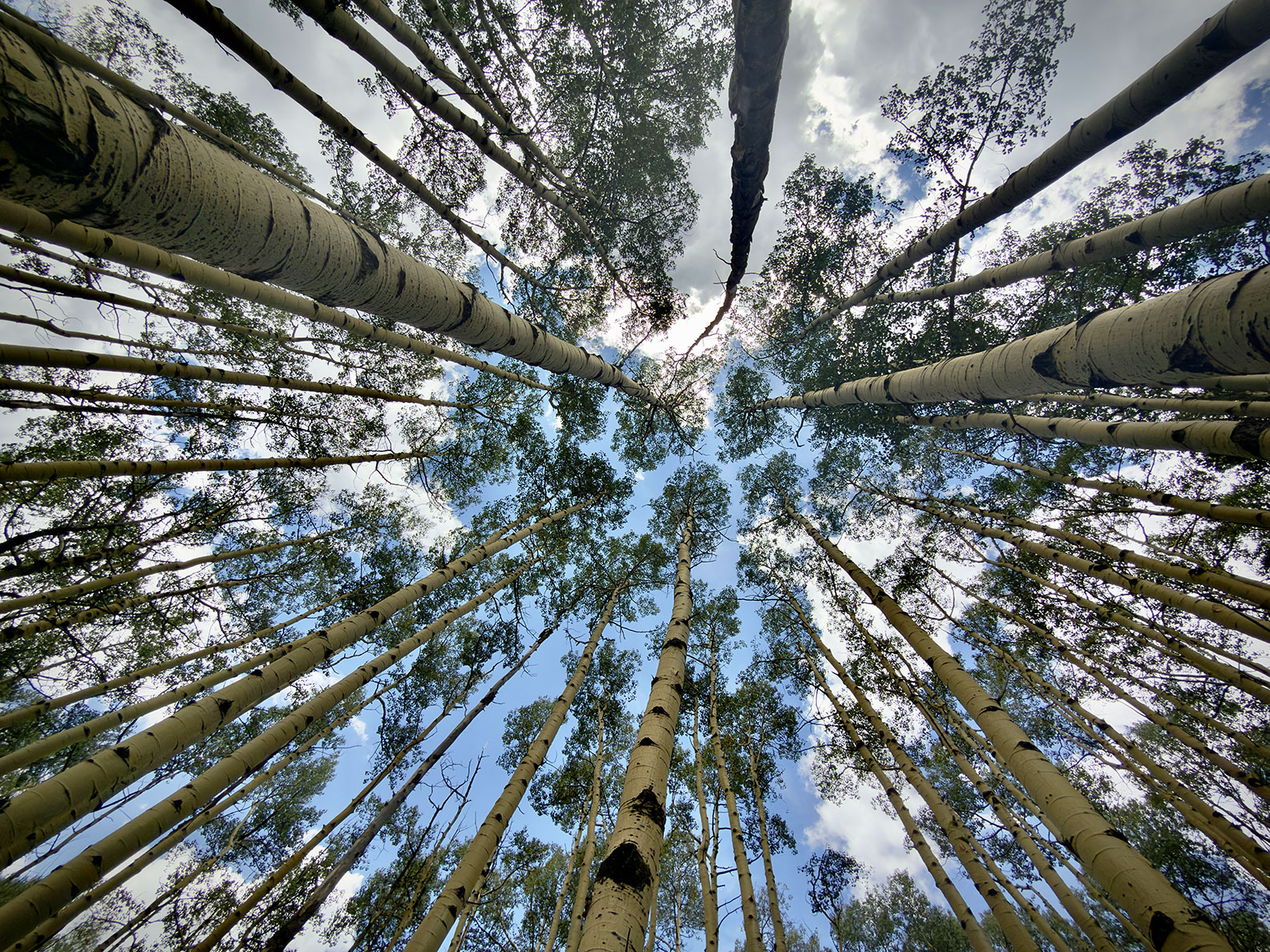
Checking out the aspen groves, it’s looking like it will be fabulous fall color up here!
Aspens, Skyward.
•
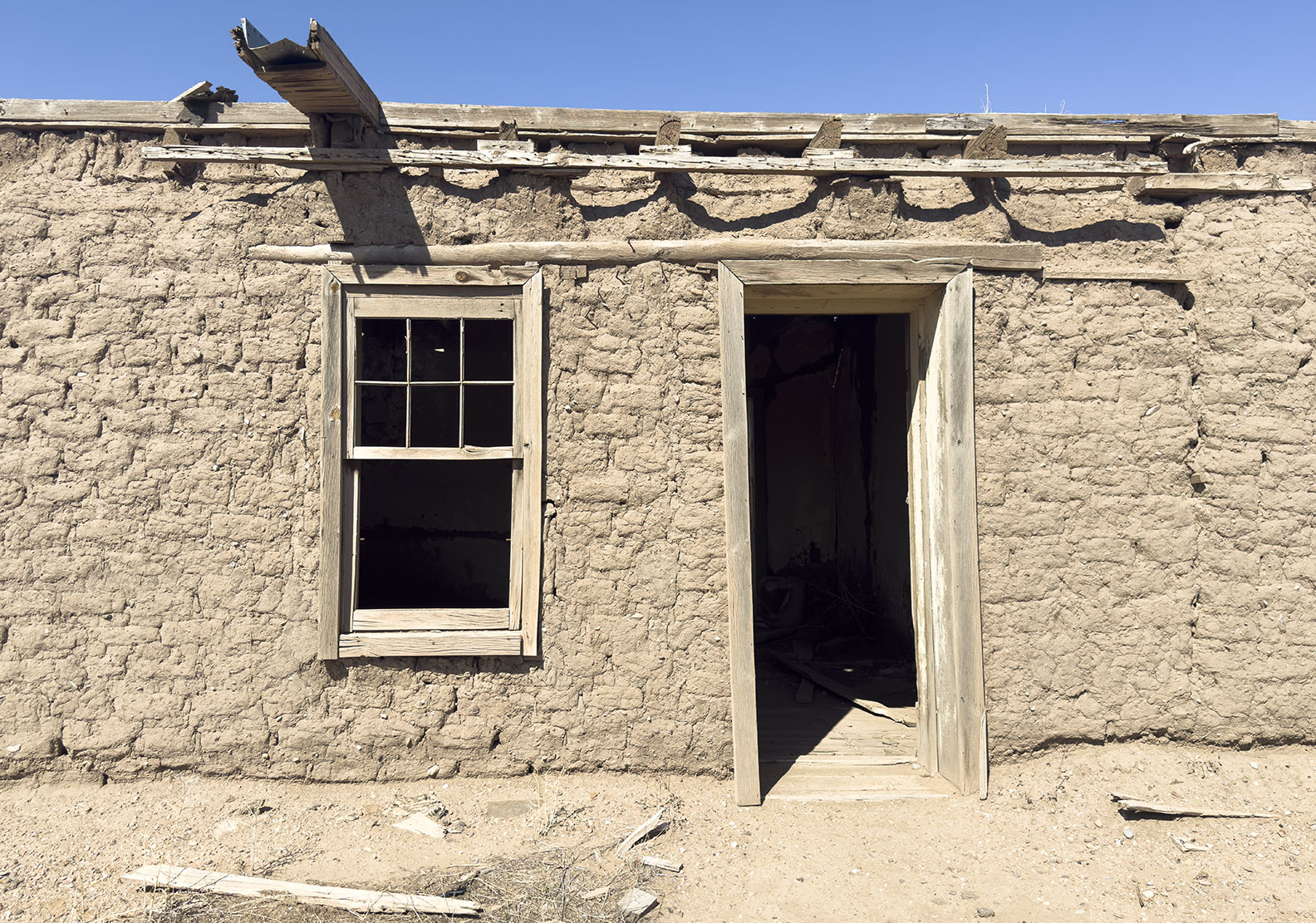
It’s always fun to stop in the San Luis Valley and photograph a dilapidated ruin en-route to the Valle Vidal.
Adobe ruin, Garcia, CO.
•
Three hours later I can safely say…. “As always, thanks for looking. Have a great week”. G
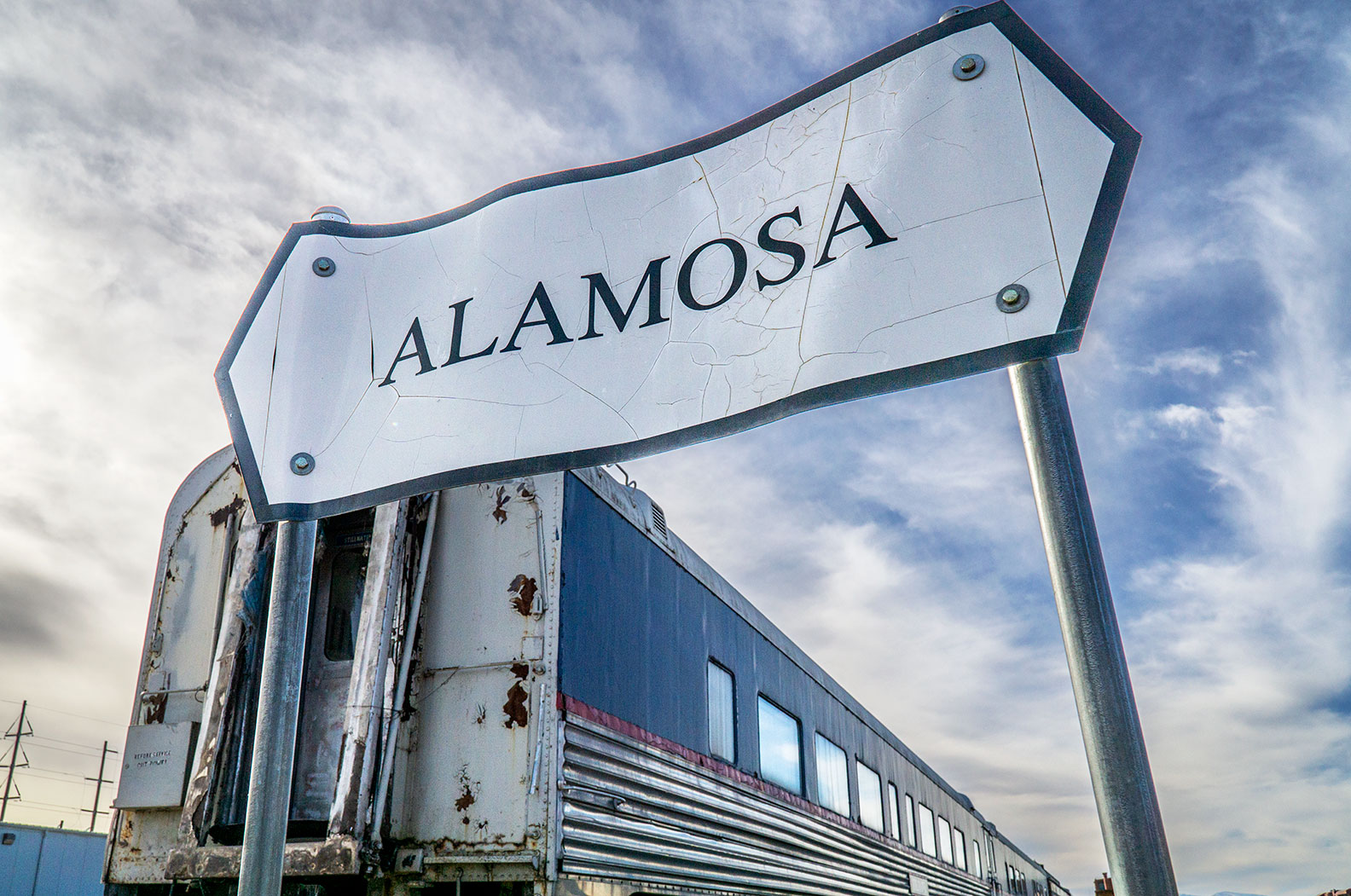
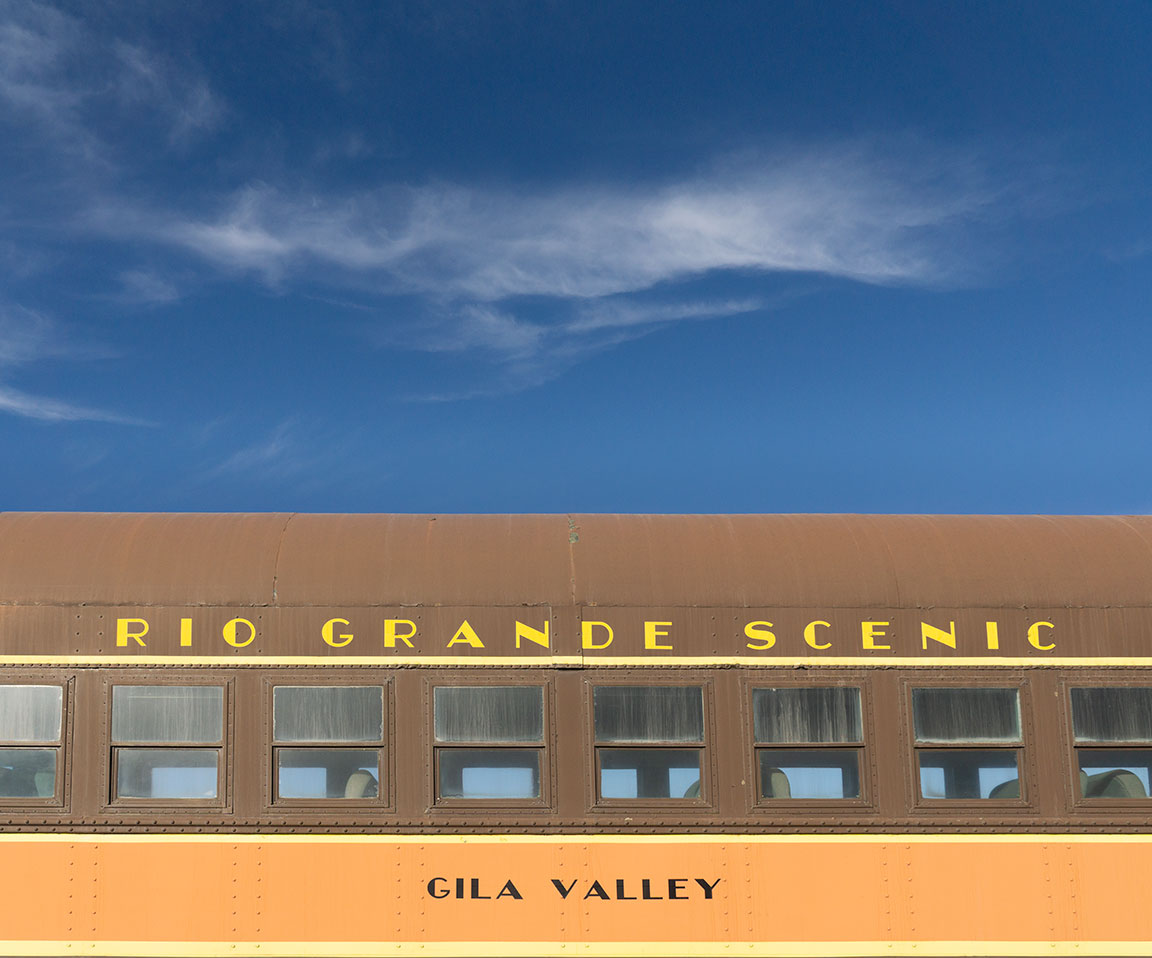
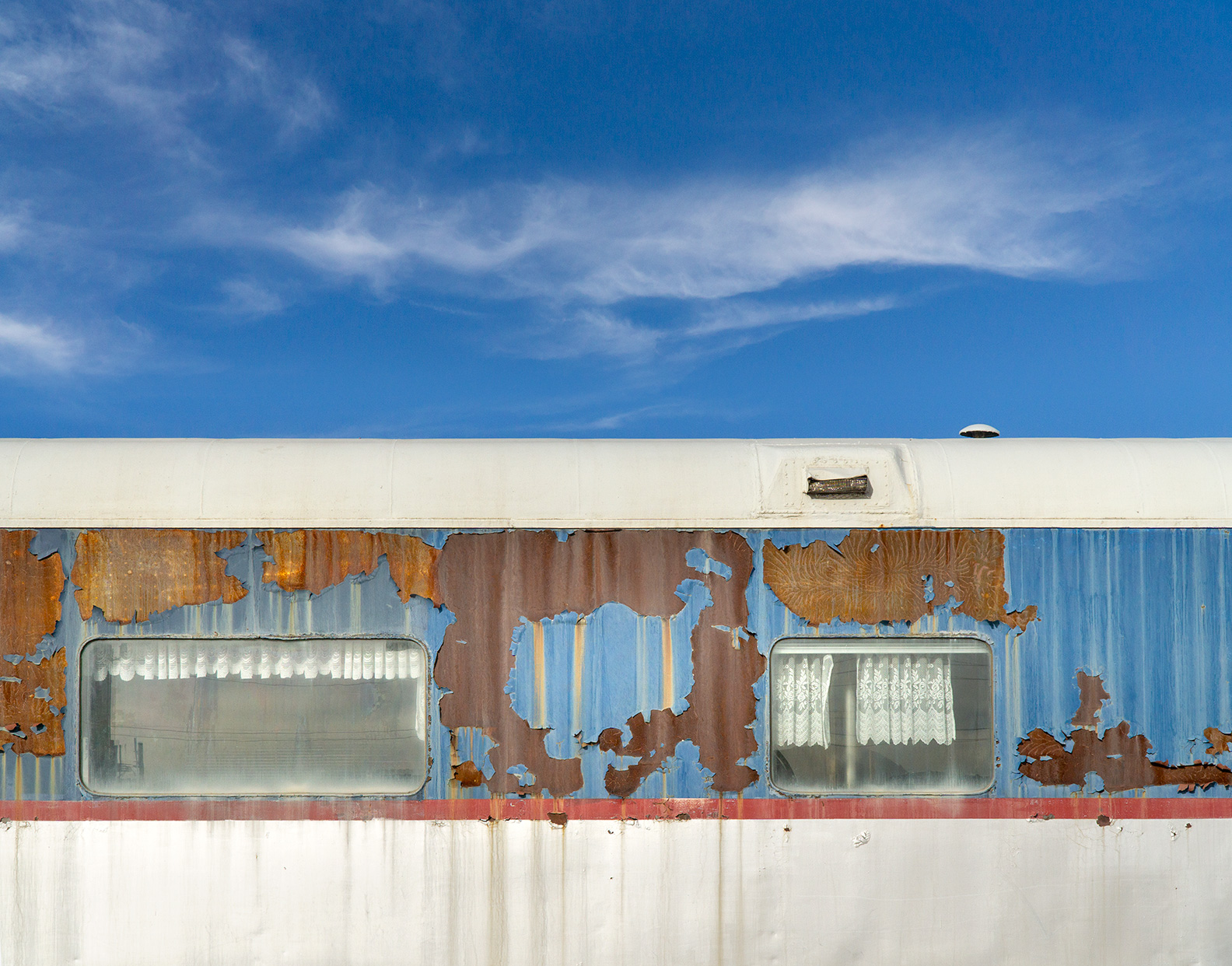
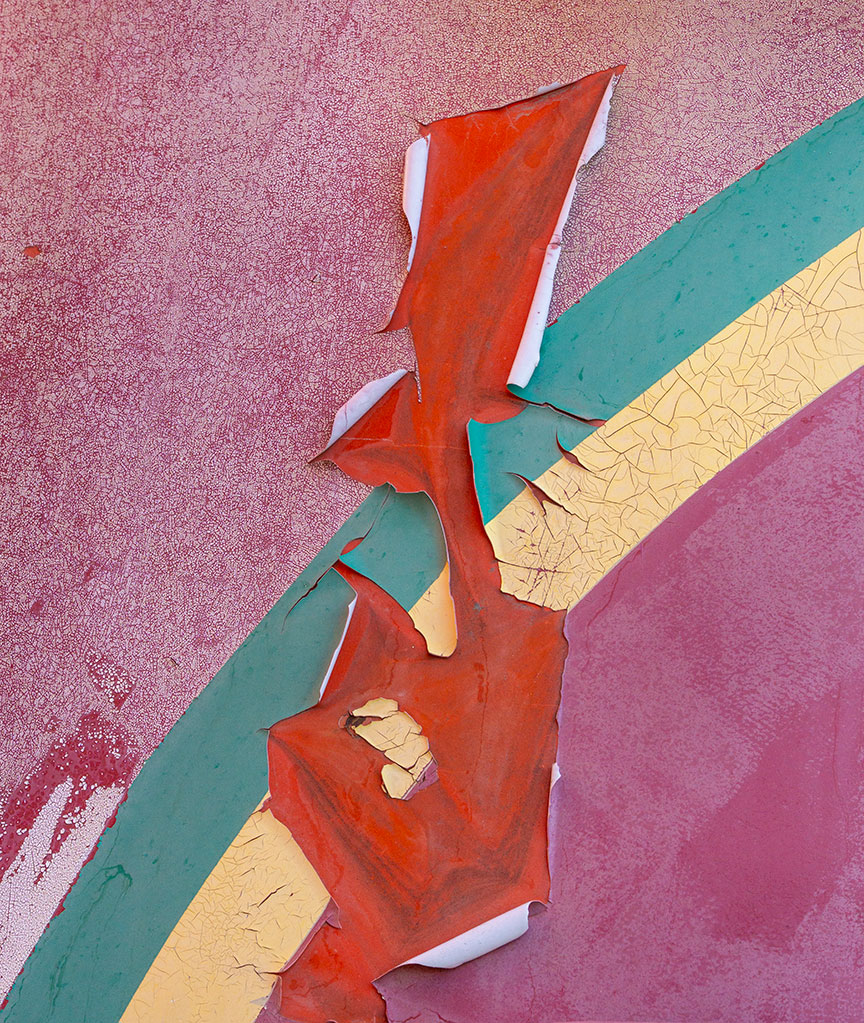
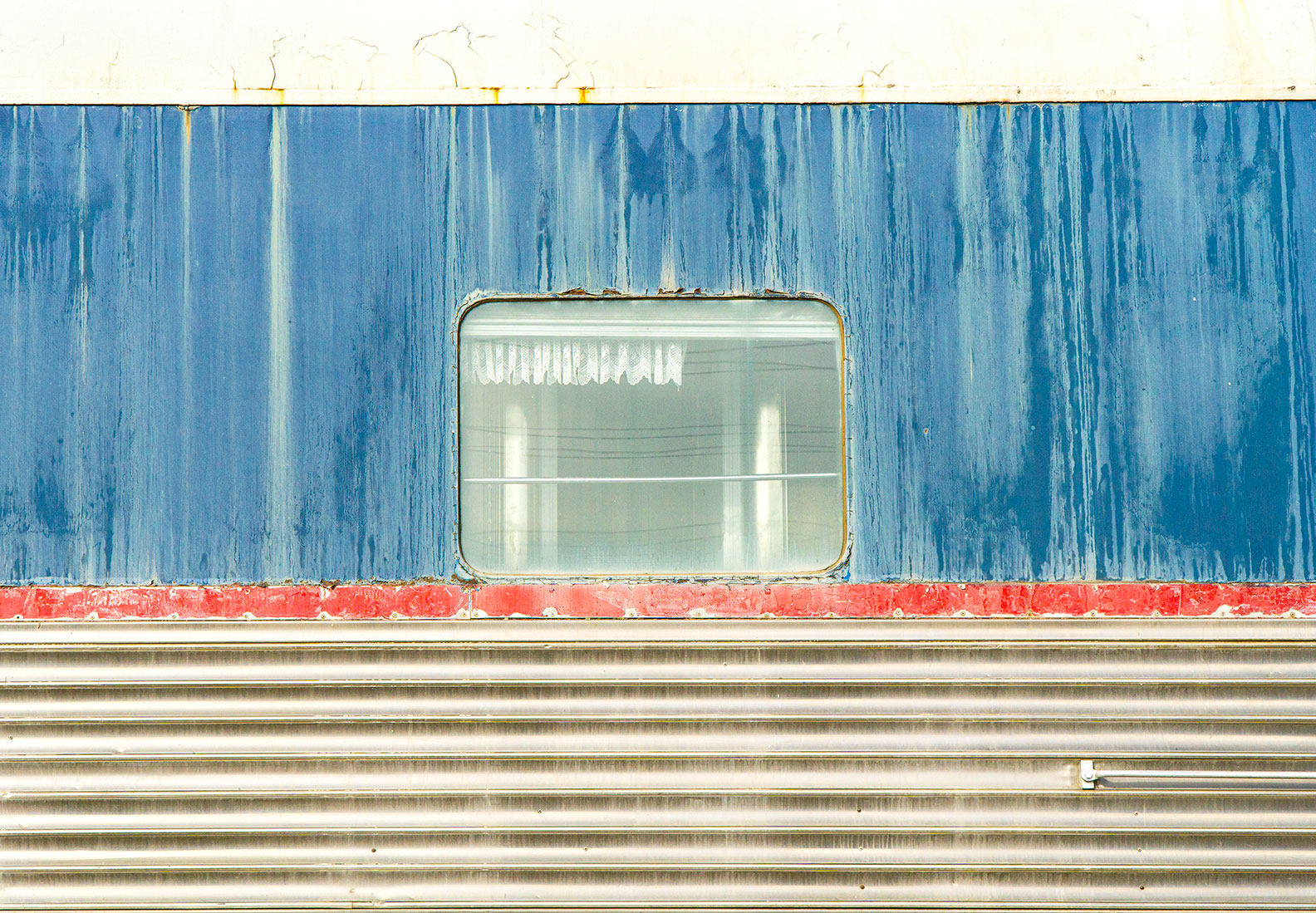
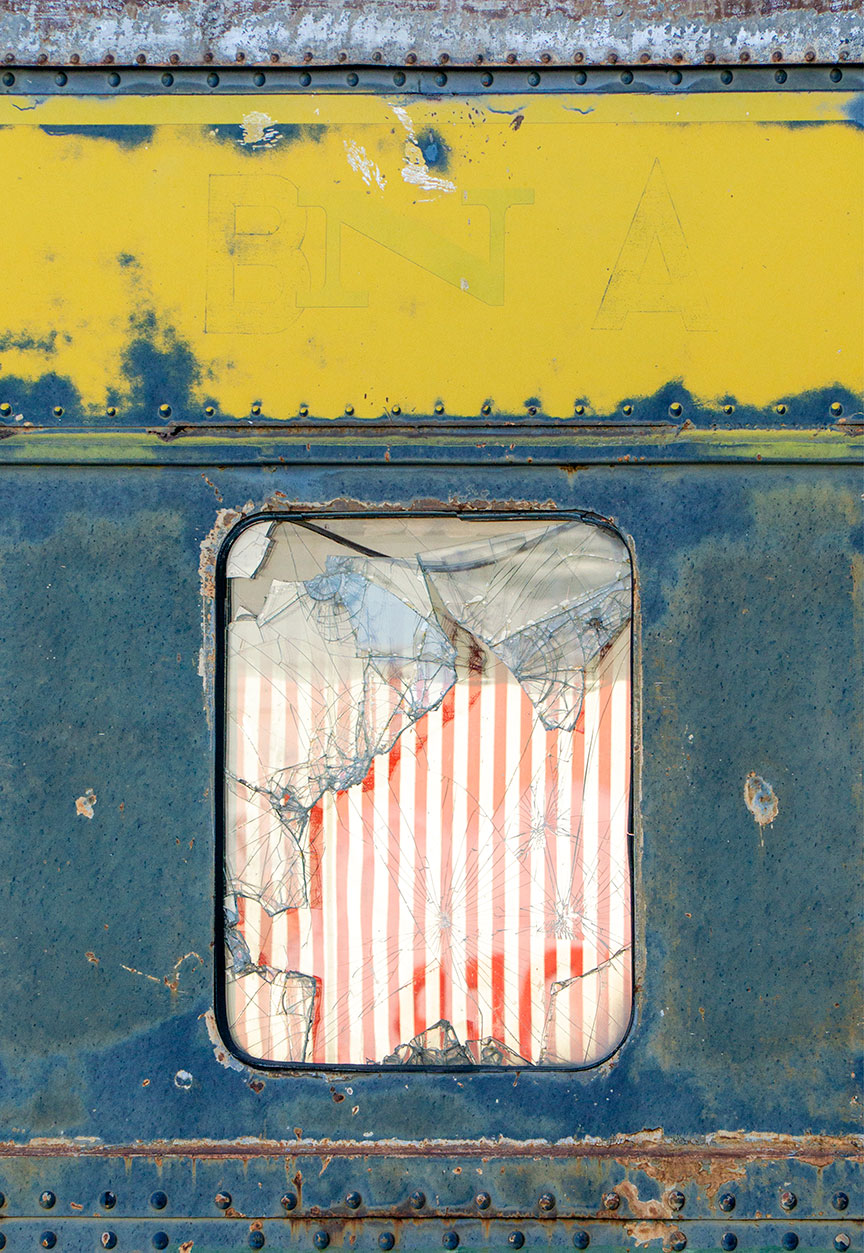
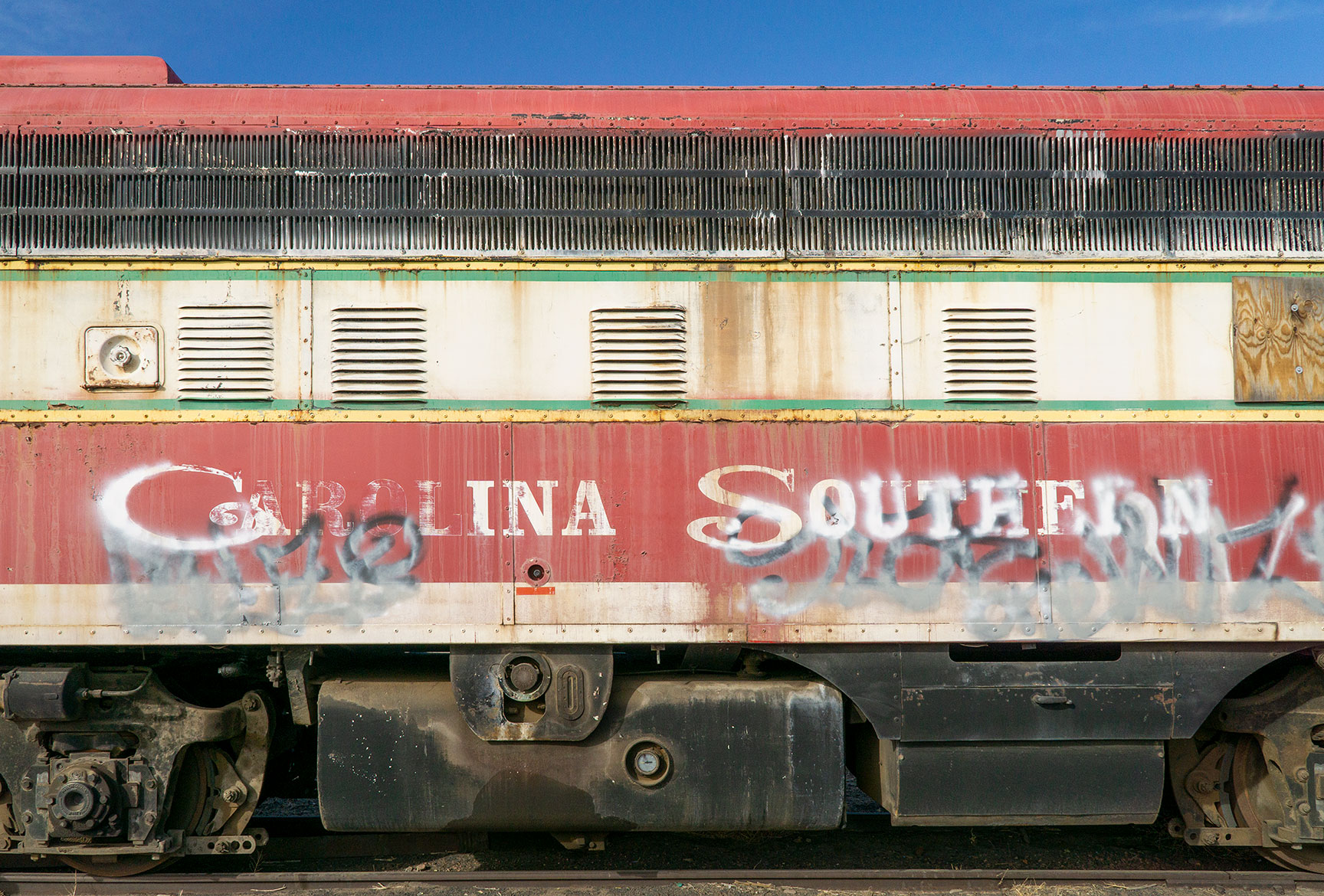
Hello from San Cristobal, NM. I hope everyone had a great week. This week, a visit to the Alamosa railyards that I hinted at last week. Mostly abstract photo ops that float my boat. Enjoy!
Alamosa sign at the railyards.
“The Alamosa train depot, located in Alamosa, Colorado, is a historic landmark that reflects the rich railroad heritage of the region. Built in the early 20th century, the depot served as a crucial hub for the Denver and Rio Grande Western Railroad, facilitating the transport of passengers and goods across the San Luis Valley. Its architectural style, characterized by classic brickwork and traditional design elements, embodies the era’s industrial optimism. Today, the depot stands as a testament to the transformative impact of railroads on the American West, and it continues to be a point of interest for visitors exploring the area’s history and scenic landscapes.”
Rio Grande Scenic, carriage, and cloud.
Carriage windows, patina, rust, and cloud.
Carriage windows, patina, rust close-up!
Pealing paint.
“Ponder the Coalescence” graffiti at the railyards.
Carriage window and patina.
Broken window, yellow and blue.
Carolina Southern locomotive.
On the road along the railroad tracks in Romeo, Colorado.
“Stop in Today”
As always, thanks for looking. Have a great week. G
Hello from San Cristobal, NM. I hope everyone had a great week. It’s raining here today. We are very happy about that. This week, more random selections from the archives, including the San Luis Valley, El Rito (west), and northern New Mexico.
I hope you enjoy!
Random selections from bygone days.
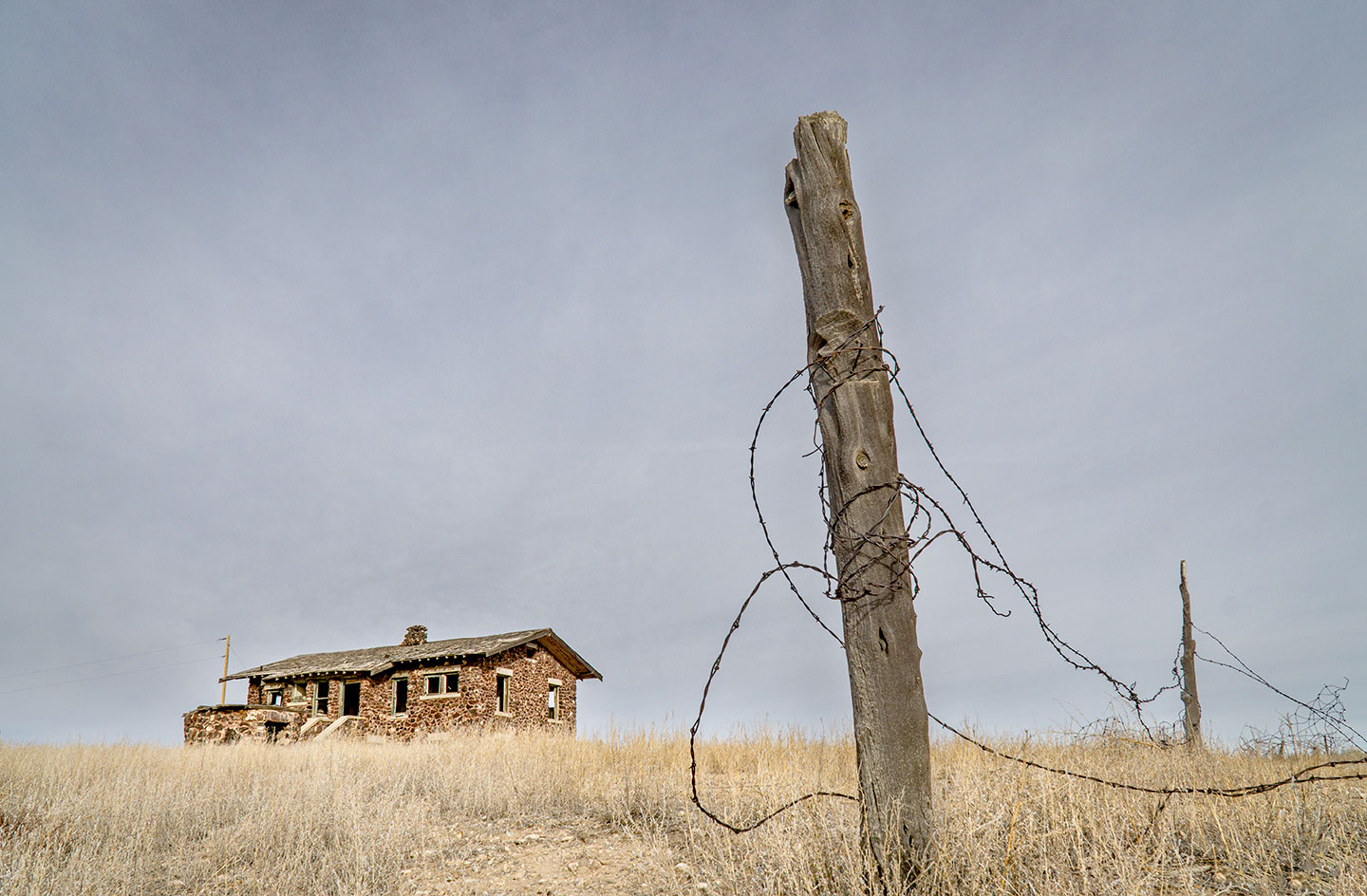
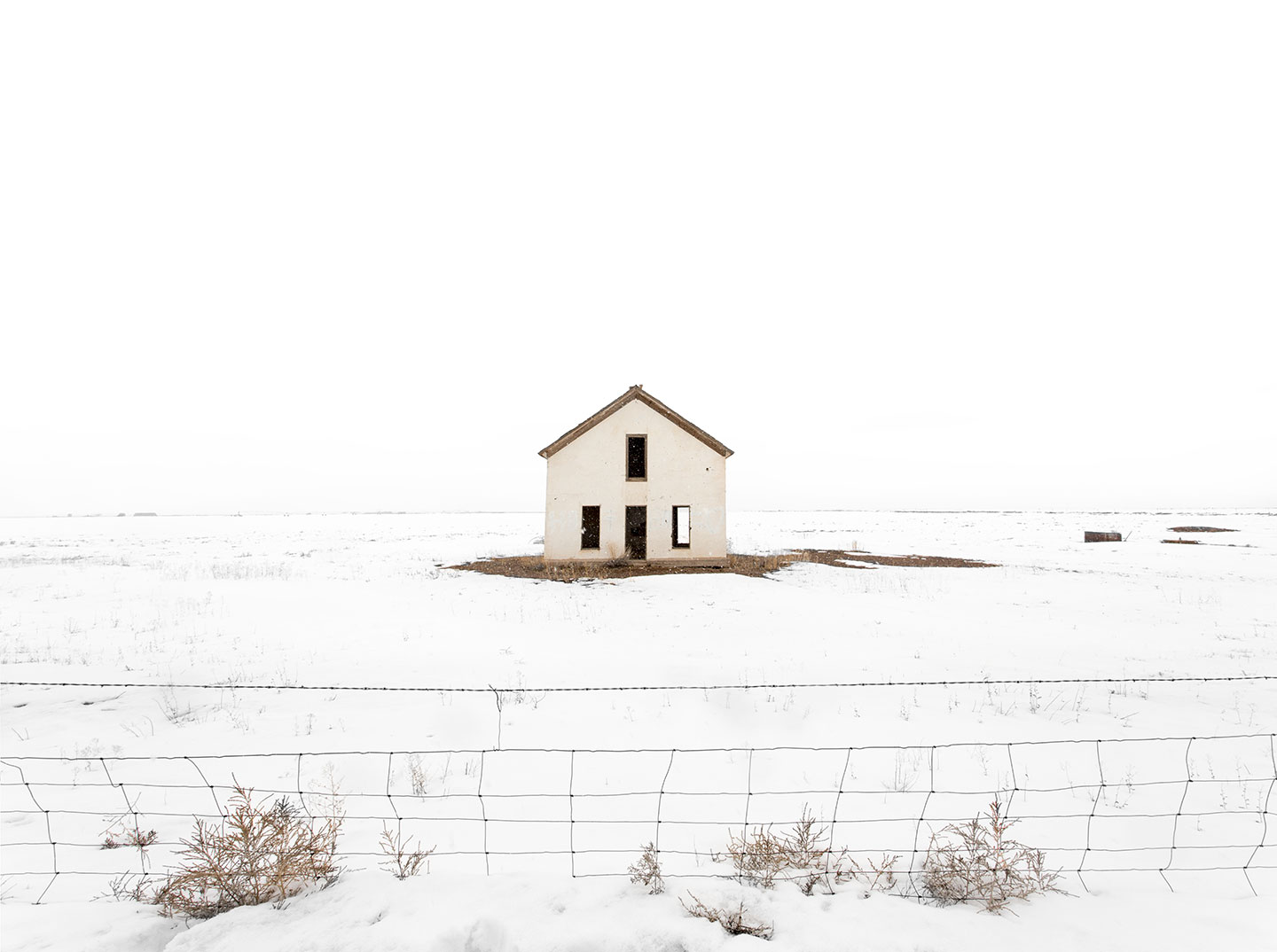
Stone house and fence, San Luis Valley, Colorado.
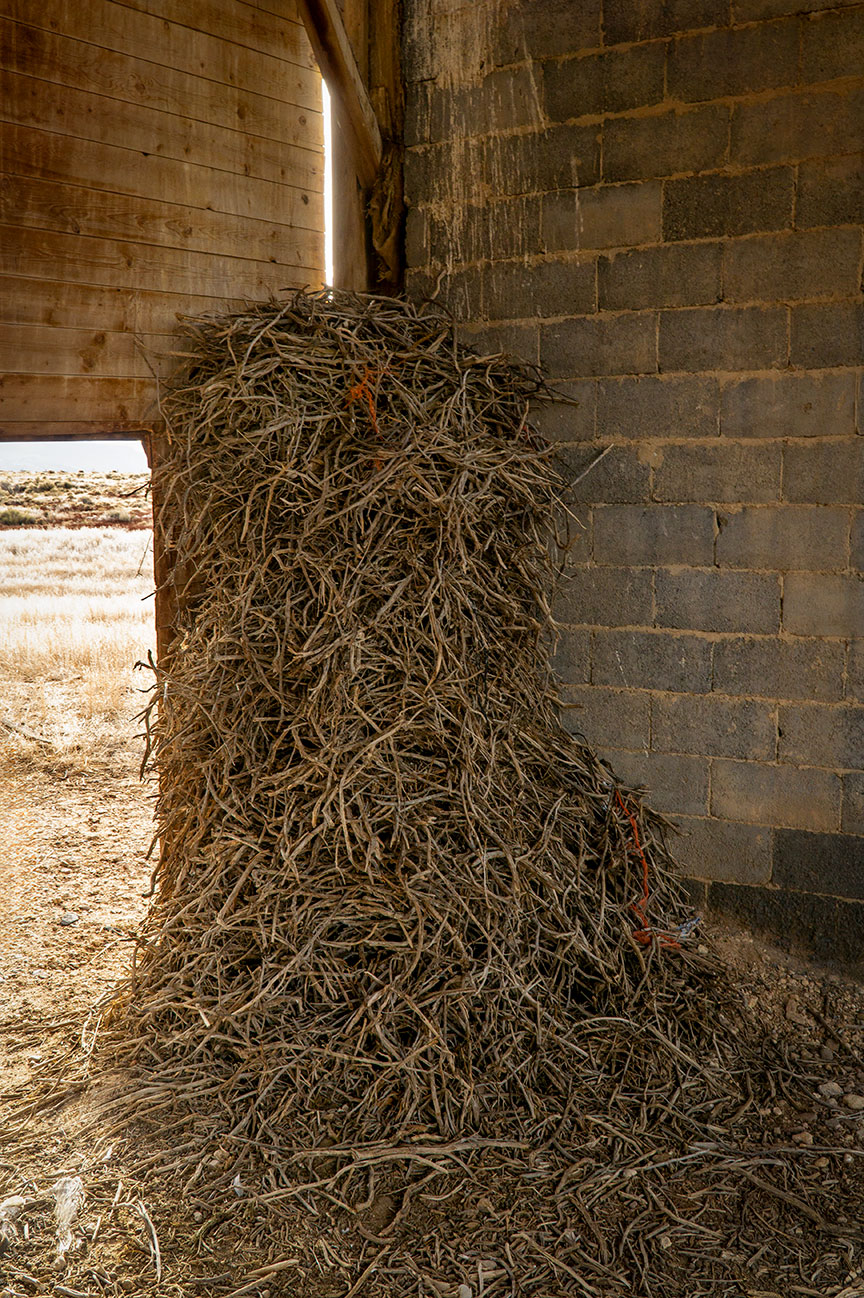
Near the house in the photo above, is owl nest on a platform of sticks in a potato bunker. Initially, I thought it might be a magpie or hawk nest, but then an owl flew directly over my head from another part of the building and out through the entrance. Over the years, I’ve seen more owls in different bunkers, alas no pictures, yet.
Owl nest in a potato bunker, Colorado.
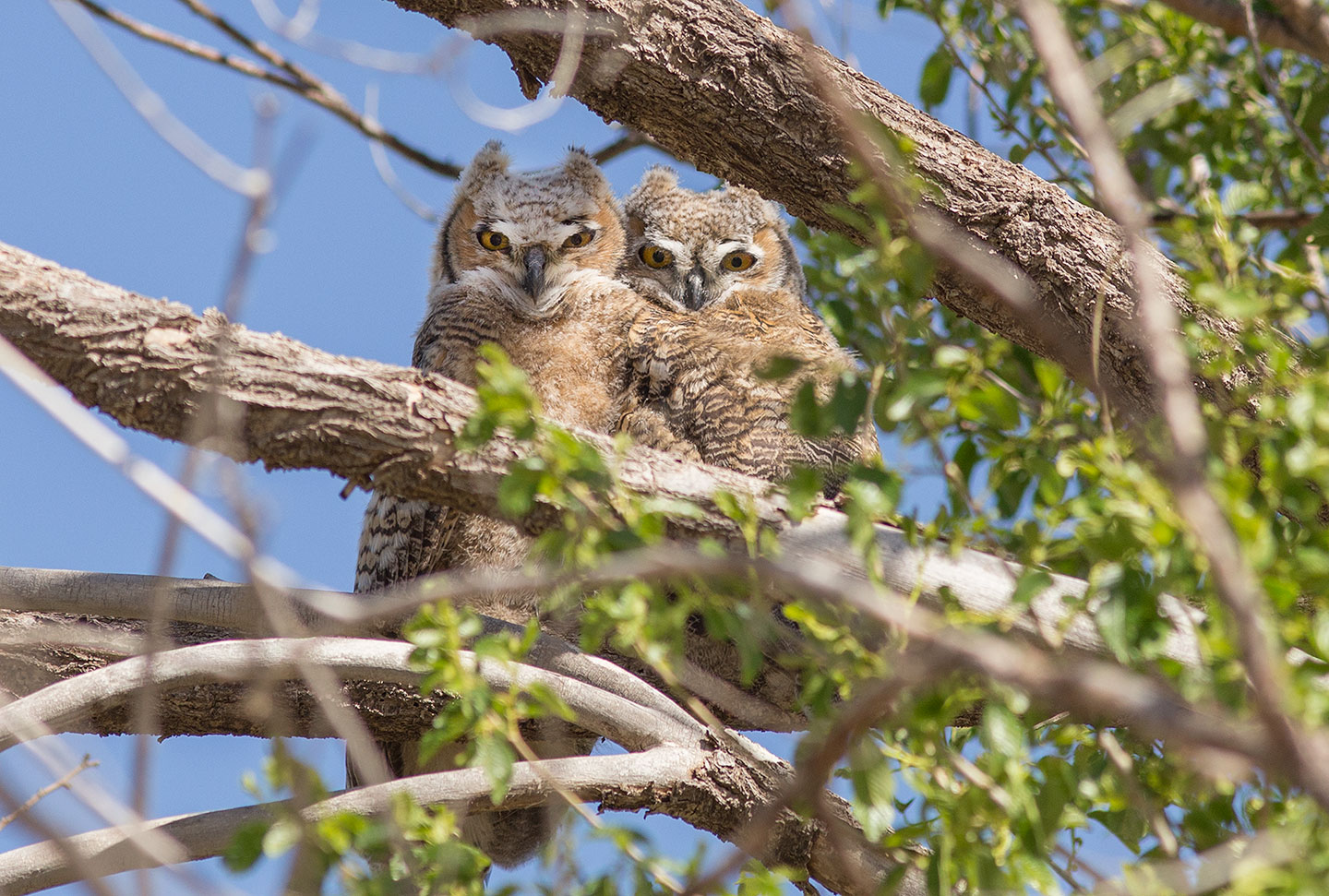
On a different trip these two juvenile great horned owls were seen in a tree close bye to the bunker..
Juvenile great horned owls.
In the San Luis Valley of Colorado, potato storage bunkers/cellars play a crucial role in preserving the region’s abundant potato harvests. These bunkers are specially designed facilities that maintain optimal temperature and humidity levels to extend the shelf life of potatoes, preventing spoilage and sprouting. The valley’s high altitude and arid climate make it an ideal location for potato farming, and the storage bunkers ensure that the produce can be stored for months, allowing farmers to supply fresh potatoes year-round. These structures are often partially underground, leveraging the earth’s natural insulation properties to maintain a stable environment, which is essential for maintaining the quality and nutritional value of the potatoes.
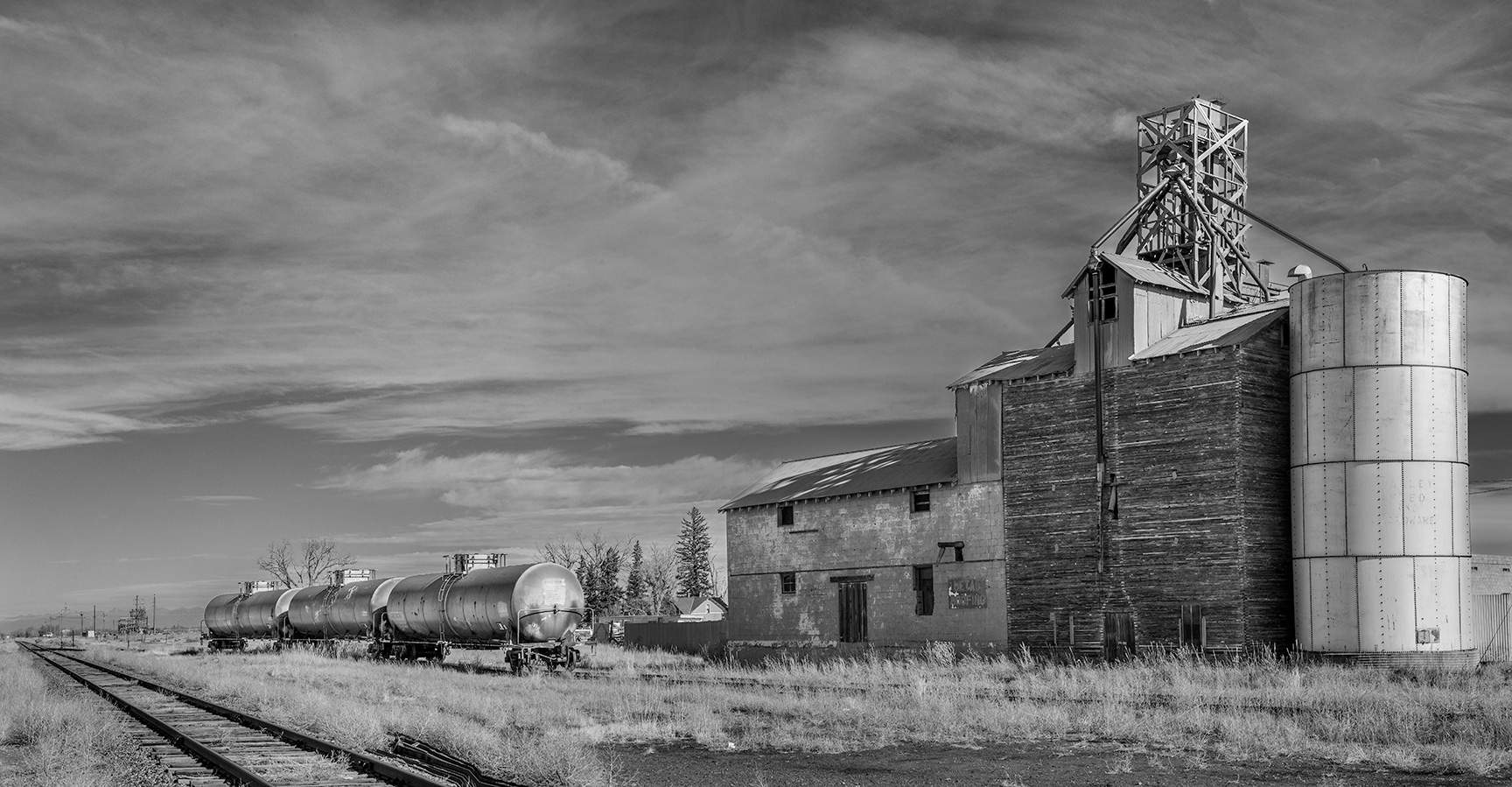
Railway depot in Romeo, Colorado.
Romeo, Colorado.
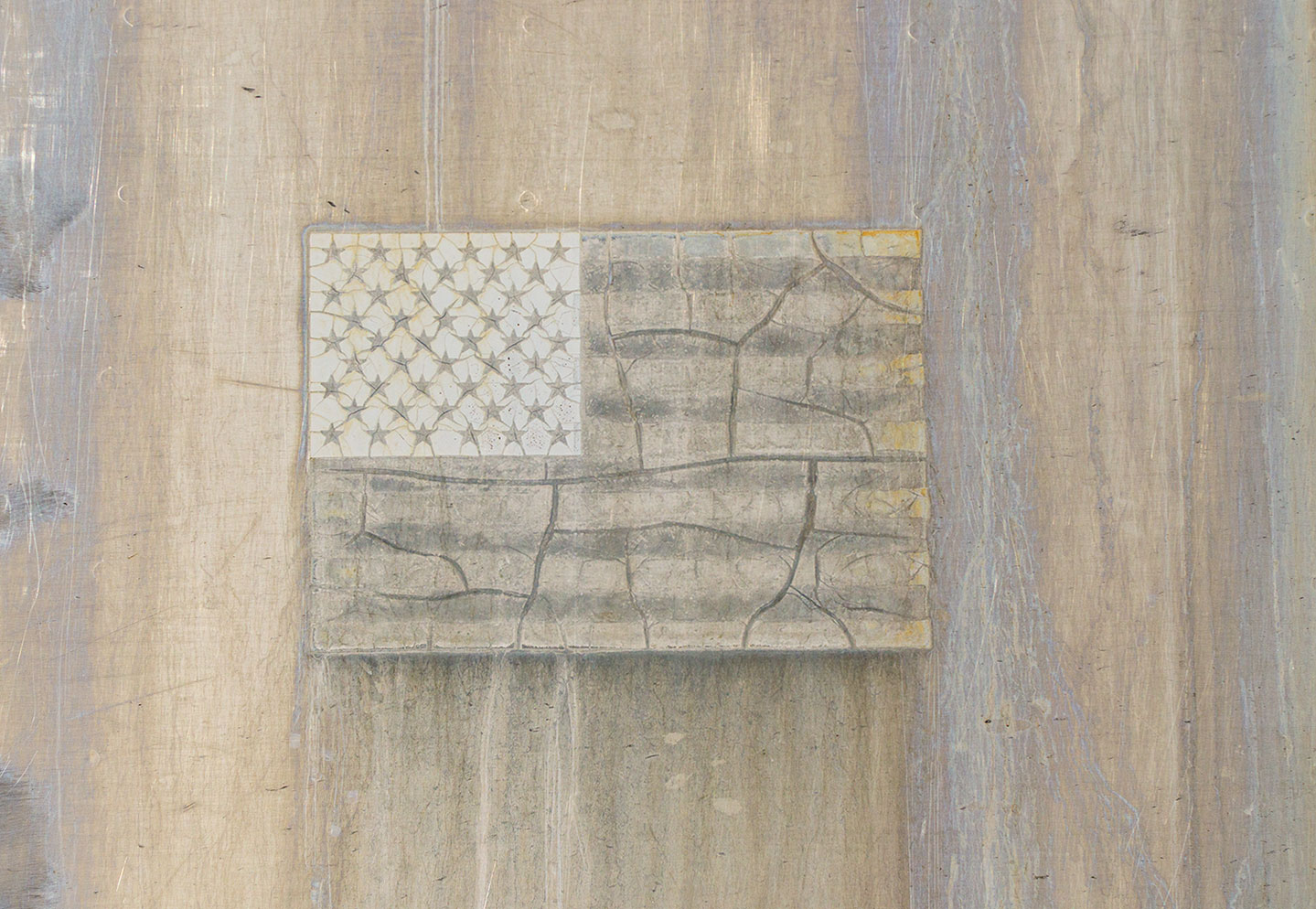
A faded flag emblem on the side of a carriage at the Alamosa, railyards. Maybe I’ll make a post on images from the railyards soon.
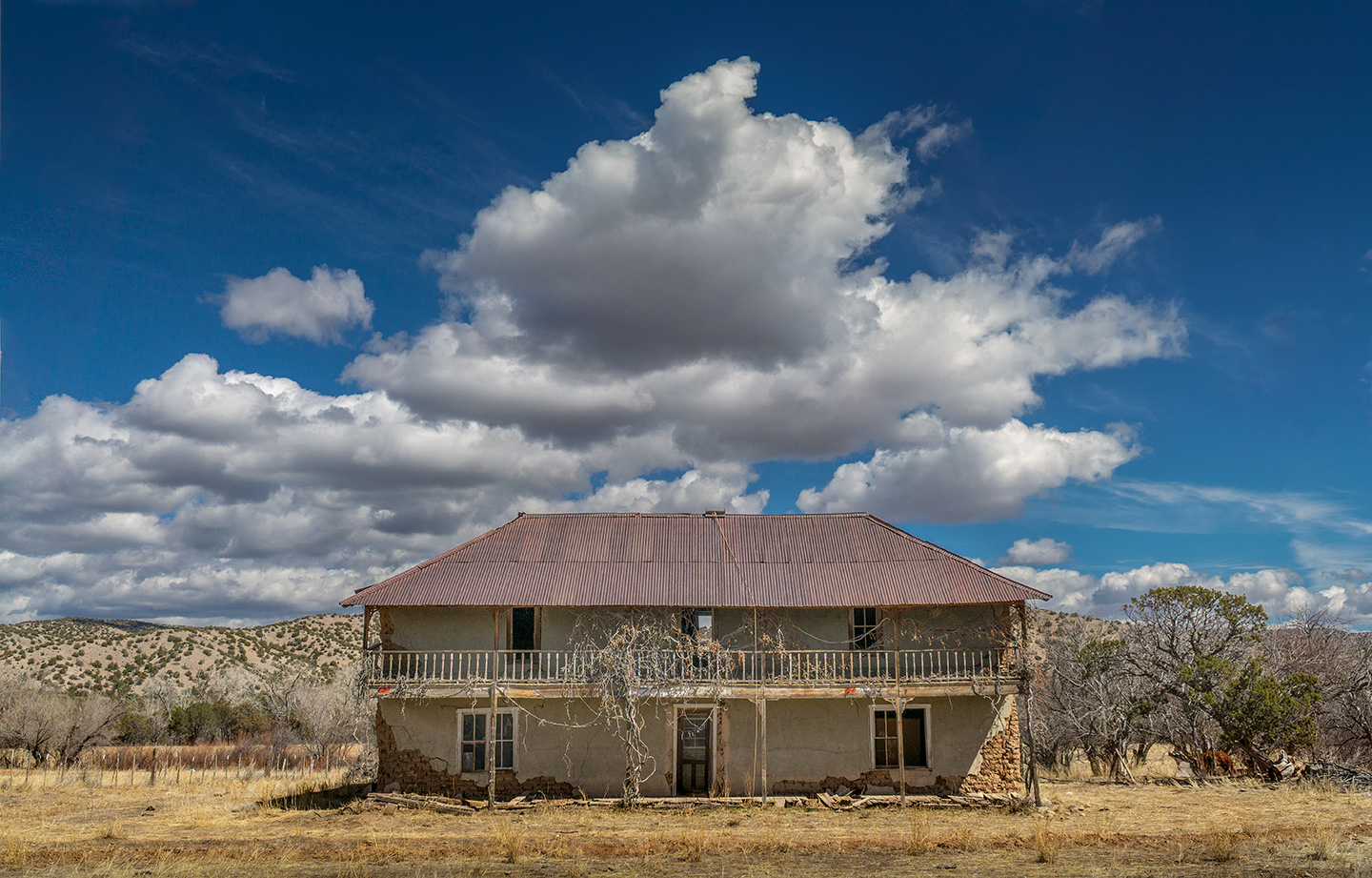
The El Rito Mansion, on a Spring photo tour/workshop. Since this photo was taken, I’ve been in touch with the family and relatives who grew up here.
El Rito NM.
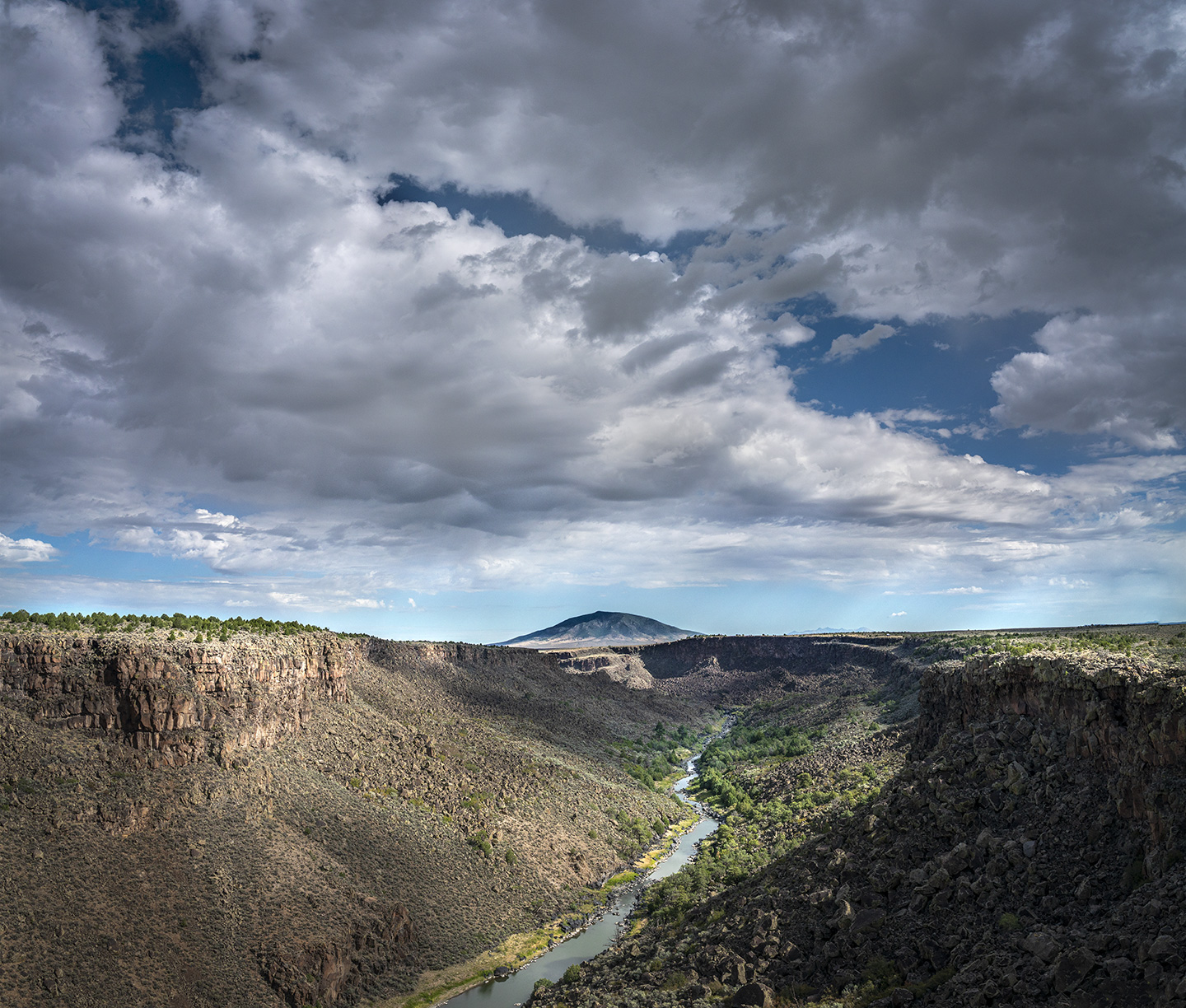
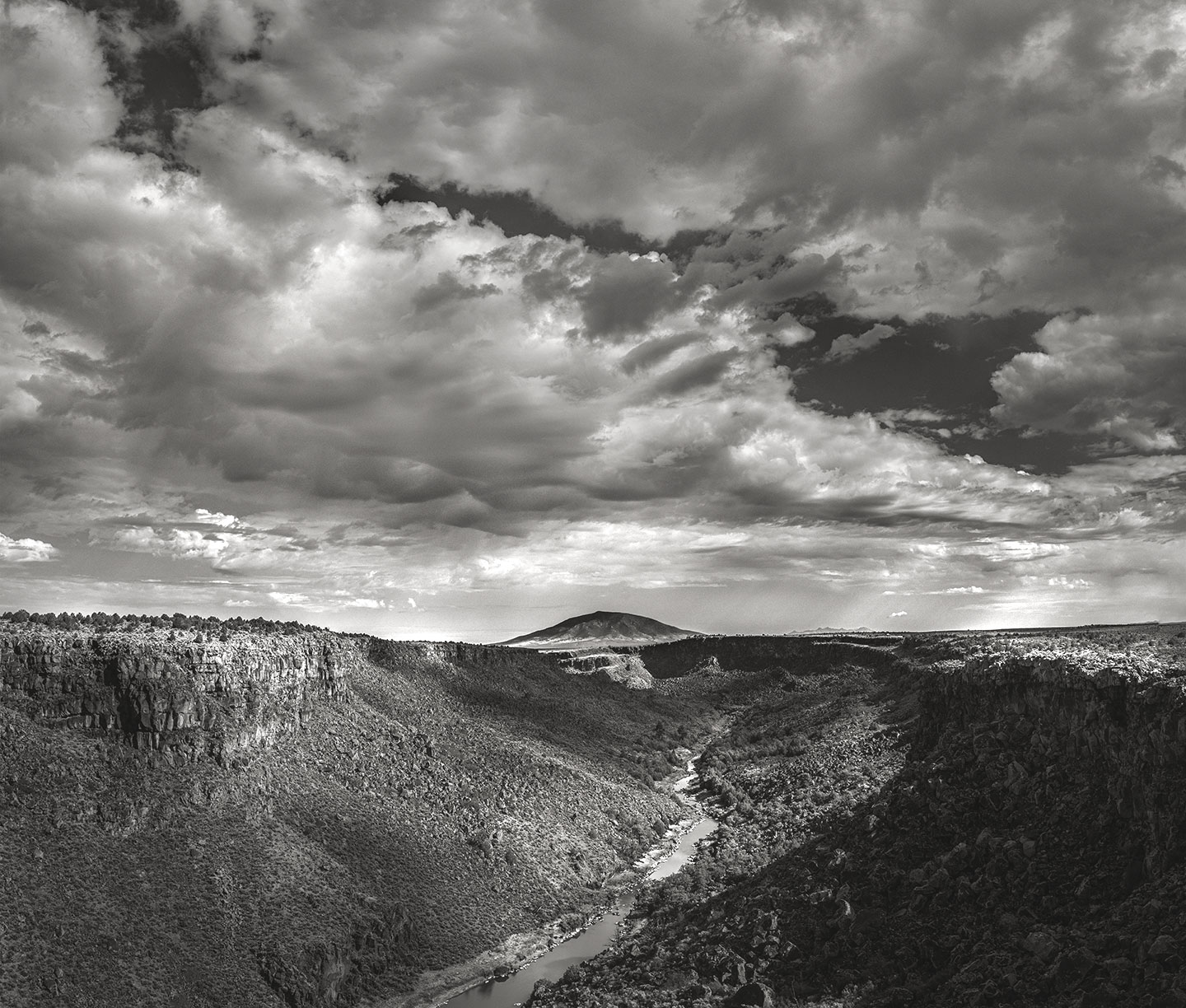
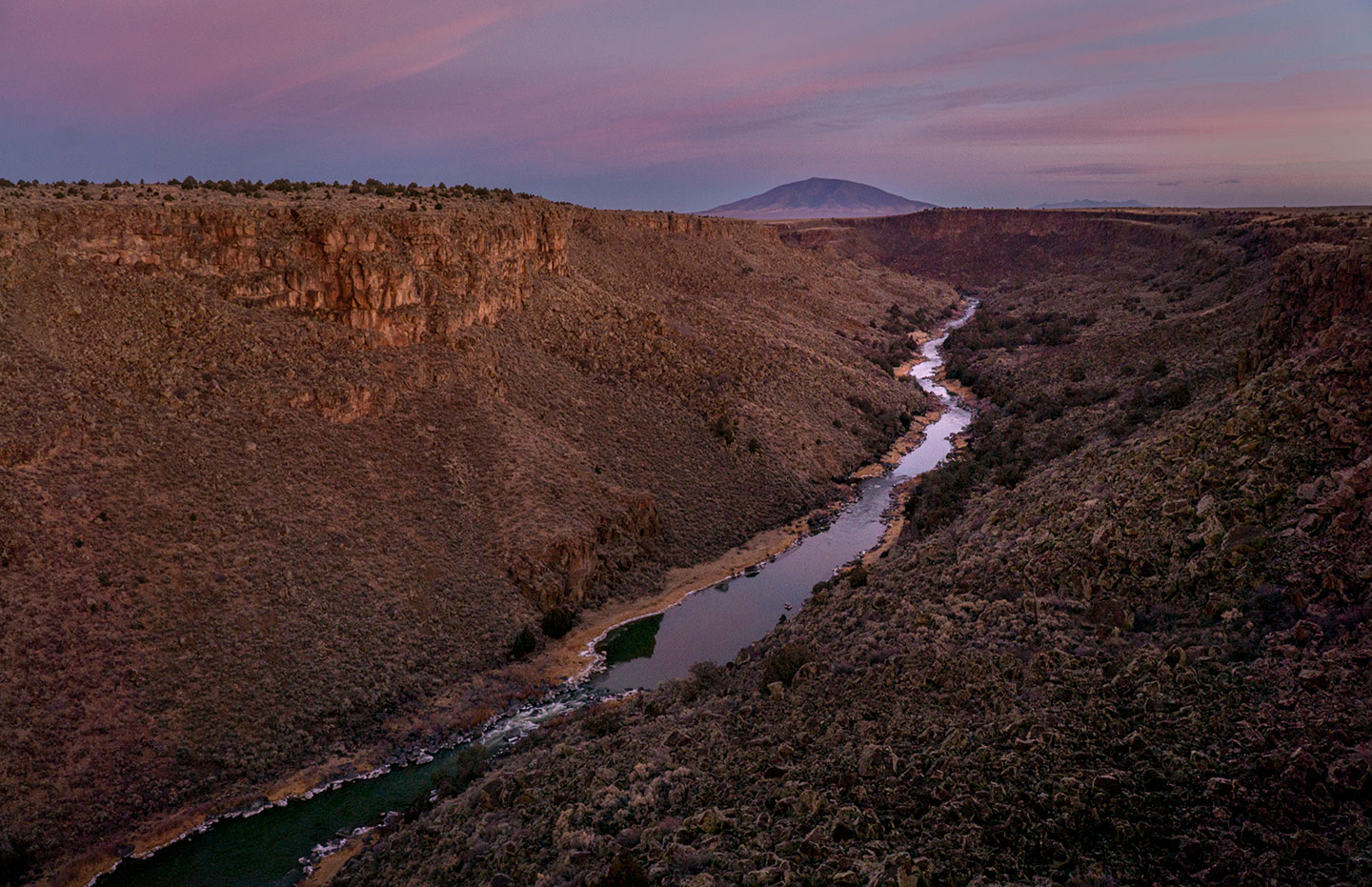
At the end of a good day of shooting, the soft twilight, on the Rio Grande Gorge, and Ute Mountain, NM. A hand held image shot in near darkness and lightened in Photoshop® to bring out the lavendar hues and highlight on the river.
Rio Grande Gorge, Ute Mountain, NM.
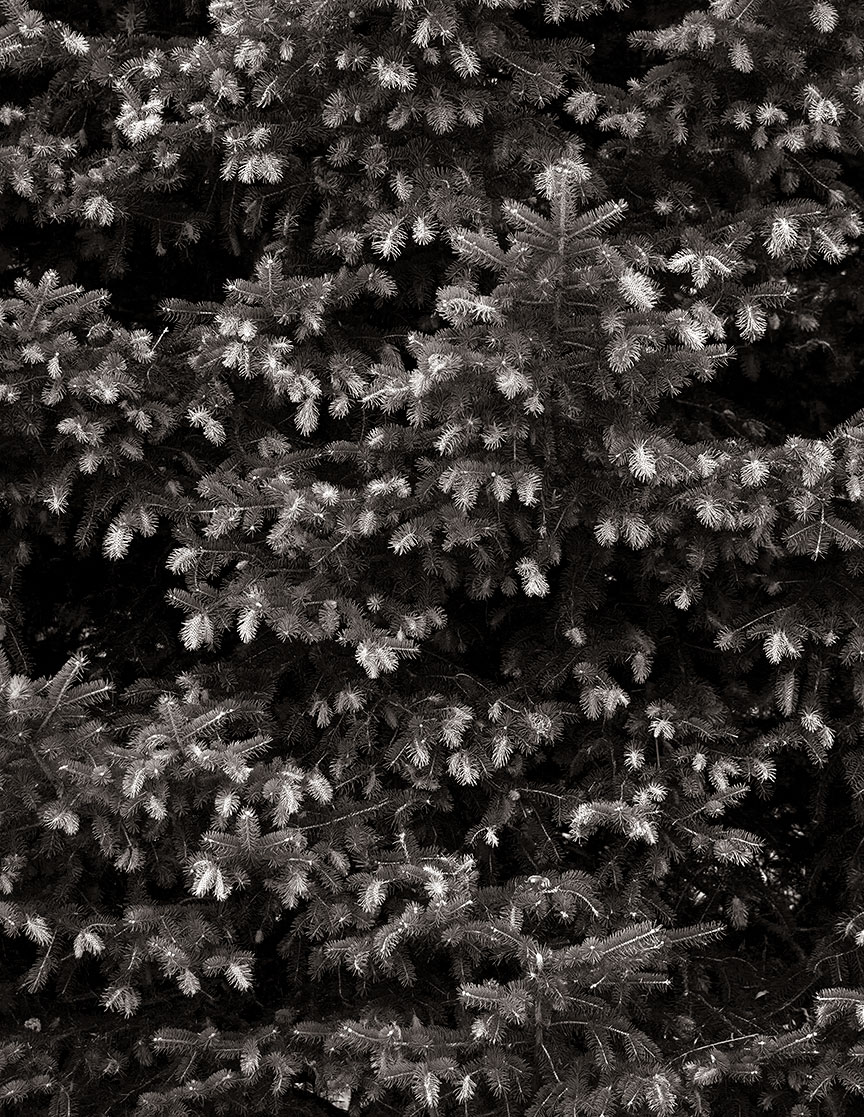
New growth on a pine tree in Arroyo Seco, NM. The new growth on the branches are a lighter green than the rest of the tree. Edited as a black and white image, this is what I came up with.
Pine tree, Arroyo Seco, NM.
As always, thanks for visiting and looking. Have a great week. G
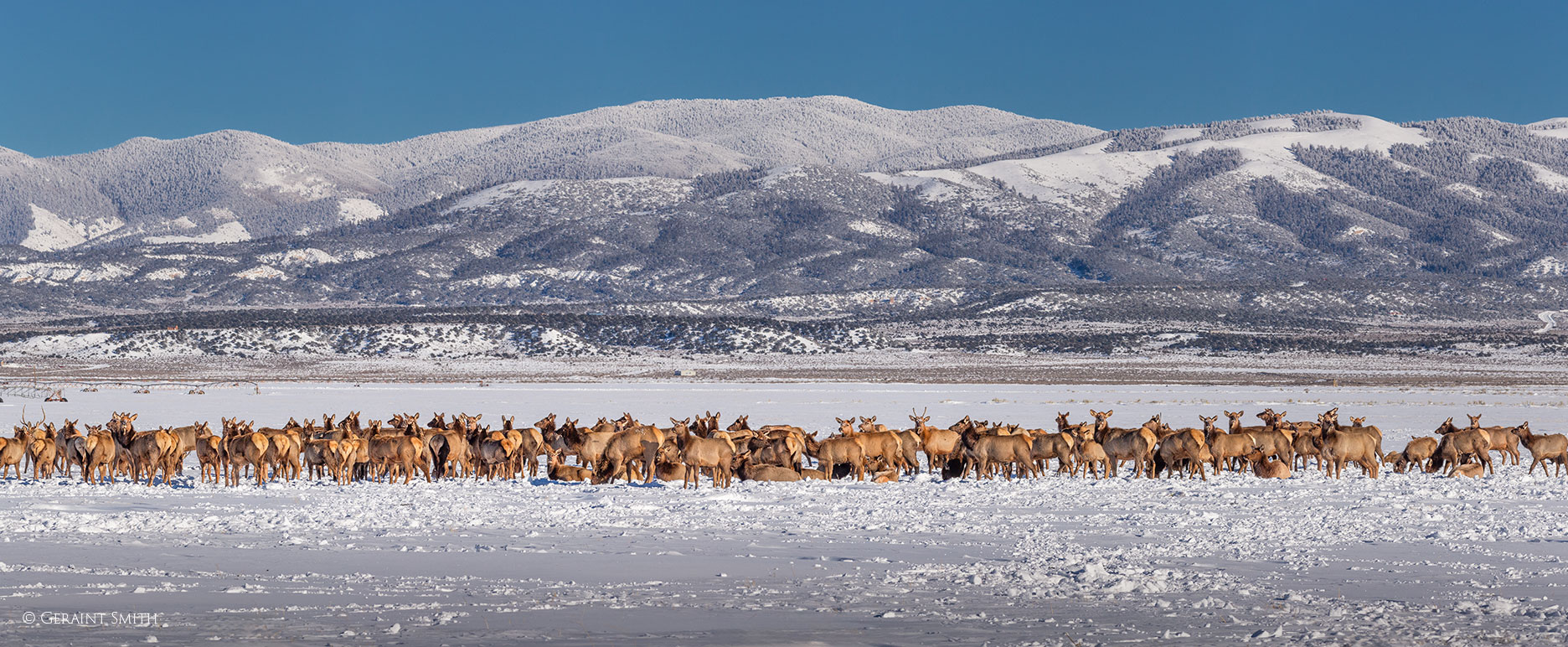
Greetings from New Mexico. This week, a section of a very large elk herd in the San Luis Valley, and a few more scans from my Kodachrome 64 slide transparency collection. There were many more elk than I could fit in the panorama, in a different area of the fields. Still, you get the idea!
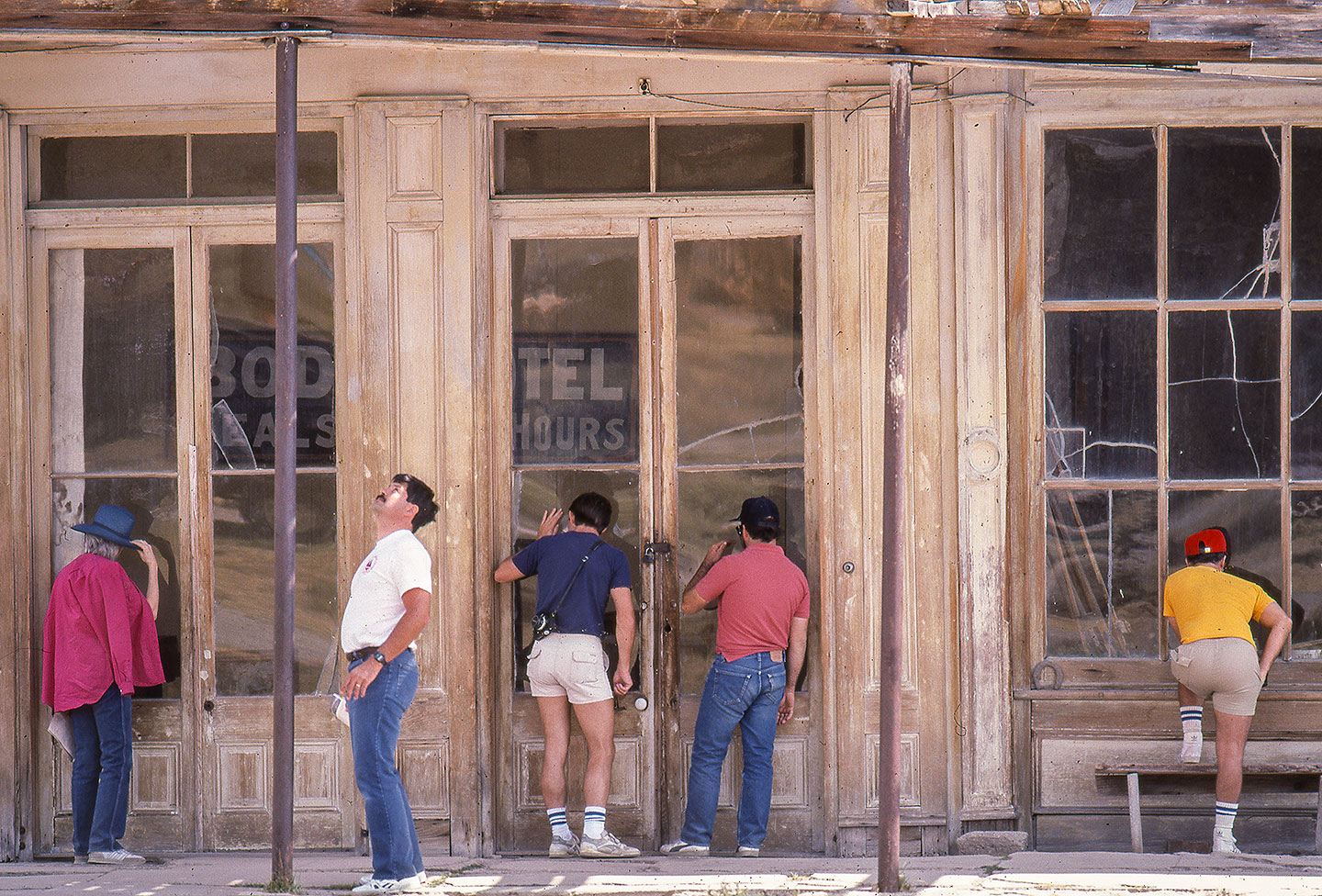
Onto other things. I found this scene amusing, the one guy looking up. I never did find out what he found so interesting.
Bodie Ghost Town, California.
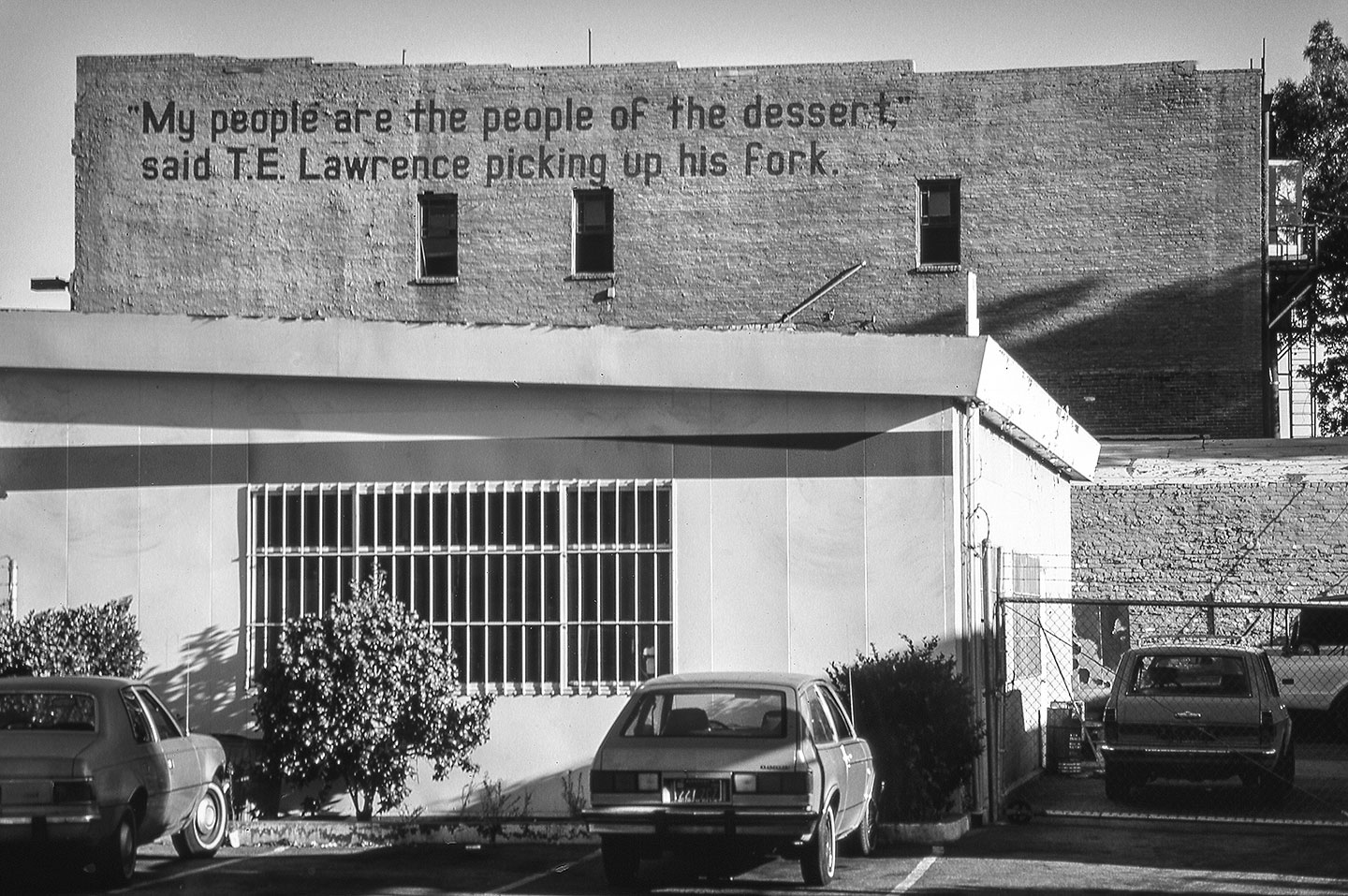
A favorite quote from T.E. Lawrence of Arabia, Kodachrome 64 converted to black and white in Photoshop.
T.E. Lawrence quote 1985 on a building in Pasadena, CA.
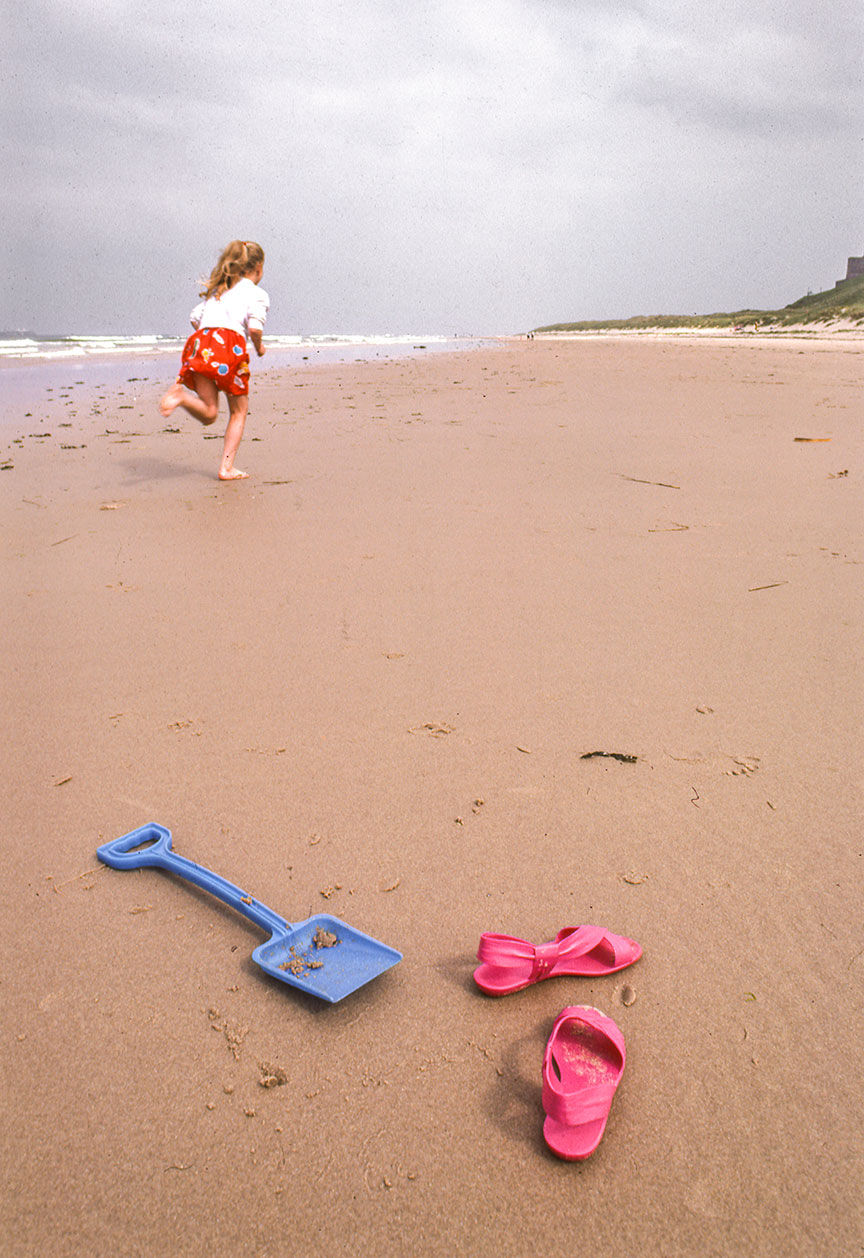
This girl left her shoes and beach shovel and went for a run on Bamburgh beach.
Girl running on Bamburgh beach, UK
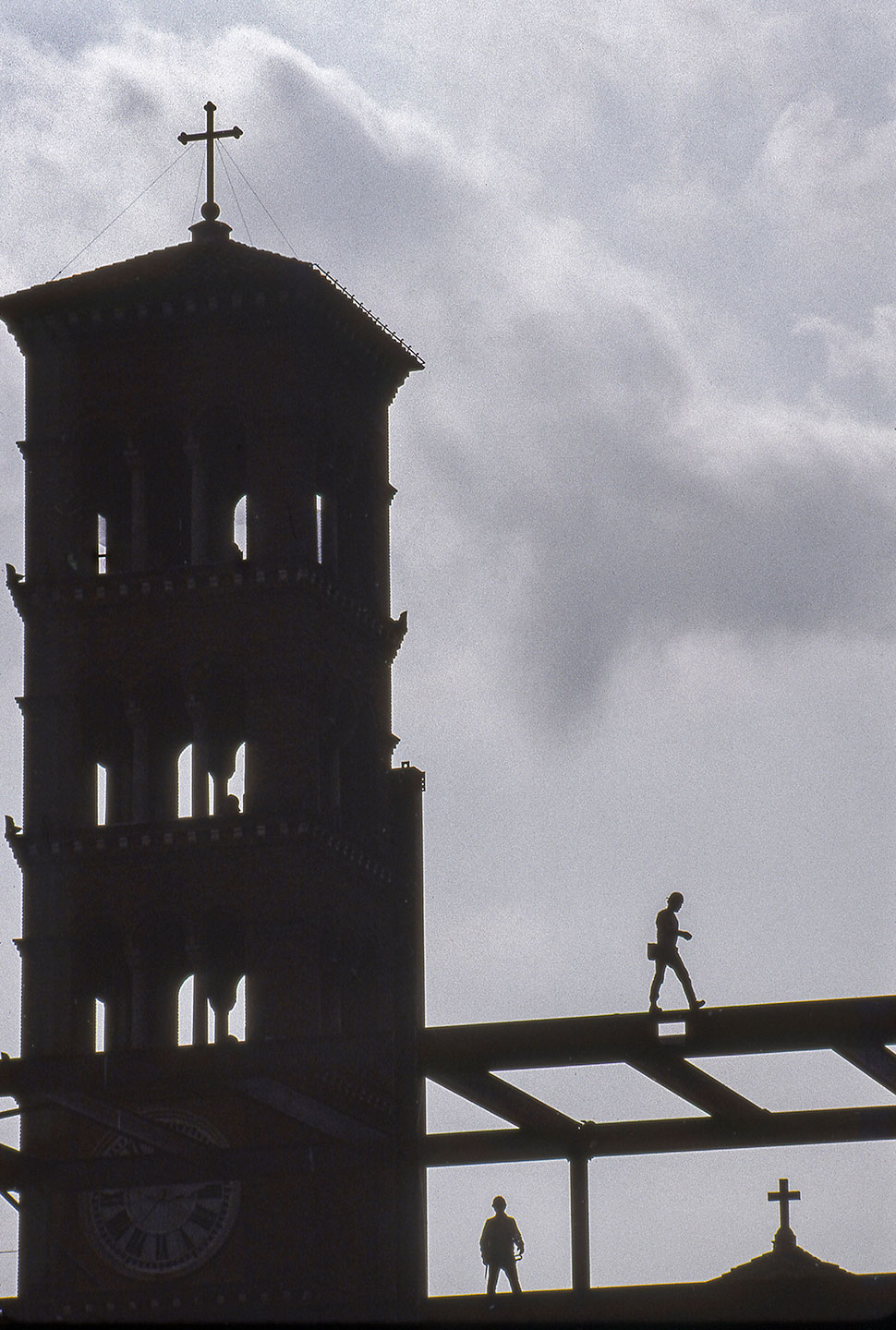
One of my jobs in the 1980s was photographing for the planning and development departments, among others. I had a lot of fun and really liked this picture when I took it and again today. Read more here in my bio.
St. Andrews and construction, Pasadena, CA
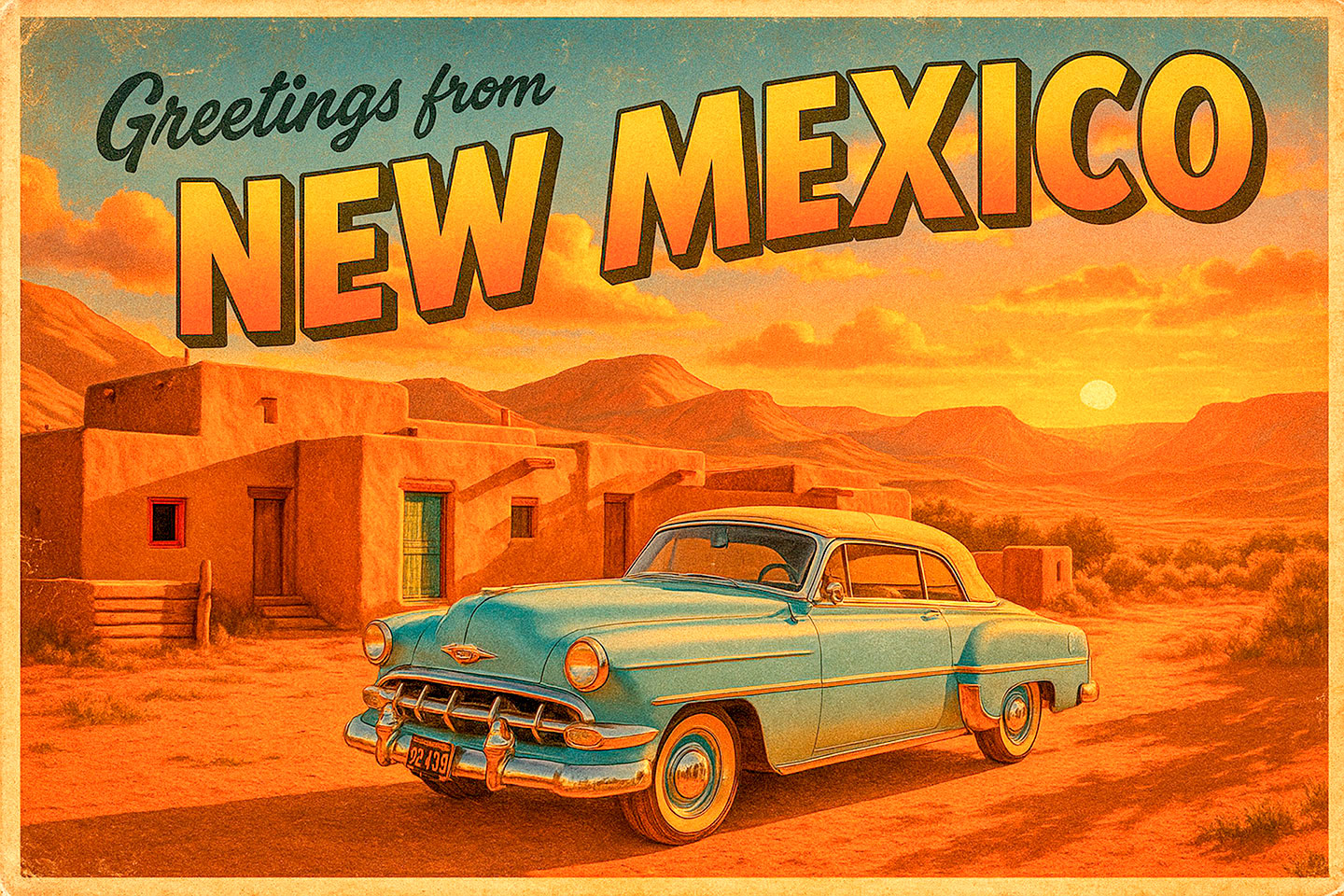
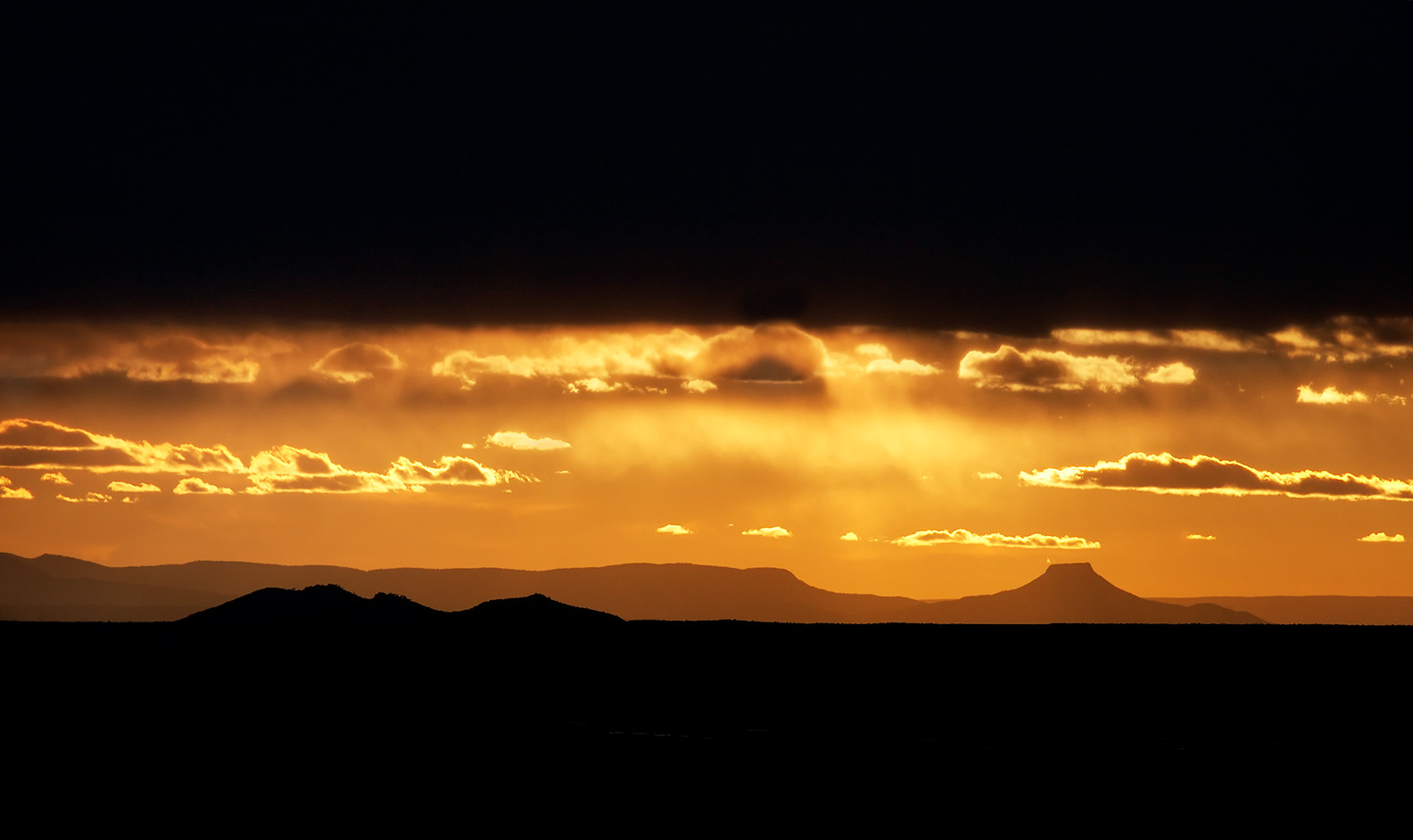
Another vintage-style poster/postcard created using three of my images, the car, adobe buildings, and a landscape with sunset, along with some prompts in AI, to create the graphic design.
Vintage style poster/postcard.
As always, thanks for looking. Have a great week. G
Greetings from San Cristobal, NM! This week, I’m again dipping into a bit of randomness by exploring the archives. I’ve selected a few images from the past, including some that were captured on this day in February in previous years.
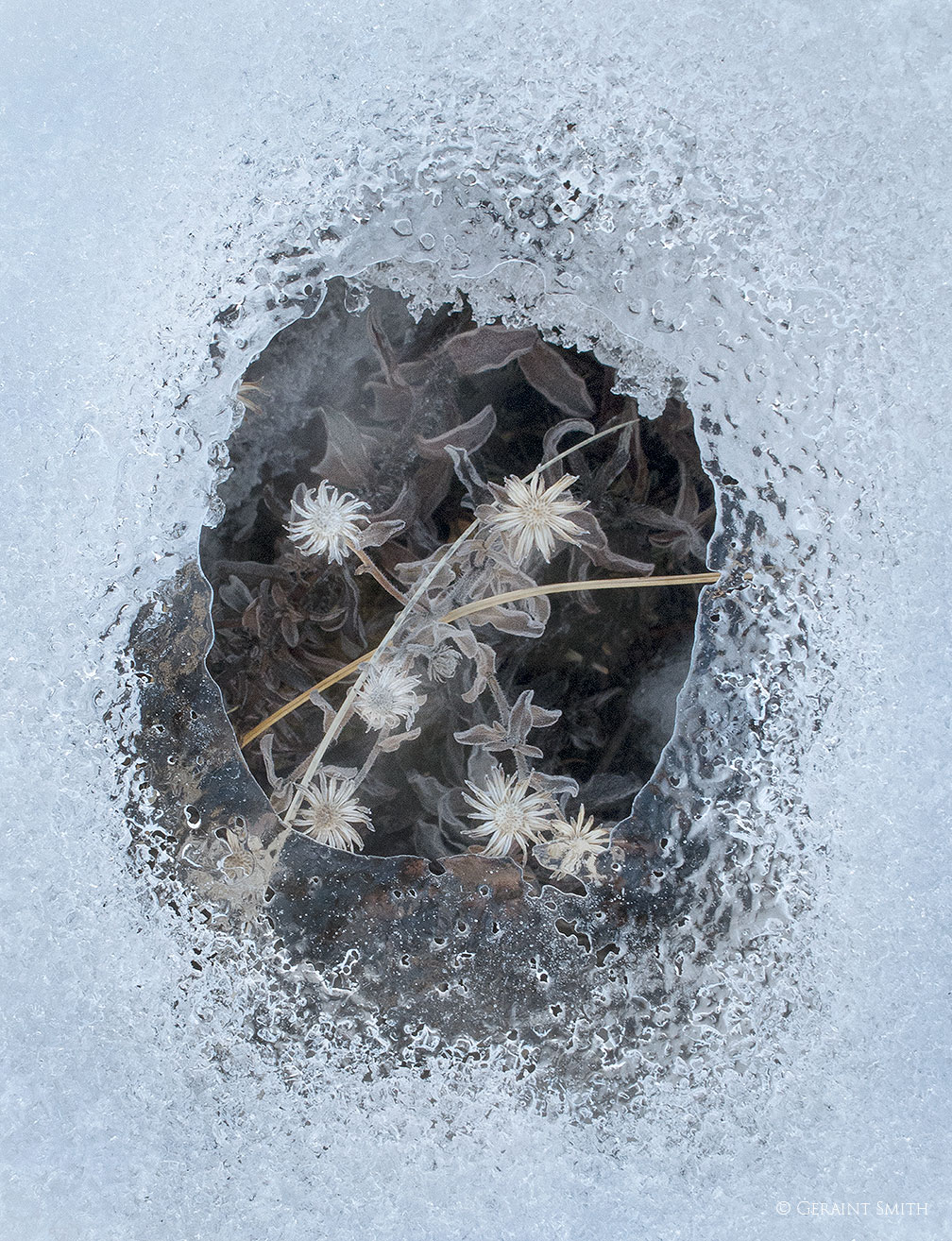
This photo was taken on a hillside in Elizabethtown, located in the Moreno Valley, New Mexico. The hillside was covered in ice, which was beginning to thaw around the small, ice-bound plants.
Ice Plant, Elizabethtown, NM.
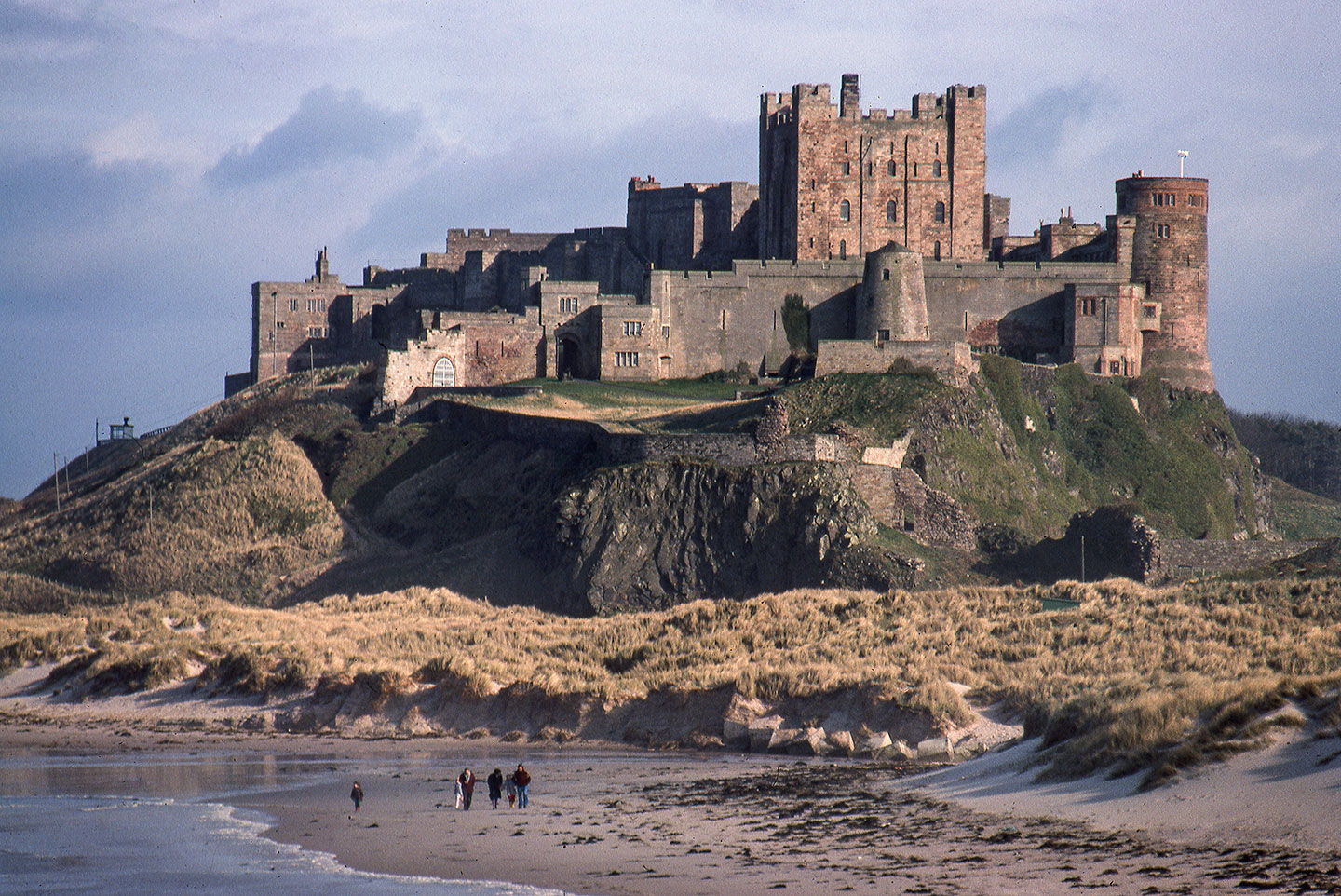
Heading back a little further to 1985 and one of the most impressive castles, Bamburgh Castle, on the northeast coast of England.
Bamburgh Castle, Northumberland, England.
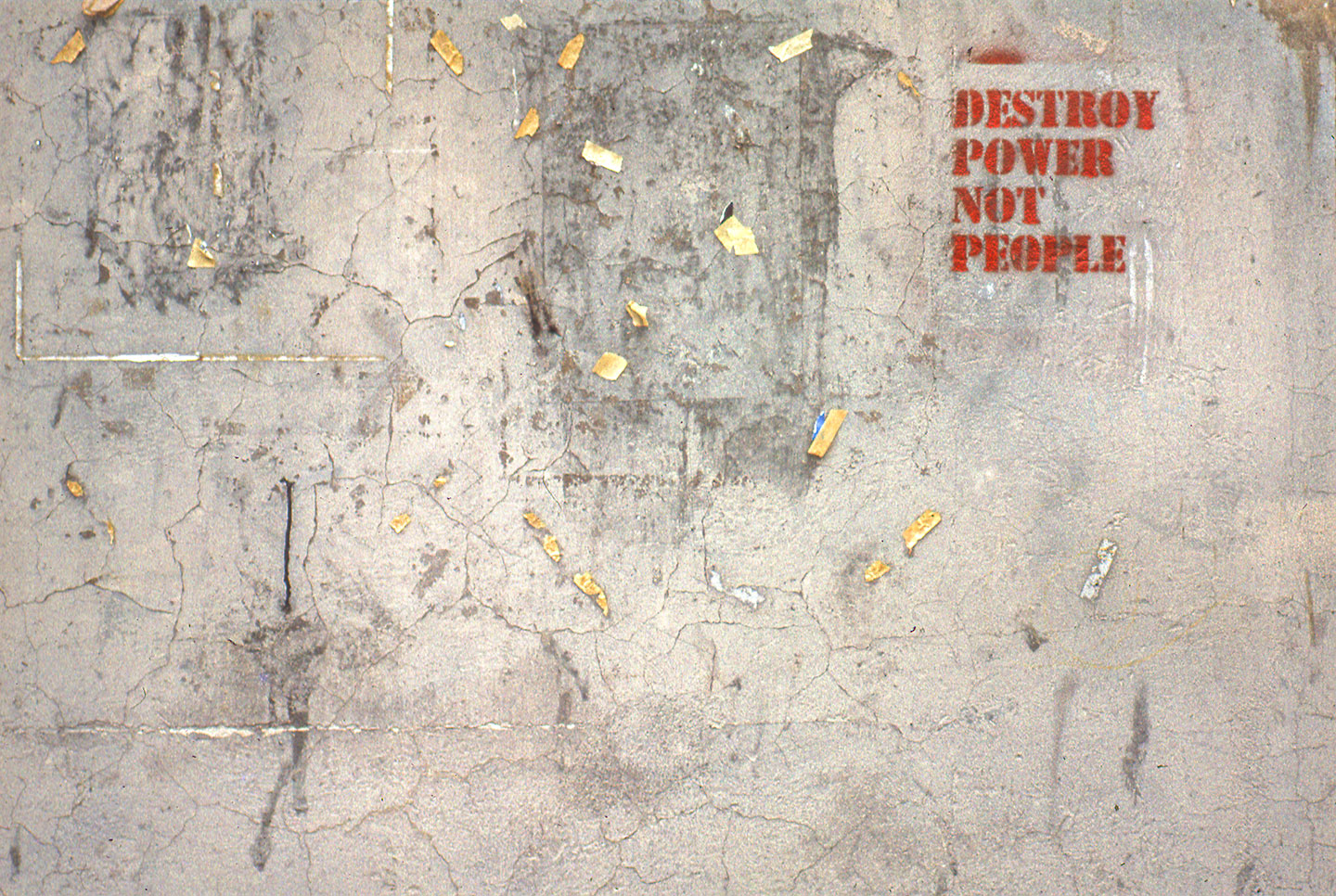
And a little further back to somewhere in Europe, Germany or Italy… I think.
“Destroy Power Not People”, graffiti, Europe, 1982.
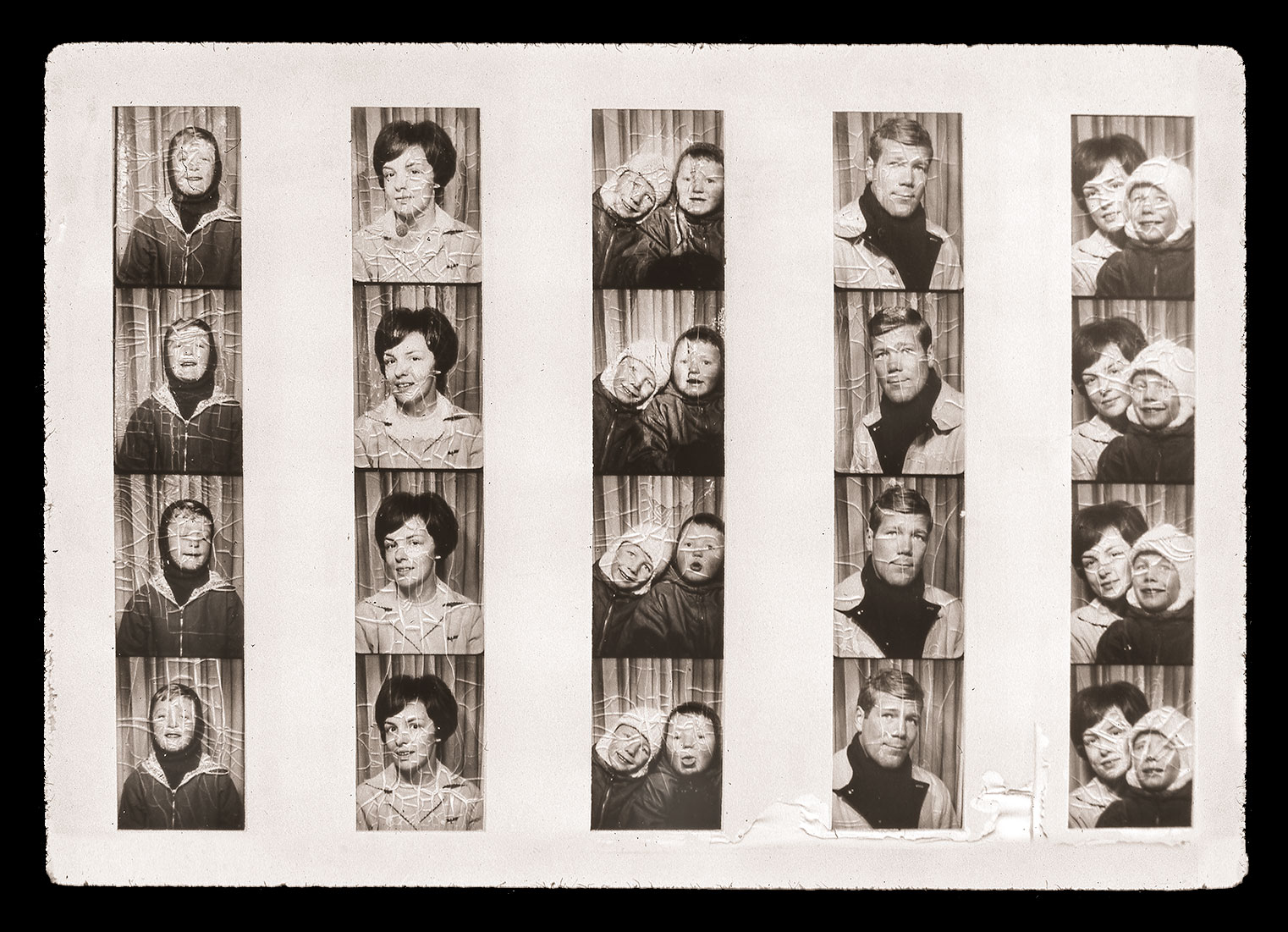
Also, 1982 in Grindelwald, Switzerland. Who remembers photo booths on a random street corner or train station? I like this one for the randomness of the people and the center-bottom image of the little kid poking his tongue out!
Photo booth, Grindelwald, Switzerland, 1982.
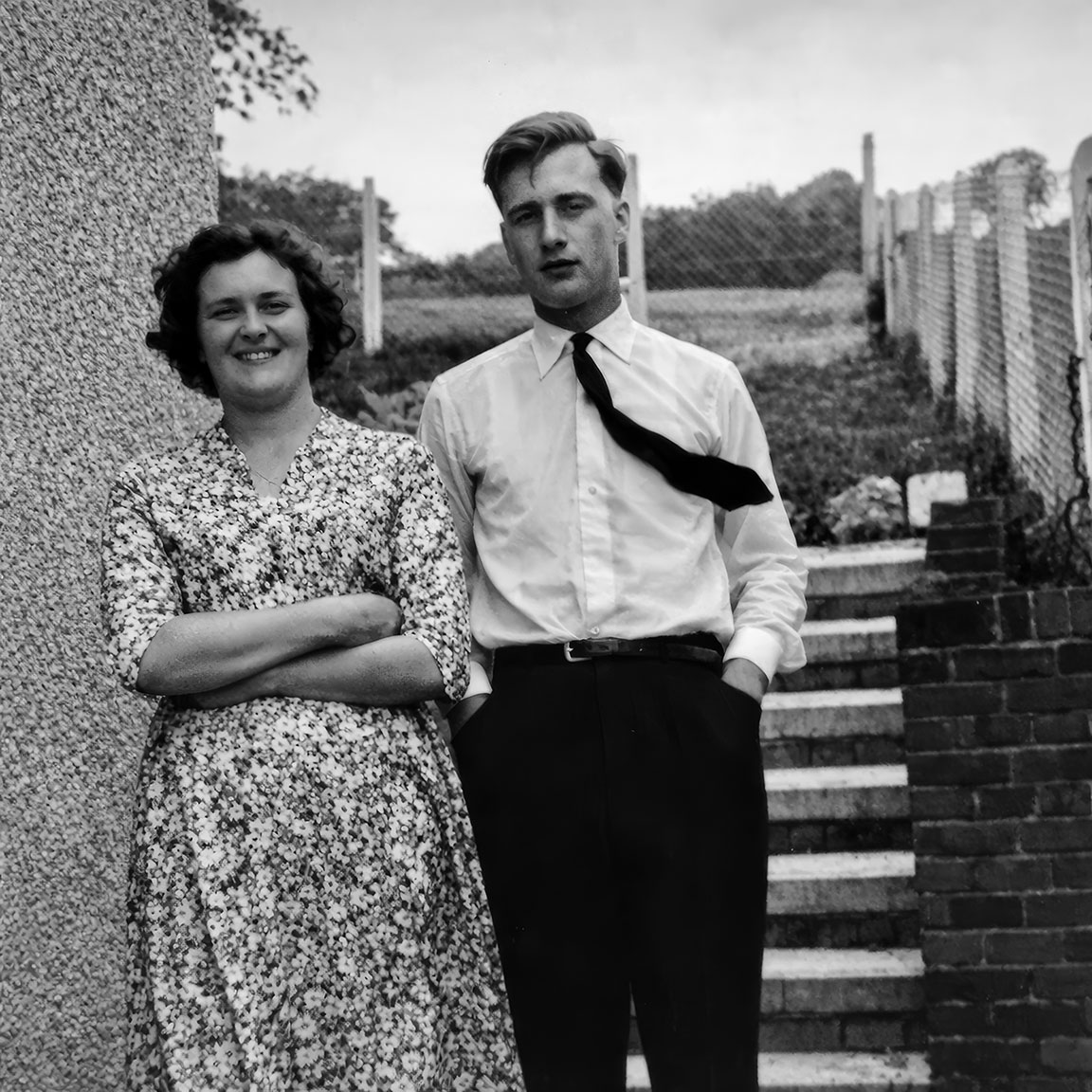
One of the first photos I ever took was of my parents in 1965, using my dads Kodak (a bellows) camera with roll film. I was seven at the time. Originally, it was just a small, crumpled contact sheet image. Recently, I restored it using AI technology, bringing new life to this image.
Mam and Dad, South Wales, 1965.
As always, thanks for looking. It’s a lot of fun for me, going through the slide archives and old family photos, scanning them, and presenting them here. I hope you got some pleasure out of seeing these images as well. Have a great week. G