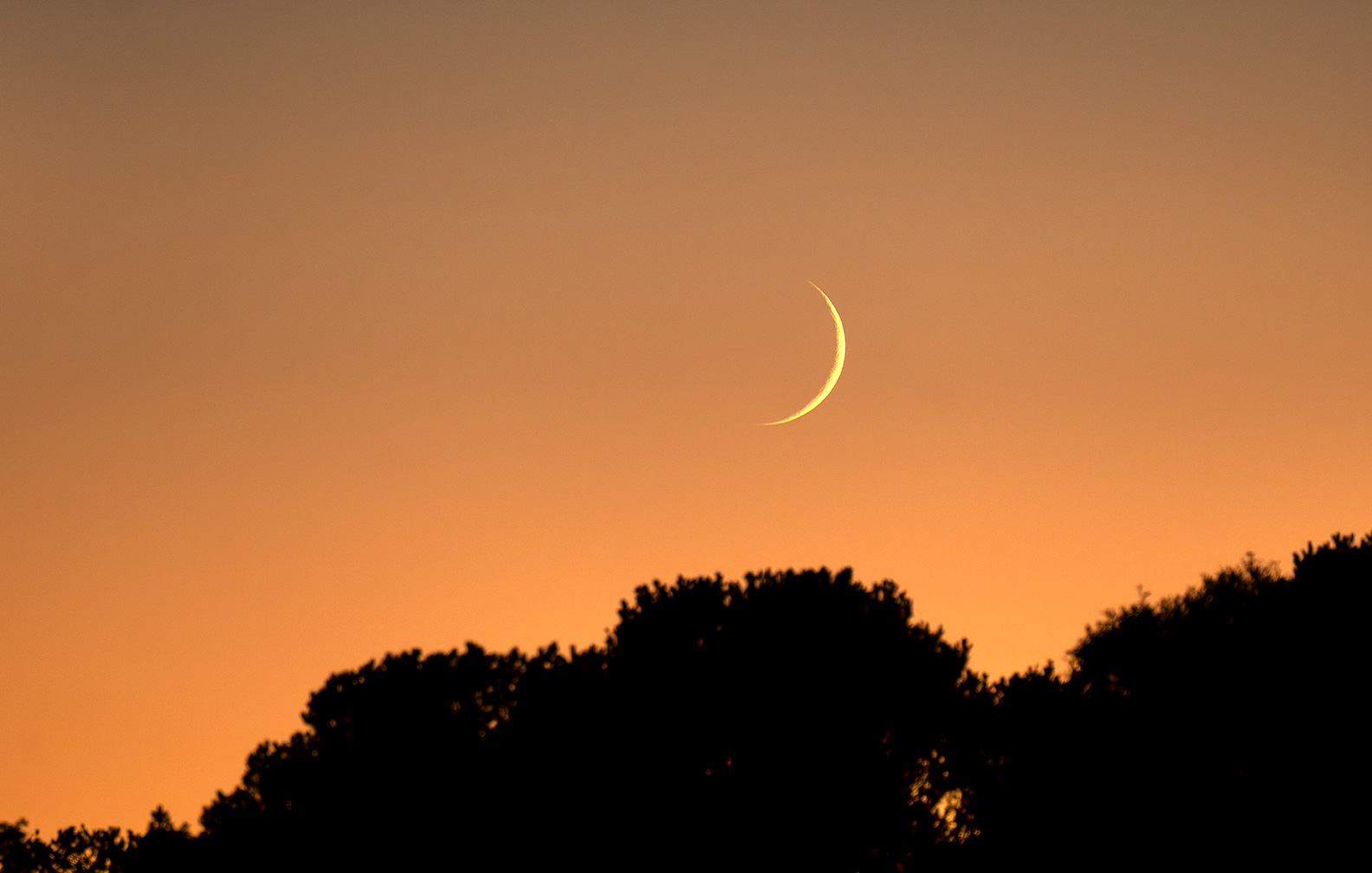
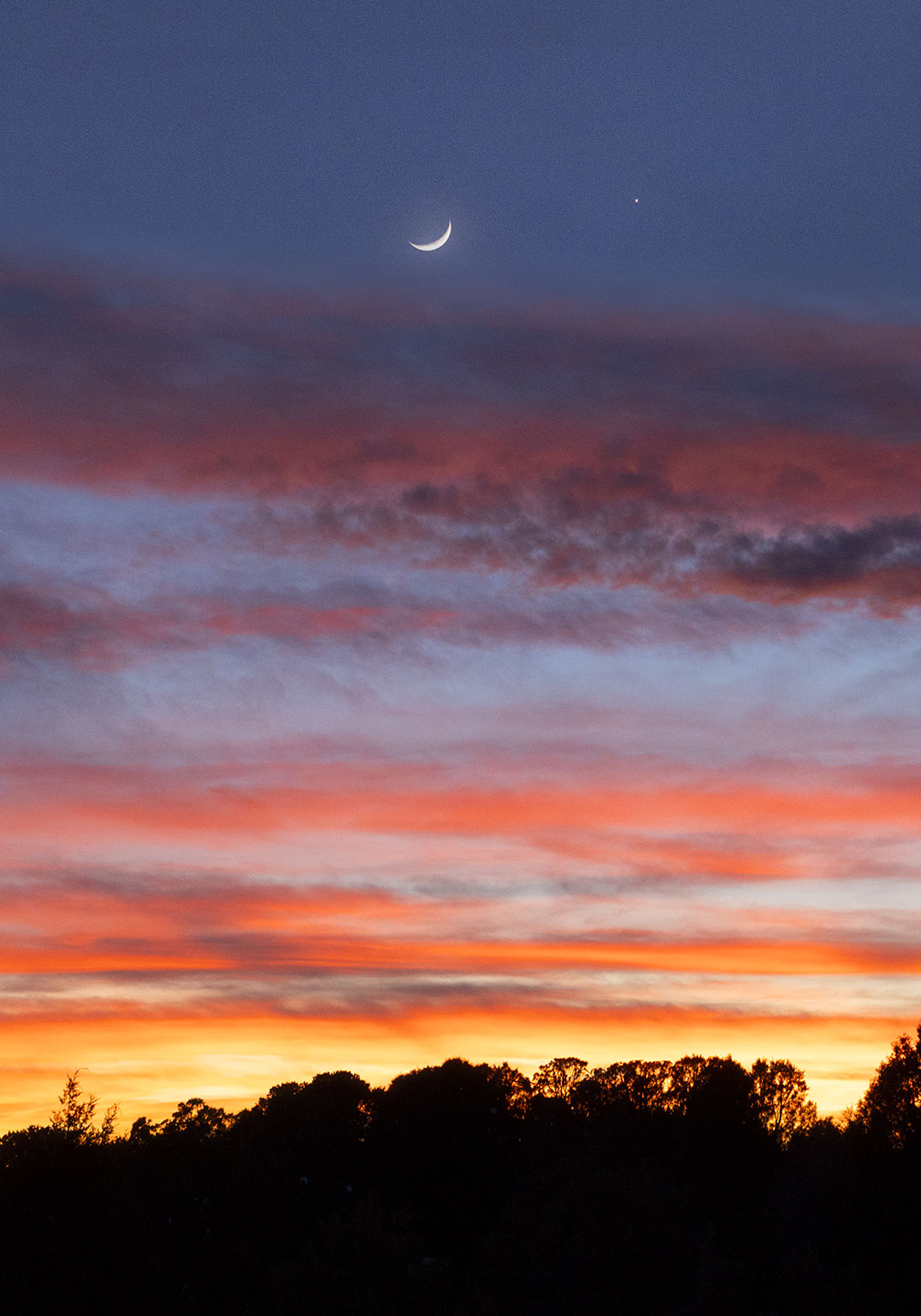
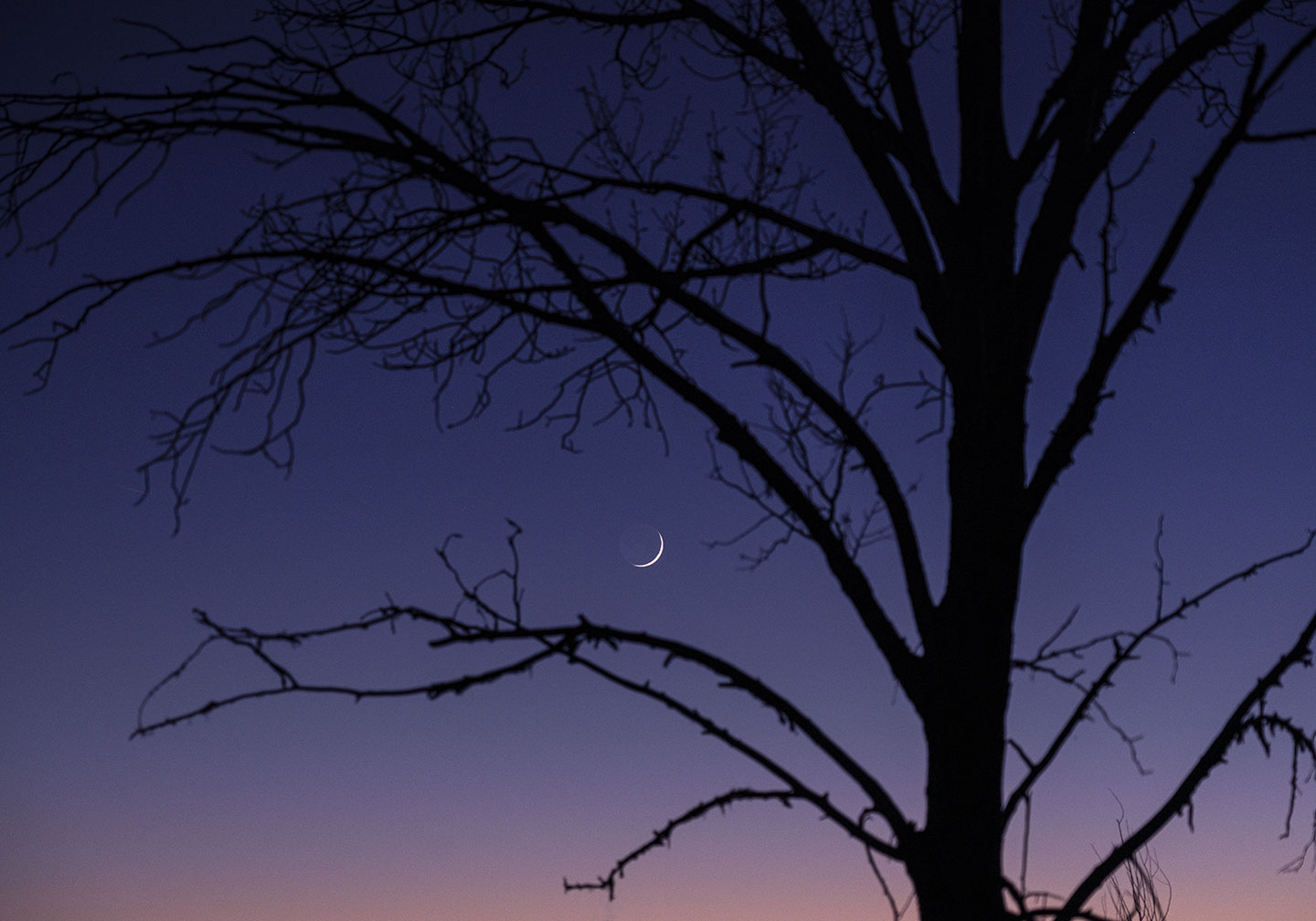
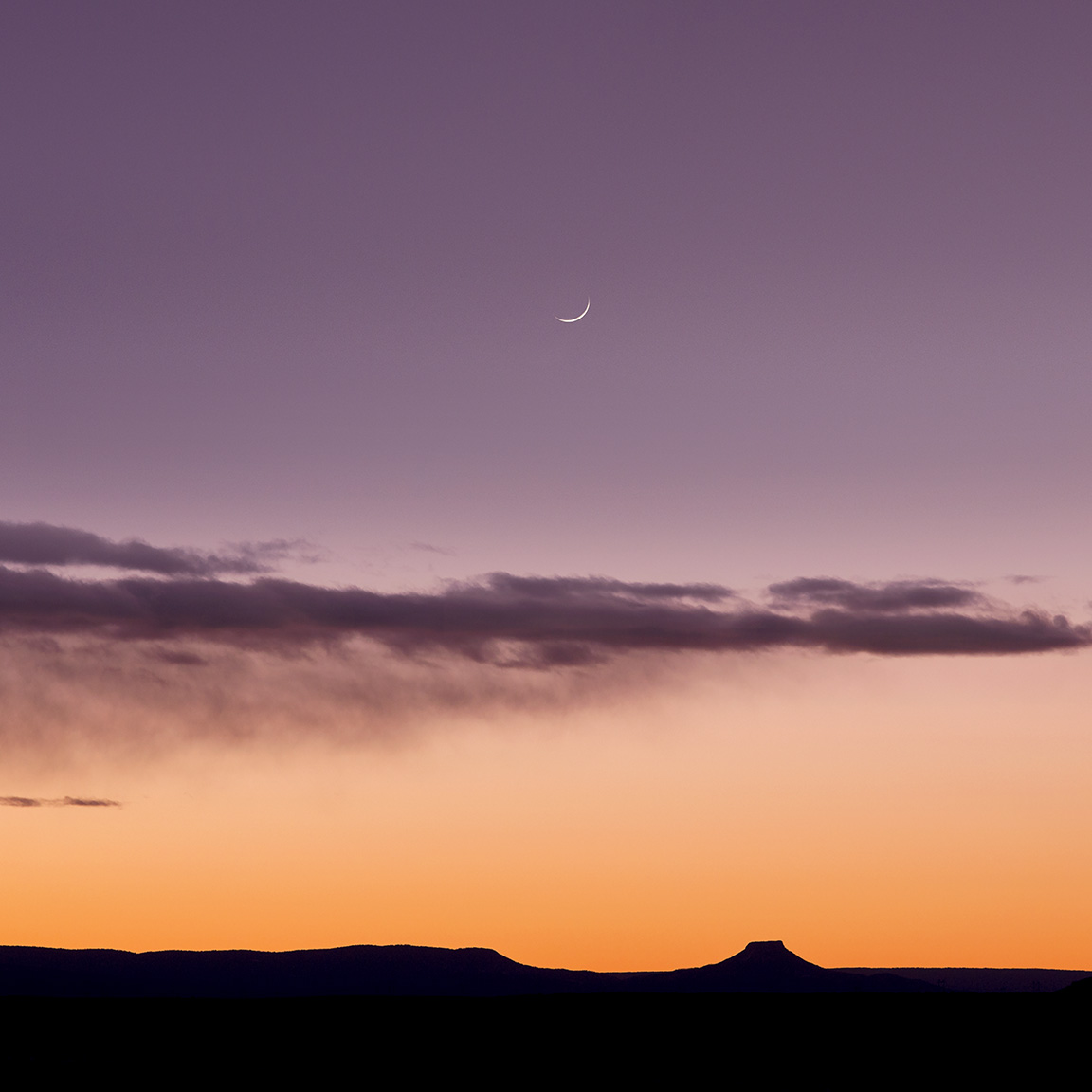
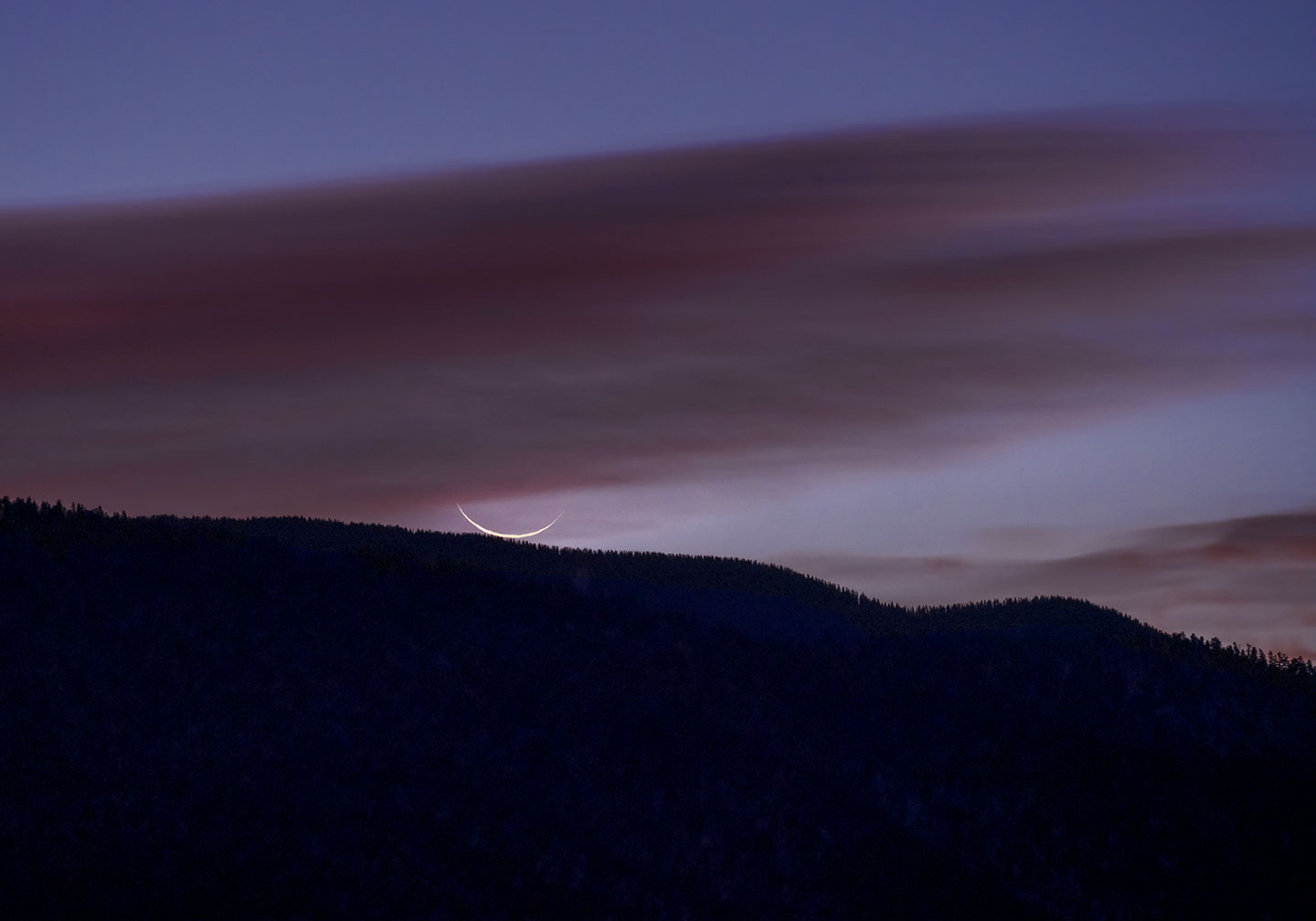
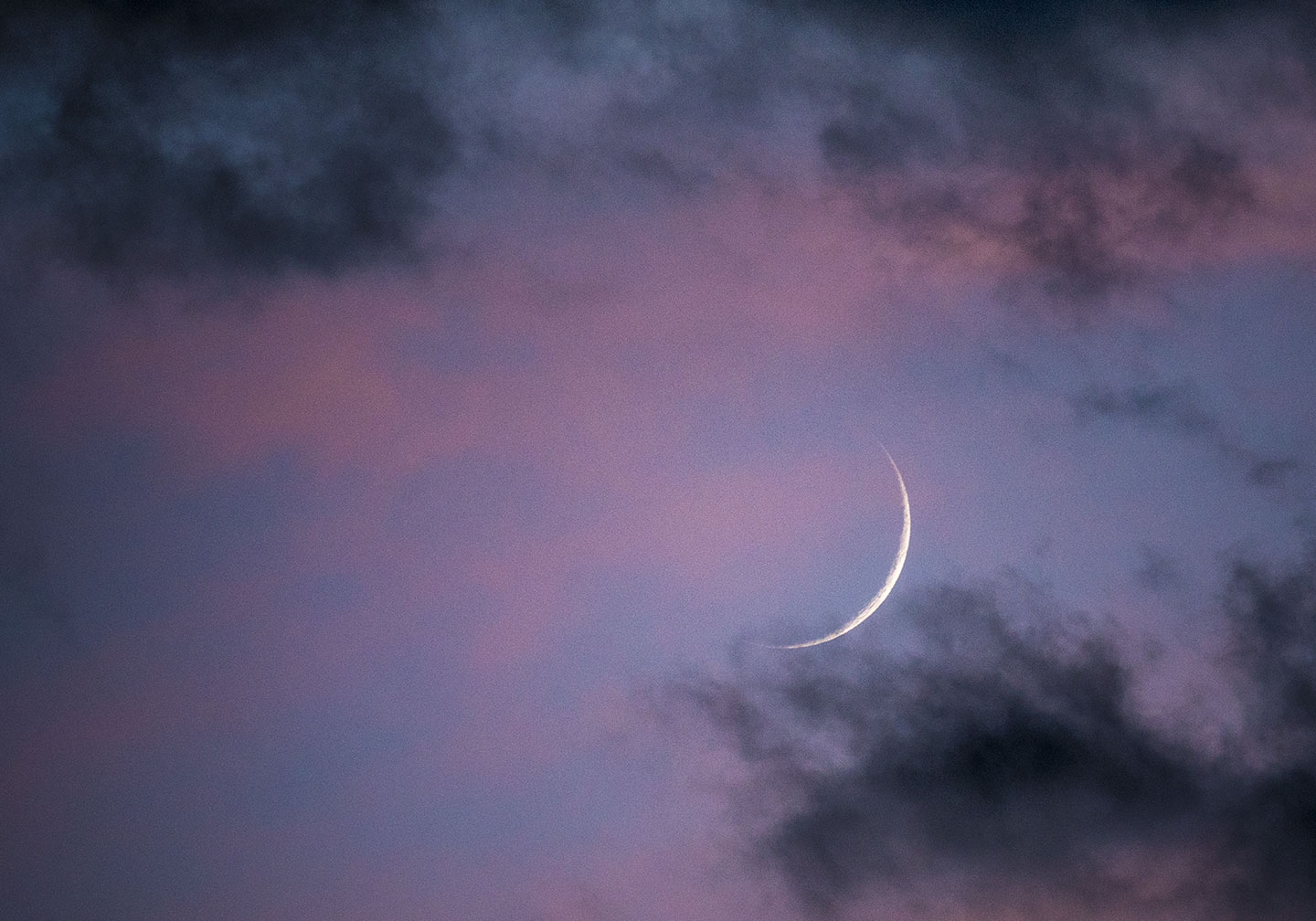
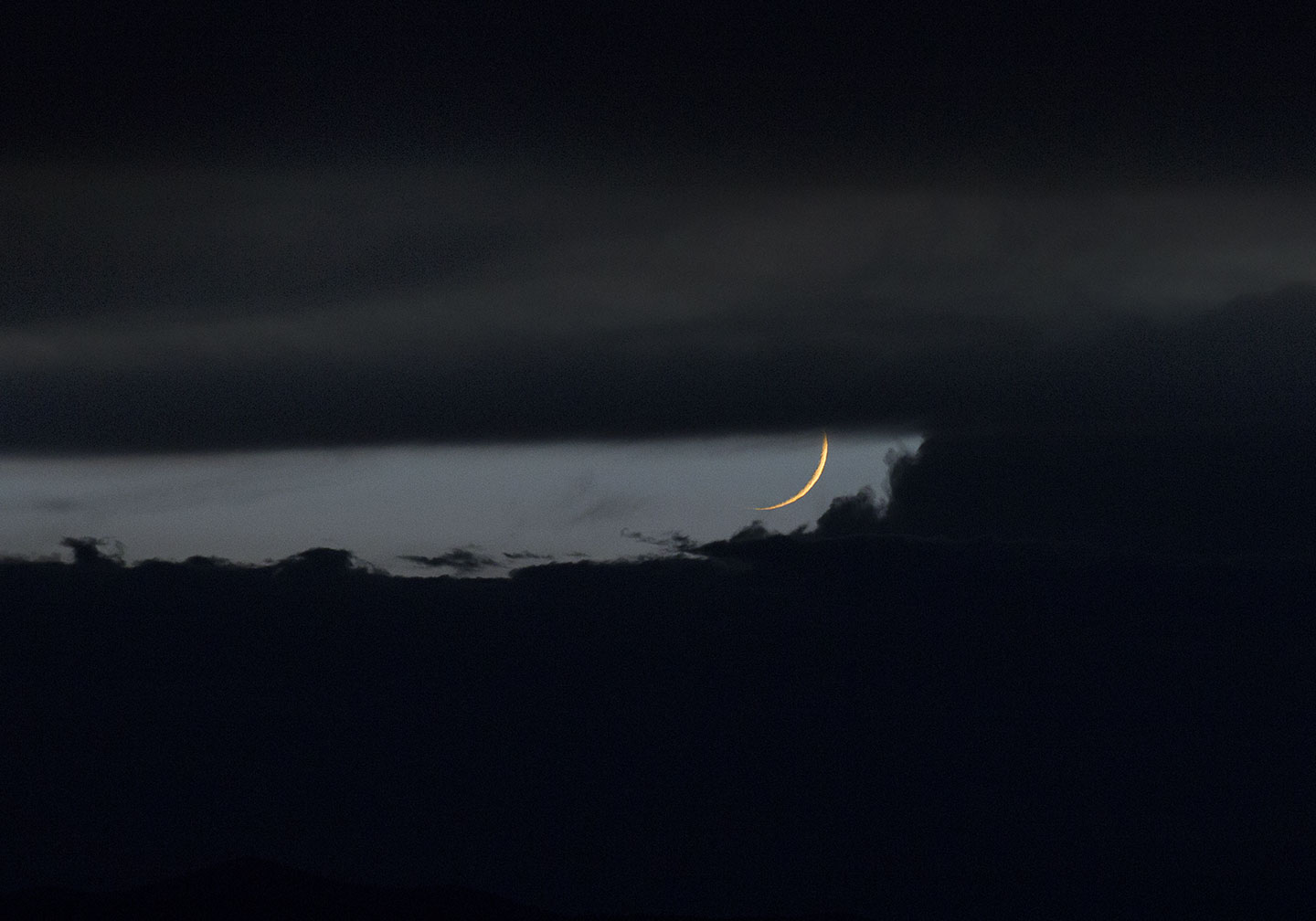
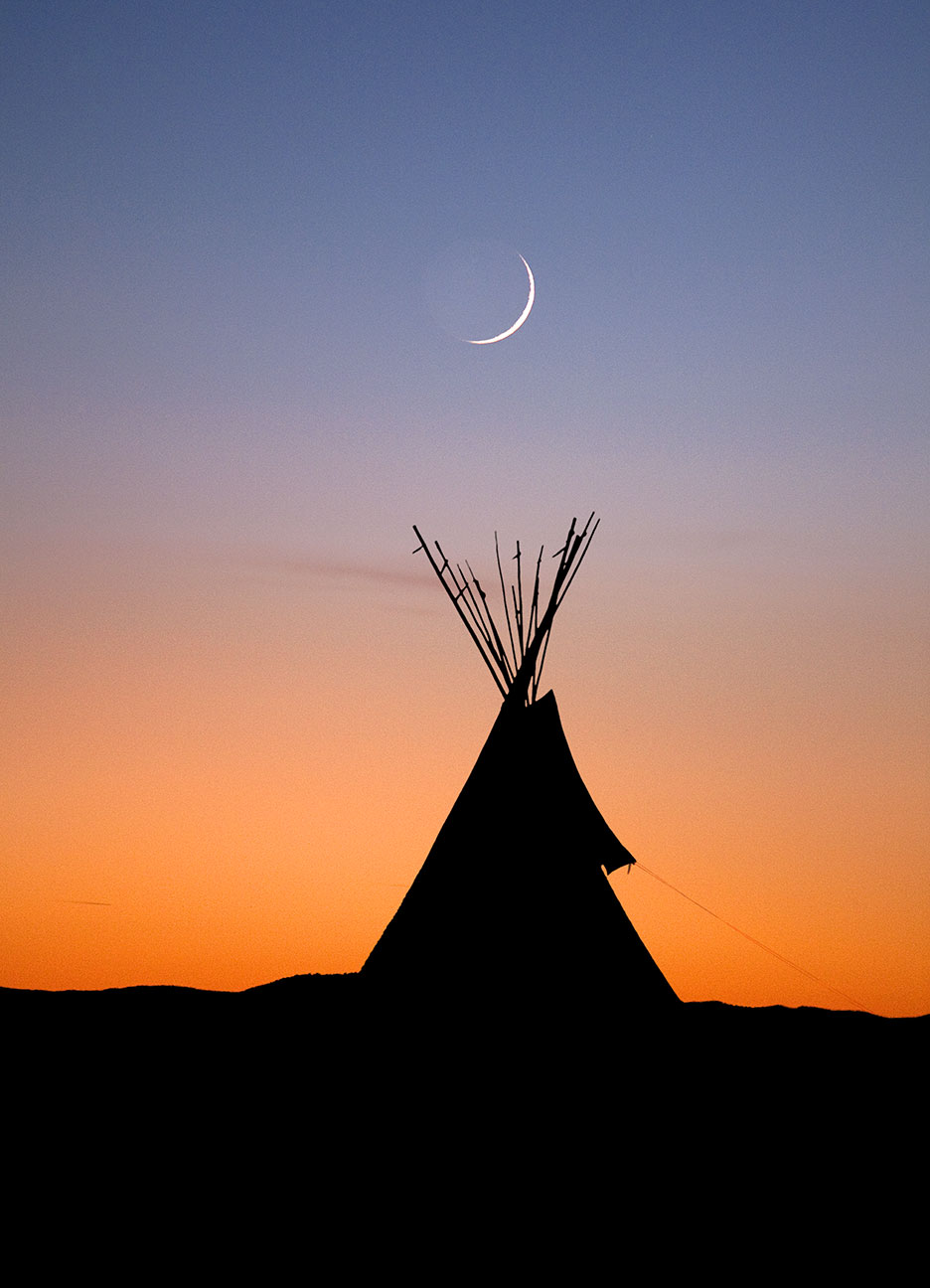
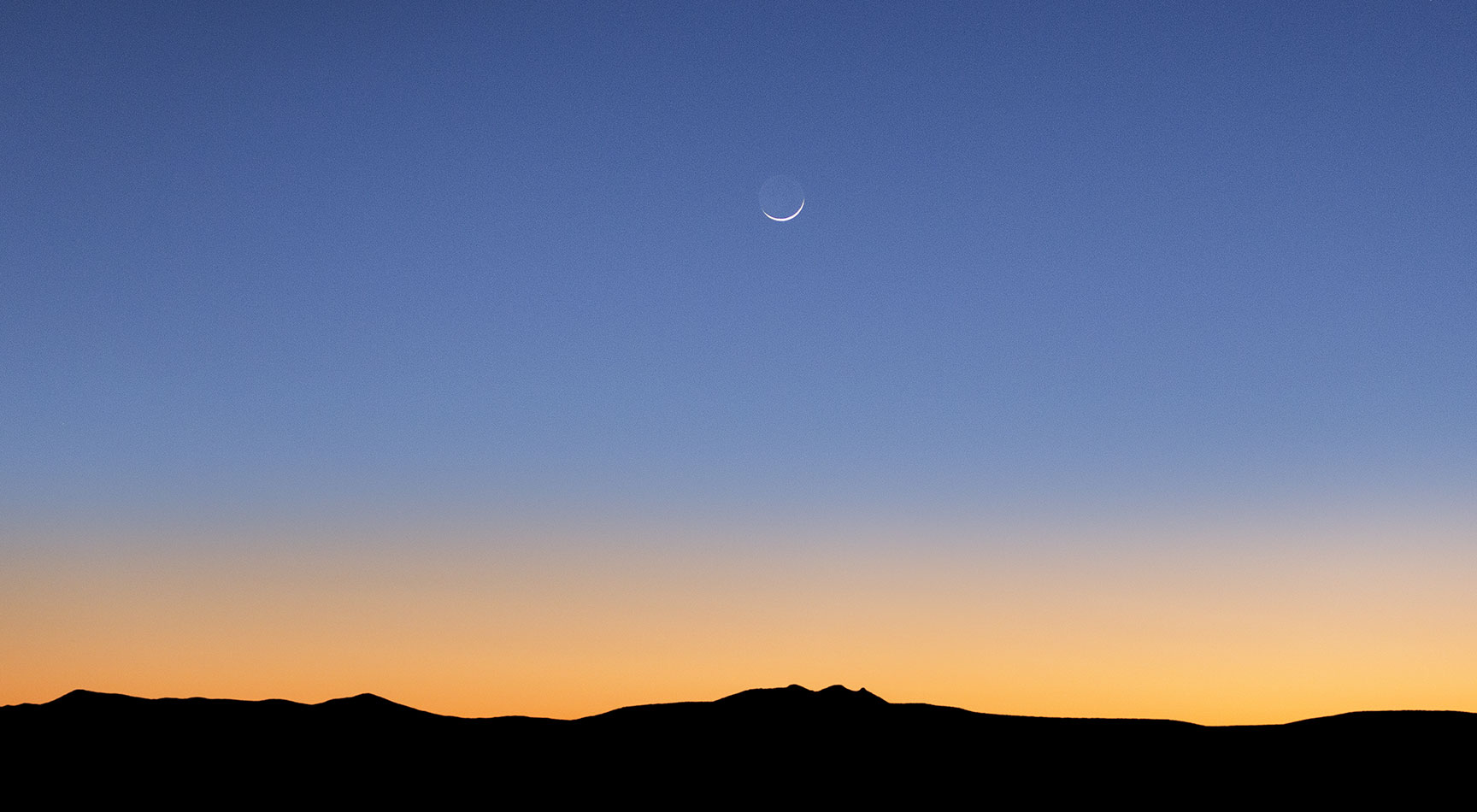
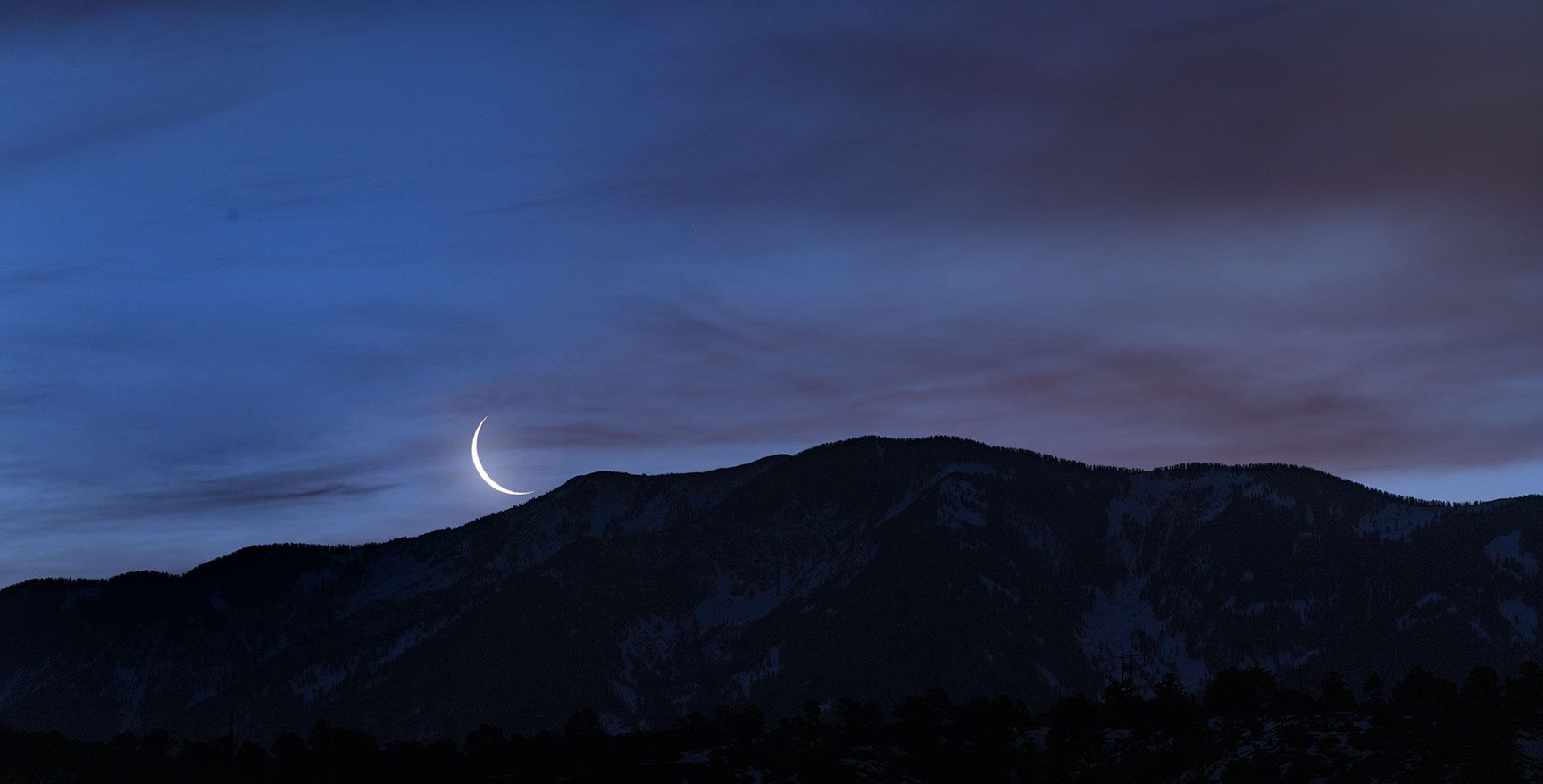
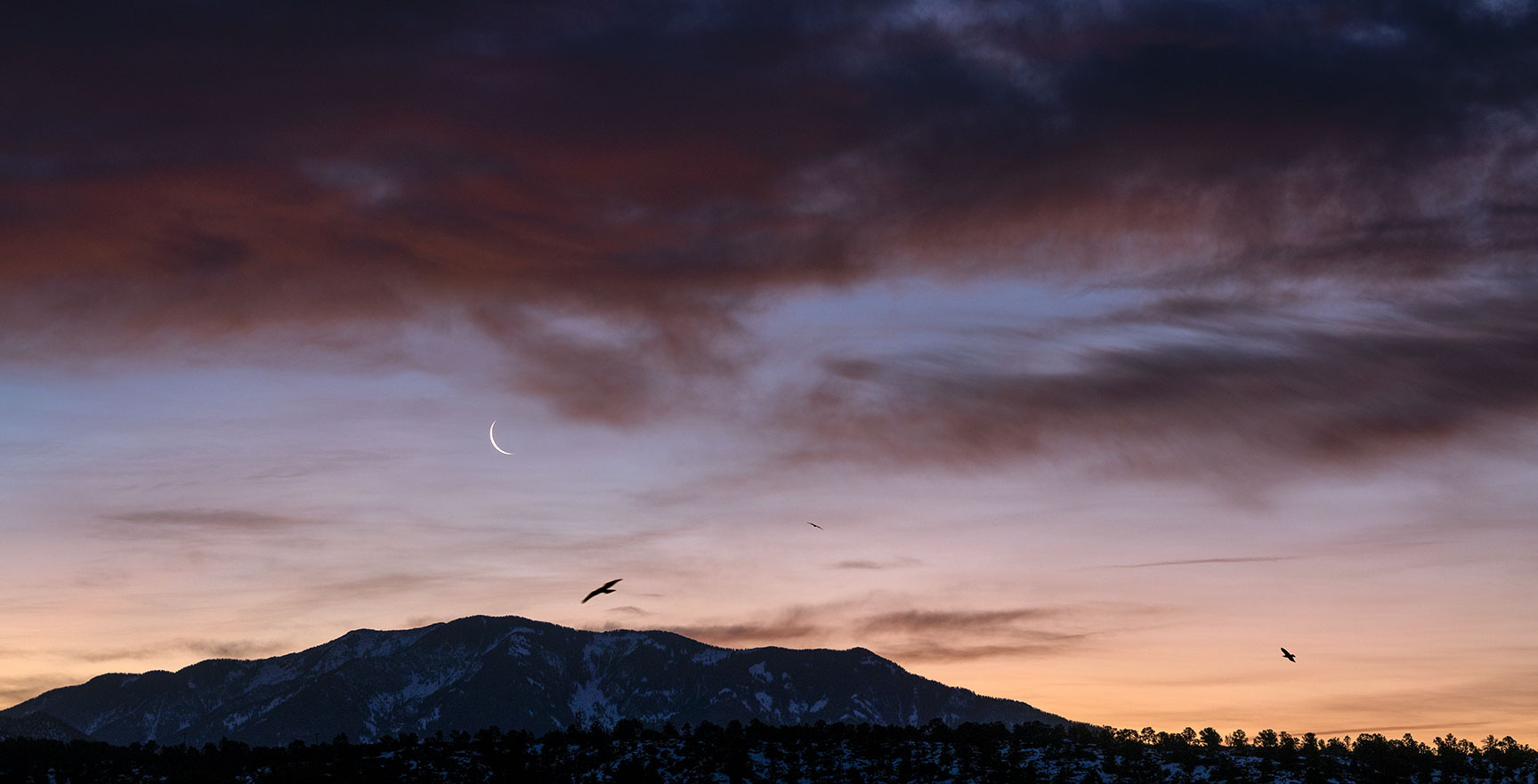
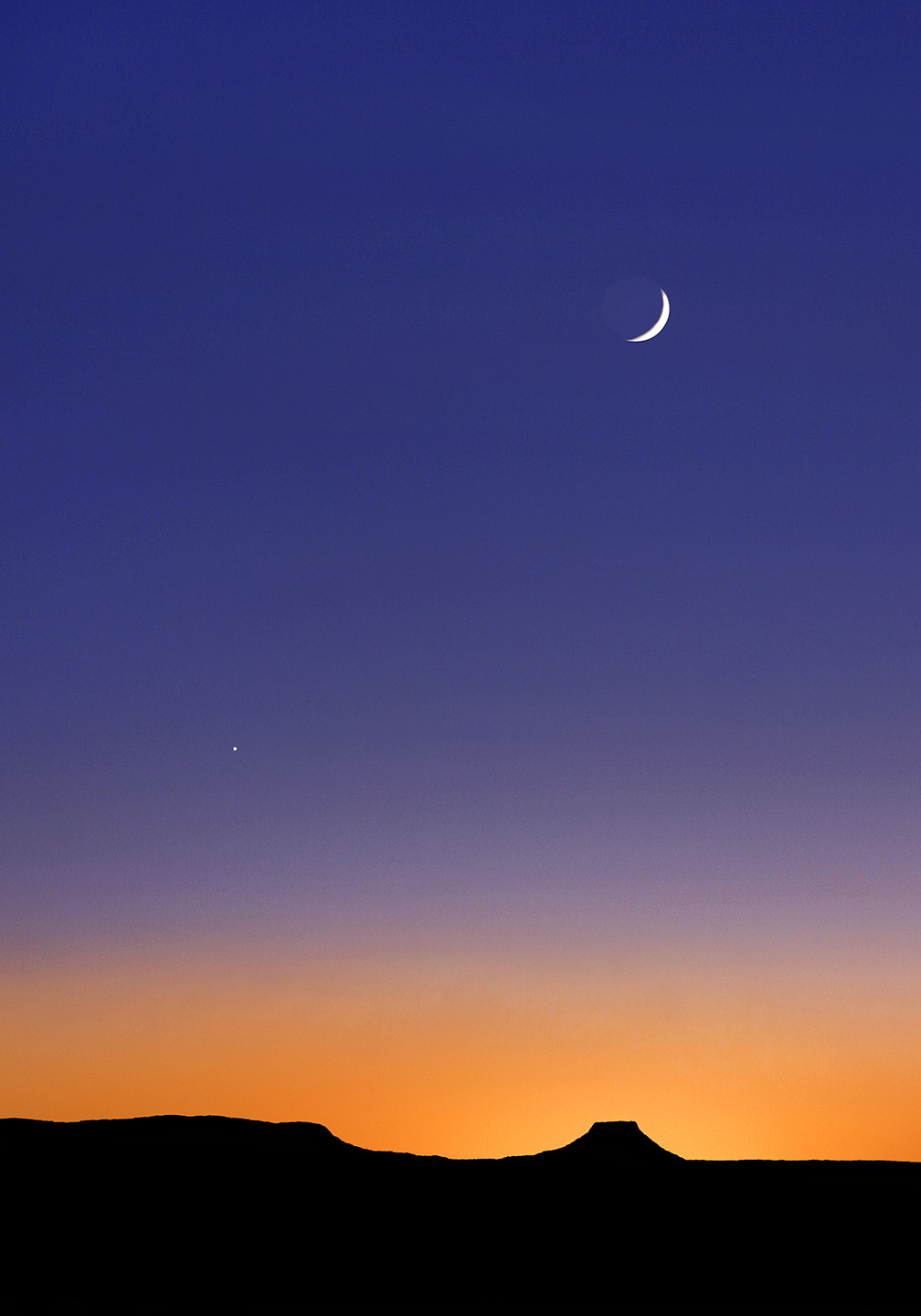
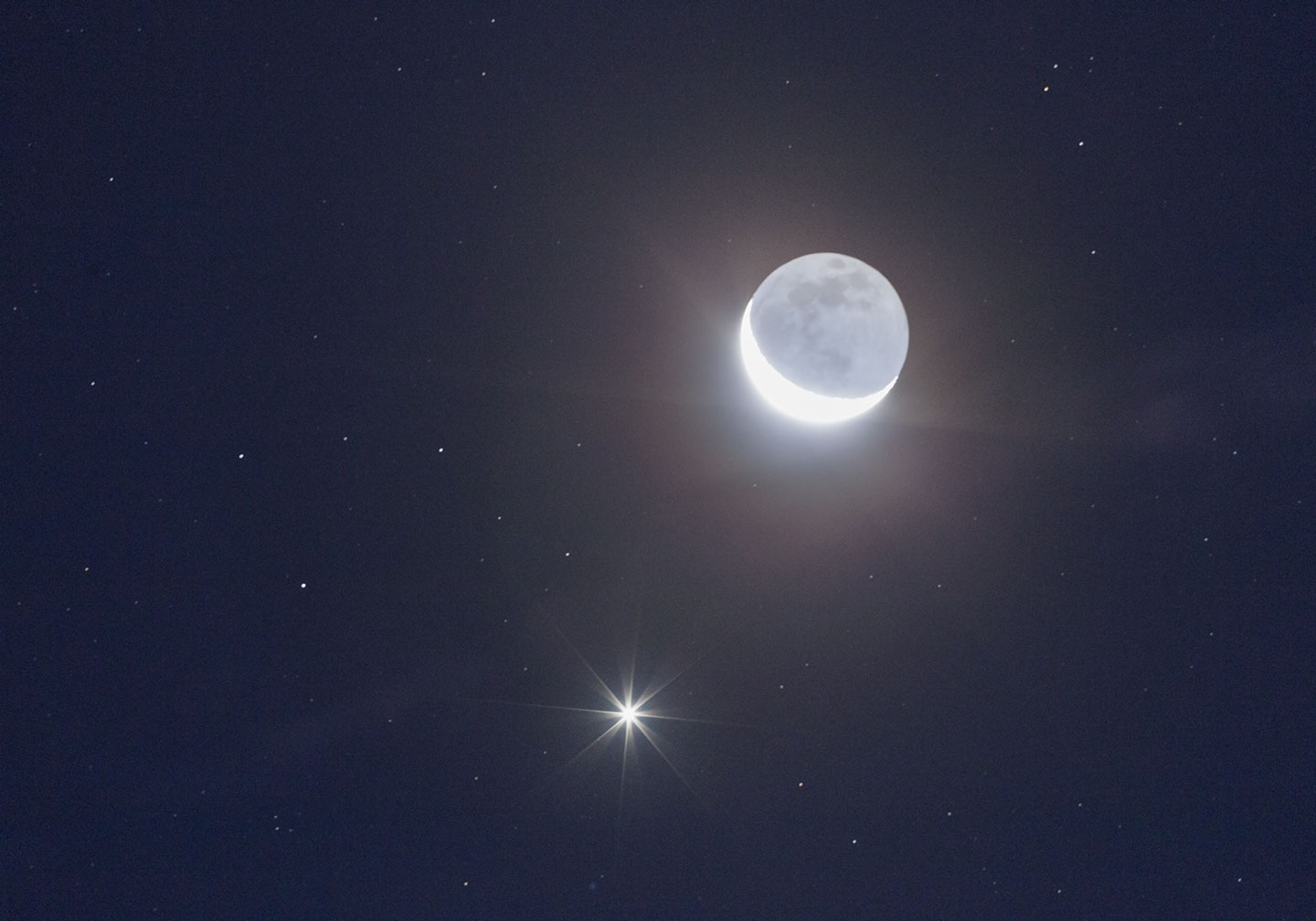
Greetings from New Mexico. I hope everyone had a good week. This week the fabulous crescent moon from the equally fabulous Taos, NM. starting with the crescent moon on October 12, 2026. Seeing it a couple of nights ago, prompted me to revisit past images, and remind myself how fortunate I am to live here and see this sight in crystal clear skies of northern New Mexico.
Enjoy!
Crescent Moon on October 12, 2026
With Venus and a sunset
Crescent Moon and old Cottonwood Tree.
Cerro Pedernal.
San Cristobal Morning.
Clouds Clearing.
Breaking through the clouds.
Taos Tipi.
With earthshine over Three Peaks, Carson NM.
Breaking over Taos Mountain.
Taos Mountain with three crows.
Cerro Pedernal and Venus.
And probably my all time favorite shot.
With Venus.
Want to see more moons? Click here. If you want to read or know more about moon phases, Click here.
As always, thanks for looking. Have a great week. G
Greetings from New Mexico. This week, a bighorn sheep, a black and white of the Taos Pueblo North House with a waning moon, and more. I hope everyone had a good week. I was out with some wonderful clients and friends.
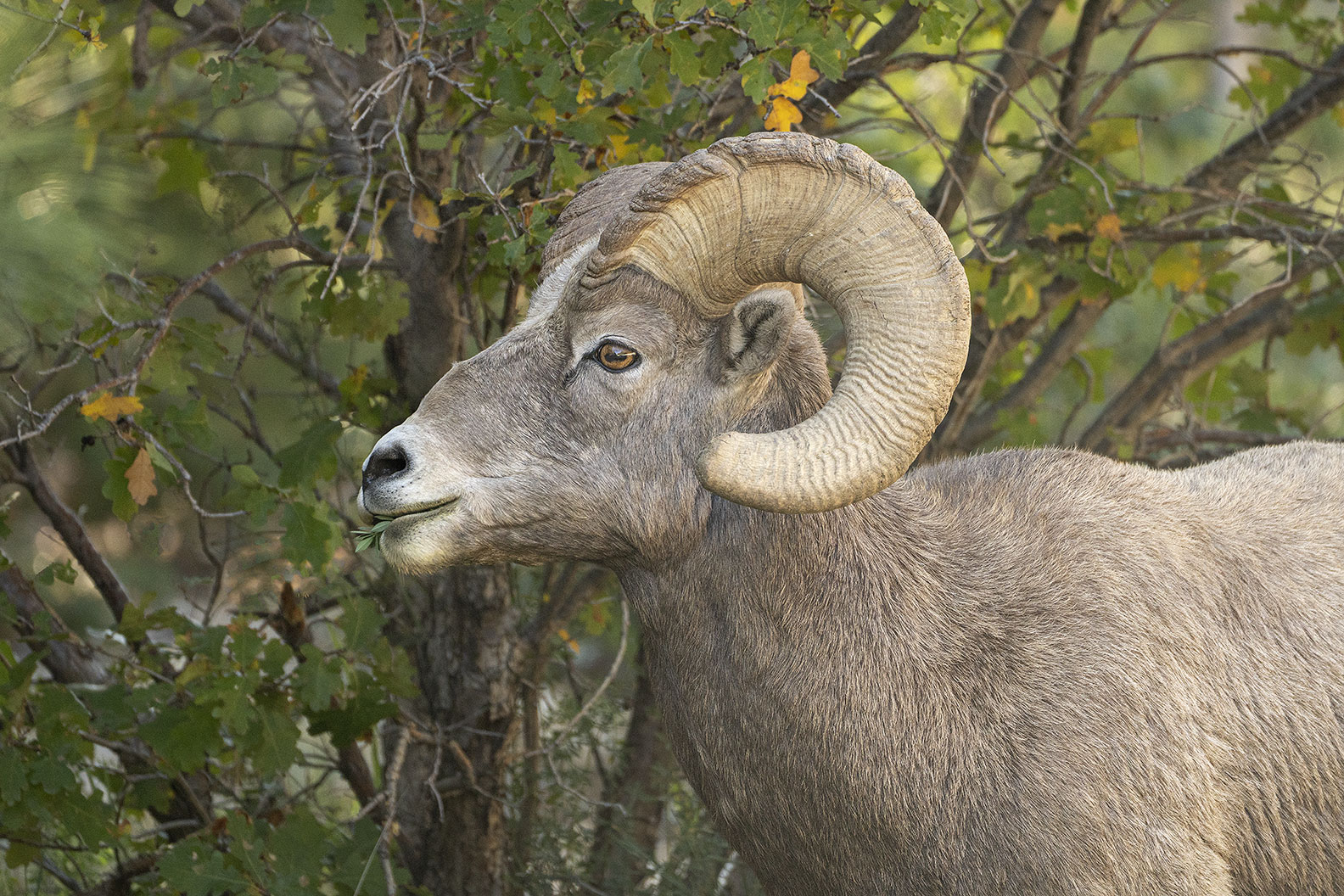
When we first spotted him under a tree. He was eating leaves and some grass.
Bighorn sheep, Red River Canyon, NM.
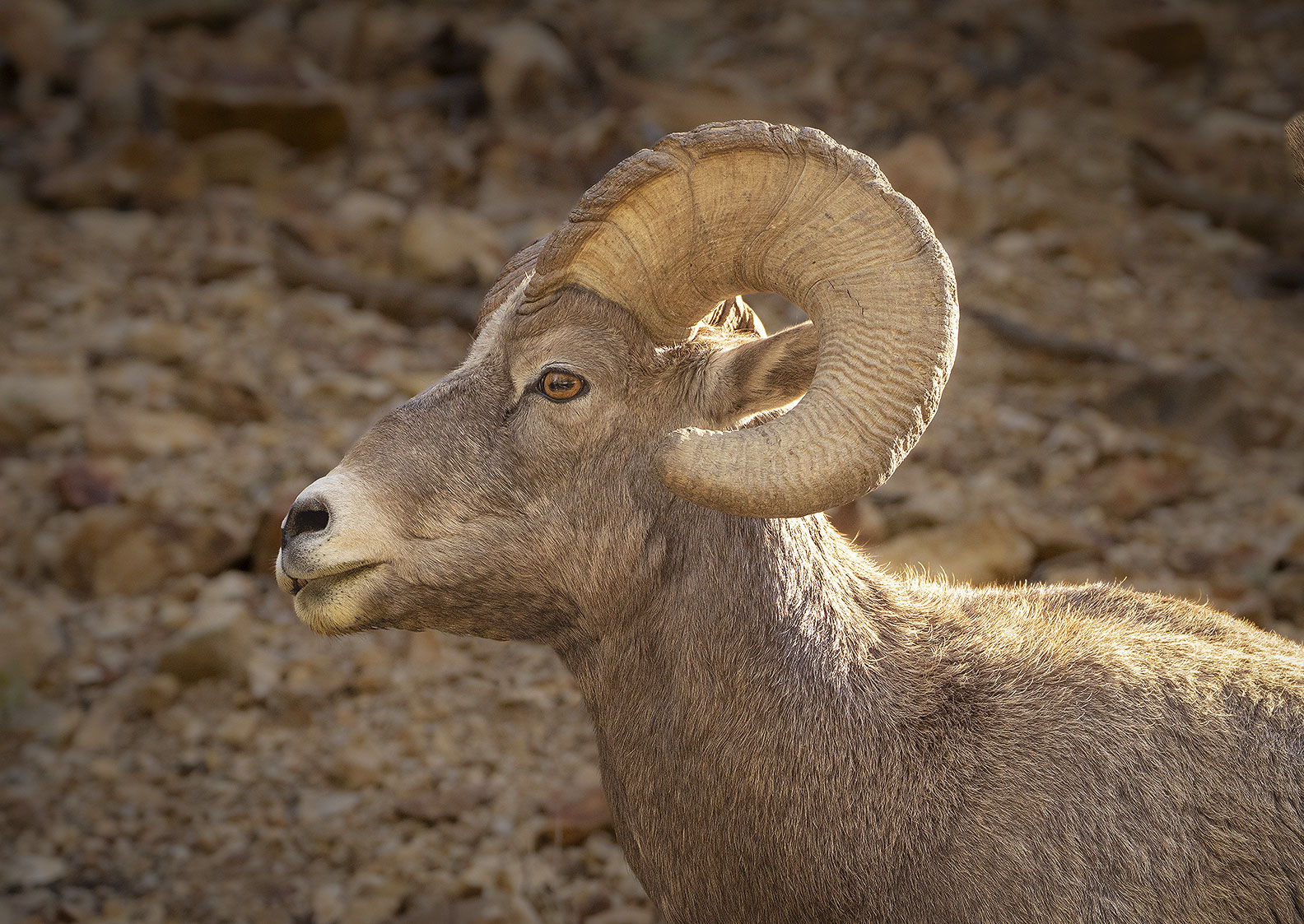
He proceeded to climb the scree slope and pose for a grand profile shot.
Bighorn in Red River Canyon, NM
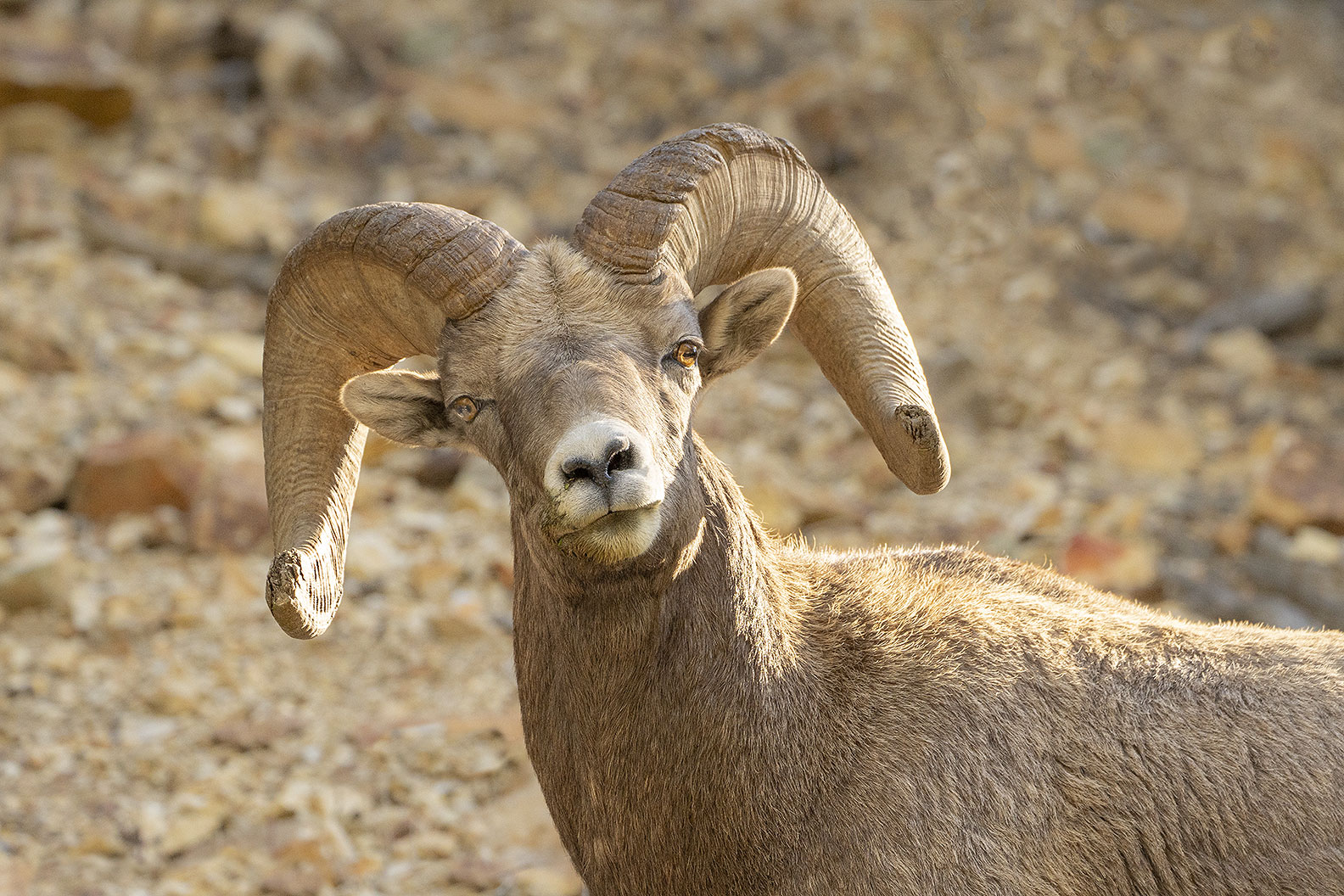
He was curious but also got bored with us and didn’t move for what seemed ages, (about two minutes)’ so we left him alone to carry on. We also carried on with our Red River photo tour for fall colors, which are stunning right now. On our return trip, our friend here, hadn’t moved from the same roadside spot. The leaves and grass must have been extra delicious.
Inquisitive stare, Red River Canyon.
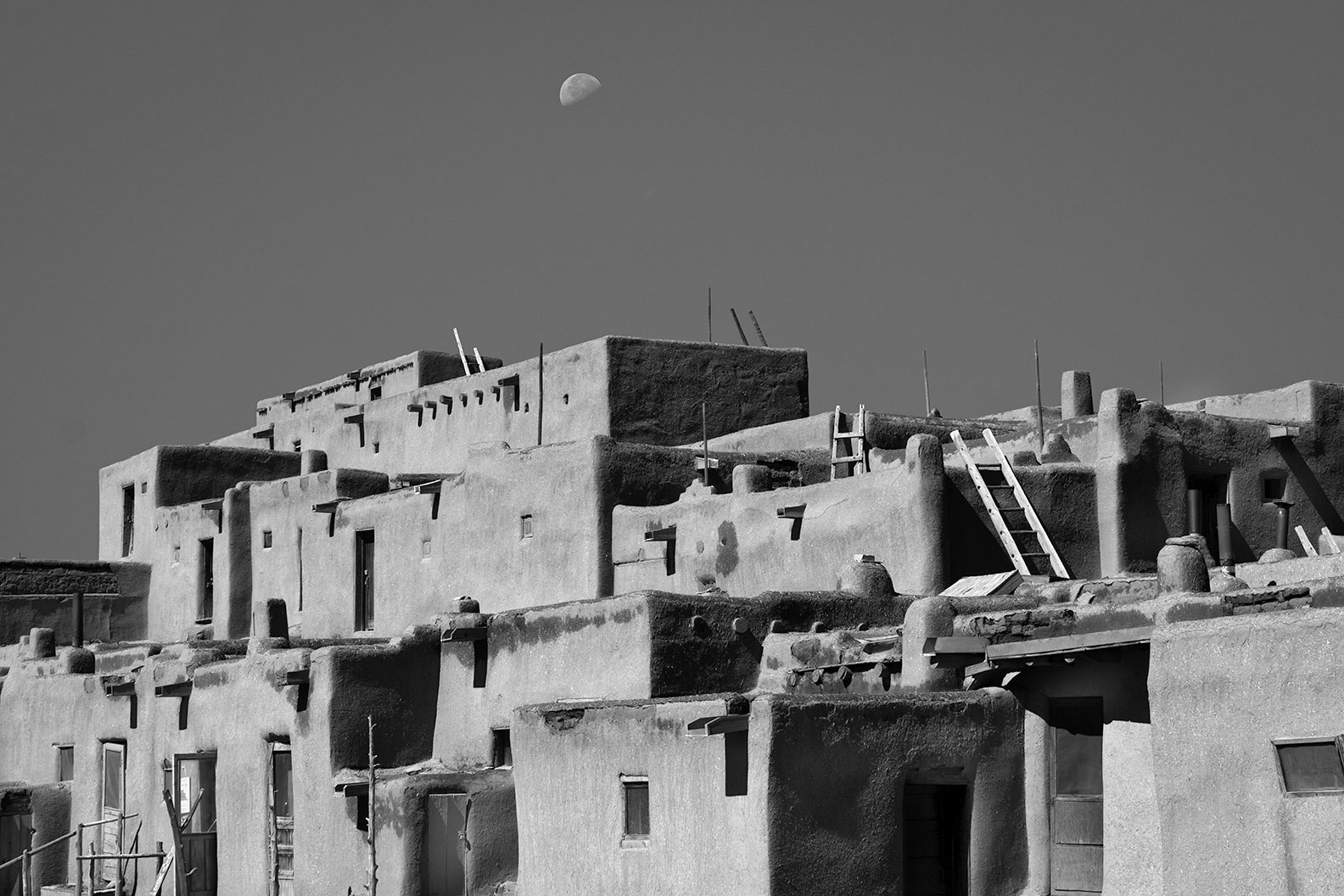
As promised, the black and white of Taos Pueblo with ladders outstreched as if reaching to the moon.
Taos Pueblo, ladders and waning moon.
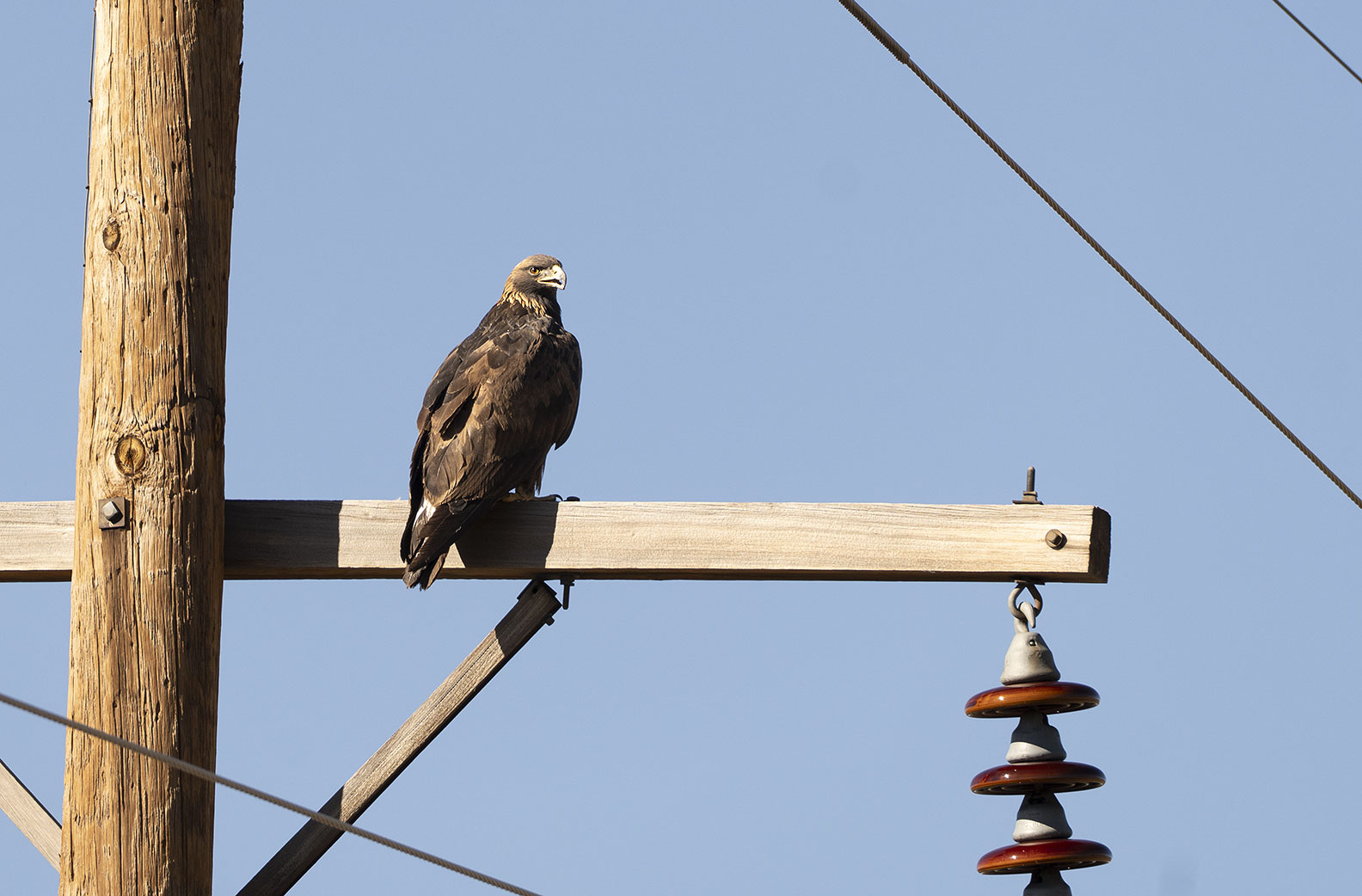
Earlier in the week I spotted this Golden Eagle near the lake and appropriately named town of Eagle Nest.
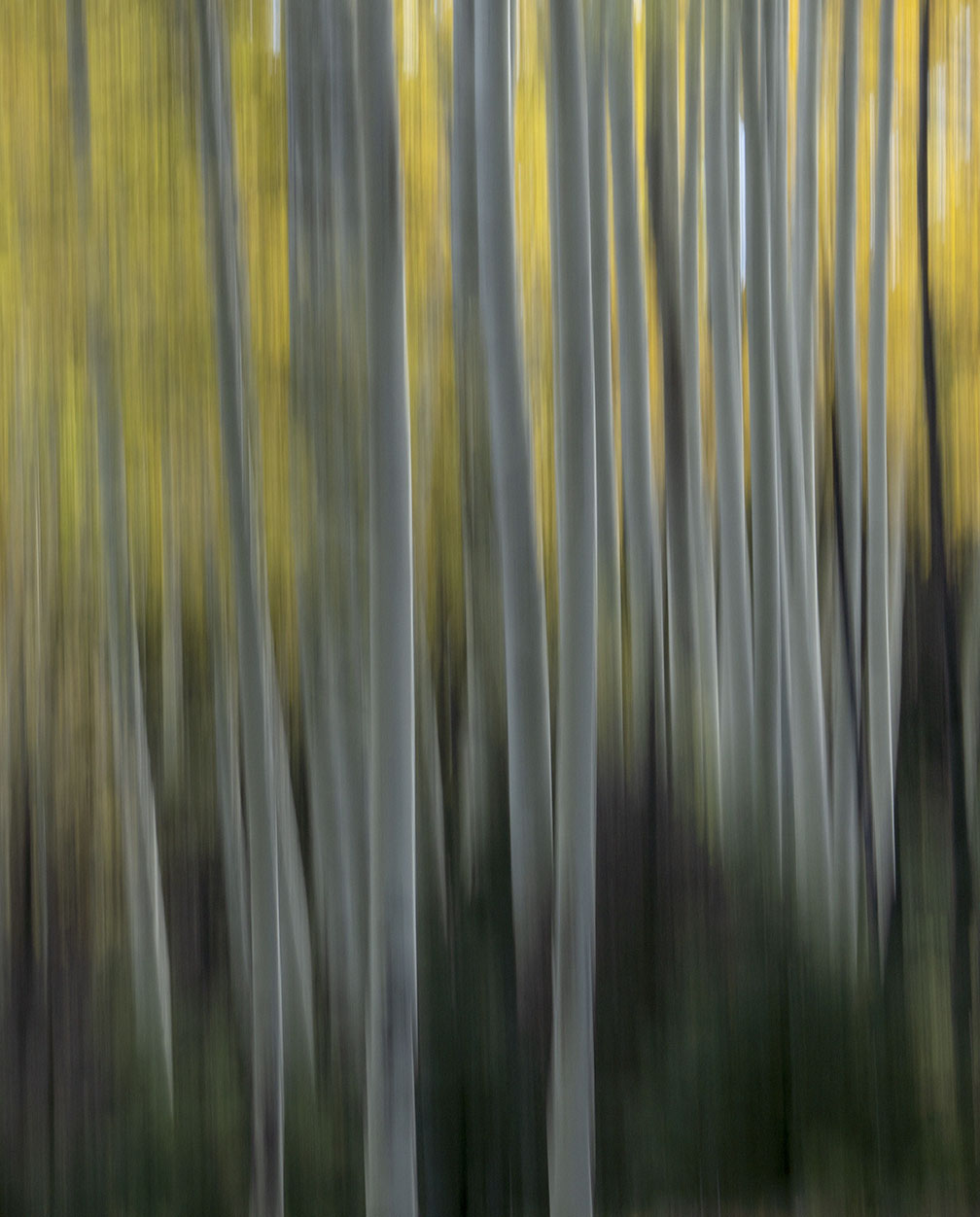
Over the last two weeks we’ve made numerous trips to the mountains for fall colors. Here’s one I created near Hopewell Lake with intentional camera movement. It’s been a good autumn so far with more to come.
In the aspens at Hopewell Lake, NM.
As always, thanks for visiting and looking. Have a great week where you are. G
Greetings from a very wet, soggy, damp day/week in San Cristobal and beyond. This week, a few favorites that, incidentally, will be hanging and on display in the upcoming Taos Artist Combo Show V, on October 9-11. If you happen to be in Taos, join us for the opening on Friday, the 9th. I’ll look forward to seeing you, and perhaps you’ll find some favorites of your own amongst the 12 artists showing.
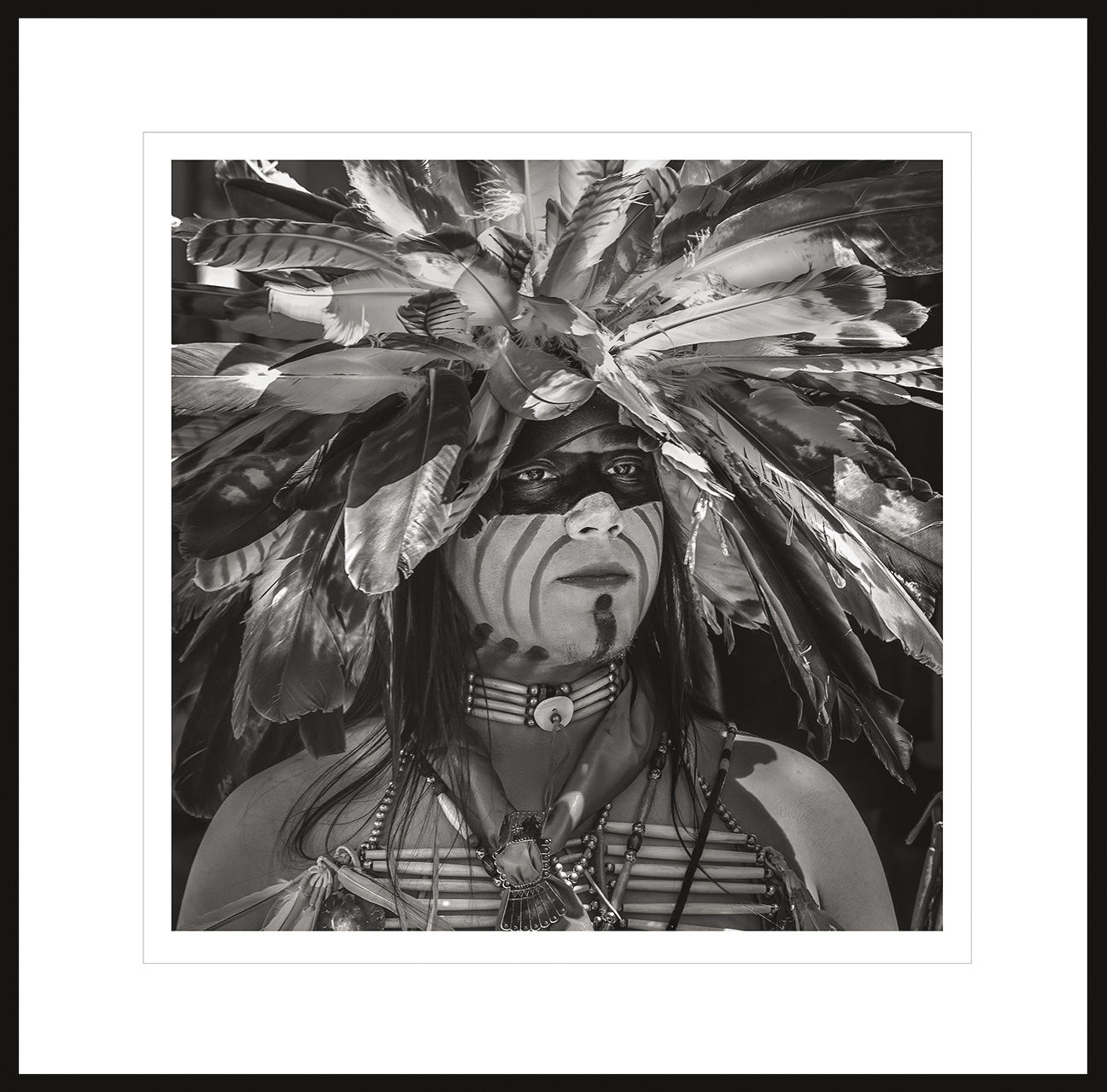
A favorite from Santa Fe Indian Market. (Unframed).
•
Testing the waters, San Luis Valley, CO.
•
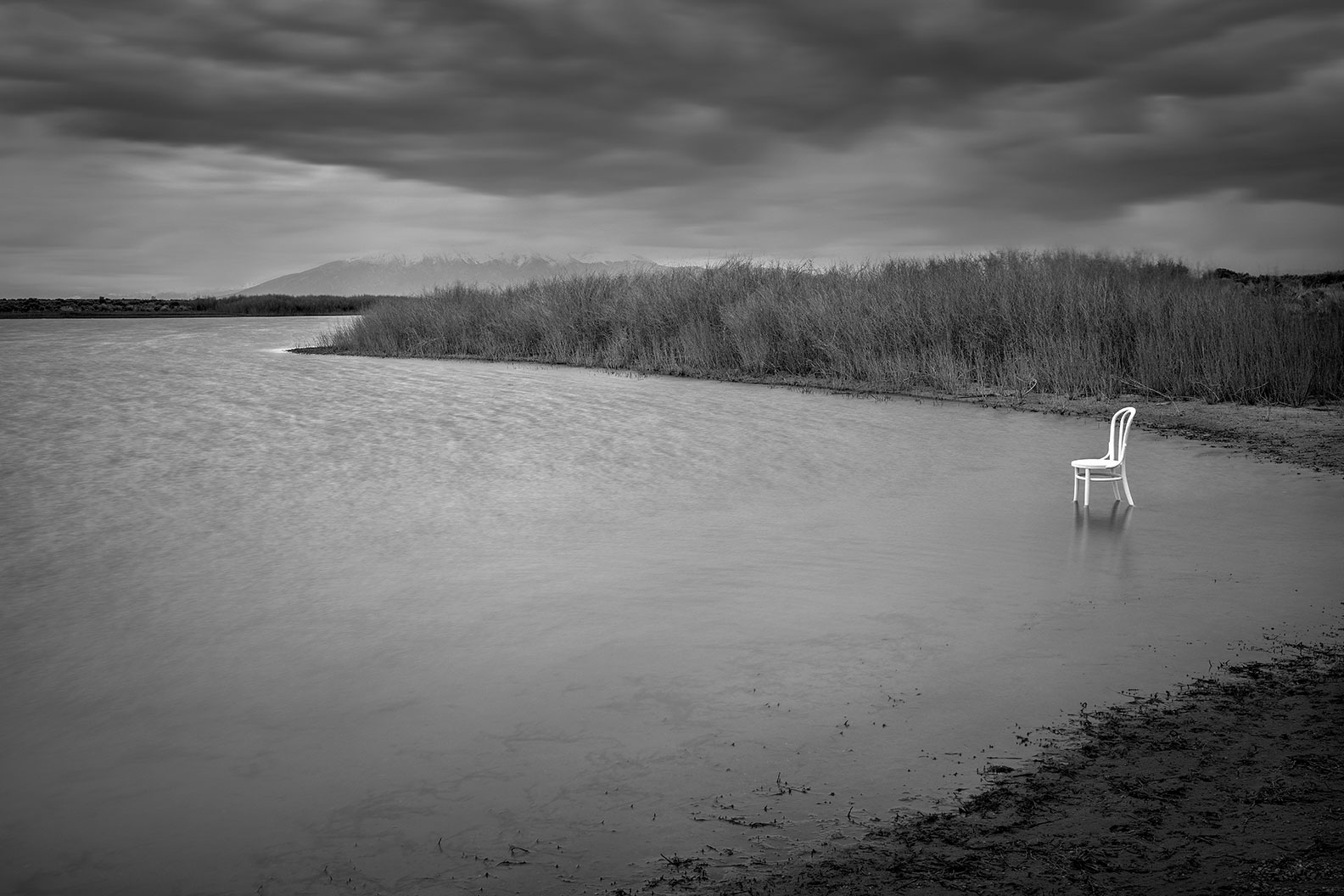
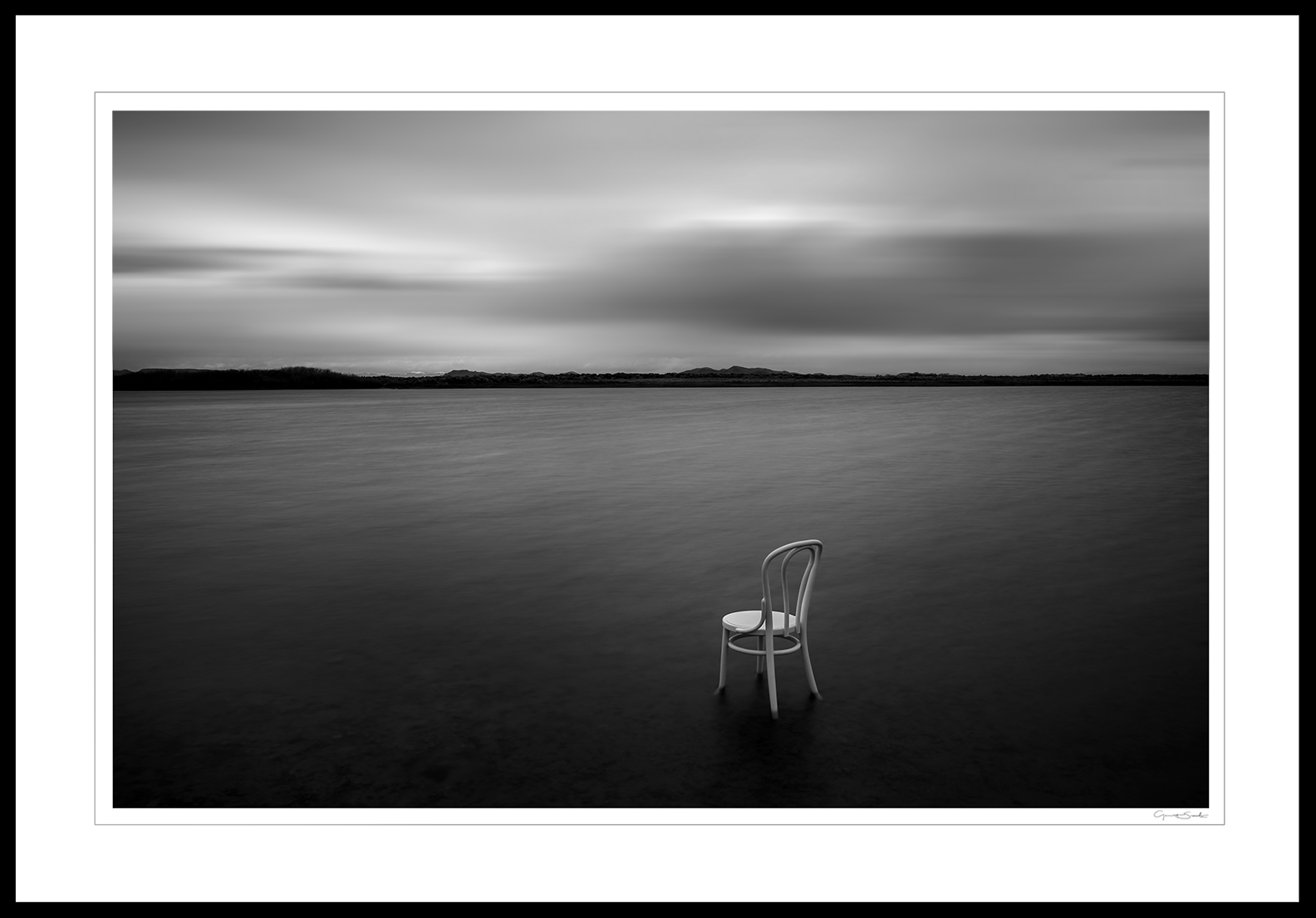
Lake Chair, San Luis valley, CO. (Framed).
•
This one has been a favorite since I shot it more than a decade ago.
Taos Artist Combo V Exhibit & Sale. Stables Gallery, 133 Paseo del Pueblo Norte, Taos, NM 87571 October 9 – 11: Artist Reception, Friday October 9, 5-7PM Join us if you can!
As always, thanks for visiting and looking. Stay well. G
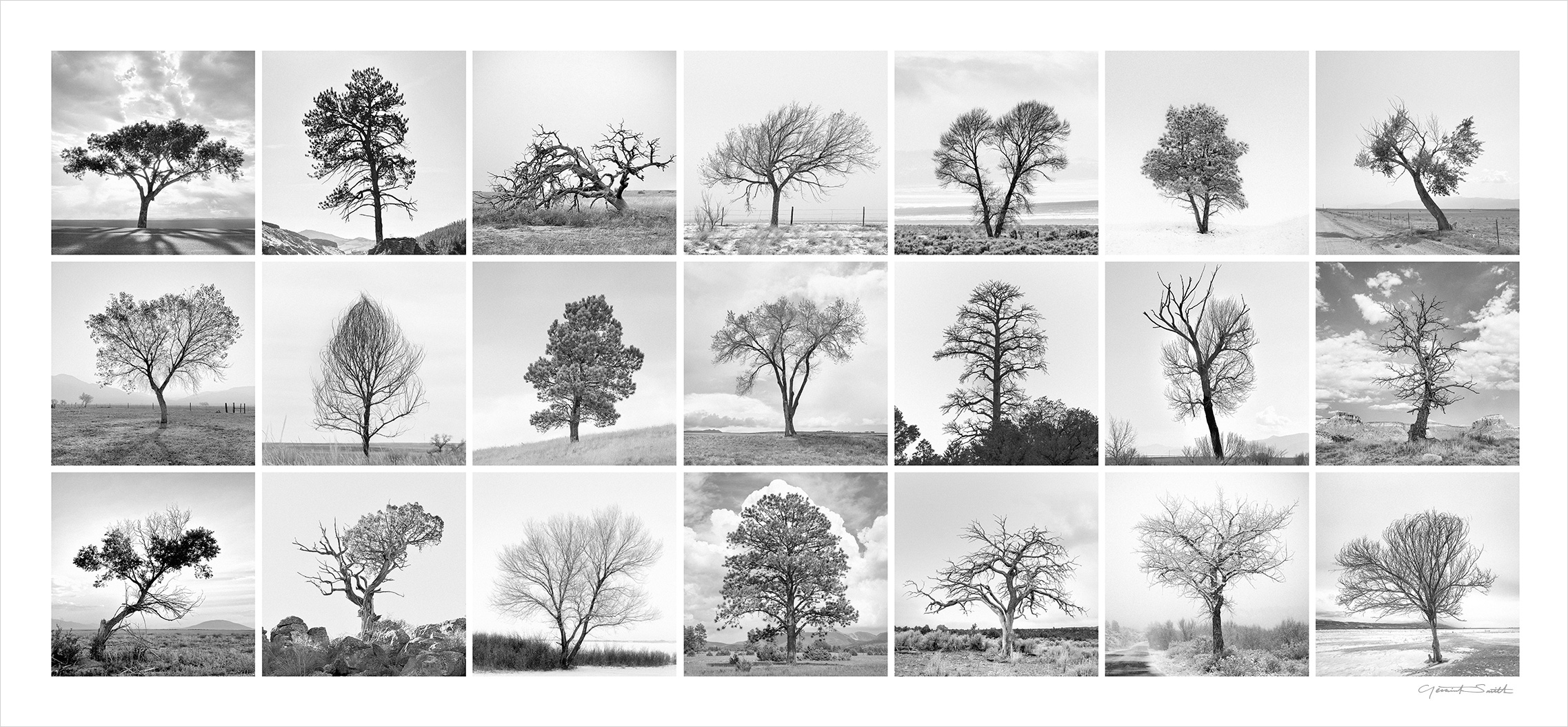
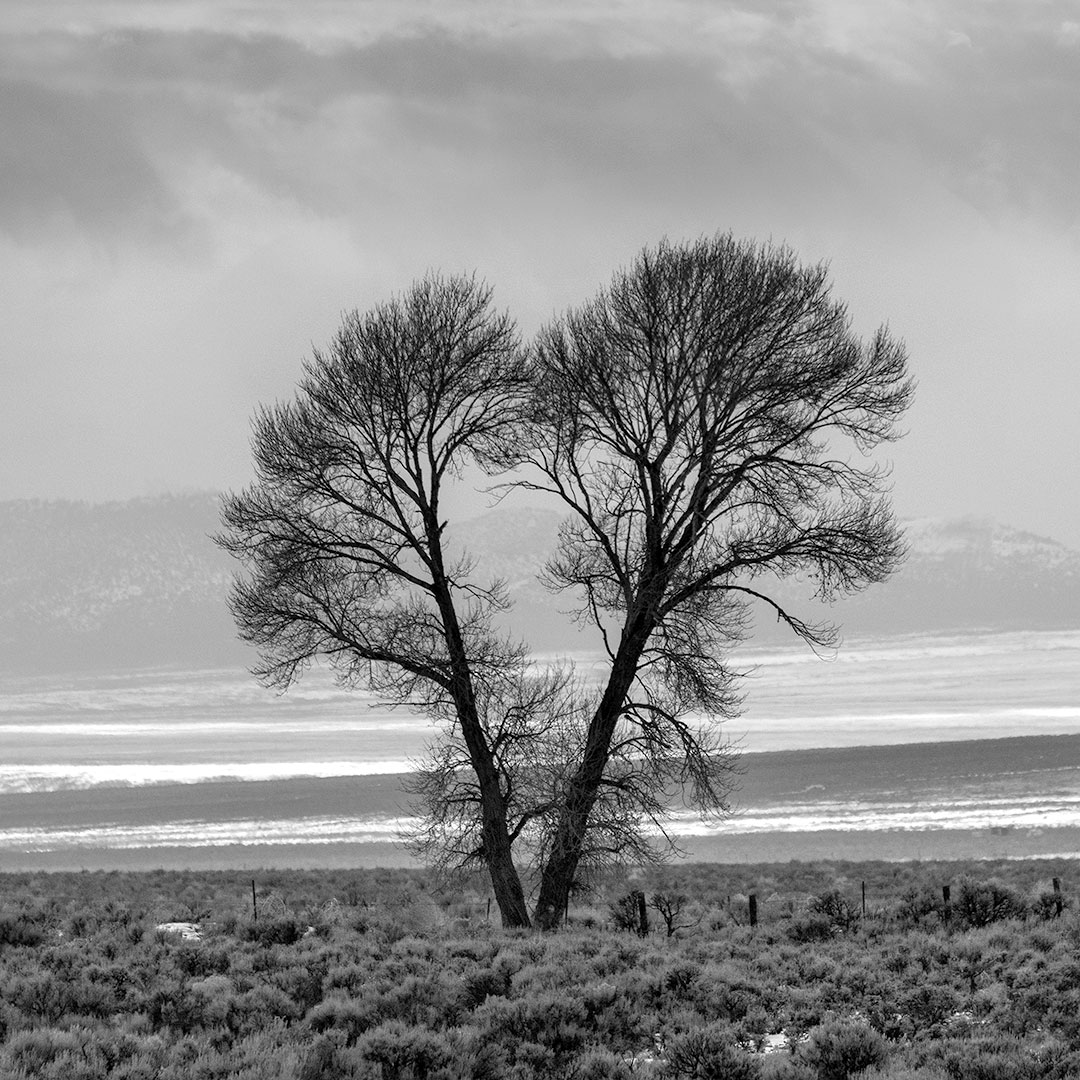
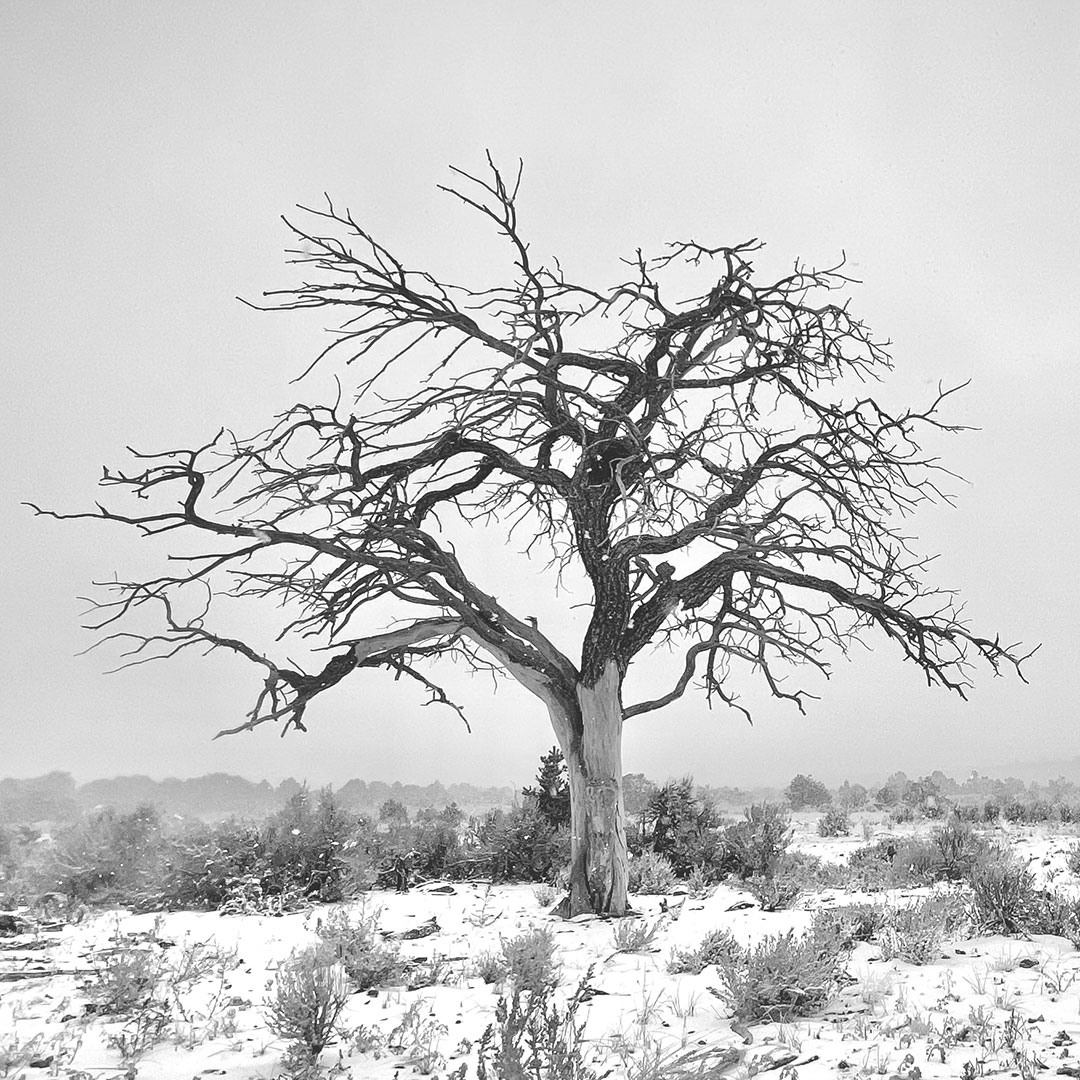
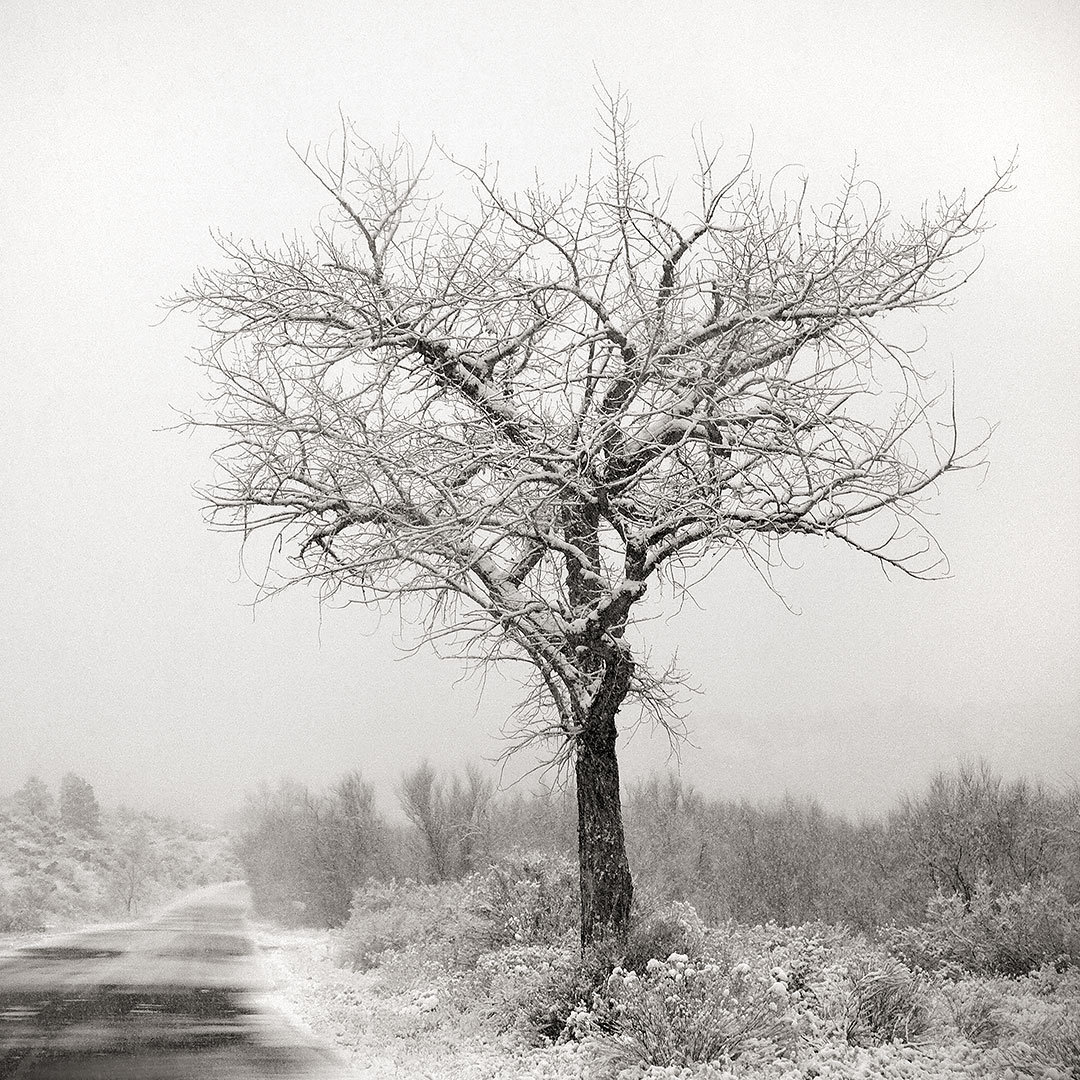
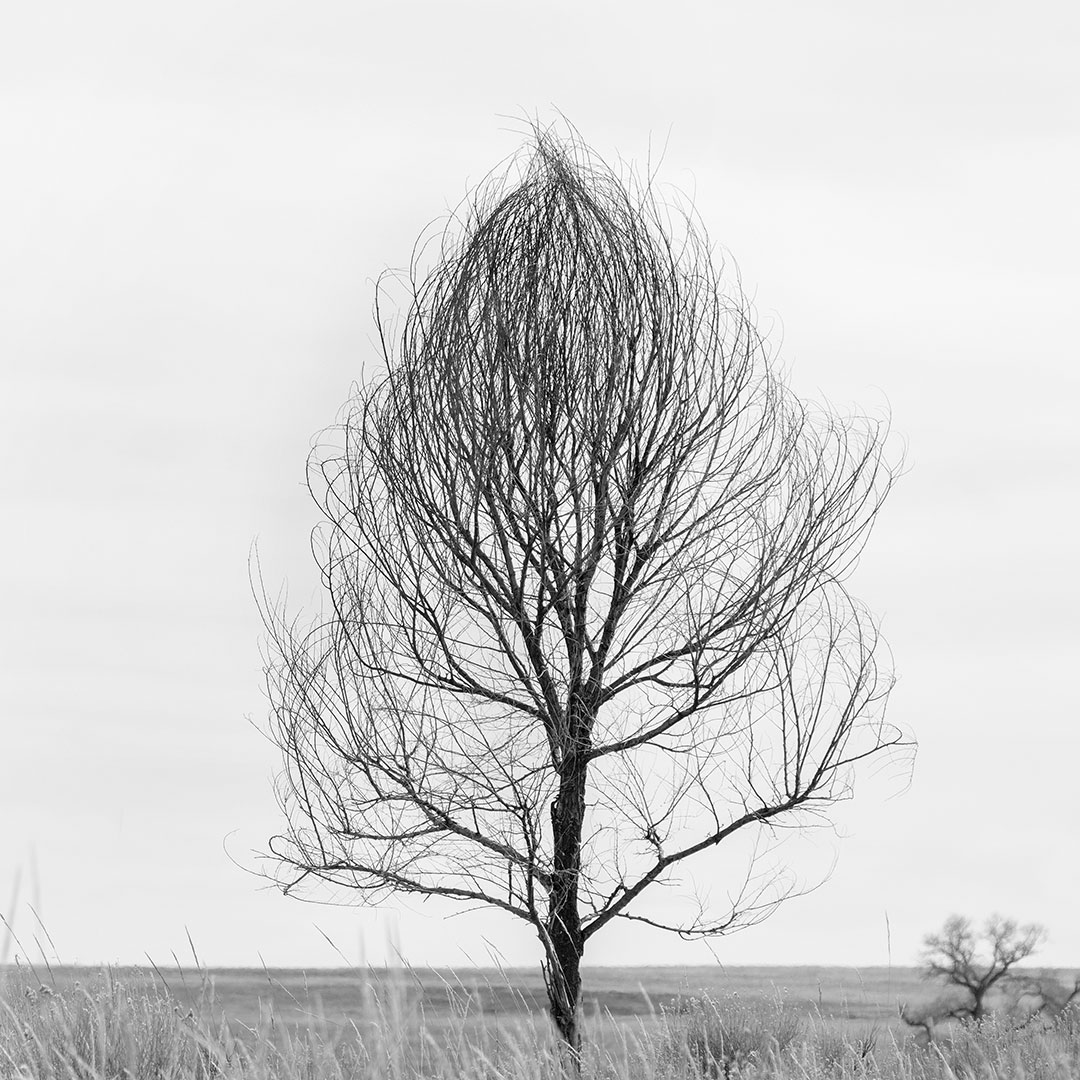
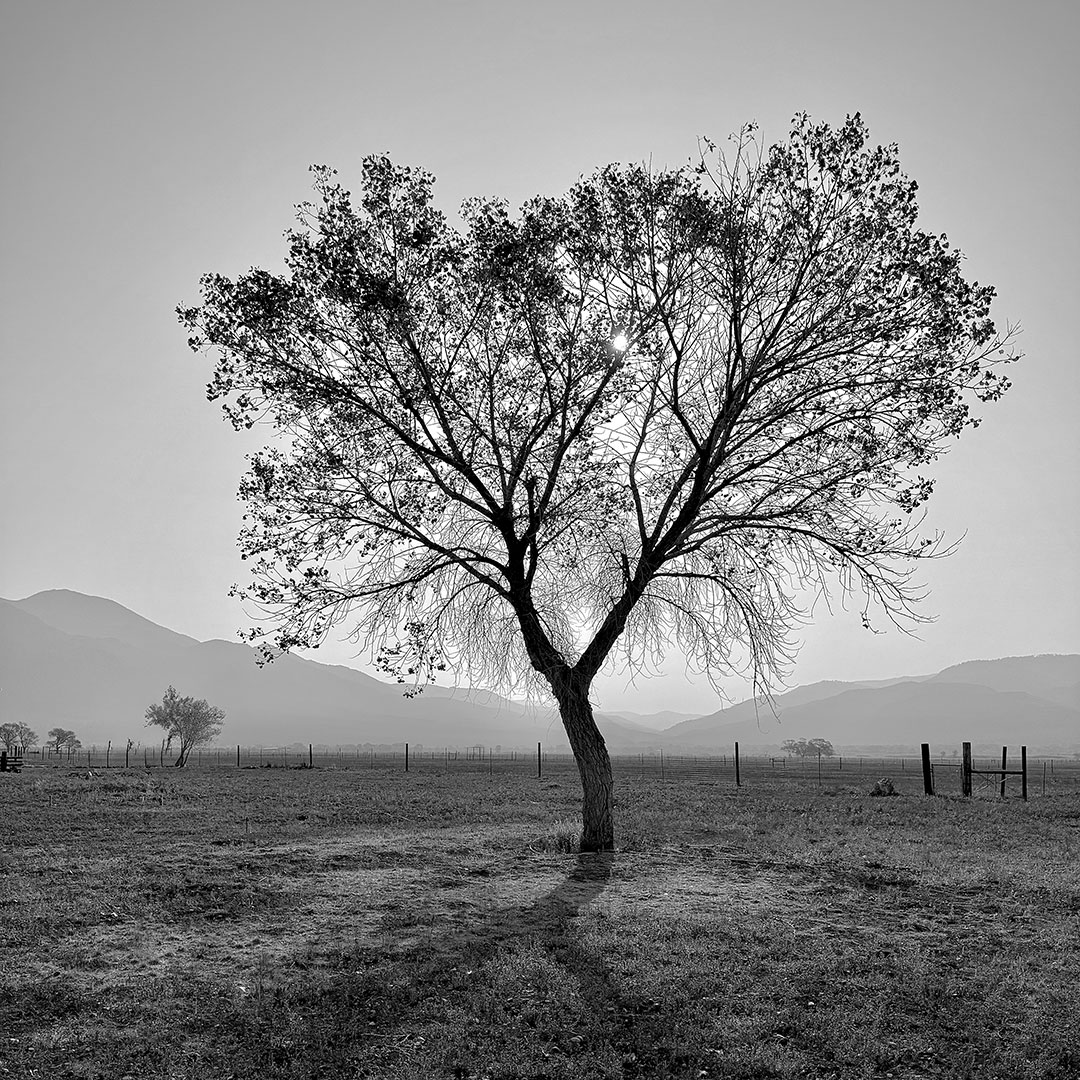
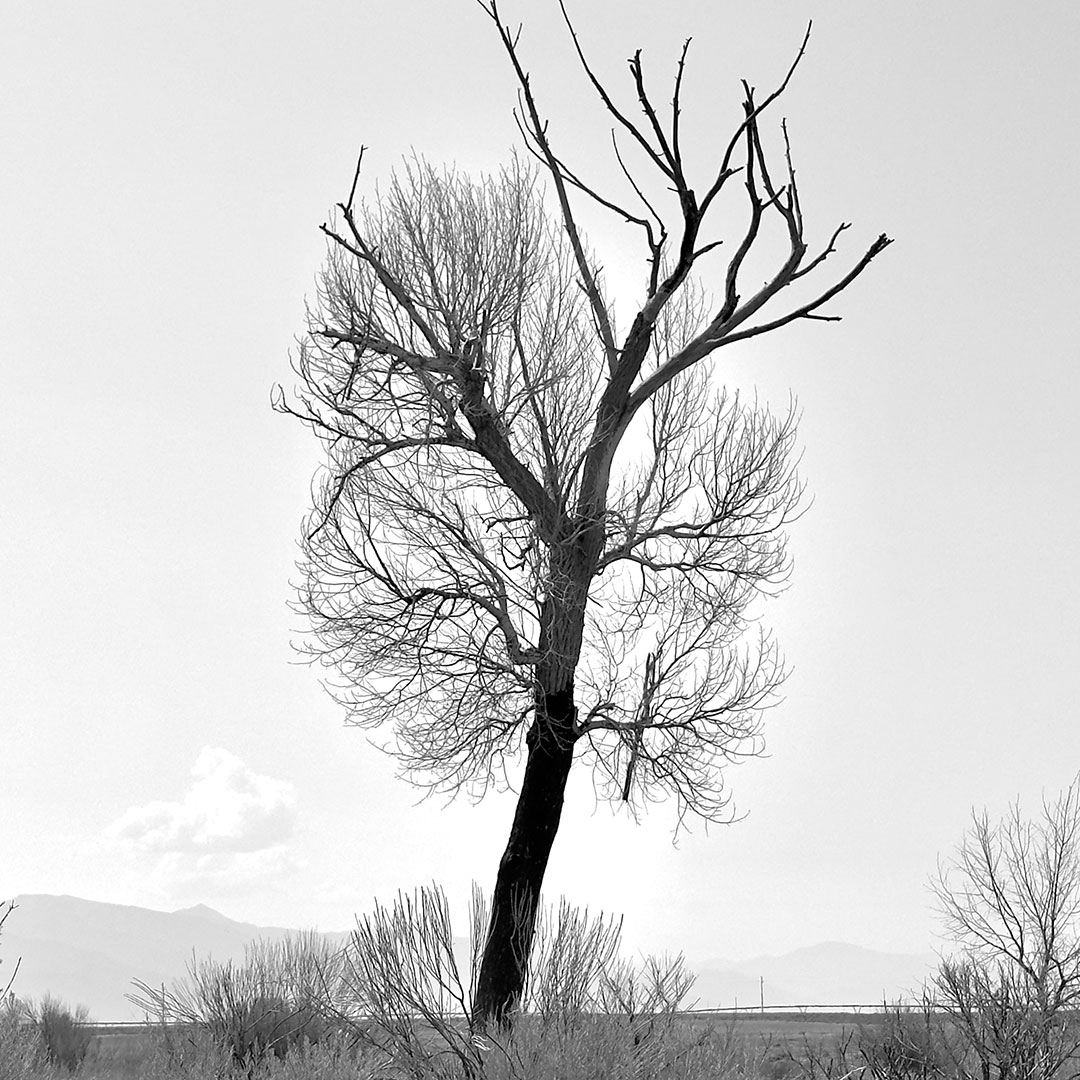
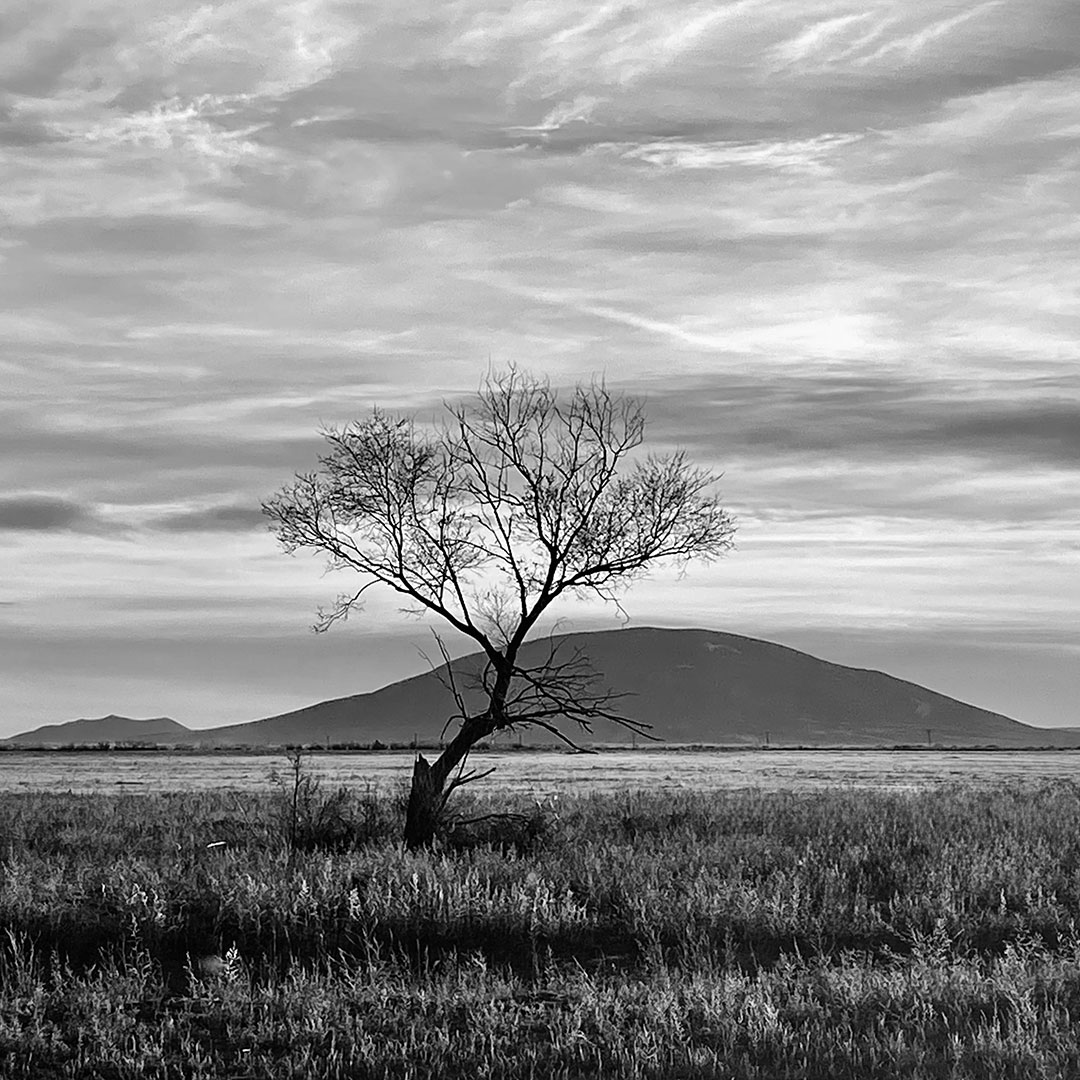
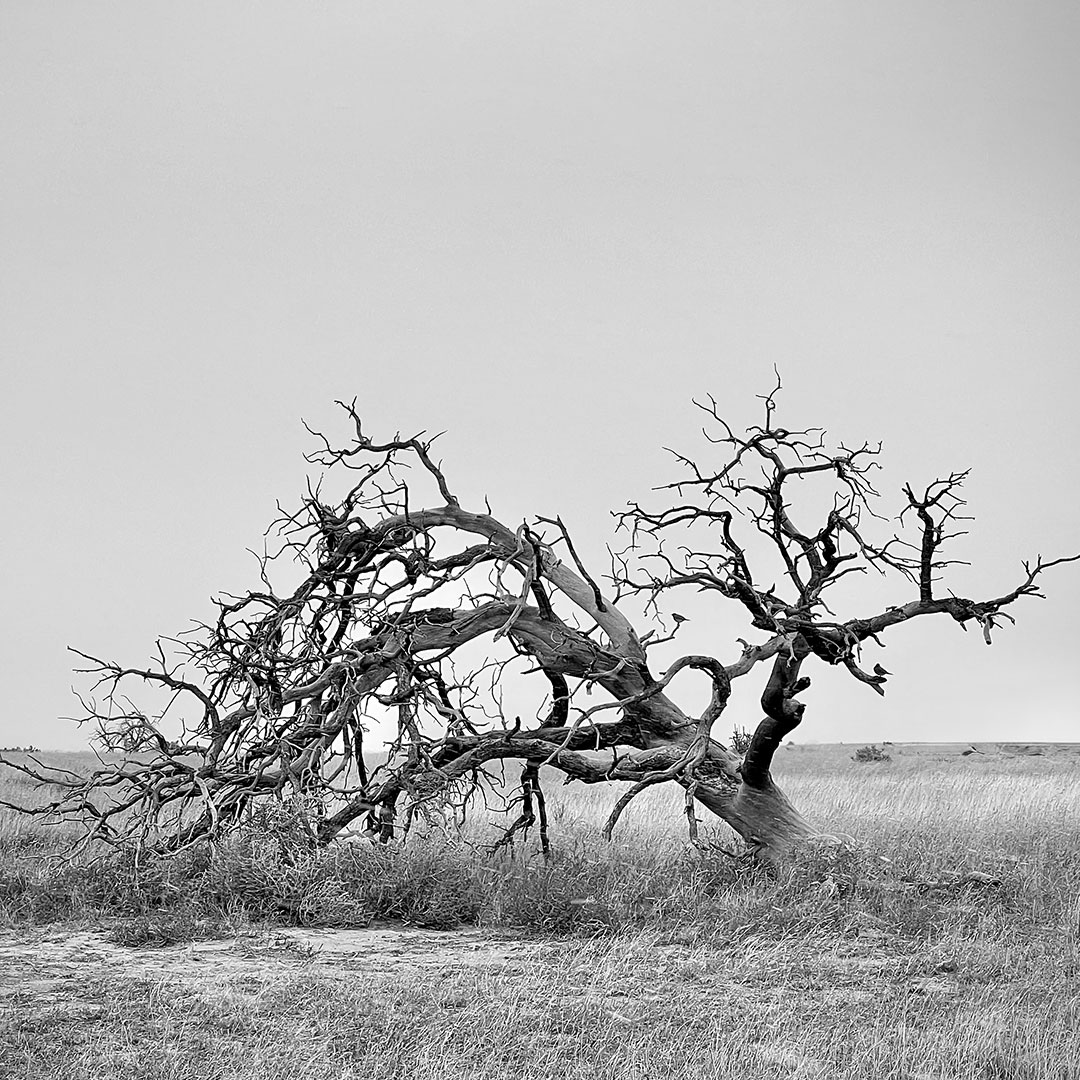
Hello from San Cristobal, New Mexico. This week more trees for the Taos Artist Combo V show at the Stables Gallery in downtown Taos, NM. From last week’s post on Lone Trees, I pulled more tree images from my archives and created a large composite on canvas. I printed it to a manageable 20″ x 46″ size, this morning, but it could occupy a much larger canvas or paper print.
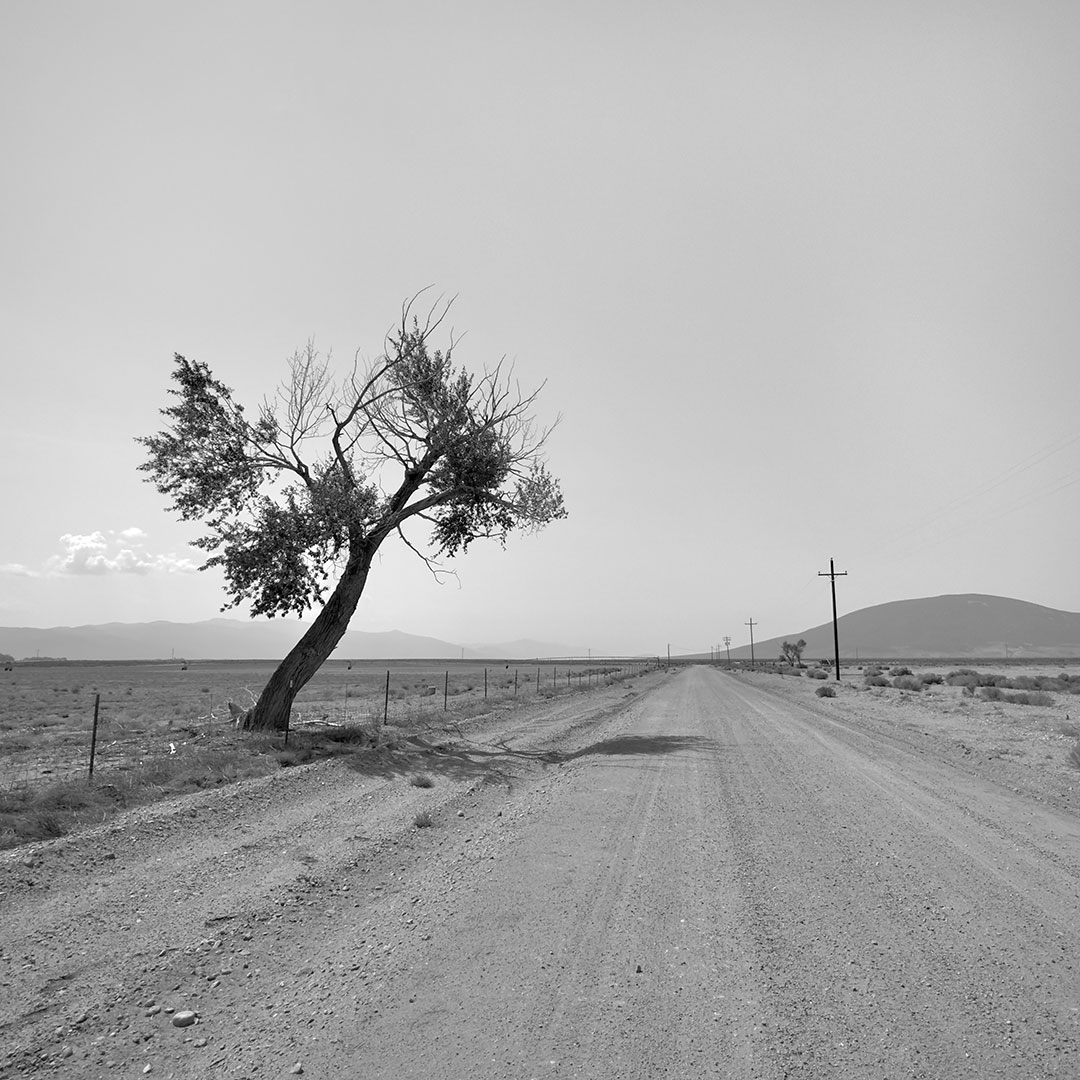
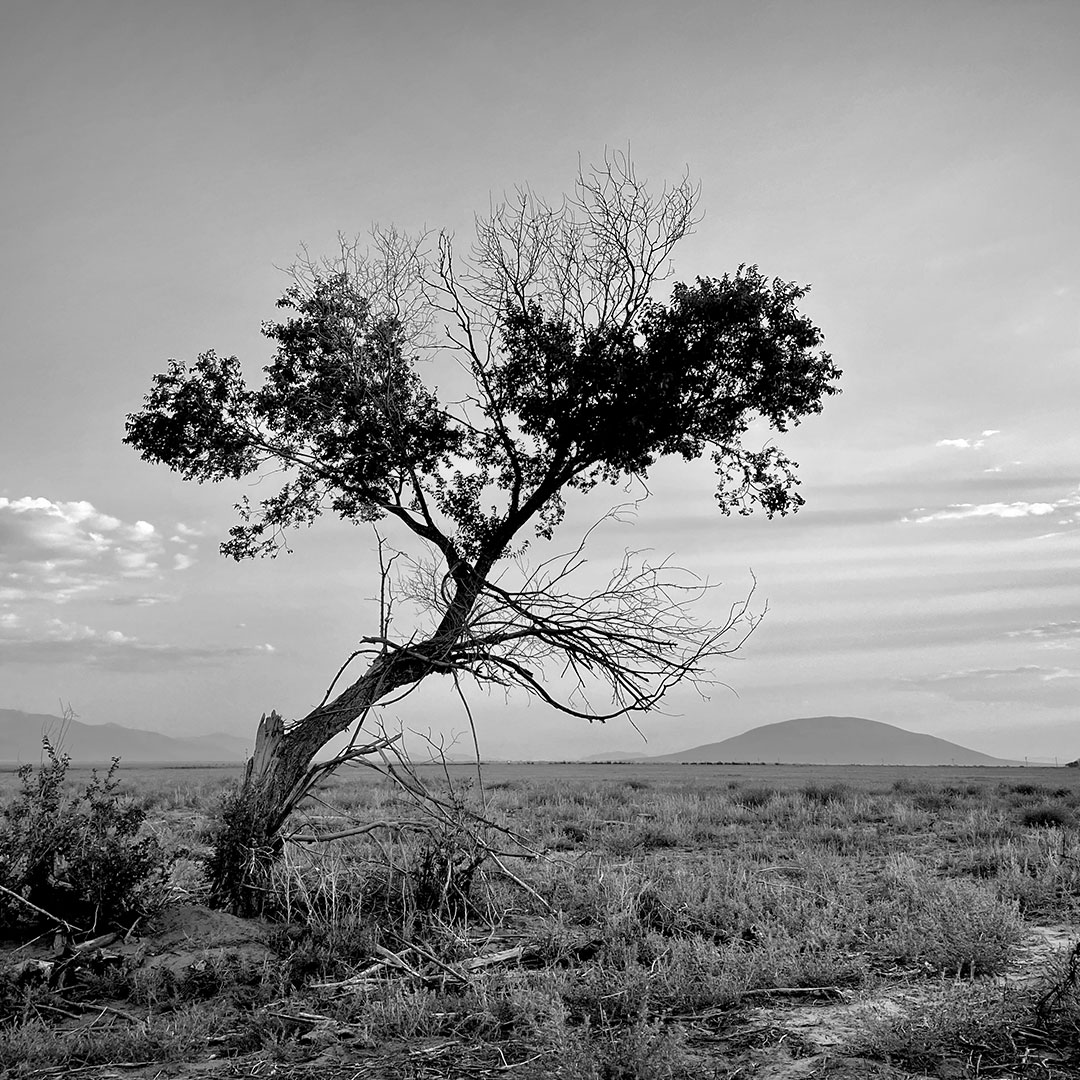
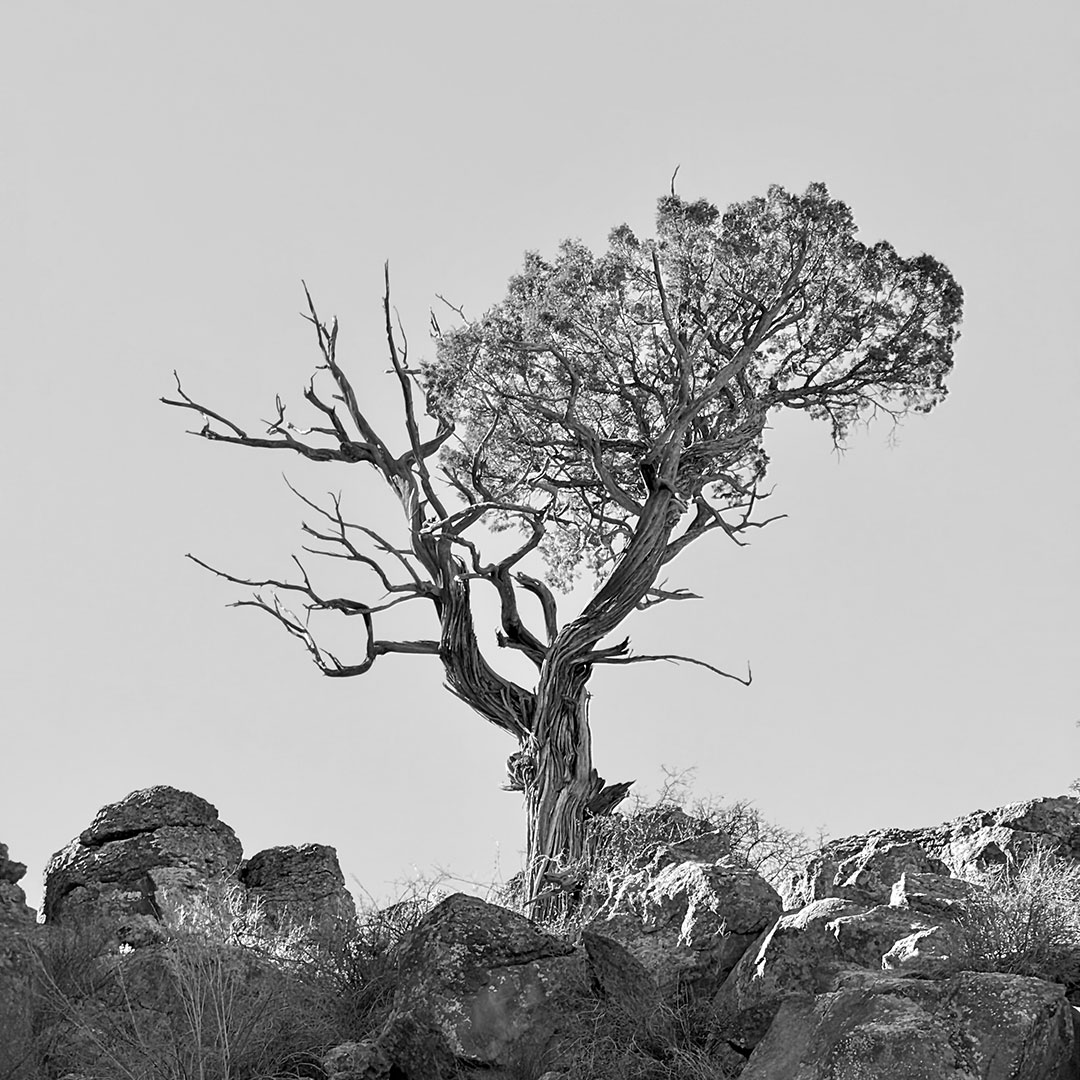
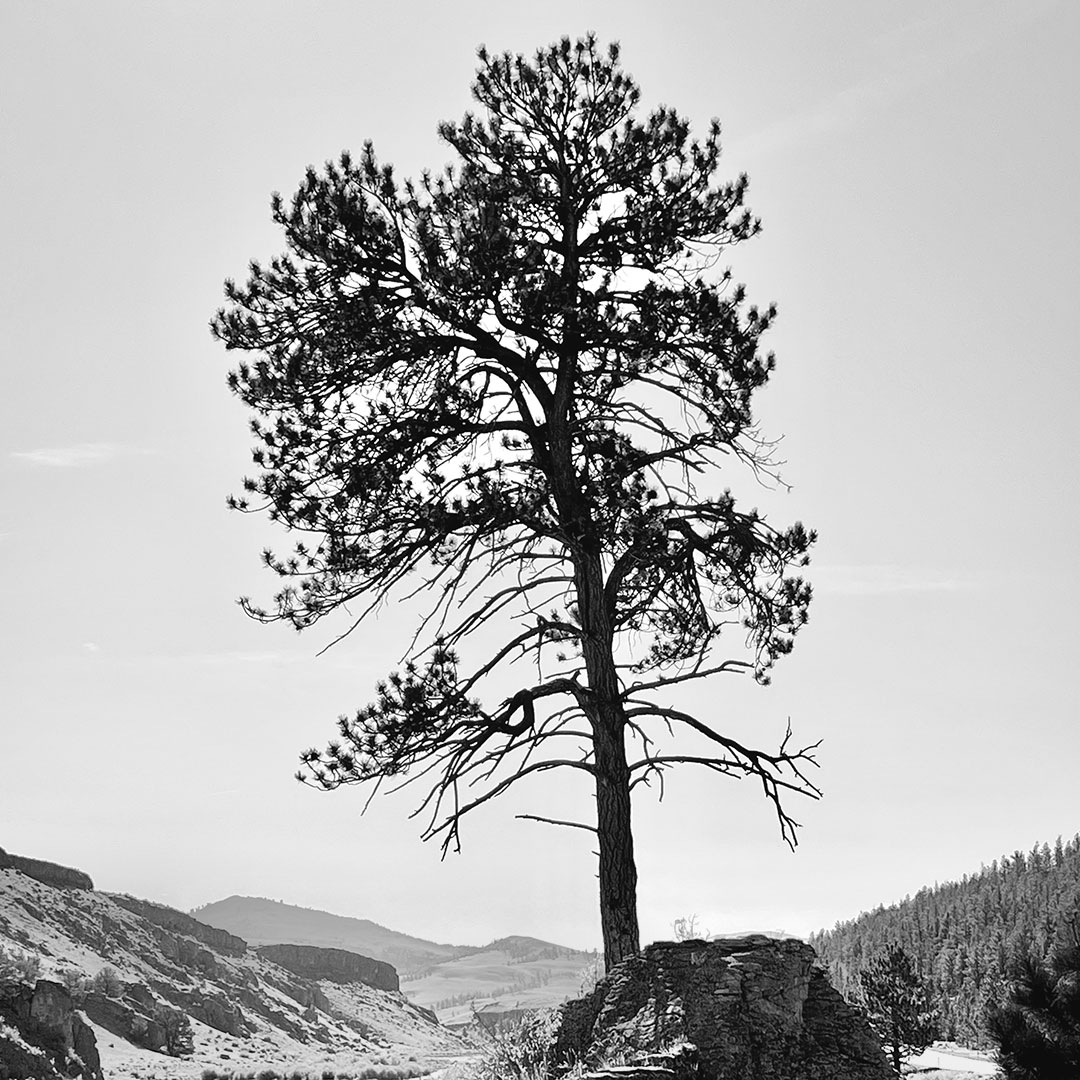
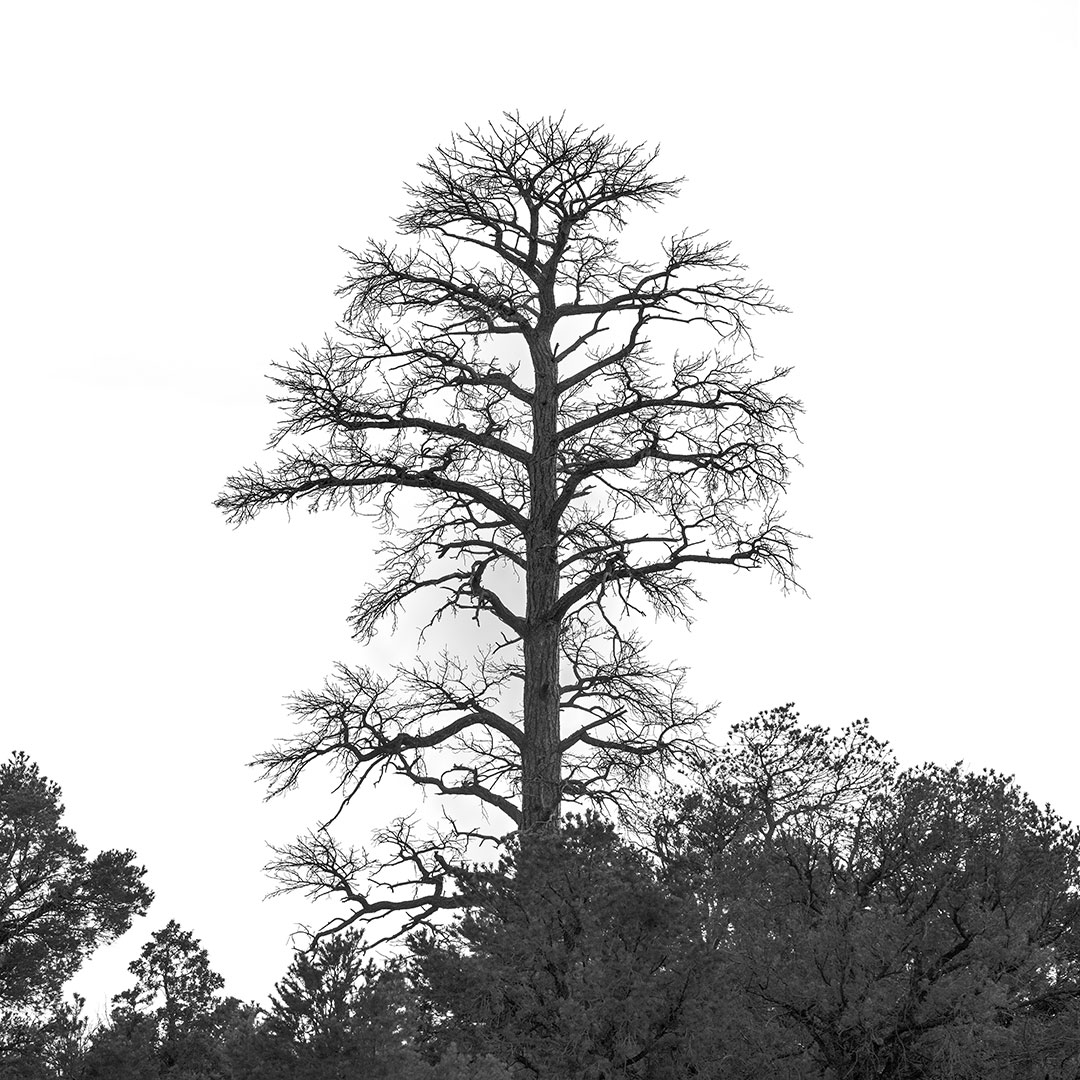
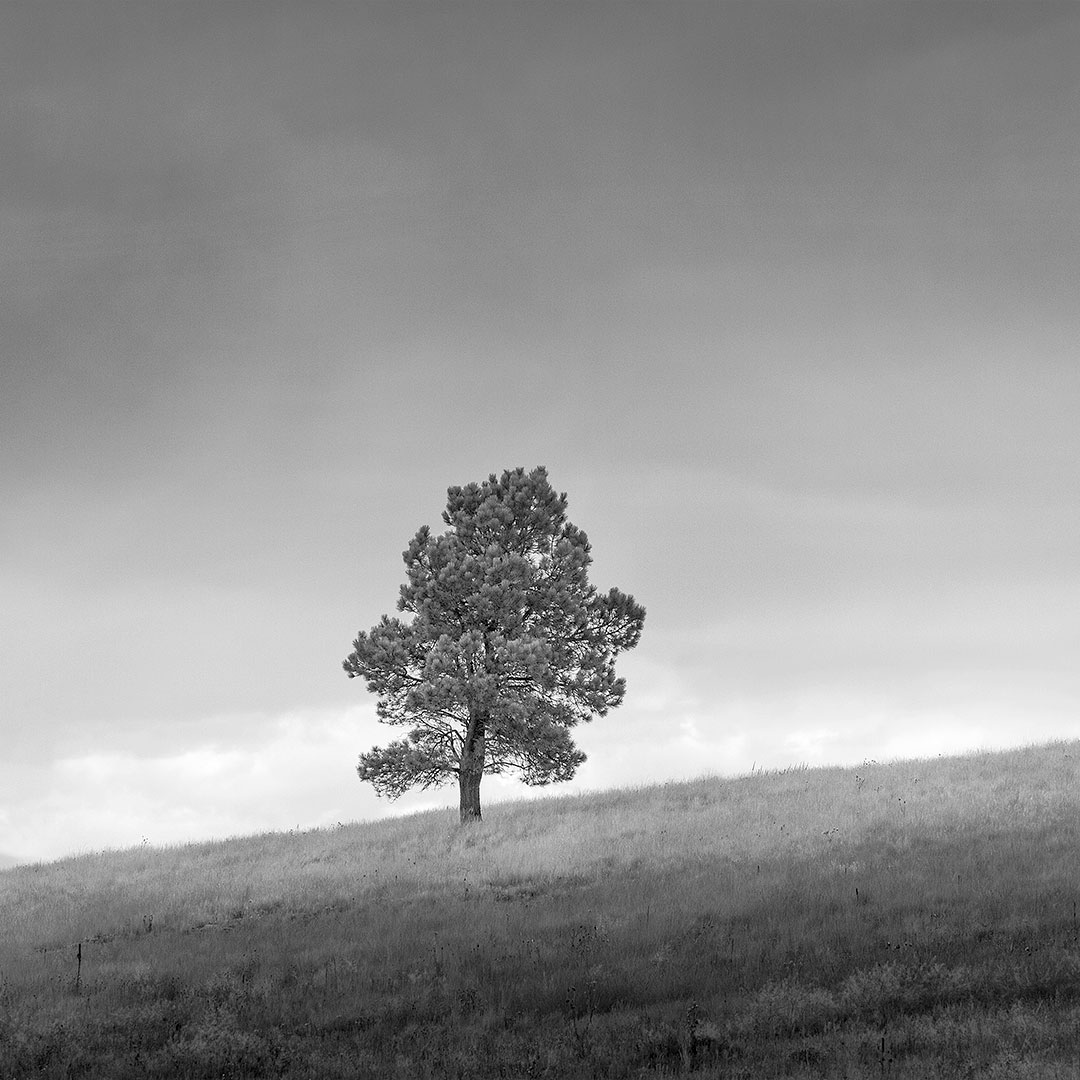
Lone trees from around northern NM.
•
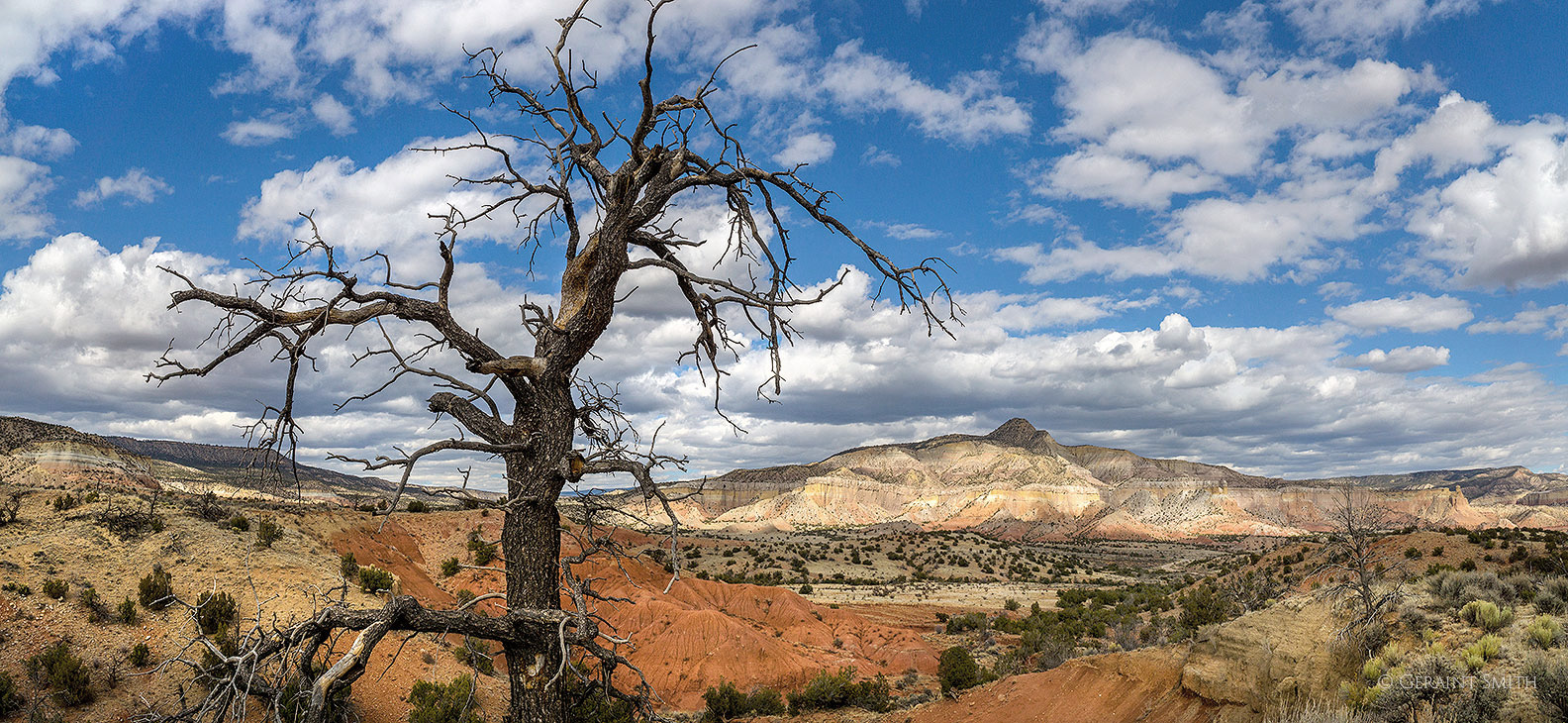
I wanted to include the tree in the following picture taken at near Ghost Ranch, but it had fallen down. I may still find another view of it deeper in the archives.
Tree and red landscape near Ghost Ranch, NM
•
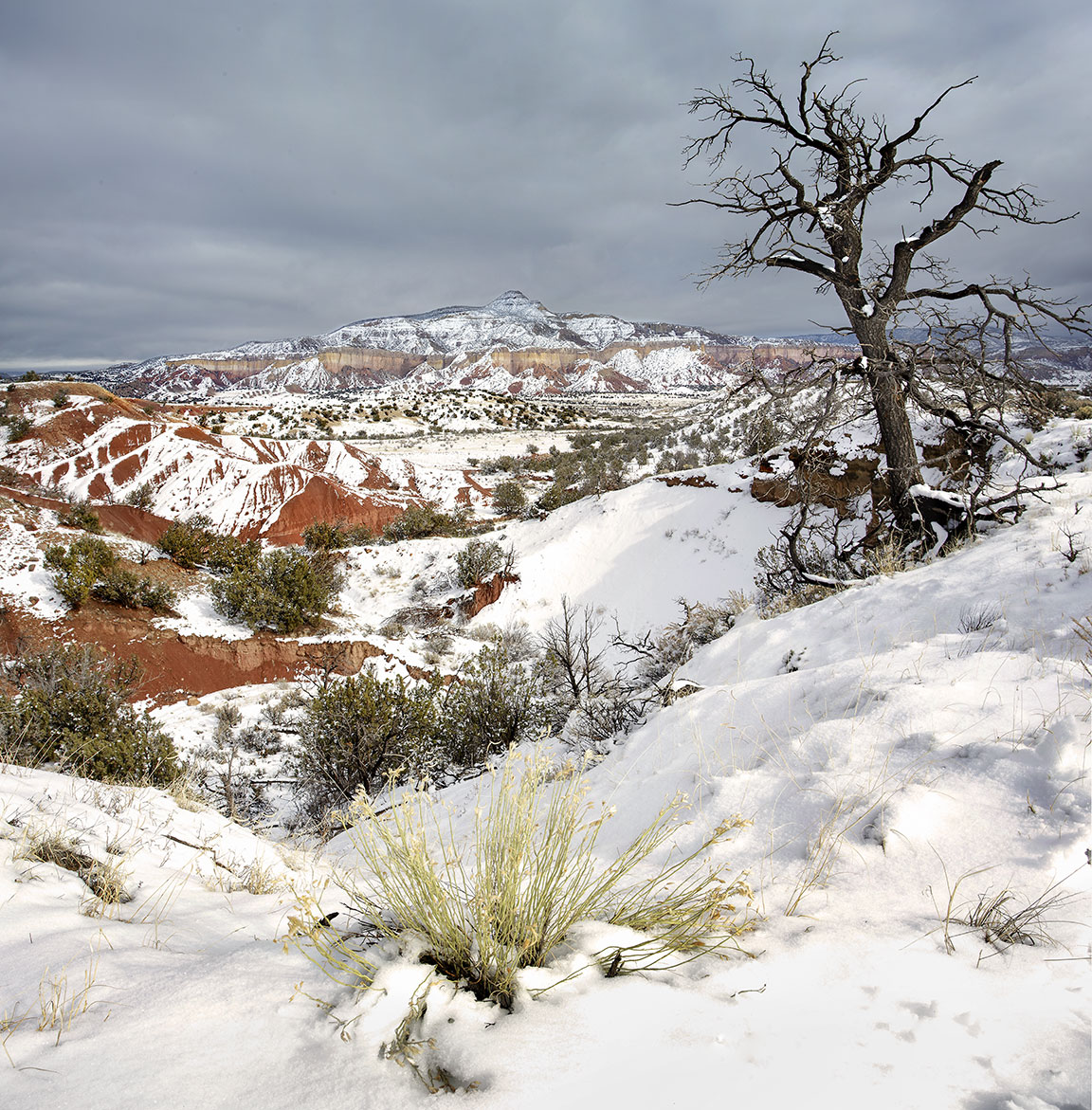
I did find the following image from 2015 taken on a winter photo trek to Abiquiu and the Rio Chama.
Winter on the Chama River road near Ghost Ranch, NM.
•
Taos Artist Combo V Exhibit & Sale. Stables Gallery, 133 Paseo del Pueblo Norte, Taos, NM 87571 October 9 – 11: Artist Reception, Friday October 9, 5-7PM
Check out my good friend and collector , Larry Hollars’s bird photography on instagram @ornithography_weekly Larry and I have made many excursions photographing the landscape, towns, villages and backroads of northern New Mexico and southern Colorado. Let me know if you’d like to sign up for his weekly birding email or follow him on instagram.
Greetings from Taos. This week, a little promotion of two upcoming Taos Autumn shows. Or… if you prefer, Fall shows. If you are fortunate enough to be in the Taos area over the next month, it would e great to see you.
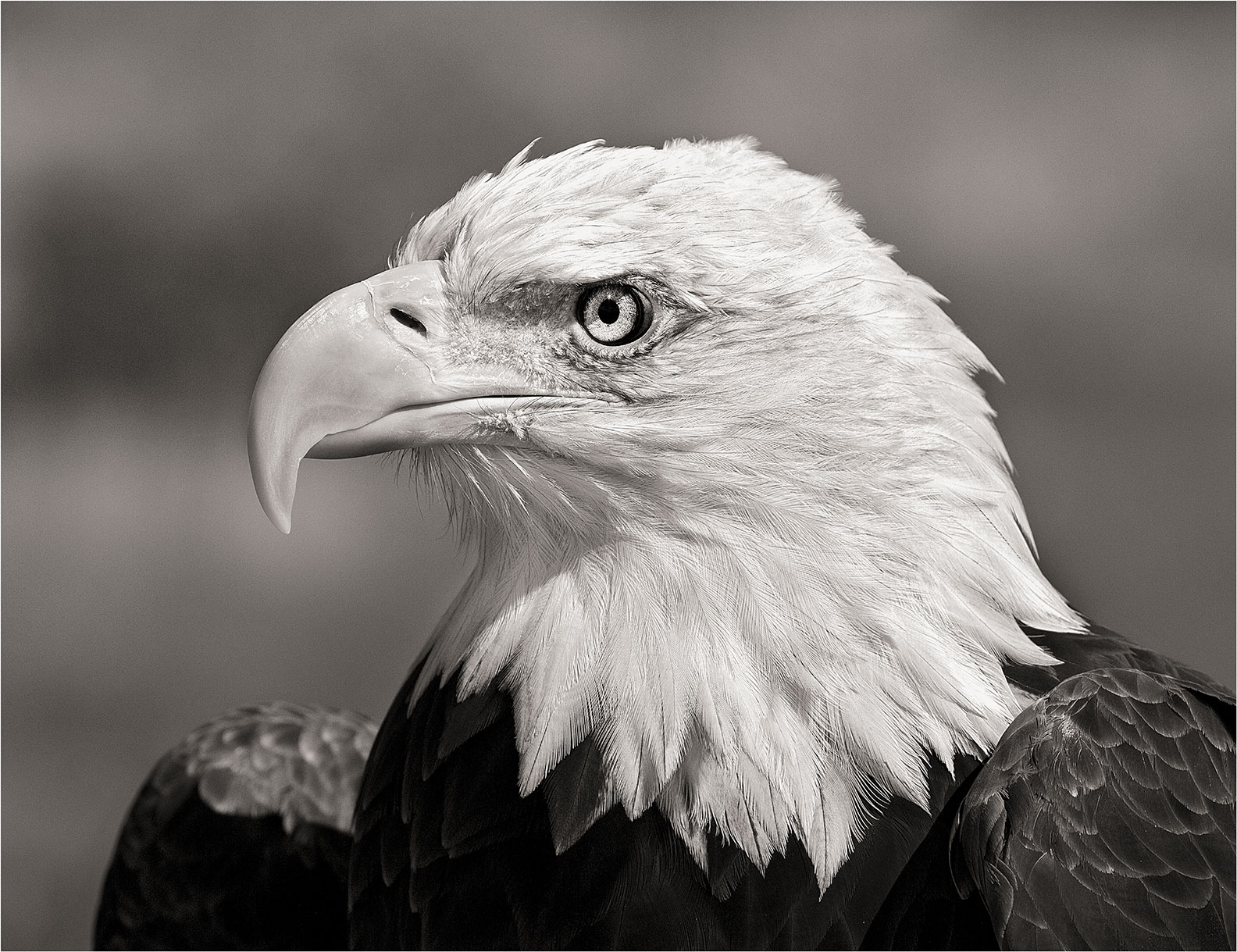
The Taos Fall Arts Show is back on after a short hiatus. I’m honored to be one of numerous invited artist and will be exhibiting an earlier piece of work, my “Bald Eagle Portrait”.
September 18 – October 4, 2026
Taos Fall Arts Festival is pleased to announce the 2026 return of a celebration of visual arts and artists in Taos County! Exhibitions will be shown in 3 historic locations: Historic Courthouse on Taos Plaza, Tuesday Moring Building, and the US Bank Building. All venues are located on or around the Taos Plaza
Taos Fall Arts submission – Bald Eagle Portrait, Max –
And the second show, Taos Artist Combo V. I’m honored to be part of this most excellent show joining the other outstanding artists.
Taos Artist Combo V Exhibit & Sale. Stables Gallery, 133 Paseo del Pueblo Norte, Taos, NM 87571 October 9 – 11: Artist Reception Friday October 9, 5-7PM
Ghost Chairs – 12″ x 12″ – Photography, Archival Print
•
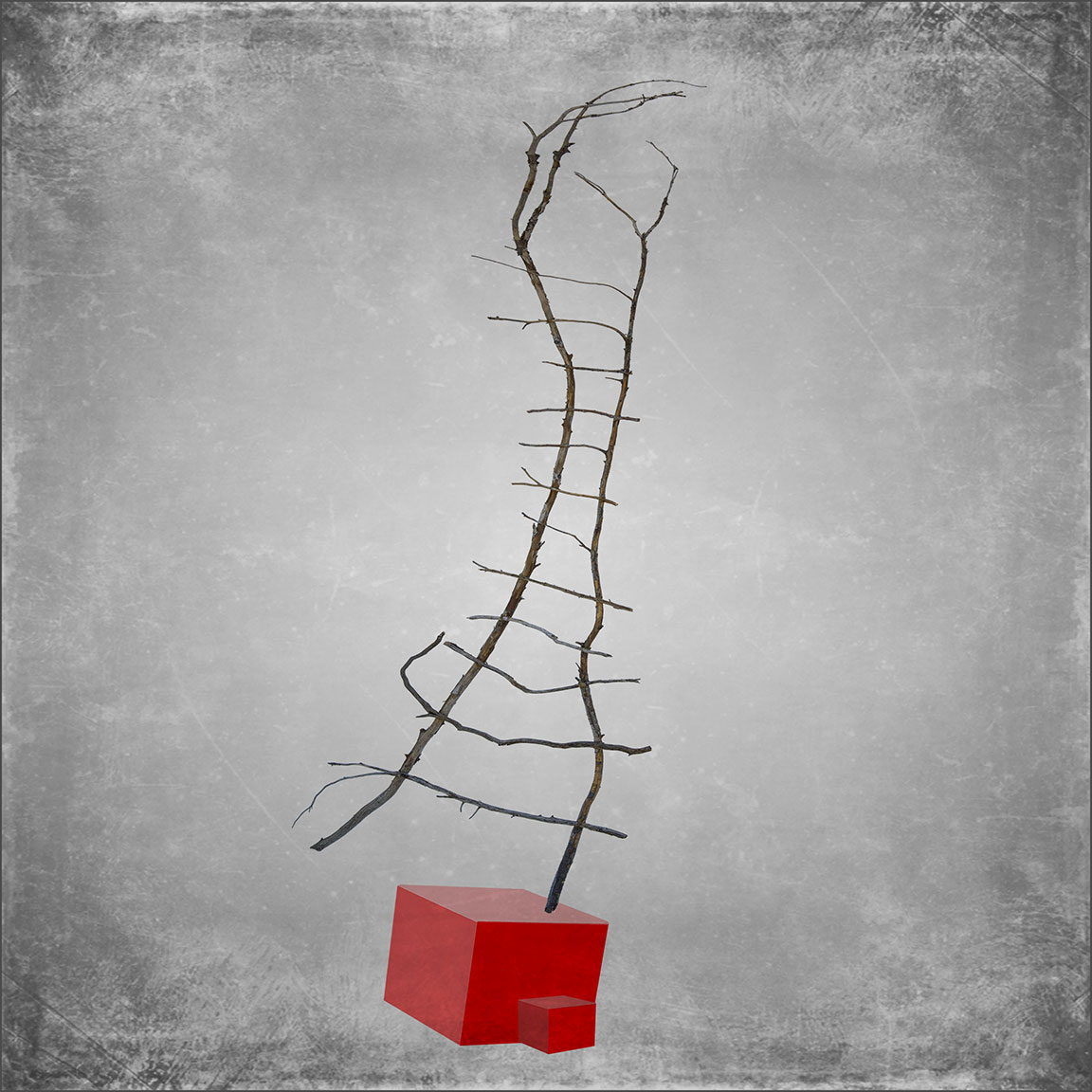
Dancing Magpie Ladder series Part 2, “Red Pedestal”. Photography, Archival Print
Featuring: Nina Anthony, Frederick Aragon, Sara Jean Gray, Cindy Grossman, Mark Jackson, Randall LaGro, Misty Rene’ Lucien, Rob Nightingale, Margery Reading, George Schaub, Doug Yeager, and myself.
Gallery Open: Oct 9, 12-7PM • Sat Oct 10, 12-5PM • Sun Oct 11 12-4PM
•
I hope your are able to join us. I look forward to seeing you.
As always thanks for looking. Thank you for all the comments and compliments. Have a great week. G
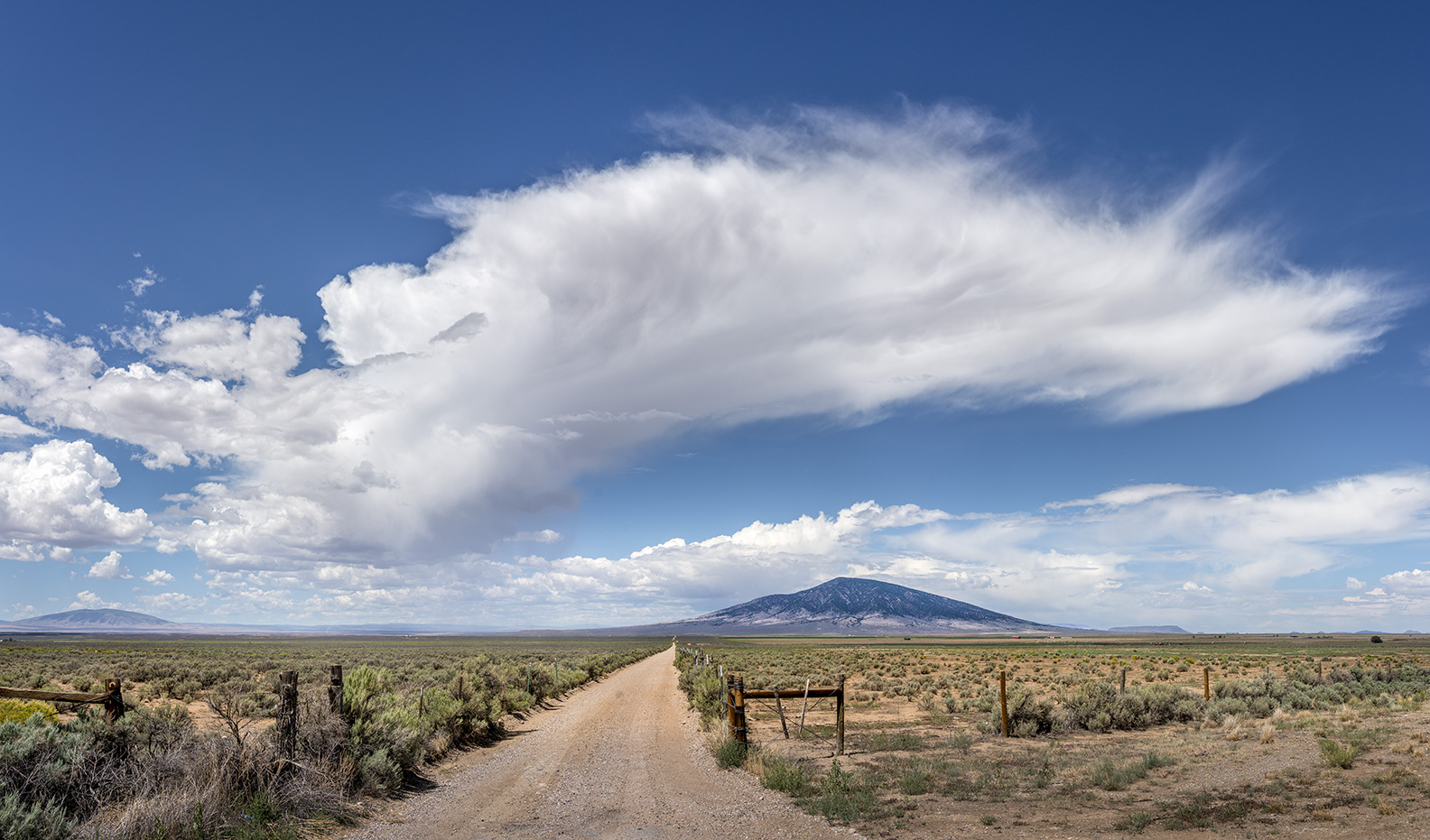
This week, a three-day photo trek. Day two was spent around Ute Mountain, the anchor peak of the San Luis Valley. It can be seen from just about everywhere in the Valley. The weather did not disappoint. Infact all three days were special. I hope everyone had a good week in your part of the world.
When the sun broke through the clouds that morning.
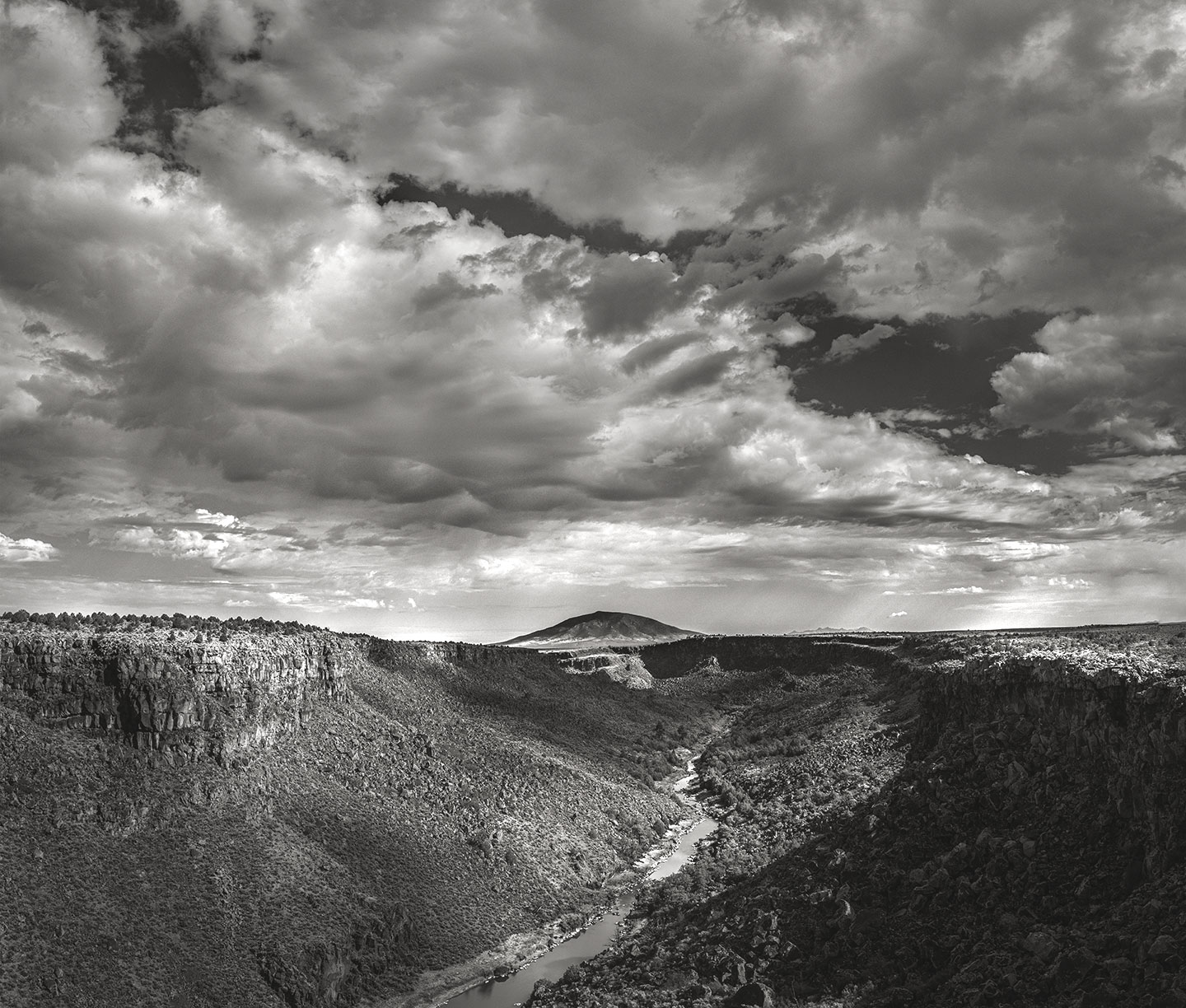
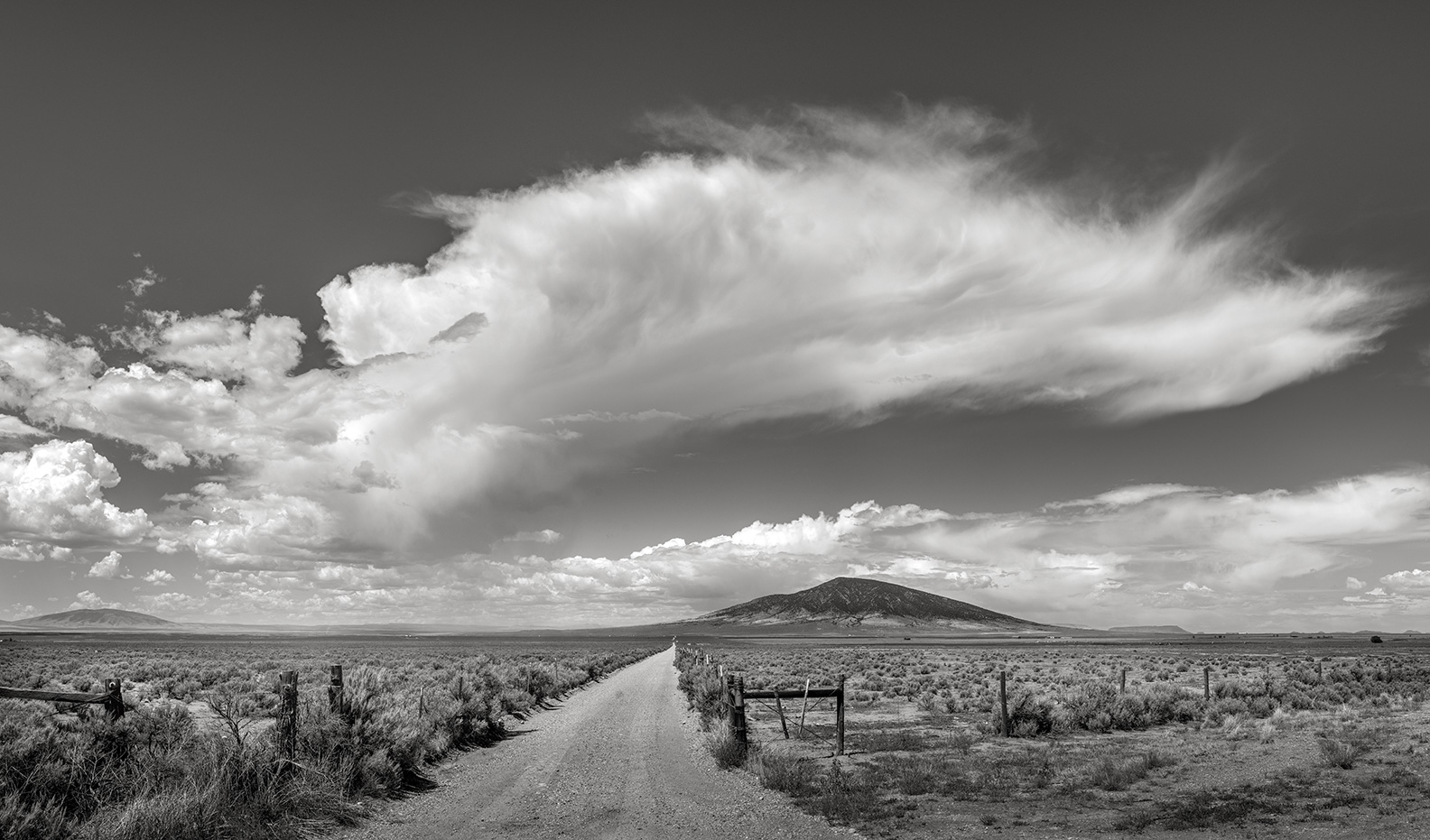
Looks good in black and white, it was that kind of day.
Ute Mountain road and cloud in black and white.
•
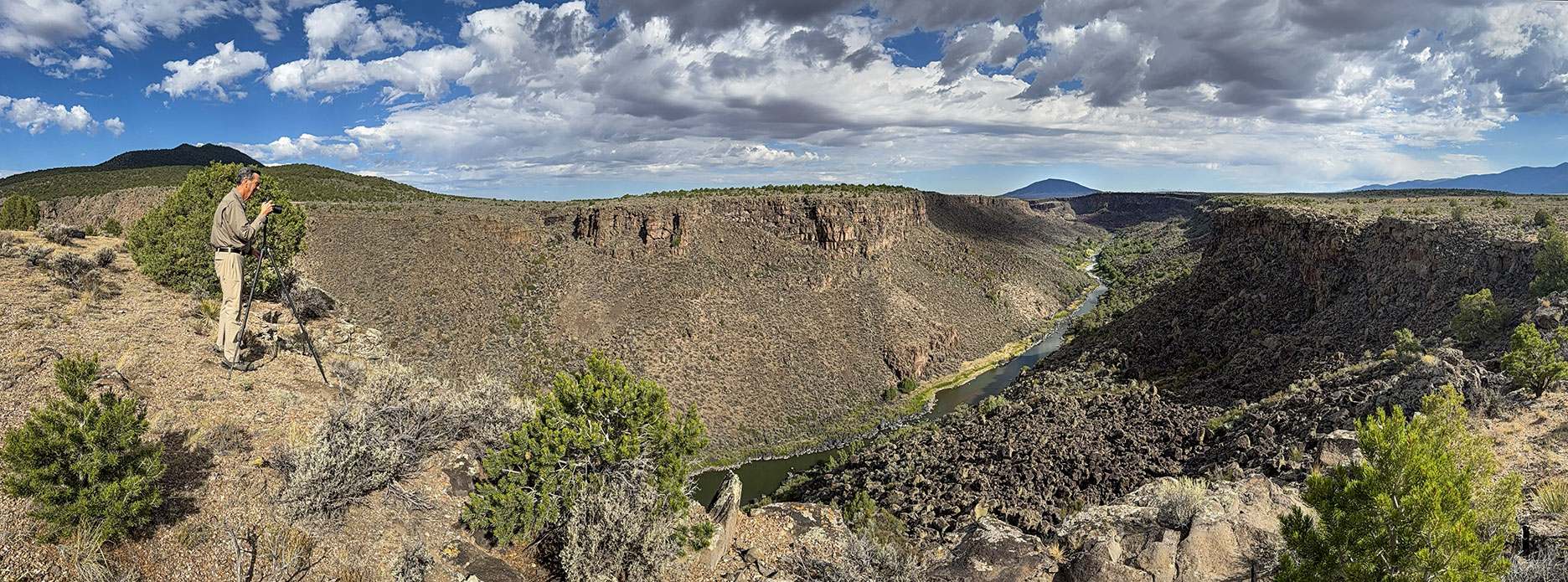
A panorama of the scene that morning with Larry setting up a composition. Larry Urquhart is a photographer from Brenham, Texas. Let me know if you’d like to join his email list. I’ll send an introduction, and you’ll see some outstanding work. He sends out an informative, picture driven, email every five or six weeks.
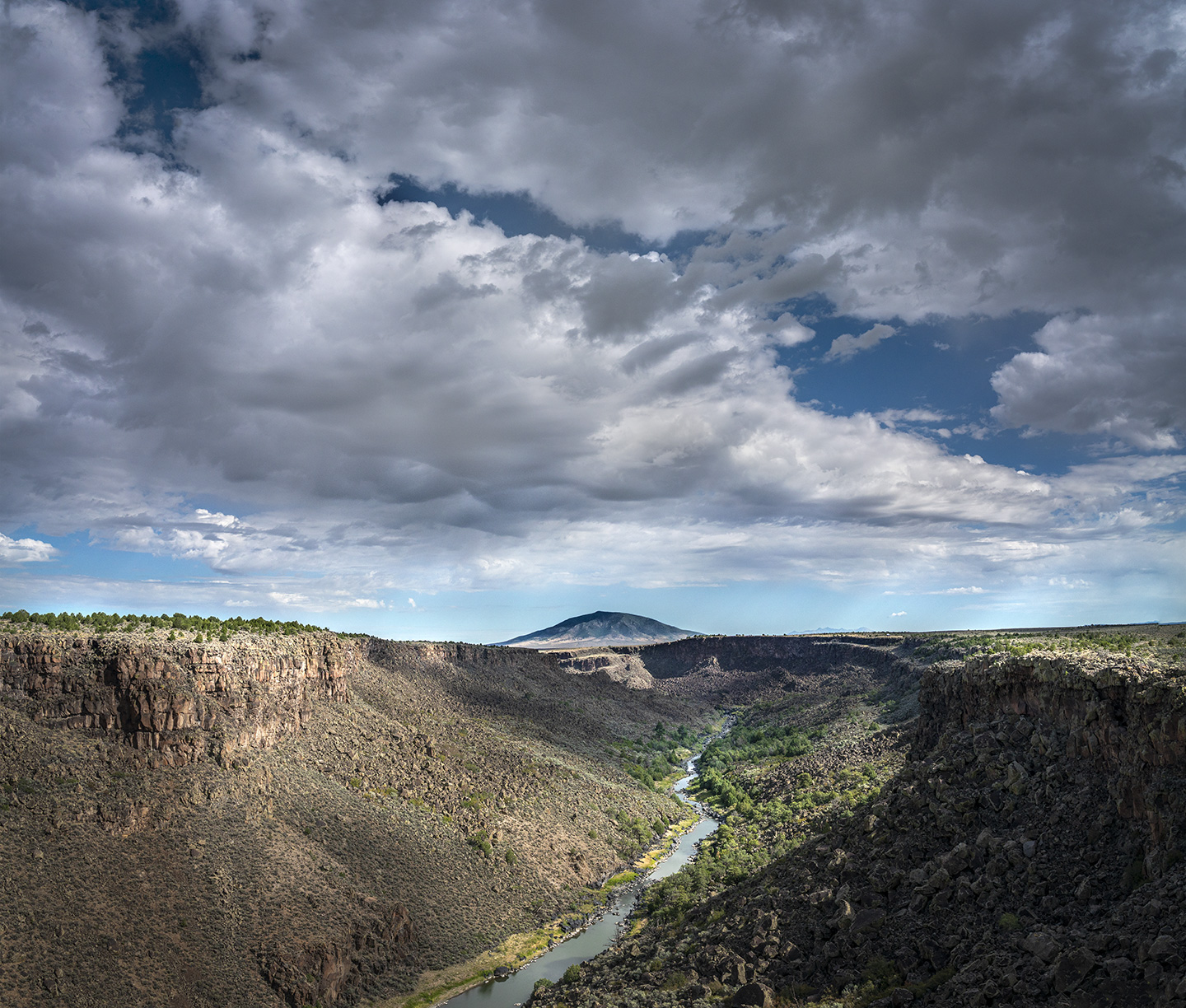
Sheep’s Crossing Overlook in Wild Rivers RA, with Ute Mountain.
•
Photo Trek, Photo Safari, Photo Tour or Photo Workshop, whatever you call it, join me and I’ll show you some wonderful, high desert locations.
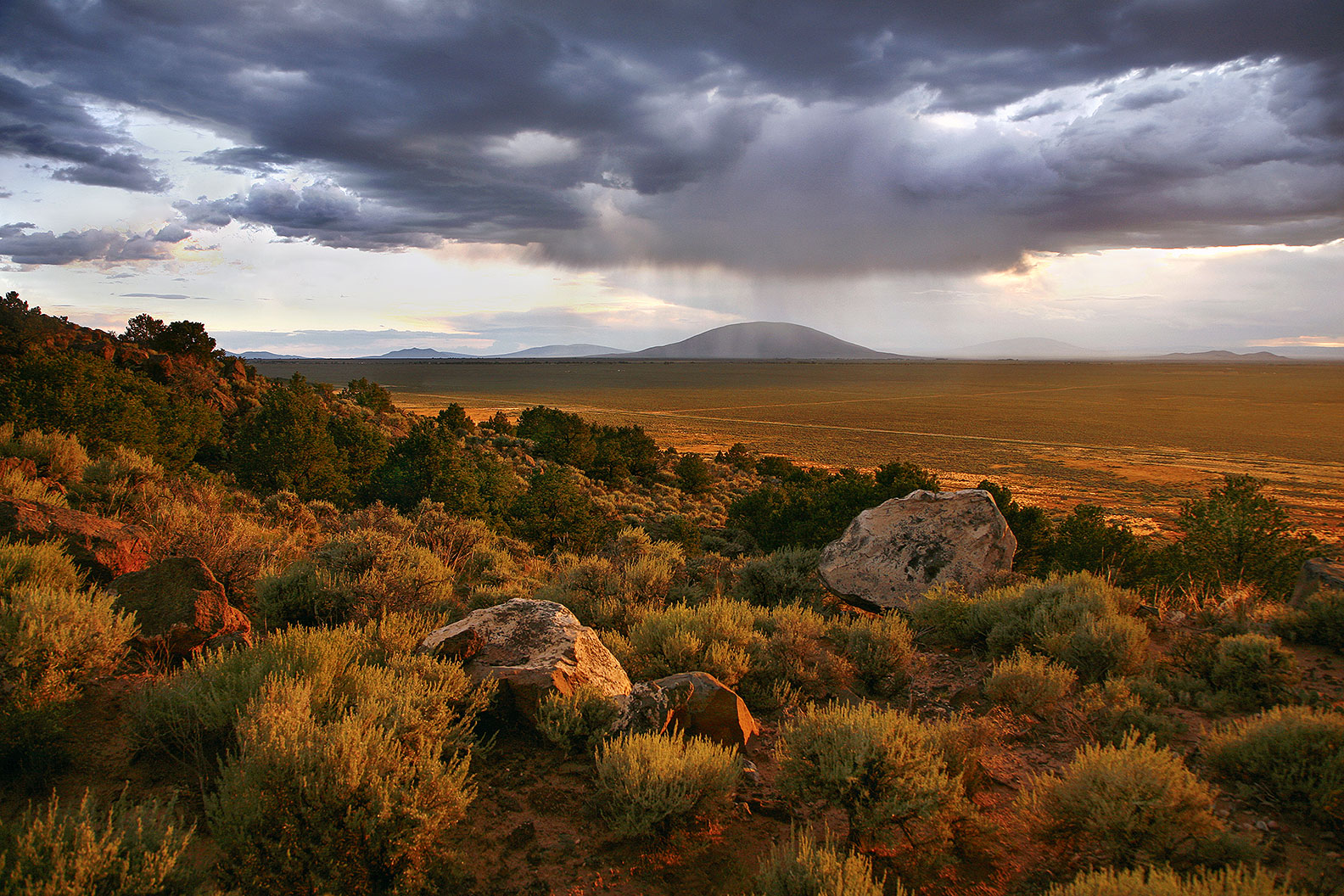
Ute Mountain, looking SW from Wild Horse Mesa, Colorado.
As always, thanks for looking. I hope you have a great week. G
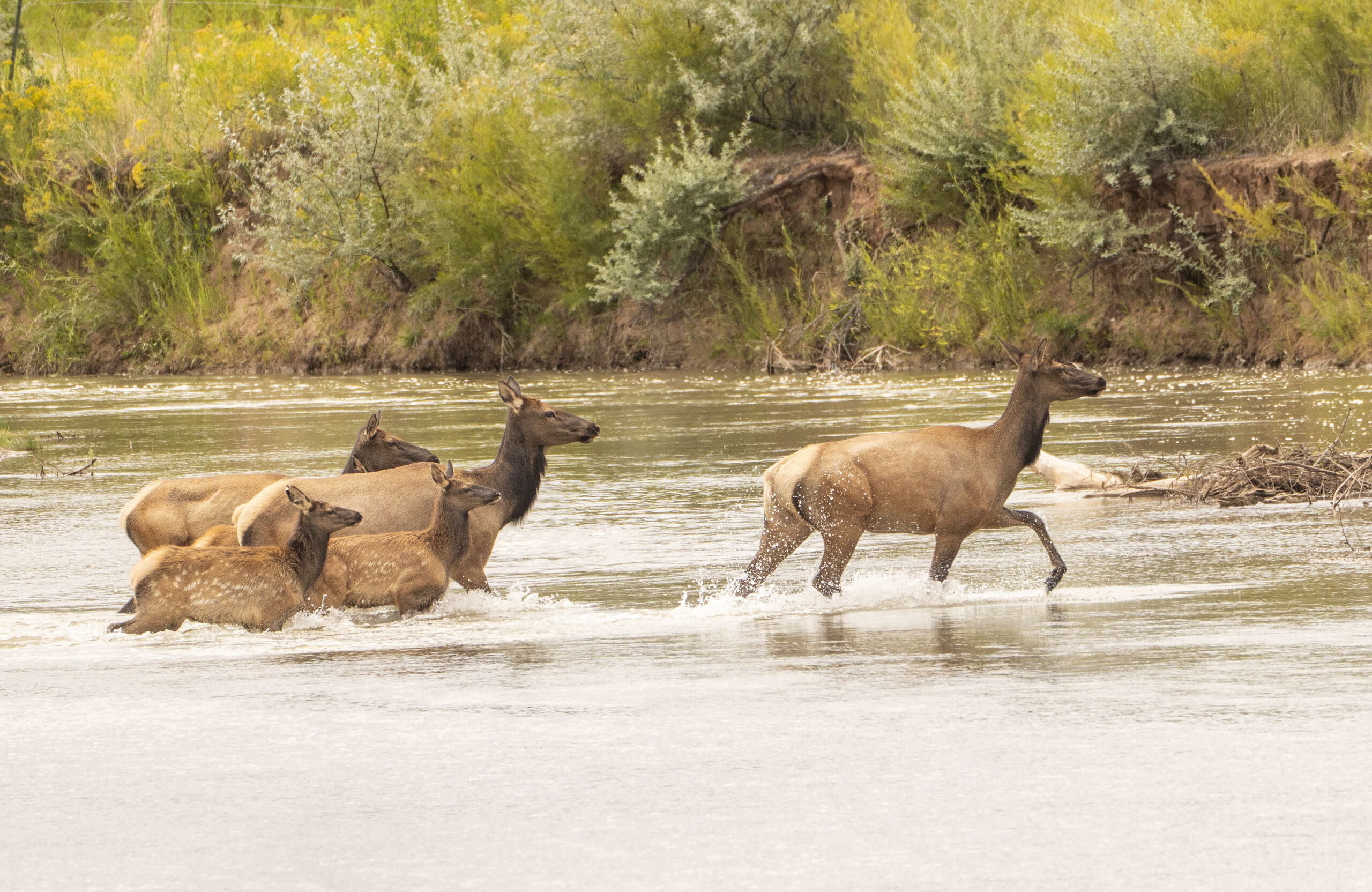
Greetings from New Mexico. This week, Elk, crossing the Rio Chama.
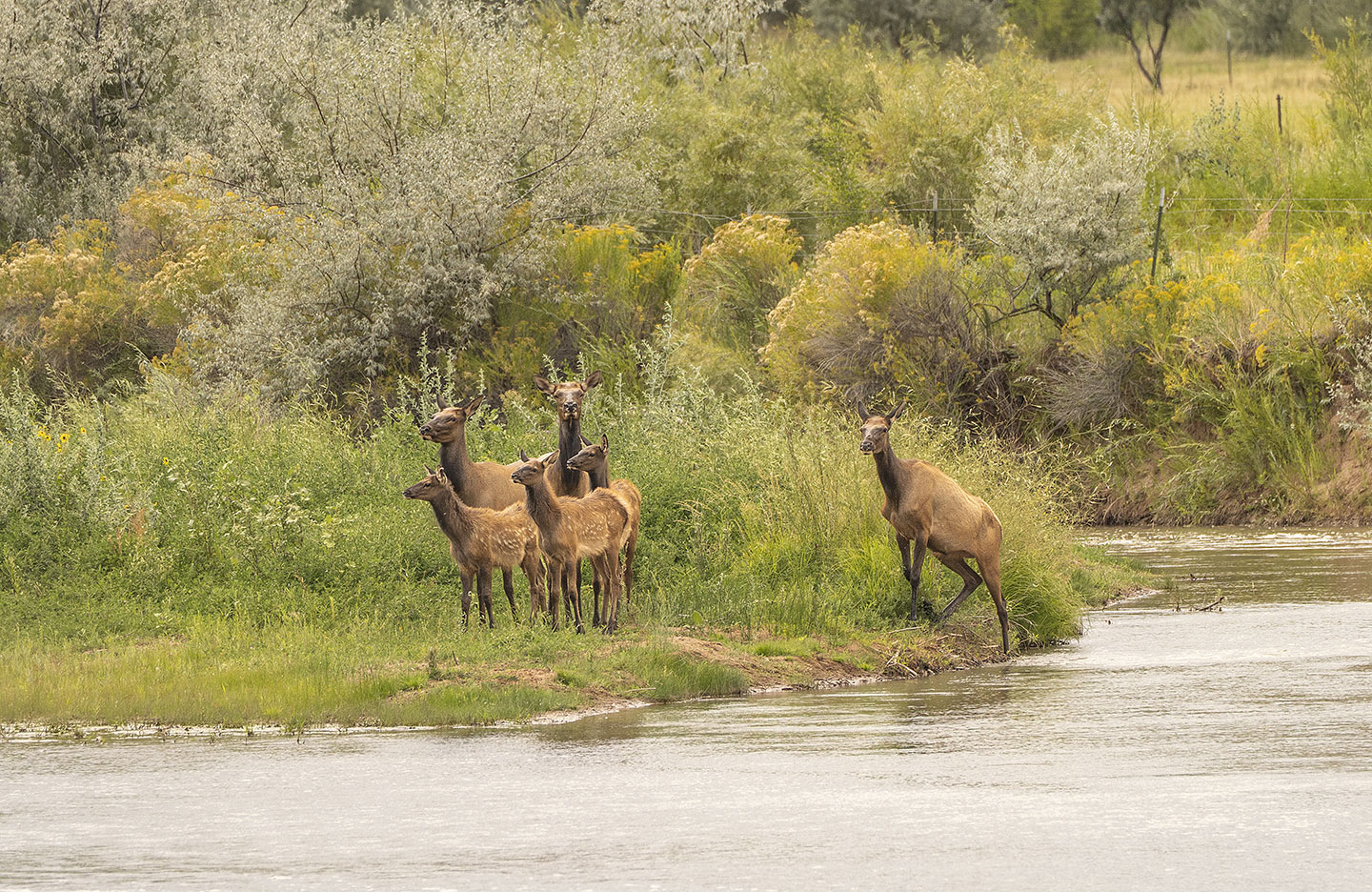
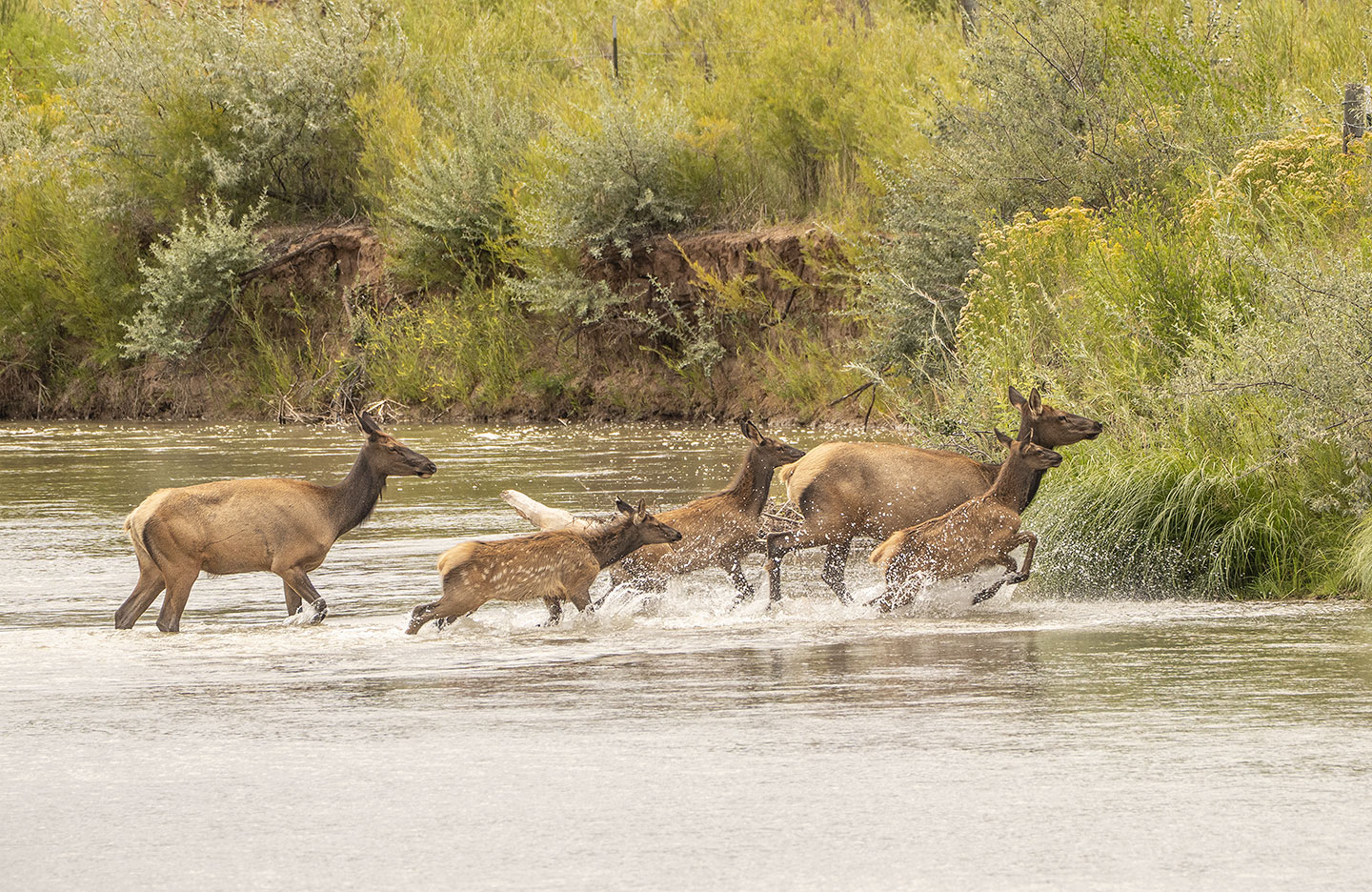
On the first day of our two day trip, Scott and I were just finishing up the day in Abiquiu and the Ghost Ranch area, with another stop on the Rio Chama. Upstream from the village of Abiquiu, rounding a bend in the road, I had a clear view, and was surprised to see elk in the river. One group promptly crossed, while the second group waited for us to get set up before crossing. I can’t really say for certain that they waited for us but it sure seemed like it.
Elk waiting to cross the Rio Chama in the village of Abiquiu, NM.
•
Crossing the Chama River.
•
The whole scene looked very refreshing for the elk. I stood in awe with reverence following the sight we had witnessed.
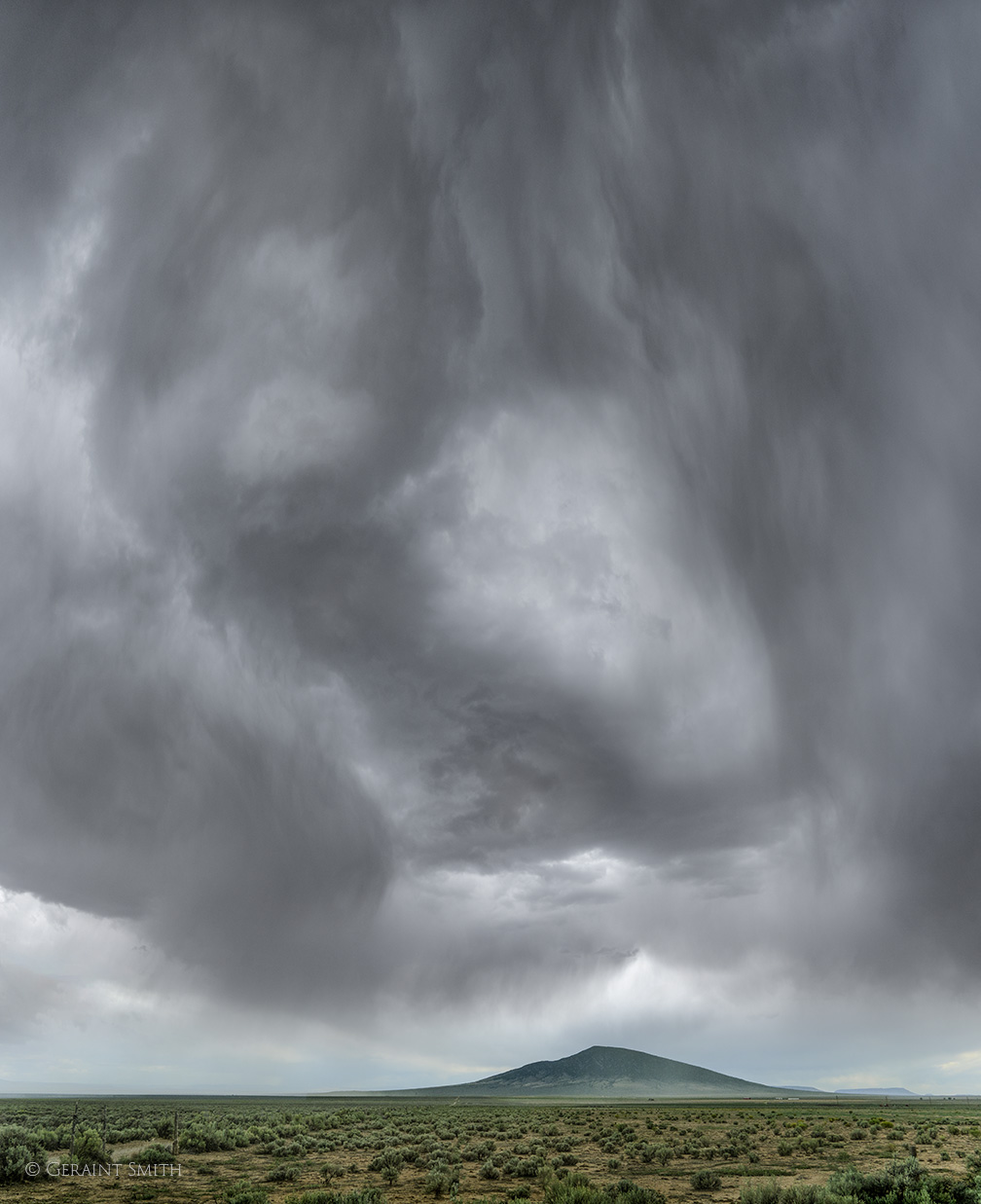
On the second day of our photo safari, we headed north to Ute Mountain and the San Luis Valley, always a favorite stop on a photo tour. Yes, the clouds unleashed heavy rain.
Storm clouds, Ute mountain, NM.
•
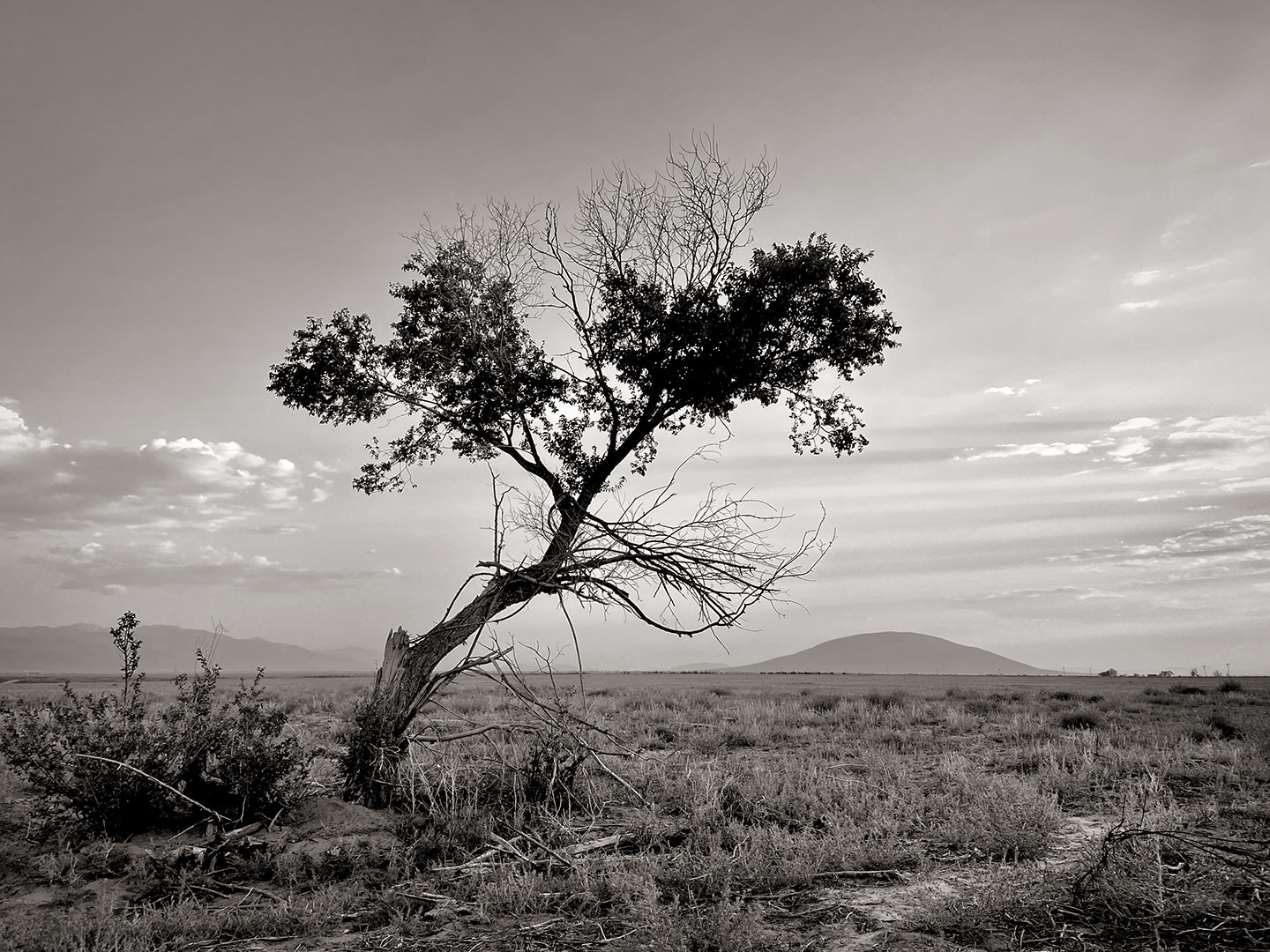
I went looking for this tree, in the photo below, thinking that five years later it may have grown some. It had only been deminished by loosing a couple of limbs, most certainly due to the high winds on the plateau. The tree is in Colorado, Ute Mountain is in New Mexico. Things change!
Greetings from Orilla Verde Recreation Area and the Rio Grande, in the Rio Grande del Norte National Monument. I hope everyone had a great week.
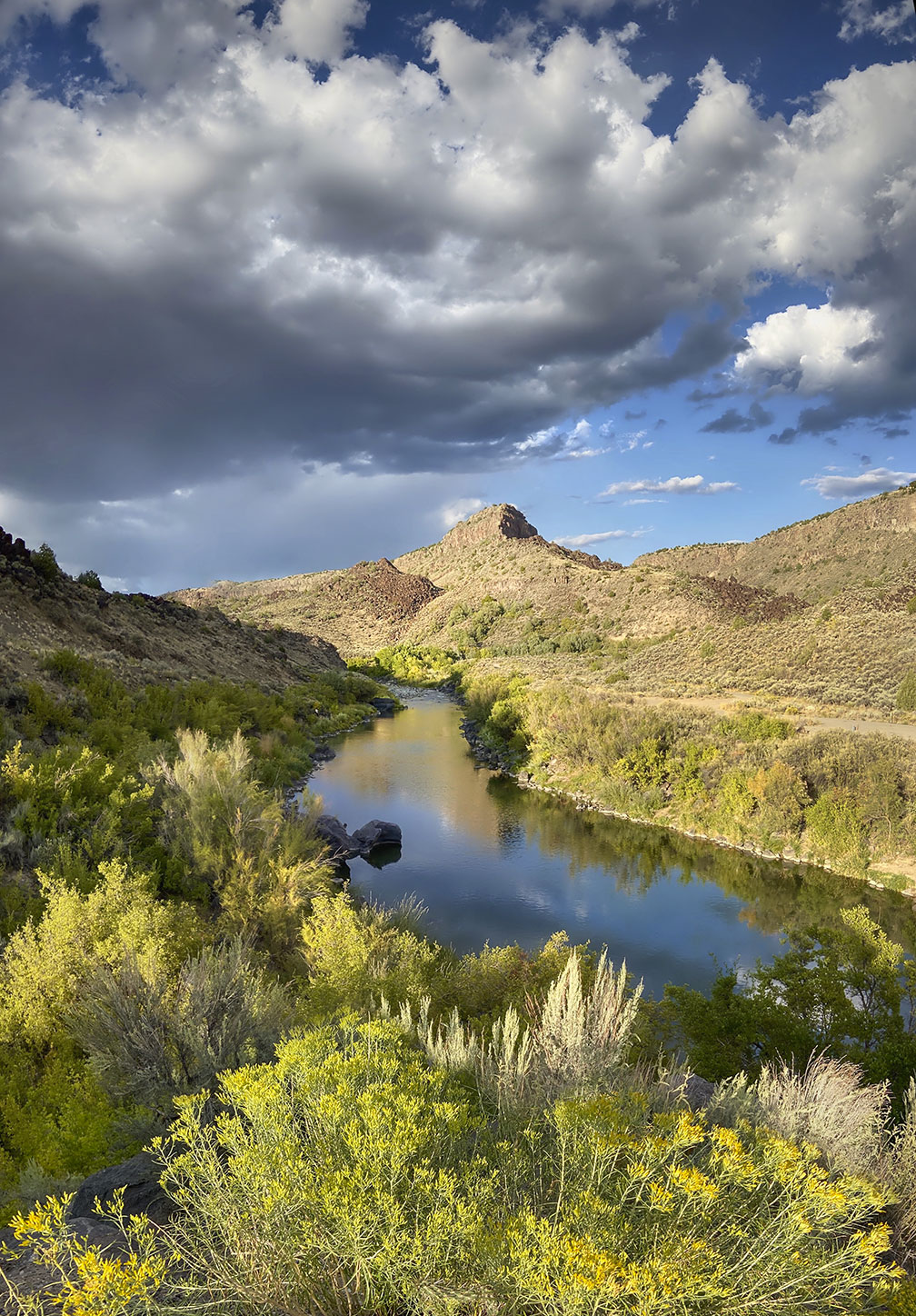
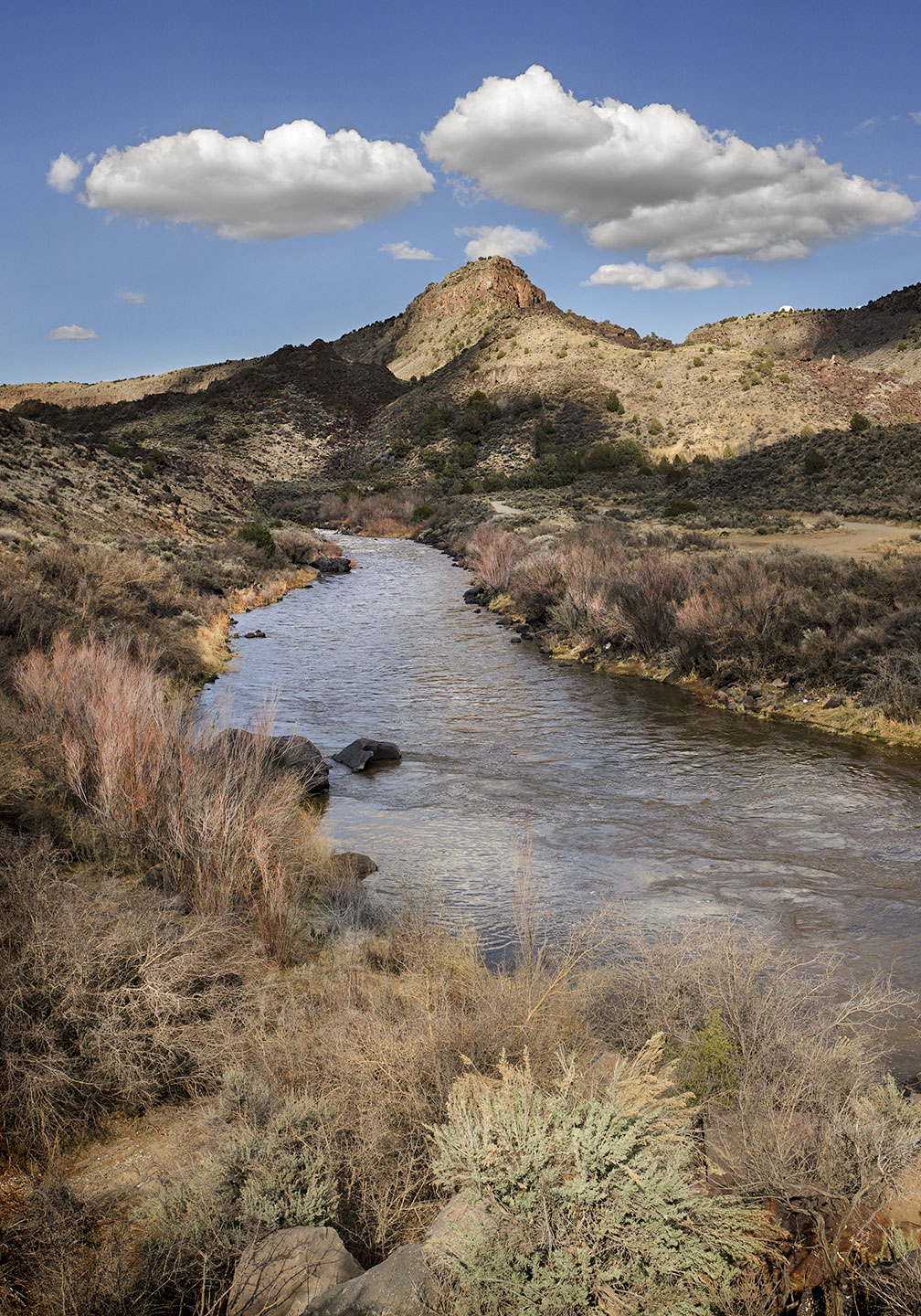
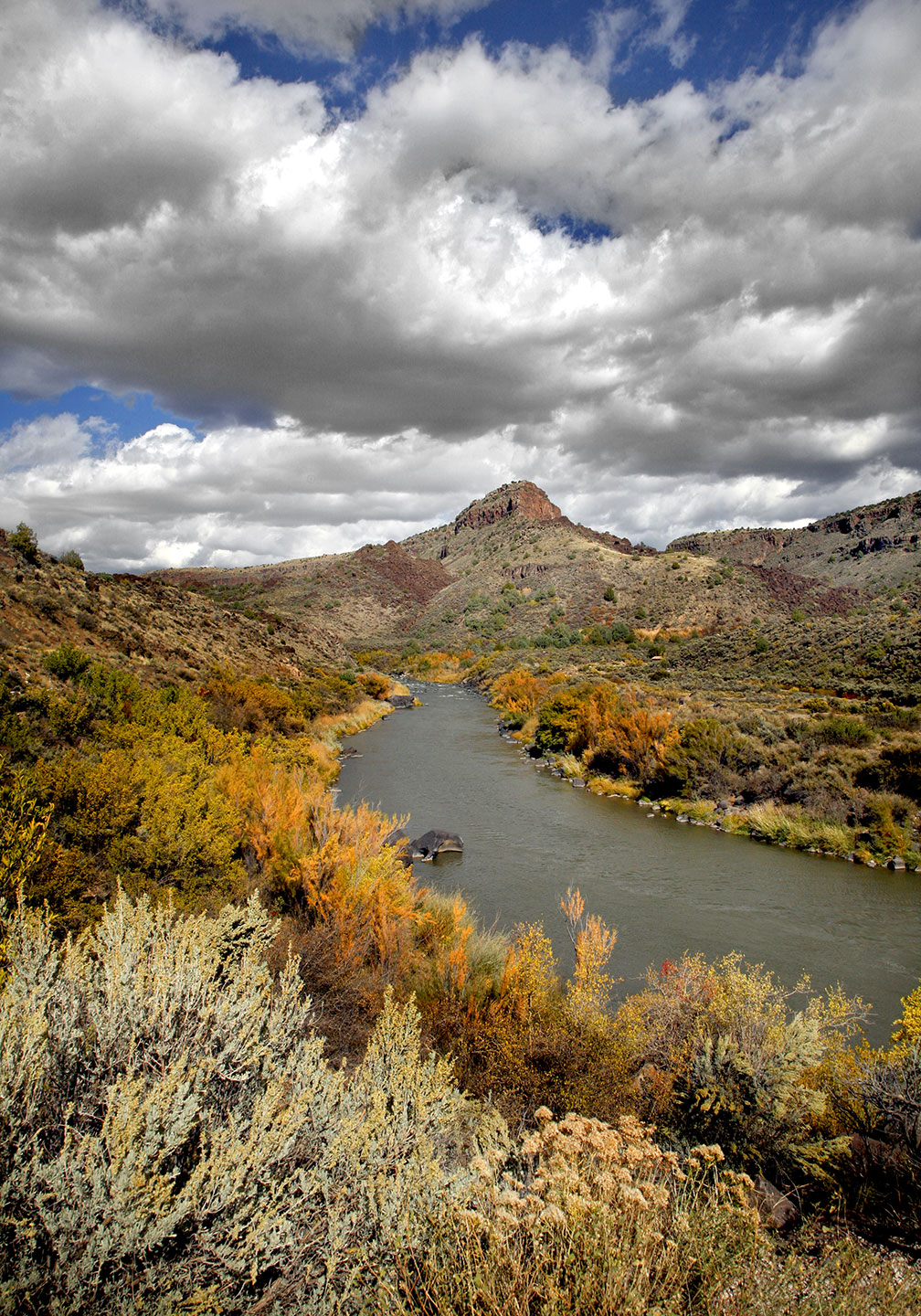
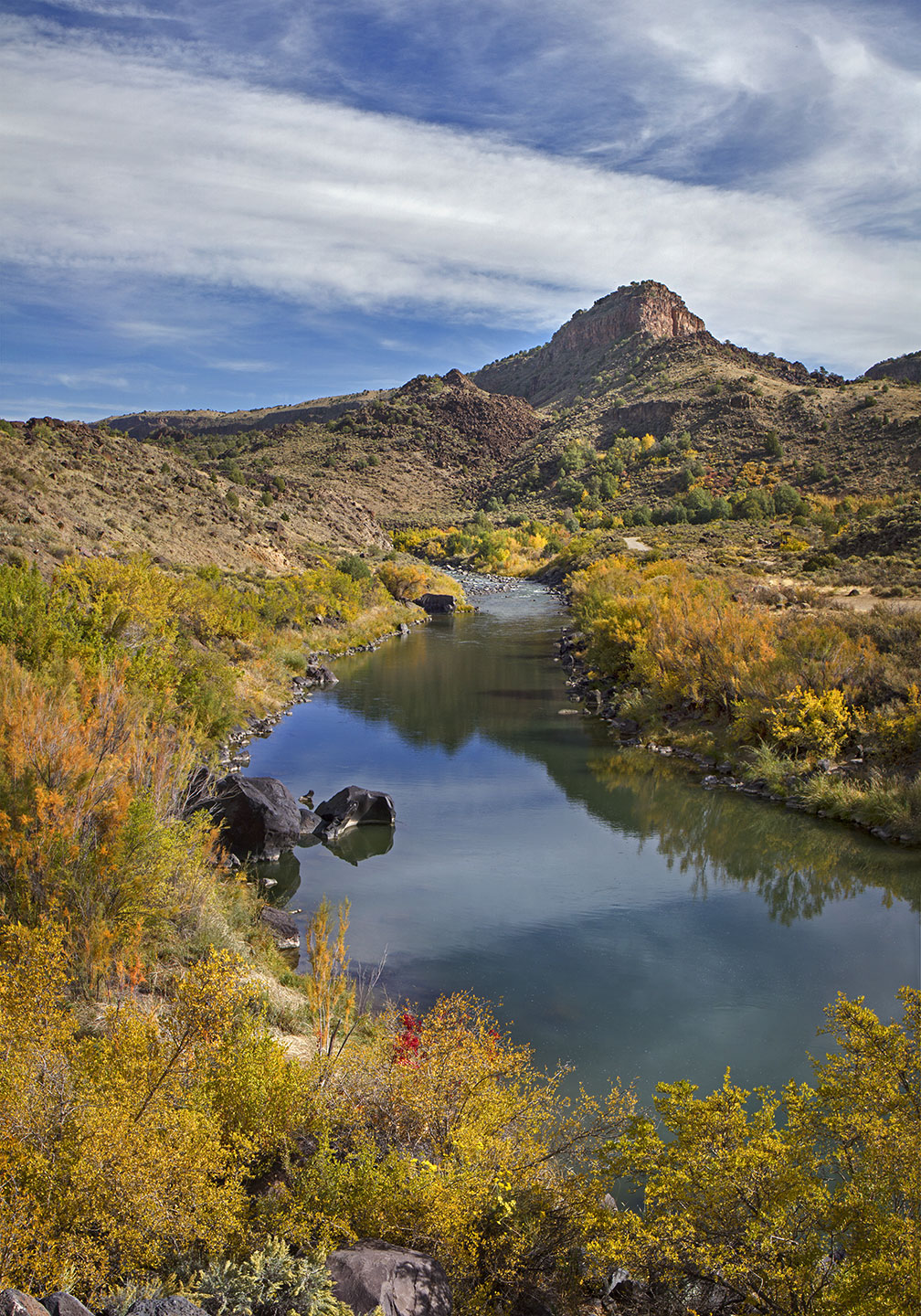
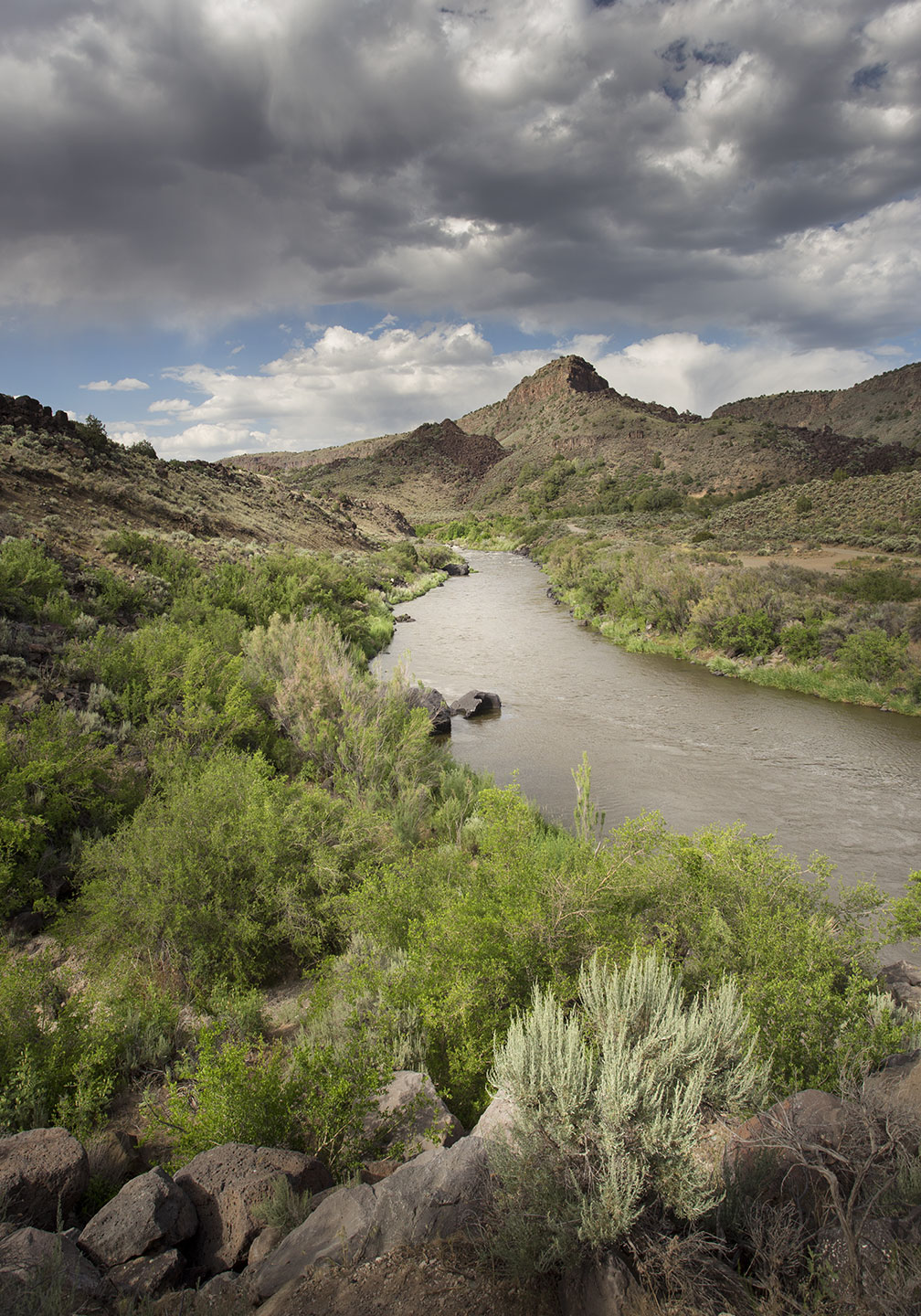
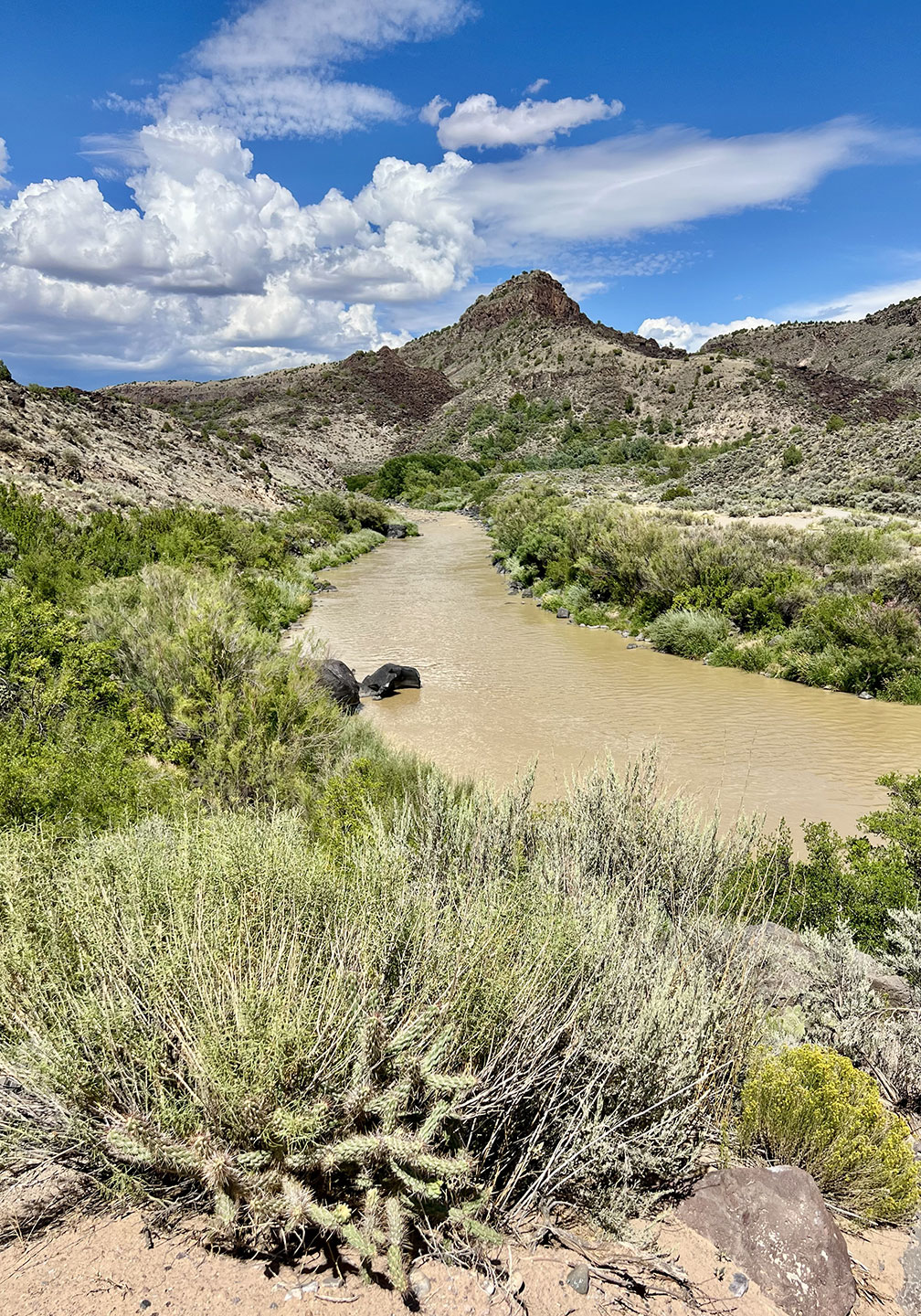
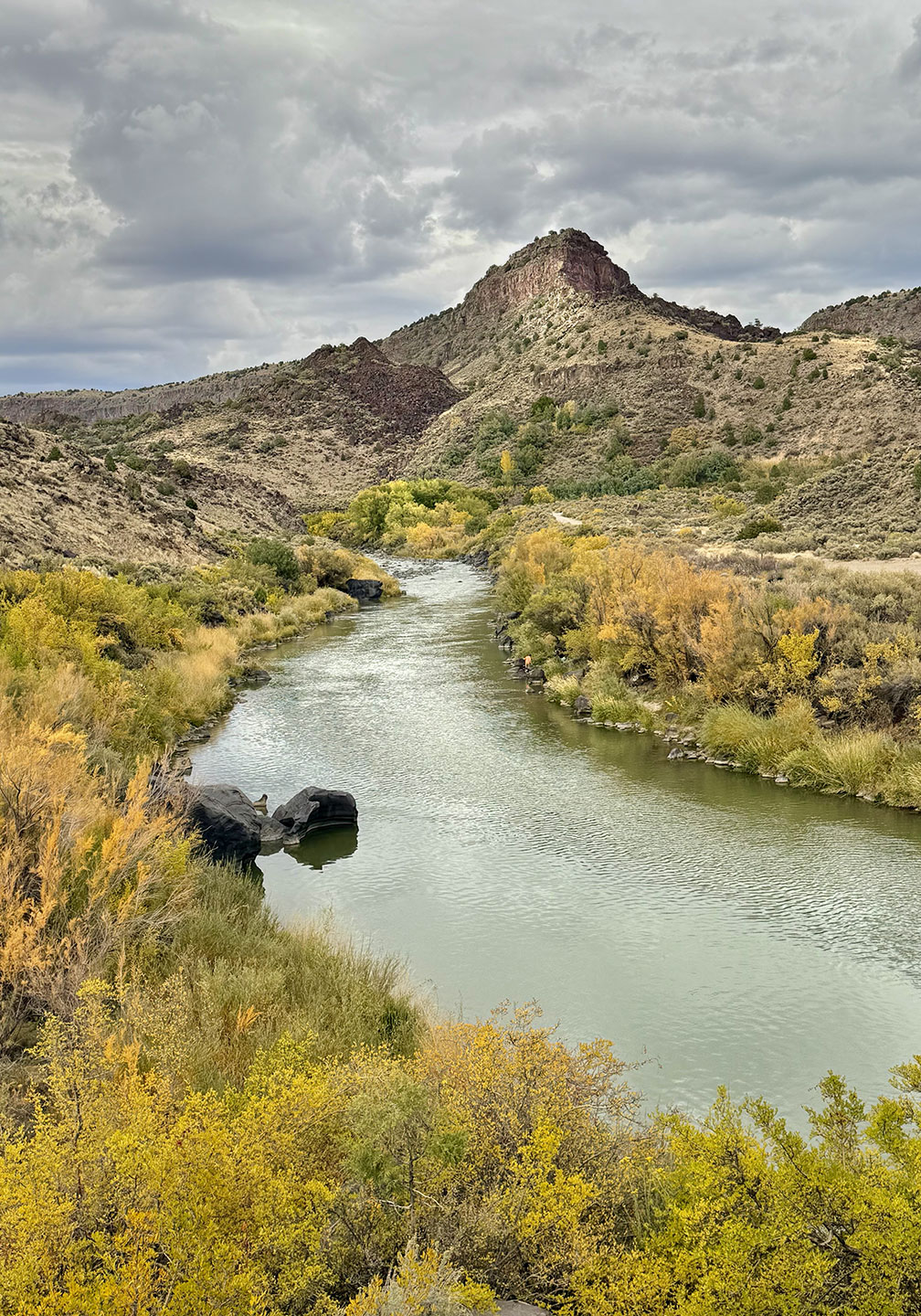
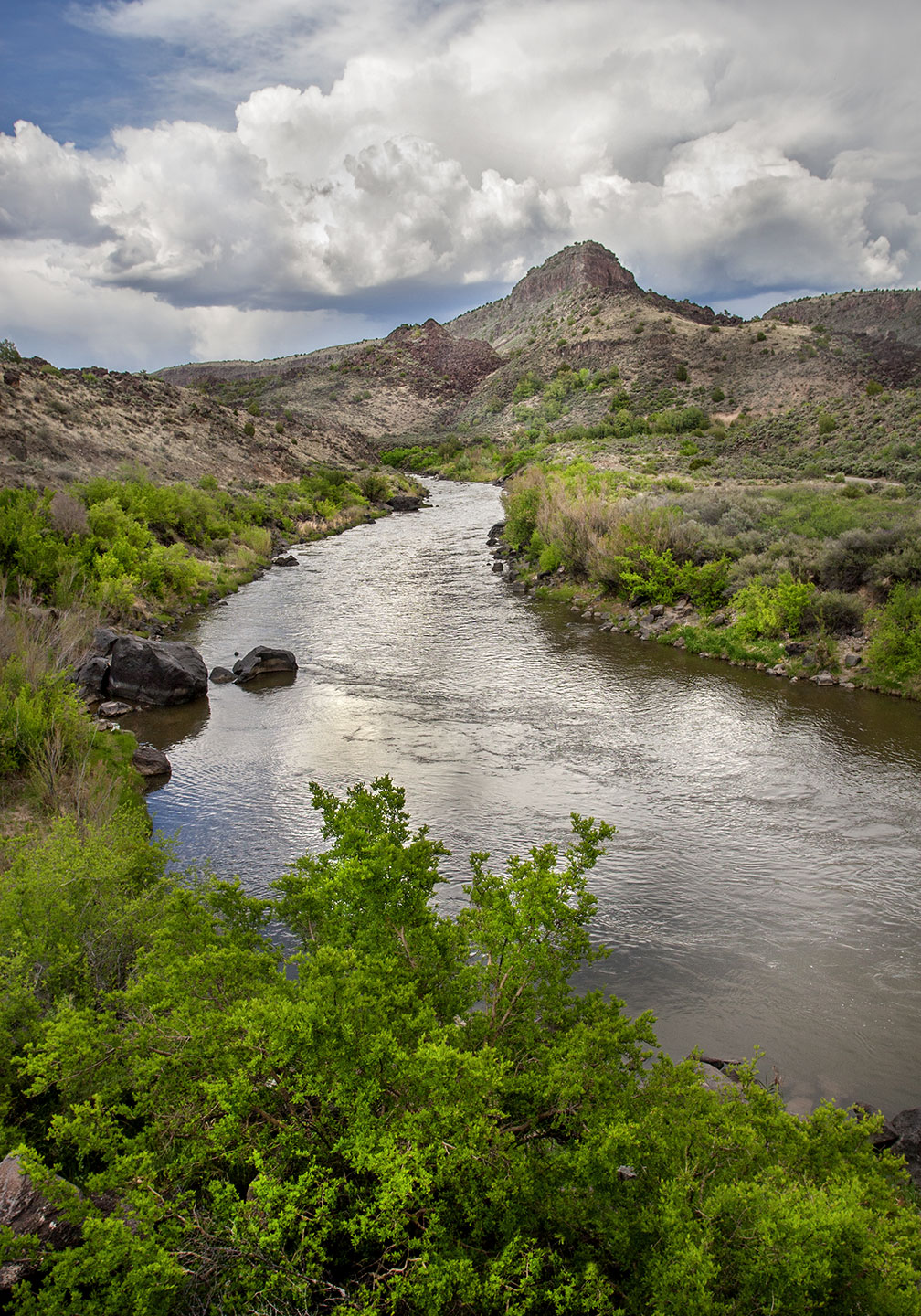
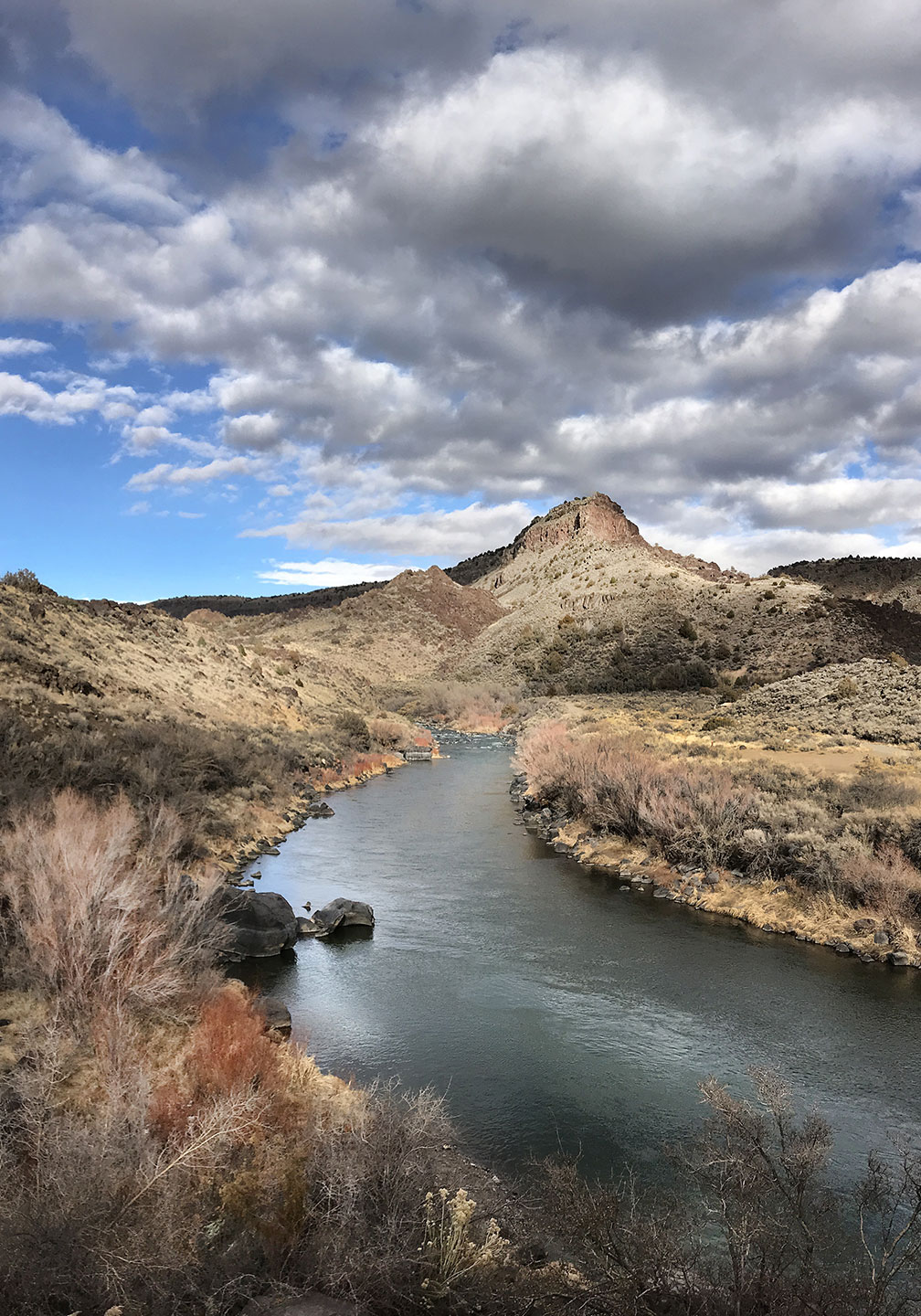
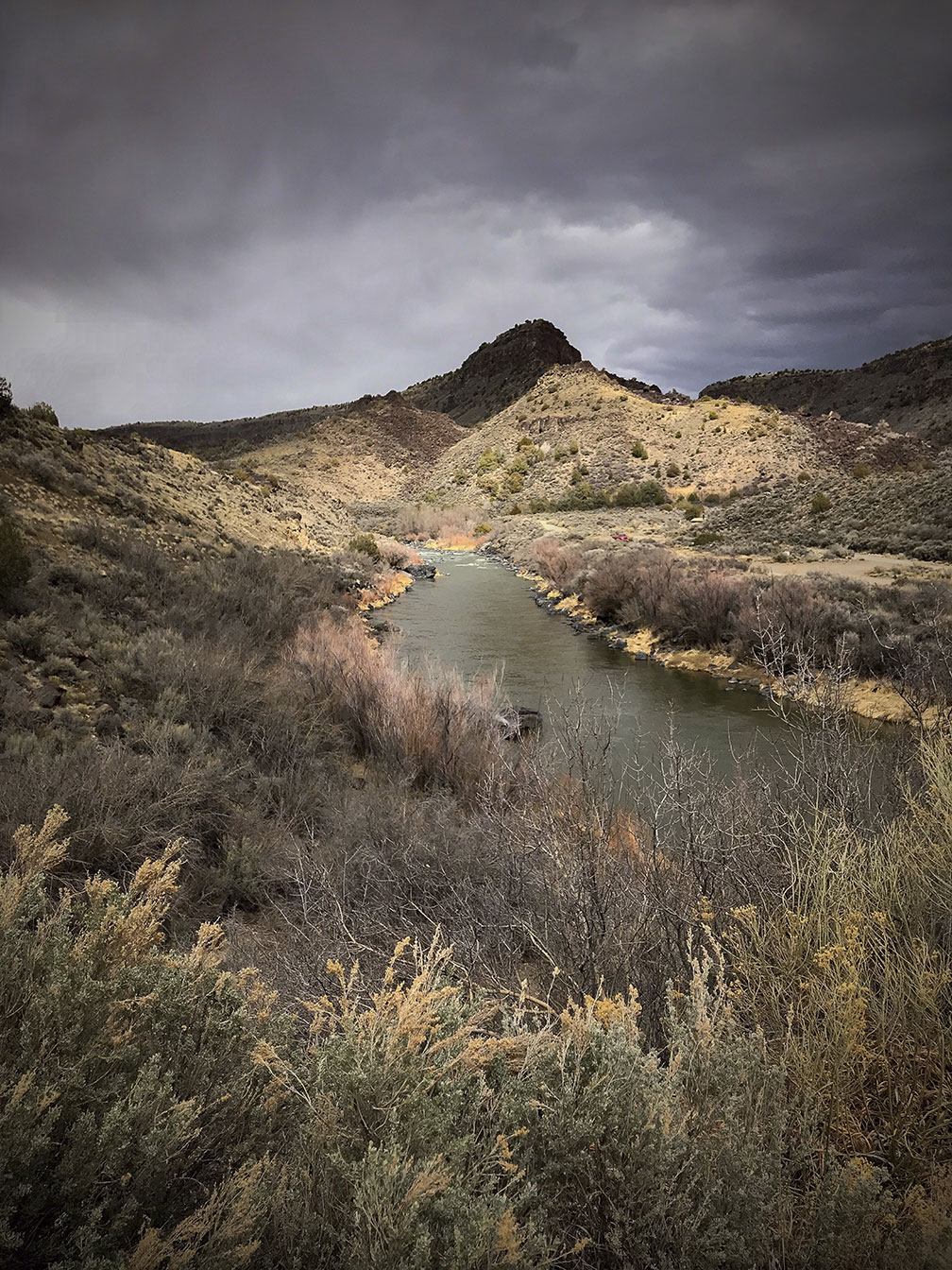
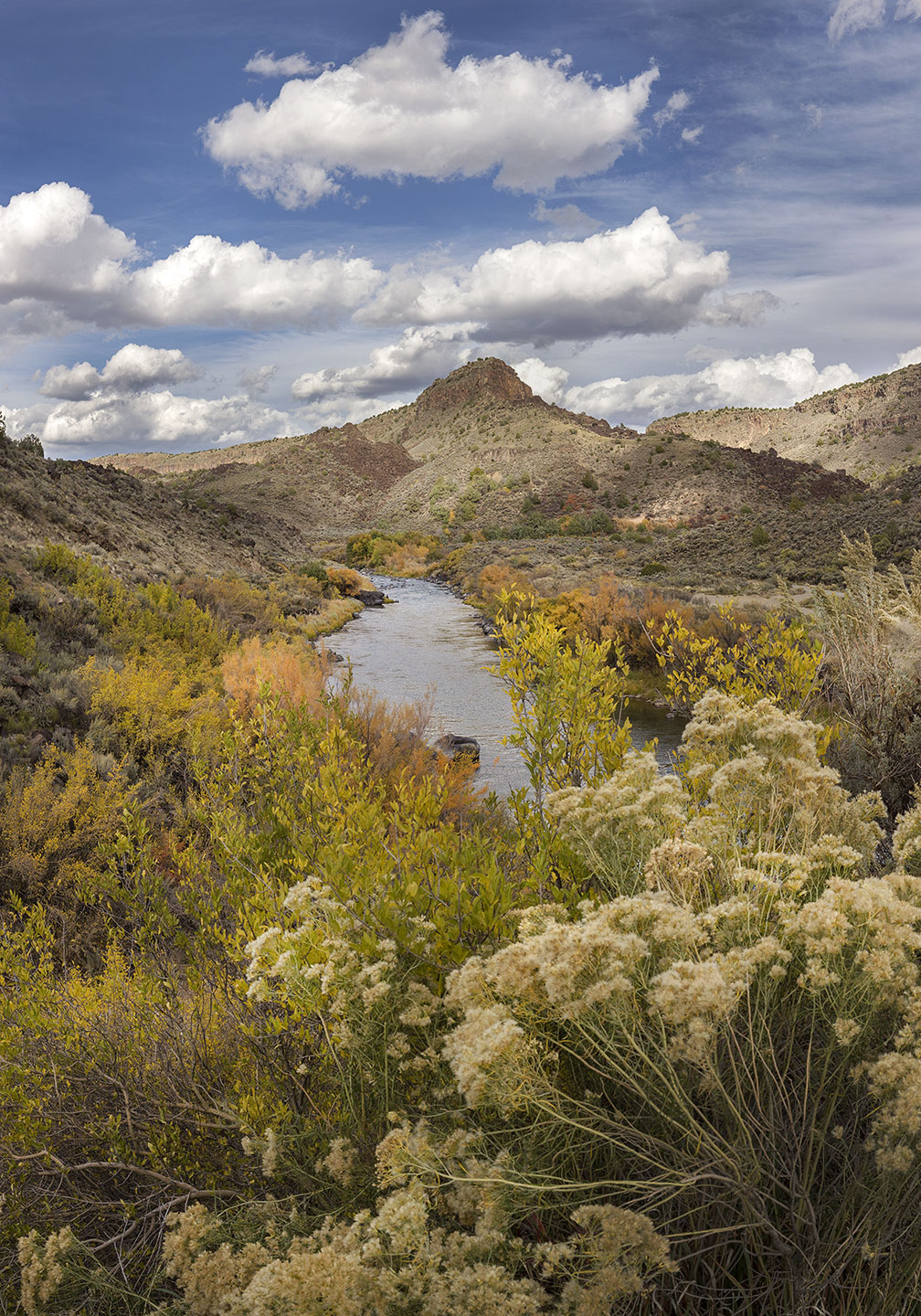
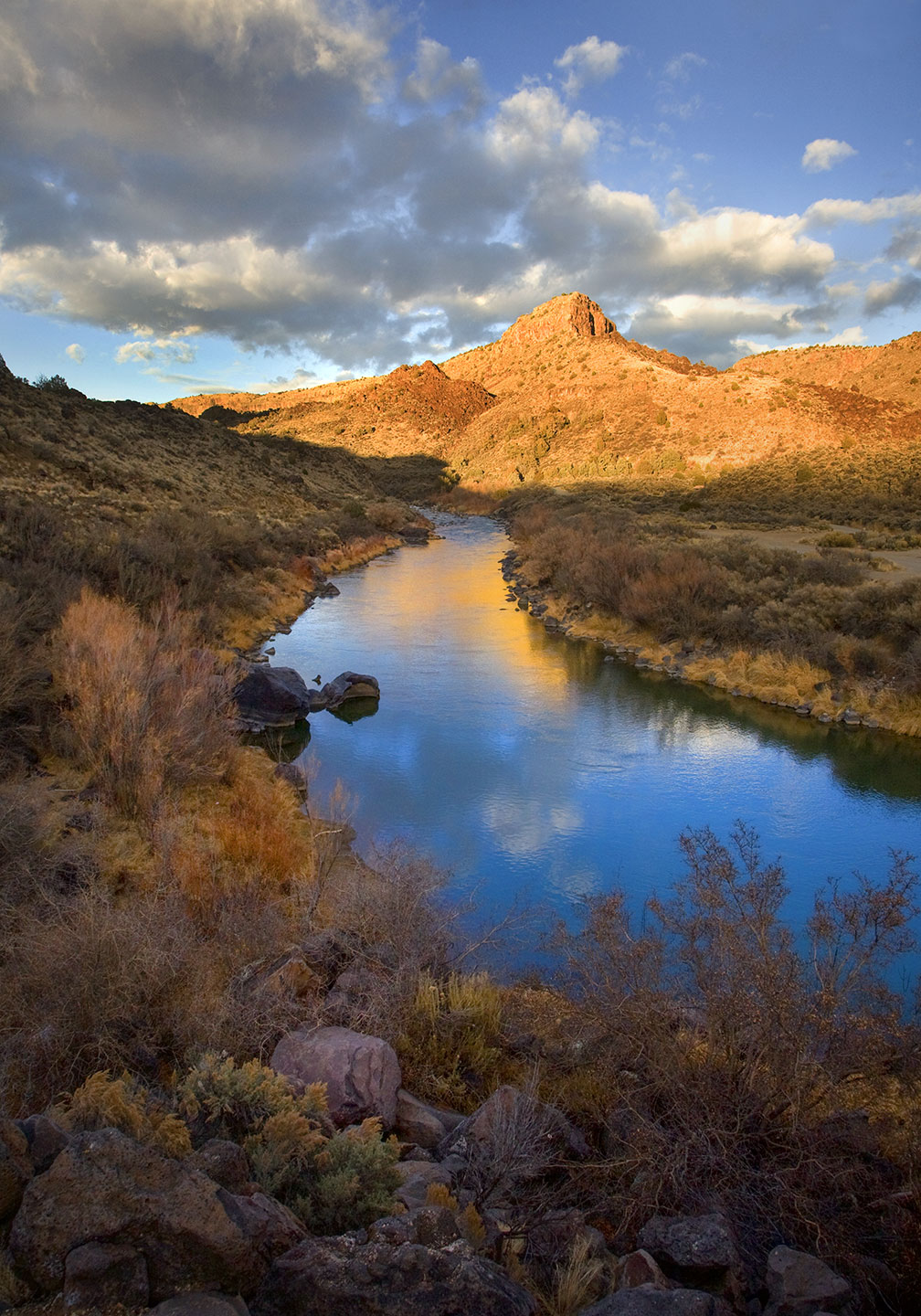
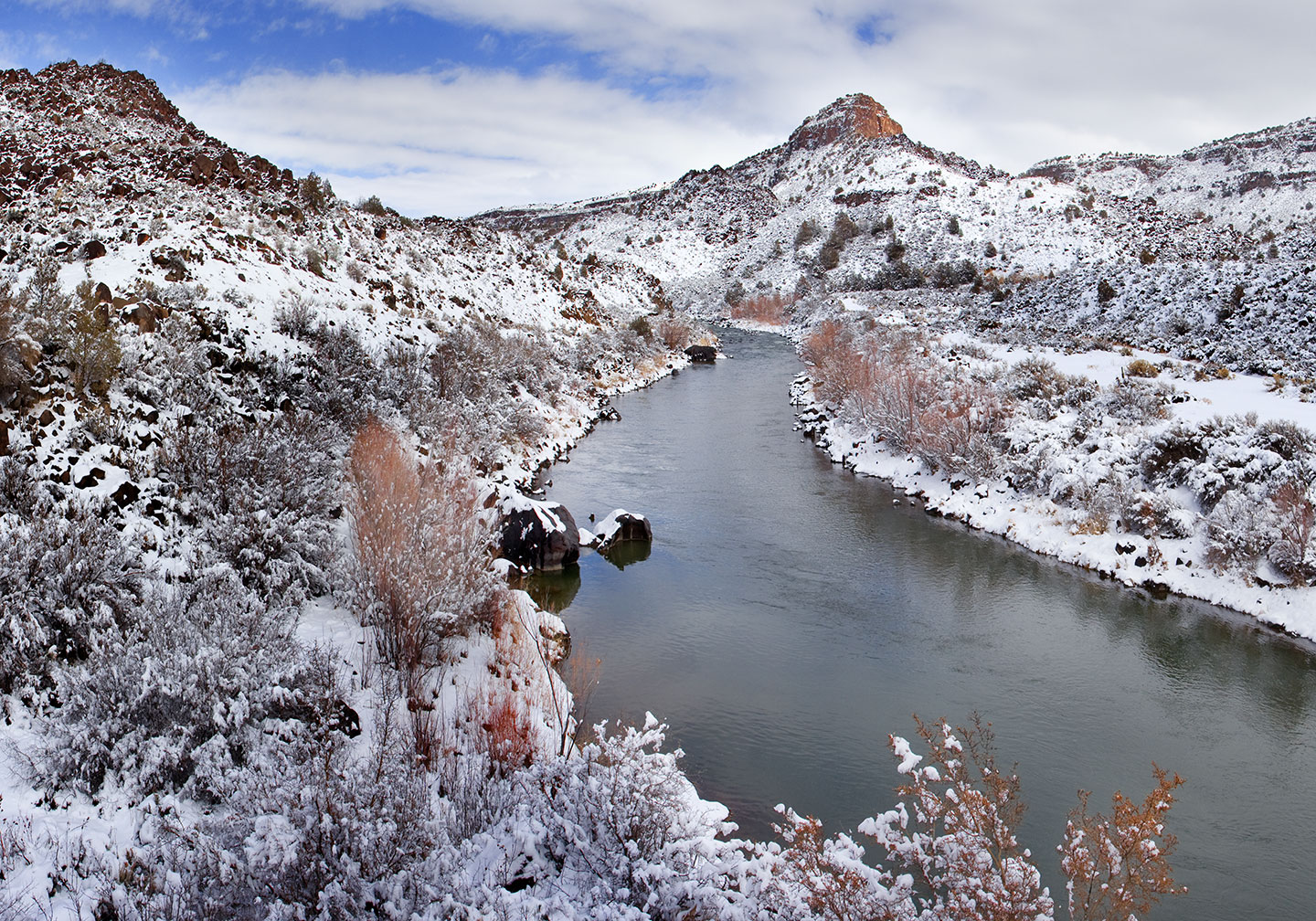
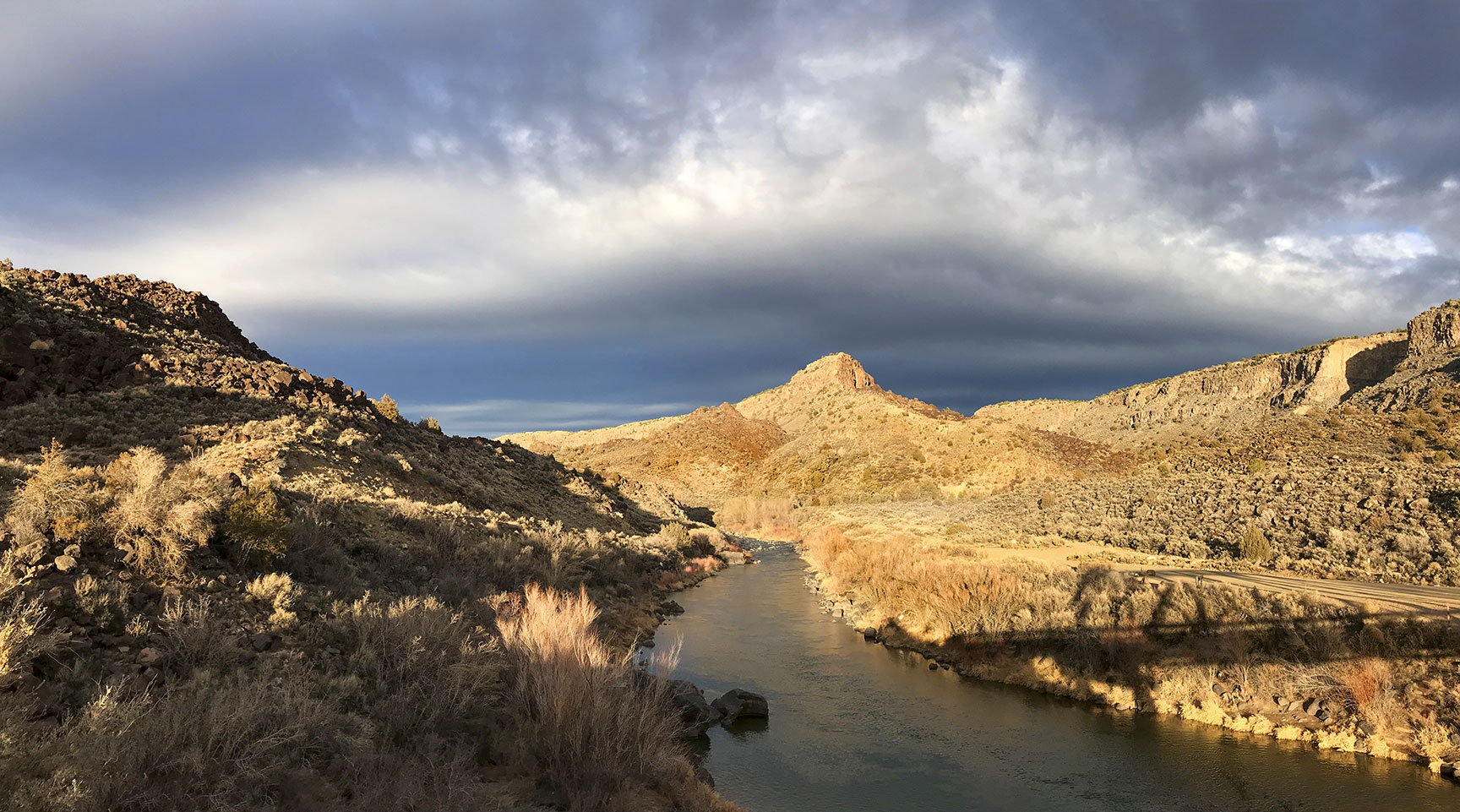
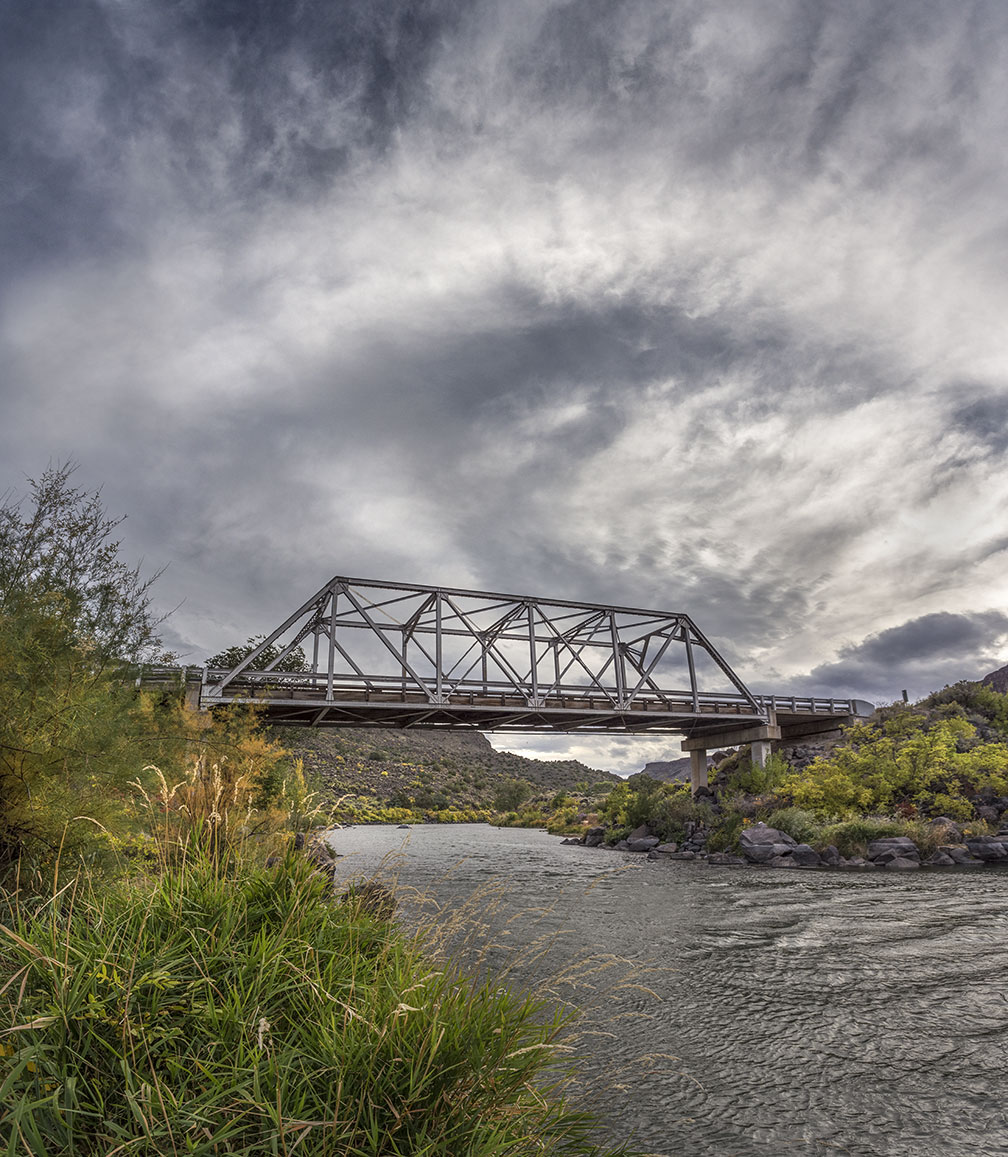
Just five miles north of the Village of Pilar, New Mexico, is the Taos Junction Bridge, a wonderful location for a view looking upstream along the Rio Grande. The river isn’t looking so healthy right now, so I hope you enjoy these images from better days as we look forward to wetter weather and plenty of snow this coming winter.
The images are in no particular order, and one caption will suffice for all of them, as they were taken at the same location.
I feel privileged to be able to return to the same places many times. Each visit can feel like the first when I see a familiar landscape in a different light.
Winter light in the Orilla Verde, Recreation Area.
•
And the bridge with a view!
Taos Junction Bridge
Want to see more of this most beautiful area, check out my book. I have more in stock.
As always, thanks for looking. I’m heading to Abiquiu again this week, including a detour through this area. We’ll see what transpires in the way of photography. Have a great week. G
Hello from Ghost Ranch, New Mexico. I hope everyone had a great week. It was a big beautiful cloud day yesterday on a photo tour around Abiquiu, and the Rio Chama Valley.
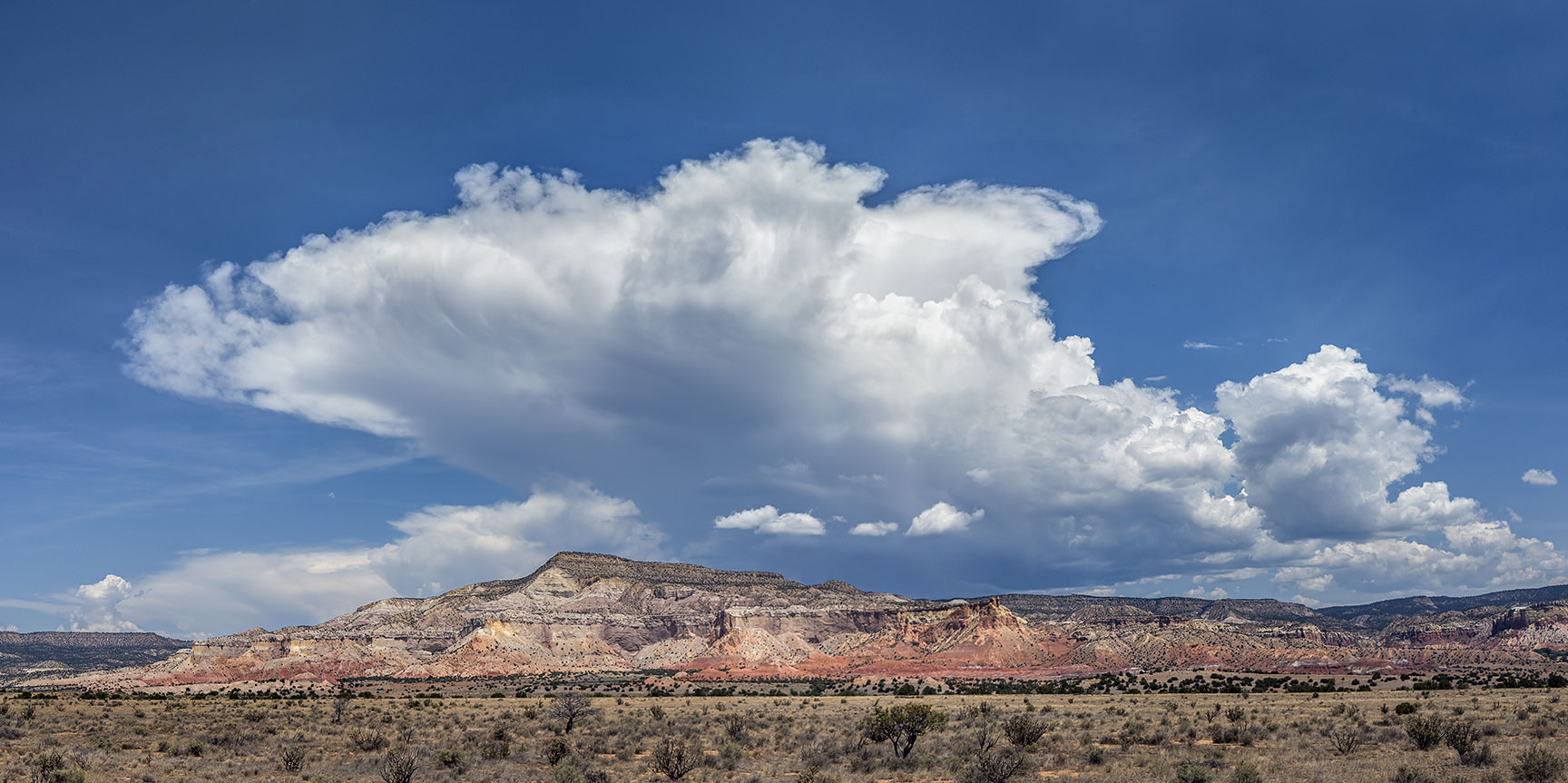
Big beautiful cloud, Ghost Ranch, NM
On a photo tour/workshop with photographer Kathy King. We hit the high country in the Valle Vidal on Monday where temps dropped from 94º F (34º C) to 54º F (12º C), with thunder, heavy rain and sleet. Yesterday we went to Abiquiu for the desert landscape.